
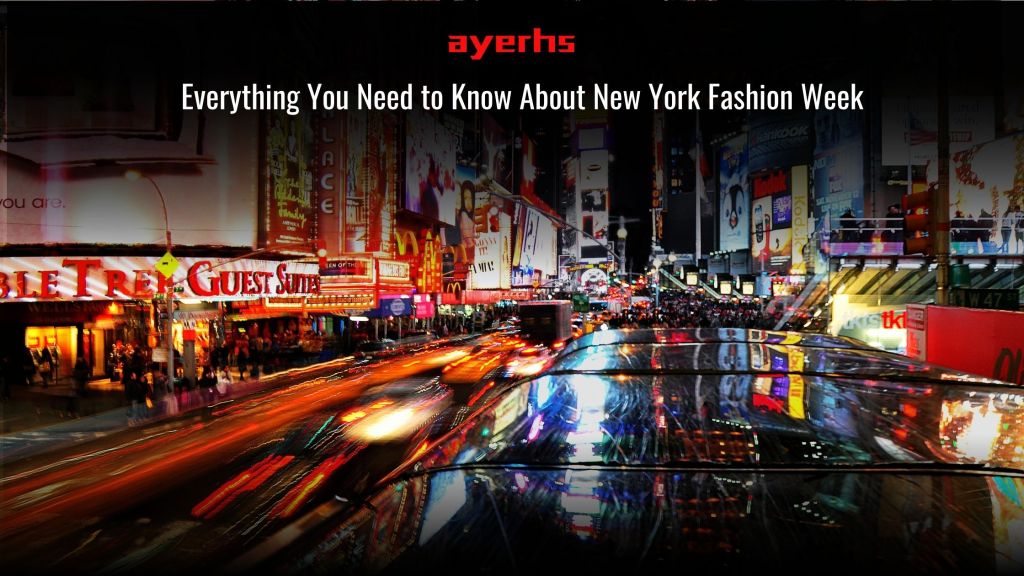
New York Fashion Week is fast, loud, exciting, and full of surprises. It’s not just about clothes. It’s about identity, storytelling, and the energy that only New York City can offer. Of all the fashion weeks around the world, New York is the one that feels the most like real life and fantasy all mixed together. One moment you’re watching a supermodel strut down a cobblestone street in SoHo, and the next you’re stuck in a cab in Midtown traffic hoping to make it to the next show on time.
This city doesn’t do fashion halfway. It does it all the way, with attitude. That’s what makes New York Fashion Week feel less like a scheduled set of runway shows and more like a cultural moment. It’s where streetwear meets high fashion, where young designers get their first shot, and where major brands debut collections that could shape global trends for the next year.
So if you’re curious about how it all started, what actually happens, who’s involved, and why it matters so much, here’s everything you need to know about New York Fashion Week.
Where It All Began
New York Fashion Week has been around for a while. Its roots go back to 1943, when Eleanor Lambert, a fashion publicist, decided to create “Press Week” during World War II. At the time, American editors couldn’t travel to Paris to see the collections, so Lambert brought the fashion to them in New York. It was a bold move that would end up changing fashion history. The event showcased American designers and gave them a platform to compete with European fashion houses.
Over the decades, that small press gathering evolved into what we now know as New York Fashion Week. It became the launchpad for iconic designers like Ralph Lauren, Donna Karan, Marc Jacobs, and Calvin Klein. And as the years went by, it expanded to include not just traditional runway shows, but also digital presentations, fashion films, street style moments, and influencer-led activations.
By the late 1990s and early 2000s, NYFW had cemented its place in the global fashion calendar as one of the “Big Four” — alongside Paris, Milan, and London. Today, it’s known as the most democratic, diverse, and dynamic of the four. It’s the place where trends are born and boundaries get pushed.
When It Happens
New York Fashion Week happens twice a year — in February and September — with some additional events sprinkled in during June and December for resort and menswear collections. February showcases fall and winter collections, while September highlights spring and summer.
Each season runs for about seven to ten days, depending on how packed the schedule is. The shows are organized under the official calendar released by the Council of Fashion Designers of America (CFDA), but many designers and brands also host their own independent events outside the official lineup.
There’s always something happening, from morning to night. Fashion shows, presentations, afterparties, influencer dinners, brand pop-ups, and editor meetups all blur together into one whirlwind week of clothes, cameras, and caffeine.
Who Organizes It
The CFDA is the main organization behind the official New York Fashion Week calendar. Founded in 1962, the CFDA is a non-profit that supports American designers and helps push the industry forward. They don’t run every single event or show — many designers still go off-schedule — but they offer structure, guidance, and support to keep the ecosystem thriving.
For a while, NYFW was managed in partnership with IMG, which handled the logistics and production of shows at official venues like Spring Studios or the old Bryant Park tents. Now, with more digital and decentralized events, the week has become more flexible. Shows can happen in all kinds of places — from rooftops and warehouses to sidewalks and subways.
What NYFW Feels Like
If you’ve never been, imagine this. You wake up early, get dressed in your best outfit, and head to your first show of the day — maybe it’s at Spring Studios, or maybe it’s in Brooklyn, or even Harlem. You wait in line with editors, stylists, influencers, and students all trying to get in. Photographers are snapping pictures outside. Music is blasting from the venue. Then you’re ushered inside to take your seat. The lights dim, the music shifts, and suddenly you’re watching a model walk down the runway in a piece that will be all over Instagram in a matter of minutes.
After that, it’s off to the next show, and the next, and the next. Somewhere in between you grab a coffee, answer emails, and maybe shoot some content. Then it’s time for an afterparty or dinner or maybe just a moment to breathe before it all starts again the next day.
It’s chaotic and tiring and electrifying. It’s fashion, New York style.
Who Shows in New York
NYFW is a mix of heritage brands, mid-sized labels, and up-and-coming designers. You’ll see big American names like Michael Kors, Carolina Herrera, Proenza Schouler, Tory Burch, Brandon Maxwell, and Tommy Hilfiger. These shows tend to have the big productions, celebrity front rows, and top-tier models.
Then there are the cult favorites. Think of names like Christopher John Rogers, Tibi, Sandy Liang, Collina Strada, and Eckhaus Latta. These are the brands that make fashion exciting and unexpected. They often bring fresh perspectives on beauty, body image, gender, and sustainability.
One of the most important aspects of NYFW is how supportive it is of new talent. Programs like CFDA’s Fashion Fund and IMG’s NYFW: The Shows help spotlight emerging designers. That means every season, you get to see first-time runways, unexpected names, and the future of fashion taking shape in real time.
The New York Aesthetic
So what does “New York fashion” actually look like? In a word — diverse. There’s no one look or formula here. That’s what makes it exciting. New York Fashion Week is known for mixing streetwear, minimalism, glamour, grit, and practicality. Designers here aren’t afraid to mix high and low, blend influences, or bring in cultural storytelling.
You’ll see sharp tailoring, slouchy knits, sporty cuts, architectural shapes, and sheer layers — often all in the same show. NYFW has always embraced functionality and freedom, offering clothes that real people can wear, without losing the drama or artistry.
Compared to Paris, Milan, or London, New York is less about tradition and more about expression. Designers often use their collections to say something — whether it’s political, personal, or emotional. And that message is just as important as the clothes themselves.
Street Style in NYC
If you’re wondering what fashion people actually wear to fashion week, New York is the best place to find out. Street style here is unmatched. It’s bold but practical, cool but not forced, full of personality but rooted in realness.
You’ll see a lot of oversized blazers, baggy denim, statement sunglasses, sneakers, boots, layered jewelry, and vintage pieces mixed with designer items. There’s a downtown edge to everything. People dress with intention but not in a way that feels too polished or fake.
In recent years, street style photographers have become just as influential as the designers themselves. Their photos often capture some of the most interesting looks of the week, and you don’t need a front-row ticket to be noticed — just a good outfit, a confident walk, and a little New York attitude.
Diversity and Representation
New York Fashion Week has made huge strides when it comes to diversity. While the industry as a whole still has a lot of work to do, NYFW is often seen as one of the most inclusive of the big four. That means more racial diversity on the runway, more plus-size models, more gender fluid collections, and more representation of different cultures and backgrounds.
Designers like Chromat, The Blonds, Pyer Moss, and LaQuan Smith have led the way by casting models that reflect the real world. At the same time, newer names are bringing even more inclusive energy to the scene. Brands like Hanifa, Private Policy, and No Sesso are pushing conversations about identity, accessibility, and visibility.
Fashion in New York has always been connected to movements — from the early days of hip hop to ballroom culture to protest fashion. NYFW continues that legacy by spotlighting designers who aren’t just making clothes but telling stories.
Sustainability in the Spotlight
With fashion’s environmental impact under the microscope, NYFW has started to lean into sustainability. You’ll see brands using deadstock fabrics, upcycled materials, and ethical production methods. Shows might highlight circular fashion, slow design, or collections made to last beyond the trend cycle.
Labels like Collina Strada and Gabriela Hearst have become known for their commitment to sustainability. But even beyond individual designers, there’s a growing awareness across the board. From set design to sample management to shipping, the industry is being forced to rethink how fashion weeks function.
Of course, challenges remain. A week of constant shows, travel, and consumption is never going to be perfectly eco-friendly. But conversations are happening, changes are being made, and younger designers are leading the way.
Digital and Virtual Fashion Shows
The pandemic changed the way fashion week worked, and some of those changes are sticking around. During lockdowns, NYFW went digital. Brands shot fashion films, hosted virtual runways, and streamed their shows online. While live events have returned, many designers continue to offer digital options.
That means you don’t need to be in New York to experience the shows. You can livestream them on Instagram, YouTube, or brand websites. Some even create interactive experiences with virtual front-row seats, backstage access, and behind-the-scenes content.
This digital shift has made NYFW more accessible than ever. It’s no longer limited to editors, buyers, and celebrities. Anyone with Wi-Fi can join the moment, and that’s a pretty exciting change.
What’s It Like to Attend
Getting invited to a NYFW show is no small thing. If you’re a buyer, editor, stylist, or influencer, you’ll likely get emails from PR reps weeks in advance. Smaller shows may offer open RSVPs or standing-room tickets. Bigger brands are more exclusive.
When you arrive, expect to wait. Doors rarely open on time. Once inside, you’ll find your seat, grab a show program or lookbook, and wait for the lights to dim. The show itself might only last ten minutes, but it’s a moment you won’t forget.
You don’t have to go to every show to be part of the week. In fact, some of the best experiences happen in between — at brunches, networking events, gallery installations, or random street-style encounters. NYFW is as much about the vibe as it is about the runways.
How to Follow Along from Home
You don’t need a plane ticket to be part of NYFW. Here’s how to stay in the loop from anywhere:
- Follow @cfda and @nyfw for the official schedule and livestreams
- Watch collections on Vogue Runway or The Fashion Spot within hours of the shows
- Check TikTok, Instagram Reels, and YouTube for behind-the-scenes content
- Read coverage from fashion editors, stylists, and influencers who break down the best looks and trends
- Use hashtags like #NYFW, #NYFW2025, and #StreetStyleNYC to keep up in real time
If you want to go deeper, tune into podcasts, Twitter threads, or designer interviews. Fashion week isn’t just about visuals — it’s about ideas.
Why New York Fashion Week Still Matters
Some people say fashion week isn’t what it used to be. And sure, it’s changed. It’s more digital, more fragmented, and more commercial in some ways. But New York Fashion Week still matters — maybe now more than ever.
It’s a platform for new voices. A place where designers of all backgrounds can tell their stories and reach global audiences. It’s where American fashion continues to redefine itself season after season. And it’s where we get to see how culture, politics, and identity show up in the form of fabric, color, and silhouette.
It’s messy and magical and exhausting and energizing all at once. And it’s still one of the best ways to understand where fashion is going next.
Final Thoughts
New York Fashion Week is more than just a string of runway shows. It’s a celebration of creativity, a hub for innovation, and a living snapshot of fashion’s future. Whether you’re into the glitz of Michael Kors or the edge of emerging designers, there’s something for everyone here.
It’s a week that honors tradition while breaking it. That spotlights the familiar but welcomes the unexpected. And even though it changes every year, one thing stays the same — it always reflects the spirit of New York. Bold, busy, unpredictable, and full of life.
So now you know what New York Fashion Week is all about. Whether you’re watching from the front row or your phone screen, welcome to the show.
Ask ChatGPT
 Ayerhs Magazine