
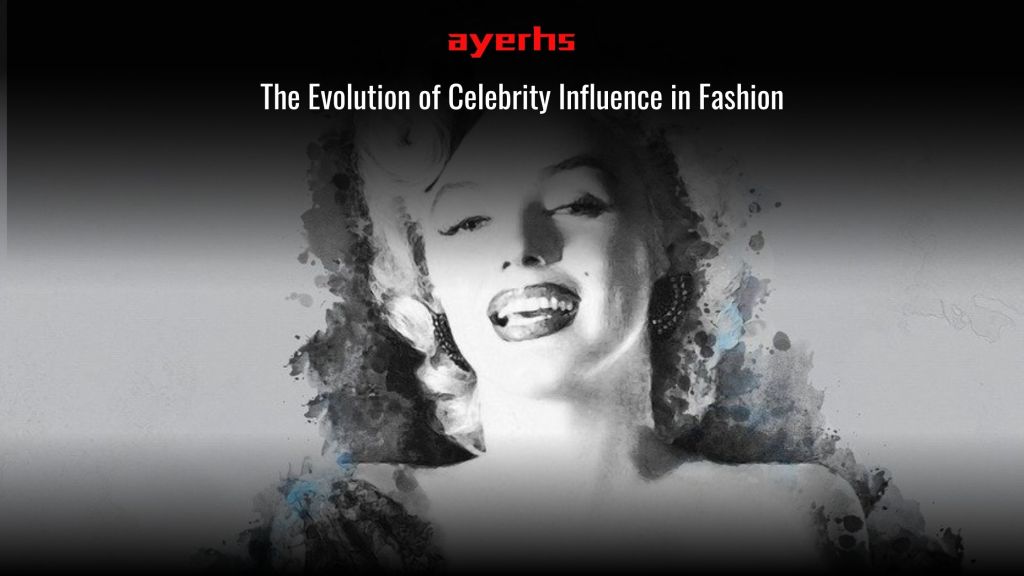
Celebrities and fashion have always had a thing for each other. It’s like peanut butter and jelly — one makes the other more exciting. But the way celebrities influence fashion today looks very different from how it did even just a couple of decades ago. From Old Hollywood glam to Instagram stories and TikTok hauls, the evolution of celebrity influence in fashion is a story of shifting power, platforms, and personal branding.
Let’s unpack how it all started, where it is now, and what it could look like in the future.
Old Hollywood and the Birth of the Style Icon
If we’re going to talk about celebrity fashion influence, we’ve got to start with the Golden Age of Hollywood. Back in the 1930s to 1950s, movie stars were essentially the original influencers. But their style wasn’t necessarily their own. Studios controlled their public image, from their clothes to their haircuts to the way they appeared in public. Think Marilyn Monroe in her white halter dress or Audrey Hepburn’s classic little black dress in Breakfast at Tiffany’s — these weren’t just iconic film moments. They were fashion moments that shaped how women dressed for years.
Designers also began to understand the power of dressing a star. When a star wore a designer’s gown to a premiere or a big award show, it wasn’t just about looking good. It was publicity. And it worked. Edith Head, a legendary costume designer, was often behind the scenes turning actresses into fashion icons, even though few outside the industry knew her name.
The 60s and 70s: Rebellion, Rock Stars, and Real Style
By the 1960s, something shifted. Celebrities weren’t just stars on a screen anymore — they became real people in the public’s eyes. There was less control from studios and more personality in the way stars dressed. Fashion icons like Jane Birkin, Twiggy, and Bianca Jagger brought a cool, effortless aesthetic that was far from the polished looks of earlier decades. Their influence felt authentic. They weren’t wearing costumes. They were just being themselves.
Meanwhile, musicians started becoming major fashion forces too. Think of Jimi Hendrix’s psychedelic prints or David Bowie’s boundary-pushing glam rock looks. Music and fashion were speaking to youth culture, and celebrities became style leaders in a way that felt more personal and expressive.
This era also saw the rise of fashion magazines as cultural bibles. If a celebrity was on the cover of Vogue or Harper’s Bazaar, it wasn’t just about their talent — it was about their style.
The 80s and 90s: Supermodels, Pop Stars, and Designer Collaborations
Fast forward to the 80s and 90s, and the relationship between celebrities and fashion grew even tighter. Designers started working directly with pop stars, actors, and supermodels. Think of Madonna in Jean Paul Gaultier’s cone bra, or Princess Diana’s revenge dress. These weren’t just outfits — they were statements, and the whole world was watching.
Supermodels like Naomi Campbell, Cindy Crawford, and Linda Evangelista were celebrities in their own right. But they also hung out with rock stars and dated actors, blurring the lines between celebrity and model. Meanwhile, pop culture icons like the Spice Girls and TLC were influencing what people wore just as much as any designer.
This era also introduced red carpet fashion as a big deal. Suddenly, what a star wore to the Oscars or the Met Gala could become headline news the next morning. Designers began lending — and later gifting — gowns and suits to celebrities. Stylists became key players, curating looks that would land their clients on best-dressed lists.
The 2000s: Reality TV and the Birth of the Celebrity Brand
By the early 2000s, things got a little more chaotic and a lot more commercial. Reality TV stars like Paris Hilton and later Kim Kardashian flipped the script on what it meant to be famous — and how that fame could be monetized through fashion.
Suddenly, anyone with a name and enough paparazzi attention could launch a fashion line. And many did. From Jessica Simpson to Jennifer Lopez to Beyoncé, celebrity fashion lines exploded. Some were short-lived, while others — like the Jessica Simpson collection — made millions.
Social media was just starting to take shape. MySpace, and later Twitter and Facebook, gave celebrities a direct way to connect with fans. And with that came more influence. Stars weren’t just seen in magazines or on TV — they were in your pocket.
The 2010s: Instagram, Influencers, and a New Kind of Celebrity
The 2010s changed everything. Instagram launched in 2010, and it wasn’t long before celebrities started using it to build their own fashion empires. Suddenly, they didn’t need a stylist, a red carpet, or a magazine cover. They just needed a phone and some good lighting.
Celebrities like Rihanna, Zendaya, and Harry Styles began experimenting more publicly with fashion, using their platforms to showcase their personal style. Others, like Kylie Jenner and the Hadid sisters, became influencers in their own right, blurring the lines between celebrity and social media star.
This era also saw the rise of influencers — people who weren’t traditionally famous but had built huge followings through blogs and platforms like Instagram and YouTube. Celebrities started borrowing from influencer culture, doing outfit breakdowns, hauls, and sponsored posts. Meanwhile, influencers started working with luxury brands, sitting front row at Fashion Week, and even launching their own collections.
The fashion world began to adapt. Brands like Fashion Nova, PrettyLittleThing, and Revolve tapped into the power of social media stars and reality TV alumni. It wasn’t just about Hollywood anymore — it was about who had the most engaged audience.
Celebrity as Fashion Designer: More Than Just a Name
One of the biggest shifts in recent years has been the rise of celebrities not just endorsing fashion but actually creating it — or at least appearing to. While earlier celebrity lines often felt like licensing deals, newer celebrity brands are built with more intention and often better taste.
Rihanna’s Fenty line, launched with LVMH, set a new standard. It was inclusive, stylish, and felt like a true extension of her identity. Kanye West’s Yeezy brand, despite its controversies, helped shape the aesthetic of an entire decade. And stars like Pharrell and A$AP Rocky have worked with high-end brands like Chanel and Gucci, bringing streetwear sensibilities into luxury fashion.
Celebrities today often approach fashion as part of their larger brand. It’s not just about clothes — it’s about lifestyle, values, and community. When a celebrity launches a fashion line now, it’s expected to stand for something.
Gen Z, TikTok, and the Democratization of Influence
Now we’re in the era of TikTok, where trends come and go in a matter of days and anyone can go viral. The celebrity-fan dynamic has changed again. Gen Z doesn’t just follow celebrities for their red carpet looks — they want authenticity, relatability, and behind-the-scenes content.
This has shifted the way fashion works. A red carpet gown might get some press, but a TikTok “get ready with me” video can spark an entire microtrend. Celebrities are leaning into this. Hailey Bieber breaks down her outfits on Instagram Stories. Doja Cat documents her experimental looks on TikTok. And even stars like Bella Hadid have built followings for their street style just as much as their projects.
At the same time, celebrity influence feels more casual than ever. Gone are the days of polished, untouchable glamour. Today’s fashion icons post in sweats, go makeup-free, and shop vintage. There’s a sense of accessibility that makes their style feel within reach.
Fashion Weeks, Front Rows, and Fandoms
Fashion shows are still a big deal, but they’ve changed too. Celebrities used to sit front row to be seen. Now, they attend to create content. What they wear to the show is just as important as the clothes being shown on the runway.
Fandoms also play a big role in shaping fashion influence today. When a celebrity wears something, it’s instantly tracked down and analyzed by fans. Reddit threads, fan pages, and TikTok accounts are dedicated to decoding celebrity outfits. In many cases, a fan base can catapult a niche designer into mainstream fame simply by obsessing over a celeb’s look.
There’s also more awareness around sustainability, ethics, and representation in fashion. Celebrities are increasingly held accountable for the brands they support and the messages their clothing choices send. Wearing a small, sustainable label can say as much as a custom couture gown.
What’s Next for Celebrity Fashion Influence?
So where do we go from here? If history tells us anything, it’s that celebrity influence in fashion will keep evolving. But here are a few possibilities.
First, we’re likely to see more collaboration over endorsement. Fans don’t just want to see a celebrity wear a brand — they want to see them co-create something meaningful. Think of how Emma Chamberlain partnered with Levi’s to create upcycled pieces or how Rosalía worked with Nike to redesign a classic Air Force 1.
Second, there will probably be even more crossover between celebrities and traditional influencers. The line is already thin, but as more social media creators become celebrities and more celebrities start behaving like influencers, it could disappear altogether.
Third, technology is going to play a big role. Virtual fashion, NFTs, and AI-generated collections are already entering the scene. Celebrities who embrace these innovations could shape not just what we wear but how we shop and experience fashion.
And finally, there’s a growing hunger for authenticity. Celebrity influence won’t disappear — but it may be measured more by connection than by clout. Fans want to know that the clothes they’re seeing represent who a person really is, not just what a stylist picked out.
In the End, Style Still Speaks
From movie stars in vintage gowns to influencers in thrifted fits, celebrity influence in fashion has never been static. It morphs with the culture, with technology, with the way we connect. But at its core, it’s still about storytelling. About expression. About aspiration and identity.
Whether it’s a Met Gala look that breaks the internet or a messy mirror selfie that sparks a trend, celebrities continue to shape the way we dress — not because they tell us what to wear, but because they show us how to wear it in ways that feel human, bold, and new.
And that influence, as long as we care about style and stories, probably isn’t going anywhere.
 Ayerhs Magazine