
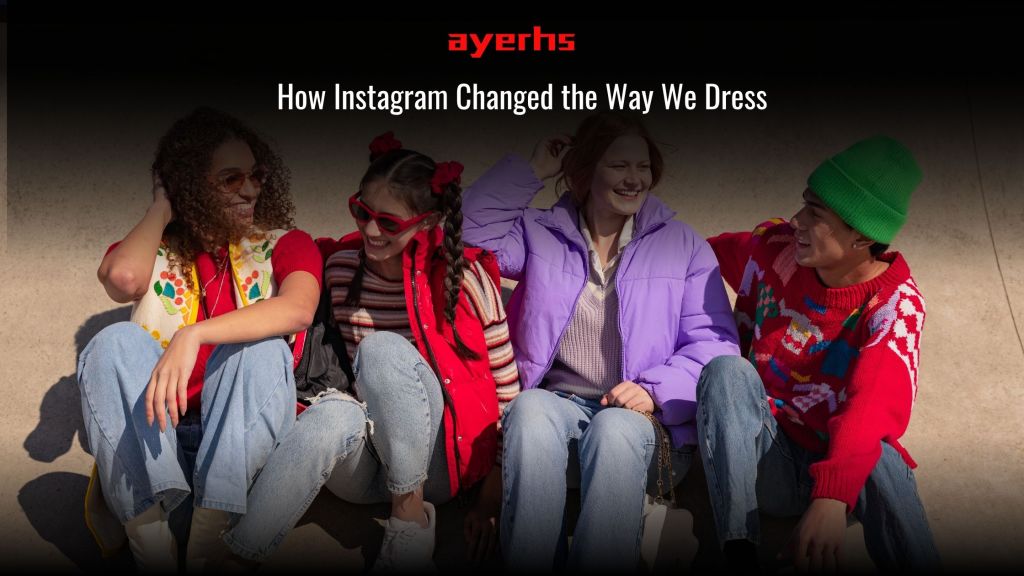
There was a time when fashion trends trickled down from runways to magazine pages and eventually into the wardrobes of everyday people. You’d wait for Vogue’s September issue, watch red carpet events, or walk into a store to see what was new. Now, with a scroll and a double tap, fashion has become something else entirely. Instagram changed the way we dress — not subtly, but completely.
From what we buy to how we pose in our clothes, Instagram has infiltrated our closets. It’s no longer just about dressing well — it’s about dressing for the feed. Whether you’re into clean aesthetics, bold streetwear, or soft vintage looks, there’s an entire subculture for you on Instagram. And that visual overload? It’s shaping how we think about style, self-presentation, and identity.
Let’s unpack how we got here and why Instagram holds such power over our wardrobes today.
1. From Fashion Gatekeepers to Fashion Democratised
Before Instagram, access to fashion inspiration was limited. You looked at models in fashion magazines or celebrities on TV. Stylists, editors, and designers decided what was “in” and what was “out” — and everyone else followed. It was a top-down approach, and only a select few had the power to influence fashion narratives.
Instagram blew the gates open. Suddenly, anyone with a phone and a point of view could influence style trends. A girl in Seoul could show off her thrifted outfits to someone in New York. A guy in Lagos could blend traditional prints with streetwear and get featured on a global fashion blog. The platform became a visual melting pot of cultures, styles, and creativity — and fashion got a whole lot more diverse because of it.
No longer were we waiting for the next designer drop. We were inspired by people just like us — in their bedrooms, on the streets, and at cafes. Personal style became more powerful than brand names. And because of that, the fashion world had to listen.
2. The Rise of the Everyday Influencer
Influencers might be a loaded word now, but Instagram gave rise to a new kind of tastemaker. These weren’t traditional celebrities or fashion insiders. They were lifestyle bloggers, style enthusiasts, creatives — people who dressed well and knew how to tell a story through their outfits.
The influencer era made fashion more aspirational and attainable at the same time. You could see someone style a Zara blazer five ways, tag every item, and link you to buy it instantly. It took the guesswork out of shopping and added a new layer of trust. If she can pull it off in her small apartment mirror selfie, maybe I can too.
Fashion became more about curation and consistency. Influencers built their personal brands around a specific aesthetic. Minimalist neutrals, Y2K nostalgia, grungecore — whatever it was, people flocked to them not just for what they wore but for how they wore it. And in return, brands paid attention. Collaborations, sponsorships, and affiliate links became normal, turning personal style into a career path.
3. Hashtags, Trends, and the Speed of Fashion
Remember when trends used to last a few seasons? Instagram sped things up. A new outfit formula could go viral within a week — #cottagecore, #coastalgrandmother, #cleanlook. Hashtags turned into micro-movements, and people reshaped their closets to fit the aesthetic of the moment.
Fashion trends now move at the speed of the algorithm. One viral post can spark a global outfit trend overnight. Everyone suddenly wants flare leggings, puff sleeves, or a baguette bag. And just as quickly, those items can fall out of favor — not because they’re less stylish, but because they’re no longer “fresh” on the feed.
This rapid turnover changed the way we shop. People no longer buy for seasons — they buy for the moment. And often, they buy for the photo.
4. Dressing for the ‘Gram vs Dressing for Life
It’s an unspoken truth — many of us now dress with Instagram in mind. Outfits are curated not just to look good in real life but to photograph well. Think about it — certain colors pop better in photos. Certain angles flatter specific fits. We style looks for rooftop brunches, beach trips, and mirror selfies because we know we’ll post them.
There’s a performance element to how we dress now. It’s not just about self-expression — it’s about storytelling. Your clothes help communicate who you are or who you want to be perceived as. Whether that’s laid-back and artsy or bold and high fashion, the grid becomes a visual diary of our evolving identities.
And it’s not just influencers. Everyday people now think about color coordination, backdrops, lighting — all in service of making an outfit pop on camera. It’s fashion meets photography, and we’re all the creative directors of our own personal brand.
5. Outfit Repeating and the Fear of the Feed
One of the stranger side effects of Instagram culture is the anxiety around outfit repeating. Because the platform is so visual, there’s a subconscious pressure to always wear something new. If a look has already been posted, it can feel like it’s already been “used.”
This mindset didn’t exist before. People wore the same jeans or jacket all the time without thinking twice. Now, with digital documentation, fashion feels more disposable. There’s a sense that once a look is posted, it’s archived — and no longer viable for future content.
This pressure feeds into overconsumption. Fast fashion brands thrive on it. They release weekly drops knowing people crave fresh content. The cycle becomes unsustainable, both financially and environmentally. But it’s hard to escape when the algorithm rewards novelty and volume over sustainability and timelessness.
6. The Visual Vocabulary of Fashion
Instagram taught us how to speak fashion fluently — visually. Think of all the ways you now recognize fashion details. The mirror selfie pose. The outfit flat lay. The close-up texture shot of a chunky knit. The swipe-through carousel of different angles. We’ve all become familiar with this visual language.
It’s not just about what you wear — it’s about how you present it. A basic outfit can look high-end with the right editing and composition. A vintage tee can feel fresh with the right caption and moodboard. The lines between fashion and content creation have blurred. Clothes are not just worn — they’re curated.
Even fashion brands had to learn this language. Instead of polished campaign shoots, they now collaborate with creators who shoot in natural light, tag with witty captions, and post in real time. It feels more relatable — and more effective.
7. Community, Aesthetics, and Belonging
Instagram also gave rise to fashion communities. Whether it’s dark academia, soft girl, streetwear kids, or modest fashion, people now find and follow aesthetics that resonate with them. These communities are not just about clothes — they’re about lifestyle, values, and connection.
You don’t just dress a certain way — you adopt the mood, the music, the books, the decor. Fashion becomes part of a larger identity system. And within these micro-aesthetics, people find belonging. You see someone halfway across the world dressed in a similar style and instantly feel a connection.
It’s not about trends anymore — it’s about alignment. And that changes how we shop. We buy clothes that reflect who we are and who we want to connect with. Instagram made that possible in a way no magazine ever could.
8. The Globalisation of Style
Instagram made fashion truly global. We no longer look just to Paris or New York for trends. Now, we see how girls in Copenhagen mix prints or how guys in Tokyo layer jackets. The algorithm introduces us to styles we might never have encountered otherwise.
This exchange of fashion ideas creates hybrid styles. People combine influences from different cultures, climates, and communities. Aesthetic lines blur, and creativity expands. While fashion used to be more regional, Instagram flattened the map. Trends spread faster and wider than ever before.
But this also raises questions about cultural appropriation versus appreciation. As styles cross borders, it’s important to understand the context they come from. Instagram gave visibility to underrepresented styles and designers — but it also requires more awareness and responsibility.
9. The Pressure of Perfection and Comparison
Not everything Instagram brought to fashion has been positive. The constant exposure to curated, polished, and often filtered outfits can create a sense of inadequacy. It’s easy to fall into comparison traps — wondering why your closet doesn’t look as cohesive or expensive or stylish as someone else’s.
This pressure can steal the joy from getting dressed. Instead of wearing what feels good, people wear what they think will look good online. It can make fashion feel performative instead of personal.
There’s also the issue of body image. Seeing the same poses, angles, and body types over and over can distort our perception of what looks “good” in an outfit. The diversity Instagram initially promised can sometimes get lost in the sameness of viral aesthetics.
10. A New Era of Conscious Dressing
Despite the flaws, there’s a pushback happening. More creators are embracing slow fashion, outfit repeating, and conscious consumption. They share outfit rewears, thrift finds, and styling tips that don’t require constant buying. There’s a growing appreciation for authenticity over polish.
Instagram still influences how we dress — but more people are reclaiming it as a tool for creativity rather than comparison. The rise of unfiltered posts, honest captions, and styling challenges reminds us that fashion is supposed to be fun.
People are also more vocal about transparency. They call out brands for greenwashing, celebrate body diversity, and support small designers. It’s proof that while Instagram shaped fashion, we still have the power to reshape it.
So, What Does It All Mean?
Instagram changed the way we dress — not just in the clothes we wear, but in the way we think about style. It turned fashion into a form of visual communication. It handed influence to individuals instead of institutions. It made trends more democratic, more global, and more fast-paced. But it also brought with it new pressures, faster consumption, and a different kind of insecurity.
Still, at its best, Instagram made fashion more accessible, more creative, and more community-driven. It allowed self-expression to flourish. It helped people find their voice through style. And maybe that’s the most important change — not just what we wear, but why we wear it.
Because in the end, fashion is still personal. Instagram just gave us a bigger mirror to see ourselves — and to show the world who we are, one outfit at a time.
 Ayerhs Magazine