
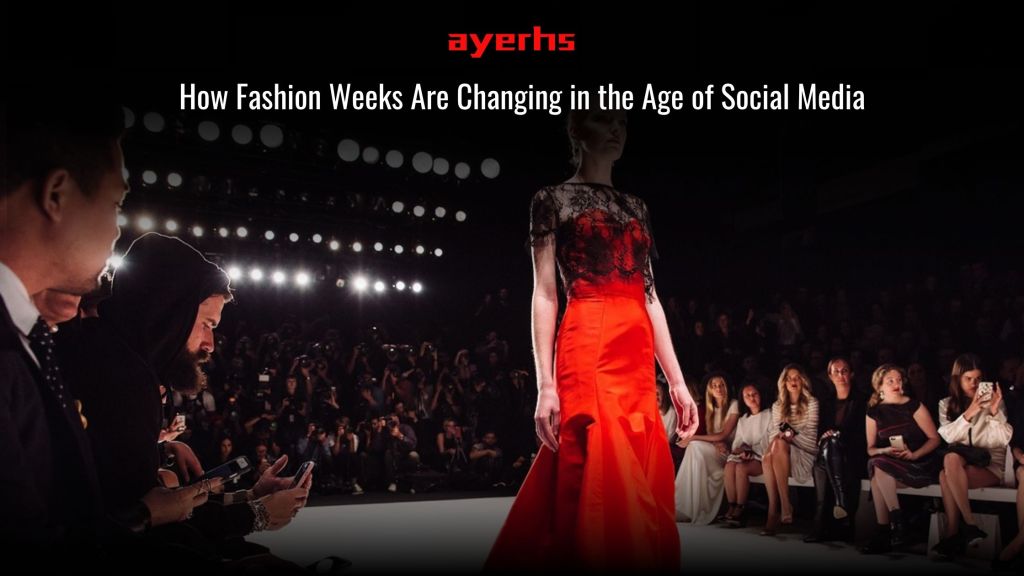
Fashion Week used to be an exclusive affair. Think front rows filled with celebrities and editors, catwalks behind velvet ropes, and coverage coming weeks later in glossy magazines. Fast-forward to today, and things look very different. The rise of social media has completely reshaped Fashion Week. It’s no longer just for industry insiders — it’s for everyone with a smartphone.
From TikTok live streams to Instagram stories from influencers sitting front row, fashion weeks around the world have become more accessible, immediate, and interactive than ever before. The digital revolution didn’t just tweak the format — it transformed the entire culture around these events. Let’s dive into how fashion weeks are evolving in this new age of likes, shares, and viral moments.
From Runways to Real-Time
Remember when you had to wait months to see the looks from a show? Back then, if you weren’t Anna Wintour or a top-tier buyer, chances are you only caught glimpses of Fashion Week through delayed magazine spreads or newspaper clippings. Today, thanks to Instagram, Twitter, TikTok, and even YouTube Shorts, everything is available instantly. As the models hit the runway, videos are already circulating online.
This real-time access has changed how designers approach their shows. They’re not just designing for the editors anymore — they’re designing for the audience at large. That audience could be a student in Manila, a vintage seller in Berlin, or a fashion blogger in Nairobi. And their feedback is immediate. A look can go viral within minutes or get roasted for missing the mark just as quickly.
The Rise of the Influencer Front Row
Gone are the days when only magazine editors and A-list celebrities filled the front row. Now, social media influencers and content creators are just as likely to get the prime seats — sometimes even more so. Why? Because they bring numbers. An editor might influence a few thousand readers in a print magazine. But a beauty influencer with 2 million followers on Instagram can move product overnight.
Brands are well aware of this power. Many now allocate front-row spots specifically for creators who can offer instant exposure. Some influencers even get exclusive access to backstage, fittings, and designer interviews, giving their audience behind-the-scenes content that used to be off-limits. It’s not just about what’s on the runway anymore — it’s about the full experience, and creators are helping bring it to life for millions around the world.
Designing With Virality in Mind
With social media at the center of fashion week coverage, designers are rethinking how they present their work. It’s not just about cohesive collections or tailoring anymore. There’s now a huge emphasis on the “wow” factor — those Instagrammable moments that will spread like wildfire.
This might be an eye-popping accessory, a dramatic piece of outerwear, or even the entire set design. Think Coperni’s spray-on dress with Bella Hadid, or the rotating stage used by Balenciaga. These aren’t just fashion moments — they’re viral content, strategically planned to capture attention far beyond the traditional fashion crowd.
Many shows now include at least one look designed purely for social media impact. These moments often become the highlight of the entire fashion week, sparking conversation, memes, think pieces, and brand buzz — all within hours of the show.
Fashion Weeks Are Going Hybrid
The pandemic accelerated something that was already starting to happen — the shift to hybrid shows. During lockdowns, many designers turned to digital formats to showcase their collections. That meant short films, virtual runways, and even 3D lookbooks. And even though in-person shows have returned, digital components are here to stay.
Some brands now live-stream their shows on Instagram, YouTube, and even TikTok. Others create digital-only presentations, complete with virtual reality elements or interactive storytelling. The benefit? Brands can reach a global audience without the limitations of geography or seating capacity.
For smaller brands, digital showcases are a more affordable and accessible way to participate in Fashion Week. It levels the playing field, allowing emerging designers to reach audiences they couldn’t access before. You don’t need a big budget to make a splash — just a strong concept and a good Wi-Fi connection.
Street Style Is Now the Main Event
Once a fun add-on to the main runway shows, street style has now become its own phenomenon — and social media is its main engine. Photographers and fashion fans alike flood the streets outside venues, capturing bold, expressive, and experimental outfits worn by attendees.
These images go viral fast, often becoming the most shared content of the week. Platforms like Instagram and Pinterest are flooded with street-style inspiration, and influencers plan their outfits months in advance to make a statement. In some cases, attendees are more interested in being seen outside the show than sitting inside.
Fashion brands have caught on. Some even dress influencers purely for the street style photos — ensuring their pieces get maximum exposure. Street style has become a marketing opportunity in itself, and in many ways, it reflects where fashion is headed: individual expression, creativity, and the democratization of style.
The Power of TikTok Fashion Week
TikTok has added a whole new dimension to Fashion Week. While Instagram still reigns when it comes to polished images and reels, TikTok is where authenticity and energy thrive. Creators break down collections in real time, share their reactions, and create mini vlogs of their day at the shows.
This more casual, behind-the-scenes style of content brings fashion week to life in a way that feels personal and inclusive. It’s not just about showing off the clothes — it’s about telling a story. Viewers follow creators as they get ready, head to the venue, chat with fellow attendees, and give their honest thoughts about what they saw.
Some designers have even started creating TikTok-specific content — tailoring performances, set pieces, or exclusive interviews for the platform. TikTok Fashion Week is fast becoming a concept in itself, driven not by brands but by the community of creators and fashion fans making their own narratives.
Fashion Criticism Is Now Crowdsourced
One of the biggest shifts caused by social media is the rise of democratized fashion criticism. Before, a handful of editors, critics, and journalists shaped the conversation around each show. Now, anyone with a Twitter account or a YouTube channel can share their opinions — and those opinions matter.
Some creators have built entire platforms around reviewing fashion shows and red carpets, offering insightful takes that rival professional critics. Others focus on trend forecasting, historical context, or even call out cultural appropriation or lack of diversity in collections. The conversation is wider, more diverse, and more critical than ever before.
This shift means designers and brands are held accountable in new ways. A poorly received show can generate backlash in hours. But on the flip side, a show that resonates can build enormous goodwill and brand loyalty in record time.
What This Means for the Future of Fashion Weeks
As social media continues to evolve, Fashion Week will have to keep evolving too. Here are a few key directions it’s likely to take:
1. More Interactive Experiences
Expect to see more interactive components — from AR filters that let users try on runway looks to shoppable livestreams where you can buy pieces in real time. As technology becomes more immersive, brands will find new ways to bring fans into the experience, whether they’re in Paris or on their couch in Atlanta.
2. Greater Emphasis on Storytelling
The shows that resonate most now aren’t just about clothes — they’re about storytelling. Who is the designer? What does this collection say about the times we’re living in? What are the themes, inspirations, and messages behind the looks? Social media loves a good story, and fashion weeks will increasingly lean into this.
3. Inclusivity by Design
Diversity and representation aren’t just buzzwords anymore — they’re expectations. Brands that fail to represent a range of identities, body types, ethnicities, and voices risk immediate backlash. Social media gives people the power to speak up, and brands that listen and adapt are the ones building lasting relationships with their audience.
4. Smaller Shows with Bigger Reach
With the help of social media, smaller, independent brands can now punch above their weight. They don’t need million-dollar sets or giant venues — they need an authentic point of view and a creative way to share it. Expect to see more alternative fashion weeks, underground shows, and designer collectives using social media to carve their own space.
5. Real-Time Feedback as a Creative Tool
Designers now get instant feedback on their work. This can be daunting, but it also offers a unique opportunity to adapt and grow. Some designers are even involving their audience in the creative process — sharing mood boards, sketches, and fabric choices on social media and asking for input. It’s a new kind of dialogue that’s changing the relationship between creator and consumer.
So Where Do We Go From Here?
Fashion Week isn’t dying — it’s being reborn. What used to be a closed-off, mysterious industry event is now an open invitation to anyone curious enough to click. It’s fast, messy, democratic, and ever-changing — much like the internet itself.
Social media didn’t just change the way we view fashion — it changed who gets to be part of it. It’s made fashion weeks more accessible, more diverse, and more human. And honestly, that’s a good thing.
The exclusivity may be fading, but in its place is something richer: community, creativity, and connection. Fashion is no longer a monologue from the top down — it’s a global conversation. And we’re all invited.
As the digital world continues to blur the lines between designer and consumer, insider and outsider, the future of fashion week will belong to those who can tell compelling stories, foster real engagement, and embrace change.
Because in the age of social media, the runway isn’t just a place — it’s a platform. And everyone’s watching.
 Ayerhs Magazine