
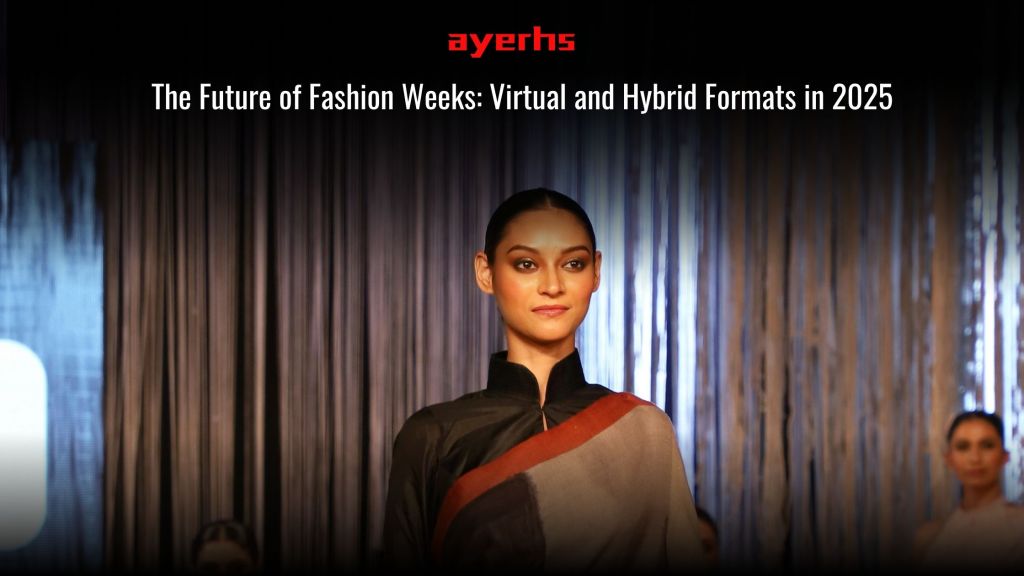
Fashion weeks have always been more than just a flurry of models, lights and front rows packed with celebrities. They set the tone for entire seasons and reflect cultural shifts, industry innovations and even political moments. But as we step further into 2025, the way we experience fashion weeks is evolving. The traditional runway format is no longer the only standard. Virtual and hybrid formats have become essential players in how designers showcase collections and how audiences consume them. From livestreams to immersive 3D environments and phygital showrooms, fashion weeks are being reimagined in real time.
The shift didn’t happen overnight. The pandemic of 2020 was the first jolt that forced the fashion industry to think differently. But now, five years later, it’s no longer about making do with Zoom or IGTV. It’s about embracing a new normal that blends physical and digital experiences with intention, creativity and accessibility.
So what does the future of fashion weeks look like in 2025? Let’s take a look.
The Rise of Digital Runways
One of the most significant shifts in recent years has been the move toward digital-first presentations. In 2020 and 2021, many designers were forced to present virtually due to restrictions on large gatherings. What began as necessity has now turned into a creative playground. Brands are no longer just streaming traditional shows. They’re producing mini films, AR experiences, virtual lookbooks and interactive runways.
In 2025, digital runways are not a compromise — they’re an extension of a designer’s storytelling toolkit. Balenciaga, for example, has continued to experiment with video-game-style presentations, while emerging labels like Hanifa gained international recognition for debuting digital 3D shows that felt futuristic and culturally relevant.
The benefit? Designers can control every element of the experience, from lighting and sound to pacing and visual effects. There’s no need to deal with front-row politics or bad weather. These shows live online indefinitely, reaching global audiences far beyond the typical few hundred who make it to Paris or Milan.
Hybrid Formats as the New Standard
As fashion weeks return to physical spaces, hybrid formats have become the sweet spot. In 2025, nearly every major fashion week — from New York to Lagos — incorporates both in-person and digital components. Think small, intimate runway shows paired with high-quality livestreams, backstage access via Instagram Stories and digital showrooms for buyers who can’t attend in person.
This approach offers flexibility without losing the magic of live fashion. For designers, it means they can cater to different audiences simultaneously — from editors and influencers in the front row to students and shoppers watching from home. For media outlets, it means faster access to footage, interviews and analysis. And for fashion lovers, it breaks down the exclusivity barrier that has long defined the industry.
London Fashion Week, in particular, has leaned into this hybrid model. The British Fashion Council created a digital platform that runs year-round, featuring designer profiles, live events, behind-the-scenes content and even e-commerce. The show may be over, but the experience continues.
The Influence of Technology and Innovation
Technology isn’t just supporting the shift — it’s actively reshaping what fashion weeks can be. In 2025, virtual reality (VR) and augmented reality (AR) are not gimmicks. They’re integral parts of the experience. With a VR headset, you can attend a fashion show from your bedroom and feel like you’re sitting in the front row. With AR, you can project garments onto your surroundings, zoom into details or even see how an outfit moves in different settings.
Some designers are also using AI to co-create designs or generate immersive environments. These innovations don’t replace human creativity but enhance it. They allow for experimentation without the material waste of physical samples and set builds.
Take The Fabricant, a digital fashion house that has been pushing boundaries since its inception. In 2025, it’s not unusual to see brands debuting full digital collections that exist only in the metaverse. While these may not appeal to every consumer, they offer a compelling glimpse into the future of fashion — one where identity, self-expression and style aren’t limited by physical constraints.
Accessibility and Global Reach
One of the most exciting things about virtual and hybrid fashion weeks is the level of access they offer. Traditional fashion weeks have often been criticized for being elitist and exclusive. Tickets are limited, venues are private and unless you’re part of the industry, you’re likely watching from afar.
That’s changing. In 2025, fashion weeks are increasingly global in reach. A student in Nairobi can stream Paris Fashion Week on her phone. A buyer in Seoul can browse a New York designer’s lookbook from her laptop. A fashion blogger in Rio can post real-time reactions alongside someone in London. This democratization is transforming fashion from an industry of insiders to a community of collaborators.
Designers are also thinking more inclusively when it comes to casting, production and storytelling. With the ability to present online, they’re not bound by geography, venue size or traditional gatekeepers. This opens the door for more diverse perspectives — and a broader spectrum of what fashion can be.
The Changing Role of Fashion Editors and Influencers
In this new era, fashion editors, influencers and content creators are also evolving. No longer just attendees or commentators, they are co-creators in how shows are experienced and shared. In 2025, influencer content often shapes the public’s perception of a collection before critics can weigh in.
With brands offering early access, behind-the-scenes moments and even co-branded digital showrooms, influencers have become crucial to the fashion week ecosystem. And editors, once bound to print deadlines, are now curating stories across multiple platforms — from newsletters and TikTok explainers to YouTube reviews and podcast recaps.
Some editors have started creating their own virtual fashion week hubs, curating shows, interviews and analysis for their audiences. It’s no longer just about reporting what happened — it’s about shaping how people understand it.
Sustainability and the Virtual Shift
Fashion weeks are infamous for their environmental footprint. Flights, set production, single-use materials, and the general waste involved have long drawn criticism. The move toward virtual and hybrid formats offers a partial solution.
By reducing the number of physical shows and offering digital alternatives, brands are cutting down on travel and waste. Some are taking it even further — using virtual sampling, 3D design and CGI to minimize the production of physical garments until orders are confirmed.
Sustainability isn’t just a buzzword anymore. In 2025, it’s an expectation. Audiences are asking tough questions, and brands are responding by integrating eco-conscious practices into every aspect of their fashion week presence. Whether it’s carbon offsetting, upcycled materials or digital-only collections, the goal is clear — to make fashion weeks more responsible without losing their impact.
Challenges and Pushback
Of course, not everyone is on board with the changes. Some critics argue that virtual formats can’t replicate the energy of a live show — the music, the drama, the instant reaction of a crowd. Others worry that fashion weeks are becoming content factories, with quantity overshadowing quality.
There’s also the issue of digital fatigue. In 2020 and 2021, audiences were glued to screens. By 2025, many crave more tangible experiences. They want to feel fabric, hear live music, and share moments in person. That’s why physical events haven’t disappeared — they’ve just become more curated and intentional.
Hybrid formats aim to strike a balance, but the industry is still figuring it out. How do you maintain exclusivity while being accessible? How do you engage a digital audience without overwhelming them? These questions don’t have one-size-fits-all answers, and every fashion week is experimenting in its own way.
The Role of Emerging Cities
Another fascinating shift in 2025 is the rise of fashion weeks outside the Big Four. Cities like Lagos, Mumbai, Tbilisi, Copenhagen and São Paulo are gaining global attention not just for their designers but for how they structure their fashion events.
Many of these cities have adopted digital and hybrid models from the start, bypassing traditional formats altogether. Their fashion weeks often highlight sustainability, cultural storytelling and innovation. And because they’re not bound by legacy expectations, they’re free to redefine what a fashion week can be.
This decentralization is healthy for the industry. It breaks the monopoly of Paris, Milan, London and New York and allows for more diverse voices, aesthetics and ideas. In 2025, the most exciting collections often come from places you might not have expected — and they’re just a click away.
The Consumer as Participant
One of the most transformative aspects of virtual and hybrid fashion weeks is the way consumers are being invited into the process. In the past, fashion weeks were strictly industry events. But in 2025, the line between insider and outsider has blurred.
Brands now host virtual after-parties, digital pop-ups and real-time Q&A sessions with designers. Some even allow consumers to pre-order pieces directly from the show, thanks to “see now, buy now” technology. Fans aren’t just watching — they’re engaging, reacting, buying and sharing.
This participation shifts the power dynamics. Consumers are no longer passive observers. They influence trends, shape conversations and drive sales in real time. Fashion weeks have become interactive experiences, not just visual ones.
Looking Ahead
So what’s next? If the past five years are any indication, fashion weeks will continue to evolve. Technologies like holograms, AI stylists and immersive metaverse experiences are already being tested. As Gen Z and Gen Alpha grow into fashion’s most influential audiences, the demand for digital-native, inclusive, and values-driven experiences will only intensify.
But amid all the change, one thing remains the same — fashion is about expression, identity and storytelling. Whether it’s told on a Paris runway, in a short film streamed on TikTok, or through an AR experience in your living room, the story still matters.
The future of fashion weeks isn’t about choosing between physical and digital. It’s about blending them in a way that feels meaningful, creative and connected. In 2025, we’re not just watching fashion evolve — we’re part of the process.
And honestly, that’s what makes it exciting.
 Ayerhs Magazine