
Fashion retail is no longer confined to the mall, the boutique or even a website. In 2025, it’s everywhere — on your phone, in your feed, on your doorstep and even in your inbox. As consumer behavior continues to evolve rapidly, the fashion industry is racing to meet expectations across all platforms. Enter the era of omni-channel retail — a holistic approach that blends digital and physical shopping experiences to create one seamless journey for customers.
This isn’t just about being online and offline at the same time. It’s about how well those channels talk to each other. How fast a brand can move between platforms without losing its essence. How easily a customer can hop from an Instagram post to a product page to an in-store fitting room and feel like it’s all part of one fluid experience.
Let’s dive into how omni-channel strategies are reshaping the future of fashion retail and what brands need to know to keep up in 2025.
The Omni-channel Mindset Shift
Omni-channel isn’t a buzzword anymore. It’s the baseline. Shoppers in 2025 expect their favorite fashion brands to show up wherever they are and to remember them when they do. That means syncing up every touchpoint — from e-commerce and social media to mobile apps, physical stores, SMS marketing and live chat.
At the core of this shift is the customer journey. In the past, retail was a straight line — discover, browse, buy. Now, it’s a tangled web. A shopper might see a dress on TikTok, add it to their wishlist on the app, try it on in-store, get a discount code via email and finally check out online a week later. Every step in that journey matters and it’s the job of an omni-channel strategy to make sure nothing gets lost along the way.
Physical Stores Are Evolving — Not Disappearing
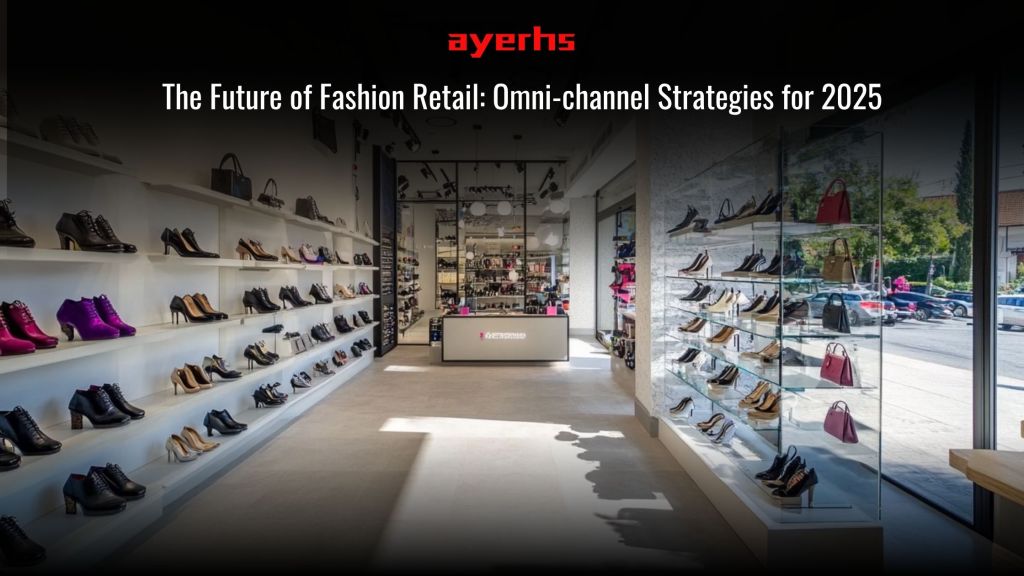
Despite the boom in e-commerce, physical stores aren’t going extinct. They’re simply transforming. In 2025, stores are less about transactions and more about experience. Think of them as brand playgrounds. Places where customers can touch, feel and try on items, access exclusive collections or get personalized styling advice.
Many fashion brands are leaning into the concept of “phygital” — a mix of physical and digital experiences. Smart mirrors, for example, let shoppers see how a piece looks in different colors without changing. QR codes next to displays can pull up reviews, styling tips or inventory levels. Some stores even allow you to scan and send items directly to your home, no checkout line needed.
Brands like Nike, Zara and Nordstrom are leading the charge with stores that double as fulfillment centers or pick-up points. The goal is convenience — blending the speed of online shopping with the tangibility of real-world retail.
Social Commerce Is Now a Major Sales Channel
In 2025, social media isn’t just about marketing. It’s a full-blown sales channel. Platforms like Instagram, TikTok, Pinterest and even YouTube now feature native shopping experiences that allow users to buy without leaving the app. And the most successful fashion brands are building out dedicated social commerce teams that handle content creation, influencer partnerships and real-time engagement.
What makes social commerce powerful is its immediacy. A creator posts a haul video or OOTD and links directly to the products. Followers click, browse and buy within minutes. Add to that user-generated content, reviews and live shopping events, and you’ve got a full-circle sales funnel happening entirely on social platforms.
But it’s not just about selling. Social commerce also provides invaluable data. Brands can track which posts drive the most traffic, which influencers lead to conversions and which styles are going viral. This real-time feedback loop helps them adjust inventory, tweak marketing strategies and keep their finger on the pulse of what’s trending.
Mobile Is the MVP
More than 70 percent of fashion retail transactions now happen on mobile devices. So in 2025, your app or mobile site isn’t just a nice-to-have — it’s your storefront. Shoppers expect fast load times, intuitive navigation and smooth checkouts. They want personalized product recommendations, loyalty perks, and real-time notifications about restocks or sales.
Leading fashion apps are doubling down on personalization. Using AI and customer data, they tailor everything from homepage layouts to push notifications. If someone’s been eyeing a pair of boots, the app might surface a discount or alert them when their size is back. It’s all about anticipating needs and making it easy to say yes.
Some apps even go further with virtual try-ons, augmented reality styling and AI-powered chatbots that answer sizing questions or help build outfits. The more the app feels like a stylist in your pocket, the more likely customers are to return.
Inventory Integration and Real-Time Fulfillment
One of the biggest challenges of omni-channel retail is inventory management. If your customer adds a shirt to their cart on your website, goes to pick it up in-store and it’s not there — that’s a broken promise. In 2025, real-time inventory syncing across all channels is essential.
Successful fashion retailers have invested in centralized systems that give them a live look at inventory across warehouses, stores and fulfillment centers. This not only improves accuracy but also allows for smarter logistics — like shipping from the nearest store or splitting orders across multiple locations for faster delivery.
Brands are also making returns easier, allowing customers to drop off online purchases in physical stores or arrange pick-ups via courier. The goal is to reduce friction at every stage of the shopping experience.
Customer Data Is the New Gold
To make omni-channel work, brands need to know their customers — really know them. In 2025, data collection goes far beyond email addresses and transaction history. It includes browsing habits, social media behavior, in-store preferences and even how long someone hovers over a product.
The more data a brand can collect, the more personalized the experience becomes. But with privacy concerns on the rise, it’s critical to be transparent. Customers are more likely to share their information if they see clear value — like tailored recommendations, faster checkouts or exclusive offers.
AI and machine learning tools help sift through all this data to spot patterns, predict trends and customize experiences. Instead of guessing what a shopper might want, brands can offer exactly what they’re looking for — sometimes before they even realize it themselves.
The Role of AI and Automation
Artificial intelligence is playing a massive role in omni-channel strategy. From customer service chatbots to demand forecasting and styling tools, AI helps brands scale without losing the human touch.
Take visual search, for example. A user uploads a photo of an outfit they love and the brand’s app finds similar items. Or virtual fitting rooms that use body scanning and AI to recommend the best size. Even supply chain automation is improving — helping brands keep up with demand, avoid overproduction and reduce waste.
AI also powers dynamic pricing models, adjusting costs based on demand, location or customer behavior. This not only drives sales but also helps move inventory more efficiently.
Live Shopping and Experiential Campaigns
Livestream shopping isn’t new, but it’s booming in 2025. Brands host live events on platforms like TikTok, Instagram and YouTube where influencers try on pieces, answer questions in real-time and offer limited-time discounts. It’s interactive, immediate and deeply engaging.
What sets live shopping apart is the sense of urgency and community. Viewers feel like they’re part of something exclusive, and the social aspect creates trust — especially when hosted by creators they already follow and admire.
Experiential marketing is also making a comeback. Pop-ups, immersive installations and AR campaigns bridge the gap between online and offline, creating moments worth sharing. These experiences aren’t just about selling — they’re about storytelling. The more memorable the story, the stronger the brand loyalty.
Sustainability in the Omni-channel Mix
Modern shoppers want more than just convenience — they want conscience. In 2025, sustainability isn’t a bonus. It’s a basic expectation. Fashion brands are integrating eco-friendly practices into every channel, from recycled packaging and carbon-neutral shipping to virtual try-ons that reduce returns.
Omni-channel strategies can also support circular models. For example, in-store drop-off points for pre-loved clothes that are then resold online. Or digital passports that track the life of a garment, from fabric sourcing to end-of-life recycling options.
Sustainability also means smarter production. Using real-time data, brands can predict demand more accurately and avoid the overstock issues that lead to markdowns or waste. This not only helps the planet but protects margins too.
Personalization as a Differentiator
In 2025, personalization isn’t just about putting someone’s name in an email. It’s about curating the entire shopping journey based on who they are, what they like and how they behave.
This includes tailored product suggestions, content based on past purchases and even timing messages for when someone is most likely to open them. Some brands use AI to build style profiles, suggesting full outfits or creating capsule wardrobes unique to each customer.
The better a brand understands its audience, the more relevant it becomes. And in a sea of options, relevance is what earns loyalty.
Challenges Ahead and How to Overcome Them
Of course, omni-channel isn’t without its hurdles. Integrating legacy systems, managing data privacy, training staff and keeping up with tech advancements are all major challenges. Not to mention the cost of developing custom apps, upgrading POS systems or running 24/7 support across platforms.
To succeed, fashion retailers need to approach omni-channel as a long-term investment. Start with the basics — consistent branding, unified inventory, smooth checkout processes — then layer in personalization, automation and immersive experiences.
Collaboration is key. Marketing, IT, logistics and retail teams need to work together rather than in silos. Only then can the full power of an omni-channel strategy come to life.
The Bottom Line
Omni-channel isn’t the future of fashion retail. It’s the present — and in 2025, it’s the standard. Shoppers expect brands to be everywhere at once and to meet them with convenience, consistency and care. They want fluid movement between social, digital and physical spaces. They want to feel seen, heard and understood.
Fashion brands that embrace this mindset — not just with tech, but with intention — will thrive. Because in the end, omni-channel is really about one thing: putting the customer at the center of everything. And that never goes out of style.
 Ayerhs Magazine