
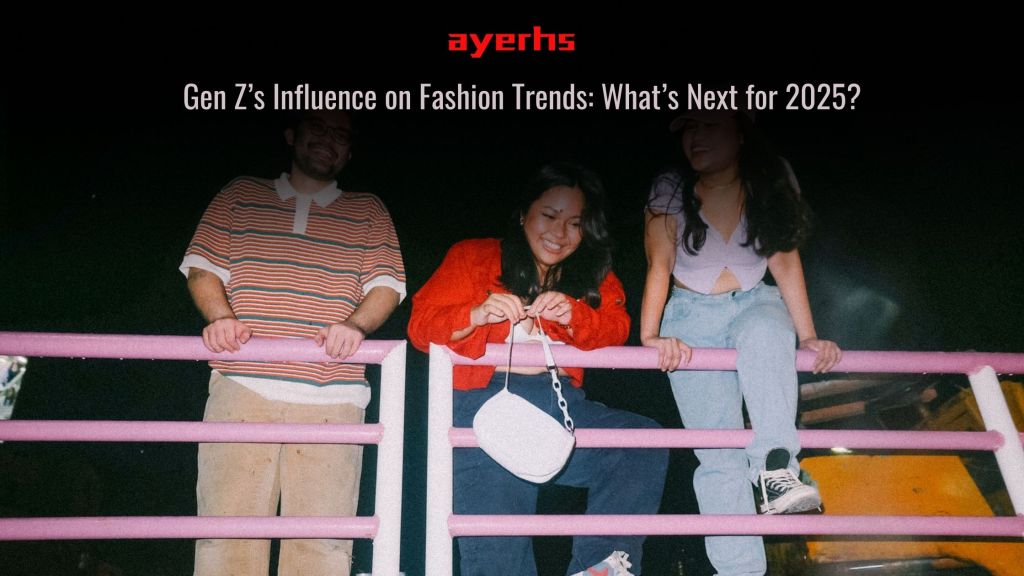
Let’s be honest. Fashion has always been influenced by the young — the rebels, the creatives, the ones pushing boundaries and questioning the status quo. But no generation has shaken the industry quite like Gen Z. Born between the late 1990s and early 2010s, Gen Z isn’t just following trends. They’re creating them, remixing them, and sometimes, canceling them altogether. And as we head deeper into 2025, it’s clearer than ever that Gen Z’s impact on fashion isn’t just a phase. It’s a full-blown revolution.
So, what’s next? What trends are bubbling up from TikTok, thrift shops, and group chats? How is Gen Z changing the way we shop, dress, and think about fashion? Let’s dive in.
The Power of Personal Style Over Trend Cycles
If Millennials were the generation of curated Instagram aesthetics and influencer-approved looks, Gen Z is all about chaos — in the best way possible. Personal style has trumped the traditional trend cycle. Instead of subscribing to one aesthetic, Gen Z is mixing Y2K with cottagecore, throwing in some grunge, and maybe even a hint of normcore if it feels right that day. Fashion isn’t about fitting in anymore. It’s about standing out — and showing up authentically.
We’re seeing this shift play out across platforms like TikTok, where creators are less interested in dressing “on trend” and more focused on expressing their moods, identities, or even just the vibe of the week. One day it’s “coquette,” the next it’s “blokette,” and sometimes, it’s both at once. The result? A fashion landscape that’s fluid, experimental, and unapologetically individual.
In 2025, expect even more rejection of the idea that one look fits all. Micro-aesthetics will continue to rise, fueled by niche internet communities and the desire to belong without blending in. Fashion is becoming less about seasonal must-haves and more about daily self-expression.
The Thrift-Flip and Secondhand Revolution
You can’t talk about Gen Z and fashion without mentioning their love affair with thrifting. Whether it’s Goodwill hauls on YouTube, Depop storefronts curated like high-end boutiques, or late-night scrolling on Vinted and Poshmark, secondhand shopping is now just as cool — if not cooler — than buying brand new.
What makes it even more Gen Z is the “thrift flip” culture. It’s not just about finding a vintage gem. It’s about transforming it. Oversized jeans become mini skirts. Old tees get cropped, painted, or layered in unexpected ways. It’s DIY meets runway energy, and it’s breathing new life into clothes that would have otherwise been discarded.
In 2025, secondhand fashion is going to get even smarter. AI-powered resale apps, virtual thrift stores, and digital wardrobes will help Gen Z curate their closets with intention. And with more brands entering the resale space, we’ll see a blending of old and new that feels both sustainable and stylish.
Sustainability as a Non-Negotiable
For Gen Z, sustainability isn’t a trend. It’s a baseline expectation. Raised in an era of climate anxiety and fast fashion fallout, they’re hyper-aware of the environmental cost of their clothes. And they’re holding brands accountable.
That means fast fashion giants are facing more scrutiny than ever before. Greenwashing doesn’t fly with Gen Z — they want receipts. They want to know who made their clothes, how they were made, and what happens to them when they’re tossed. Brands that can’t answer those questions honestly? They’re being left behind.
What’s emerging instead is a new standard where slow fashion, transparency, and circularity are the norm. In 2025, expect more fashion start-ups built on zero-waste principles, biodegradable fabrics, and closed-loop systems. Gen Z isn’t just shopping differently — they’re demanding a complete overhaul of how fashion works.
The Rise of Genderless Fashion
Another major shift? The breakdown of gender binaries in fashion. Gen Z doesn’t see clothes as “men’s” or “women’s.” They see them as just… clothes.
This mindset is pushing more brands to adopt genderless collections that focus on silhouette, fabric, and function rather than outdated gender norms. Think flowy shirts, baggy trousers, oversized blazers — pieces that are designed to move with you, no matter your gender identity.
But it’s not just about the clothes themselves. It’s also about who’s wearing them. Representation matters, and Gen Z is demanding more of it. That means more trans, nonbinary, and genderfluid models in campaigns, on runways, and at the forefront of fashion conversations.
In 2025, we’ll see even more merging of masculine and feminine energy. Expect more creative styling, more freedom of expression, and a continued blurring of lines between “his,” “hers,” and “theirs.”
Tech-Enhanced Fashion Gets Realer
We’ve been talking about wearable tech and digital fashion for years, but Gen Z is actually making it happen. They’re not just curious about tech — they grew up with it. So it makes sense that they’re open to clothes that light up, react to sound, or exist only in the digital world.
AR filters are already influencing IRL fashion. Virtual try-ons, AI styling assistants, and even fashion NFTs were just the beginning. In 2025, we’re looking at a new era of tech-integrated style. Smart fabrics that adjust to body temperature. Shoes with built-in GPS. Clothes designed specifically for the metaverse. It’s not sci-fi anymore. It’s fashion’s next phase, and Gen Z is leading the charge.
But even here, the Gen Z filter applies — if it’s not inclusive, ethical, or aesthetically relevant, it won’t stick. Tech for tech’s sake won’t cut it. It needs to serve a purpose or tell a story.
The Influence of TikTok and “Core” Culture
If you’ve ever heard someone say “clean girl aesthetic” or “balletcore” and wondered where it came from, the answer is probably TikTok. The platform has become a breeding ground for new subcultures and style movements, often popping up overnight and going viral within days.
What’s unique about Gen Z’s approach to these “core” trends is how playful and self-aware they are. They know they’re creating a character. Dressing up like a “vanilla girl” or “eclectic grandpa” isn’t about being literal — it’s about capturing a mood and making it your own.
Expect even more of this in 2025. The “core-ification” of fashion isn’t slowing down. We’ll likely see new aesthetics emerge from unexpected places — nostalgic TV shows, obscure internet memes, or even AI-generated inspo. And because these trends move so fast, Gen Z has developed a kind of fashion fluency that lets them switch lanes effortlessly.
Influencers, Micro-Creators, and the Democratization of Fashion
Gone are the days when fashion influence came from the top down. In 2025, it’s all about community-led style. Micro-influencers, content creators with small but dedicated followings, are shaping trends in real time. These aren’t celebrities or traditional models. They’re students, artists, baristas, thrift queens — people with real style and real stories.
What Gen Z loves about these creators is their relatability. The outfits are accessible. The tips are honest. The vibe is genuine. It’s not about perfection — it’s about authenticity.
Brands are catching on. Instead of splurging on A-list ambassadors, they’re investing in smaller creators who have deep trust with their audience. And the ROI speaks for itself — a recommendation from a micro-influencer often hits harder than a slick campaign.
In the next year, we’ll see more creator-brand collaborations that feel collaborative, not transactional. Expect capsule drops, crowd-sourced designs, and influencer-curated thrift edits that blur the line between content and commerce.
Cultural Roots and Fashion Identity
Gen Z is also digging into their roots — and it’s showing in what they wear. Whether it’s South Asian embroidery, African prints, or Indigenous beadwork, there’s a growing appreciation for cultural fashion that isn’t about appropriation but reclamation and pride.
Young designers from historically underrepresented backgrounds are gaining platforms and creating work that fuses tradition with modern silhouettes. It’s not just about fashion — it’s about identity, ancestry, and storytelling.
This cultural consciousness will only grow in 2025. As Gen Z continues to navigate questions of belonging, heritage, and representation, we’ll see more designs that honor the past while pushing the present forward.
Minimalism Makes a Comeback (But Not How You Think)
You’d think Gen Z’s maximalist tendencies — from chunky platforms to eclectic layering — would push minimalism out of the conversation. But here’s the twist. Minimalism is back, just redefined.
Instead of the cold, beige minimalism of the 2010s, we’re seeing something warmer. Think soft textures, muted colors, and intentional silhouettes. It’s minimalism with soul. Less about looking sleek and more about feeling grounded.
This shift is being driven by a desire for clarity in a chaotic world. After years of fashion FOMO and fast-paced trends, Gen Z is learning that sometimes, less really is more — especially when it comes to building a wardrobe that lasts.
What Brands Need to Know Going Into 2025
If fashion brands want to stay relevant in 2025, they need to listen up. Gen Z isn’t here to be sold to. They want to be part of the process. They want transparency, accountability, and creativity. They want brands that align with their values and challenge the norm.
This means:
- Prioritizing sustainability and ethical practices
- Collaborating with diverse creators, not just hiring them for optics
- Letting customers co-create products and experiences
- Being transparent about sourcing, labor, and pricing
- Designing for a spectrum of genders, bodies, and identities
In short, Gen Z doesn’t just want to buy clothes. They want to believe in them.
So, What’s Next?
As 2025 unfolds, one thing is certain — Gen Z’s influence on fashion will only deepen. They’ve redefined what it means to be stylish, moving away from conformity and toward self-expression, inclusivity, and purpose. Whether it’s through a thrifted jacket, a handmade bag, or a virtual fit worn in the metaverse, Gen Z is showing us that fashion is more than fabric. It’s identity. It’s politics. It’s community.
And if we’re paying attention, we’ll realize this isn’t just Gen Z’s fashion moment. It’s the beginning of something bigger — a fashion future that’s more honest, more human, and way more fun.
Let’s dress for it.
 Ayerhs Magazine