
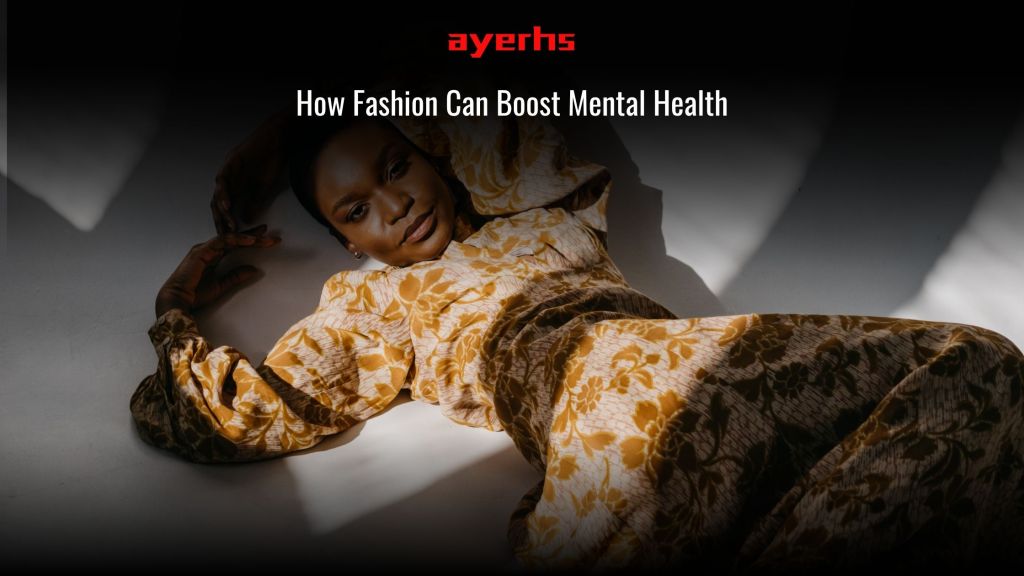
Most of us have had days where putting on a good outfit instantly lifted our mood. Maybe it was a favorite pair of jeans, a shirt that fits just right, or that one color that makes your skin glow and your confidence soar. Whatever it was, it made you feel good. And that’s the power of fashion—not just as a form of self-expression, but as a quiet, daily tool for boosting mental health.
Fashion isn’t just about trends or runways. It’s not always about being the most stylish person in the room. Sometimes, it’s simply about wearing something that helps you feel more like yourself. And in a world where mental health is often overlooked or misunderstood, something as simple as getting dressed can have a surprisingly big impact.
Let’s explore how fashion, in all its forms, can actually help improve mental health—without needing to break the bank or impress anyone but yourself.
1. Fashion as a Form of Self-Expression
You don’t have to be a fashion expert to understand that what you wear says something about you. Even the most laid-back outfit—a hoodie, joggers, and sneakers—can still communicate a vibe, a mood, or a part of your personality.
When you’re feeling anxious or low, fashion becomes a way to express what you can’t always put into words. Maybe you gravitate toward bright colors when you’re trying to cheer yourself up. Or maybe you wear something cozy because you need comfort. Either way, you’re expressing yourself—and that’s important.
Suppressing your identity or not feeling seen can take a toll on mental health. So, when fashion becomes a way to say, “This is who I am today,” it’s not superficial—it’s powerful.
2. The Confidence Boost is Real
There’s something undeniably energizing about wearing an outfit you love. It might sound shallow, but confidence often starts with how you feel in your own skin—and clothes play a huge part in that.
Think about the last time you wore something that made you feel amazing. Maybe it was for a job interview, a date, or just a random Tuesday when you decided to “dress up” for no reason. Chances are, your posture was better, your voice was stronger, and your mood was lighter. That’s because clothes can shape how we feel about ourselves.
Research even backs this up. There’s a term called “enclothed cognition,” which refers to how clothing can influence your psychological processes. In other words, what you wear can actually affect your mindset and behavior. So no, you’re not imagining it—your clothes really do have an effect on your confidence and mental clarity.
3. Routine and Stability in Getting Dressed
For anyone who’s struggled with mental health—especially depression or anxiety—you know how hard it can be to get out of bed some days, let alone pick out an outfit. But creating a simple routine around getting dressed can bring structure and a sense of control.
It doesn’t have to be complicated. Maybe it’s choosing your outfit the night before, or sticking to a few go-to pieces that make you feel comfortable. These small steps can provide a sense of stability during chaotic or emotionally overwhelming periods.
The act of getting dressed becomes less about style and more about showing up for yourself—even if it’s just for a walk around the block or a Zoom call. It’s about saying, “I’m still here. I’m still trying.” And that matters.
4. Color Therapy is a Real Thing
Ever noticed how certain colors can instantly change your mood? There’s actually a psychological basis for that. Color therapy, or chromotherapy, is based on the idea that different colors can evoke different emotional responses.
For example:
- Blue can have a calming effect.
- Yellow often sparks joy and optimism.
- Green is associated with balance and harmony.
- Red can increase energy and excitement.
While it’s not a cure-all, intentionally choosing colors that match or lift your mood can be a subtle way to care for your mental health. So maybe next time you’re feeling a little low, reach for a splash of yellow or a soft blue hoodie. It’s like giving your brain a little emotional boost without even realizing it.
5. Dressing for Your Body, Not Against It
Let’s be real—fashion hasn’t always been kind to everyone, especially when it comes to body image. Unrealistic beauty standards, limited sizing, and pressure to look a certain way can do serious damage to our self-esteem.
But there’s a shift happening. More brands are embracing inclusivity, and more people are rejecting the idea that you have to look a certain way to enjoy fashion. And that’s where real mental health benefits come in.
Dressing in a way that celebrates your body—not hides it or fights against it—can be deeply healing. Whether it’s finding jeans that actually fit or choosing silhouettes that make you feel empowered, wearing clothes that work for your body rather than against it is a quiet act of self-love.
And remember: your worth is not tied to a number on a tag. You deserve to feel good in your clothes, period.
6. Personal Style as Identity Building
In a world full of noise and comparison, discovering your own style is like carving out a space where you belong. It’s not about trends. It’s about what feels right for you.
Having a personal style gives you something to return to when everything else feels uncertain. It’s like a visual language that grows with you, changes with your seasons, and helps you stay connected to who you are—even when the world feels confusing.
That kind of self-knowledge and self-trust? It’s huge for mental health.
7. Fashion Communities = Connection
Fashion isn’t just about clothes—it’s also about people. Whether you follow style creators on Instagram, join a local sewing club, or just bond with a coworker over your shared love of vintage boots, fashion creates connection.
And connection is a major protective factor in mental health. Loneliness is one of the biggest mental health challenges today, especially in our 20s and 30s. But shared interests—like fashion—can be a doorway to community.
Even something as simple as complimenting someone’s outfit or getting a compliment back can create a moment of human connection in an otherwise disconnected day.
8. Sustainable Fashion = Mindful Living
There’s something incredibly grounding about being intentional with what you wear. Whether it’s thrifting, upcycling, supporting ethical brands, or creating a capsule wardrobe, sustainable fashion practices can encourage a more mindful way of living.
Mindfulness is one of the most recommended practices for mental well-being. And when you apply it to fashion, it becomes a way to slow down, focus on what matters, and make decisions that align with your values.
Wearing something with a story—a piece you’ve repaired, a hand-me-down from a friend, or something you saved up for—can add meaning to your daily life. It shifts fashion from something disposable to something personal. And that shift can be quietly healing.
9. Fashion Can Be Fun, and Fun is Important
Not everything has to be deep or serious. Sometimes fashion is just fun. Dressing up, trying new styles, playing with accessories, wearing funky socks—these little things can inject joy into the everyday.
And joy is something we all need more of.
When we’re stuck in routines, overwhelmed with responsibilities, or just going through a rough time, these lighthearted moments can bring relief. They remind us that it’s okay to play, to experiment, to enjoy the little things.
Fashion gives you permission to be creative with your appearance without needing to explain why. And that freedom? It’s good for the soul.
10. Using Fashion to Reclaim Your Story
For those who’ve been through trauma, mental illness, or identity struggles, fashion can be a tool for reclaiming your narrative.
Maybe you grew up being told how to dress or what was “appropriate.” Maybe you felt invisible or ashamed of your body. Maybe you lost touch with yourself during a period of depression or grief.
Rebuilding your wardrobe, one piece at a time, can be part of rebuilding your sense of self. It’s not about throwing everything away and starting fresh. It’s about honoring where you’ve been while moving toward who you’re becoming.
Fashion becomes part of your healing journey—not because it fixes everything, but because it helps you feel seen, safe, and in control again.
Final Thoughts: Wear What Feels Like You
At the end of the day, fashion’s impact on mental health isn’t about following rules or trends. It’s about feeling comfortable in your skin, confident in your choices, and connected to yourself and others.
You don’t need a huge budget or a Pinterest-worthy wardrobe. You just need to listen to yourself—what colors make you happy, what fabrics feel good, what outfits make you walk a little taller.
Because fashion isn’t just about how you look. It’s about how you feel. And if it can bring even a little bit of light to your mental health journey, then that’s something worth holding onto.
So the next time you open your closet, remember: it’s not just clothes. It’s an opportunity to show up for yourself, in your own way.
 Ayerhs Magazine