
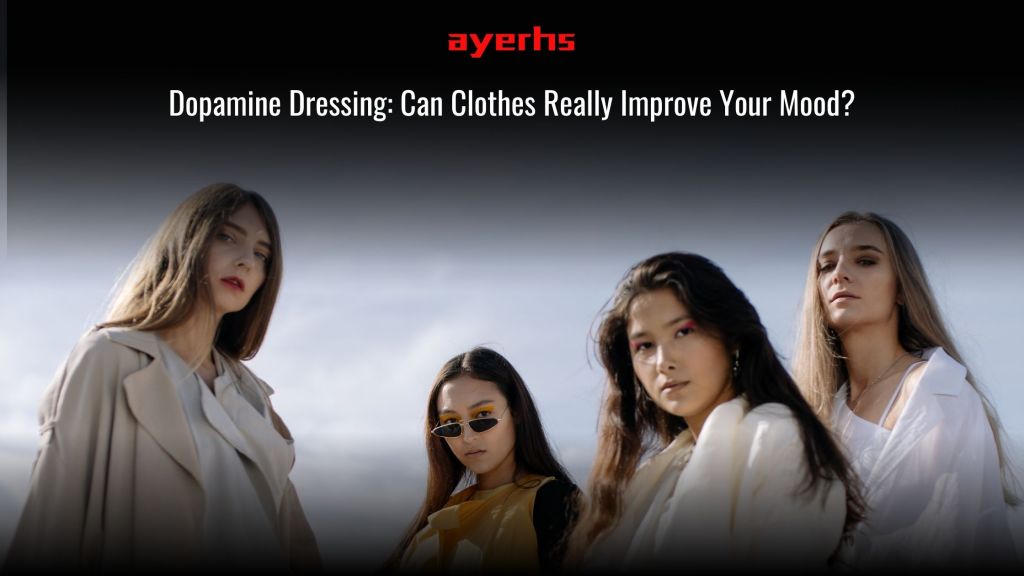
Ever woken up feeling a bit… blah? You know the feeling. That grey cloud hanging over your head, a general lack of enthusiasm for the day ahead. And then, almost instinctively, you reach for that one outfit. Maybe it’s a bright yellow sweater, a pair of incredibly comfortable jeans, or that vibrant scarf you bought on a whim. You put it on, look in the mirror, and something shifts. A tiny spark. A little lift in your spirits.
If this sounds familiar, you’ve already had a taste of “dopamine dressing.”
It’s a term that’s been buzzing around lately, and for good reason. It suggests that our clothing choices aren’t just about covering our bodies or following trends; they can actually be powerful tools for influencing our emotions and well-being. But is it just a trendy phrase, or is there some real science, some real magic, behind the idea that clothes can genuinely improve your mood?
Let’s dive in, get comfy, and explore how what you wear might just be the easiest mood booster you’ve got in your arsenal.
What Even Is Dopamine Dressing? (And Why Are We Talking About Dopamine?)
First, let’s break down the name. “Dopamine” is a neurotransmitter, a chemical messenger in our brains. It’s often called the “feel-good” chemical because it plays a huge role in our brain’s reward system, motivation, and pleasure. When you achieve a goal, eat something delicious, or even just learn something new and exciting, dopamine is often involved in that feeling of satisfaction and happiness.
So, “dopamine dressing” essentially means choosing clothes that stimulate that feel-good chemical. It’s about intentionally picking outfits that make you feel happy, confident, excited, or even just a little bit brighter. It’s not about buying new clothes every day or following the latest catwalk trends. It’s deeply personal, wonderfully intuitive, and surprisingly effective.
Think of it this way: You know how certain foods just make you feel good? A warm bowl of your favorite soup on a cold day, a slice of your grandma’s pie, or that perfectly brewed cup of coffee in the morning. They’re comforting, satisfying, and they spark a little joy. Dopamine dressing is the fashion equivalent of that comforting food – it nourishes your spirit through what you wear.
Beyond Just Looking Good: The Psychology of What We Wear
We’ve all heard the phrase, “Dress for success.” It implies that what we wear can influence how others perceive us, and perhaps even how we perform. But dopamine dressing takes it a step further. It’s about dressing for your own success, your own happiness, your own peace of mind.
There’s a whole field of study called “enclothed cognition” which explores how the clothes we wear affect our psychological processes. It’s not just a fancy term; it’s based on real research. For instance, studies have shown that people who wore lab coats (often associated with intelligence and carefulness) performed better on attention-related tasks than those who didn’t. The lab coat wasn’t just a garment; it was a symbol that activated certain cognitive associations.
Similarly, when you put on an outfit that makes you feel powerful, you might actually feel more powerful. If you choose something bright and cheerful, you might find yourself feeling more optimistic. It’s a fascinating feedback loop: your clothes influence your thoughts and emotions, which then influence your actions, and so on.
The Dopamine Dressing Toolkit: What Makes an Outfit “Dopamine-Boosting”?
Okay, so we get the concept. But what exactly qualifies as “dopamine-boosting”? This is where it gets really fun, because there are no hard and fast rules, no right or wrong answers. It’s all about you and what resonates with your unique self. However, there are some common elements that often play a role:
1. Color, Color, Color! This is perhaps the most obvious and powerful tool in the dopamine dressing arsenal. Colors have a profound impact on our psychology. Think about it:
- Yellow: Often associated with sunshine, happiness, optimism, and energy. A splash of yellow can instantly lift a drab day.
- Orange: Enthusiastic, warm, joyful, and creative. It’s a vibrant color that can spark excitement.
- Pink: Playful, comforting, nurturing, and sometimes associated with romance and tenderness.
- Blues (bright ones!): Can be calming and serene, but brighter blues can also evoke feelings of confidence and stability.
- Greens: Associated with nature, growth, freshness, and harmony.
- Red: Powerful, passionate, energetic, and attention-grabbing.
Do you have a color that just sings to you? That makes your heart feel lighter just by looking at it? That’s your dopamine color! It could be a bold primary, a soft pastel, or even a nuanced jewel tone. Don’t be afraid to experiment and see what shades bring you joy.
2. Texture Talk: The Sensory Experience Clothing isn’t just visual; it’s tactile. The way a fabric feels against your skin can significantly impact your comfort and mood.
- Soft, plush fabrics: Think cashmere, velvet, or a super-soft cotton. These can be incredibly comforting and soothing, like a warm hug.
- Flowy, light materials: Silk, linen, or chiffon can feel liberating and airy, especially on a warm day, evoking a sense of freedom.
- Structured fabrics: A crisp denim or a well-tailored wool can make you feel more put-together and confident.
Pay attention to how different textures make you feel. Do you crave the cozy embrace of a chunky knit, or the smooth elegance of satin?
3. Prints and Patterns: A Story on Your Sleeve Beyond solid colors, prints and patterns offer another layer of mood-boosting potential.
- Floral prints: Can evoke feelings of nature, beauty, and freshness.
- Playful polka dots or whimsical graphics: Can tap into a sense of fun and lightheartedness.
- Bold stripes or geometric patterns: Can feel energetic and modern.
Do certain patterns spark your creativity or make you smile? Maybe it’s a quirky animal print or a vintage-inspired floral.
4. The Power of “Just Because” Items These are the pieces in your wardrobe that you love for no particular reason other than they make you feel good.
- That sparkly top you bought for a party but secretly love to wear on a Tuesday.
- A quirky pair of socks with your favorite cartoon character.
- A statement necklace that makes you feel glamorous, even if you’re just going to the grocery store.
These “just because” items often hold personal significance or simply bring a burst of unexpected joy. Don’t save them for special occasions; every day can be a special occasion for your mood.
5. Comfort is King (or Queen!) This might seem obvious, but it’s crucial. No matter how beautiful or trendy an outfit is, if it’s uncomfortable, restrictive, or constantly needs adjusting, it’s going to detract from your mood, not enhance it. Dopamine dressing is about feeling good from the inside out, and physical comfort is a huge part of that. Choose clothes that allow you to move freely, breathe easily, and simply exist without irritation.
6. Nostalgia and Sentimentality Sometimes, an item of clothing can bring us joy simply because of the memories or feelings associated with it.
- A t-shirt from a memorable trip.
- A piece of jewelry inherited from a loved one.
- A vintage find that reminds you of a bygone era you admire.
These items carry an emotional weight that can be incredibly uplifting. They connect you to your past, to people you love, or to aspirations.
How to Start Your Dopamine Dressing Journey (It’s Easier Than You Think!)
Ready to give it a try? Here’s a simple, step-by-step guide to incorporating dopamine dressing into your daily life:
1. The Wardrobe Audit (with a twist): Instead of just decluttering, go through your clothes and ask yourself: “Does this item make me feel good?” “Does it spark joy?” (Yes, Marie Kondo was onto something!). Pay attention to what feelings each garment evokes. Keep the joy-bringers, and reconsider the mood-dampeners.
2. Listen to Your Intuition: Before you reach for your go-to “safe” outfit, pause. How are you feeling today? What kind of mood do you want to cultivate? And what clothes in your closet might help you get there? If you’re feeling sluggish, maybe a bright color. If you’re feeling anxious, maybe something soft and comforting.
3. Start Small: You don’t need a whole new wardrobe. Begin with one item. A colorful scarf, a pair of fun socks, a vibrant accessory. See how that little splash of joy makes you feel.
4. Experiment with Color: If you usually stick to neutrals, try incorporating one bright piece. Maybe a red top with black pants, or a sunny yellow cardigan. Notice the difference in your energy levels and mood.
5. Accessorize with Intention: Accessories are fantastic dopamine-boosters because they’re often less of a commitment than a full outfit. A bold necklace, a playful pair of earrings, a colorful bag, or even a fun hair tie can add that little spark.
6. Prioritize Comfort (Always!): Never sacrifice comfort for style, especially when you’re aiming for mood enhancement. If you’re constantly fidgeting or feeling restricted, it will undermine any potential mood benefits.
7. Don’t Overthink It: Dopamine dressing isn’t about perfection or looking like you stepped out of a fashion magazine. It’s about personal well-being. If an outfit makes you feel good, that’s all that matters.
8. Document Your Feelings (Optional but Fun!): Take a quick mental note (or even a physical one in a journal) of how you feel when you wear certain outfits. Did that bright pink sweater actually make you feel more cheerful? Did those soft joggers truly help you relax? Over time, you’ll identify your personal mood-boosting go-tos.
Beyond the Hype: Is There Any Downside?
Honestly, the downsides of dopamine dressing are pretty minimal. It’s not about overspending or becoming materialistic. In fact, it can help you appreciate the clothes you already own and make more mindful purchasing decisions in the future.
The only potential pitfall is if you start to rely solely on clothes for your mood and neglect other important aspects of well-being (like healthy eating, exercise, good sleep, and strong relationships). Dopamine dressing is a fantastic tool in your self-care kit, not the entire kit. It’s meant to complement, not replace, other healthy habits.
Real-Life Stories: How Dopamine Dressing Plays Out
Let’s imagine a few scenarios to see how dopamine dressing might work in everyday life:
Scenario 1: The Monday Blues Buster Sarah dreads Mondays. She wakes up feeling sluggish. Instead of reaching for her usual black work pants and a grey top, she intentionally pulls out a vibrant fuchsia blouse. She pairs it with comfortable, well-fitting dark trousers. As she gets dressed, the color instantly brightens her reflection. She feels a little more energetic, a little more “ready” to face the week. Throughout the day, she catches glimpses of the bright color and it serves as a subtle reminder to stay positive.
Scenario 2: The Confidence Booster for a Big Meeting Mark has a crucial presentation. He usually opts for conservative navy or charcoal suits. Today, however, he chooses a deep forest green tie, a color he loves and finds calming yet sophisticated. He also opts for a shirt made of a particularly soft, high-quality cotton that feels luxurious against his skin. The subtle luxuriousness and the pleasing color give him an extra boost of quiet confidence, helping him deliver his presentation with greater ease.
Scenario 3: The Comfort Curator for a Chill Day Priya is having a self-care day at home. Instead of staying in her worn-out pajamas, she puts on her favorite oversized, super-soft knit sweater in a calming lavender shade, paired with comfortable leggings. The feel of the fabric and the soothing color enhance her feeling of relaxation and peace, making her quiet day even more enjoyable.
These aren’t magic tricks; they’re subtle psychological shifts brought about by intentional choices.
The Takeaway: It’s More Than Just Fabric
Dopamine dressing isn’t a fleeting trend; it’s an intuitive practice that many of us have engaged in without even realizing it. It’s about recognizing the profound connection between what we wear and how we feel. It’s about leveraging the power of color, texture, silhouette, and personal meaning to cultivate a more positive emotional state.
In a world that often feels chaotic and overwhelming, finding simple, accessible ways to boost our mood is invaluable. And what could be simpler than looking into your closet and choosing something that makes your heart sing?
So, next time you’re getting dressed, pause for a moment. Ask yourself: What do I want to feel today? And then, choose an outfit that helps you get there. You might be surprised at the subtle yet powerful shift that occurs. Your wardrobe isn’t just a collection of clothes; it’s a palette for your mood, a tool for your well-being, and a reflection of your wonderful, unique self. Go ahead, wear your joy!
 Ayerhs Magazine