
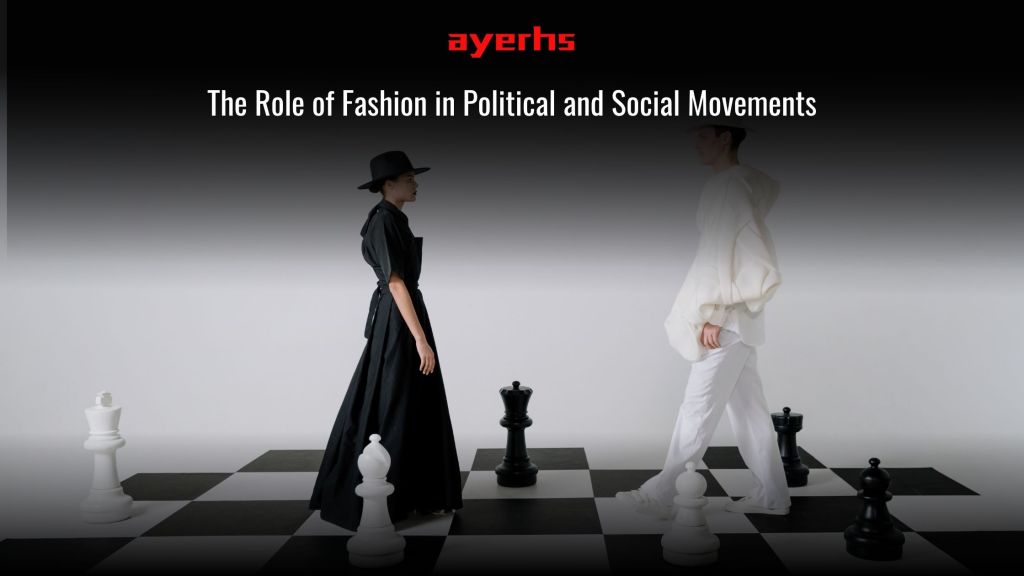
Fashion isn’t just about looking good or following trends. It’s not just about runway shows or glossy magazine covers. At its core, fashion is communication. It’s visual, it’s emotional, and it’s cultural. And more often than we realize, it’s deeply political.
From civil rights marches to pride parades, fashion has always been there—quietly (or loudly) making a statement. What we wear can express our identity, our beliefs, our resistance, and even our hope. It can include us or exclude us. It can protect us or make us a target. In many cases, it can be the first thing someone notices about us—and that alone gives it power.
Let’s explore the different ways fashion has played a role in political and social movements over the years, and how it continues to do so today.
Fashion as a Tool for Protest
Let’s start with one of the most visible roles fashion has played in movements: protest fashion.
Take the 2017 Women’s March, for example. If you remember the images, you’ll likely recall a sea of pink “pussyhats.” These knitted caps were created as a direct response to derogatory comments made about women during the U.S. presidential campaign. They quickly became a symbol—not just of protest, but of unity, creativity, and collective voice. What started as a DIY knitting project turned into a global statement.
This isn’t a one-off example. Protesters often choose what they wear intentionally. In Hong Kong’s pro-democracy protests, black clothing, helmets, and masks helped conceal identities and create a sense of unity. In Sudan, during the 2019 revolution, women wore traditional white to honor the history of female-led protests in the country. In Iran, women removing their hijabs or wearing them loosely is not just a fashion choice—it’s a bold act of resistance against oppressive laws.
In each case, fashion became a part of the protest toolkit. It wasn’t just about being seen—it was about being recognized.
Dressing for Dignity and Power
Back in the 1960s during the U.S. civil rights movement, African-American protesters were often photographed wearing their best clothes: church dresses, pressed shirts, polished shoes. It wasn’t a coincidence. These fashion choices were deliberate. They challenged the racist narratives that painted Black Americans as “uncivilized” or “disorderly.”
By dressing in their Sunday best, these protestors made a visual argument for dignity, respect, and equality. It was a silent but strong message: we are worthy.
Similarly, the Black Panther Party in the late 60s and 70s had a distinct look—black leather jackets, berets, sunglasses. This wasn’t about style—it was strategy. Their appearance exuded discipline, power, and defiance. It created a striking visual identity that commanded attention and reinforced solidarity within the group.
Even the uniform was political.
Fashion and Feminism: From Rebellion to Reclamation
Fashion and feminism have had a long, complicated relationship.
During the second-wave feminist movement in the 60s and 70s, many women rejected traditional beauty standards and feminine clothing. Bras were burned. Heels were ditched. The idea was simple: women were tired of being defined by how they looked. The personal became political, and dressing for comfort became a form of rebellion.
But that was just one chapter.
In today’s feminist movements, the relationship with fashion has evolved. Some women feel empowered by wearing lipstick and high heels, while others prefer androgynous or utilitarian styles. And that’s the beauty of it—the freedom to choose. Feminism in fashion now looks like power suits, crop tops, abayas, mini skirts, natural hair, or no makeup at all.
It’s not about one right way to dress. It’s about reclaiming the right to decide how you want to present yourself.
And that in itself? That’s political.
LGBTQ+ Movements and the Power of Visibility
For the LGBTQ+ community, fashion has always been a lifeline—for identity, for safety, and for pride.
In the early days of the queer rights movement, when simply being “out” was dangerous, clothing became a secret code. A green carnation pinned to a lapel. A pink triangle reclaimed from its horrific Nazi origins. Colorful bandanas, subtle rings, and later, the rainbow flag—each of these became a way to signal identity, solidarity, and survival.
During the AIDS epidemic in the 80s and 90s, fashion became a way to fight back. T-shirts with slogans like “Silence = Death” weren’t just clothes—they were lifelines, cries for attention in a world that wanted to ignore the crisis.
And then there’s drag. More than performance, drag is resistance. It challenges gender norms, blurs lines, and redefines beauty and power. The clothes worn in drag are loud, flamboyant, exaggerated—but more than anything, they’re liberating. It’s not just fashion. It’s freedom.
Pride parades today are filled with color, glitter, and unapologetic style. Because for many LGBTQ+ individuals, dressing exactly how they want in public spaces is still an act of courage.
When Clothes Become Armor
Sometimes fashion doesn’t shout—it shields.
In many movements, clothing acts as a kind of armor—physically and emotionally.
Think about activists wearing bulletproof vests or gas masks during protests. Or people choosing oversized clothes to avoid being harassed. Or trans individuals using fashion to “pass” for safety in a hostile world. These choices aren’t about aesthetics. They’re about protection.
Even uniforms—whether police, military, or activist—can send messages about authority, resistance, or alliance. Fashion in these cases is not decorative. It’s about survival and power.
Fashion in the Fight for Racial Justice
In recent years, especially after the 2020 killing of George Floyd, the Black Lives Matter movement brought new urgency to conversations around race, identity, and visibility.
People wore T-shirts that said “I Can’t Breathe” or “Say Their Names.” These weren’t just slogans—they were demands. They were reminders. And they were deeply emotional.
Streetwear brands and designers of color began using their platforms to speak out, raise funds, and tell stories through their clothes. More people began to ask where their clothes came from, who made them, and what stories they carried.
Fashion became a space for solidarity. For learning. For mourning.
And for action.
The Fine Line Between Solidarity and Performative Fashion
Now here’s where it gets tricky.
With so many movements gaining visibility, brands quickly joined the conversation. Some launched “feminist” lines. Others added rainbow prints during Pride Month. Slogans popped up everywhere.
And while it’s great to see mainstream fashion acknowledging these issues, it raises a tough question: Is it real support, or just marketing?
There’s a term for this—performative fashion. That’s when clothes look political, but the action behind them is shallow. Like selling a “Feminist” shirt made in sweatshops by underpaid women. Or promoting Black Lives Matter content while not hiring Black creatives.
That doesn’t mean we shouldn’t wear message tees or shop from brands that align with our values. But it does mean we should ask questions. Where is my money going? Who benefits from this? Is this about the movement—or just the moment?
True activism through fashion isn’t just about what you wear. It’s about why and how you wear it.
Everyday Resistance: Fashion as a Personal Act
Not every act of fashion activism happens on a global stage. Sometimes it happens quietly—in bedrooms, thrift stores, classrooms, and sidewalks.
Choosing to wear natural hair in a corporate space. Wearing traditional clothing from your culture with pride. Dressing in a way that defies gender expectations. Shopping secondhand to avoid fast fashion. Supporting small, ethical brands instead of massive chains.
These might seem like personal style choices. But they’re also cultural choices. Political choices. Identity choices.
Fashion doesn’t have to be loud to be powerful. Sometimes, just being yourself fully and visibly is enough to challenge an entire system.
Fashion as Memory and Movement
Clothes carry stories. They hold memories. They link us to the people who came before us.
A grandmother’s sari. A parent’s protest jacket. A patch sewn on by hand. A piece passed down through generations.
Fashion isn’t just about trends—it’s about lineage. Wearing certain things connects us to our roots, to movements that shaped us, to histories we might not even fully understand yet.
And that’s why fashion continues to matter—not just as a way to look good, but as a way to remember.
Where Do We Go From Here?
So, what do we do with all this?
We start by being more intentional. We recognize that fashion isn’t neutral—and never has been. Every brand, every trend, every slogan carries meaning. The question is: Are we paying attention to what it’s saying?
We support brands that align with our values. We challenge those that don’t. We use our clothes to express, to connect, to resist.
And we remember that movements are made up of people. Real people. So fashion should never be just a costume—it should reflect the lives and struggles of those it represents.
Final Thoughts
At first glance, fashion might seem like a shallow topic compared to politics or activism. But look again. Behind every outfit is a story. Behind every movement is a moment of style that helped define it.
From the uniforms of revolutionaries to the DIY patches of punks, from pride flags to protest pins, fashion has always had something to say.
And in a world that’s always watching—sometimes listening more to what they see than what they hear—what we wear can become our loudest voice.
So next time you get dressed, ask yourself: What story am I telling? What movement am I aligning with? What message am I sending?
 Ayerhs Magazine