
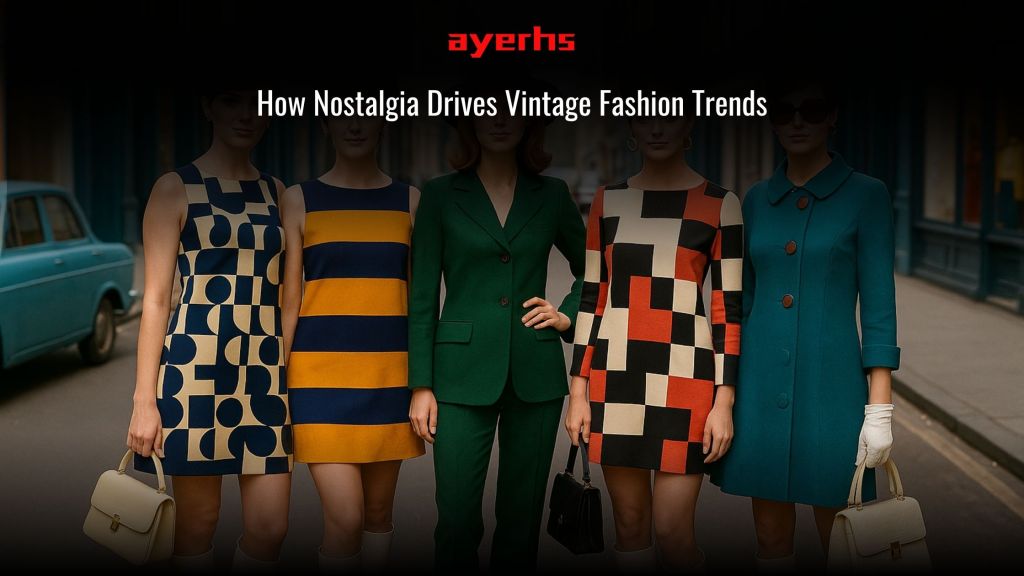
Our lives are cyclical, just like the seasons. Trends, too, follow a similar pattern, fading away only to resurface with renewed vigor. This is especially true in the dynamic world of fashion. We’re seeing a fascinating phenomenon unfold before our eyes: the resurgence of vintage fashion. But what’s truly driving this captivating trend? The answer, in large part, lies in the powerful, often irresistible pull of nostalgia.
Nostalgia isn’t just a fleeting feeling; it’s a deep longing for the past, a sentimental yearning for a bygone era. It’s that warm, fuzzy feeling you get when you hear a song from your childhood, see an old photograph, or smell a familiar scent that transports you back in time. It’s a complex emotion, a blend of joy and longing, happiness and a touch of melancholy for something that once was. And this potent emotion is a significant engine behind the thriving vintage fashion market.
Think about it: why do we gravitate towards old things? It’s not just about the aesthetic; it’s about the stories they tell, the memories they evoke, and the connection they offer to a perceived simpler, perhaps happier, time. In a world that often feels chaotic and fast-paced, vintage fashion offers a comforting embrace of the familiar, a tangible link to a past that, in our minds, might have been a little more idyllic.
The Allure of the “Good Old Days”
We often romanticize the past. Whether it’s the elegance of the 1920s, the rebellious spirit of the 1950s, the bohemian vibes of the 1970s, or the grunge era of the 1990s, each decade holds a certain allure. This idealized vision of the past fuels our desire to revisit it, and fashion becomes a direct conduit.
For many, vintage fashion is a way to tap into a sense of history and heritage. It’s about more than just clothes; it’s about embodying a particular era, an attitude, a lifestyle. When you wear a vintage piece, you’re not just wearing fabric; you’re wearing a piece of history, a story, a connection to those who came before you. It’s a tangible link to a time that perhaps feels less complicated, more authentic, or simply more charming than the present.
Escapism and Identity
In a world saturated with mass-produced, fast fashion, vintage offers an escape. It’s a chance to differentiate oneself, to express individuality, and to stand out from the crowd. Fast fashion, while affordable and accessible, often lacks character and a unique narrative. Vintage pieces, on the other hand, often possess a distinctive charm, a craftsmanship that is increasingly rare, and a story waiting to be discovered.
Beyond mere aesthetics, vintage fashion allows us to craft a unique identity. Are you drawn to the sophisticated glamour of the 1940s? Or perhaps the playful exuberance of the 1960s? By choosing pieces from these eras, we can project a certain image, evoke a specific mood, and align ourselves with the values or aesthetics of a bygone time. It’s a form of self-expression that goes beyond simply following current trends; it’s about curating a personal style that reflects your inner world and your appreciation for history.
The Cycle of Trends: Everything Old is New Again
Fashion is inherently cyclical. Designers constantly draw inspiration from the past, reinterpreting classic silhouettes, patterns, and themes for modern audiences. This constant reinterpretation keeps vintage fashion relevant and desirable. What was once considered “outdated” suddenly becomes “timeless” or “retro chic.”
Consider the return of wide-leg trousers, chunky sneakers, or even specific hairstyles like mullets and shags. These are not entirely new inventions; they are modern iterations of styles that have had their moment in the sun before. This cyclical nature of fashion trends is deeply intertwined with nostalgia. As these styles resurface, they trigger memories for those who lived through their initial popularity and create a sense of discovery and novelty for younger generations. It’s a fascinating interplay where the past informs the present, and the present redefines the past.
The Comfort of Familiarity in an Unpredictable World
We live in an age of constant change and unprecedented technological advancements. While exciting, this rapid pace can also be overwhelming. In such a climate, the familiar offers a sense of comfort and stability. Vintage fashion, with its echoes of simpler times, provides a comforting embrace.
There’s a certain reassurance in embracing styles that have stood the test of time. It’s a subtle rebellion against the fleeting nature of contemporary trends. It’s a way of saying, “I appreciate what’s enduring, what has proven its worth.” This desire for stability and familiarity can be a powerful motivator in our fashion choices, leading us to seek out garments that feel like a warm hug from the past.
The Role of Social Media and Pop Culture
The rise of social media platforms like Instagram and TikTok has played a significant role in accelerating and amplifying vintage fashion trends. Influencers, stylists, and everyday users showcase their vintage finds, inspiring millions to explore this unique world. Hashtags like #vintagefashion, #retrostyle, and #thriftstorefinds proliferate, creating communities around shared interests and tastes.
Beyond social media, pop culture – from period dramas and films to music videos – frequently features vintage aesthetics, further cementing their desirability. When a popular celebrity or character is seen sporting a vintage look, it often triggers a widespread interest and desire to emulate that style. These cultural touchstones act as powerful engines, reigniting interest in forgotten trends and introducing them to new audiences.
Sustainability as a Happy Coincidence
While not the primary driver of nostalgia-fueled vintage trends, sustainability has emerged as a significant secondary benefit. In an era of increasing environmental awareness, buying vintage is seen as a more eco-friendly alternative to fast fashion. It reduces waste, conserves resources, and extends the lifespan of garments, aligning with a more conscious consumption mindset.
This happy coincidence strengthens the appeal of vintage fashion, giving consumers another compelling reason to choose pre-loved items. It allows individuals to feel good about their fashion choices, knowing that they are contributing to a more sustainable future while simultaneously indulging their nostalgic leanings. The ethical dimension adds another layer of appeal, transforming a personal preference into a socially responsible act.
The Thriving Vintage Market
The growing demand for vintage fashion has led to a proliferation of vintage boutiques, online stores, and dedicated marketplaces. From high-end curated collections to affordable thrift store finds, there’s something for every budget and taste. This accessibility has made it easier than ever for individuals to explore and embrace vintage styles.
These marketplaces are not just transactional spaces; they are often vibrant communities where enthusiasts share knowledge, tips, and stories. The act of hunting for vintage treasures itself becomes an experience, a journey of discovery, adding to the overall enjoyment and appeal. The thrill of finding that perfect, unique piece that speaks to you is a powerful motivator, transforming shopping into an exciting adventure.
Breaking Down the Decades: A Nostalgic Journey Through Fashion
Let’s take a quick stroll down memory lane and explore how nostalgia manifests in different fashion eras:
- 1920s: The Roaring Twenties. Think flapper dresses, dropped waists, cloche hats, and intricate beadwork. Nostalgia for this era evokes images of carefree rebellion, jazz music, and a sense of liberation after World War I. It represents a period of profound social and cultural change, and its fashion reflects that vibrant energy. The desire to capture that sense of freedom and celebration continues to draw people to 1920s styles.
- 1940s: Wartime Utility and Glamour. Broad shoulders, tailored suits, practical yet elegant dresses, and victory rolls define this decade. Nostalgia here is often for resilience, understated elegance, and the strength of a generation that faced immense challenges. There’s an appreciation for the resourcefulness and the ability to maintain a sense of style even amidst adversity.
- 1950s: The Golden Age of Hollywood and Youth Culture. Full skirts, cinched waists, poodle skirts, leather jackets, and denim all come to mind. This era evokes nostalgia for a perceived simpler time, the rise of rock and roll, and the birth of youth rebellion. It’s an era associated with optimism, prosperity, and the emergence of distinct subcultures. The desire to capture that iconic, optimistic aesthetic drives much of the 1950s revival.
- 1960s: Swinging London and Counterculture. Mini skirts, A-line dresses, psychedelic prints, go-go boots, and mod styles characterized this decade. Nostalgia for the ’60s is about liberation, artistic expression, and a spirit of social change. It represents a break from tradition, a push for individuality, and a vibrant cultural revolution. The playful and bold fashion of this era continues to inspire.
- 1970s: Disco, Bohemian, and Punk. Bell-bottoms, platform shoes, tie-dye, peasant blouses, leisure suits, and punk rock aesthetics define the ’70s. This decade offers a rich tapestry of subcultures, and nostalgia for it is often tied to a desire for self-expression, musical movements, and a sense of freedom. Whether you’re drawn to the glam of disco or the edgy rebellion of punk, the ’70s offer a diverse range of nostalgic appeals.
- 1980s: Bold, Bright, and Bodacious. Shoulder pads, neon colors, tracksuits, oversized blazers, and power dressing ruled the ’80s. Nostalgia for this era often revolves around a sense of playful excess, pop culture icons, and a distinct visual identity. It’s an era that embraces boldness and individuality, and its fashion reflects that larger-than-life attitude.
- 1990s: Grunge, Minimalist, and Hip-Hop Influences. Flannel shirts, ripped jeans, slip dresses, sportswear, and oversized silhouettes were prevalent. Nostalgia for the ’90s is strong among millennials who grew up in this era, yearning for the simplicity and cultural touchstones of their youth. It’s about a raw, authentic, and often rebellious spirit, a rejection of the excessive glam of the previous decade.
Each of these decades offers a distinct flavor, and our nostalgic leanings often guide us towards the eras that resonate most deeply with our personal history, our aspirations, or our idealized vision of the past.
The Future of Vintage: A Timeless Allure
As long as humans possess the capacity for memory and sentimentality, nostalgia will continue to be a potent force in shaping our preferences, including our fashion choices. The desire to connect with the past, to express individuality, and to embrace enduring style will ensure that vintage fashion remains a vibrant and evolving trend.
It’s more than just a fleeting fad; it’s a testament to our collective human experience, our shared history, and our innate desire to find meaning and connection in the objects around us. Vintage fashion isn’t just about looking backward; it’s about building a unique and authentic present, informed by the rich tapestry of the past. It’s a celebration of craftsmanship, storytelling, and the enduring power of style. So next time you see someone sporting a killer vintage outfit, remember that it’s likely more than just a fashion statement – it’s a whisper from the past, a story being retold, and a beautiful expression of nostalgia in action.
 Ayerhs Magazine