
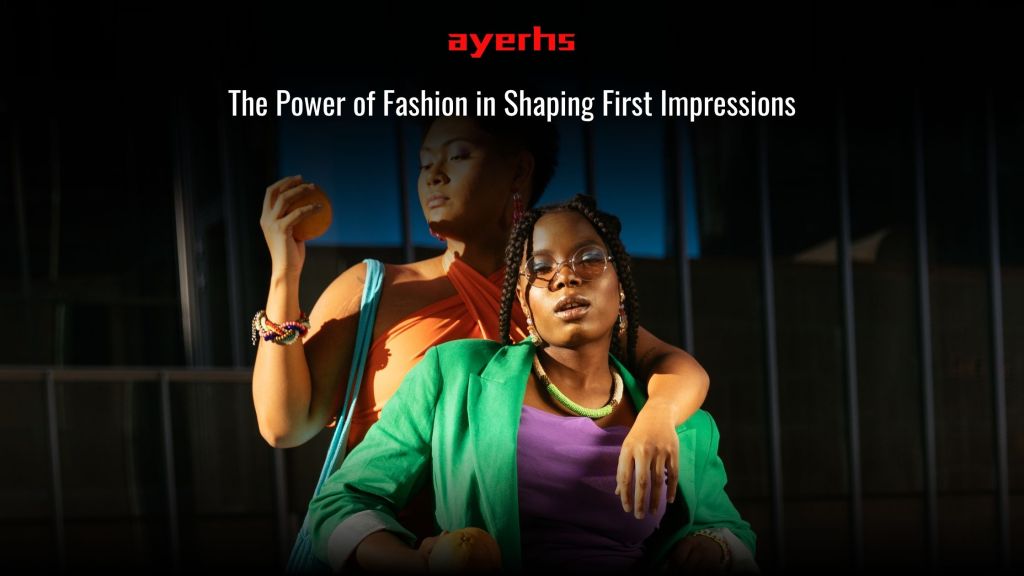
Let’s be real—whether we like it or not, people judge. And often, they judge fast. First impressions are formed in mere seconds. Before you even say hello, someone’s already picked up on the way you dress, how you carry yourself, and the vibe you’re giving off. That’s the power of fashion. It speaks before you do.
Now, does this mean you have to look like you just stepped off a runway every day? Absolutely not. But what you wear—and how you wear it—says something. About your mood. About your personality. Sometimes even about your job, your values, or how much you care (or don’t care) about certain things.
In this post, we’re diving into how fashion plays a huge role in first impressions—and why that’s not necessarily a bad thing.
First Impressions: Why They Happen So Fast
Science has shown that people form impressions of others within seven seconds of meeting them. Yep, just seven. Some studies say even less. That’s not a lot of time. And in that quick window, we rely heavily on visual cues—like body language, facial expressions, and, yes, clothing.
We live in a visual world. Our brains are wired to scan and evaluate quickly to make sense of what (or who) we’re looking at. It’s an evolutionary thing—a way to judge safety or threat. But in modern society, it’s become a way to quickly assess things like confidence, competence, friendliness, style, and even social status.
Fair or not, this is just how it works. That’s why what you wear—your fashion choices—can carry a lot more weight than you might think.
Clothing as Communication
Think of fashion as a non-verbal language. It’s a form of self-expression, but it’s also a way of telling the world something about who you are.
- A well-tailored suit might say, “I’m professional, polished, and serious about this meeting.”
- An oversized band tee and sneakers might say, “I’m laid-back, creative, and not into formality.”
- Bright, bold colors can signal confidence or playfulness.
- Neutrals and minimalist styles might show elegance, calmness, or a preference for simplicity.
This doesn’t mean you’re locked into one box based on your outfit—but it does show how different looks can convey different messages.
And we do this instinctively. Think about job interviews, first dates, weddings, or even running into an ex. Chances are, you’ve put more thought into what you wear on those days. Because deep down, you know your clothes help set the tone.
Fashion and Identity
For many of us, what we wear is deeply tied to how we see ourselves—or how we want to be seen. Fashion gives us the ability to shape our identity and present a version of ourselves to the world.
In your teens, maybe you went through phases—goth one month, sporty the next, boho the month after that. Each style was an experiment in self-expression. Even as adults, we continue this process. We dress for who we are and who we’re becoming.
This doesn’t mean being fake or dressing for others. In fact, the most powerful fashion choices are the ones that feel authentic. The ones that align with your personality and values, even if they don’t follow the latest trend.
The Role of Context
Of course, fashion and first impressions don’t happen in a vacuum. Context matters.
Wearing a cocktail dress to a beach picnic might give off the wrong impression—not because the dress is bad, but because it’s not appropriate for the setting. Similarly, showing up to a job interview in flip-flops and joggers might say, “I didn’t really prepare for this,” even if you’re highly qualified.
That doesn’t mean conforming just to fit in. But understanding the expectations of a space—whether it’s formal, casual, creative, or corporate—allows you to use fashion to your advantage, not your downfall.
Confidence is the Real Game-Changer
Here’s something important: It’s not just what you wear—it’s how you wear it.
You can be in the most stylish outfit, but if you’re fidgeting, hiding, or clearly uncomfortable, that’ll come through. On the flip side, someone wearing something super simple but carrying themselves with confidence? That energy is magnetic.
Fashion and confidence go hand in hand. When you feel good in what you’re wearing, you naturally stand taller, smile more, and engage differently. You feel more like yourself. And that kind of authenticity? People notice it.
Fashion Stereotypes: The Good, The Bad & The Biased
Let’s not ignore the fact that first impressions based on fashion can also lead to stereotyping. A hoodie might unfairly be seen as suspicious in some settings. Expensive brands might be wrongly linked to intelligence or success. Someone in bright colors might be labeled “extra” or “attention-seeking.”
These assumptions aren’t always fair. They’re often rooted in societal biases around race, gender, class, and body type. The fashion industry itself has been guilty of reinforcing narrow beauty standards and ideals of “acceptable” style.
That’s why representation matters—seeing diverse bodies, styles, and backgrounds reflected in fashion helps break down these stereotypes and make space for more inclusive first impressions.
Dressing for the Life You Want
Fashion can be aspirational. It’s not just about expressing who you are—it can also reflect who you’re becoming.
You might not feel like a CEO yet, but dressing like one can help you step into that mindset. That doesn’t mean faking it—but rather using fashion as a tool for self-empowerment.
Even small changes—like swapping out an old hoodie for a structured jacket, or investing in a pair of shoes that make you feel put-together—can shift the way you see yourself. And that internal shift affects the way others see you, too.
The Rise of Personal Style Over Trends
We live in a time when trends come and go faster than ever thanks to social media. But if you really want to shape a lasting impression, it’s less about chasing trends and more about cultivating personal style.
What colors do you feel most alive in?
What silhouettes feel natural on your body?
What kind of vibe do you want to give off?
These are the questions that help shape a wardrobe that feels like you. And when your style feels aligned, first impressions become easier to navigate because you’re showing up as your most authentic self—consistently.
Fashion as a Conversation Starter
Here’s another beautiful thing about fashion—it creates connection. Complimenting someone’s shoes, asking about a cool jacket, or bonding over a shared love of vintage finds can be an easy way to break the ice.
Your outfit can be a way of saying, “Here’s a little bit about me,” without having to speak. It can invite people in. It can also help you find your people—those who resonate with your vibe, your values, or your creativity.
Real-Life Examples of Fashion Making First Impressions
To make this feel even more real, here are a few everyday examples:
- The Interview Outfit: You wear a well-fitted blazer and neutral tones. You feel sharp, capable, and prepared. The interviewer doesn’t just see your resume—they see someone who belongs in the role.
- The Coffee Date: You wear your favorite jeans, a cozy sweater, and those boots that always get compliments. You feel comfortable and authentic. Your date feels like they’re seeing the real you.
- The Wedding Guest Look: You wear a bright, playful dress that’s slightly out of your comfort zone. You get compliments all night, feel more confident than you expected, and end up dancing without overthinking it.
These aren’t fashion magazine moments—they’re real-life ones. And they show how your clothing can support the version of yourself you want to show up as.
Final Thoughts: Dress Like You Mean It
At the end of the day, fashion is about more than just fabric or aesthetics. It’s about energy, identity, and connection. It’s a tool you can use to make your presence felt—before you even speak.
So whether you’re dressing for a job, a date, a meeting, or just a random Tuesday, know that what you wear matters. Not in a shallow or judgmental way—but in a real, human way. Because people notice. You notice. And when your outer world aligns with your inner one, something clicks.
First impressions will always be a thing. But with intentional fashion choices, they don’t have to be scary. They can actually be empowering.
So wear what feels like you—loud or quiet, bold or minimal, classic or experimental. Let your clothes do the talking. And then, once they’ve said what they need to say, let the real you shine through.
 Ayerhs Magazine