
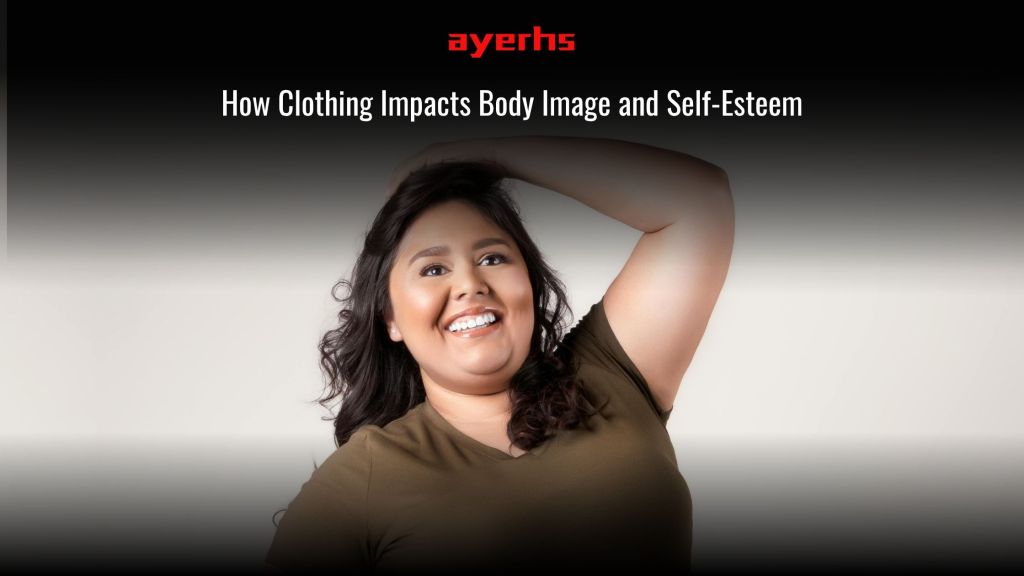
In an age increasingly saturated with digital imagery and curated self-presentation, the profound influence of clothing on our body image and self-esteem has never been more apparent. Beyond its fundamental functions of warmth and modesty, clothing acts as a powerful form of non-verbal communication, a personal uniform, and a canvas upon which we project our internal world. This extensive exploration will delve into the multifaceted ways in which what we wear shapes how we perceive our bodies and, consequently, our sense of self-worth.
The Second Skin: Clothing as an Extension of Self
From the moment we dress each day, we are engaging in an act of self-definition. Clothing is more than just fabric; it’s a second skin, a chosen exterior that mediates our interaction with the world. The styles, colors, textures, and fits we select are not arbitrary; they often reflect our mood, aspirations, cultural affiliations, and even our hidden insecurities. When we feel good in our clothes, there’s an almost palpable shift in our demeanor – a straighter posture, a more confident stride, a brighter smile. Conversely, ill-fitting or uncomfortable attire can lead to a sense of unease, self-consciousness, and a desire to shrink into the background.
This concept of clothing as an extension of self is rooted in psychological principles. The “enclothed cognition” theory, for instance, suggests that the symbolic meaning of clothing and the physical experience of wearing it can influence the wearer’s psychological processes. When we don a professional suit, we might feel more competent and authoritative; slipping into comfortable loungewear can evoke feelings of relaxation and ease. These associations are not merely superficial; they can profoundly impact our cognitive functions, emotional states, and ultimately, our self-perception.
The Mirror’s Gaze: Clothing and Body Perception
One of the most direct ways clothing impacts body image is through its ability to alter how we perceive our physical form. Clothes can accentuate or camouflage, highlight or diminish, creating illusions that either align with or challenge our internal body schema.
- Highlighting and Hiding: Certain cuts and styles are inherently designed to flatter specific body types. An A-line skirt might be chosen to emphasize the waist and flow away from the hips, while a tailored blazer can create a more structured silhouette. When we successfully use clothing to highlight features we appreciate or to downplay areas we’re less confident about, it can lead to a significant boost in body satisfaction. Conversely, wearing clothes that feel unflattering can exacerbate existing body image concerns, drawing attention to perceived flaws and reinforcing negative self-talk.
- The Illusion of Proportion: Clothing can manipulate the perceived proportions of our body. Vertical stripes can elongate, while horizontal stripes can widen. The placement of seams, pockets, and embellishments can draw the eye to specific areas, altering the visual balance of our figure. Understanding these optical illusions can be empowering, allowing us to dress in ways that create the proportions we desire, thus enhancing our comfort and confidence in our own skin.
- Comfort and Constraint: The physical comfort of clothing is paramount to positive body image. Tight, restrictive clothing can not only be physically uncomfortable but can also create a sense of being squeezed, contained, or even suffocated, leading to heightened awareness of our body in a negative way. Loose, flowing fabrics, on the other hand, can offer a sense of freedom and ease, allowing us to move naturally and feel more comfortable in our own skin. This direct physical experience plays a crucial role in how we relate to our bodies.
- The Fit Factor: The fit of clothing is perhaps the most critical element in its impact on body image. Clothes that are too big can make us feel shapeless and frumpy, while clothes that are too small can feel constricting and highlight areas we might prefer to conceal. Finding clothes that fit well – neither too tight nor too loose – is essential for fostering a sense of ease and confidence. A good fit allows the garment to drape correctly, creating a flattering silhouette that enhances rather than detracts from our natural form.
The Social Lens: Clothing, Comparison, and Conformity
Beyond individual perception, clothing operates within a powerful social context, influencing how we see ourselves in relation to others and how we believe others perceive us.
- Social Comparison: In an era of pervasive social media, the act of dressing often involves an implicit or explicit comparison with others. We see idealized images of bodies and outfits, leading to a tendency to compare our own appearance to these often unattainable standards. If our clothing doesn’t align with what is considered fashionable or desirable, it can trigger feelings of inadequacy and self-doubt. This constant comparison can erode body image and self-esteem, making us feel perpetually “not enough.”
- Conformity and Individuality: Clothing can be a powerful tool for both conformity and self-expression. Adhering to certain dress codes or trends can provide a sense of belonging and acceptance within a social group, which can be comforting and validating. However, excessive conformity can stifle individuality, leading to a feeling that we are losing ourselves in the pursuit of external validation. Conversely, choosing to express our unique style through clothing can be incredibly empowering, fostering a sense of authenticity and self-acceptance, even if it deviates from prevailing norms.
- Stereotypes and Judgments: Unfortunately, clothing can also be a source of stereotypes and judgments. We are often quick to form opinions about others based on their attire, and these judgments can impact how we feel about ourselves when we are the subject of scrutiny. The fear of being judged for our clothing choices can lead to anxiety and self-consciousness, contributing to negative body image and diminished self-esteem.
The Psychological Impact: Confidence, Mood, and Authenticity
The relationship between clothing, body image, and self-esteem is deeply rooted in our psychological well-being.
- The Confidence Catalyst: When we wear clothes that make us feel good, it has a ripple effect on our confidence. This isn’t merely superficial; it’s a genuine internal shift. Feeling well-dressed can empower us to take on challenges, engage in social interactions more readily, and project an aura of self-assurance. This increased confidence can lead to a positive feedback loop, where feeling good about our appearance translates into more positive experiences, further reinforcing our self-esteem.
- Mood Modulation: Clothing has a remarkable ability to influence our mood. Bright colors can evoke feelings of joy and energy, while soft textures can provide comfort and calm. Dressing in clothes that align with our desired mood for the day can be a powerful self-care practice. Conversely, neglecting our appearance or wearing clothes that make us feel drab can contribute to feelings of apathy or sadness.
- Authenticity and Self-Expression: Perhaps one of the most profound impacts of clothing on self-esteem lies in its role as a vehicle for authentic self-expression. When our outward appearance aligns with our inner identity, there is a sense of coherence and integrity. Dressing in a way that truly reflects who we are – our values, passions, and personality – fosters a deep sense of self-acceptance and pride. This authenticity can be incredibly liberating, freeing us from the need to conform and allowing our true selves to shine.
- The Power of Ritual: The act of getting dressed each day can become a powerful ritual that sets the tone for our day. Taking time to select an outfit that makes us feel good is an act of self-care and respect. It signals to ourselves that we are worthy of attention and effort, which can be a subtle yet significant boost to self-esteem.
Navigating the Wardrobe for a Positive Self-Image
Given the profound impact of clothing, how can we harness its power to cultivate a more positive body image and robust self-esteem?
- Prioritize Comfort and Fit: This is non-negotiable. No matter how fashionable an item may be, if it’s uncomfortable or ill-fitting, it will detract from your self-esteem. Invest in clothes that feel good on your body and flatter your current shape, not the shape you aspire to be. Get familiar with your measurements and don’t be afraid to try different sizes from different brands.
- Understand Your Body Shape: Rather than fighting your natural silhouette, learn to dress for it. There are numerous guides and resources available to help you understand your body type and the styles that best complement it. This knowledge empowers you to choose clothes that work with your body, enhancing your features and creating a sense of harmony.
- Embrace Your Personal Style: Fashion trends come and go, but personal style is enduring. Experiment with different aesthetics, colors, and textures to discover what truly resonates with you. Your wardrobe should be a reflection of your personality and values, not just what’s popular. This journey of self-discovery through style can be incredibly empowering.
- Curate with Intention: Develop a wardrobe that you love and that serves you. This might mean decluttering items that make you feel bad, even if they were expensive or once fit perfectly. Focus on quality over quantity, and choose pieces that are versatile and can be mixed and matched. A curated wardrobe reduces decision fatigue and ensures that every item you own makes you feel good.
- Focus on How You Feel, Not Just How You Look: While the visual aspect of clothing is important, the internal feeling it evokes is arguably more so. Before purchasing an item, ask yourself: “How does this make me feel?” If it doesn’t spark joy or confidence, it’s probably not the right piece for you, regardless of how it looks on the hanger or on a model.
- Challenge Internalized Ideals: Be mindful of the idealized images you consume and consciously challenge their validity. Remember that social media often presents a highly filtered and curated reality. Focus on developing a healthy relationship with your own body and appreciating its unique qualities, rather than striving for an unrealistic ideal.
- Dress for the Occasion (and Yourself): While it’s important to dress appropriately for different settings, remember that the ultimate “occasion” is always your own well-being. If an outfit is technically suitable but makes you feel self-conscious, consider alternatives. Your comfort and confidence are paramount.
- Seek Inspiration, Not Replication: Look to others for inspiration, but avoid the trap of trying to replicate someone else’s style or body. Use inspiration as a springboard for developing your own unique look that celebrates your individuality.
- Invest in Good Undergarments: The foundation of any great outfit is good undergarments. Well-fitting bras and supportive shapewear (if desired) can make a significant difference in how clothes lay on your body and, consequently, how you feel about your silhouette.
- Practice Self-Compassion: There will be days when you don’t feel great about your body, regardless of what you wear. On these days, practice self-compassion. Be kind to yourself, acknowledge your feelings, and remind yourself that your worth extends far beyond your physical appearance.
Beyond the Fabric: A Holistic Approach
While clothing plays a significant role, it’s important to remember that body image and self-esteem are complex constructs influenced by a myriad of factors, including mental health, social support, life experiences, and societal pressures. Clothing can be a powerful tool in fostering a positive self-image, but it’s not a standalone solution.
A holistic approach involves:
- Cultivating Self-Acceptance: Actively working to accept and appreciate your body for what it is and what it can do, rather than constantly striving for an unattainable ideal.
- Practicing Self-Care: Engaging in activities that nourish your mind, body, and soul, such as exercise, healthy eating, adequate sleep, and mindfulness.
- Building Strong Relationships: Surrounding yourself with supportive individuals who uplift and empower you.
- Challenging Negative Self-Talk: Becoming aware of and actively reframing negative thoughts about your body and worth.
- Focusing on Non-Appearance Attributes: Recognizing and valuing your intelligence, kindness, creativity, humor, and other qualities that contribute to your identity beyond your physical appearance.
Conclusion
Clothing is far more than mere fabric and thread; it is a potent psychological tool that deeply impacts our body image and self-esteem. From influencing our perception of our physical form to shaping our social interactions and boosting our confidence, the clothes we choose speak volumes about how we see ourselves and how we wish to be seen. By understanding these intricate connections, we can make conscious choices that empower us to dress not just for the world, but for ourselves – fostering a profound sense of comfort, authenticity, and self-worth that extends far beyond the confines of our wardrobe. When we dress with intention and compassion, our clothing becomes an ally in the ongoing journey of self-acceptance and empowerment, a tangible expression of our inherent value and unique beauty.
 Ayerhs Magazine