
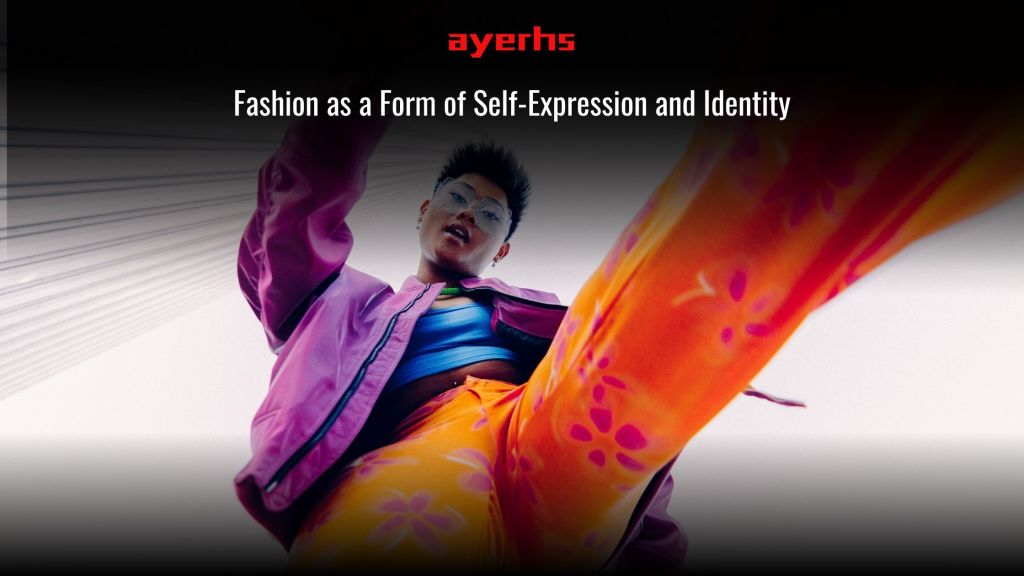
We all get dressed every day. For work, for errands, for nights out, for lazy days in. But fashion is more than just fabric and function—it’s one of the most intimate and accessible forms of self-expression we have. Whether we’re aware of it or not, what we wear says something about who we are, how we see ourselves, and how we want to be seen.
Fashion is personal. It’s emotional. It’s sometimes political. It’s always telling a story.
In a world that’s constantly trying to define us or put us into neat little boxes, fashion gives us a rare kind of agency. It lets us take control of the narrative.
Let’s talk about why fashion is way more than just clothes—and how it connects deeply with identity, personality, mood, culture, and the freedom to be unapologetically you.
The First Impression: Clothing as a Visual Language
Before we even say a word, our clothes often do the talking. That sounds dramatic, but it’s true. Think about job interviews, first dates, or even the way you dress when you’re feeling your best. There’s a reason we say “dress the part.”
Clothing can communicate confidence, creativity, rebellion, modesty, openness, and so much more. A sharply tailored blazer? Professional and put-together. Oversized hoodie and sneakers? Casual and comfy. A head-to-toe bold color or pattern? Fearless and expressive.
Fashion is like a visual language—a way of signaling to the world how we feel inside, or how we want others to perceive us. And what’s powerful is that we get to choose how we use it.
Finding Yourself Through Fashion
A lot of us have gone through phases with our style. Remember your high school look? The DIY band tees, the carefully ripped jeans, or maybe the pastel skirts and ballet flats? Those weren’t just trends—they were expressions of how we were figuring out our identity.
As we grow, change, and go through different life stages, our style often evolves with us. And that’s the beauty of it. Fashion isn’t fixed. It reflects our journey.
Maybe in your early 20s, you leaned into androgynous silhouettes because you were exploring gender identity. Or maybe you started wearing more traditional clothing to reconnect with your roots. These aren’t just fashion choices. They’re personal milestones.
For many people, especially those in marginalized communities, fashion becomes a way to reclaim their narrative. It can be an act of visibility. Of pride. Of resistance.
Mood, Mental Health & What We Wear
Ever notice how your outfit changes based on your mood? There’s actual science behind that. Studies have shown that what we wear can influence our emotions, behavior, and even cognitive performance.
When you’re feeling down, you might reach for your softest sweatshirt. When you’re feeling powerful, you might go for a sleek black outfit with sharp details. And when you’re in love, you might just wear something a little more daring or romantic.
Fashion isn’t just about showing the world who you are—it’s also about how you feel inside.
Some people use fashion as armor. Others use it as a canvas. And some days, it’s just about getting through the day. There’s no wrong way to do it.
Fashion and Cultural Identity
Our cultural backgrounds shape so much of how we view fashion. Traditional garments, family rituals, and community styles often leave an imprint on our wardrobes, whether we realize it or not.
Wearing a sari, kente cloth, hanbok, or qipao isn’t just about heritage—it’s about pride. It’s about visibility in a world that often pushes certain aesthetics as “universal” or “mainstream.” When people wear their cultural clothing, especially in non-traditional settings, it sends a powerful message: “This is who I am, and I’m not hiding it.”
And then there’s the way different cultures have influenced global fashion trends—whether it’s Japanese streetwear, African prints, Latinx embroidery, or Indigenous beadwork. Fashion becomes this beautiful exchange of ideas, as long as it’s done with respect and appreciation rather than appropriation.
Fashion rooted in culture reminds us that our identities are multifaceted—and that what we wear often carries deep histories.
Gender, Sexuality, and Style Freedom
For many, fashion is a way to explore and affirm gender identity and sexuality. And in recent years, fashion has become much more inclusive—though we still have a long way to go.
From genderless clothing lines to drag culture’s influence on mainstream fashion, we’re seeing more people use clothing to push boundaries and redefine what style means beyond the binary.
For someone who’s gender-fluid, fashion might be about experimenting every day. One day it’s masculine tailoring, the next it’s floaty dresses and bold prints. For someone coming out as queer, fashion might be the first way they say to the world, “This is me.”
It’s liberating to realize that fashion doesn’t have to follow rules. It doesn’t have to align with what’s “expected.” It just has to feel real.
Subcultures and Belonging
Remember Tumblr-era grunge? Emo? Punk? Cottagecore? Minimalism? These aren’t just aesthetic trends—they’re communities.
Fashion gives people a sense of belonging. It helps them find others who “get it.” In a way, it’s a secret handshake.
When you walk into a room and see someone dressed in a way that aligns with your vibe, it feels like you’ve found your people. And in a world that can feel isolating, especially in the digital age, that kind of connection is gold.
Subcultures use fashion to define themselves against the mainstream. To say, “We’re not like everyone else.” It’s bold. It’s creative. And it’s often deeply intentional.
Fashion as Protest
Yes, fashion can be fun. But it can also be fierce.
From the Black Panthers’ leather jackets and berets to the pink pussy hats at women’s marches, clothing has long been used as a tool for protest. What you wear can be a statement. A challenge to the status quo.
Think of the “Dress Like a Woman” backlash, where people of all genders posted photos of themselves in workwear, scrubs, uniforms, and all kinds of non-dresses to protest narrow ideas of femininity. Or Billie Eilish’s choice to wear baggy clothes early in her career to avoid being sexualized—only to later reclaim her body on her own terms.
Fashion is political. It’s not always loud, but it’s always speaking.
The Pressure to Perform
Let’s be real for a second. While fashion can be empowering, it can also come with a lot of pressure. Social media has made us hyper-aware of how we present ourselves. The pressure to always look good, stay “on trend,” or have a “personal aesthetic” can be exhausting.
Sometimes, we just want to wear the same jeans three days in a row. Or not think so hard about matching our bag to our shoes. And that’s okay.
Self-expression through fashion shouldn’t feel like a performance. It should feel like a choice—a freedom. Not an obligation.
The Rise of Personal Style Over Trends
One of the most refreshing shifts happening right now? People are prioritizing personal style over following fast-moving trends.
Instead of asking, “What’s in fashion this season?” more people are asking, “What do I actually love to wear?”
Style is about longevity. It’s about finding what feels true to you and wearing it—again and again—with confidence. It’s about investing in pieces that make you feel something, whether they’re vintage, thrifted, custom-made, or handed down.
It’s about dressing for you, not for likes, not for approval, and definitely not for trends that come and go faster than you can say “micro-miniskirt.”
How to Use Fashion as Self-Expression (Without Overthinking It)
If you’re wondering how to actually use fashion as a tool for self-expression, here are some gentle tips:
- Start with your mood. What colors or textures feel like “you” today? What’s calling to you?
- Ignore the rules. There’s no “right” way to dress. Wear white after Labor Day. Mix prints. Break gender norms.
- Try a fashion journal. Take photos of outfits you love (on yourself or others) and save them. Over time, patterns will emerge.
- Shop your closet. You probably already own pieces that feel most like you. Rewear them, restyle them, remix them.
- Get inspired, not pressured. Use Pinterest, Instagram, and fashion blogs to discover ideas, not to feel like you’re falling short.
- Give yourself permission to evolve. You don’t have to commit to one “aesthetic.” You’re allowed to change. You’re supposed to change.
You Are the Trend
Fashion, at its best, is a mirror and a microphone. It reflects who you are and amplifies your voice.
You don’t need to be “fashionable” in the traditional sense to have style. Style is about knowing yourself—and being brave enough to show up in the world as that person.
So whether you’re someone who curates every outfit like a mood board or someone who grabs what’s clean and comfy, know this: your fashion choices matter. They tell your story.
And honestly? There’s nothing more stylish than being authentically, unapologetically you.
 Ayerhs Magazine