
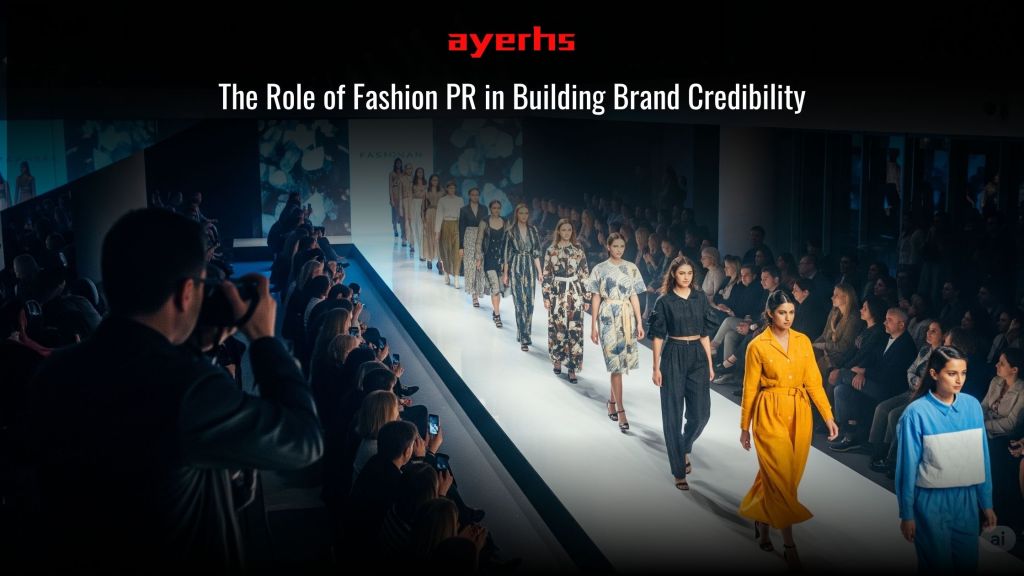
In an industry as image-driven as fashion, credibility is everything. It’s what separates a fleeting trend from a cultural moment, transforms a fledgling label into a household name, and turns one-time buyers into loyal advocates. For brands large and small, investing in a strategic public relations (PR) approach isn’t just a nice-to-have—it’s essential. Let’s dive into how fashion PR shapes perception, builds trust, and ultimately cements a brand’s reputation in the minds (and hearts) of consumers.
Why Credibility Matters in Fashion
Think about the last time you scrolled through Instagram and paused on a post. Was it because the model looked flawless? Maybe. But more often than not, what stops your thumb mid-scroll is authenticity—something that feels real, relatable, and trustworthy. In a sea of perfectly edited images and staged launches, today’s consumers crave genuine connection. When a fashion brand consistently communicates its values, demonstrates quality, and earns third-party endorsements, it gains a credibility currency that money simply can’t buy.
Credibility drives:
- Consumer Trust: People are more likely to buy from a brand they believe in.
- Media Coverage: Editors and influencers favor brands with a strong, coherent story.
- Industry Partnerships: Retailers, collaborators, and investors all want to be associated with reputable names.
Without credibility, even the most stunning collection can feel hollow—and lots of marketing dollars can evaporate into thin air.
What Fashion PR Actually Does
At its core, fashion PR is about storytelling and relationship-building. It’s the bridge between your brand and the world—connecting you with journalists, influencers, stylists, retailers, and customers. Here are some of the main functions:
- Press Relations
Crafting press releases, pitching stories, and fostering genuine relationships with editors and writers. A well-placed feature in Vogue or a mention on a respected fashion blog can catapult a new collection into the spotlight. - Event Management
From intimate showroom appointments to grand runway shows, PR teams curate experiences that leave lasting impressions. Every detail—from venue selection to guest list curation—reinforces the brand’s identity. - Influencer Partnerships
Identifying and collaborating with influencers who align authentically with the brand’s aesthetic and values. It’s not about follower counts; it’s about finding the right voices to amplify your message. - Crisis Communication
When things go sideways—a controversial campaign, supply-chain hiccup, or social media backlash—a seasoned PR team steps in to manage messaging, minimize damage, and rebuild trust. - Content Creation
Helping brands articulate their narrative through lookbooks, interviews, behind-the-scenes videos, and more. Strong, consistent content deepens engagement and keeps audiences coming back.
Crafting a Compelling Brand Narrative
Every credible brand has a story that resonates. It might be rooted in heritage—think Hermès’ equestrian beginnings—or driven by innovation, like a startup pushing the boundaries of sustainable materials. The PR team’s job is to uncover, refine, and broadcast that narrative across channels.
- Identify Your Core Message
What’s unique about your brand? Are you committed to zero-waste production? Do you have deep ties to artisanal craftsmanship? Pinpoint the themes that matter most. - Humanize the Brand
Introduce the faces behind the label—designers, artisans, founders. Personal stories foster emotional connections. Readers love learning about late-night studio sessions, the inspiration behind a print, or the challenges overcome along the way. - Maintain Consistency
From media pitches to Instagram captions, ensure every touchpoint reflects the same tone and values. Consistency builds familiarity, and familiarity builds trust.
Leveraging Media and Influencers
In the past, securing coverage in a glossy magazine was the pinnacle of fashion PR. Today, the media landscape is infinitely more complex—and exciting.
Traditional Editorial Coverage
- Magazines and Newspapers
Still incredibly powerful, especially for luxury and heritage brands. A feature in a top-tier magazine offers prestige and long-term shelf life in coffee-table form. - Trade Publications
WWD, Business of Fashion, and Drapers cater to industry insiders. Coverage here can attract buyers, investors, and potential collaborators.
Digital and Social Media
- Fashion Blogs and Websites
Many have niche but highly engaged audiences—streetwear enthusiasts, sustainable fashion followers, or independent label supporters. - Instagram and TikTok
Quick-fire platforms for product reveals, styling tips, and behind-the-scenes snippets. The key? Authenticity. Brands that overproduce their content can feel out of touch. - YouTube and Podcasts
Longer-form opportunities to dive deep into your brand ethos, process, and people. Think mini-documentaries, interviews, or tutorials.
Influencer Collaborations
Not all influencers are created equal. Here’s how to navigate them:
- Micro-Influencers (10K–100K followers) often boast loyal, niche communities. Engagement rates can be higher, and collaborations feel more personal.
- Macro-Influencers/Celebrities offer massive reach, but the partnership needs to be seamless. Forced collaborations can do more harm than good.
- Authenticity Check: Always review an influencer’s previous work. Do they engage meaningfully with their audience? Do their values align with your brand?
Events: More Than Just Runway Shows
Fashion week may steal the headlines, but PR-driven events happen year-round—and they’re tailored to specific objectives.
- Product Launches
Hosting an intimate dinner or brunch for key media figures and influencers can be more impactful than a large-scale party. Guests who feel seen and heard become powerful advocates. - Showroom Appointments
One-on-one interactions with buyers and stylists allow for personalized pitches and deeper understanding of the collection’s details. - Pop-Ups and Activations
Immersive experiences—like a pop-up with interactive installations—invite customers to live the brand story firsthand. They capture media attention and provide share-worthy social content. - Collaborative Workshops
Partnering with artists, chefs, or musicians to co-create an event broadens your brand’s cultural relevance and taps into new audiences.
Measuring PR Success
PR has sometimes been dismissed as “soft” marketing—too intangible to pin down. But modern tools make it possible to quantify impact:
- Media Impressions and Reach
Track how many people saw your press mentions. While raw numbers don’t tell the whole story, they offer a baseline. - Engagement Metrics
Likes, comments, and shares on social content driven by PR activities help gauge real interest. - Sentiment Analysis
Are conversations around your brand positive, neutral, or negative? Tools can scan social media and articles for sentiment shifts. - Website Traffic and Conversions
Monitor spikes in site visits, email sign-ups, and sales following PR campaigns or events. Tie earned media directly to bottom-line results. - Qualitative Feedback
Keep an ear to the ground. What are stylists, editors, and customers saying? Sometimes the nuanced, anecdotal insights are the most valuable.
Case Studies in Effective Fashion PR
1. A Sustainable Startup’s Rise
Imagine a small brand dedicated to upcycling deadstock fabrics. With no celebrity endorsements or vast ad budgets, they turned to PR for credibility. Their agency curated a story around “waste-not” innovation, secured features in eco-focused publications, and orchestrated a pop-up with interactive recycling workshops. The result? Coverage in national magazines, collaborations with sustainable influencers, and rapid sell-outs of each capsule collection.
Why it worked: The narrative was clear, timely, and tied directly to the brand’s mission. PR activities felt genuine rather than gimmicky.
2. Reinventing a Heritage Label
An iconic fashion house faced waning relevance among Gen Z. Their PR team refreshed the brand image by spotlighting archival designs reinterpreted by a rising designer collective. A series of intimate “heritage salons” brought young creatives together to discuss craftsmanship. Press coverage highlighted how tradition could evolve, positioning the label as both timeless and innovative.
Why it worked: The PR strategy balanced respect for history with a forward-looking twist, reigniting interest across generations.
Common Pitfalls and How to Avoid Them
- Lack of Authenticity
If PR pitches feel forced or disingenuous, audiences see right through them. Always anchor your messaging in real values and stories. - Over-reliance on Paid Placements
While sponsored content has its place, earned media carries more weight. Strike a balance between paid and organic efforts. - Neglecting Ongoing Relationships
PR isn’t a one-and-done activity. Cultivating long-term relationships with media and influencers ensures sustained support over multiple seasons. - Ignoring Data
Failing to measure outcomes means missing opportunities to refine strategies. Use analytics to learn and iterate.
The Future of Fashion PR
As technology and consumer expectations evolve, so does PR:
- Virtual and Augmented Reality
Imagine virtual showrooms or AR filters that let customers “try on” looks. PR teams will need to craft entirely new narratives around these immersive experiences. - Purpose-Driven Storytelling
Sustainability, diversity, and social justice aren’t buzzwords—they’re non-negotiables. Brands that bake purpose into their core will see PR amplify those authentic commitments. - Artificial Intelligence
From media-list building to sentiment analysis, AI tools are making PR more efficient. The human touch, however, remains irreplaceable when it comes to creativity and genuine relationship-building. - Decentralized Media
As podcasts, independent newsletters, and micro-communities flourish, PR pros will need to identify emerging voices early and engage them meaningfully.
Bringing It All Together
Fashion PR isn’t simply about getting your name in print—it’s about creating moments, building trust, and weaving a brand narrative that resonates on a human level. Whether you’re a small indie label or a storied maison, a thoughtful PR strategy:
- Elevates Your Story: Amplifying what makes you unique.
- Forges Genuine Connections: With media, influencers, and ultimately, your customers.
- Protects and Enhances Reputation: Guiding how you’re seen during triumphs and trials.
In an age where anyone can launch a brand from their bedroom and trends flicker by in the blink of an eye, credibility is the X-factor. Done right, fashion PR ensures your voice cuts through the noise, earns the respect of both gatekeepers and consumers, and lays the foundation for enduring success.
So, as you map out your next campaign or prepare to introduce a new collection, ask yourself: How can PR help you tell your most authentic story? Because in fashion, truth is the ultimate luxury.
 Ayerhs Magazine