
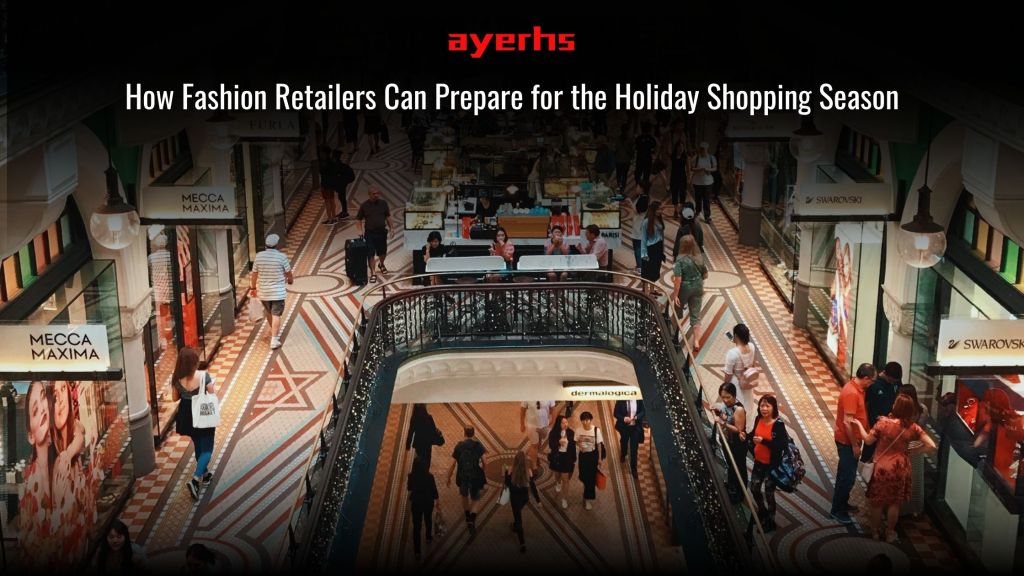
The holiday shopping season is the most critical period for fashion retailers. It’s a time of immense opportunity, but also intense competition and logistical challenges. Retailers who are well-prepared stand to gain significantly, while those who aren’t can face substantial losses. This comprehensive guide will walk fashion retailers through the essential steps to prepare for a successful holiday shopping season, covering everything from inventory management and staffing to marketing strategies and post-holiday analysis.
The Early Bird Gets the Worm: Why Early Preparation is Key
The idea of “holiday preparation” might conjure images of November and December, but for savvy fashion retailers, the process begins much earlier. Ideally, planning should kick off in late spring or early summer. Why so early?
- Supply Chain Lead Times: Sourcing popular items, especially those from international manufacturers, can take months. Waiting too long risks stockouts of your hottest products.
- Negotiating Better Deals: Suppliers are more flexible on pricing and terms when they’re not under peak season pressure.
- Hiring and Training: Good retail talent is in high demand during the holidays. Starting early allows for better recruitment and thorough training.
- Strategic Marketing Planning: Effective campaigns require time for ideation, content creation, and A/B testing.
- Website and IT Infrastructure: Websites need to be robust enough to handle traffic surges. Stress-testing and potential upgrades take time.
Think of it as building a strong foundation. The stronger your foundation, the more resilient your business will be when the holiday rush hits.
Inventory Management: The Art and Science of Stocking Up
Inventory is the lifeblood of a fashion retailer, and during the holidays, it’s paramount to get it right. Too much stock leads to markdowns and carrying costs; too little means missed sales opportunities.
1. Data-Driven Forecasting
- Analyze Past Performance: Look at sales data from previous holiday seasons. Which products sold well? Which didn’t? Identify trends in color, style, and category.
- Current Year Trends: Don’t just rely on past data. What are the current fashion trends? Are there any emerging styles or designers gaining traction? Utilize social media trends, fashion week reports, and industry publications.
- Economic Outlook: Consider the broader economic climate. Consumer spending habits can be influenced by inflation, interest rates, and employment figures.
- External Factors: Be aware of any potential supply chain disruptions, geopolitical events, or even major sporting events that could impact consumer behavior.
- Supplier Lead Times: Understand the lead times for all your key suppliers. Build in buffers for unexpected delays.
2. Strategic Assortment Planning
- Core vs. Trendy: Ensure you have a solid stock of your core, best-selling items, but also allocate a portion of your budget to trendy, limited-edition pieces that can create buzz.
- Giftable Items: Identify items that make great gifts – accessories, small leather goods, loungewear, or specific themed collections.
- Price Point Diversity: Offer a range of price points to cater to different budgets. From stocking stuffers to luxury splurges, ensure there’s something for everyone.
- Size and Color Ratios: Based on historical data, ensure you have an optimal distribution of sizes and popular colors for each garment.
- Returns Planning: Factor in potential returns. A higher volume of sales often means a higher volume of returns in January.
3. Supplier Relationships
- Communicate Early and Often: Share your holiday forecasts with your suppliers as soon as possible.
- Negotiate Terms: Discuss payment terms, delivery schedules, and potential reorder policies. Can you secure faster turnaround times for popular items if needed?
- Diversify if Possible: Relying on a single supplier for critical items can be risky. Explore backup options if feasible.
4. Warehouse and Storage Optimization
- Space Assessment: Do you have enough space to accommodate increased inventory? If not, explore temporary storage solutions.
- Efficient Layout: Organize your warehouse for quick and accurate picking and packing, especially for online orders.
- Inventory Tracking System: Ensure your inventory management system is robust and updated in real-time to prevent overselling or stockouts.
Staffing Up: Your Holiday Heroes
Your employees are your frontline during the holiday season. Having enough well-trained staff is crucial for providing excellent customer service and managing increased sales volumes.
1. Forecasting Staffing Needs
- Historical Sales per Employee: Use past data to estimate how many sales transactions or units per hour your current staff can handle.
- Peak Hours and Days: Identify your busiest shopping periods and schedule staff accordingly. Weekends, evenings, and the days leading up to major holidays will require more coverage.
- Online vs. In-Store: Consider staffing for both in-store operations (sales associates, cashiers, stockroom staff) and online order fulfillment (pickers, packers, customer service for online queries).
2. Recruitment and Hiring
- Start Early: Begin recruiting holiday staff several months in advance. Utilize job boards, local colleges, and employee referral programs.
- Flexible Contracts: Offer a mix of full-time, part-time, and temporary contracts to meet fluctuating demand.
- Focus on Customer Service Skills: Look for candidates who are enthusiastic, patient, and possess strong communication skills.
- Streamline Onboarding: Make the hiring process efficient to attract and retain talent.
3. Training and Development
- Product Knowledge: Ensure all staff are intimately familiar with your product range, including features, benefits, and styling advice.
- POS System Training: Provide thorough training on your point-of-sale (POS) system to minimize transaction errors and speed up checkout.
- Customer Service Excellence: Train staff on handling difficult customers, processing returns efficiently, and upselling/cross-selling effectively.
- Store Policies: Review all store policies, especially those related to returns, exchanges, and gift cards, to ensure consistency.
- Online Order Fulfillment: For staff handling online orders, train them on picking accuracy, packaging standards, and shipping procedures.
4. Employee Morale and Retention
- Incentives: Consider offering performance-based bonuses, discounts, or other incentives to motivate staff during busy periods.
- Flexible Scheduling: Where possible, offer some flexibility in scheduling to accommodate personal commitments.
- Breaks and Support: Ensure staff get adequate breaks and have access to support when dealing with high-stress situations.
- Positive Work Environment: Foster a positive and supportive work environment to reduce burnout and improve retention.
Marketing & Sales Strategies: Capturing Customer Attention
The holiday season is a crowded marketplace. Your marketing needs to be strategic, impactful, and timely to cut through the noise.
1. Develop a Comprehensive Marketing Calendar
- Key Dates: Map out all important holiday shopping dates: Black Friday, Cyber Monday, Small Business Saturday, Super Saturday, Christmas Eve, etc.
- Campaign Themes: Plan themed campaigns for different phases of the holiday season (e.g., “Early Bird Deals,” “Gift Guide Galore,” “Last-Minute Luxuries”).
- Channel Integration: Ensure your marketing efforts are cohesive across all channels: email, social media, website, in-store, and paid advertising.
2. Digital Marketing Dominance
- Website Optimization:
- Mobile-First Design: A significant portion of holiday shopping happens on mobile devices. Ensure your website is fully responsive and offers a seamless mobile experience.
- Speed and Performance: Slow loading times kill conversions. Optimize images, code, and hosting to ensure lightning-fast performance.
- Clear Navigation: Make it easy for customers to find what they’re looking for, especially gift categories.
- High-Quality Product Photography: Showcase your products with stunning, detailed images and videos.
- Streamlined Checkout: Reduce friction in the checkout process. Offer guest checkout and multiple payment options.
- Gift Guides: Create curated gift guides based on recipient (e.g., “Gifts for Her,” “Gifts for Him,” “Gifts for Teens”), price point, or interest.
- Email Marketing:
- Segment Your Audience: Send targeted emails based on past purchase history, Browse behavior, or demographic data.
- Abandoned Cart Recovery: Set up automated emails to remind customers about items left in their carts.
- Personalized Recommendations: Leverage AI to suggest products based on individual preferences.
- Exclusive Offers: Reward your loyal subscribers with early access to sales or exclusive discounts.
- Social Media Engagement:
- Visual Storytelling: Use high-quality images and videos to showcase your products in festive settings.
- Run Contests and Giveaways: Generate excitement and expand your reach.
- User-Generated Content: Encourage customers to share photos of themselves with your products.
- Influencer Collaborations: Partner with fashion influencers to reach new audiences.
- Live Shopping Events: Host live streams to showcase products, offer styling tips, and answer questions in real-time.
- Paid Advertising (PPC & Social Ads):
- Increased Budget: Allocate a higher budget for holiday campaigns due to increased competition.
- Targeted Campaigns: Use detailed audience segmentation to reach potential customers.
- Retargeting: Remind visitors who have shown interest in your products but haven’t purchased.
- Product Listing Ads (PLAs): Essential for e-commerce, these ads display your products directly in search results.
3. In-Store Experience Enhancement (for brick-and-mortar)
- Festive Ambiance: Decorate your store to create a warm and inviting holiday atmosphere. Use lighting, music, and seasonal displays.
- Visual Merchandising: Highlight giftable items and best-sellers prominently. Create attractive product displays.
- Personalized Service: Encourage staff to offer styling advice, gift recommendations, and personalized attention.
- Gift Wrapping Station: Offer complimentary or paid gift wrapping services to enhance the customer experience.
- Curbside Pickup/BOPIS: Offer “Buy Online, Pick Up In-Store” (BOPIS) or curbside pickup options for convenience.
4. Promotions and Deals
- Strategic Discounts: Plan your discounts carefully to maximize sales without eroding profit margins.
- Bundles and Gift Sets: Offer attractive bundles or pre-packaged gift sets to increase average order value.
- Loyalty Programs: Reward repeat customers with exclusive holiday perks.
- Clear Communication: Clearly communicate all sale terms, return policies, and shipping deadlines.
Operations & Logistics: The Unsung Heroes
Efficient operations are the backbone of a successful holiday season, especially for online retailers.
1. Shipping and Fulfillment
- Carrier Relationships: Solidify relationships with your shipping carriers. Negotiate rates and understand their holiday cut-off dates.
- Shipping Options: Offer a range of shipping options, including expedited shipping for last-minute shoppers.
- Clear Shipping Information: Prominently display shipping costs, estimated delivery times, and holiday shipping deadlines on your website.
- Order Fulfillment Workflow: Streamline your order picking, packing, and shipping processes to handle increased volume efficiently.
- Packaging: Invest in attractive, branded packaging that enhances the unboxing experience.
2. Returns and Exchanges
- Extended Return Policy: Consider offering an extended return window for holiday purchases to reduce post-holiday returns surge and build customer confidence.
- Clear Policy Communication: Make your return policy easily accessible on your website and in-store.
- Efficient Returns Process: Streamline the process for returns and exchanges to ensure a smooth customer experience.
- Pre-Printed Return Labels: Include pre-printed return labels in packages to simplify returns for customers.
3. Customer Service Excellence
- Increased Staffing: Ensure you have enough customer service representatives to handle higher volumes of inquiries via phone, email, chat, and social media.
- Knowledge Base/FAQs: Create a comprehensive FAQ section on your website to answer common questions.
- Quick Response Times: Aim for prompt responses to all customer inquiries.
- Empathy and Problem-Solving: Train staff to be empathetic and effective problem-solvers.
Post-Holiday Analysis: Learning for Next Year
The holiday season isn’t truly over until you’ve thoroughly analyzed your performance. This crucial step provides invaluable insights for future planning.
1. Sales Performance Review
- Overall Sales vs. Goals: How did your total sales compare to your targets?
- Product Performance: Which products were your best sellers? Which were duds?
- Promotional Effectiveness: Which promotions generated the most sales and highest ROI?
- Channel Performance: Which sales channels (online, in-store, specific marketing channels) performed best?
- Average Order Value (AOV): Did your AOV increase or decrease? What factors contributed to this?
2. Operational Efficiency Assessment
- Fulfillment Speed: How efficiently were orders processed and shipped?
- Return Rates: What was your return rate? Were there specific products with higher return rates?
- Customer Service Metrics: Analyze response times, resolution rates, and customer satisfaction scores.
- Inventory Accuracy: How accurate was your inventory tracking throughout the season?
3. Marketing Campaign Effectiveness
- Campaign ROI: What was the return on investment for each of your marketing campaigns?
- Traffic and Conversion Rates: Analyze website traffic, conversion rates, and bounce rates.
- Customer Acquisition Cost (CAC): How much did it cost to acquire new customers during the holidays?
4. Staffing Review
- Productivity: Was your staffing level optimal? Were there periods of under- or over-staffing?
- Employee Feedback: Gather feedback from your holiday staff on their experience.
5. Supplier Relationship Review
- Delivery Performance: Did suppliers deliver on time and as promised?
- Product Quality: Was the quality of products consistent?
6. Actionable Insights
- Based on your analysis, identify key takeaways and areas for improvement for the next holiday season.
- Document successes and challenges.
- Develop a strategic plan for addressing weaknesses and leveraging strengths in the future.
Conclusion
The holiday shopping season is a marathon, not a sprint. For fashion retailers, success hinges on meticulous planning, proactive execution, and a commitment to continuous improvement. By focusing on data-driven inventory management, empowering a well-trained staff, executing impactful marketing strategies, streamlining operations, and conducting thorough post-holiday analysis, fashion retailers can not only survive but thrive during the most wonderful time of the year for retail. The effort invested in preparation will undoubtedly pay dividends in increased sales, enhanced customer loyalty, and a stronger foundation for future growth.
 Ayerhs Magazine