
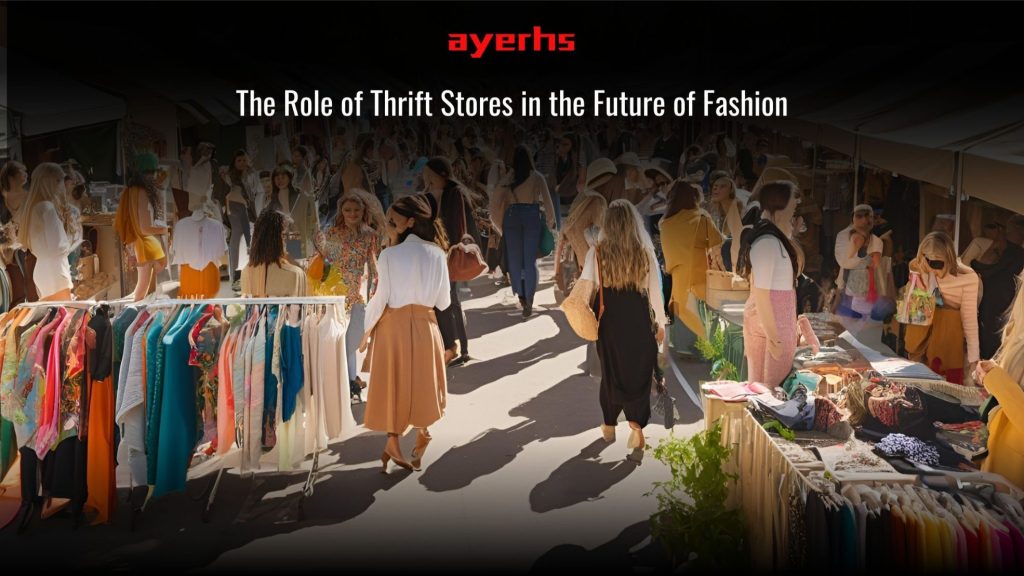
Over the years, the way we shop for clothes has evolved. Fast fashion—cheap, mass-produced clothing—has dominated our closets for decades. However, times are changing. Thrift stores, once considered simply a place for bargain hunters and vintage enthusiasts, are now taking center stage in the fashion industry. In this article, we will explore how these treasure troves are not just a fleeting trend, but a cornerstone in the future of fashion. Let’s dive in and see why thrift stores might be the saviors our wardrobes have been waiting for.
A Brief History of Thrift Stores
Before we dive into the future, it’s helpful to understand where thrift stores came from. Traditionally, thrift stores began as charitable outlets, places where people could donate items they no longer needed. Many of these stores were started with one goal in mind: to raise funds for local community organizations or charities. Over time, however, thrift stores started to acquire a reputation of being a haven for those with unique tastes or those looking for vintage or one-of-a-kind pieces.
The rise of thrift stores was gradual but steady. The economic downturns, especially in recent decades, made people more conscious of spending. At the same time, creative minds and trendsetters began to see thrift stores as a place where hidden gems were waiting to be discovered. This blend of affordability and uniqueness laid the foundation for a cultural shift—a move from a disposable model of fashion to one that embraces the value of pre-loved items.
Sustainability and the Environment
One of the most powerful drivers behind the new interest in thrift stores is sustainability. The fashion industry has long been criticized for its massive environmental footprint. Fast fashion’s allure of cheap, trendy clothes comes at the expense of excessive waste and pollution. According to environmental experts, the industry is responsible for a significant percentage of global greenhouse gas emissions and textile waste.
Thrift stores offer a refreshingly different narrative. When you buy second-hand clothing, you are essentially giving an item a new lease on life. Instead of clothing ending up in a landfill, each pre-owned item is reused and cherished by a new owner. This practice reduces the demand for new resources and helps cut down the environmental impact of fashion. It’s a small change in shopping habits with a big impact on our planet.
Many fashion enthusiasts now see thrift shopping as an eco-friendly solution—a way to look good without compromising the health of our environment. By choosing to shop second-hand, consumers contribute to a more sustainable cycle of production and consumption. It’s the beginning of a fashion revolution that embraces quality over quantity and celebrates the journey of each garment.
The Economic Impact of Thrift Shopping
Thrift stores are more than a sustainable choice; they are also a smart economic decision. In today’s economy, where everyone is looking for a bit of financial relief, thrift shopping can help save money without sacrificing style. Budget-conscious shoppers often find that thrift stores offer high-quality items at a fraction of their original price. This is especially attractive to students, young professionals, and anyone who wants to look fashionable on a tight budget.
Moreover, the financial benefits of thrift shopping extend beyond individual consumers. By supporting thrift stores, shoppers are also backing local communities and charitable organizations. Many thrift shops are run by nonprofit organizations that use their revenue to support various community programs, from job training to youth services. It’s a win-win situation: consumers get great deals and unique finds, and local charities receive much-needed funds to help those in need.
The economic ripple effect is powerful. When more people embrace thrift shopping, the overall demand for fast fashion may decrease, prompting industry giants to re-think their business models. By shifting our priorities—from endless consumption to mindful purchasing—we pave the way for a healthier economy that values sustainability and community support.
Thrift Stores: A Treasure Trove for Unique Fashion
One of the most exciting aspects of thrift stores is the sheer variety of items on offer. Unlike chain retailers with standardized collections, thrift stores boast an eclectic mix of clothes spanning decades, styles, and cultures. Imagine walking into a shop and discovering a vintage leather jacket from the 1970s, a trendy bohemian dress from the ’90s, or even a quirky accessory that becomes a conversation starter. Thrift stores are like time capsules, preserving fashion history one garment at a time.
This treasure hunt experience is something that simply can’t be replicated by buying new. Each visit to a thrift store is an adventure, filled with the thrill of the unknown. There’s something deeply personal about finding a piece that feels like it was made just for you. It’s about more than just clothing—it’s about finding an item that resonates with your identity and tells a story.
Social media has played a significant role in popularizing this trend. Platforms like Instagram and TikTok are flooded with #thriftflip challenges and styling hacks that showcase how to transform old pieces into modern trends. What was once considered outdated is now being reimagined, edited, and elevated into something fresh and stylish. This creative reuse not only saves the planet but also encourages individual creativity, democratizing fashion by making it accessible to everyone.
The Rise of Thrift Culture
Today, thrift culture is more mainstream than ever before. High-end designers, celebrities, and influencers are increasingly seen endorsing thrift finds. This shift in perception has transformed thrifting from a niche interest into a celebrated lifestyle choice. Rather than being stigmatized as “secondhand” or “used,” thrifted clothing is now viewed as a mark of individuality and savvy style.
Thrifting is also breaking down the barriers of what’s considered fashionable. No longer limited to eccentric hipsters or vintage aficionados, thrift stores are now frequented by a diverse crowd. From college students wanting to express their unique personalities to professionals seeking sustainable yet chic wardrobe additions, the appeal of thrift shopping spans across all demographics.
This democratization of fashion is creating a ripple effect through the industry. More consumers are questioning the sustainability of their clothing habits, and in response, established brands are starting to incorporate elements of thrift culture into their own designs. Upcycling initiatives, vintage-inspired collections, and collaborations with thrift stores are just a few examples of how the industry is adapting to a rapidly changing consumer landscape.
Thrift Stores and the Digital Age
The digital transformation has not left thrift stores behind. In fact, technology is helping these stores thrive in ways that were unimaginable just a few years ago. Many thrift stores now have an online presence, complete with e-commerce websites, social media profiles, and even apps dedicated to buying and selling pre-loved items. This digital transition is opening up new audiences to the joys of thrift shopping.
Online platforms dedicated to second-hand fashion make it easier than ever to find unique pieces. With just a few clicks, consumers can access a vast database of items from thrift shops around the world. This not only expands the reach of local stores but also provides a community for people to share their stories, styling tips, and sustainable practices. Virtual thrift shopping is making sustainable fashion more accessible—no matter where you are.
Moreover, digital tools have streamlined the process of inventory management for thrift stores. Advanced algorithms can help identify trends, manage stock levels, and even predict which items are most likely to sell. This means that thrift stores are becoming more efficient and responsive to customer demands, ensuring that shoppers can enjoy a seamless experience whether they’re browsing in person or online.
Redefining Value and Quality in Fashion
Thrift stores have also prompted us to rethink what we consider valuable in fashion. In the age of fast fashion, clothes are often disposable, with little regard for their craftsmanship or longevity. Thrift shopping, on the other hand, places the spotlight on quality, history, and uniqueness. Each item in a thrift store has a past—a story behind it—that adds to its character and appeal.
When you choose a piece from a thrift store, you’re not just purchasing a garment; you’re becoming part of its journey. This shift in perspective can have a profound impact on how we value and care for our clothing. Rather than treating our clothes as throwaway items, we begin to see them as lasting investments—pieces that have stood the test of time and will continue to do so.
This renewed appreciation for craftsmanship also challenges the notion that expensive equals high quality. Many thrift store finds, even if they were once out of reach for the average consumer, prove that style and quality are not solely determined by price. It’s about the uniqueness, durability, and history of each piece—a realization that’s sparking a broader conversation about what really matters in fashion.
Community and Connection Through Thrifting
Beyond the obvious environmental and economic benefits, thrift stores offer something equally important: community. When you shop at a local thrift store, you’re not just making a transaction—you’re supporting local charities, community centers, and the local economy. There’s a strong sense of connection that comes with buying an item that has been carefully curated by someone in your community.
Thrift stores often become gathering places where people from all walks of life come together, share tips, and connect over a shared passion for unique fashion. Conversations over vintage jackets and quirky accessories can spark friendships and even lead to collaborations. In a world where so much of our shopping happens online with faceless transactions, thrift stores remind us of the human touch behind every purchase.
This community aspect is particularly important as we look to the future. In an age where individuality is highly prized, the personal connections made through thrifting foster a sense of belonging and shared values. Thrift stores are not just about reviving old clothes—they’re about reviving our sense of community and reconnecting with our local heritage.
The Challenges and Opportunities Ahead
Of course, like every industry, thrift stores are not without their challenges. One major hurdle is the stigma that sometimes accompanies second-hand items. For years, owning pre-loved clothing was associated with low income or a lack of style. However, as more trendsetters and influencers publicly embrace thrift shopping, this stigma is slowly fading away.
Another challenge is keeping up with consumer expectations in an increasingly digital marketplace. While many thrift stores are adapting to e-commerce and social media trends, others struggle with outdated inventory systems or limited digital visibility. Overcoming these challenges requires investment—both in technology and in marketing—to ensure that thrift stores remain competitive and accessible.
Despite these hurdles, the future of thrift stores is filled with opportunities. The growing consumer demand for sustainable fashion is a significant driver of change. With increasing awareness of the environmental and social impacts of fast fashion, more people are turning to thrift stores as a viable alternative. This shift in consumer behavior is creating a positive feedback loop: as demand for sustainable options grows, so does the investment in thrift store infrastructure, technology, and community initiatives.
Furthermore, partnerships between traditional fashion brands and thrift stores are emerging as a powerful force in the industry. Collaborations that blend the authenticity of thrift culture with the scale and polish of mainstream brands have the potential to redefine the fashion landscape. These partnerships not only expand the reach of thrift stores but also introduce new audiences to the value of pre-loved fashion.
Looking to the Future: Innovation in Thrifting
As we look ahead, innovation will continue to play a pivotal role in shaping the future of thrift stores. Here are a few exciting trends and ideas that could further revolutionize the way we think about second-hand fashion:
1. Smart Inventory Systems
The integration of artificial intelligence and machine learning into thrift store operations has the potential to streamline inventory management. By predicting trends, identifying valuable items, and efficiently categorizing stock, technology can help thrift stores reduce waste, increase sales, and improve the overall shopping experience. This means that when you walk into a store—or browse online—you’re more likely to find exactly what you’re looking for.
2. Virtual Try-Ons and Augmented Reality
Imagine being able to try on clothes virtually before making a purchase. With augmented reality (AR), thrift stores can create interactive shopping experiences that allow customers to see how an item might look on them without physically trying it on. This can be particularly useful for online shopping, reducing the uncertainty that sometimes comes with buying second-hand clothing. As AR technology becomes more accessible, we may soon see thrift stores adopting these innovations to enhance customer satisfaction.
3. Upcycling Workshops and Community Events
Thrift stores are increasingly becoming hubs for creativity. Hosting workshops where customers can learn how to upcycle old garments or repair thrift store finds not only adds value to the shopping experience but also empowers consumers to become designers in their own right. These events foster a sense of community and can even spark local entrepreneurial ventures, as people begin to see potential in what was once discarded.
4. Collaboration with Local Artisans
Another exciting trend is the collaboration between thrift stores and local artisans. By featuring locally made accessories, handmade jewelry, or refurbished furniture alongside vintage clothing, thrift stores can create a curated shopping experience that celebrates local creativity. This not only supports local businesses but also offers shoppers a truly unique collection that cannot be found anywhere else.
5. Eco-Friendly Initiatives and Circular Fashion
Circular fashion—where products are designed, sourced, and reused in a closed-loop system—is fast becoming an important concept in sustainable living. Thrift stores are at the forefront of this movement. Future innovations may include initiatives that encourage customers to trade in or donate used clothes in exchange for store credits, further promoting recycling and reducing waste. This kind of circular economy benefits everyone: consumers, local communities, and our planet.
Making a Personal Commitment
While industry trends and technological advancements are important, the most significant changes begin with the choices we make every day. Embracing thrift shopping is a personal commitment to sustainability, creativity, and community. When you choose to buy second-hand, you’re making a statement about what matters most to you: caring for the environment, supporting local initiatives, and celebrating individuality in fashion.
It’s important to remember that every purchase you make has an impact. By opting for pre-loved clothes, you’re actively reducing waste and contributing to a more sustainable future. Moreover, your purchase supports a business model that values quality over quantity—an inspiring shift away from the throwaway culture that has characterized the fashion industry for far too long.
Changing the Narrative Around Fashion
One of the most empowering aspects of thrift stores is how they are changing the narrative around fashion itself. The conventional idea that new is always better is slowly fading away. Instead, we are beginning to appreciate the beauty of stories—of garments that have been loved before and carry with them a history that adds depth to our personal style.
This shift in perspective can be transformative. It’s not just about saving money or reducing waste; it’s about creating a connection with the past and using those stories to inspire a future where fashion is synonymous with creativity and resilience. As more people become aware of this alternative approach to style, thrift stores will continue to play an influential role in shaping the future of the fashion industry.
Tips for Getting Started with Thrift Shopping
If you’re curious about joining the growing movement of thrift shopping, here are some simple tips to help you get started:
- Keep an Open Mind: Treat every visit as an adventure. Thrift stores are full of surprises. Even if you don’t find something you love immediately, take the time to browse and enjoy the experience.
- Look for Quality: Check the materials and condition of the garments. A little wear and tear can add character, but be sure to invest in items that are built to last.
- Be Patient: Great finds don’t always come quickly. Thrift shopping is a bit like a treasure hunt. Patience and persistence can lead to amazing discoveries.
- Try New Styles: Don’t be afraid to experiment. Thrift stores offer the perfect opportunity to try out new styles without a huge commitment. Use it as a way to expand your fashion horizons.
- Care for Your Finds: Remember, each item has a story. Taking proper care of them ensures that the history continues while you enjoy wearing something unique.
- Share Your Finds: Whether it’s on social media or with friends, share your thrift store treasures. Not only does this inspire others, but it also fosters a sense of community around sustainable fashion.
The Role of Education and Advocacy
The future of thrift stores isn’t solely in the hands of consumers—it also lies with education and advocacy. As more people become aware of the detrimental effects of fast fashion, the call for sustainable alternatives grows louder. Schools, universities, and community groups have the power to educate young consumers about the importance of sustainability and the value of second-hand shopping.
Workshops, talks, and social media campaigns can bridge the gap between old practices and new ideals. By fostering a community of informed shoppers, we pave the way for thrift stores to thrive. Advocacy groups are already pushing for more sustainable practices in the fashion industry, and as these movements gain traction, the support for thrift shopping will undoubtedly increase.
Educators and influencers have a crucial role in dispelling myths and promoting the benefits of thrifting. The idea that second-hand equals low quality is slowly being debunked by stories of high fashion finds in thrift stores. As these narratives gain momentum, the future of fashion becomes not only more environmentally conscious but also more inclusive and dynamic.
Real Stories, Real Impact
Nothing speaks louder than real-life stories of transformation and sustainability. Consider the countless individuals who have built their personal style around thrift shopping, using it as a means to express themselves while also reducing their environmental footprint. From college students piecing together creative outfits on a budget to fashion designers who’ve built entire collections inspired by second-hand finds, the impact of thrifting is clear.
There are inspiring tales of thrift store treasures being rediscovered and transformed into high-fashion statements. For instance, a vintage dress found in a local thrift store could become the centerpiece of a runway collection or a DIY project that personalizes fashion in a way that new, mass-produced items never could. These stories illustrate the power of thrift shopping: it not only benefits individuals but also has the potential to reshape how we view fashion on a global scale.
The Collective Shift Toward Conscious Living
In many ways, thrift stores are at the heart of a larger movement—a collective shift toward conscious living. In today’s society, consumers are increasingly aware of the social and environmental consequences of their purchasing decisions. This shift is driven by a desire for authenticity, sustainability, and fairness. By choosing thrift, consumers are making a statement against an industry that has long prioritized profit over the planet.
As this cultural transformation continues, we can expect the fashion industry to follow suit. Brands that once dismissed the value of second-hand clothing are now exploring ways to integrate sustainable practices into their production lines. Whether through recycled materials, vintage-inspired collections, or collaborations with thrift stores, the message is clear: the future of fashion is about more than just selling clothes—it’s about making responsible choices that benefit everyone.
Embracing the Future, One Thrift Store at a Time
The future of fashion is unfolding before our eyes. With a growing focus on sustainability, community, and personal expression, thrift stores have firmly cemented their position in this new era. They offer more than just affordable fashion; they provide an avenue for creative expression, environmental stewardship, and community engagement.
As we navigate through the challenges and opportunities of modern life, thrift stores remind us that small choices can lead to big changes. Each time you choose second-hand, you’re contributing to a movement that values authenticity and sustainability over mass production and wastefulness. You’re endorsing a style that is uniquely yours—one that carries a rich history and promises a more thoughtful, connected future.
Whether you are an experienced thrift shopper or someone just starting to explore this alternative way of fashion, remember that every item you choose is a vote for a better tomorrow. It’s a vote for a world where style is not measured by the price tag but by the stories behind the clothes and the impact they have on our planet.
Final Thoughts
Thrift stores are much more than discount outlets or niche vintage havens—they are a vital part of a larger paradigm shift in the fashion industry. In an age where environmental concerns and ethical choices are more pressing than ever, thrift stores offer a practical and inspiring solution. They provide a tangible connection to the past while paving the way for a future where fashion is a force for good.
As we look ahead, it’s clear that thrift stores will continue to influence how we shop, dress, and express our identities. They remind us that true style is about individuality and that every piece of clothing has the potential to tell a story. By embracing thrift shopping, we are not only investing in unique fashion but also in a movement that prioritizes creativity, community, and sustainability.
Let’s celebrate the role of thrift stores in our evolving fashion landscape. Whether it’s that unexpected vintage find that becomes your signature piece or the joy of knowing you’re contributing to a greener planet, every thrift store visit is a step toward a more thoughtful, sustainable future. The next time you’re in search of a new addition to your wardrobe, consider exploring your local thrift store. You might just discover the future of fashion waiting among its racks.
 Ayerhs Magazine