
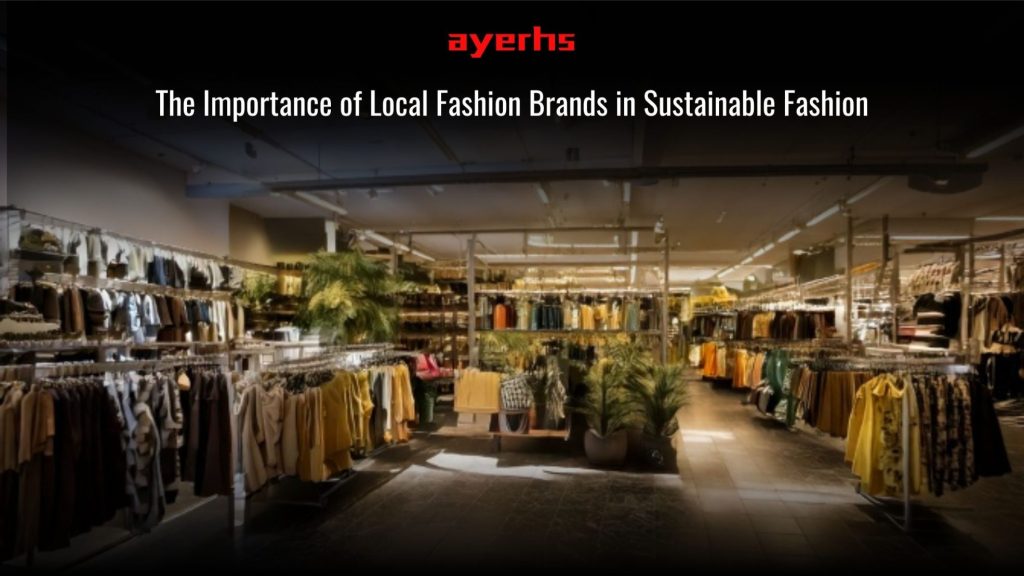
While trendy global brands have long dominated the market, an exciting shift is happening as local fashion brands are stepping into the spotlight. These smaller, community-rooted companies are not only creating stylish, unique products but are also taking major strides toward sustainable fashion. In this article, we’ll explore why local fashion brands are so important in the sustainable movement, what they bring to the table, and how they inspire both consumers and the industry as a whole.
A New Wave of Change
Local fashion brands are increasingly becoming a key driver of change in an industry that has been notorious for its environmental impact. But what does “sustainable fashion” really mean? At its core, sustainable fashion focuses on making clothes in ways that do less harm to the environment while supporting communities along the supply chain. This involves using environmentally friendly materials, reducing waste and pollution, and ensuring fair working conditions.
Traditional fashion—especially fast fashion—has often prioritized cheap production and rapid turnover, leading to significant waste, pollution, and unethical labor practices. Local fashion brands, on the other hand, are shaking things up by offering alternatives that value quality, ethics, and environmental stewardship. By doing so, they have become essential players in the sustainable fashion ecosystem.
Community Roots and Ethical Production
One of the standout benefits of local fashion brands is their connection to the community. Unlike multinational corporations, these brands are often run by entrepreneurs who have a deep passion for their craft, their neighbors, and the environment. This personal investment means that decisions are made with a community-focused approach. Here’s why this matters:
1. Supporting Local Economies
Local fashion brands reinvest in their communities. When you buy from a local designer, a significant portion of your money stays within your neighborhood or region. This money can help create jobs, support local suppliers, and boost the overall economy. In contrast, big international brands might send profits overseas, leaving your community with little benefit.
2. Encouraging Fair Labor Practices
Local brands typically have closer relationships with their workers, meaning they can better oversee working conditions and promote fair wages. In many cases, local companies are committed to ethical production methods and aim to treat all workers with dignity and respect. This stands in stark contrast to some of the practices seen in less scrupulous fast fashion factories.
3. Shorter Supply Chains
Another environmentally friendly benefit of local production is the reduced need for long-distance transportation. Local fashion brands often source their materials and produce their items within the same country or region, which can significantly cut down on the carbon emissions associated with shipping products around the globe. It also means less packaging and fewer shipping-related wastes.
Innovation and Creativity at the Local Level
Local fashion brands are known for their creativity and personalized approach. Because they are not bound by the constraints and mass-production processes of larger companies, designers working locally have the freedom to experiment, innovate, and create truly unique pieces of clothing. This focus on creativity is particularly important in sustainable fashion for several reasons:
1. Embracing Timeless Design
Mass-produced fashion often follows fleeting trends, which can lead to waste when items quickly go out of style. Local brands tend to focus more on timeless designs rather than chasing every new fad. By creating pieces that can be worn for years rather than just a season, these brands help reduce the constant cycle of consumption and disposal.
2. Customization and Made-to-Order Practices
Many local fashion brands have adopted customized and made-to-order models. Instead of printing thousands of pieces and hoping they sell, they often produce a limited number of items based on actual demand. This thoughtful approach not only minimizes waste but also makes it more likely that customers will treasure and wear something that feels personal to them.
3. Experimentation with Sustainable Materials
Local designers are often at the forefront of experimenting with new, sustainable materials. From organic cotton and hemp to recycled fabrics and innovative plant-based textiles, local brands are taking risks and pushing the boundaries of what’s possible in sustainable fashion. Their nimble nature allows them to incorporate eco-friendly materials much faster than their larger counterparts.
The Role of Transparency and Authenticity
In an era where consumers are more informed and concerned about their impact on the world, transparency has become a crucial factor in purchasing decisions. Local fashion brands excel in this area because they are usually built on personal relationships and honesty. Here’s how transparency and authenticity add to their appeal:
1. Clear Supply Chains
Many local brands openly share details about their production processes—from where the materials come from to how the garments are made. This openness builds trust with consumers who want to know that their clothing isn’t contributing to environmental degradation or unethical labor practices.
2. Genuine Stories Behind Each Piece
Every piece produced by a local fashion brand often comes with a story. Whether it’s about the hand-dyed fabric or the inspiration drawn from the local culture, these narratives make each garment special. Consumers aren’t just buying fabric and thread; they’re buying into a community’s narrative and values.
3. Building Relationships with Customers
Smaller brands are more likely to engage directly with their customers. This one-on-one interaction offers an opportunity for brands to educate shoppers about the importance of sustainable practices and the value of local production. The result is a loyal customer base that appreciates not only the product but also the ethics and values behind it.
Environmental Benefits of Local Production
Shifting from large-scale, global production to local production has a host of environmental benefits. Sustainable fashion is all about reducing negative impacts on the planet, and local fashion brands often lead the way in this regard. Let’s take a closer look at some of these environmental advantages:
1. Reduced Carbon Footprint
Transportation is one of the largest contributors to carbon emissions, and local fashion brands have the significant advantage of shorter supply chains. By manufacturing closer to where the products will be sold, these brands can lower the carbon emissions produced by long-distance shipping. This results in a cleaner, greener process from start to finish.
2. Less Wasteful Practices
Large brands that churn out massive quantities of clothing often end up with unsold items that eventually become waste. Local brands, with their smaller production runs, are better able to match supply with actual demand, leading to less excess stock and waste. Moreover, many local brands repurpose and recycle any waste generated during production, further minimizing their environmental impact.
3. Use of Sustainable Materials
Often, local brands are more willing to source or even develop sustainable alternatives to traditional materials. Whether it’s natural dyes, recycled fibers, or innovative new textiles, these materials can substantially reduce the environmental toll of clothing production. These brands frequently collaborate with local artisans who have centuries-old techniques for dyeing and fabric production, providing a sustainable touch rooted in tradition.
4. Energy Efficiency
Many local manufacturers take pride in maintaining a smaller production process that is more energy efficient. By using local facilities and cutting down on transportation and storage costs, local brands significantly decrease their overall energy consumption compared to large, industrial factories.
Challenges and How They’re Overcoming Them
While the benefits of local fashion brands in promoting sustainable fashion are clear, these small businesses do face challenges. Limited resources, smaller economies of scale, and fierce competition from fast fashion giants all pose significant hurdles. However, many local brands have found innovative ways to overcome these challenges.
1. Community Collaboration
One of the greatest strengths of local fashion brands is the community support they receive. By collaborating with local artisans, craftspeople, and even other local businesses, these brands are able to pool resources and skills. This not only helps them maintain high production standards but also spreads the financial risk. Community-based initiatives, local markets, and pop-up shops are just a few examples where collaboration has led to mutual benefits.
2. Leveraging Technology
Even though local brands might not have the same scale as global giants, they can still benefit significantly from modern technology. Social media, for instance, has given local designers a global platform, allowing them to share their stories and products with a wider audience. Online stores and digital marketing have also helped break down geographical barriers, making it easier for these brands to reach like-minded consumers looking for sustainable options.
3. Niche Marketing
Local fashion brands often thrive by carving out their own niche in the market. They target consumers who appreciate handmade, unique items and who are willing to invest in products that reflect their values. By focusing on a specific customer base that truly values ethical and sustainable practices, local brands can create a dedicated following that helps them grow organically, even in a competitive market.
4. Emphasizing Quality over Quantity
With fewer resources compared to global fast fashion brands, local companies tend to emphasize quality over quantity. This approach not only reduces waste and the environmental toll of frequent production cycles but also creates products that last longer. In turn, customers are more likely to view these garments as worthwhile investments rather than disposable items, leading to a more sustainable cycle of consumption.
Inspiring a Sustainable Lifestyle
Beyond the tangible benefits of environmental and economic sustainability, local fashion brands play a crucial role in inspiring a broader sustainable lifestyle. They help shift the cultural mindset from one of overconsumption and disposability to one of care, quality, and community. Here are a few ways they inspire change:
1. Raising Awareness
Local brands often take on the role of educators. By using their platforms—whether through social media, community events, or collaborations with environmental organizations—they raise awareness about the impact of unsustainable practices. This can inspire consumers to reconsider their own habits and make choices that are more aligned with sustainability.
2. Fostering Innovation
When local designers experiment with new techniques and sustainable materials, they set an example for the rest of the industry. Their work can spur larger brands to adopt similar practices, creating a ripple effect that ultimately benefits the environment. This innovative spirit is contagious and often prompts conversations about how everyday habits can change for the better.
3. Building a Community of Change-Makers
Local fashion brands are not just selling clothing; they are selling a vision of a world that values sustainability over short-term profit. By aligning themselves with other local initiatives—such as eco-friendly restaurants, organic farmers’ markets, and green energy projects—local brands become part of a larger community of change-makers. This network supports sustainable practices across various aspects of daily life, encouraging consumers to see themselves as part of a broader movement for positive change.
The Real-Life Impact of Choosing Local
At its heart, the movement toward local fashion brands is about making choices that resonate with personal values and local community interests. When consumers choose to buy from a local sustainable brand, they are taking a stand. They’re telling the world that they care about where their clothes come from, how they were made, and the overall impact on their local ecosystem.
1. Personal Satisfaction and Connection
For many consumers, owning a piece of clothing from a local designer offers a personal touch that is hard to find in mass-produced items. Each garment carries a piece of the designer’s passion, creativity, and commitment to sustainability. This not only adds emotional value to the product but also creates a deeper connection between the buyer and the community behind the brand.
2. A Smaller Carbon Footprint
By choosing local brands, consumers directly contribute to reducing their carbon footprint. The shorter travel distances for raw materials and finished products, along with energy-efficient manufacturing processes, all add up to a lower overall impact on the environment. It’s a practical way of aligning personal purchasing decisions with larger environmental goals.
3. Investment in Future Generations
Every time a consumer chooses local and sustainable, they invest in the future of their community. Supporting local labor, reducing environmental harm, and fostering innovative practices help lay the foundation for a healthier, more sustainable future. This is especially important in today’s world, where the effects of climate change and environmental degradation are becoming increasingly apparent.
4. Creating a Ripple Effect
The impact of supporting local fashion brands doesn’t stop at the purchase. It sets off a chain reaction that can influence others in your community. Friends, family members, and even other businesses observe these positive choices and may be inspired to make changes in their own lives. Over time, the cumulative effect can lead to a more sustainable economy and a greater overall emphasis on environmental care.
How to Support Local Sustainable Fashion
Now that you understand how local fashion brands contribute to sustainable fashion, you might be wondering how you can support these initiatives. The good news is that there are many ways to get involved, and it often starts with small, everyday choices.
1. Shop Mindfully
Before making a purchase, take a moment to research the brand. Look for information about how and where the clothing is made, what materials are used, and whether the brand is involved in any community or environmental initiatives. Supporting brands that are transparent about their practices is a great first step.
2. Attend Local Markets and Fairs
Many communities host local markets, fairs, or pop-up events where local fashion designers showcase their work. Not only will this give you the opportunity to see the products in person, but it can also help you learn more about the story behind each piece. These events foster a sense of community and can be both educational and fun.
3. Share Your Discoveries
Word of mouth is a powerful tool. When you find a local sustainable fashion brand that you love, share your experience with friends and family. Social media makes it easier than ever to spread the word and encourage others to consider making more environmentally responsible fashion choices.
4. Invest in Quality Over Quantity
Instead of buying numerous fast fashion items, consider investing in a few high-quality pieces that will last longer. Local brands often create garments with longevity in mind. While the upfront cost might be higher, the long-term benefits, both financially and environmentally, are well worth it.
5. Get Involved with Local Initiatives
Many local fashion brands are part of broader sustainability initiatives. You might consider volunteering, attending workshops, or even participating in local campaigns that promote ethical fashion. By getting involved, you can help support the larger movement toward a healthier planet.
Looking Toward the Future
The promise of local fashion brands in the realm of sustainable fashion is not just a passing trend—it represents a fundamental shift in how we think about our clothes and the industry as a whole. As more people become aware of the hidden costs of fast fashion, the demand for ethically produced, environmentally friendly clothing will continue to rise. Local fashion brands are well positioned to capture this shift because of their flexibility, community ties, and commitment to doing things differently.
1. A Learning Opportunity for Big Fashion
Traditional fashion giants are beginning to take note of the sustainability practices pioneered by local brands. As consumers increasingly demand transparency and ethical production, larger companies may be encouraged to adopt some of the more sustainable practices evident in local fashion. This cross-pollination of ideas could lead to an industry-wide shift toward responsible production.
2. Growth Through Innovation
Local brands are not only preserving traditional methods and sustainable practices, but they are also fostering innovation. As new sustainable materials and production techniques continue to emerge, these brands are likely to remain ahead of the curve. Their willingness to experiment will not only benefit the environment but could also lead to breakthrough innovations that transform the global fashion industry.
3. Empowering Future Generations
When younger consumers see that stylish, high-quality clothing can be made responsibly and ethically, they are more likely to question the unsustainable models of the past. This empowers a new generation of conscious consumers who value quality, community, and environmental responsibility over short-lived trends. By supporting local sustainable fashion now, you are also contributing to a legacy of positive change for future generations.
In Conclusion
The importance of local fashion brands in sustainable fashion cannot be overstated. They offer much more than just alternative clothing options; they provide a way for consumers to align their everyday choices with a broader commitment to environmental and social well-being. From supporting local economies and fair labor practices to reducing waste and encouraging innovative, timeless design, local brands have proven that small-scale production can have a big impact.
Whether you’re a longtime advocate of sustainable practices or someone just starting to explore how your wardrobe choices affect the world, local fashion brands offer a meaningful, tangible way to make a difference. By choosing to buy local, you invest in community, quality, and the future of our planet. Every purchase becomes a statement of your values—a promise that the clothes you wear reflect not only your style but also your commitment to a better, more sustainable world.
As we move forward into an era that increasingly values responsibility and authenticity, the role of local fashion brands will only continue to grow. They remind us that every small change can ripple outwards, leading to significant collective progress. So next time you’re looking to add a new piece to your wardrobe, consider making a choice that supports not just the fashion industry, but the environment, your local community, and the ethical practices that will shape a better tomorrow.
By choosing local and sustainable, you’re not only dressing in style, you’re dressing with purpose. And that is a trend well worth embracing.
 Ayerhs Magazine