
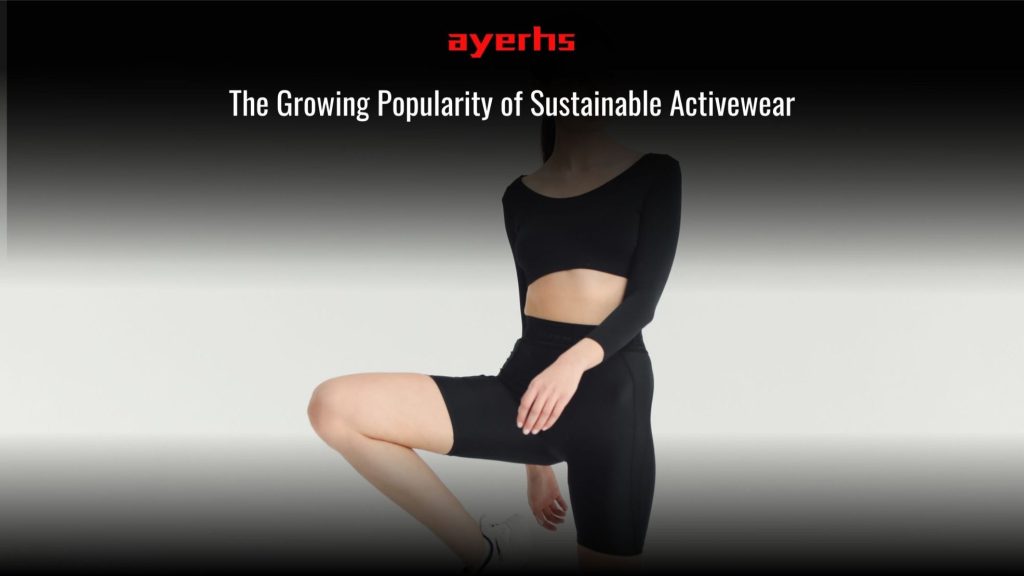
More than just a trend, sustainable activewear represents a shift in our lifestyle and values—a move toward products that not only look good and feel comfortable but also do good for our planet. In this article, we’ll explore what sustainable activewear is, why it’s capturing hearts (and wardrobes) around the globe, and how this movement is changing the way we think about our clothing. Let’s dive into this conversation and see how sustainability is weaving its way into our workout routines.
What Is Sustainable Activewear?
At its core, sustainable activewear refers to exercise clothes that are designed, produced, and eventually disposed of with environmental impact in mind. The idea is to reduce waste, conserve water and energy, and minimize toxic chemicals during production. Instead of relying solely on traditional fabrics that may have a significant ecological footprint, many companies are exploring innovative materials like recycled polyester, organic cotton, and even plant-based fibers.
Materials That Make a Difference
The beauty of sustainable activewear lies in its materials. Think about your favorite workout leggings or sports bras—many of these items used to be made with synthetic fabrics derived from fossil fuels. Today, however, companies are turning to recycled materials. For example, recycled polyester, created from used plastic bottles, not only helps reduce plastic waste in landfills and oceans but also requires less energy to produce compared to virgin polyester. Other eco-friendly fabrics include organic cotton—which is grown without harmful pesticides—and bamboo fabric, which is naturally anti-bacterial and incredibly soft.
The Driving Forces Behind the Movement
Several factors are fueling the growing popularity of sustainable activewear. Let’s break down the main reasons why consumers and brands alike are embracing a greener approach.
Environmental Concerns
For many, the decision to switch to sustainable activewear is rooted in a desire to lessen their environmental footprint. The traditional fashion industry is known for its high water usage, chemical pollution, and massive waste production. When you choose eco-friendly workout clothes, you’re supporting practices that aim to reduce water consumption, lower greenhouse gas emissions, and minimize the overall impact on the environment. It’s a small but meaningful step in protecting the planet for future generations.
Health and Wellness
Sustainability isn’t just about protecting the planet—it’s also about caring for ourselves. Many sustainable fabrics are free of harmful chemicals, making them safer for our skin and overall health. For those with sensitive skin or concerns about allergic reactions, activewear made with natural dyes and chemicals can provide a more comfortable, worry-free experience. In this way, sustainable activewear perfectly aligns with the broader wellness movement, where caring for the body is as important as caring for the environment.
Consumer Awareness and Transparency
Today’s consumers are more informed than ever before. With social media platforms and documentary films exposing the hidden costs of fast fashion, shoppers are demanding greater transparency and ethical practices from brands. They want to know where their clothes come from, how they’re made, and what impact they have on people and the planet. Brands that openly share their sustainable processes and ethical sourcing practices are quickly winning over loyal customers who appreciate honesty and accountability in the products they buy.
Fashion Meets Function
Gone are the days when sustainable clothing meant sacrificing style or performance. Today’s activewear brands prove that you can have both eco-friendly credentials and cutting-edge design. Whether you’re hitting the gym, heading for a run, or lounging at home, sustainable activewear is designed to move with you. These clothes are not only aesthetically pleasing but also incredibly functional—providing support, breathability, and flexibility during even the most intense workouts.
Sustainable Practices in the Activewear Industry
The journey toward sustainability in activewear involves more than just swapping out materials. It’s about rethinking the entire production process. Here are some key sustainable practices that many brands have incorporated into their manufacturing, packaging, and business models.
Ethical Manufacturing
Ethical manufacturing is a cornerstone of sustainable activewear. This includes providing fair wages, safe working conditions, and reasonable working hours for employees. Brands committed to ethical practices often partner with factories and suppliers who adhere to strict labor standards. By doing so, they ensure that the people who make our clothes are treated with respect and dignity.
Reducing Waste
In today’s world, waste is a major concern. Many activewear companies have implemented zero-waste production methods, where every cut of fabric is used or repurposed. Some companies even take back old garments through recycling programs, transforming them into new products. This circular approach to fashion not only extends the life of materials but also reduces the overall waste that ends up in landfills.
Energy-Efficient Production
Sustainability also means reducing the energy footprint of production. Many brands have shifted towards renewable energy sources, such as solar and wind, to power their factories. Additionally, innovative technologies and processes are being used to minimize water consumption and chemical usage. These energy-efficient practices play a crucial role in lowering the carbon emissions associated with the production of activewear.
Sustainable Packaging
It’s not just the clothes that need to be sustainable—packaging plays a vital role too. Many companies now use biodegradable or recyclable packaging materials, reducing the amount of plastic waste that contributes to environmental pollution. Some brands even encourage customers to reuse packaging, further enhancing their sustainability efforts.
Real-World Impact: Why It Matters
To really understand the impact of sustainable activewear, let’s look at a few real-world examples and personal stories that illustrate its benefits.
A Shift in Industry Leaders
Several well-known brands have embraced sustainability in recent years. They are showing that it’s possible to remain competitive while prioritizing the health of the planet. These companies are investing in research and development to create new materials and production techniques that reduce environmental impact. The ripple effect of these innovations is inspiring smaller brands and local designers to follow suit, creating a broader movement toward ethical practices in the fashion industry.
Empowering Consumers
For many consumers, buying sustainable activewear is more than just a transaction—it’s a statement. It’s a way of showing support for environmental conservation and ethical labor practices. The growing interest in sustainable activewear is empowering individuals to make choices that align with their values. Whether you’re a dedicated yogi, a casual gym-goer, or someone who loves to wear athleisure on the weekends, every purchase is a small, yet impactful, contribution to a better world.
Inspiring a Healthier Lifestyle
The focus on sustainability has also shifted the conversation around health and fitness. When we talk about sustainable activewear, we’re not just talking about clothes; we’re talking about an entire lifestyle that values mindfulness, self-care, and environmental stewardship. This mindset encourages us to think about how our choices affect not just our bodies, but also the communities and natural world around us.
The Economic Ripple Effect
Sustainability isn’t only good for the planet—it’s also good for the economy. By investing in eco-friendly materials and ethical production methods, companies are fostering innovation, creating new job opportunities, and supporting local economies. This shift helps build a more resilient and sustainable economic model that benefits everyone in the long run.
How to Make the Switch to Sustainable Activewear
For those who want to join the movement but aren’t sure where to start, here are some simple tips on how to incorporate sustainable activewear into your life.
Do Your Homework
Start by researching brands that are committed to sustainability. Look for companies that are transparent about their production processes and share detailed information about their sourcing and manufacturing practices. Online reviews and sustainability reports can provide valuable insights into how ethical and eco-friendly a brand really is.
Quality Over Quantity
Rather than chasing the latest trend or buying multiple low-cost items, consider investing in fewer, high-quality pieces that are designed to last. High-quality sustainable activewear not only performs better during your workouts but also reduces waste by lasting longer. When you take care of your favorite items through proper washing and maintenance, you’ll find that they stay in great shape for a long time.
Recycle and Repurpose
If you’re already a fan of activewear but want to transition to a more sustainable approach, consider participating in recycling or trade-in programs. Many brands are now offering incentives for returning used items. This way, you can give your older pieces a new lease on life while making room for updated gear that aligns with your values.
Spread the Word
Sustainability is a movement that grows when people share their experiences and knowledge. Talk to friends and family about why sustainable activewear matters and share your favorite brands and tips on social media. The more people who learn about the benefits of eco-friendly choices, the bigger the impact we can have on the environment.
Challenges and Opportunities
No movement is without its challenges, and sustainable activewear is no exception. Here are some of the hurdles that the industry faces, along with the opportunities they present for growth and innovation.
The Price Factor
One of the biggest challenges for sustainable activewear is the price tag. Because eco-friendly materials and ethical production methods often cost more, sustainable activewear can be priced higher than traditional options. This might make it less accessible for some consumers. However, as the demand for sustainable products continues to grow, economies of scale and further innovation are expected to drive prices down, making it more accessible for everyone.
Balancing Performance and Sustainability
Another challenge is ensuring that sustainable materials meet the high-performance standards required by activewear. Consumers want their workout gear to be durable, moisture-wicking, and flexible. While many eco-friendly materials are up to the task, the industry is constantly working to refine these fabrics so that sustainability doesn’t come at the expense of performance. This balance is crucial for convincing athletes and fitness enthusiasts that sustainable activewear is not only an ethical choice but a practical one as well.
Overcoming Consumer Skepticism
Many consumers are still skeptical about the claims of “greenwashing”—that is, when companies exaggerate their eco-friendly efforts to attract environmentally conscious buyers. To overcome this, brands must continue to invest in transparency and third-party certifications that verify their sustainable practices. When consumers see real evidence of a company’s commitment to the environment, trust grows, and so does the movement.
Opportunities for Innovation
The challenges in sustainable activewear open the door to exciting opportunities. From developing new biodegradable fabrics to pioneering renewable energy-powered production processes, innovators in this space are continually pushing the boundaries of what’s possible. Each breakthrough brings us closer to a world where fashion, function, and environmental responsibility exist in harmony.
The Personal Connection: Stories from the Community
There’s something incredibly uplifting about hearing personal stories of transformation and commitment to sustainability. Here are a few narratives from individuals who have embraced sustainable activewear and what it has meant for them.
A Fitness Enthusiast’s Journey
Imagine someone who once struggled to balance a demanding workout schedule with a deep concern for the environment. When they discovered a brand of sustainable activewear made entirely from recycled materials, everything changed. Not only did they find that the clothing provided exceptional comfort and performance during their runs and yoga sessions, but they also felt proud knowing that each purchase contributed to reducing waste. This small step was the beginning of a larger transformation—one that inspired them to advocate for eco-friendly practices in every aspect of their life, from dietary choices to the energy they use at home.
A Community of Changemakers
Across social media, fitness influencers and everyday people alike are sharing their tips for an eco-friendly workout routine. From joining local green exercise groups to participating in charity runs that support environmental causes, these community-driven efforts underscore how sustainable activewear is part of a larger narrative. It isn’t just about looking good in the gym; it’s about living a life that respects and nurtures the environment. As more people share their experiences, the movement gains momentum and encourages a collective approach to solving environmental challenges.
From Skepticism to Advocacy
For some, the shift toward sustainable activewear wasn’t immediate. There was skepticism about whether eco-friendly products could truly perform as well as traditional items. However, after trying sustainable activewear for the first time, many individuals discovered that these clothes often offered better breathability, improved comfort, and even a more flattering fit. What began as a cautious experiment soon turned into advocacy as they spread the word to friends, family, and their online communities. Their stories are proof that sustainability and performance can go hand in hand.
A Look Toward the Future
As we look ahead, the future of sustainable activewear appears bright and full of potential. Here are a few trends and predictions for what lies in store for this dynamic industry.
Greater Integration of Technology
Technological advancements are set to play a major role in the evolution of sustainable activewear. We’re already seeing the integration of smart textiles that monitor heart rate and muscle activity, and the next step is using technology to improve the sustainability aspect of these fabrics. Innovations such as 3D knitting technology reduce waste by creating garments with minimal offcuts. Additionally, advancements in fabric recycling and material science promise to deliver even more eco-friendly options in the years to come.
Collaboration and Community Building
One of the most exciting prospects for the future is the growing collaboration within the industry. Fashion brands, technology companies, and environmental organizations are joining forces to create products that embody both sustainability and superior performance. This collaborative spirit not only drives innovation but also reinforces a shared commitment to ethical practices and community building. It’s a powerful reminder that collective action can lead to meaningful change.
Education and Consumer Empowerment
As sustainability becomes a more integral part of our lives, education will be key. Consumers are increasingly interested in learning about the origins of their clothing and how their purchasing decisions impact the environment. Educational initiatives, whether through social media campaigns or dedicated sustainability sections on brand websites, will empower shoppers to make informed decisions. This transparency not only benefits consumers but also encourages brands to maintain high standards in sustainability.
Expanding the Definition of Sustainability
The concept of sustainability continues to evolve. Today, it often includes not only environmental considerations but also social and economic factors. In the realm of activewear, this means looking at the entire lifecycle of a garment—from the extraction of raw materials and production to usage, maintenance, and eventual recycling. As more companies adopt these holistic approaches, sustainable activewear will likely become synonymous with a broader commitment to ethical and responsible business practices.
How Sustainable Activewear Impacts Everyday Life
While the discussion of sustainability often leads to complex environmental statistics and industry reports, it’s important to recognize the personal, day-to-day impact of choosing sustainable activewear.
Feeling Good, Doing Good
There’s an undeniable sense of pride that comes with knowing your workout gear reflects your values. When you slip into a pair of leggings or a sports bra made from recycled materials, it’s a reminder that your choices matter. Each time you pick an eco-friendly option, you are contributing to a larger mission—a mission of caring for our environment, supporting ethical labor practices, and fostering a more sustainable future.
Inspiring Mindfulness
Wearing sustainable activewear can become a part of your daily mindfulness practice. It encourages you to think about the impact of your actions and the interconnectedness of our choices. Whether you’re in a heated spin class or enjoying a quiet yoga session, every movement can serve as a reminder that you’re part of a community that values health, wellness, and environmental responsibility.
Building a Sustainable Wardrobe
Transitioning to sustainable activewear is often the first step toward building an entirely sustainable wardrobe. As you become more aware of the importance of ethical production and environmental impact, you might find yourself making more thoughtful choices in other areas of fashion. It’s a gradual but transformative process—one that shapes not only your style but also your values and lifestyle.
A Small Step With a Big Impact
It might seem that a pair of leggings or a sports top is just a small piece of the puzzle in the fight against climate change, but every small step adds up. By choosing sustainable activewear, you’re not just investing in your fitness; you’re investing in a future where fashion and environmental stewardship go hand in hand. This proactive choice is a testament to the belief that even the smallest actions can lead to significant, positive change.
Conclusion
The growing popularity of sustainable activewear is a clear sign that consumers are rethinking their relationship with the products they use every day. It’s more than a trend—it’s a movement rooted in a desire for transparency, ethical practices, and an unwavering commitment to both personal health and the well-being of our planet. From the use of recycled fabrics and organic materials to ethical manufacturing and innovative recycling programs, sustainable activewear is transforming the fitness and fashion industries for the better.
What began as a niche market is now a booming segment of the industry, resonating with people from all walks of life. Whether you’re an athlete, a casual gym enthusiast, or someone who appreciates comfort and style, sustainable activewear offers a way to make your workouts, and your wardrobe, a little greener.
As consumers continue to demand more from the brands they support, the movement toward sustainable activewear is only set to grow. With greater transparency, technological advancements, and a collaborative spirit driving innovation, the future of activewear looks not only cool and high-performing but also rooted in a genuine concern for the planet.
 Ayerhs Magazine