
We’ve all seen the headlines. Landfills overflowing with discarded clothes. Rivers dyed blue from factory runoff. Mountains of unsold fast fashion dumped or burned. For an industry that thrives on beauty and creativity, fashion has an ugly environmental footprint.
But what if we could make clothes differently? What if we could design fashion that doesn’t rely on mass production, endless fabric waste, and overstock? What if we could literally print clothes, like we print documents?
Welcome to the world of 3D printing—a technology that might just change fashion as we know it.
So, What is 3D Printing in Fashion?
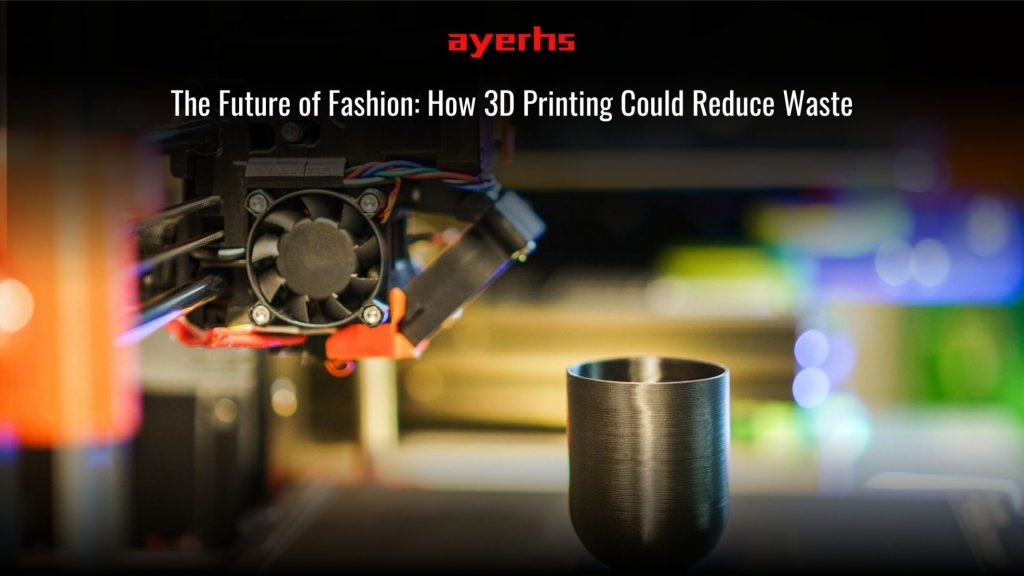
When most people think of 3D printing, they imagine plastic parts, mini sculptures, or even weird-looking prototypes. But in fashion, 3D printing is being used to create wearable clothing, shoes, accessories, and even fabrics—layer by layer, directly from a digital design.
Instead of cutting pieces of fabric and sewing them together (which often leads to a lot of leftover scraps), 3D printing allows designers to build garments from the ground up with little to no waste.
Think of it like baking a cake from scratch versus trying to cut one out of a loaf of bread—you get exactly what you want, with none of the crumbs.
Why Fashion Waste is a Big Deal
Before we dive deeper into how 3D printing helps, let’s quickly look at why fashion waste is such a pressing issue.
- The fashion industry produces over 92 million tons of textile waste every year.
- Around 85% of all textiles end up in landfills or are incinerated.
- It takes 2,700 liters of water to make just one cotton shirt—that’s enough for one person to drink for 2.5 years.
- Fast fashion brands churn out new collections weekly, flooding the market with cheap clothes that often aren’t made to last.
The cycle is fast, wasteful, and deeply unsustainable. So clearly, something’s got to change. And that’s where innovation steps in.
How 3D Printing Could Make Fashion More Sustainable
1. Reduces Fabric Waste
Let’s start with the obvious—traditional garment-making leaves behind a lot of offcuts and scraps. Designers often have to cut patterns from large sheets of fabric, and any leftover bits usually end up in the trash.
3D printing, on the other hand, prints exactly what’s needed. It’s like sculpting, but digitally. There are no extra scraps, no waste materials. Everything goes into the final product. This alone could significantly cut down textile waste in the production process.
2. Custom Fit = Less Returns
Ever ordered clothes online, only to send them back because they didn’t fit right? You’re not alone. Returns are a huge issue in fashion, and many of them end up being discarded rather than resold.
With 3D printing, clothes can be made to measure. Imagine scanning your body with your phone and having a dress printed exactly for your shape. A better fit means fewer returns, less waste, and happier customers.
3. Made on Demand
One of the reasons fast fashion is so wasteful is that brands overproduce. They guess what might be popular and mass-produce items in advance. Whatever doesn’t sell is either heavily discounted, destroyed, or dumped.
3D printing offers a different model—on-demand production. Clothes can be printed only when someone places an order. No guessing, no overstock, no waste.
4. Reusable Materials
Many 3D-printed clothes are made using recyclable or biodegradable materials like PLA (a plant-based polymer) or even experimental ones like algae and mushroom-based threads.
Some companies are even working on closed-loop systems, where old 3D-printed garments can be melted down and reused to print new ones. That’s a huge leap toward circular fashion.
5. Creative Freedom with Less Cost
Designers can experiment with textures, shapes, and patterns without the need for expensive molds or fabric manipulation. It’s like having a limitless design playground, but without the waste that usually comes with sampling and prototyping.
And for small designers or local creators, this kind of accessibility is gold. They can try new things without breaking the bank—or the planet.
Real-World Examples: Who’s Doing It?
While it’s still a growing field, some fashion designers and brands are already embracing 3D printing:
- Iris van Herpen: A pioneer in high-fashion 3D printing, she creates mind-blowing couture pieces that look like wearable art. While not exactly practical for daily wear, her work proves what’s possible.
- Zellerfeld: This footwear company 3D prints fully recyclable sneakers that are made to order, with no stitching or gluing involved.
- Ministry of Supply: A brand that uses 3D printing to create seamless knitwear, reducing fabric waste and the need for multiple sewing steps.
- Danit Peleg: An independent designer who famously printed an entire fashion collection at home using desktop printers. Her work makes 3D printing in fashion feel way more real and accessible.
The Challenges (Because There Are a Few)
Of course, 3D printing in fashion isn’t perfect yet. Like any new technology, it comes with its own set of hurdles:
- Material Limitations: Right now, 3D-printed fabrics don’t feel quite like cotton or silk. They’re often more plastic-like or rigid, which can affect comfort and wearability. But new materials are being developed every day.
- Speed: Printing a single garment can take hours, sometimes even days. Scaling up production will take time and better tech.
- Cost: The machines and materials aren’t cheap—yet. But like all tech, costs are expected to come down as demand and innovation grow.
- Adoption Curve: Let’s be honest—most of us aren’t ready to wear something that looks like it came out of a sci-fi movie. There’s a gap between what 3D-printed fashion can do and what everyday shoppers actually want. Bridging that gap will take thoughtful design and user education.
So, Is 3D Printing the Future of Fashion?
Honestly? It might not completely replace traditional fashion, but it will definitely be a part of the future.
Think of it like how electric cars didn’t kill off gas cars overnight—but they’re changing the way we think about driving. Similarly, 3D printing might not take over the entire fashion industry anytime soon, but it’s opening up new, more sustainable possibilities.
It offers a real chance to rethink how clothes are made—from design to delivery—and how they impact the planet.
Final Thoughts: A Future That Fits
The fashion industry needs to shift from quantity to quality. From fast to thoughtful. From wasteful to circular. And 3D printing might just help us get there.
Imagine a future where you don’t have to worry about sizes on a tag, because your clothes are made just for you. Where nothing is made unless someone actually wants it. Where old clothes don’t go to waste—they get reborn into something new. That’s not just cool, that’s conscious.
We’re not there yet. But every innovation, every experiment, every weird-looking 3D-printed shoe brings us a step closer.
 Ayerhs Magazine