
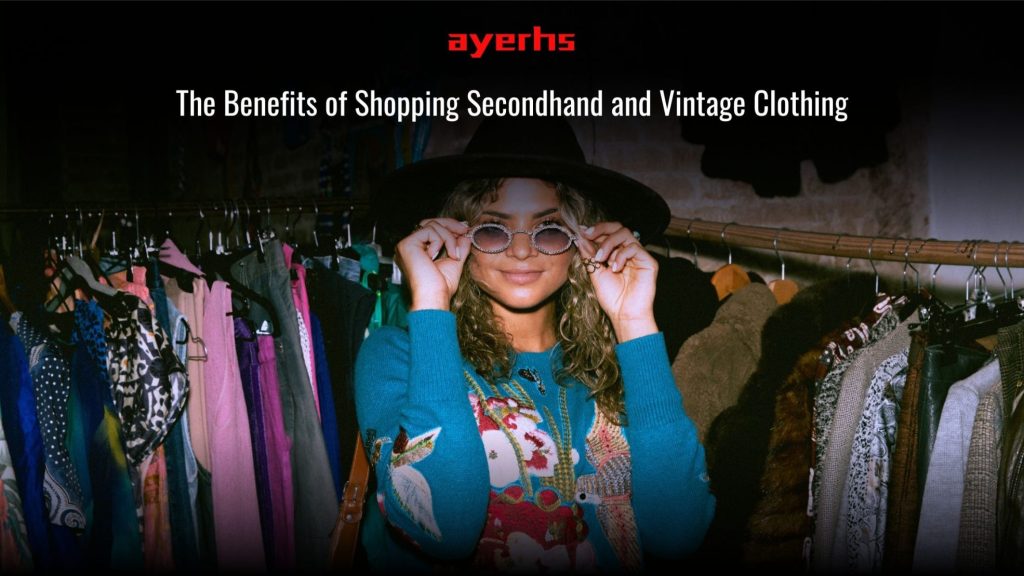
When was the last time you dug through a thrift store rack or stumbled upon a vintage boutique tucked away in a quiet neighborhood? If you’re like many people today, the answer might be “it’s been a while.” But there’s a whole world of style, savings, and sustainability waiting for you in the realm of secondhand and vintage clothing. In this article, we’ll explore why shopping for gently used garments isn’t just a trend—it’s a lifestyle that’s both relatable and real.
A Little History of Secondhand Shopping
Before we dive into the benefits, let’s rewind a bit. Shopping secondhand is nothing new. For decades, people have been trading, exchanging, and reusing clothing out of necessity and, later on, style. Think about how clothing would get passed down through generations in families, or how older neighbors might lend a hand with outfits before new clothes even hit the shelves. This tradition laid the groundwork for the thriving market of thrift shops, consignment stores, and vintage boutiques we see today.
Over the years, our mindset about fashion has also evolved. What used to be seen as “old-fashioned” or “used” is now celebrated for its character and history. Vintage pieces, often crafted with a quality and attention to detail that modern fast fashion rarely matches, carry a unique charm that can’t be replicated. This historical perspective is one reason why shopping secondhand is making a strong comeback.
Savings That Add Up
One of the most appealing benefits of shopping secondhand is the money you save. In today’s economy, every dollar counts. Instead of spending a small fortune on brand-new clothes—especially when trends can change so quickly—secondhand stores let you discover stylish pieces at a fraction of the price.
Imagine finding a high-quality leather jacket or designer dress for just a quarter of its original price. Those savings don’t only allow you to build a versatile wardrobe, but they also leave room in your budget for experiences, savings, or other essentials. Even if your style isn’t focused on high-end fashion, the sheer act of saving money brings a sense of empowerment. Budget-conscious shoppers can experiment with looks without feeling guilty about splurging.
Reducing Environmental Impact
Every year, the fashion industry produces millions of garments, many of which end up in landfills or are made under exploitative conditions. The production of new clothing requires huge amounts of water, energy, and raw materials, not to mention the chemicals used along the way. By choosing to shop secondhand, you’re giving a garment a second life, reducing waste, and cutting down on pollution.
When you buy a used piece of clothing, you’re effectively reducing your carbon footprint. It’s a small act, but when combined with the choices of millions of people, the positive environmental impact is significant. Many shoppers find that this eco-friendly decision makes wearing their favorite outfit feel even better—there’s a genuine satisfaction in knowing that you’re contributing to a healthier planet.
The Uniqueness Factor
One of the biggest draws of vintage and secondhand clothing is the guarantee that you won’t be wearing what everyone else is. In a world where fast fashion is mass-produced and identical across countless stores, finding unique pieces can set you apart. Vintage clothing often brings with it a story—a glimpse into a past era with its own style, personality, and craftsmanship that you simply don’t find on today’s shelves.
Think about the pride of wearing a one-of-a-kind piece that might have been owned by someone decades ago. Perhaps that jacket or dress was part of a significant moment in history, or simply reflects a style that defies the monotonous trends of modern fashion. This uniqueness isn’t just about standing out in a crowd. It’s also about personal expression. When you shop vintage, you’re curating a wardrobe that is as unique as you are.
Quality That Lasts
It can be easy to assume that secondhand clothing is second-rate, but that couldn’t be further from the truth. In many cases, older garments were made with techniques and materials that have long since been forgotten. Before fast fashion took over, clothes were built to last. You might find garments with intricate detailing, durable fabrics, and a level of craftsmanship that is rare in today’s mass-produced world.
When you choose vintage, you’re often paying for quality—albeit at a fraction of the cost. These pieces have stood the test of time because they were made with care and attention to detail. Not only do you get an item that looks great, but you’re also investing in something that will last for years. And if you do find something that needs a little TLC, repairing it can be a fun and rewarding project. Learning to mend or update a vintage piece not only extends its life but also gives you a chance to practice skills that are both practical and creative.
Supporting Local Businesses and Communities
Another significant benefit of shopping secondhand is the positive impact it can have on your local community. Many thrift stores and vintage shops are run by small businesses or charitable organizations that contribute directly to local causes. When you spend your money at these establishments, you’re supporting your neighbors and often helping fund community programs, shelters, or educational initiatives.
Even beyond the monetary support, these stores foster a sense of community by bringing people together around a shared love for unique fashion. Walking into a local thrift shop often feels like stepping into a treasure hunt, where you meet people who share your passion and enthusiasm. This friendly, community-oriented atmosphere creates a shopping experience that’s both fun and fulfilling.
A Fun, Interactive Experience
Let’s face it—shopping secondhand isn’t like browsing through the predictable racks of a chain store. It’s an adventure. Every time you visit a thrift store or vintage boutique, you embark on a scavenger hunt. There’s always the thrill of the unexpected: a rare find, an unusual accessory, or that perfect jacket you never knew you needed.
This sense of adventure makes shopping secondhand a fun way to spend an afternoon. Many people love the surprise element of not knowing exactly what they’ll find. It transforms what could be a mundane chore into an exciting outing where creativity and spontaneity are encouraged. Whether you shop alone or with friends, every trip feels like a mini escape from the everyday routine.
Fostering Creativity and Individual Style
Buying secondhand gives you the perfect opportunity to mix and match styles from different eras. This mix-and-match approach encourages creativity and helps you develop a personal style that’s all your own. Instead of following the latest runway trends, you create a look that is a true reflection of your personality.
Many fashion influencers and bloggers have made careers out of celebrating unique, vintage style. Their Instagram feeds and blogs are filled with outfits that combine modern pieces with vintage gems. By shopping secondhand, you’re not just following a trend—you’re becoming part of a larger movement that values self-expression and originality. It’s about taking control of your style, and saying, “I am unique, and my clothes reflect that.”
Making Fashion More Accessible
Another great benefit of secondhand shopping is its inclusivity. Because vintage and thrift shops offer such a wide variety of styles at affordable prices, they make fashion accessible to people from all walks of life. No matter your budget, you can find clothing that fits your style without overspending.
This democratization of fashion is refreshing, especially in a world where trends can be both expensive and fleeting. Secondhand stores level the playing field, giving everyone—from college students to families on a budget—the chance to look good and feel confident. In a sense, shopping secondhand is a form of rebellion against the pressures of consumerism. It says that style doesn’t have to come with a high price tag, and that everyone deserves to enjoy looking their best.
Building a Connection With Your Clothes
When you shop secondhand, every piece you purchase carries a history. These garments have been loved before, and in many cases, they come with their own unique stories. While you might not always know the full background of an item, the knowledge that it has survived trends and generations gives it character.
Owning and wearing vintage clothing can make you feel connected to the past in a meaningful way. It serves as a reminder that fashion is cyclical—what was once old can become new again. This connection often enhances the emotional value of the clothes, turning a simple outfit into a cherished possession that feels like it belongs in your personal narrative.
A Step Toward Sustainable Living
Sustainable living has become more than just a buzzword—it’s a necessity. Fast fashion’s rapid production and disposal cycle takes a toll on the environment, and many people are now looking for ways to live more sustainably. Shopping secondhand is one of the simplest ways to embrace a green lifestyle. By extending the life of clothing, you’re directly contributing to waste reduction and resource conservation.
This small change in shopping habits can lead to a broader shift toward environmental responsibility. Each time you choose a vintage piece over a new item, you’re sending a message that sustainability matters. It’s a tangible way to do your part for the planet, and it often encourages others to think twice about their own fashion choices. In the grand scheme of things, small actions can indeed lead to big changes.
The Joy of the Perfect Find
There’s something undeniably satisfying about finding that one perfect piece—a jacket with just the right color, a dress that fits like a dream, or even a quirky accessory that completes an outfit. This joy is often amplified when you realize that your find was just waiting for someone like you to give it a new lease on life. Every visit to a thrift store or vintage boutique holds the promise of discovery, and each perfect find becomes a small victory in your style journey.
For many enthusiasts, the act of digging through racks and bins is a cherished ritual. It’s about taking your time, enjoying the hunt, and ultimately feeling a burst of excitement when you come across something really special. And when you share your finds with friends or on social media, you also spread that joy and inspire others to embark on similar adventures. The perfect find isn’t just about the item itself—it’s about the experience and the memories that come along with it.
A Growing Movement
The popularity of secondhand and vintage clothing isn’t happening by accident—it’s part of a larger movement toward more mindful consumption. People everywhere are starting to question the status quo of fast fashion and are looking to be more thoughtful about their purchases. This growing movement isn’t just about saving money or being environmentally friendly; it’s about creating a more ethical and sustainable future for fashion.
Communities of vintage lovers and thrifters have sprung up both online and in real life. Social media platforms are filled with groups, pages, and hashtags dedicated to showing off the best thrift finds and sharing tips on how to style them. This sense of community and shared passion makes the movement even more powerful. When you shop secondhand, you join a network of people who value quality, sustainability, and creativity, and that in itself is a transformative experience.
Embracing Imperfection
One of the most refreshing aspects of vintage and secondhand clothing is its authenticity. Unlike new, mass-produced garments that can sometimes feel too perfect or sterile, secondhand pieces often come with little imperfections. These quirks—whether it’s a slightly faded fabric or a unique stitch pattern—add character to your wardrobe and remind you that beauty lies in imperfection.
Embracing imperfections in your clothing can be a metaphor for life itself. We all have our own quirks and flaws, and learning to love them is part of being human. By choosing secondhand, you’re reminded that perfection isn’t always necessary. Sometimes, it’s the little details, the unseen flaws, and the stories behind each piece that make fashion—and life—truly interesting.
Fun DIY and Upcycling Projects
Once you’re in the world of vintage shopping, you might find that you’re inspired to take creativity a step further. Many people enjoy the idea of upcycling or repurposing their finds. A plain vintage shirt can be transformed into a stylish crop top, or an old pair of jeans might be reworked into trendy shorts with a little cutting and some creative ideas.
DIY projects not only give you a chance to customize your style but also extend the life of your clothing in a fun, hands-on way. There’s a unique sense of accomplishment in turning something old into something new. Plus, these projects often become great conversation starters. Sharing your upcycling journey with friends or on social media can inspire others to try their hand at creative repurposing, spreading the love for sustainable fashion even further.
Connecting With Your Personal Narrative
Fashion isn’t just about looking good—it’s also deeply personal. Each piece of clothing we choose can reflect our memories, experiences, and identity. Secondhand and vintage clothing have a way of resonating on a personal level because they seem to come with their own backstories. Whether you connect with a 70s boho vibe, the sleek lines of 80s power dressing, or the laid-back style of the 90s, there’s something about vintage clothing that makes you feel connected to a broader cultural narrative.
Wearing a piece that has traversed time and trends can feel like carrying a piece of history with you. It’s a tangible connection to the past and a reminder that your style is an evolving story. Over time, these choices become a mosaic of your life’s journey—a mix of memories, influences, and personal growth that speaks to who you are.
Overcoming the Stigma
For some, the idea of wearing used clothing still comes with a bit of hesitation or the fear of judgment. However, this stigma is quickly fading as more and more people embrace the beauty of pre-loved pieces. The modern consumer is increasingly aware of the environmental and ethical implications of their purchases, and secondhand shopping is gaining acceptance and popularity among all age groups.
Today’s vibrant online communities, stylish pop-up thrift stores, and even upscale vintage boutiques are redefining what it means to shop secondhand. The narrative has shifted from “this is what you wear when you can’t afford new clothes” to “this is what you wear when you value quality, sustainability, and individuality.” Once the stigma is lifted, you’ll find that the true joy of secondhand shopping is in its inclusivity—it welcomes everyone and celebrates diversity in style and background.
Building a Sustainable Wardrobe for the Future
Shopping for secondhand clothing isn’t just a passing trend—it’s a lifestyle that can help you build a sustainable wardrobe over time. Each carefully chosen piece contributes to a collection that is not only unique but also ethical and environmentally friendly. As you slowly replace outdated items with timeless treasures, you create a wardrobe that is both meaningful and practical.
This approach to fashion challenges the idea of disposable clothing. Instead of succumbing to the constant churn of fast fashion, you’re investing in pieces that carry history, quality, and individuality. Over time, this collection will reflect your personal journey—one piece at a time—and serve as a reminder that true style is sustainable.
Getting Started With Secondhand Shopping
If you’re ready to dive into the world of secondhand shopping, here are a few tips to help you get started:
- Start locally: Check out local thrift stores, charity shops, or vintage boutiques. Not only do these shops often have the best deals, but they also support your community.
- Know your style: Before you go shopping, take a moment to reflect on your personal style. Having a clear idea of what you like can help narrow down your search and make your visits more fun and productive.
- Be patient: Finding the perfect piece may take time. Enjoy the hunt rather than expecting an immediate, flawless find.
- Bring a friend: Shopping secondhand can be more enjoyable with a buddy. Share your finds, bounce ideas off each other, and celebrate the little victories together.
- Stay open-minded: Sometimes, you might come across items that aren’t your usual style. Give them a chance. You might discover a hidden gem or a new way to wear something unexpected.
Final Thoughts
In a fast-paced, constantly evolving world, secondhand and vintage clothing offer a pause—a chance to slow down, appreciate the beauty of history, and make thoughtful choices about our consumption. Whether it’s saving money, protecting the environment, or simply finding that one-of-a-kind item that makes you feel special, shopping secondhand has undeniable benefits that resonate on many levels.
This lifestyle is more than just a trend. It’s a statement: that style, history, and sustainability can coexist; that we don’t have to conform to the fleeting demands of fast fashion; and that every piece of clothing has a story waiting to be continued by you. So next time you pass by a thrift store or a vintage boutique, consider stepping inside. You might just find that the perfect addition to your wardrobe isn’t only about fashion—it’s about creating a legacy of mindful, meaningful choices.
Remember, embracing secondhand shopping isn’t about being unconventional for the sake of it. It’s about celebrating the individuality of your style, being conscious of the world around you, and making small changes that lead to big differences. It’s about finding joy in the hunt, pride in every unique piece, and satisfaction in knowing that your choices make a positive impact on the environment and your community.
By choosing secondhand and vintage clothing, you take part in a movement that champions quality over quantity, history over novelty, and sustainability over waste. Every piece you wear carries with it a legacy—a connection to the past and a promise for a better future. And that is something truly worth celebrating.
In conclusion, the benefits of shopping secondhand and vintage clothing go far beyond just having a cool, eclectic wardrobe. It’s about saving money, protecting the environment, and celebrating individuality. It’s about knowing that every purchase is a thoughtful decision, one that honors the past while paving the way for a greener, more conscientious future. So whether you’re a seasoned thrift-shopper or curious about trying it out for the first time, remember that every great style story begins with a secondhand find.
 Ayerhs Magazine