
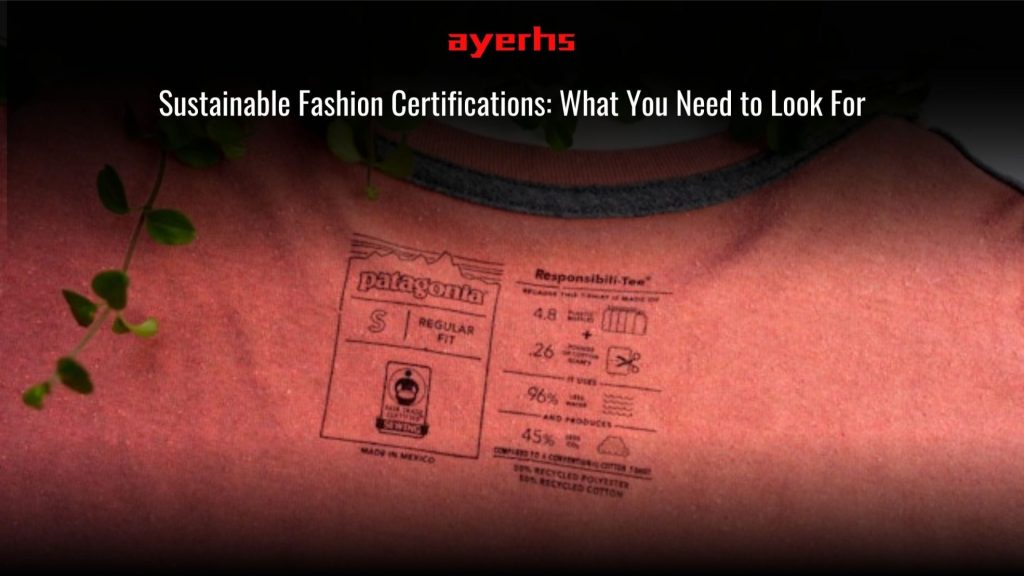
Navigating the Fashion Maze
In today’s world, where fashion trends change rapidly, it’s easy to get caught up in the whirlwind of new styles. But have you ever paused to think about the journey your clothes take before they reach your wardrobe? The fashion industry is one of the most polluting industries globally, contributing significantly to environmental degradation and unethical labor practices. As consumers, we have the power to make a difference by choosing brands that prioritize sustainability. But how do we identify these brands? This is where sustainable fashion certifications come into play.
Why Do Certifications Matter?
Imagine you’re shopping for a new shirt. The label says “eco-friendly,” but what does that mean? Without standardized certifications, terms like “green,” “natural,” or “sustainable” can be misleading. Certifications act as a seal of approval, indicating that a product meets specific environmental and ethical standards. They help consumers make informed choices and hold brands accountable for their claims.
Key Sustainable Fashion Certifications to Know
Let’s explore some of the most recognized certifications that can guide your sustainable shopping journey:
1. Global Organic Textile Standard (GOTS)
GOTS is a leading certification for organic textiles, ensuring that products contain at least 70% organic fibers. It also mandates environmentally and socially responsible manufacturing processes. This means no toxic chemicals and fair labor practices throughout the supply chain.
2. OEKO-TEX® Standard 100
This certification guarantees that textiles are free from harmful substances. It’s particularly relevant for consumers with sensitive skin or allergies, as it ensures that the clothing is safe to wear.
3. Fair Trade Certified
Fair Trade focuses on the social and economic aspects of production. It ensures that workers receive fair wages, work under safe conditions, and that a portion of profits is invested in community development.
4. Cradle to Cradle Certified®
This certification evaluates products based on five categories: material health, material reutilization, renewable energy and carbon management, water stewardship, and social fairness. It promotes a circular economy by ensuring products are designed with their entire lifecycle in mind.
5. bluesign®
bluesign® focuses on the environmental impact of textile production. It ensures that the entire supply chain, from raw materials to the final product, adheres to strict environmental standards. This includes reducing resource consumption and minimizing pollution.
6. Better Cotton Initiative (BCI)
BCI aims to make global cotton production better for the people who produce it, better for the environment it grows in, and better for the sector’s future. It promotes sustainable farming practices and improves livelihoods and economic development in cotton-producing areas.
7. Forest Stewardship Council (FSC)
While commonly associated with paper products, FSC certification also applies to textiles made from tree-based fibers like viscose and lyocell. It ensures that these fibers come from responsibly managed forests that provide environmental, social, and economic benefits.
8. B Corp Certification
B Corp certifies companies that meet high standards of social and environmental performance, accountability, and transparency. It’s a holistic certification that assesses a company’s overall impact on its workers, customers, community, and environment.
9. SA8000
SA8000 is a social certification standard for factories and organizations across the globe. It measures social performance in areas like child labor, forced labor, health and safety, and working hours. It’s a tool to ensure ethical working conditions in the supply chain.
10. Worldwide Responsible Accredited Production (WRAP)
WRAP focuses on ensuring lawful, humane, and ethical manufacturing throughout the world. It certifies facilities for compliance with its 12 principles, which include prohibition of forced labor, child labor, and harassment, as well as ensuring health and safety standards.
How to Use Certifications in Your Shopping
Understanding these certifications is the first step. Here’s how you can apply this knowledge:
- Check Labels: Look for certification logos on clothing tags or product descriptions.
- Research Brands: Visit brand websites to see if they mention any certifications. Transparency is a good sign.
- Use Apps and Websites: Platforms like Good On You rate brands based on their sustainability practices.
- Ask Questions: Don’t hesitate to contact brands directly to inquire about their certifications and practices.
The Indian Context: Local Brands Leading the Way
In India, several brands are embracing sustainable practices:
- No Nasties: Offers 100% organic and Fair Trade certified clothing.
- Doodlage: Focuses on upcycling and uses GOTS certified fabrics.
- Bhane: Emphasizes transparency and ethical production.
These brands demonstrate that sustainability and style can go hand in hand.
Conclusion: Making Conscious Choices
Sustainable fashion certifications are more than just labels; they’re tools that empower us to make ethical and environmentally friendly choices. By understanding and seeking out these certifications, we can support brands that align with our values and contribute to a more sustainable future.
 Ayerhs Magazine