
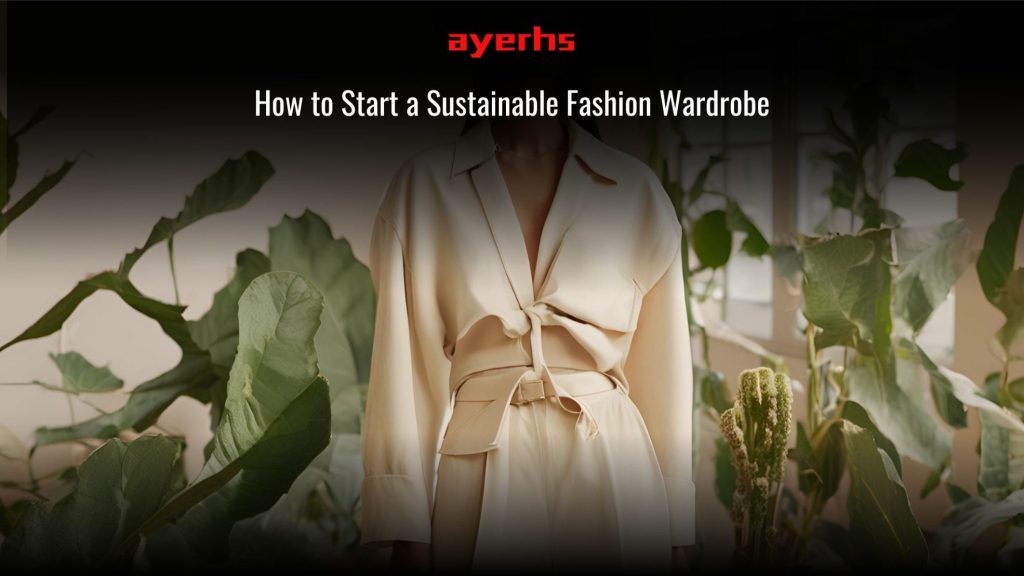
It can be hard to keep up with the trends in fashion—especially when we’re all becoming a little more aware of how our clothing choices affect the planet. Yet building a sustainable fashion wardrobe is not only possible, it can also be fulfilling, personal, and truly stylish. Whether you’re just starting out or looking to refresh your closet, here’s a comprehensive guide on how to start a sustainable fashion wardrobe that speaks to your style while caring for the environment.
What Is a Sustainable Fashion Wardrobe?
A sustainable fashion wardrobe is all about making thoughtful choices that have a positive impact on the environment, workers, and animals. It’s about prioritizing quality over quantity, investing in pieces that last, and understanding the true cost of “fast fashion.” This approach goes beyond simply choosing clothes that look good—it involves selecting items that support ethical practices and reduce waste.
When we embrace sustainable fashion, we take steps to:
- Reduce environmental impact by choosing eco-friendly fabrics and production methods.
- Support fair wages and safe working conditions for everyone involved in making our clothes.
- Create a wardrobe that’s versatile, long-lasting, and meaningful, rather than being filled with disposable trends.
Understanding the bigger picture helps us realize that our choices can drive change. Sustainable fashion isn’t about sacrificing style—it’s about curating a wardrobe that tells a story and contributes to a better world.
Why Start a Sustainable Wardrobe?
The benefits of a sustainable fashion wardrobe extend far beyond looking good. Here are a few key reasons you might consider building one:
1. Protecting the Planet
Fast fashion contributes significantly to environmental degradation. From pollution in water sources to unnecessary waste in landfills, many conventional clothing manufacturing processes have detrimental effects on our environment. By choosing sustainable options, you help reduce waste, lower your carbon footprint, and support eco-friendly production practices.
2. Ethical and Fair Production
Every garment you wear is a product of labor. Often, clothes from fast fashion brands are made under poor working conditions and unfair wages. Investing in ethically produced clothing means your wardrobe supports safe working environments and fair wages, ultimately promoting social justice.
3. Quality and Longevity
Sustainable fashion usually focuses on quality craftsmanship and timeless design. Instead of constantly replacing worn-out or unfashionable items, you’re more likely to have pieces that last, both in durability and style.
4. Personal Style and Expression
Developing a wardrobe of carefully chosen, versatile pieces allows you to express your individuality. When each item carries a story or a meaning, your personal style becomes a reflection of thoughtful choices rather than a collection of trend-following items.
5. Saving Money Over Time
While sustainable fashion items can sometimes have a higher price tag upfront, investing in quality items helps reduce the need for frequent replacements. Over time, this approach can save you money compared to constantly buying cheaper, low-quality items that wear out quickly.
Getting Started: First Steps Toward a Sustainable Wardrobe
Making the move to a sustainable wardrobe doesn’t mean you have to overhaul your entire closet overnight. Here are some simple steps to begin your journey:
Evaluate Your Current Wardrobe
Start by taking stock of what you already own. Go through your closet, and identify the pieces you truly love and wear regularly. Ask yourself:
- Which items are versatile and can work in multiple outfits?
- Which pieces are of high quality, or might be repaired or revamped?
- Which pieces do I rarely wear, and why?
This process is not only practical; it also gives you a better idea of what gaps exist in your wardrobe. This self-audit might even inspire you to repurpose or donate items that no longer serve you, paving the way for new, more sustainable choices.
Set Realistic Goals
Transitioning to a sustainable fashion wardrobe isn’t a race—it’s a journey. Set realistic goals that work with your lifestyle and budget. For example, you might decide to only purchase one sustainable piece each season or commit to repairing items rather than replacing them. By breaking the transition into manageable steps, you’ll feel less overwhelmed and more empowered to make a change.
Do Your Research
Knowledge is power. Learn about different sustainable fashion brands, the types of eco-friendly materials available, and the processes behind ethical manufacturing. There are plenty of resources available online including blogs, documentaries, and social media channels dedicated to sustainable fashion. Understanding the impact of your choices not only motivates you but also helps you make informed decisions when adding to your wardrobe.
Prioritize Quality Over Quantity
When planning your sustainable wardrobe, think about investing in fewer pieces that are high-quality rather than a closet full of trendy, disposable items. This doesn’t mean you can’t have fun with fashion—it just means each piece should be something you truly love and know will last.
Building a Sustainable Wardrobe: Practical Tips and Strategies
Once you’ve set your goals and done your research, it’s time to start building your sustainable fashion wardrobe. Here are some practical tips to guide you:
Choose Ethical and Eco-Friendly Brands
One of the first steps is to seek out brands known for ethical manufacturing practices. Many brands are transparent about their sourcing and production processes, making it easier to trust that your clothes were made with care for both people and the environment. Look for certifications like Fair Trade, Global Organic Textile Standard (GOTS), or Blue Sign as indicators of a brand’s commitment to ethical practices.
Tips:
- Start with brands that have clear information on their websites.
- Read customer reviews and look for detailed reports on how a brand operates.
- Remember that supporting local, small-batch producers can also be a sustainable choice.
Focus on Timeless, Versatile Pieces
When curating your wardrobe, think about pieces that can be mixed and matched in various ways. Timeless items such as a crisp white shirt, a well-tailored pair of trousers, or a classic dress never really go out of style. These staples form the backbone of your wardrobe, allowing you to experiment with accessories, layers, and seasonal trends while maintaining a sustainable core.
Tips:
- Choose neutral colors that match easily.
- Opt for designs that you feel confident in—sustainable fashion is as much about self-expression as it is about ethics.
- Look at your calendar and lifestyle to determine which pieces are most necessary for your daily routines.
Embrace Second-Hand and Vintage Options
Sustainable fashion isn’t just about buying new eco-friendly items; it’s also about giving pre-loved clothing a new life. Shopping second-hand is a fantastic way to build a sustainable wardrobe because it reduces the demand for new manufacturing and helps divert clothing from landfills.
Tips:
- Visit thrift stores, consignment shops, or explore online resale platforms.
- Look for items with classic styles and high-quality materials.
- Don’t be afraid to try on unique pieces; vintage items often have a story and a charm that modern clothes can’t replicate.
Repair and Upcycle
Sometimes, the best way to make your wardrobe more sustainable is to extend the life of what you already own. Instead of tossing a piece that is slightly worn or out-of-style, consider repairing, altering, or even upcycling it into something new. Simple fixes like sewing on a new button, hemming trousers, or adding patches can breathe new life into old favorites.
Tips:
- Invest in a basic sewing kit and explore online tutorials for minor repairs.
- Seek out local tailors or upcycling workshops to learn new skills.
- Consider creative projects, such as turning an old shirt into a tote bag or a decorative pillow.
Learn the Art of Capsule Wardrobes
A capsule wardrobe is a curated collection of clothing that consists of versatile, essential items that don’t go out of style. This method encourages you to own fewer items, but to select them carefully so they work well together. Building a capsule wardrobe forces you to really think about your needs and the pieces that serve you best.
Steps to Build a Capsule Wardrobe:
- Declutter: Start by removing everything from your closet and then selectively return only the items you love and use regularly.
- Identify Your Style: Choose a color palette and stick to pieces that are easy to mix and match.
- Plan Your Purchases: Invest in a few high-quality pieces to fill gaps, rather than buying items on impulse.
Keeping Your Wardrobe Sustainable Over Time
Transitioning to a sustainable wardrobe is not a one-time project—it’s an evolving lifestyle choice. Here are some tips to ensure your wardrobe remains sustainable as the seasons and your tastes change:
Regular Maintenance and Evaluation
It’s important to periodically assess your wardrobe to ensure it still aligns with your lifestyle and values. Set a regular schedule—perhaps once every season—to evaluate what you have and determine what might be missing. Maintenance can include cleaning, repairing, and even donating items that no longer serve you.
Tips:
- Organize your closet by type, season, or color to make it easier to see what you have.
- Keep a list of items you’re missing for particular occasions or everyday wear.
- Be honest with yourself about what you truly need versus what’s just sitting in your closet.
Education and Staying Informed
Sustainable fashion is a dynamic field, with new innovations, brands, and practices emerging all the time. Staying informed about trends and advancements can help you make even more eco-friendly choices. Follow sustainable fashion blogs, subscribe to newsletters, or join online communities where ideas and tips are shared regularly.
Tips:
- Engage with social media groups or local meetups dedicated to sustainable fashion.
- Attend workshops or exhibitions that focus on eco-friendly practices.
- Keep an eye on documentaries or news articles that explore the ethical side of the fashion industry.
DIY Fashion Projects
Incorporating DIY projects into your routine can be a fun and creative way to contribute to sustainable fashion. Not only does it allow you to personalize your wardrobe, but it also encourages creativity and reduces waste. From tie-dye projects to re-styling an old piece of clothing, there are countless ways to get creative.
Ideas for DIY Projects:
- Repurpose old denim into a trendy bag or shorts.
- Customize plain t-shirts with fabric paints, patches, or embroidery.
- Turn oversized shirts into stylish dresses with a few simple adjustments.
Mindful Consumption
Perhaps the most important aspect of a sustainable wardrobe is the mindset behind your choices. Each purchase is an opportunity to make a small positive impact. Instead of following every trend, consider how each new item fits into the bigger picture of your life and the world around you.
Tips:
- Ask yourself before buying: “Do I really need this?” and “How long will I wear this?”
- Compare similar pieces in terms of material quality, manufacturing practices, and longevity.
- Consider borrowing, swapping, or renting clothing for special occasions instead of purchasing new pieces that might only be worn once or twice.
Overcoming Common Challenges in Building a Sustainable Wardrobe
Changing habits, especially those ingrained over years, is never easy. Here are some common challenges you might face—and how to overcome them:
Budget Considerations
A frequent concern is the perception that sustainable fashion is expensive. While it’s true that high-quality items often cost more upfront, remember that investing in a few well-made pieces can save you money in the long run by reducing the need for constant replacements. For budget-conscious consumers, focus on prioritizing areas of your wardrobe where quality can have the biggest impact, and be patient as you gradually replace less sustainable items.
Strategies:
- Start small and gradually transition your wardrobe.
- Look for sales, discount events, or second-hand options from sustainable brands.
- Consider the long-term value of each purchase rather than the immediate cost.
Limited Availability of Sustainable Options
Depending on where you live, it might feel like your options for sustainable fashion are limited. Luckily, online shopping has made it easier than ever to connect with ethical brands from around the world. With a little research, you can find companies that ship to your region or even look for local artisans and makers who produce sustainable and handcrafted items.
Strategies:
- Use online platforms dedicated to sustainable fashion.
- Support local businesses and designers who are committed to ethical practices.
- Don’t be afraid to contact brands directly to inquire about their sustainability practices and availability in your region.
Changing Habits and Overcoming Impulse Buys
Breaking free from impulse buying and habitual fast fashion shopping can be tough. One effective strategy is to create a “wish list” of sustainable brands or specific items you’re interested in. Take your time to decide if you really need something before adding it to your cart. This way, you build anticipation for a quality piece rather than falling into the trap of constant, unnecessary purchases.
Strategies:
- Implement a waiting period before every purchase.
- Keep a journal of what you buy and why, reflecting on whether it truly adds value to your wardrobe.
- Surround yourself with reminders of your sustainability goals—a vision board can help you stay focused on your long-term mission.
The Impact of Your Sustainable Wardrobe
Switching to a sustainable wardrobe is about more than just changing what you wear. It’s about making a statement—both to yourself and to the world. Each piece you choose can be a reflection of your values, showing that you care about the environment, ethical labor practices, and a more mindful approach to consumption.
Environmental Benefits
By opting for sustainably produced clothing, you are contributing to a reduction in pollution, conserving water, and lowering waste production. Eco-friendly fabrics like organic cotton, linen, Tencel, or recycled polyester take a smaller toll on the environment than conventional materials. Each sustainable purchase supports industry practices that are designed to mitigate harmful environmental effects.
Supporting Communities
Your wardrobe choices can influence positive change in global communities. When you purchase from brands that ensure fair wages and safe working conditions, you’re directly contributing to improved livelihoods for workers. This ethical dimension of sustainable fashion means that every item isn’t just a piece of clothing—it’s a step toward a more equitable world.
Inspiring Others
Adopting a sustainable wardrobe can inspire your friends, family, and community to consider their choices. Fashion is a highly social field, and many people look to influencers, friends, or local communities for inspiration. By sharing your journey and the impact of your sustainable choices, you might help spark broader change—making ethical consumption a more recognized and celebrated norm.
Real-Life Stories and Experiences
While theory is important, the true power of sustainable fashion is best illustrated through real-life experiences. Many individuals, regardless of their income or style preferences, have successfully transitioned to sustainable wardrobes. They’ve discovered that sustainability doesn’t mean compromising on style—it means creating a wardrobe that’s true to their personality, built on a foundation of intentional choices.
For example, imagine someone who once filled their closet with fast fashion items, only to realize that many of these pieces are never worn and end up in a drawer or landfill. After learning about the environmental and ethical impacts, they start by donating the items they don’t need, then gradually invest in a few versatile, higher-quality pieces. Over time, their wardrobe transforms into a collection of meaningful items that reflect both their personal style and their commitment to a better world.
Another inspiring story is of creative individuals who take pre-loved clothing and upcycle them into something entirely new. Not only does this process extend the life of the garments, but it also gives them a unique touch, making each outfit uniquely personal. These stories remind us that our approach to fashion can be both eco-friendly and extraordinarily individual.
Final Thoughts: Taking the First Step Today
Starting a sustainable fashion wardrobe isn’t about perfection—it’s about progress. Whether you’re replacing one item or overhauling your entire closet, every choice matters. Remember that sustainability is a journey; it’s about making small, deliberate changes that, when combined, have a huge impact on the world around you.
Here are a few parting tips to keep in mind:
- Be Patient: Transitioning your wardrobe takes time. Celebrate each small victory along the way.
- Stay Informed: Keep learning about new sustainable practices, brands, and materials.
- Connect with Others: Join communities of like-minded individuals who share tips, success stories, and challenges.
- Own Your Style: Sustainable fashion is your chance to express who you are. Every piece you choose is a reflection of your values, personality, and creativity.
By focusing on ethical consumption, quality, and personal expression, you’re not only investing in a wardrobe that will stand the test of time—you’re also helping to create a better, more sustainable future for everyone.
Building a sustainable fashion wardrobe is a deeply personal journey that challenges us to rethink what we value in our everyday lives. It’s about balancing style with substance, and looking beyond the trends to embrace quality, ethics, and the art of thoughtful living. Start where you are, make one conscious choice at a time, and soon enough, your wardrobe will reflect your commitment to both looking good and doing good.
 Ayerhs Magazine