
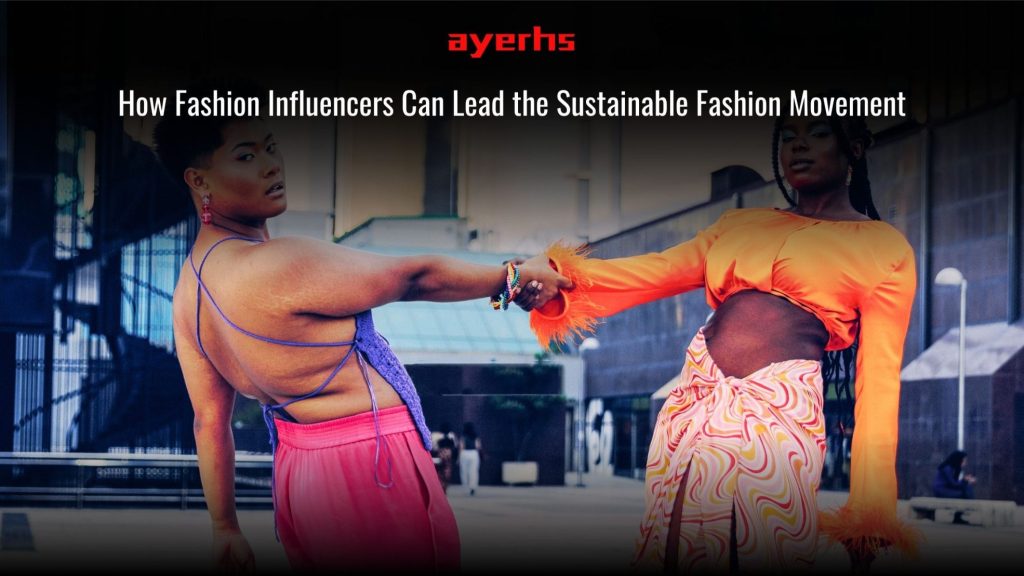
A single Instagram post, a quick TikTok video, or a casual outfit-of-the-day story can reach thousands, sometimes millions, of people. That’s influence. And with great influence comes great responsibility—especially when it comes to something as pressing as sustainability in fashion.
Fast fashion is still booming. Clothes are cheaper, trends are faster, and shopping hauls are still all over our feeds. But behind the glossy sheen of 24/7 style updates lies a harsh reality: the fashion industry is one of the most polluting industries in the world. And while no one person can fix it all, fashion influencers have a unique opportunity to shift the narrative. Not just because they’re stylish or have large audiences, but because people trust them.
So, how exactly can influencers lead the sustainable fashion movement? Let’s break it down.
1. Using Their Platform to Educate, Not Just Sell
People often look to influencers for advice on what to wear, how to style pieces, and where to shop. But that influence can go beyond promo codes and affiliate links.
Imagine if more influencers talked about what sustainable fashion actually means—things like ethical production, natural fibers, fair wages, and reducing waste. Instead of just showing off a new outfit, they could talk about where it came from, how it was made, and why that matters. Education doesn’t have to be boring—it can be woven into content in a real, honest way. Even just saying, “I’m learning more about sustainable brands and trying to be more mindful” can spark something in a follower.
People don’t expect perfection. But they do value transparency.
2. Showing That Repeating Outfits is Cool (Because It Is)
One of the biggest myths social media created is that you can’t repeat outfits. Somewhere along the way, outfit repeating became a fashion faux pas. But let’s be honest—we all do it. We wear the same jeans three times a week. We live in that one hoodie. And that’s normal.
Influencers can help normalize outfit repeating by proudly restyling pieces in different ways. They can show how versatile a single item can be, how layering can make old clothes feel new, and how personal style isn’t about constant consumption—it’s about creativity.
Sustainability doesn’t always look like a capsule wardrobe full of beige linen. It can be fun, colorful, and expressive. It just takes intention.
3. Partnering with Ethical Brands (And Saying No to the Rest)
Let’s talk money. Influencers make a living through brand deals, and there’s nothing wrong with that. But when fast fashion brands come knocking with big paychecks, it gets tricky.
Choosing to partner with slow fashion or ethical brands—even if they pay less—sends a strong message. It shows that values matter more than quick cash. And let’s be real, followers notice. Promoting a $10 dress from a brand known for labor violations can feel tone-deaf, especially when those same followers are trying to shop more consciously.
Influencers have the power to shift brand behavior too. If more of them started asking questions—about factory conditions, environmental impact, and transparency—brands would have to answer. Silence is no longer cute.
4. Being Honest About the Struggle
Sustainability can feel overwhelming. It’s easy to think you have to overhaul your entire closet, stop shopping forever, and wear only hand-me-downs. But that’s not realistic for everyone.
Influencers can lead by being honest about the journey. Maybe they’re still figuring out which brands to trust. Maybe they slip up and buy something fast fashion now and then. That’s okay.
What matters is showing the process. Sharing the “why” behind their choices. Talking about how hard it is to resist trends, or how they’re trying to reduce impulse buys. This vulnerability makes their content relatable. It reminds followers that sustainable fashion isn’t about perfection—it’s about progress.
5. Highlighting Secondhand and Vintage in a Fresh Way
Secondhand shopping has exploded in the last few years, and influencers have played a huge part in making it cool again. Thrift flips, Depop hauls, vintage styling reels—they’ve made old clothes exciting.
But there’s still a stigma, especially in some places, that secondhand means outdated or low-quality. Influencers can change that. They can show how curated and stylish vintage pieces can be. They can teach followers how to thrift with intention, how to look for quality fabrics, and how to mix old and new.
Plus, there’s something special about wearing a piece with history. It’s sustainable, sure—but it’s also one-of-a-kind.
6. Creating Slow Fashion Challenges and Movements
We’ve seen it before: a hashtag challenge goes viral, and suddenly everyone’s on board. Influencers can use this same power to create movements around slow fashion.
Think #30WearsChallenge, where you wear a piece at least 30 times before retiring it. Or #NoNewClothes for a month. These challenges are fun, easy to join, and promote mindful habits. When people see their favorite creators participating, they’re more likely to join in too.
It’s not about gatekeeping—it’s about encouraging small changes that build over time.
7. Calling Out Greenwashing Without Being Rude
Let’s be honest—greenwashing is everywhere. Brands love to throw around words like “eco-friendly,” “conscious,” or “sustainable” without actually doing much behind the scenes.
Influencers can play a key role in calling this out. But it doesn’t have to be cancel culture. It can be a thoughtful conversation. A “hey, I used to support this brand, but I looked into their practices and realized they weren’t as transparent as I thought. Here’s what I’m choosing to do instead.”
This kind of content builds trust. It encourages followers to do their own research too. It creates a community of people who care—not just about looking good, but about doing good.
8. Diversifying the Sustainable Fashion Space
Sustainability should be inclusive. Unfortunately, the movement has often been dominated by a certain aesthetic—white, minimalist, expensive. But style isn’t one-size-fits-all, and neither is sustainability.
Influencers from different backgrounds, sizes, cultures, and income levels bring new perspectives to the conversation. They can show that sustainable fashion isn’t just for the privileged few. That you can be stylish and eco-conscious no matter your budget or body type.
The more diverse the voices, the more accessible the movement becomes. And that’s how real change happens.
9. Talking About What Sustainability Actually Means
A lot of people still think sustainable fashion is just about using organic cotton or avoiding polyester. But it’s so much more than that.
It’s about fair wages for garment workers. It’s about reducing waste, water usage, and carbon emissions. It’s about buying less but better. It’s about slowing down in a world that tells us to speed up.
Influencers can break down these concepts in simple, human ways. They can talk about the people who make our clothes. The impact of our choices. The beauty of intentional living.
Because when people understand the “why,” they’re more likely to change the “how.”
10. Remembering That Influence Isn’t Just About Followers—It’s About Integrity
At the end of the day, being a fashion influencer isn’t just about having a platform. It’s about what you choose to do with it. And that choice matters.
You don’t need millions of followers to make a difference. Even if only 50 people see a post and one person changes the way they shop, that’s something. That’s impact.
Sustainability can feel like a buzzword sometimes. But when it’s rooted in values, intention, and authenticity, it’s powerful. And influencers—yes, the ones showing their outfits in mirror selfies or GRWM videos—can be some of the most powerful voices in the movement.
Final Thoughts: It’s About Progress, Not Perfection
Fashion isn’t the enemy. We all love clothes. We love expressing ourselves, telling stories through style, and feeling good in what we wear. The problem isn’t fashion—it’s overconsumption, exploitation, and waste. Influencers can be part of the solution. Not by being perfect, but by being real. By showing the messy, complicated, sometimes hypocritical journey of trying to be more mindful. By using their platforms to make sustainability aspirational—but also achievable.
 Ayerhs Magazine