
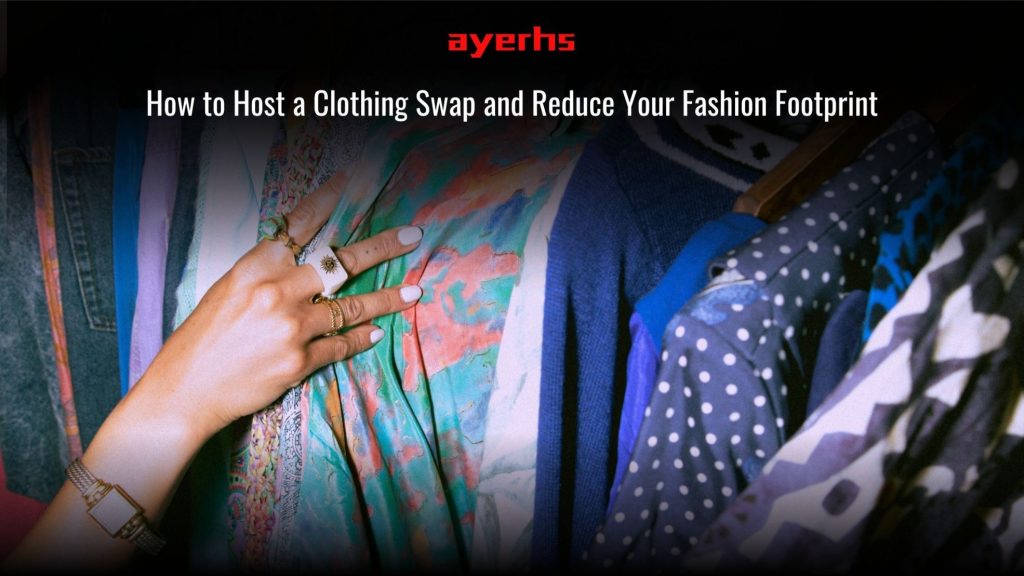
Hosting a clothing swap is an engaging, eco-friendly way to refresh your wardrobe while reducing waste—and it’s a lot more fun than you might think. In today’s fast-paced world of fast fashion, taking time to curate a well-loved collection of pieces through swapping rather than buying new doesn’t just benefit your closet—it benefits the planet too. Let’s dive into how to host a clothing swap and reduce your fashion footprint in a way that feels both simple and impactful.
What Is a Clothing Swap?
Before we get into the nitty-gritty of hosting, let’s define what a clothing swap really is. A clothing swap is an organized event where participants bring gently used clothing to exchange with one another. It’s a creative alternative to the constant consumption encouraged by fast fashion, giving clothes a new life and reducing the environmental burden of textile waste.
Why Swaps Work
- Reuse and Recycle: Instead of tossing out items you no longer wear, you pass them along to someone who might love them.
- Community Engagement: Clothing swaps bring together friends, neighbors, or like-minded individuals who share a passion for sustainability.
- Budget-Friendly: Refreshing your wardrobe doesn’t have to break the bank. With a clothing swap, everyone comes away with something new to wear—literally and financially.
- Reduced Environmental Impact: Every item recycled through a clothing swap means less textile waste in landfills and fewer resources used to produce new garments.
Why Reducing Your Fashion Footprint Matters
Fast fashion has revolutionized the way we consume clothing, but it’s come at a cost. The production, transportation, and disposal of clothing contribute significantly to global carbon emissions, water waste, and pollution. By rethinking how we approach our wardrobes, we can tackle some of the major issues linked to fashion.
The Environmental Impact of Fast Fashion
- Resource Intensive: It takes vast amounts of water, energy, and raw materials to produce new clothes, much of which is wasted when trends go out of style quickly.
- Waste Accumulation: Billions of garments end up in landfills each year, many of which take years to decompose.
- Pollution: The manufacturing process often releases harmful chemicals and carbon emissions, directly affecting both the climate and local ecosystems.
The Benefits of Clothing Swaps
- Lower Carbon Footprint: Reusing garments avoids the carbon cost of producing new ones.
- Economic Savings: Swapping reduces the need for purchasing new items, keeping money in your wallet.
- Social Impact: You foster a sense of community by sharing resources and connecting over a shared interest in sustainable living.
- Creative Expression: It offers the chance to explore unique styles and discover treasures hidden in other people’s closets.
Steps to Hosting a Successful Clothing Swap
Hosting a clothing swap might seem like a daunting task, but with a bit of planning and organization, it can be a simple and rewarding experience. Here’s how you can host a clothing swap that’s enjoyable, efficient, and sustainable.
1. Set a Date, Time, and Location
Timing Is Everything:
Choose a date that gives everyone ample notice—typically at least a month in advance. Evenings or weekends work best, as more people tend to be available. Look for a time when the weather isn’t too extreme if you’re planning an outdoor event.
Location Ideas:
- Community Centers or Local Libraries: These venues often offer free or low-cost spaces.
- Your Home: A well-organized living space can create a cozy, intimate atmosphere.
- Local Cafés or Boutiques: Sometimes, small businesses welcome community events like clothing swaps as a means to engage with customers.
2. Invite the Right Crowd
Spread the Word:
Use social media platforms, neighborhood groups, or email newsletters to invite friends and acquaintances. Emphasize the fun aspect of the swap—stress that it’s not just an event about clothes, but about community and sustainability.
Consider a Theme:
A themed swap can make the event more engaging. Whether it’s “Vintage Vibes,” “Seasonal Essentials,” or “Eco-Friendly Fashion,” themes add a playful element that encourages participation.
3. Organize the Logistics
Pre-Event Checklist:
- Venue Layout: Sketch a simple layout for how you want the space arranged. Create separate zones for different categories like tops, bottoms, accessories, and children’s wear.
- Refreshments: Simple snacks and drinks can add a nice touch and keep guests energized.
- Signage and Instructions: Clear signage helps guests navigate different sections and understand the rules.
Plan the Swap System:
There are a few popular ways to manage the swap:
- Equal Exchange: Each person brings a certain number of items and gets the same number in return.
- Point System: Items are assigned a point value based on quality or brand. Participants can “spend” points to choose items.
- Free-For-All: Items are displayed, and guests can simply take a piece. To ensure fairness, you might give everyone a set number of “tickets” to exchange for items.
4. Establish Swap Rules
Having clear rules helps prevent misunderstandings and ensures everyone has a fair experience.
General Guidelines Could Include:
- Quality Over Quantity: Ask participants to bring items in good condition, free of major defects or stains.
- Size Variety: Encourage a range of sizes to cater to different body types. A “size swap” board or tag system can help keep things organized.
- No Clothing Bags or Discounts: Clarify if you’re including accessories or shoes and outline any limitations. A good rule is “one person, one swap box.”
- Sort by Category: It can be helpful to ask guests to pre-sort items by gender or clothing type (casual, formal, etc.) to streamline the exchange.
5. Create a Comfortable Environment
Make the event welcoming and inclusive. A relaxed setting encourages conversation, and shared experiences foster connections.
Ambiance Tips:
- Decor: Keep it simple and eco-friendly. Use recycled materials for decorations.
- Music: Curate a fun, upbeat playlist. Music can transform a space and make the event feel vibrant.
- Seating Areas: Provide spaces where guests can relax and chat. This also gives them a chance to try on items and get opinions.
6. Facilitating the Swap
At the event, it’s important to have designated “swap facilitators” or volunteers who can help answer questions, guide people through the process, and maintain fairness.
During the Swap:
- Introductions: Start with a casual welcome and introduce the swap rules. This sets clear expectations and gets everyone excited.
- Check-In Table: Have a spot where guests can leave any unwanted items they might have forgotten about or later decide to swap.
- Keep It Moving: Encourage people to explore and interact with each other’s selections. The more the items are discussed and considered, the more memorable the experience will be.
7. Post-Swap Activities
Once the swap wraps up, consider extending the experience with activities that further reinforce the sustainable message.
Ideas for After the Swap:
- DIY Upcycling Workshop: Invite a local expert to teach how to upcycle clothes. Simple projects like turning old jeans into stylish shorts can inspire creativity.
- Swap Reviews: Create a shared online group or forum where participants can post reviews or photos of their new finds over the next few weeks. It keeps the community engaged and promotes continued conversation about sustainable fashion.
- Plan the Next Event: Use feedback from the swap to plan future events, ensuring that your community continues to embrace sustainable practices.
Tips for Reducing Your Fashion Footprint Long-Term
Hosting a clothing swap is a great starting point, but it can also be a catalyst for lasting change in your personal fashion habits. Here are some practical tips to continue reducing your fashion footprint after the event.
Curate a Conscious Closet
Quality Over Quantity:
Select pieces that are versatile, durable, and timeless rather than following every fleeting trend. A well-curated wardrobe not only saves money but also minimizes waste.
Seasonal Rotation:
Consider rotating your closet with the seasons. Keep current season items accessible and store off-season pieces responsibly. This not only helps you stay organized but also prevents overexposure to items you rarely wear.
Care for Your Clothes
Proper care and maintenance can extend the life of your garments significantly. Here are some simple habits to adopt:
- Follow Washing Instructions: Washing clothes in cold water and using eco-friendly detergents can prevent wear and tear.
- Repair Rather Than Replace: A small rip or missing button can often be fixed with minimal effort. Learn basic sewing techniques or bring your items to a local tailor.
- Invest in Storage: Use garment bags or proper hangers to protect delicate items and prevent unnecessary wear.
Embrace Secondhand Shopping
In addition to organizing clothing swaps, try incorporating secondhand shopping into your regular routine:
- Thrift Stores and Online Marketplaces: These outlets offer a wide range of unique styles while keeping your shopping habits sustainable.
- Peer-to-Peer Sales: Platforms that support buying and selling directly between individuals make it easier to exchange clothing without the environmental impact of large retailers.
- Swap Even When You Don’t Host: Sometimes a casual swap with friends over coffee can be just as impactful as a large event.
Educate Yourself and Others
Staying informed about sustainable fashion trends and sharing your knowledge can inspire further change:
- Follow Sustainable Brands: Keep up with companies that prioritize ethical production and transparent supply chains.
- Read and Share Articles: As you learn more, pass on valuable insights to your community. Knowledge is the first step towards making mindful choices.
- Support Policy Changes: Advocate for initiatives that aim to reduce the environmental impact of fashion production and promote recycling and reuse.
Overcoming Common Challenges
Even with the best intentions, hosting a clothing swap can come with its own set of challenges. Here are some common issues and how to tackle them:
Low Participation
Solution:
Enhance your outreach by partnering with local groups, schools, or community centers. Consider offering small incentives—such as free refreshments or eco-friendly giveaways—to boost interest.
Mismatched Sizes and Styles
Solution:
Encourage participants to bring a variety of sizes and note down sizes on tags. You can also set up designated sections for kids, adults, men’s, and women’s clothing to help people find their best fit.
Cleanliness and Organization
Solution:
Ask participants to ensure their items are clean before the swap. If possible, set up a cleaning station with spot cleaners or freshening sprays. Organize the space with clearly marked areas and plenty of volunteers to manage circulation.
Emotional Attachment to Items
Solution:
Acknowledge that letting go can be hard. Emphasize that each piece has its own story and that sharing these stories can add sentimental value to someone else’s wardrobe. Remind participants that the act of swapping is as much about community as it is about clothes.
Community-Building Benefits
Beyond the environmental and economic benefits, hosting a clothing swap nurtures a sense of community. Here’s how:
Making New Connections
Clothing swaps are social events at their core. They provide a relaxed setting where people can chat about their personal styles, share fashion tips, and bond over common interests. The stories behind each garment can lead to fascinating conversations and genuine friendships.
Encouraging a Culture of Sharing
By participating in a swap, you contribute to a culture that values sharing over waste. This mindset not only benefits the environment but can also spill over into other areas of life—encouraging neighbors to share tools, recipes, or even experiences, fostering a more connected and supportive community.
Promoting Local Economies
Clothing swaps often involve local businesses either by hosting the event or by collaborating with nearby shops that support sustainable fashion. This localized approach keeps the benefits of sustainability within the community and encourages others to support local initiatives.
Making the Event Even More Impactful
If you’re looking to take your clothing swap to the next level, consider these additional touches:
Eco-Friendly Giveaways
Offer small, sustainable items as a bonus for participants—think reusable shopping bags, eco-friendly water bottles, or seed packets. These little touches not only add value to the event but also promote a broader lifestyle of sustainability.
Collaborate With Local Artisans
Invite local artisans or seamstresses to demonstrate how to upcycle old clothes into new accessories or home decor. These mini-workshops can provide practical skills and inspire participants to see the creative potential in every piece of fabric.
Partner With a Charity
For every clothing item swapped, consider making a small donation to a local charity focused on environmental causes or community development. This adds a philanthropic element to your event and shows that sustainability can go hand-in-hand with social responsibility.
Educational Displays
Set up a small corner with infographics or posters that highlight the environmental impact of fast fashion versus the benefits of reusing clothes. Visual aids can be a great conversation starter and reinforce the message of sustainability.
Final Thoughts
Reducing your fashion footprint through clothing swaps isn’t just a trend—it’s a movement towards a more sustainable and mindful lifestyle. The process of hosting a clothing swap is accessible, engaging, and simple enough for anyone to pick up. It reminds us that our wardrobes, much like the rest of our lives, can benefit from a little care, creativity, and community spirit.
By organizing a clothing swap, you’re not only giving your old garments a second life, but you’re also influencing those around you to reconsider their own consumption habits. Every piece of clothing that is reused instead of discarded is a step toward reducing the environmental impact of the fashion industry.
The journey to sustainability starts with small, actionable steps—hosting a clothing swap is one of them. It’s an opportunity to enjoy a renewed sense of style, connect with your community, and make a real difference in the fight against waste. So why not clear out your closet, invite your friends, and join the movement? Reduce your fashion footprint one swap at a time!
Remember, the real impact of a clothing swap lies not just in the exchange of clothes, but in the shared commitment to live a more sustainable and thoughtful life. From planning every detail of the swap to embracing a culture of reuse and responsible consumption, you’re contributing to something much larger than a single event. You’re helping to reshape the way we think about fashion and encouraging a future where sustainability is at the forefront of our choices.
In a world where every decision counts, hosting a clothing swap offers a creative and effective way to make a positive change. It’s about celebrating the charm of pre-loved pieces, nurturing our relationships with the items we wear, and most importantly, nurturing our relationship with the planet. So gear up, spread the word, and get ready for an event that’s simple, fun, and filled with the promise of a brighter, more sustainable future.
Hosting a clothing swap might seem like a small act, but together, these small acts can lead to big changes. Whether you’re an eco-warrior or someone who’s just beginning to think about sustainability, every initiative matters. Your actions can inspire others and create ripples of positive impact in your community and beyond. The next time you consider upgrading your wardrobe, think about swapping—because when we share, we all flourish.
 Ayerhs Magazine