
We do not own the rights to any of these images and they have been used in good faith. Every effort has been made to ensure that all images are used with proper credits. If you are the rightful owner of any image used on our site and wish to have it removed, please contact us at ayerhsmagazine@gmail.com and we will promptly remove it. We are a non-commercial, passion-driven, independent fashion blog and do not intend to infringe any copyright. Thank you for your understanding.
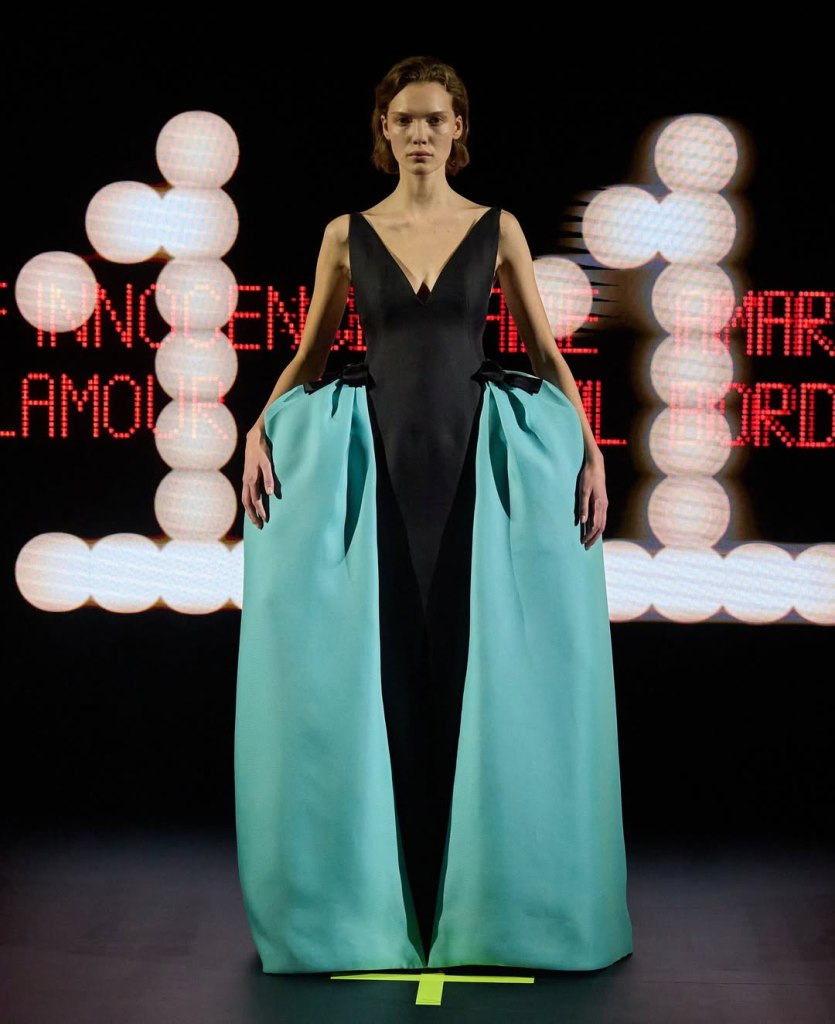
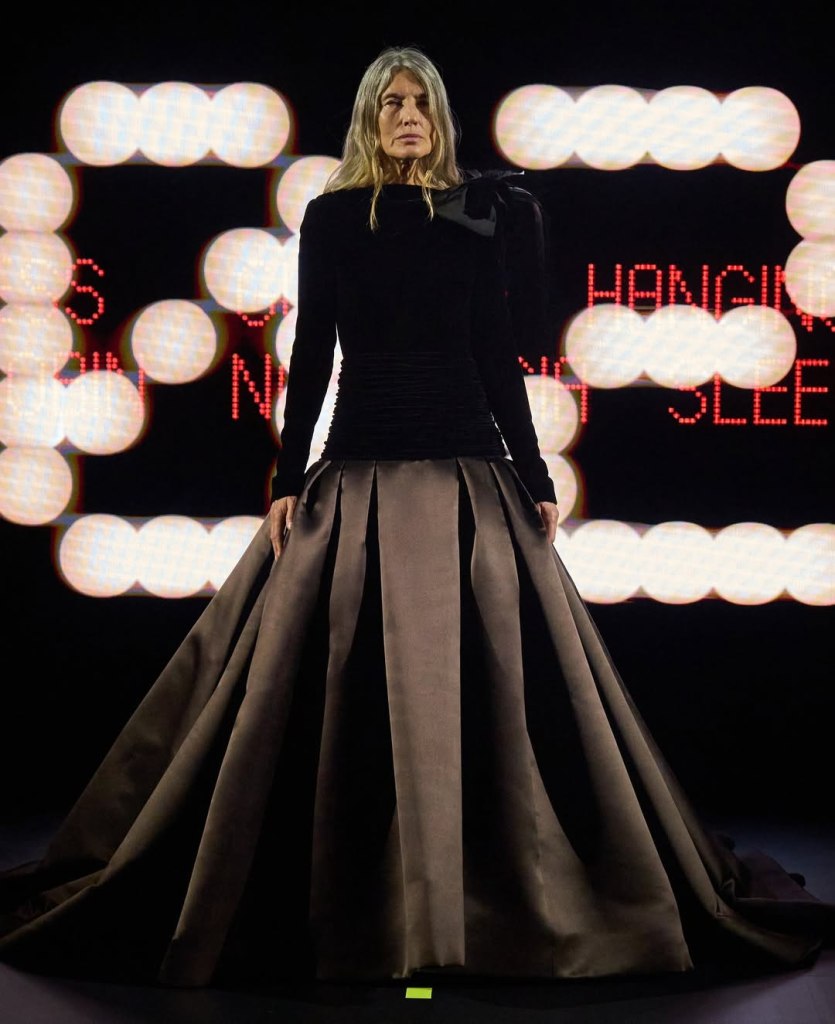
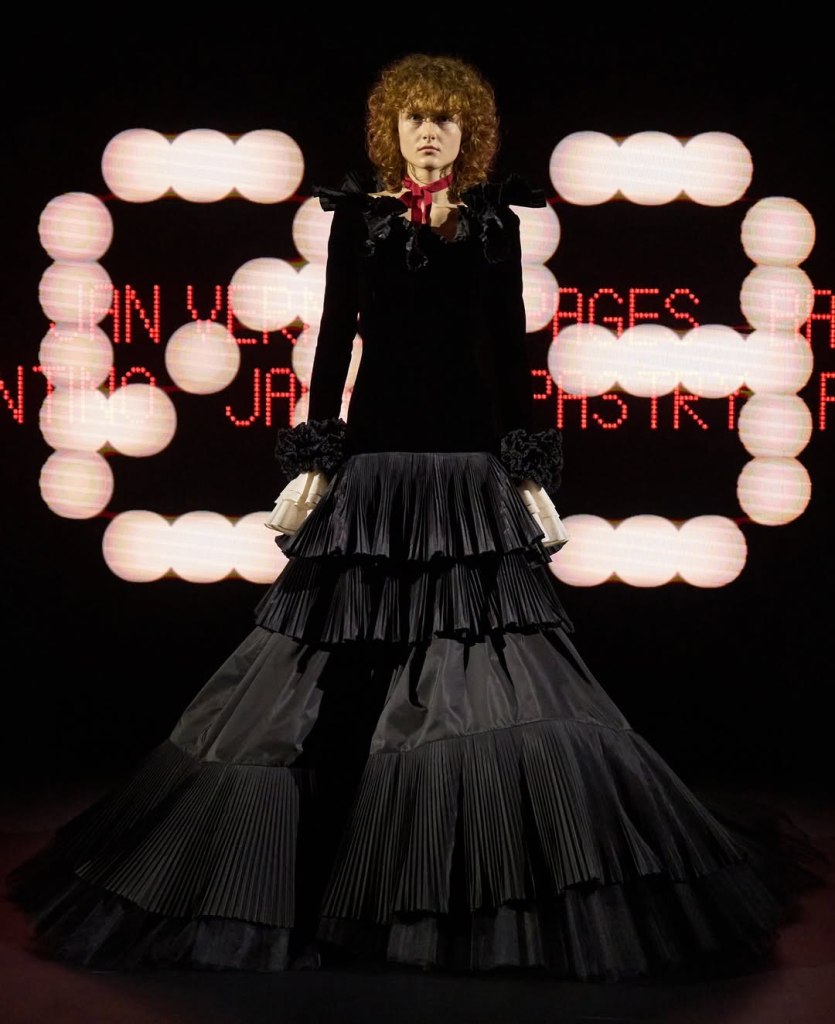
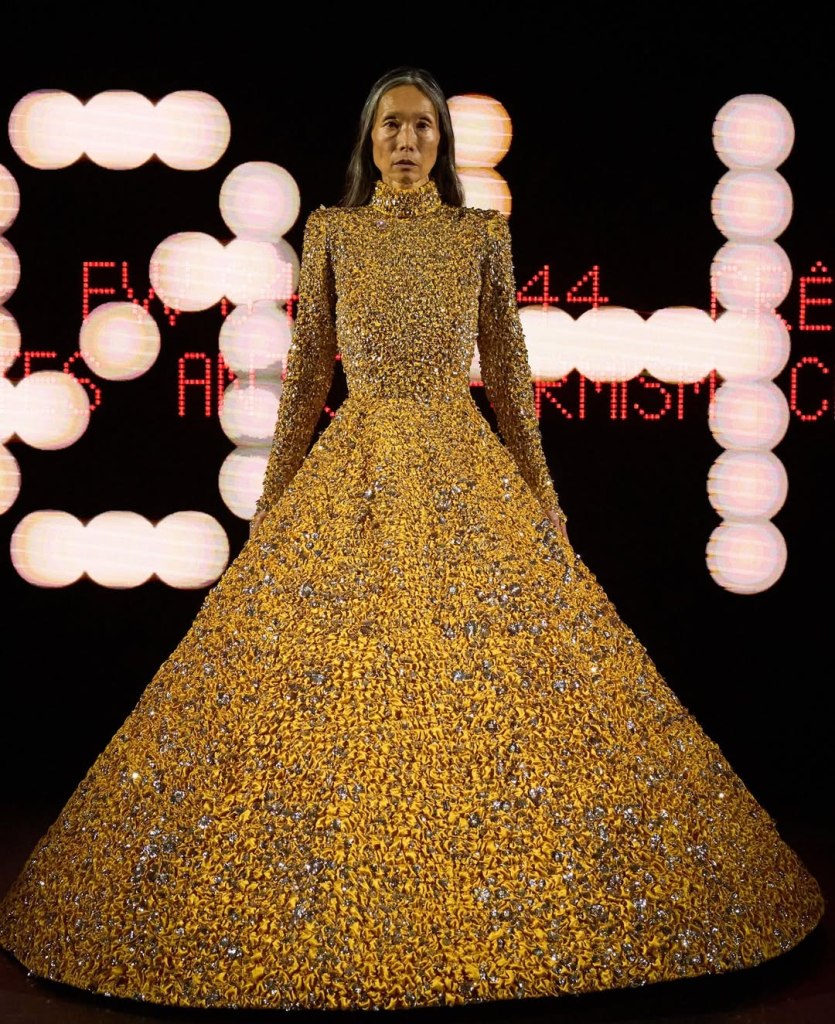
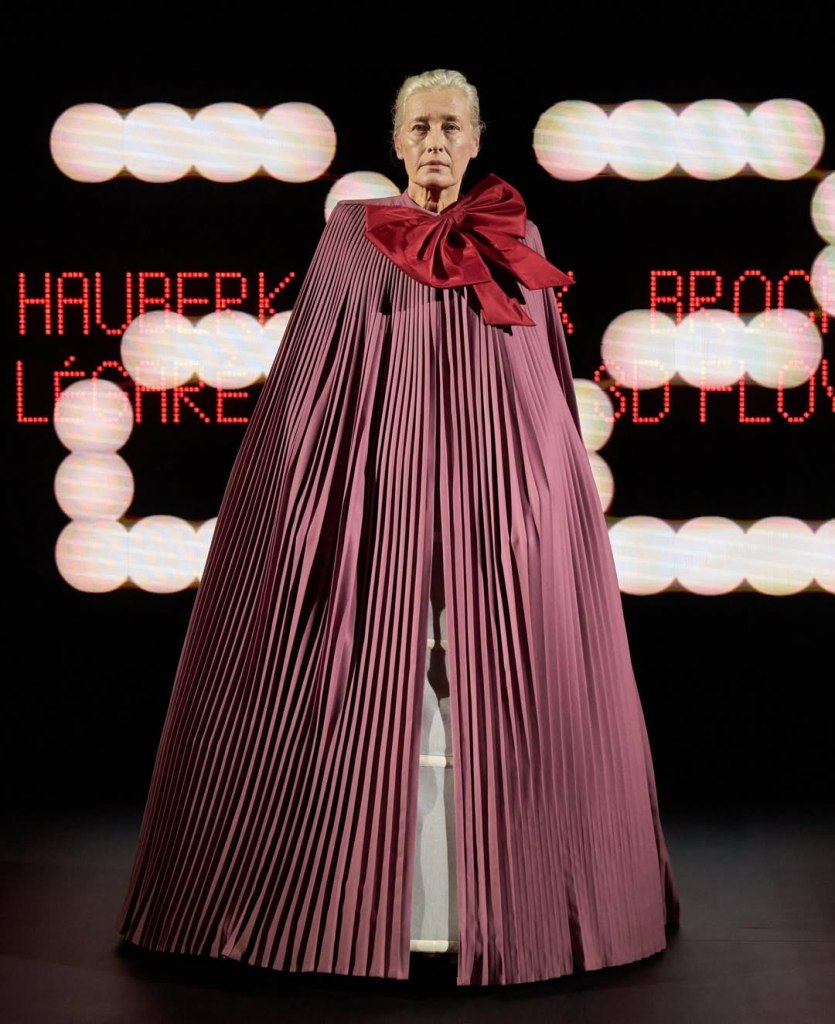
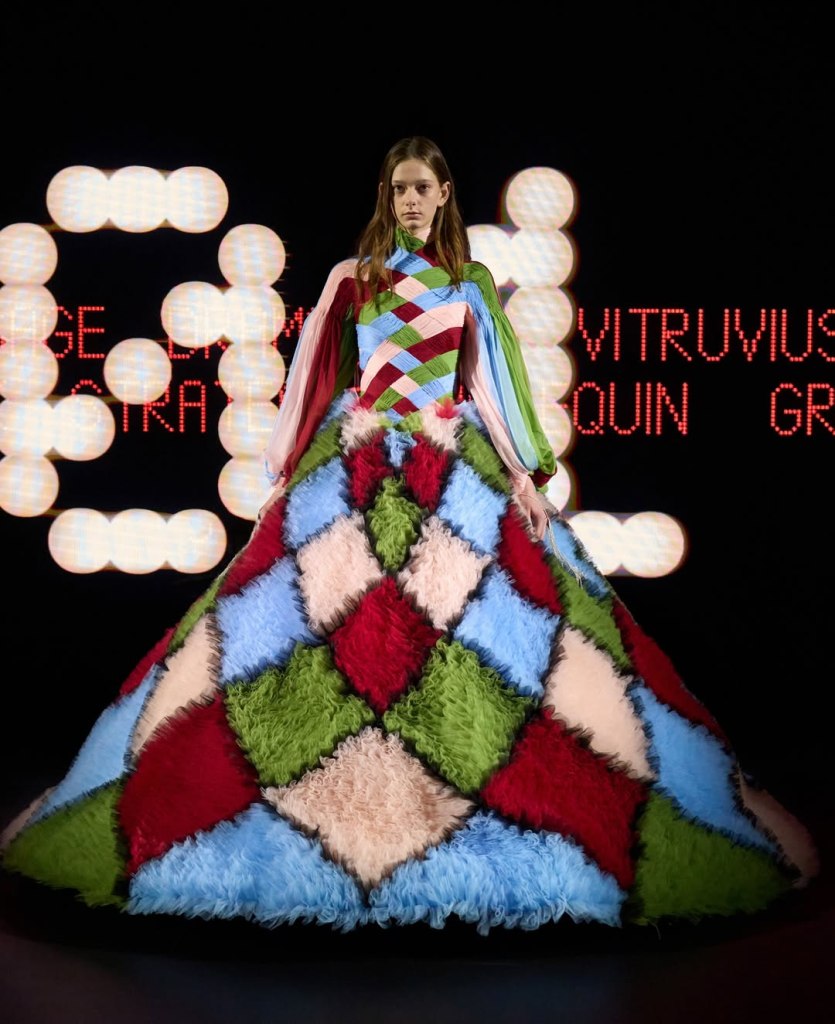
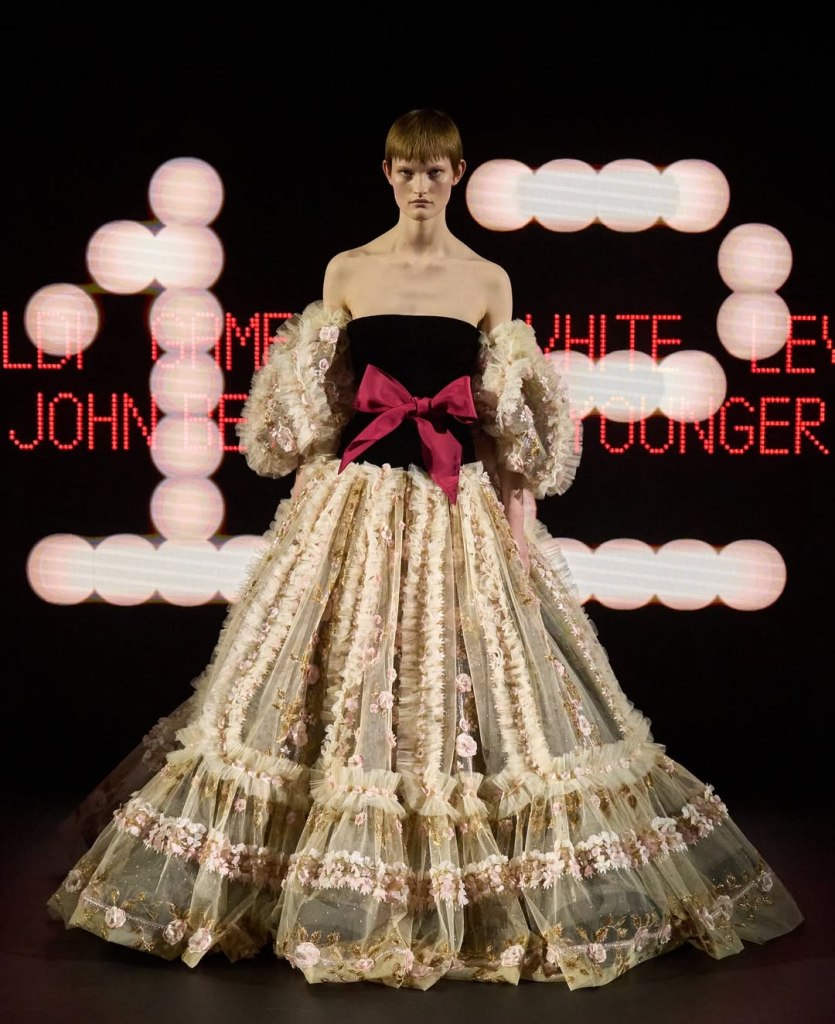
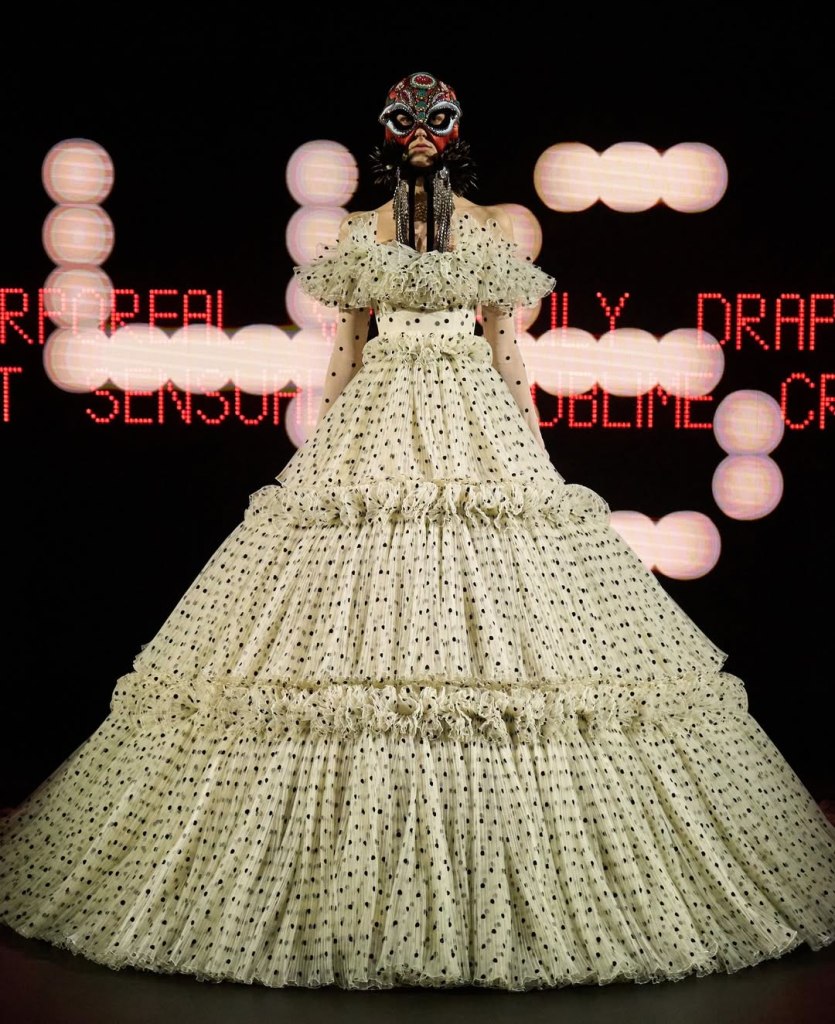
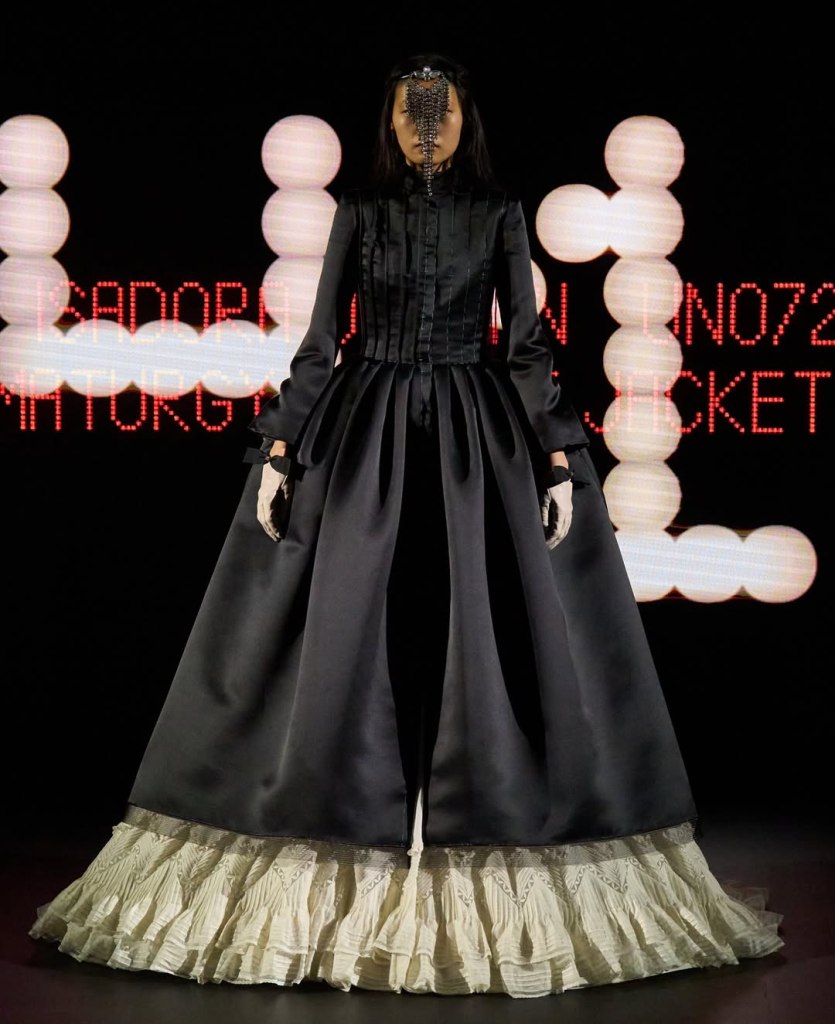
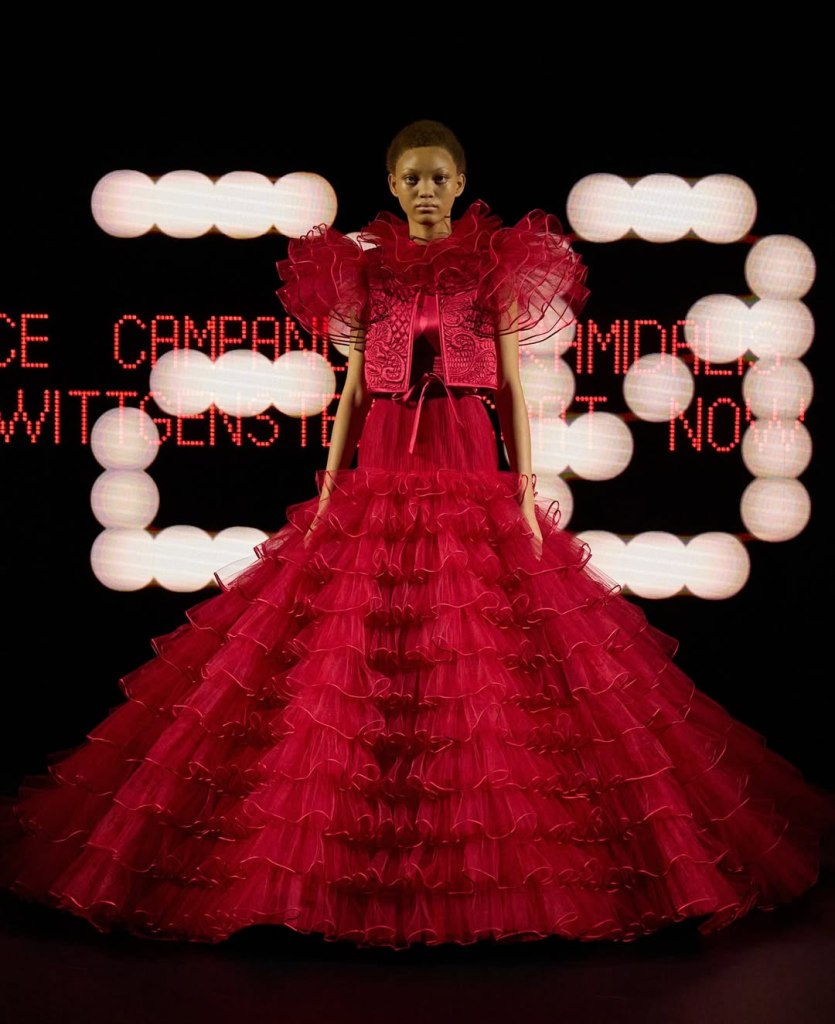
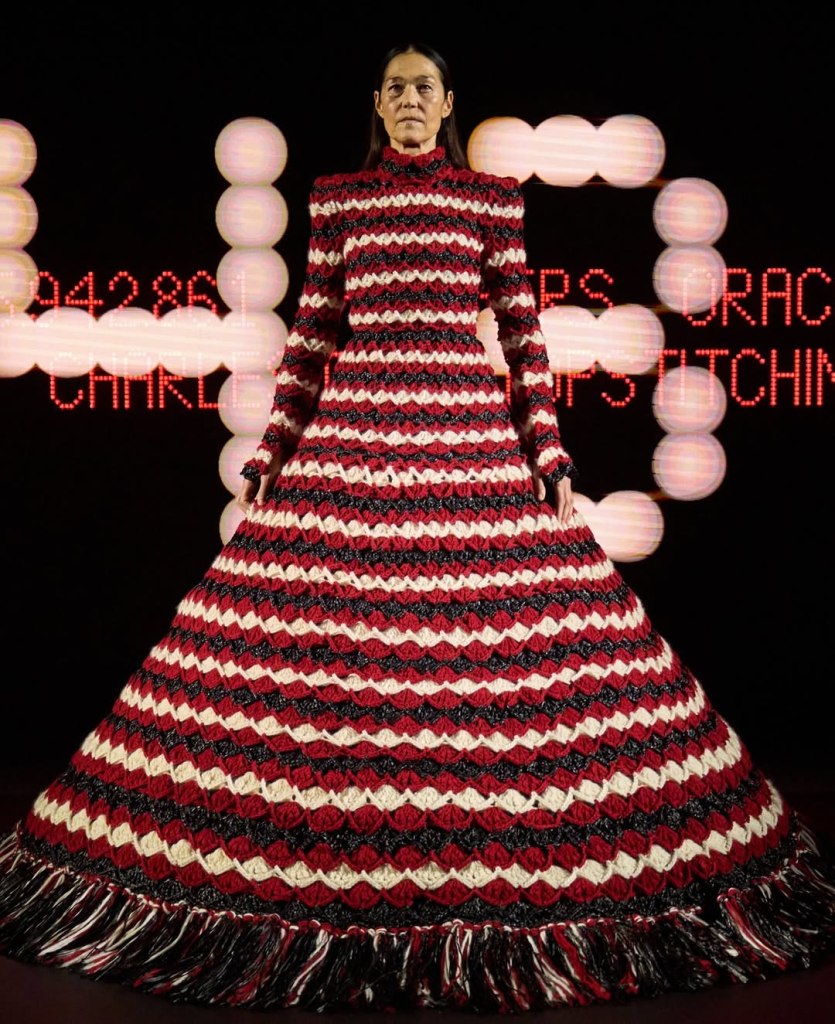
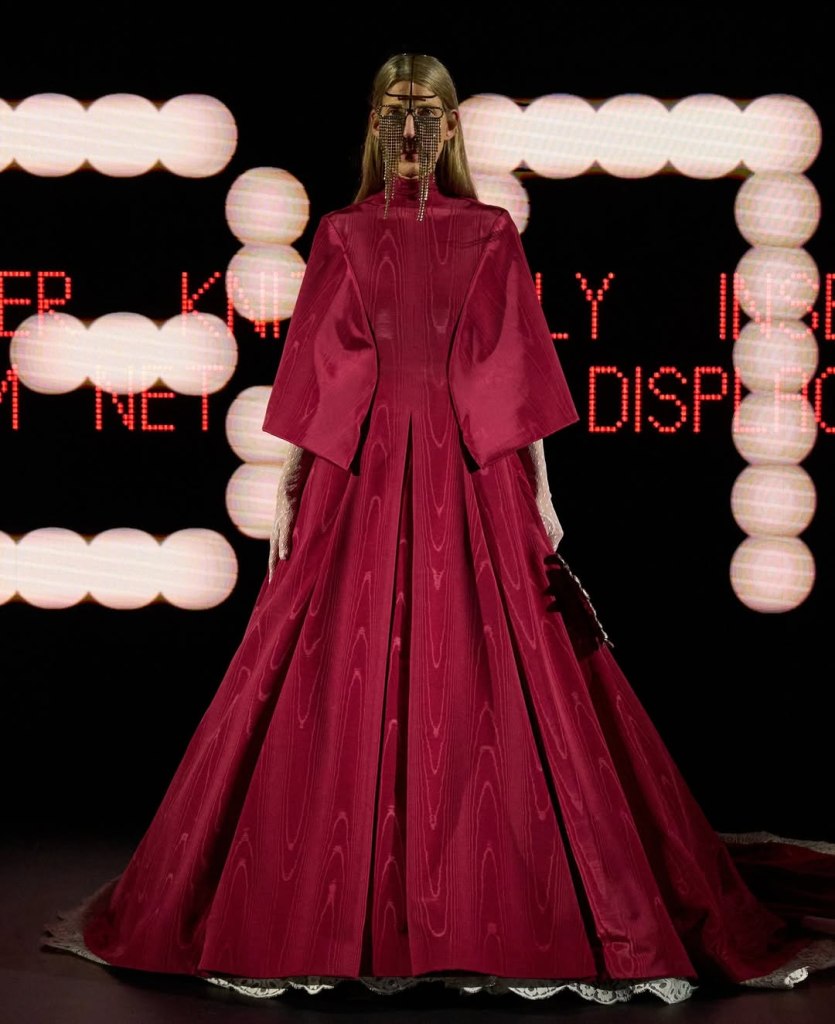
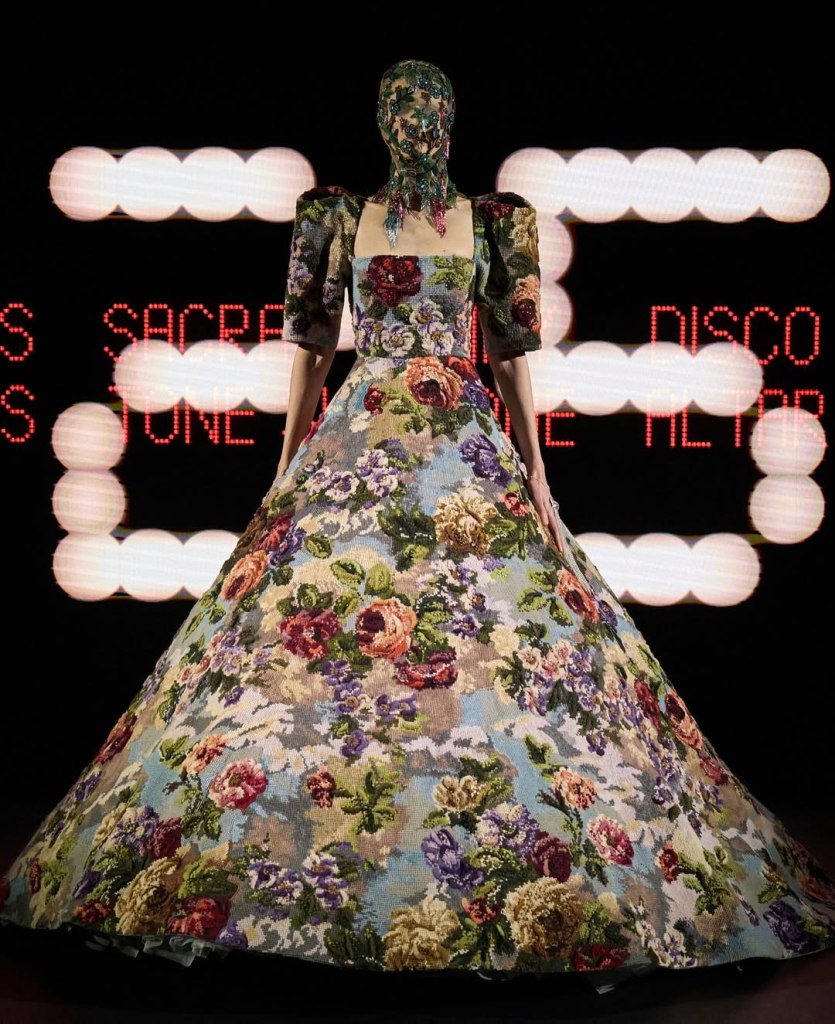
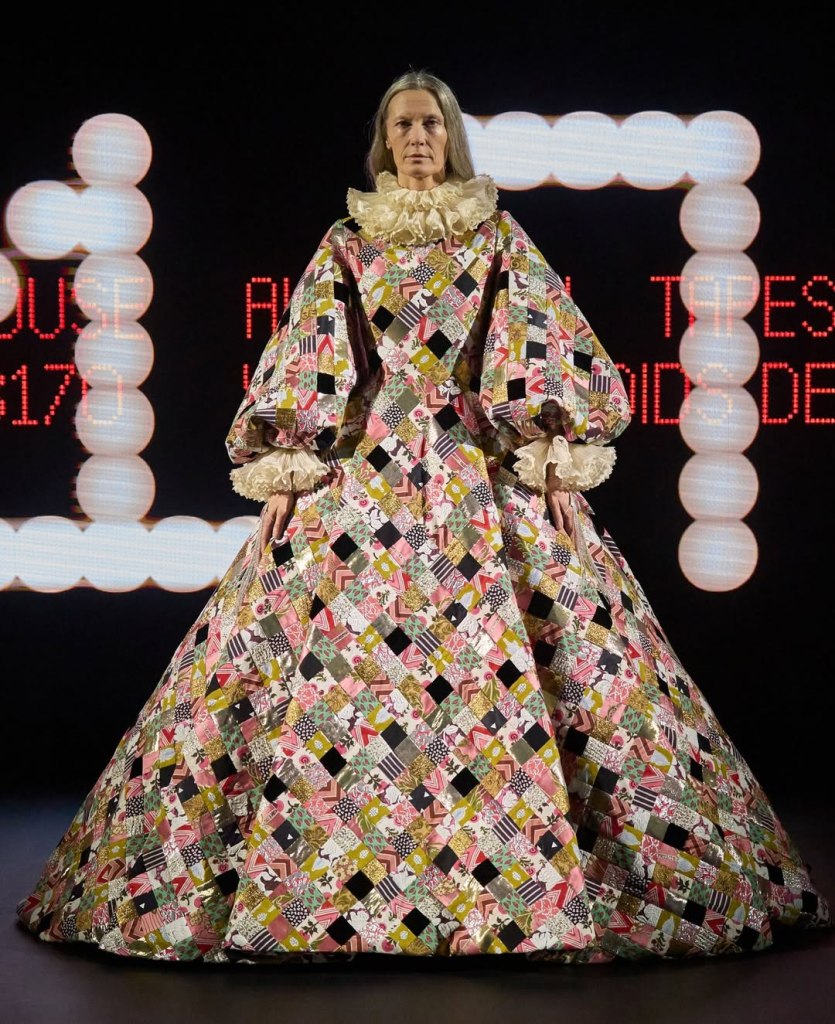
Valentino: Alessandro Michele’s haute couture debut for Valentino, “Vertigineux,” was a dizzying, intellectual meditation on fashion as history, narrative, and spectacle. Michele is known for his maximalist tendencies, and he did not hold back. The collection was an exploration of Valentino’s rich archives, historical silhouettes, and an obsessive attention to detail. Inspired by Umberto Eco’s philosophy on lists, Michele structured the show as an endless catalogue of references—Venetian carnivals, medieval nuns, 18th-century crinolines, and silent film stars all found a place within his tapestry of influences. Each look was accompanied by scrolling text that detailed its inspirations, a fitting touch for a designer who thrives on narrative.
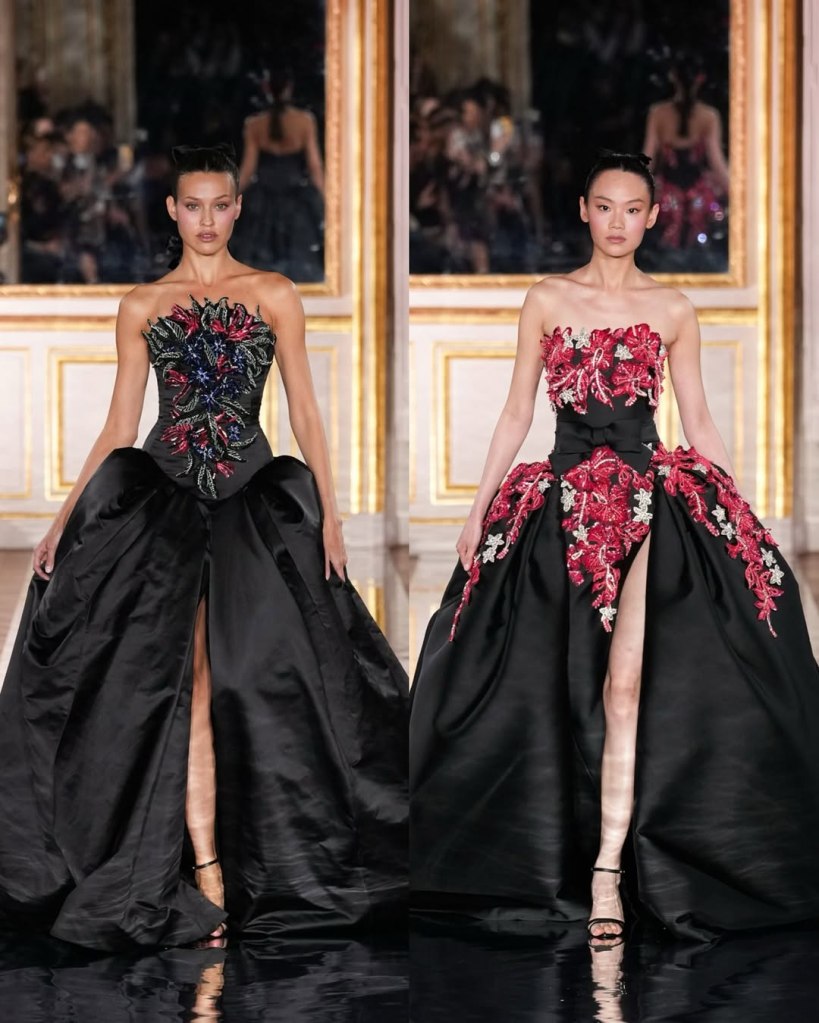
The collection featured armor-like sequined gowns, baroque opera coats, dramatically voluminous crinolines, and exquisitely tailored mourning dresses. The Valentino red—a house signature—was reinterpreted in dramatic forms, including a voluminous scarlet crinoline and a Pope-inspired moiré robe. Lace, ruffles, and intricate beading adorned everything, Michele’s ability to blend different historical periods into something both cohesive and dreamlike was on full display. One moment, we were in 18th-century Versailles; the next, in 1930s Hollywood.
Towards the end,mthe models stormed the stage in a whirlwind, their crinolines billowing under strobe lights. It was as if Michele wanted to break free from the rigid confines of tradition, injecting it with a sense of urgency. And that is precisely what made this debut so powerful. Today when couture can feel like a relic of the past, Michele injected it with new life, proving that it can still be a space for boundless experimentation blended with heritage and, above all, emotion. Vertigineux was a love letter to Valentino’s past, but more importantly, proving that, in the right hands, fashion can leave us breathless.
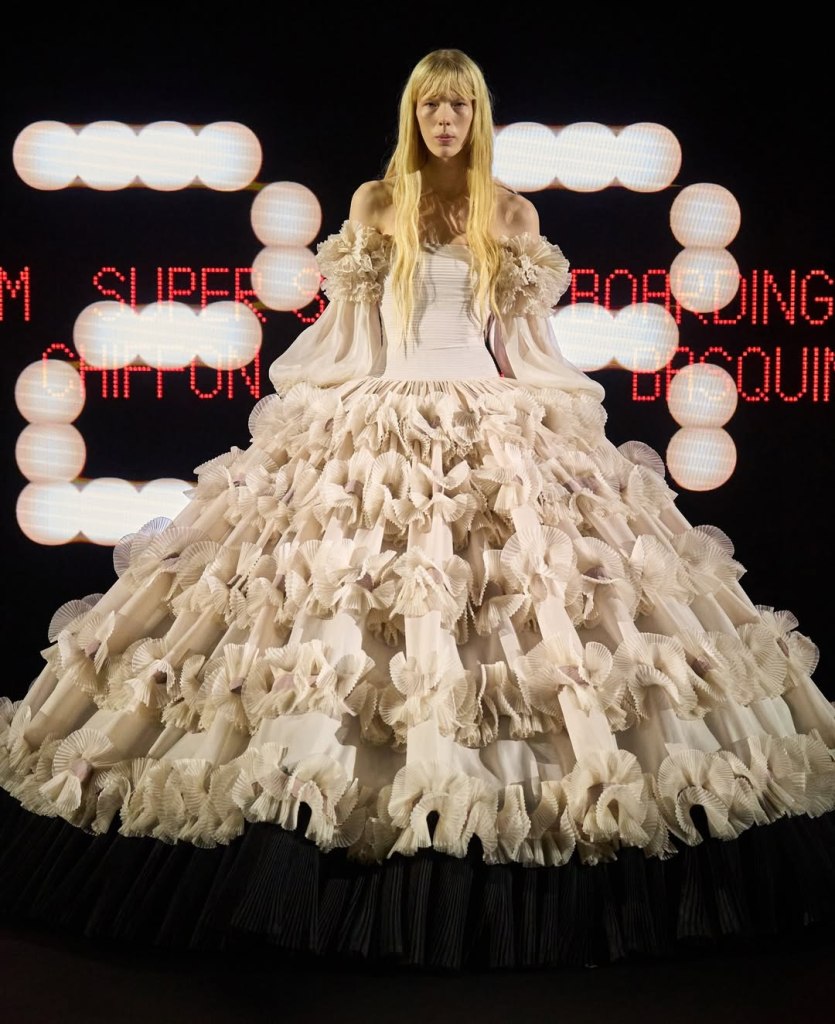
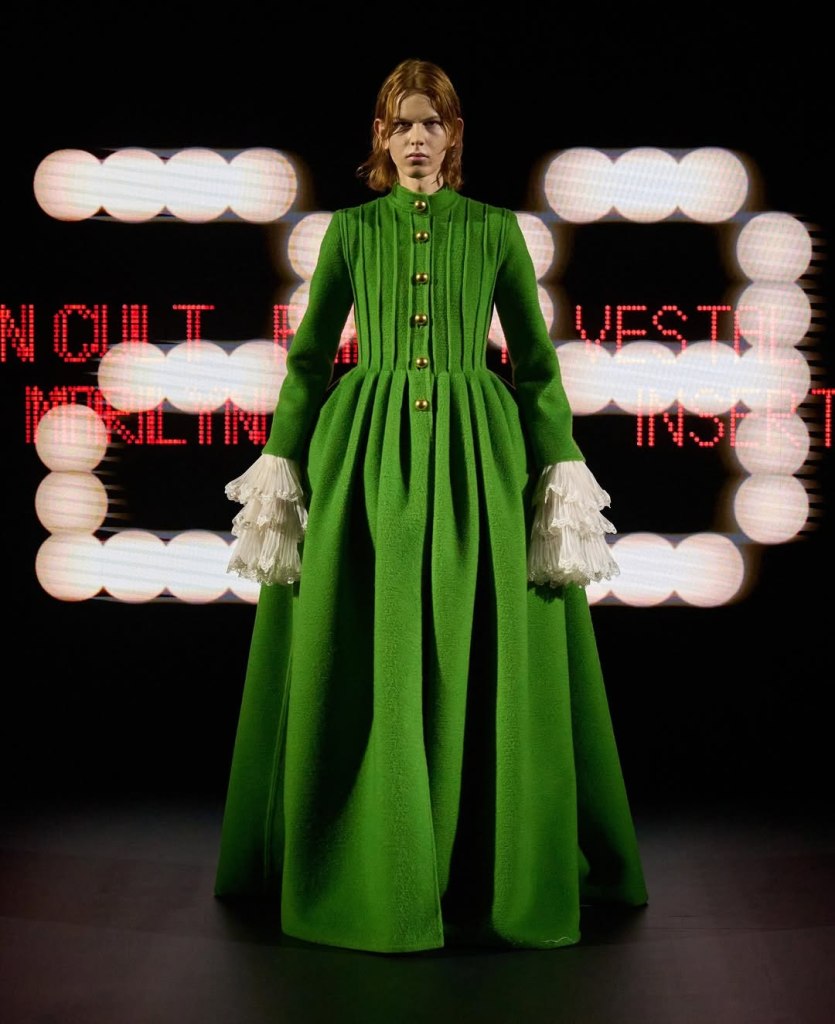
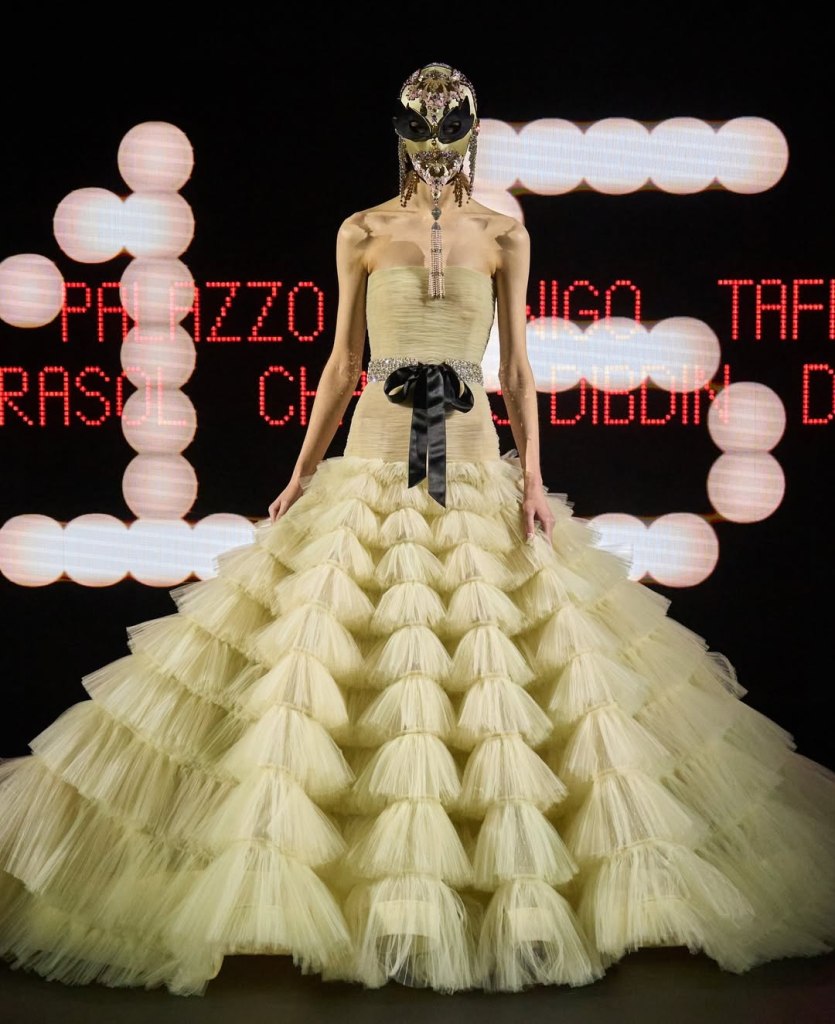



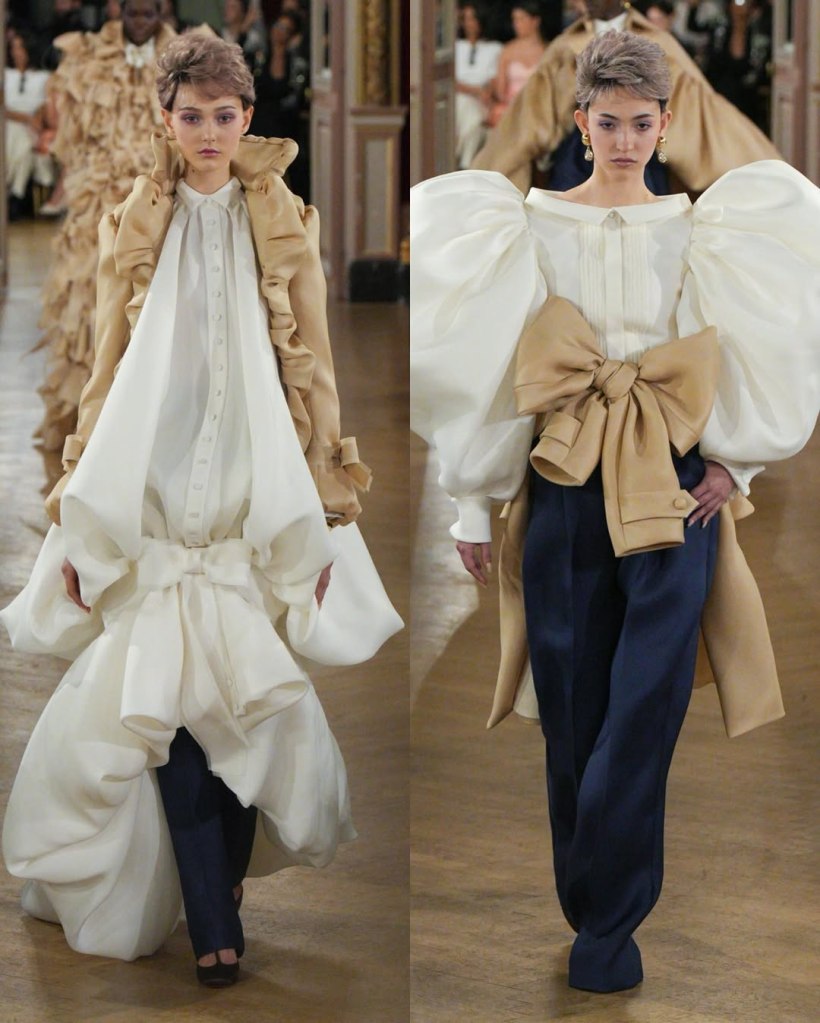
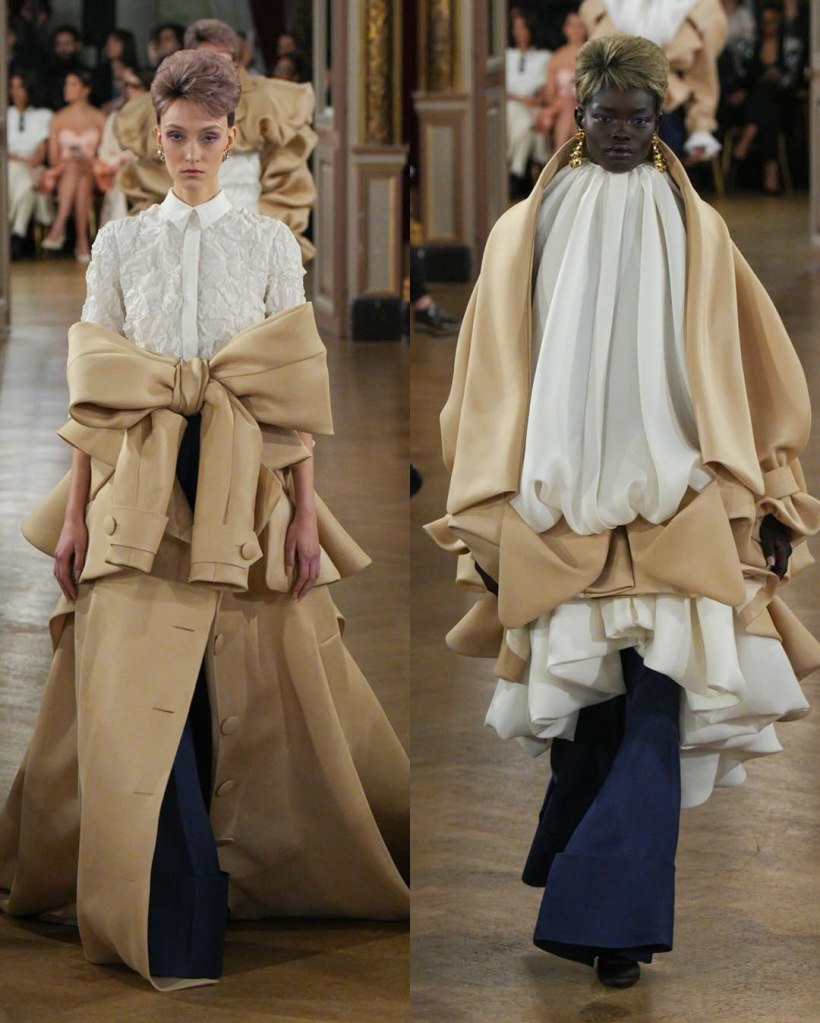
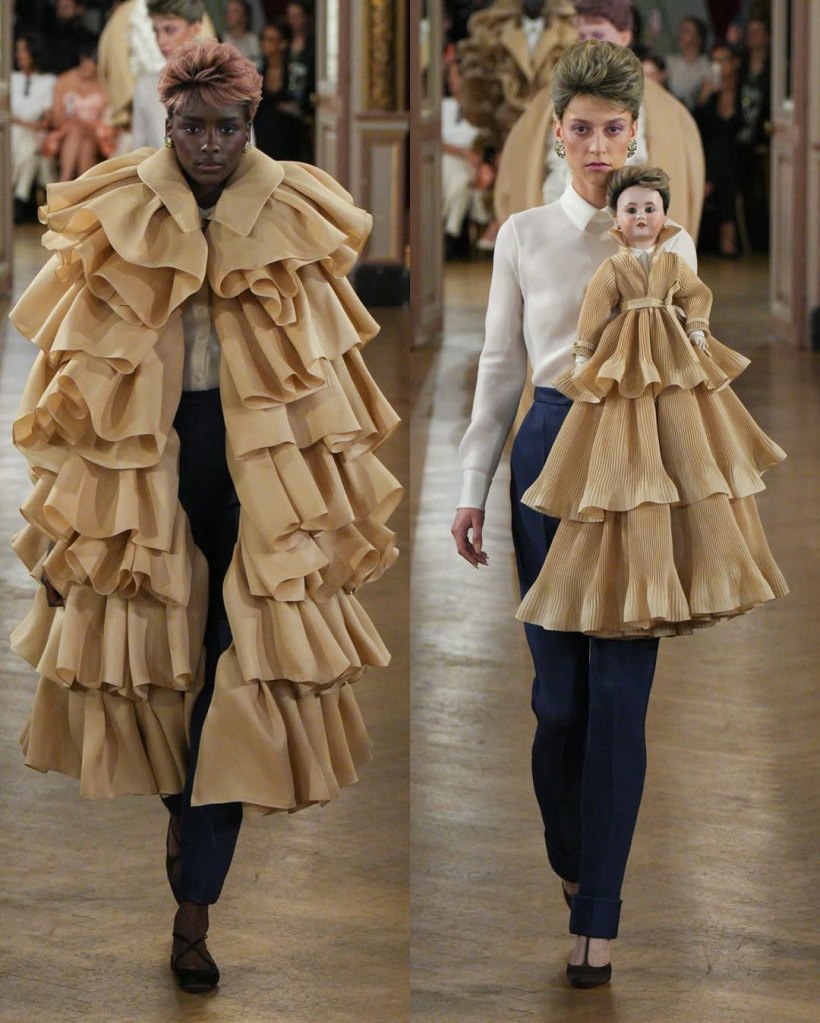
Viktor & Rolf: At first glance, the collection seemed simple: a beige trench coat, a white shirt, and navy trousers. But Viktor & Rolf transformed these everyday staples into something extraordinary. Known for their witty and theatrical approach to fashion, the Dutch duo took a minimalist daywear concept and pushed it to extravagant heights— they described their approach as “a human interpretation of the endless possibilities of AI,” highlighting the tension between machine precision and human ingenuity.
Some pieces were sleek and tailored, emphasizing sharp lines and crisp silhouettes, while others exploded with volume, featuring exaggerated ruffles, oversized collars, and grand, sculptural shapes. One standout look included a trench coat with raw edges curling naturally, adding an organic, unfinished quality to the otherwise polished presentation. A life-sized recreation of a Victorian doll dress added an unexpected theatrical twist, while other designs played with layering and structured draping. The concept? AI’s ability to endlessly remix and reinterpret a single idea—except, as the designers put it, “we are our own AI.”
And the garments, the details were just as meticulous. Each model wore custom Christian Louboutin satin shoes, and vintage jewelry sourced from Amsterdam added an extra touch of old-world glamour.
A collection that cleverly balanced nostalgia with modernity, proving that while AI might be the future, true couture remains an entirely human art form.




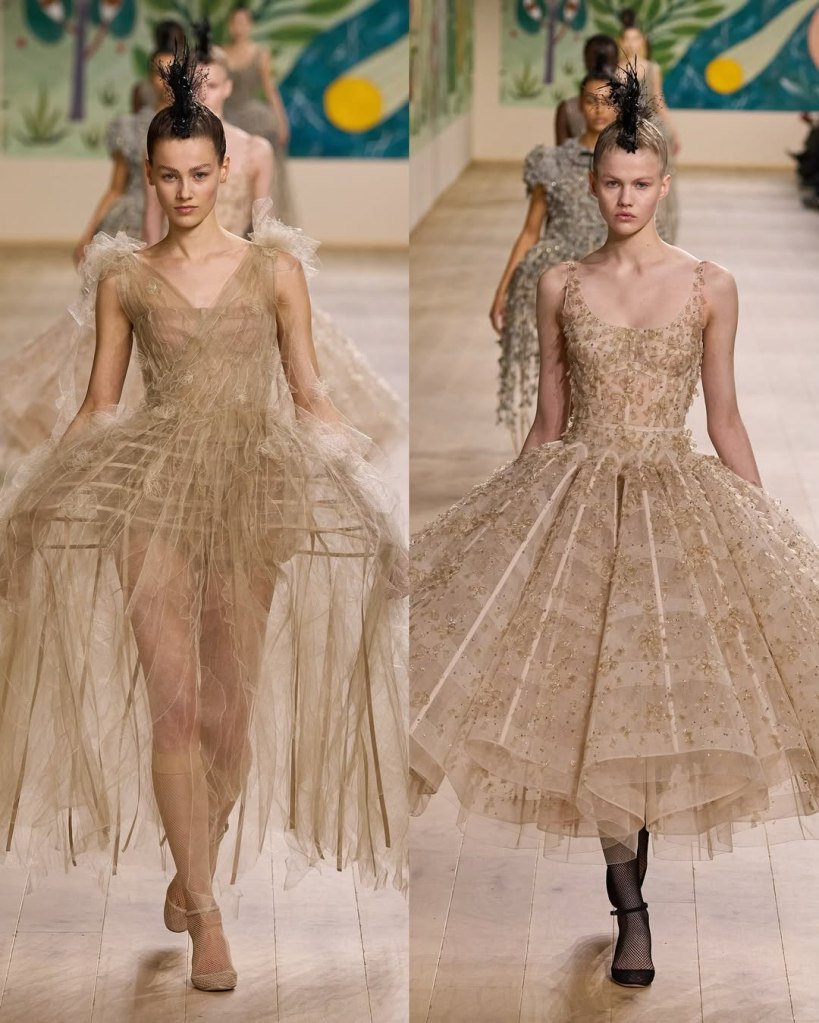
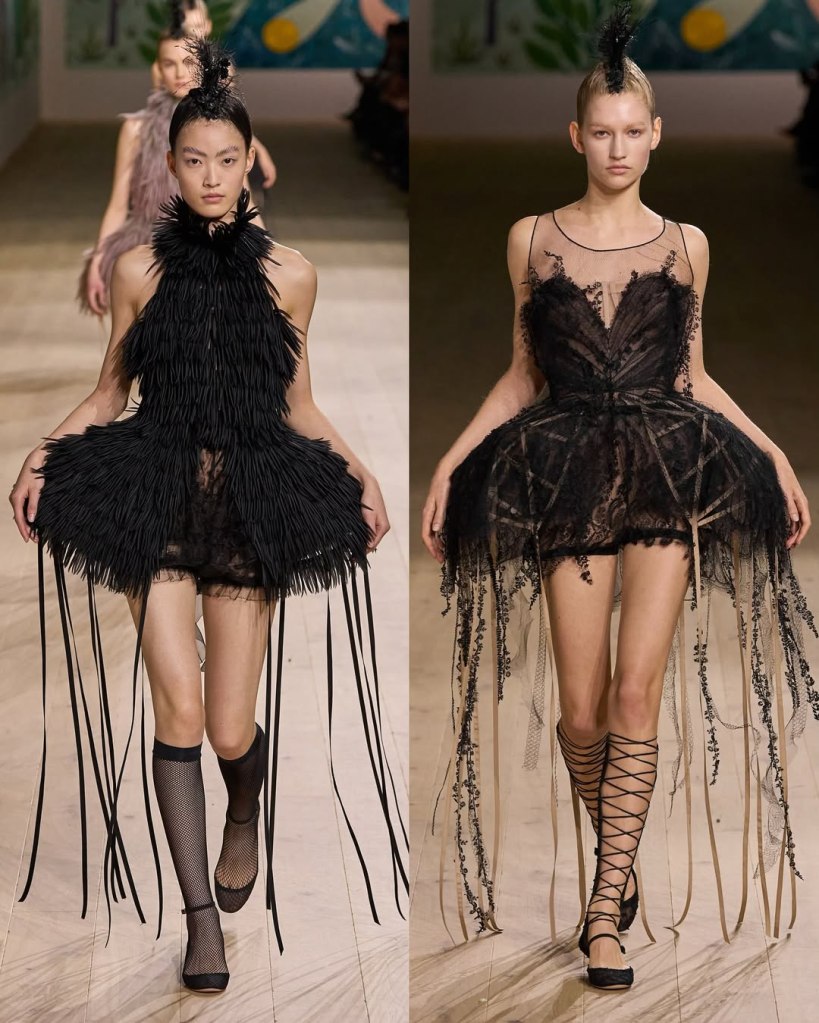
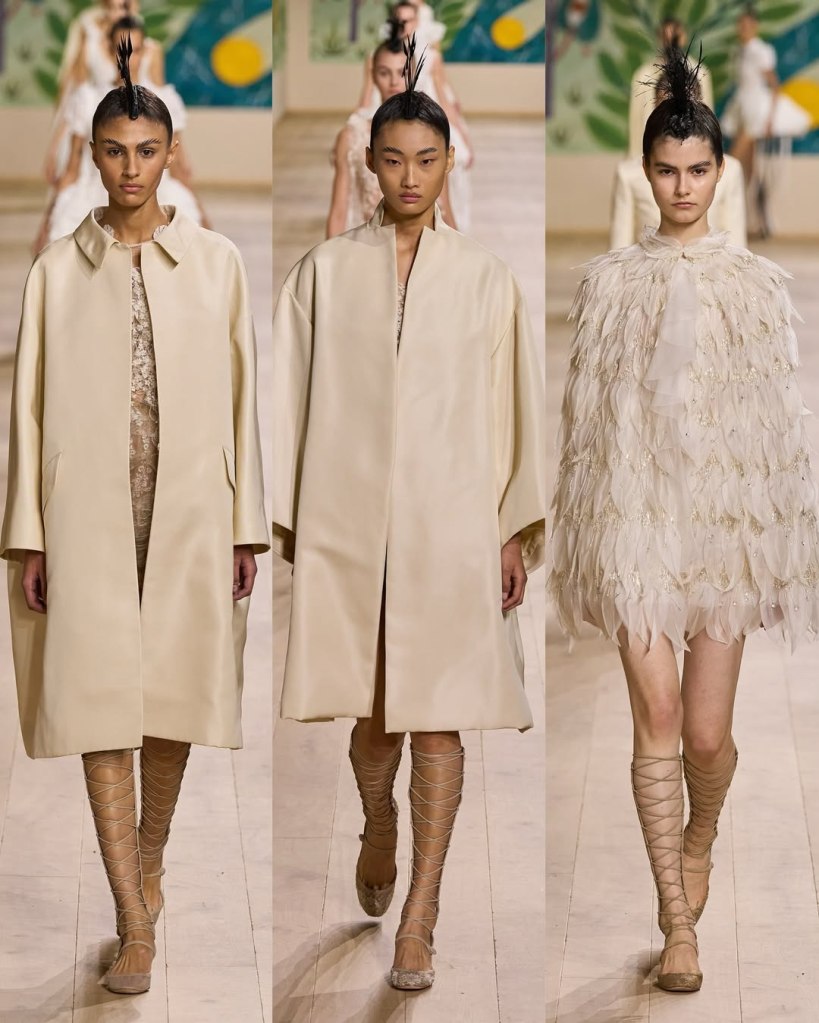
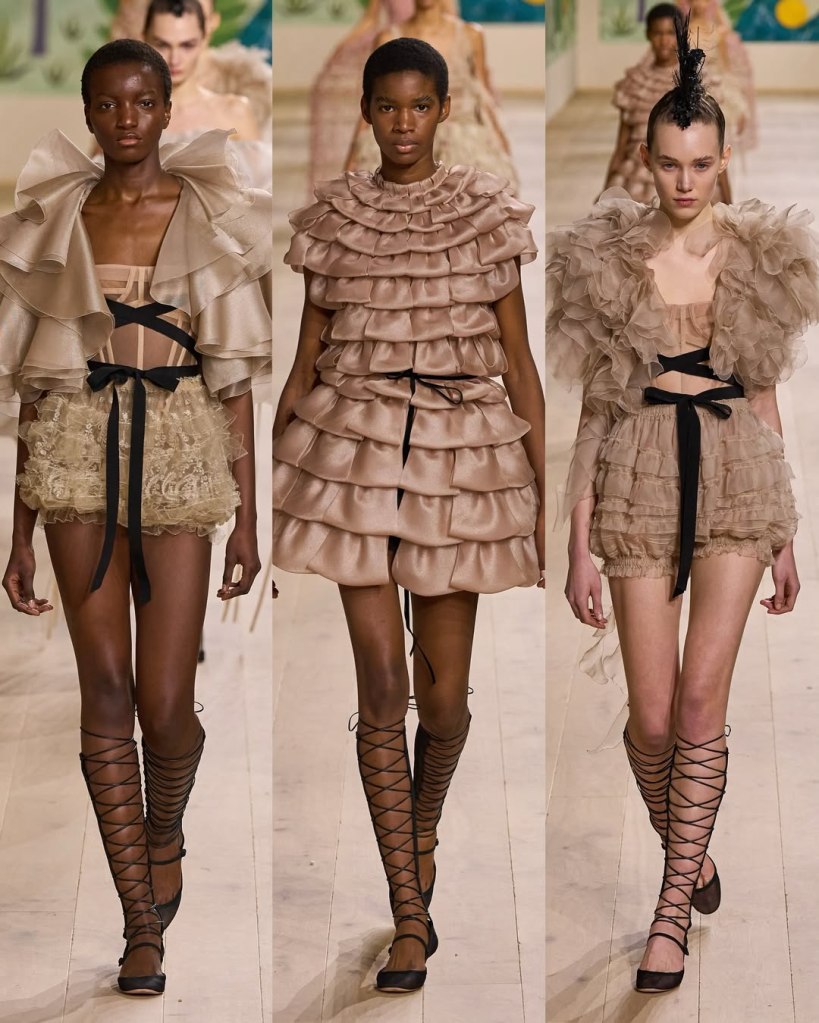
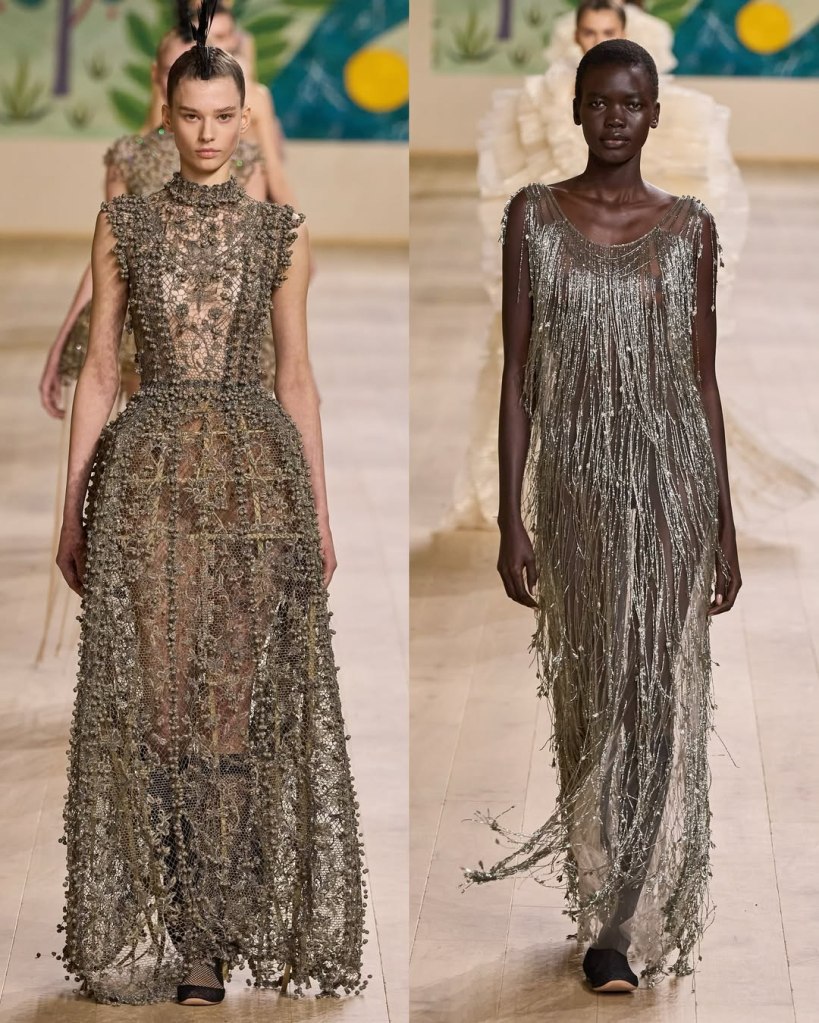
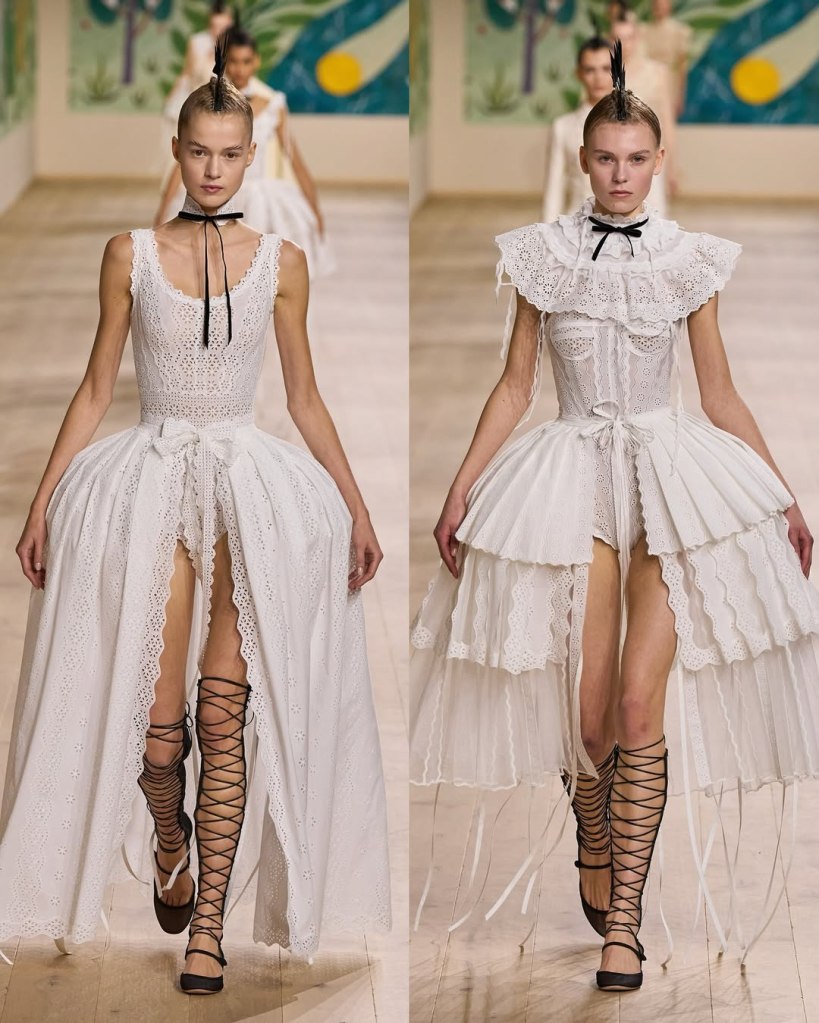
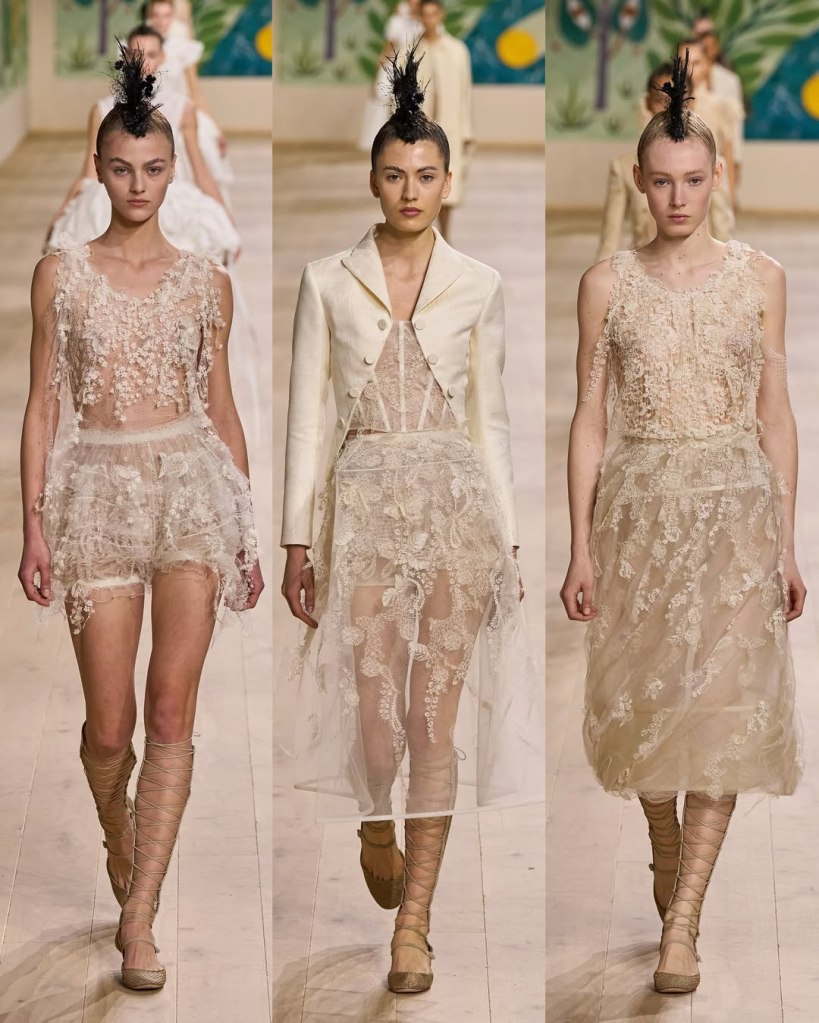
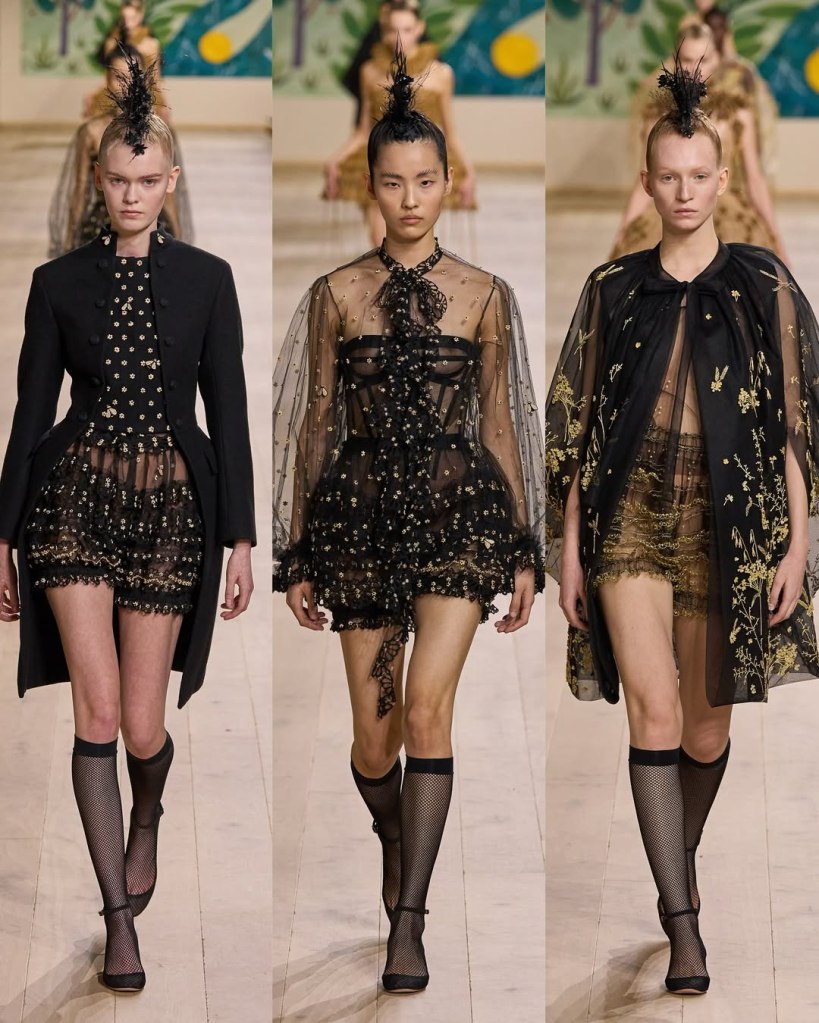
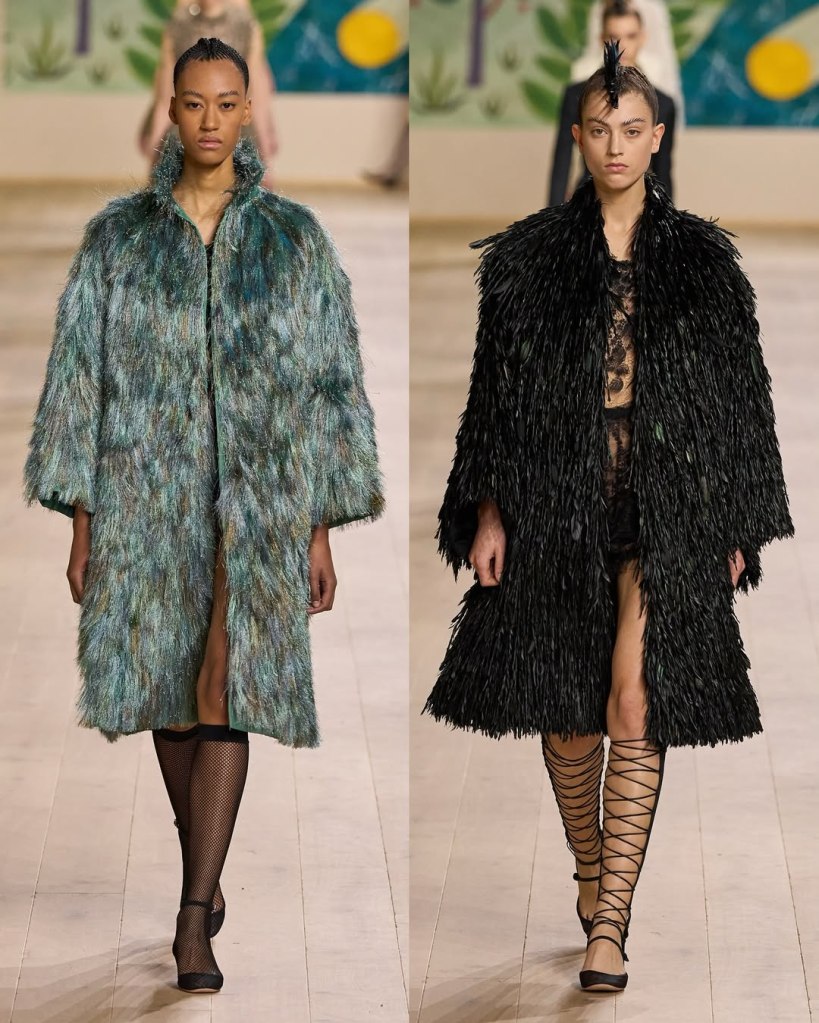
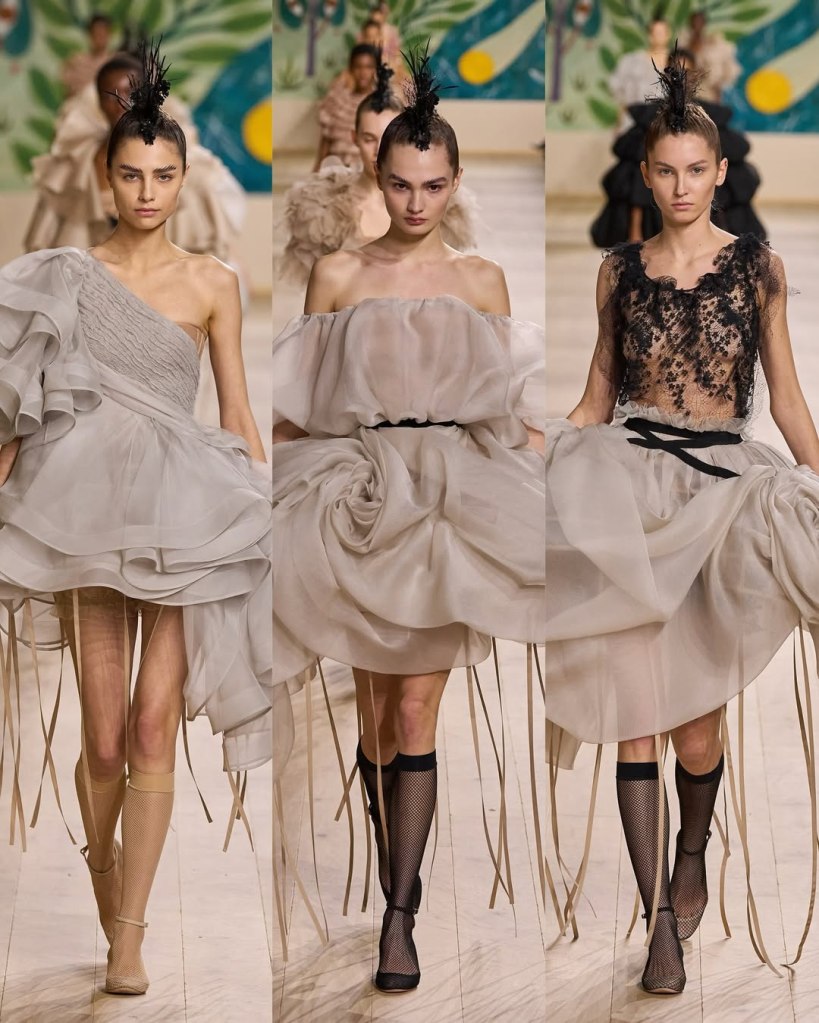
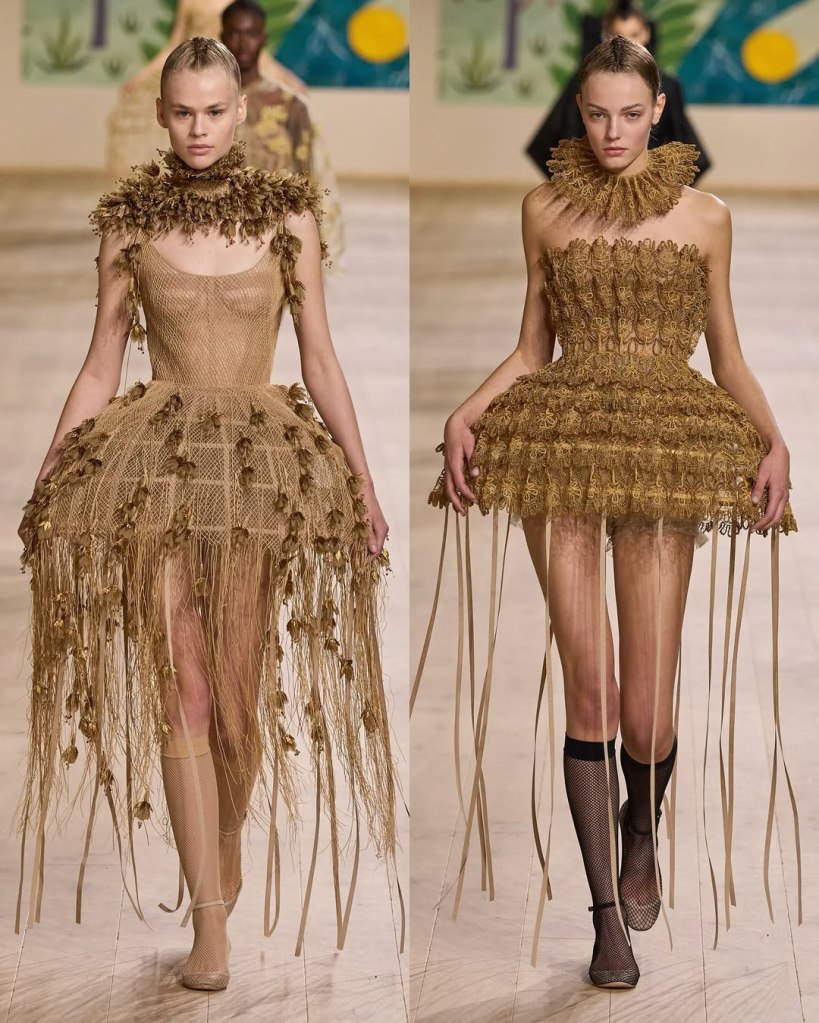
Christian Dior: Drawing inspiration from the creativity of past centuries, Chiuri aimed to “disrupt the order of time,” crafting a collection that blurred the lines between history and heritage.
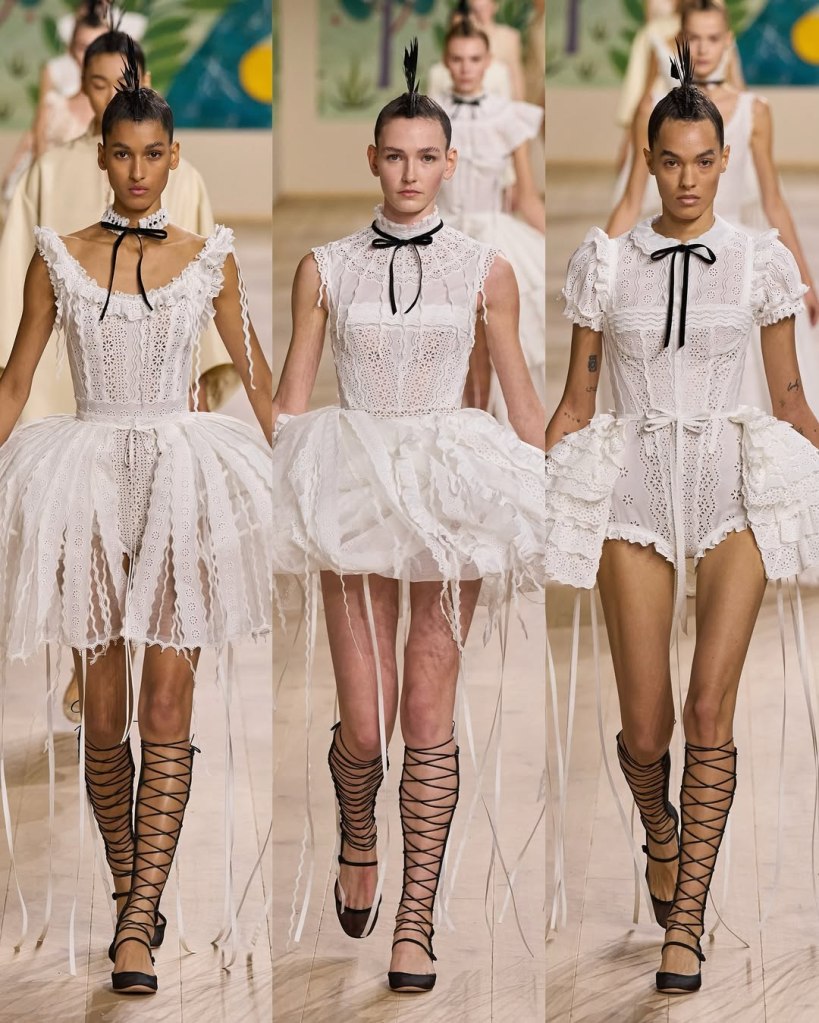
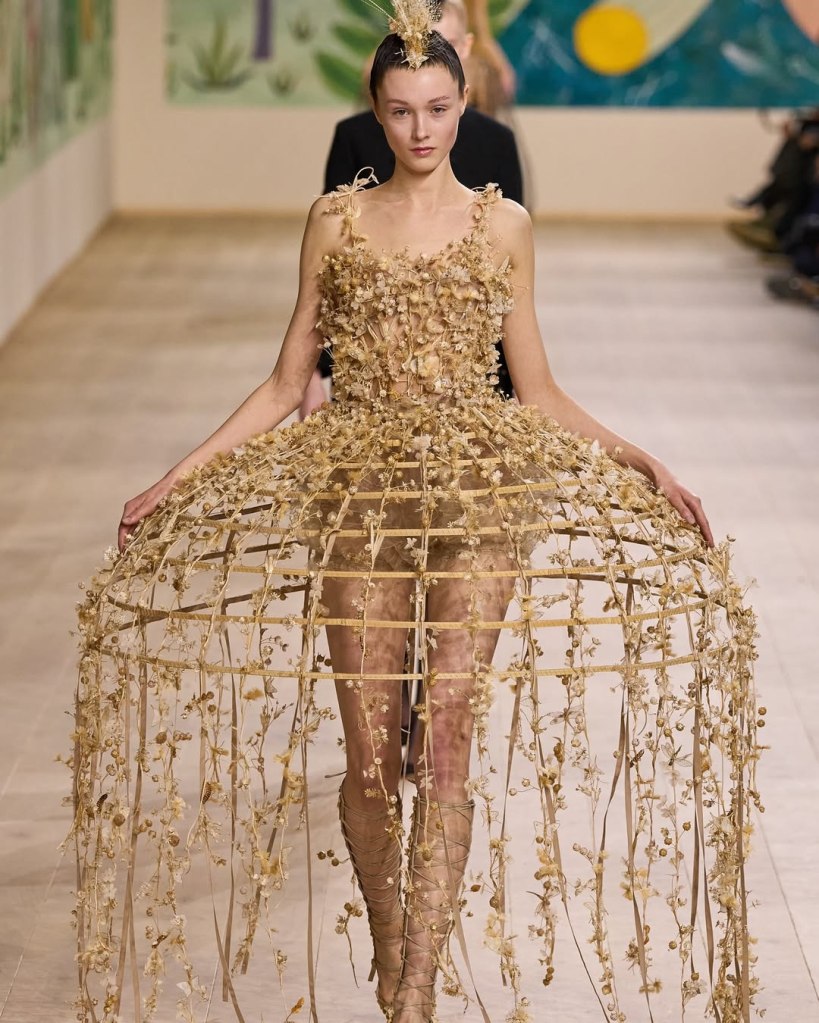
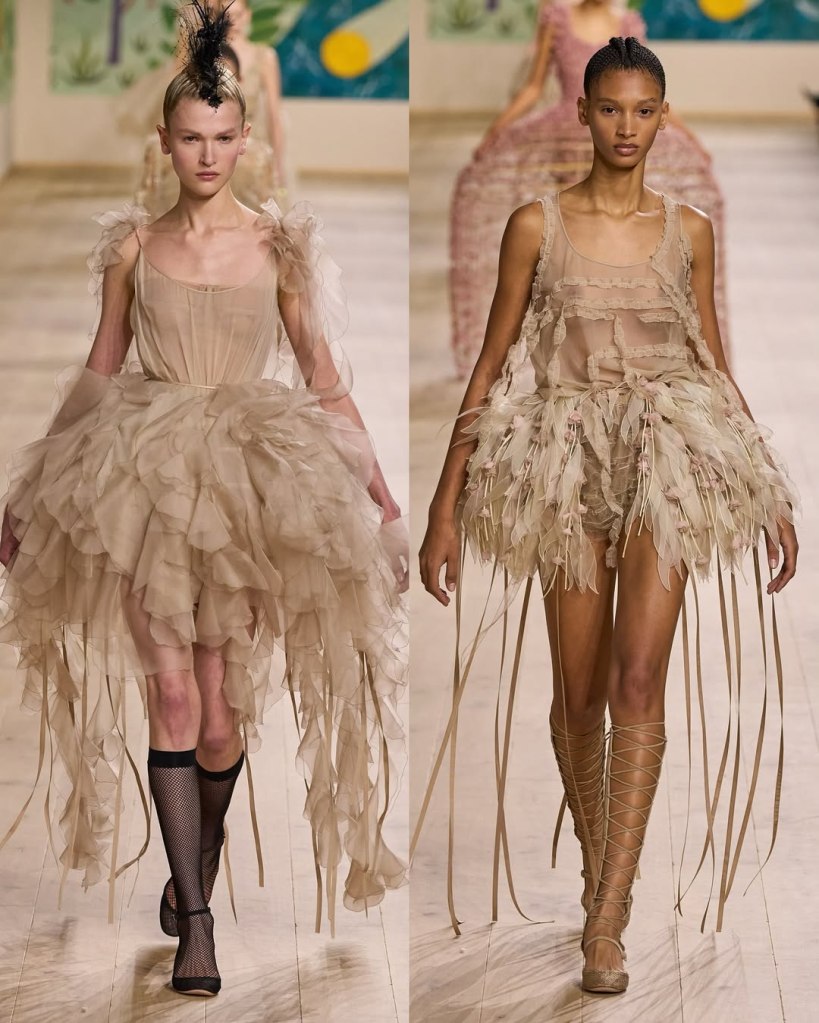
The garments paid homage to Dior’s rich history while embracing a playful, contemporary twist. Chiuri reimagined iconic silhouettes like the 1952 “La Cigale” and Yves Saint Laurent’s 1958 Trapèze line, morphing them into airy, youthful designs. Short crinolines, trapeze coats, and skirts trimmed with delicate lace were paired with sheer bodices, visible bustiers, and bloomers, creating a mix of structure and lightness.
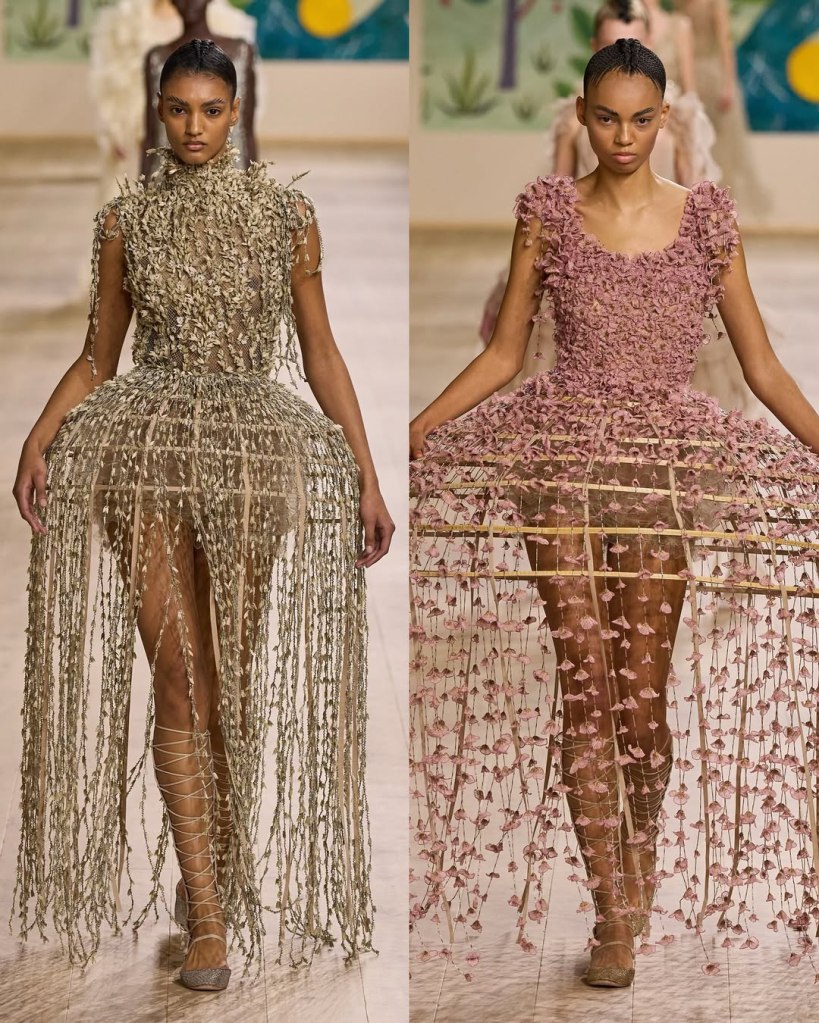
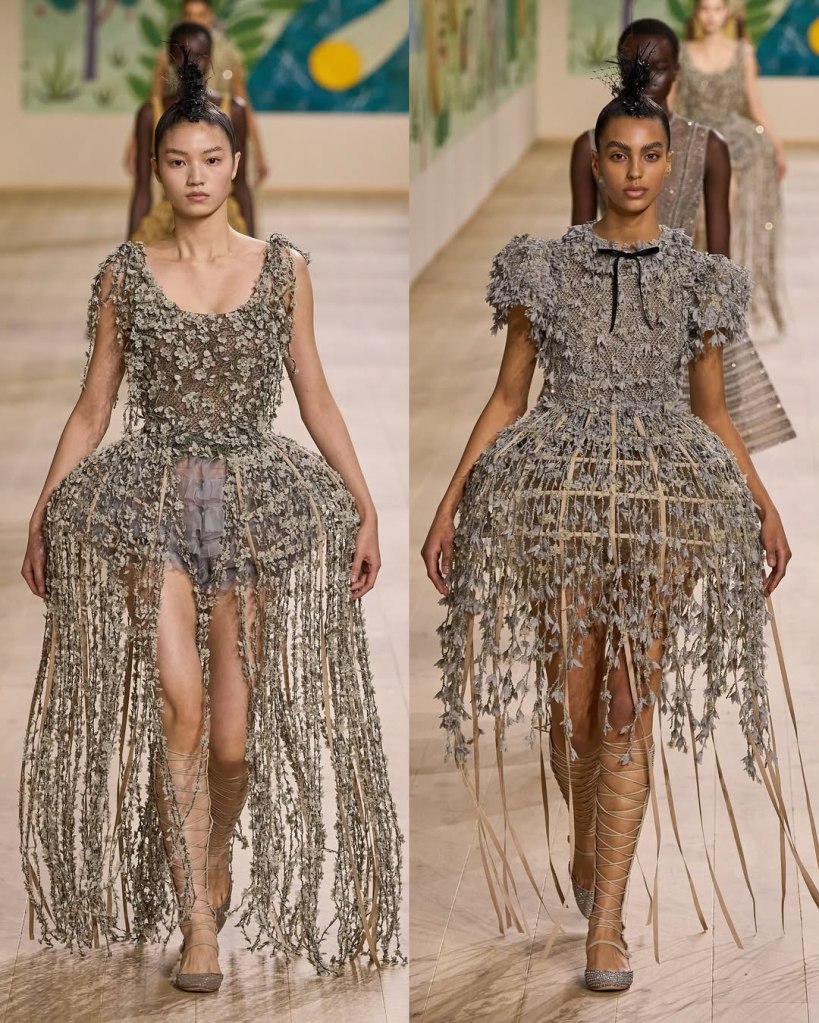
Textures played a starring role, with tulles, organza, and raffia adding depth and movement to the pieces. Floral embroidery, sequins, and ribbon accents elevated the collection, imbuing it with a rustic charm. Chiuri’s knack for layering historical references with edgy details was evident in the juxtaposition of feminine silhouettes with punk-inspired styling, such as the mohawk headpieces adorned with feathers.
The collection’s standout features were the intricate bamboo crinolines and lace-edged gowns that combined couture craftsmanship with theatrics.
The show notes described the collection as existing “between childhood and adulthood,” and this theme was evident in the playful creations. For a change, It wasn’t just couture for the sake of it.
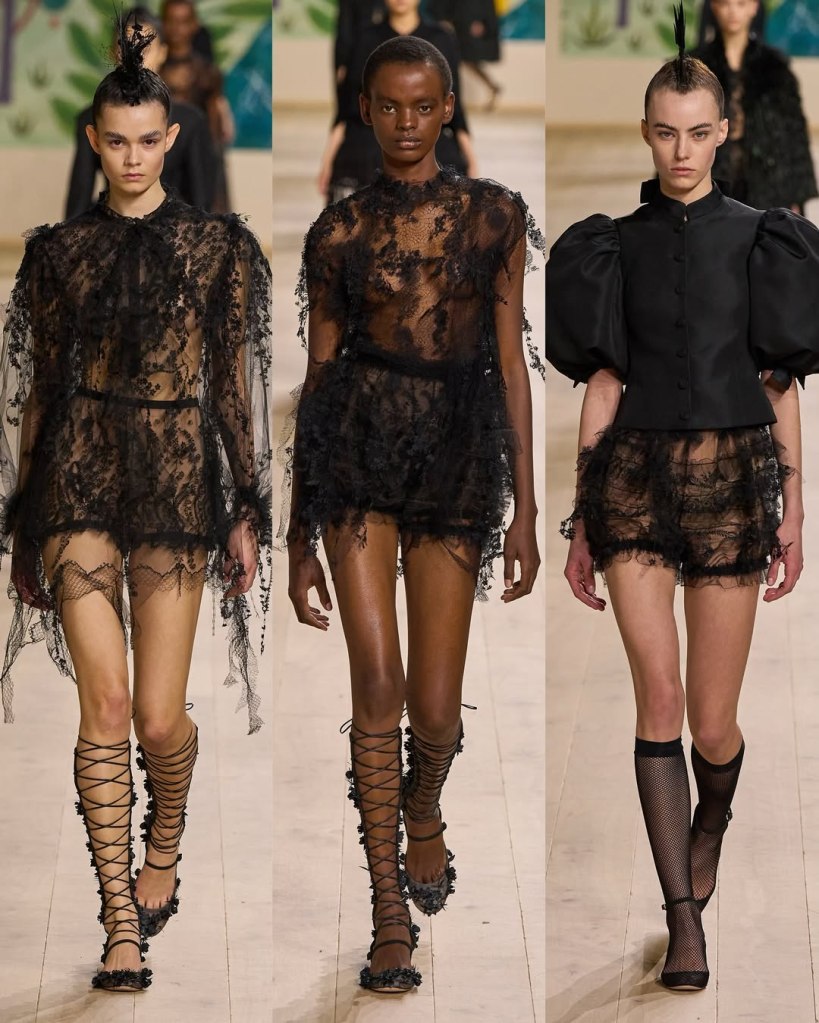
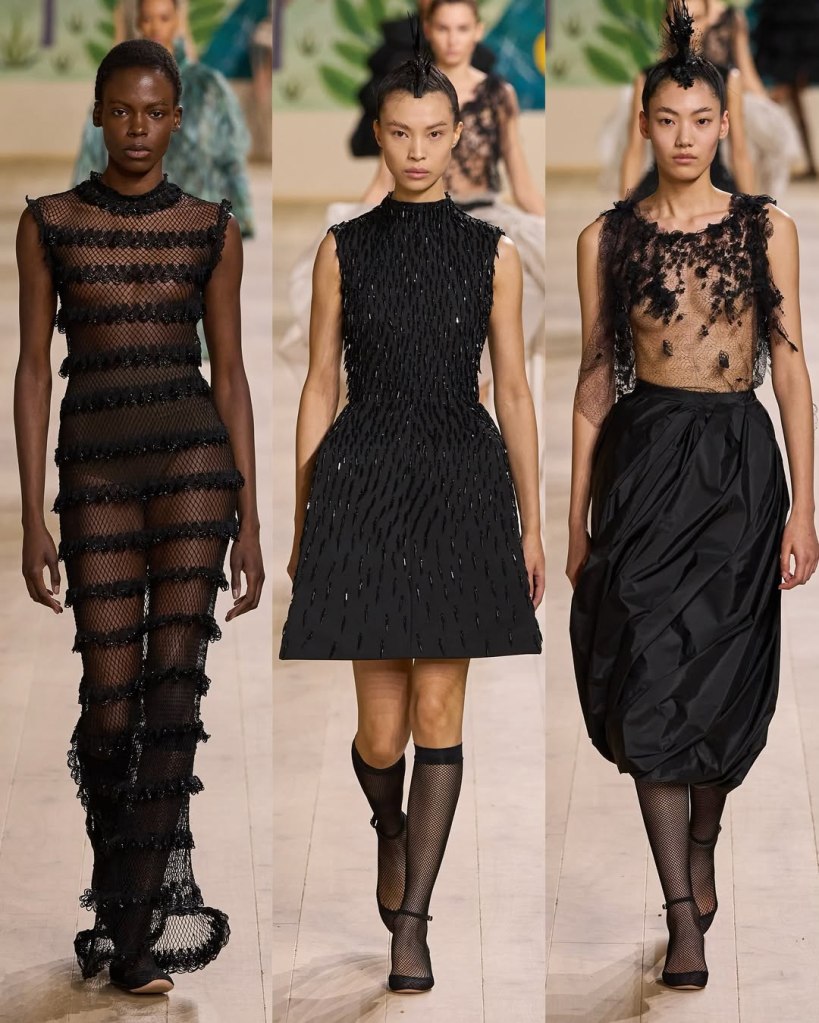
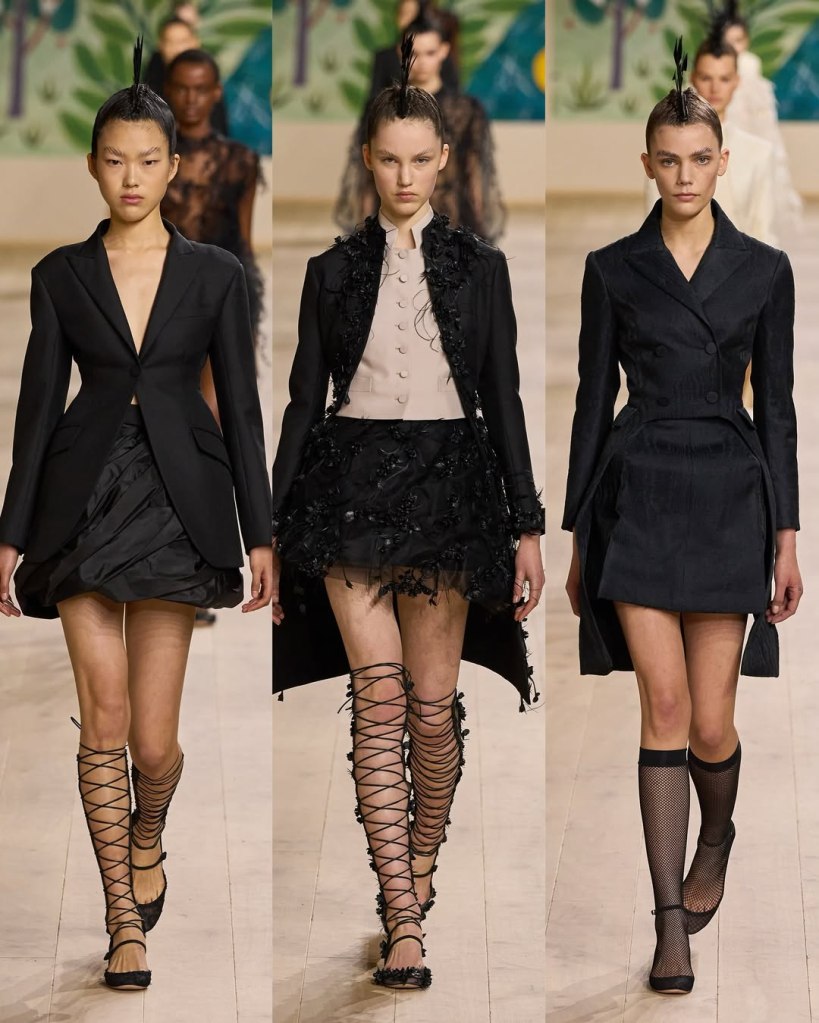
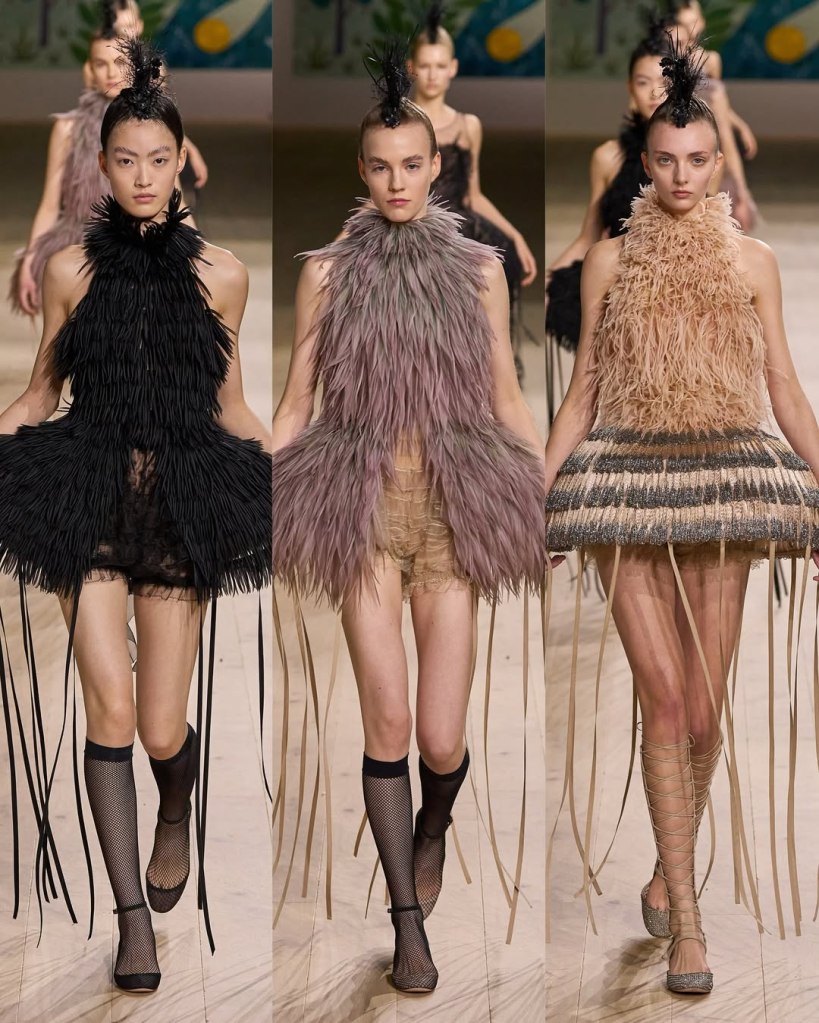
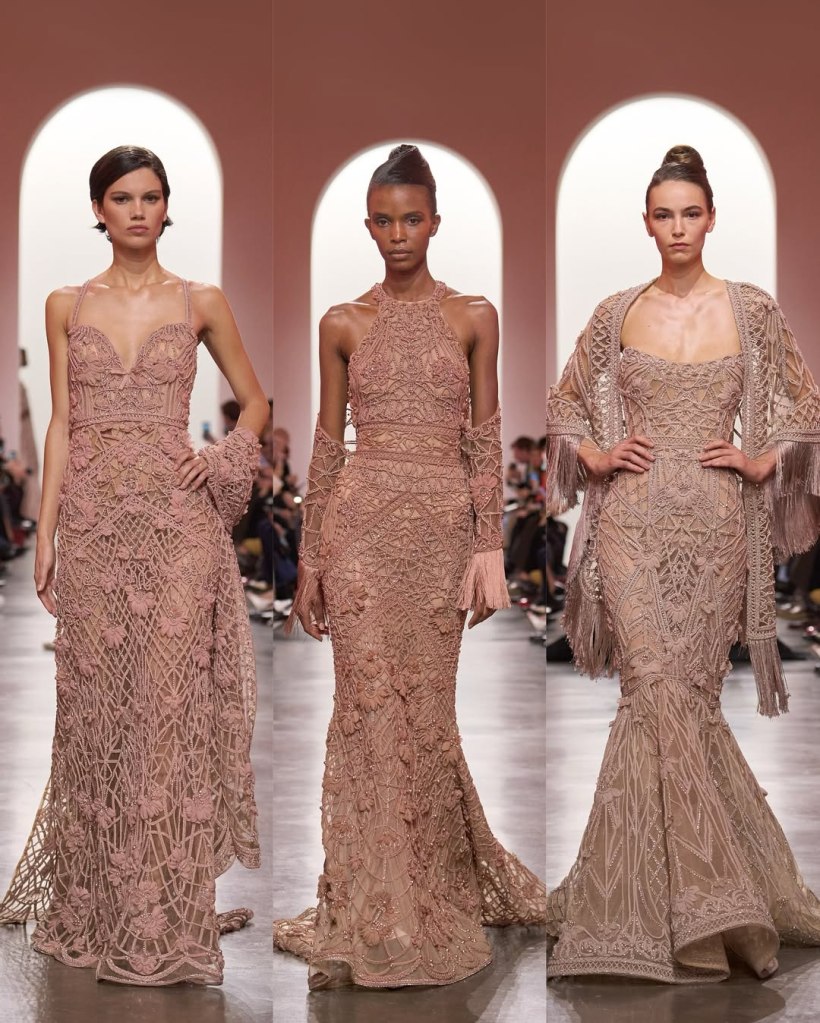
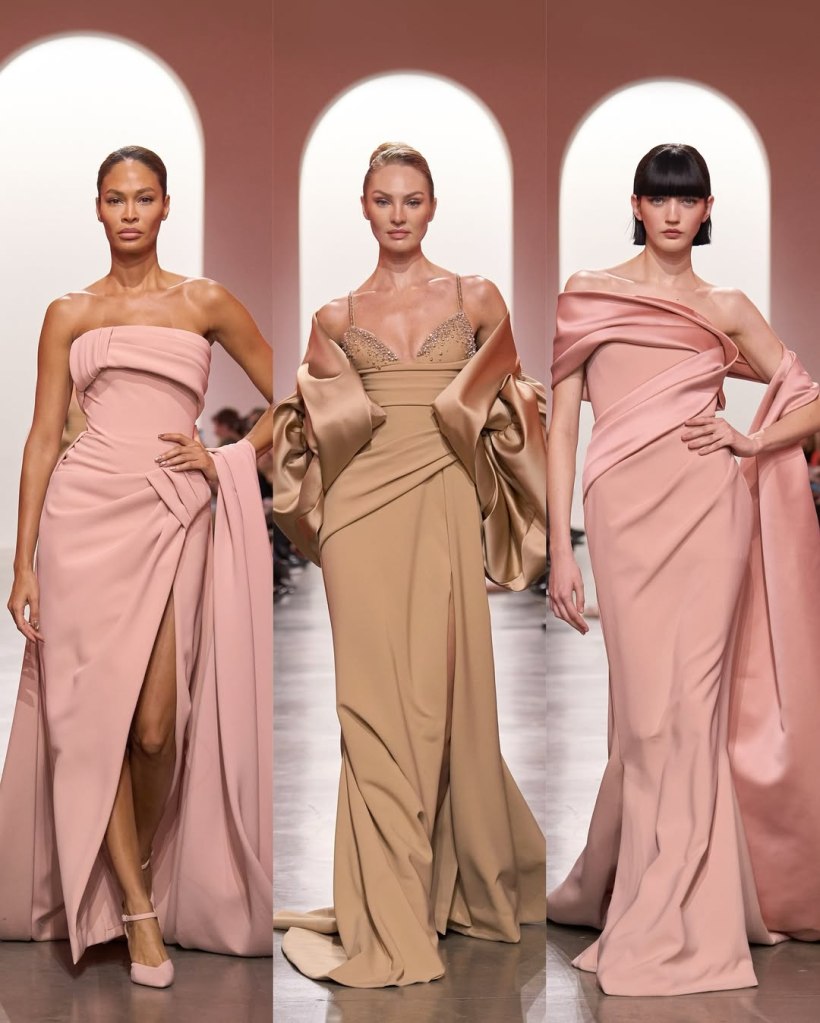
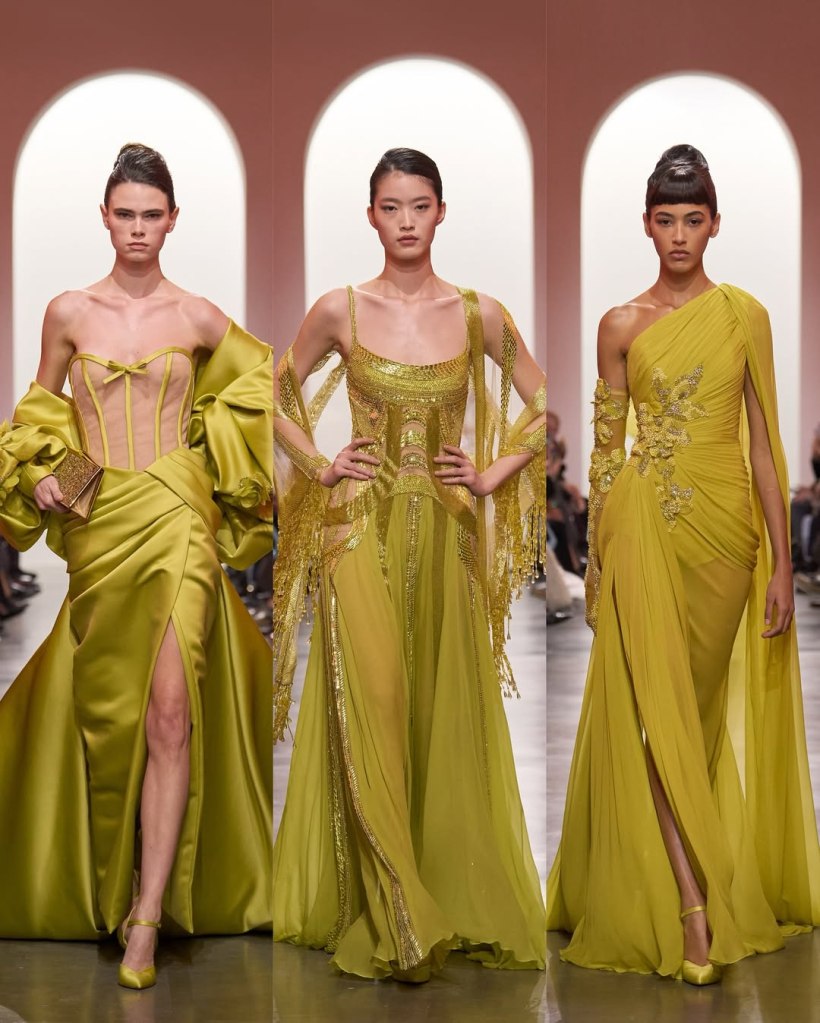
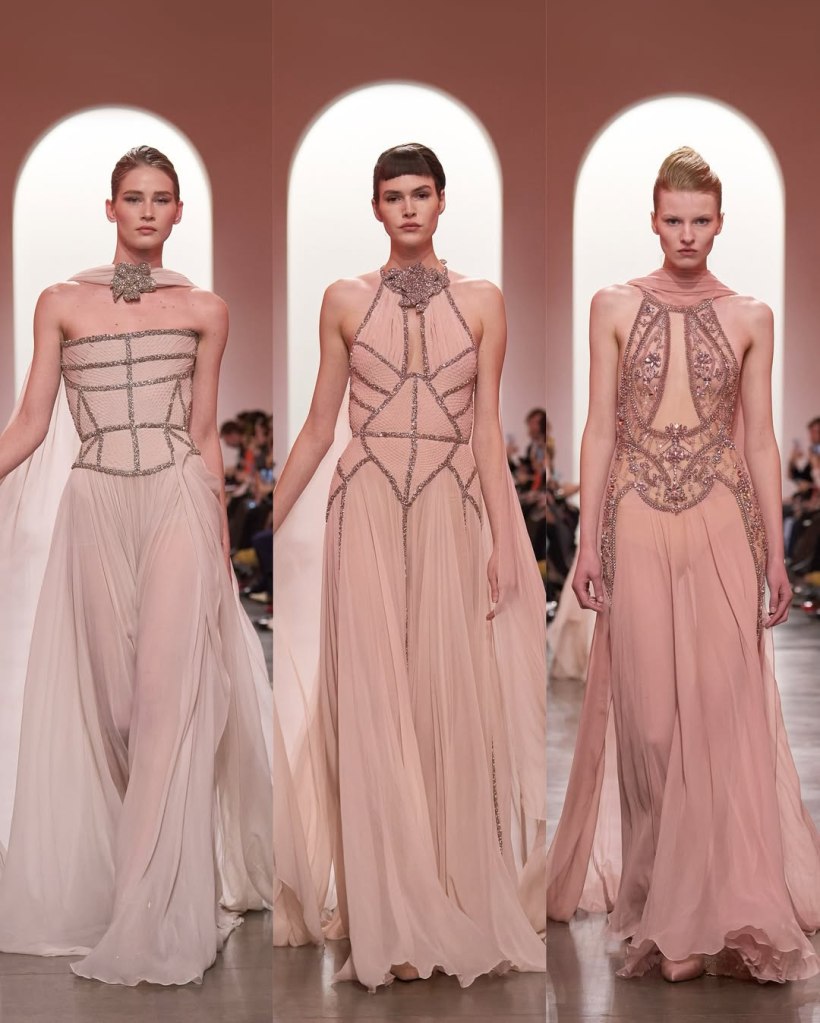
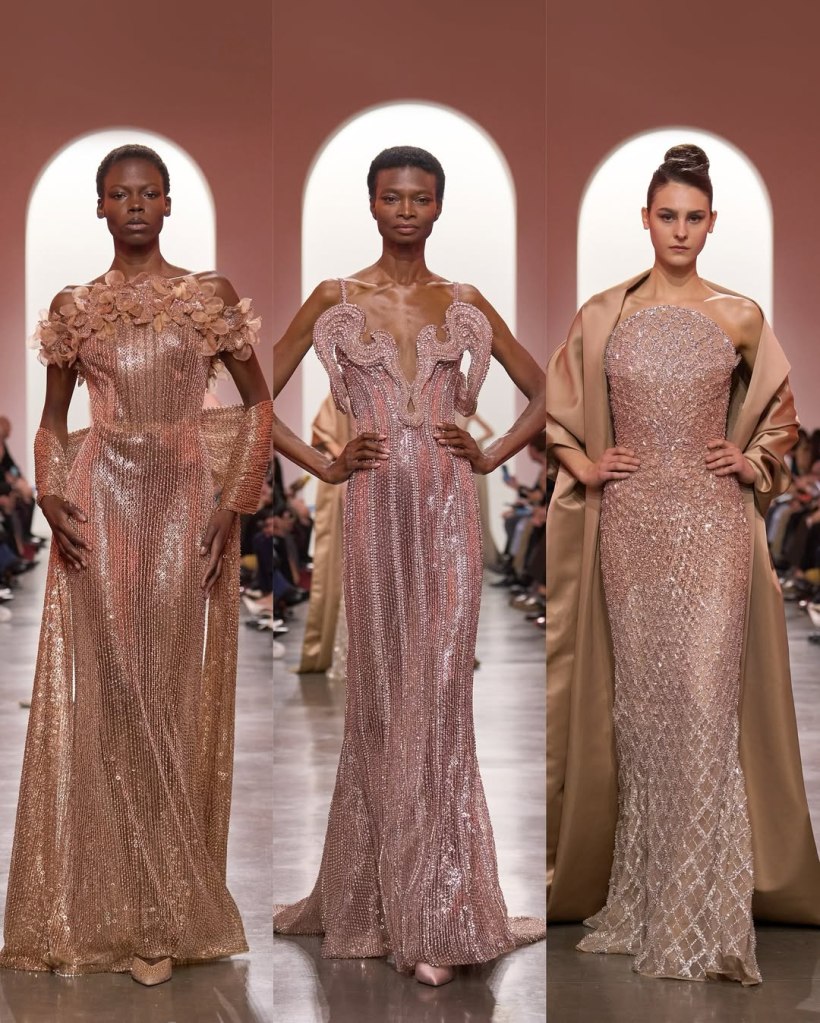
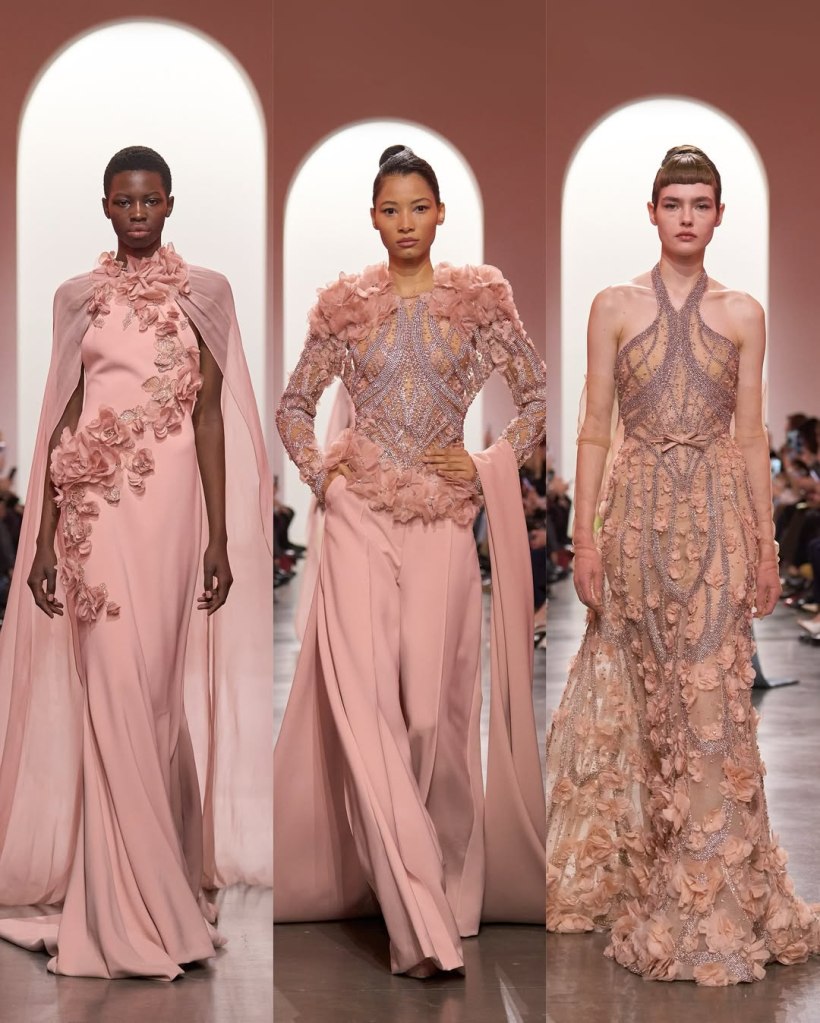
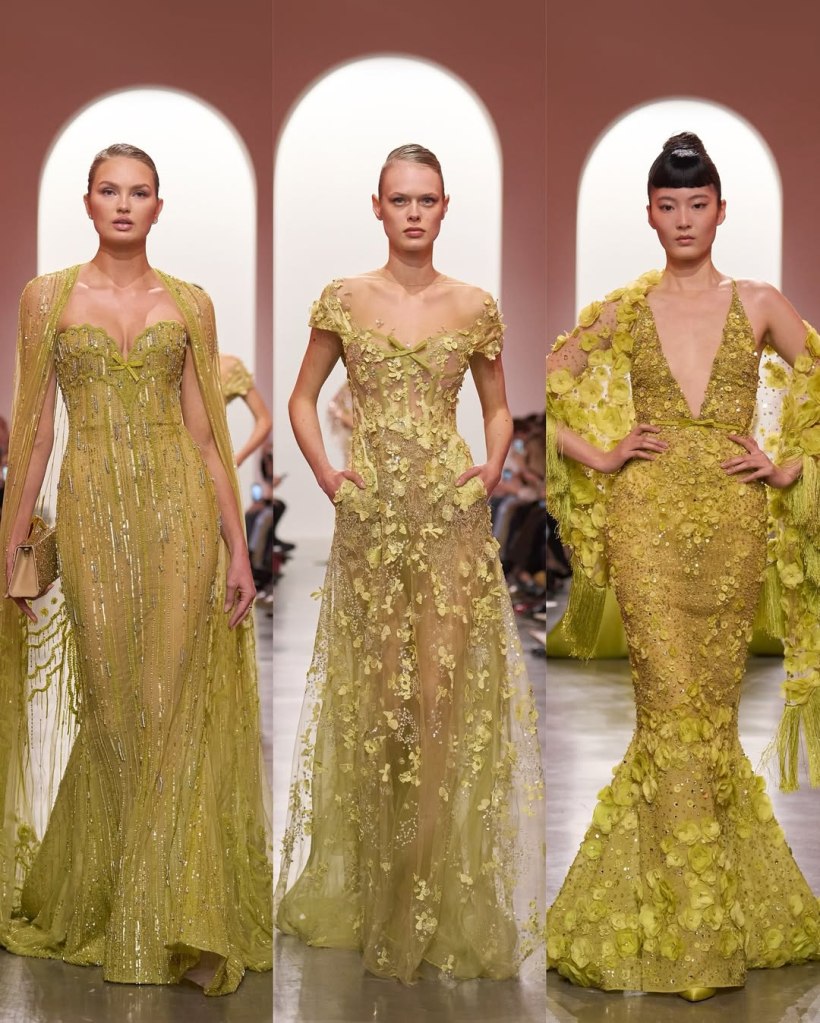
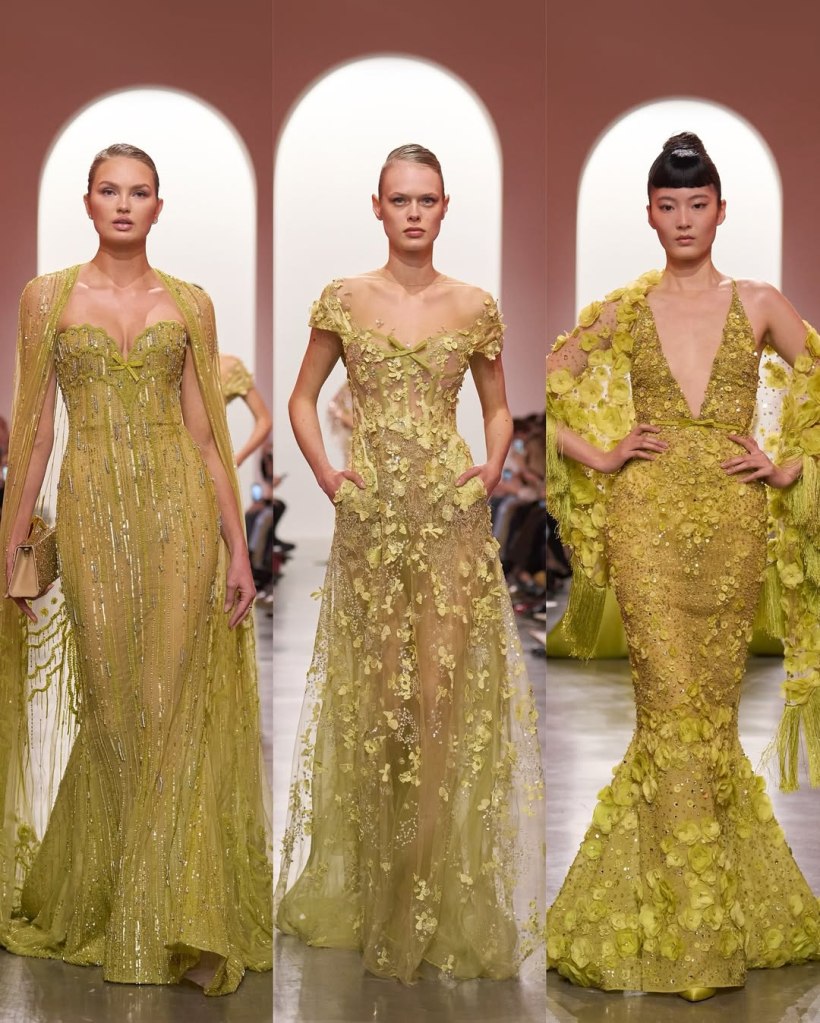
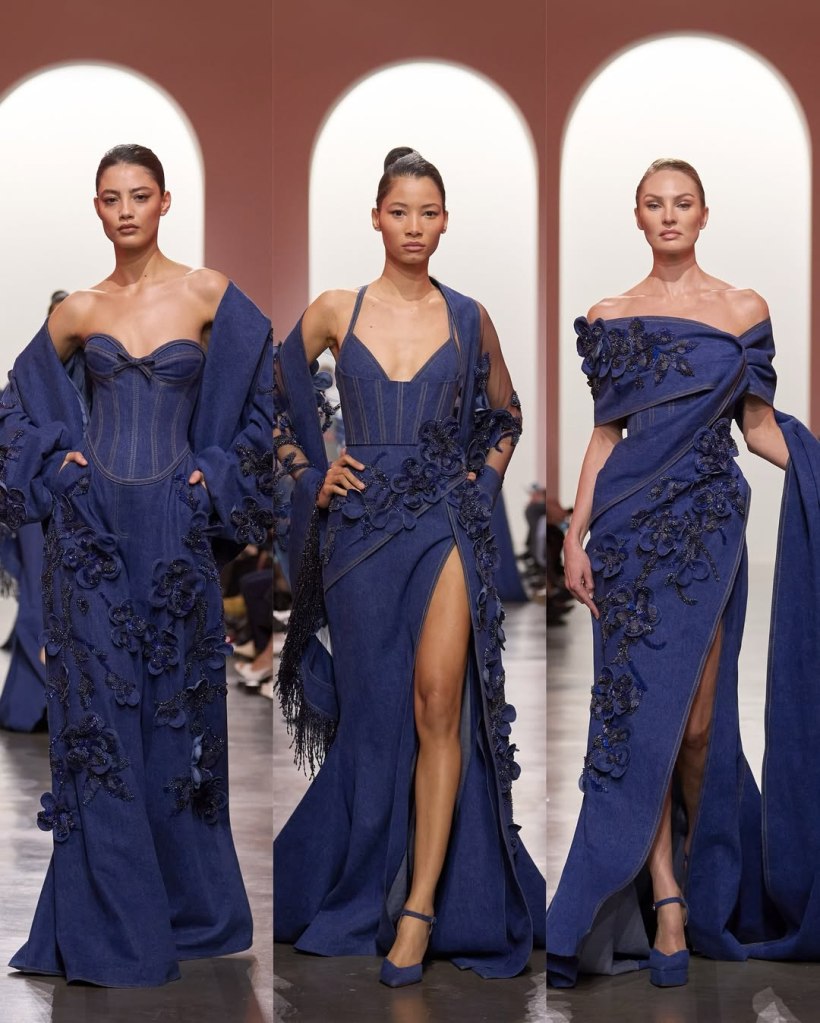
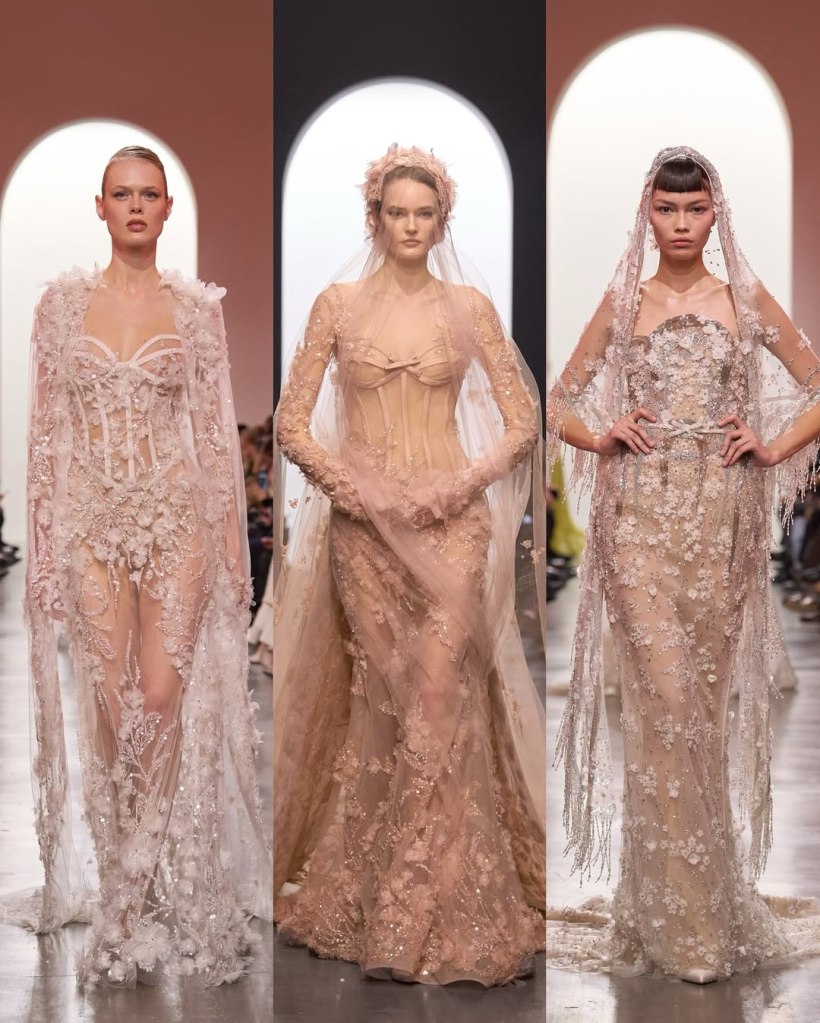
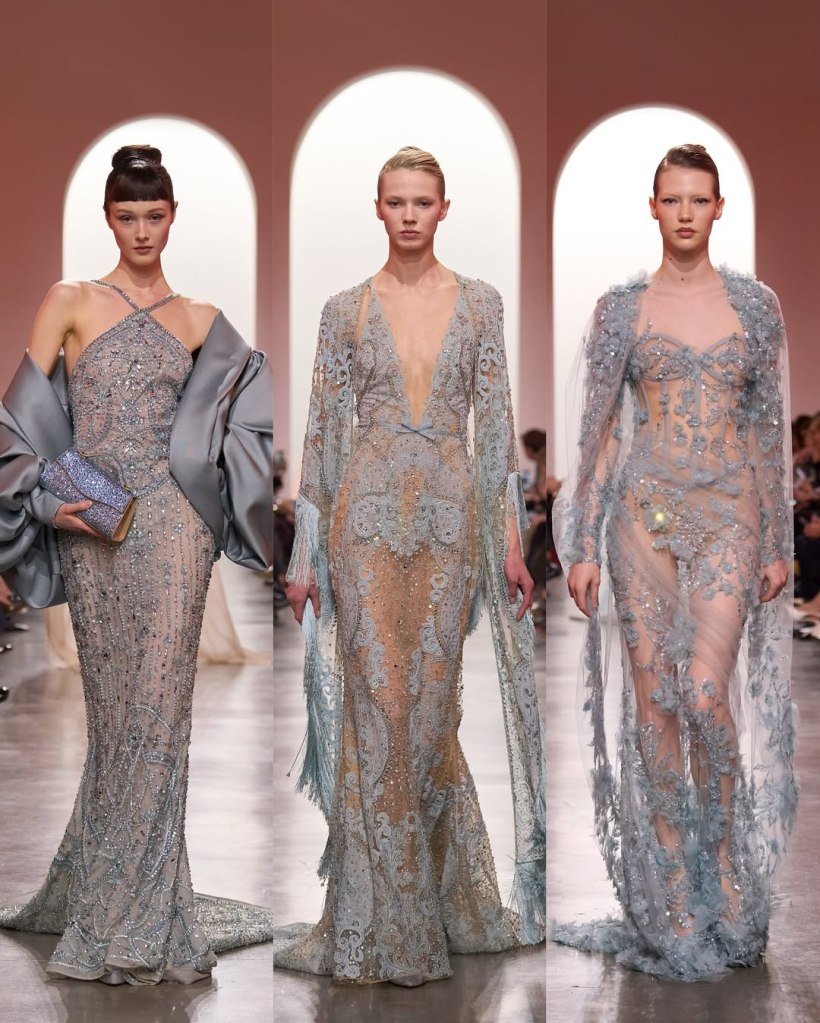
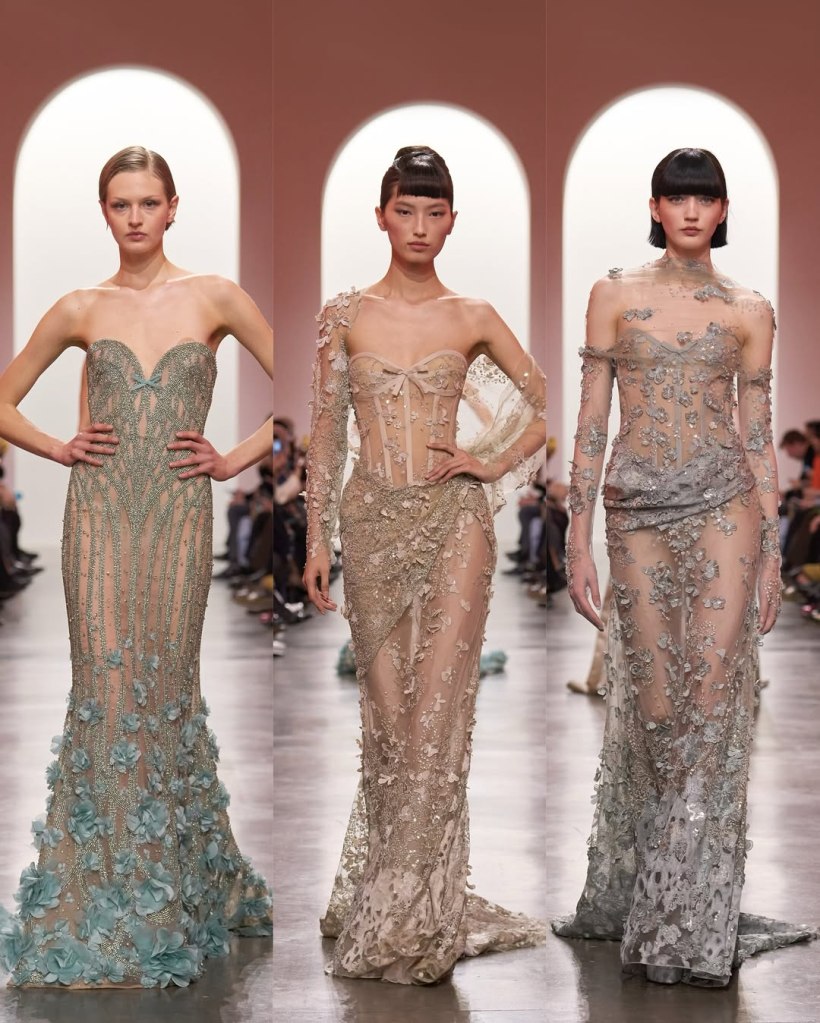
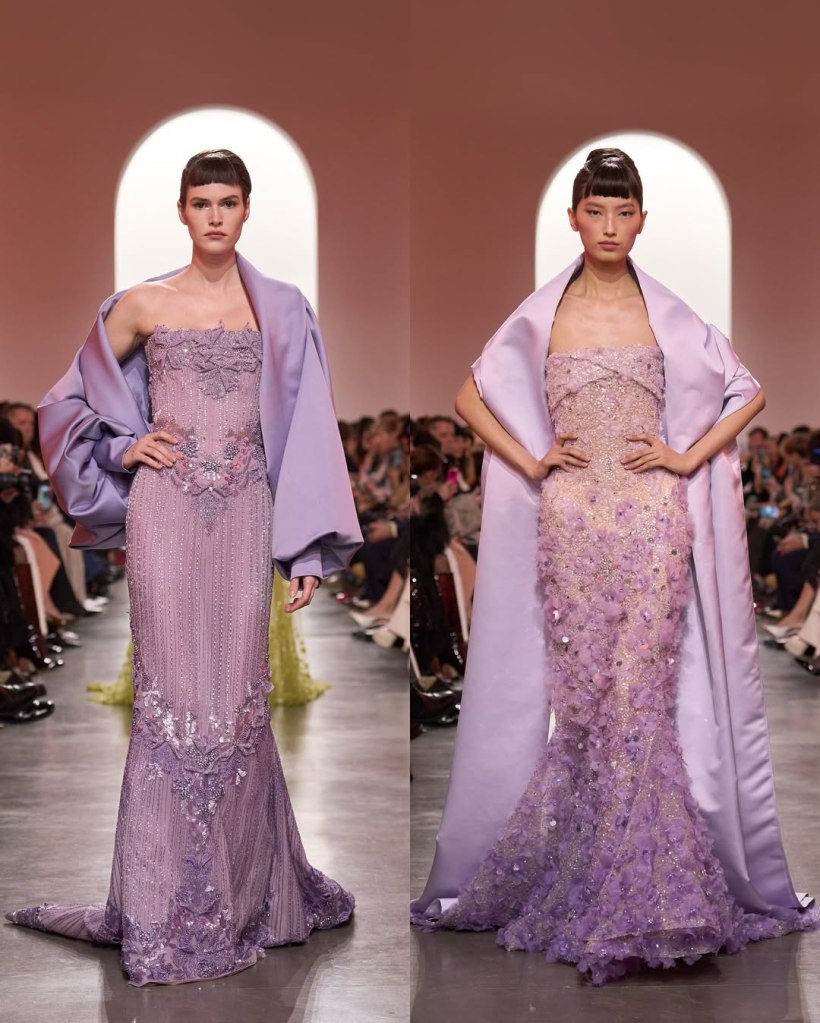
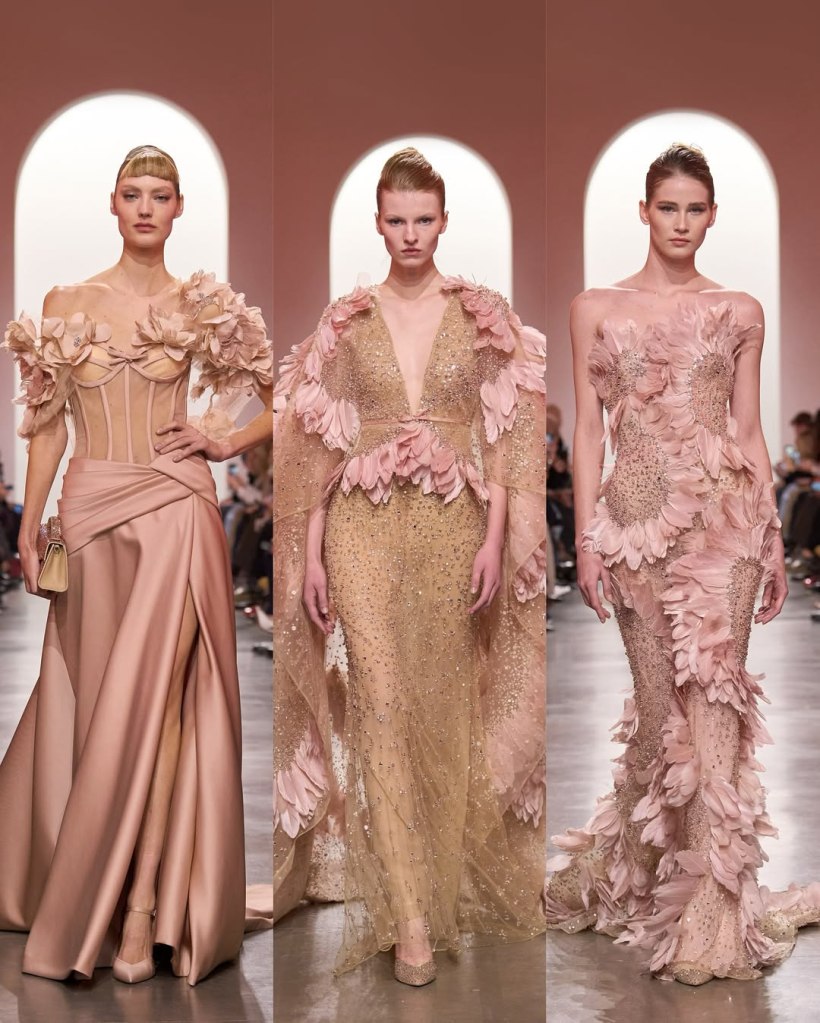
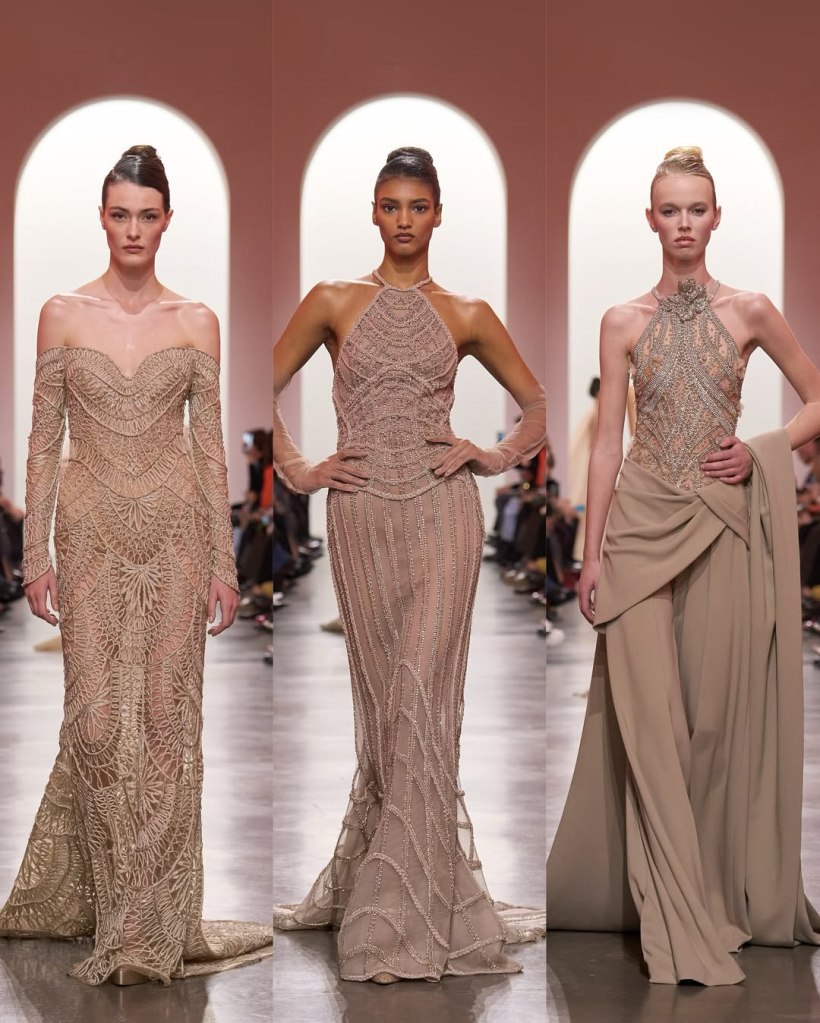
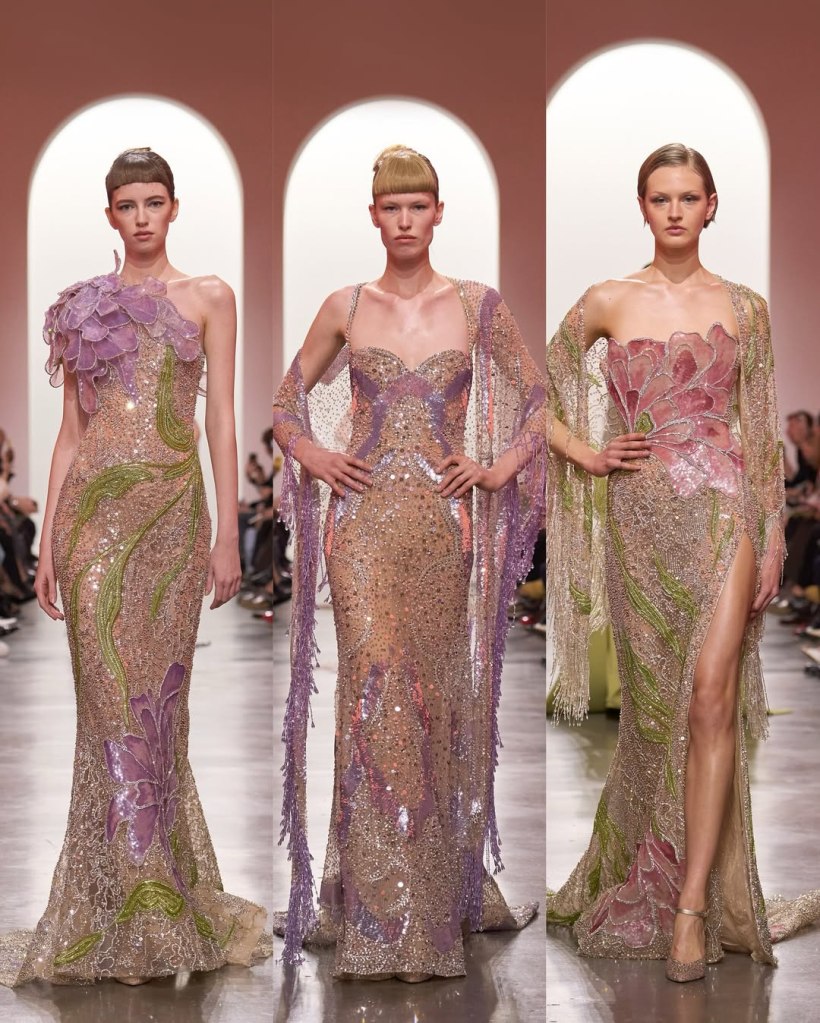
Elie Saab: Elie Saab has once again created a stunning collection. Honestly, I can’t remember the last time he had a weak season. This time, Saab took inspiration from the beauty of an Impressionist garden, with each outfit designed like a brushstroke in a painting. After celebrating his label’s 45th anniversary in Riyadh last year, his couture collection felt fresh and full of joy.
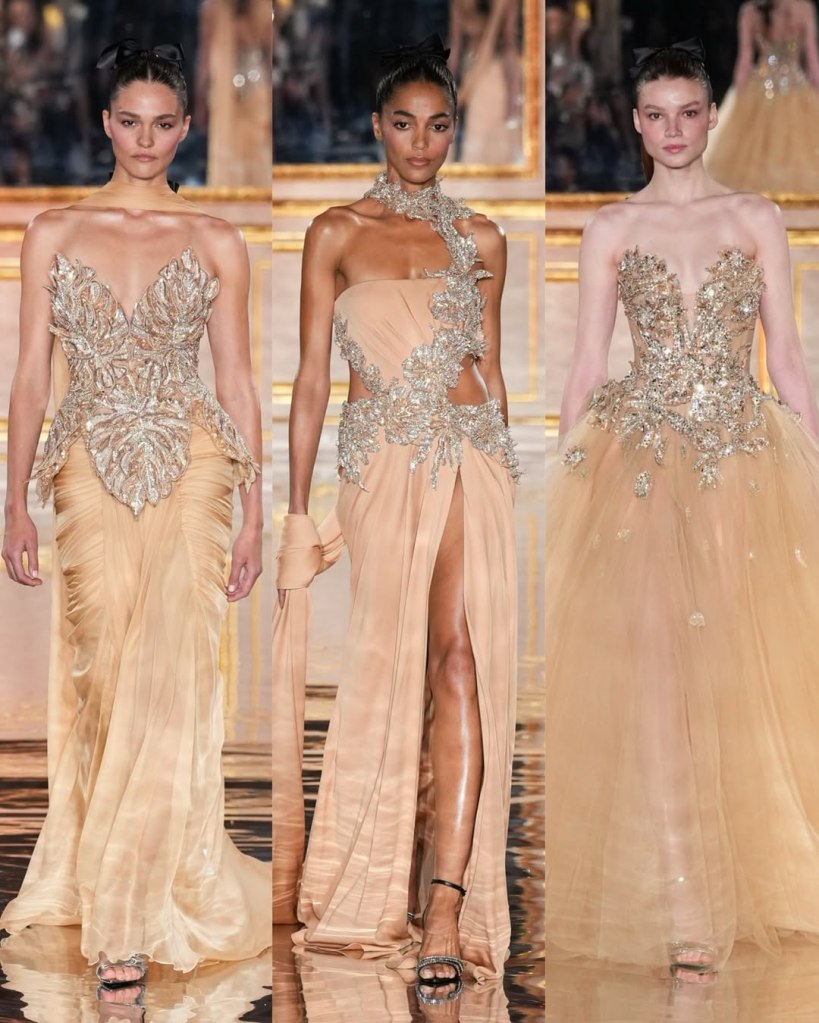
Flowers were everywhere in this collection—on gowns, capes, and delicate lace. Light, flowing fabrics and soft pastel colors gave the dresses an airy and dreamy feel. The biggest surprise? Denim in couture! For the first time, Saab introduced denim gowns. One wrapped around the body like a sari, while another featured a corset and off-the-shoulder neckline. The deep blue denim stood out among the soft, sheer dresses. Saab explained that he wanted to bring a fresh, cool vibe, making it more appealing to a younger audience. The show ended with a breathtaking wedding dress in soft dusty rose. Every look was a must have, Saab is a true pro in classic couture!
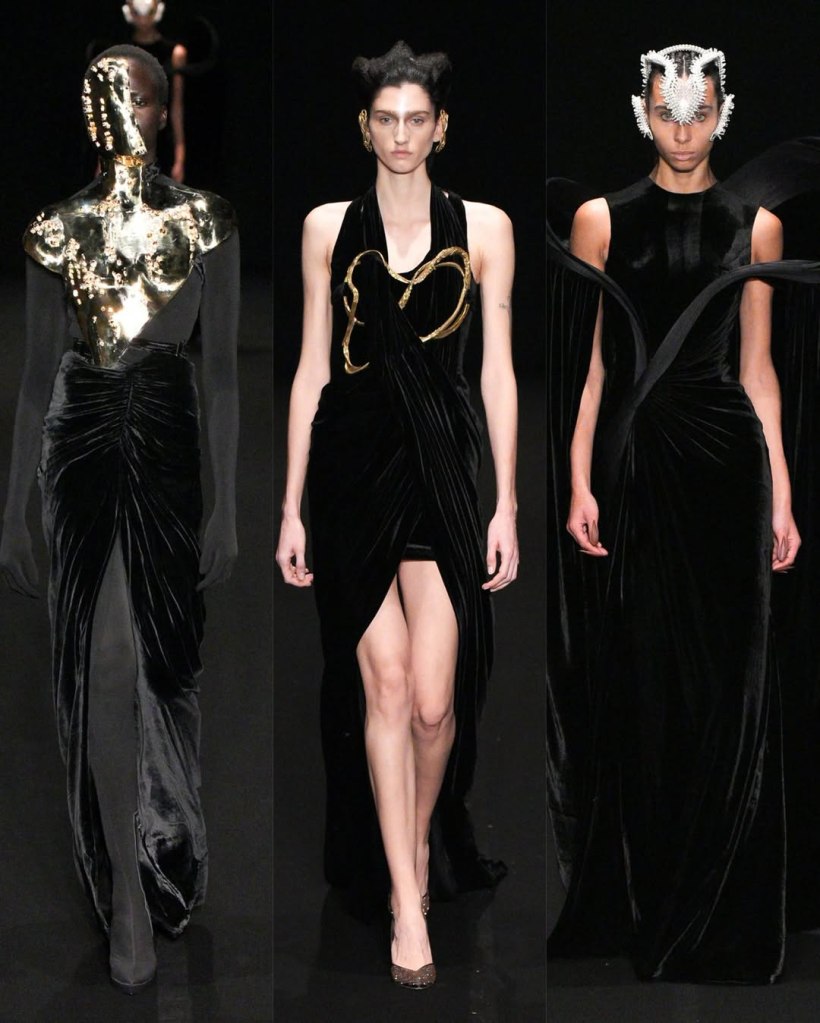
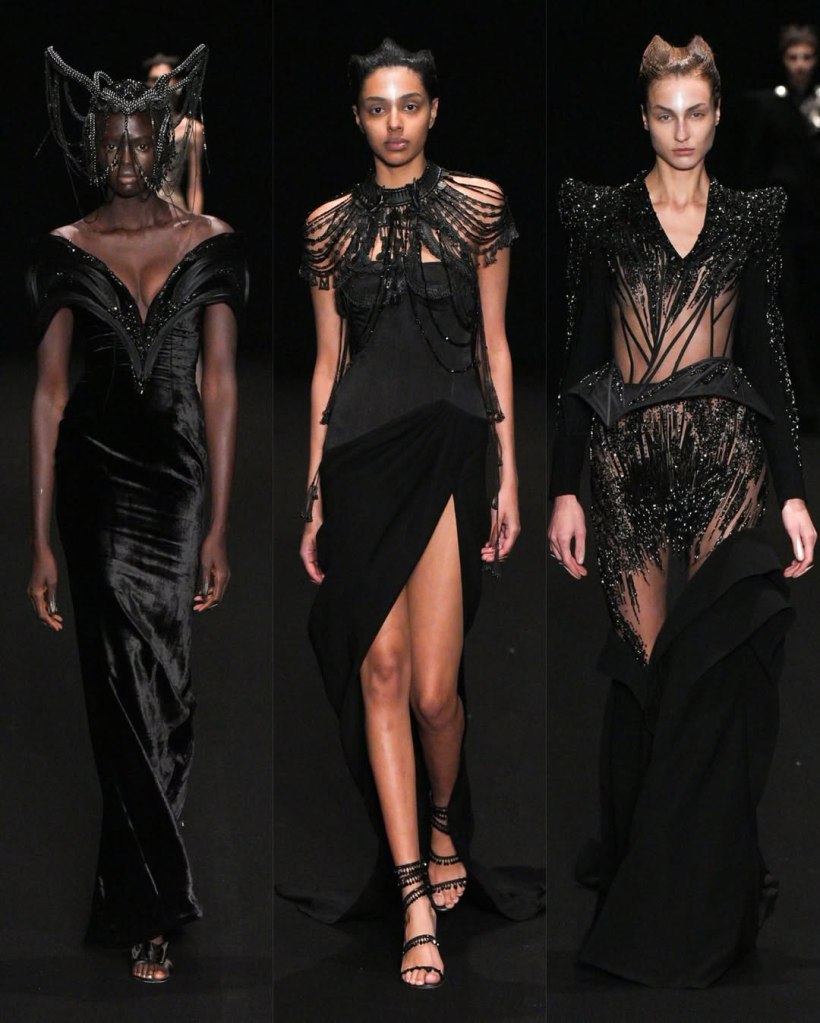
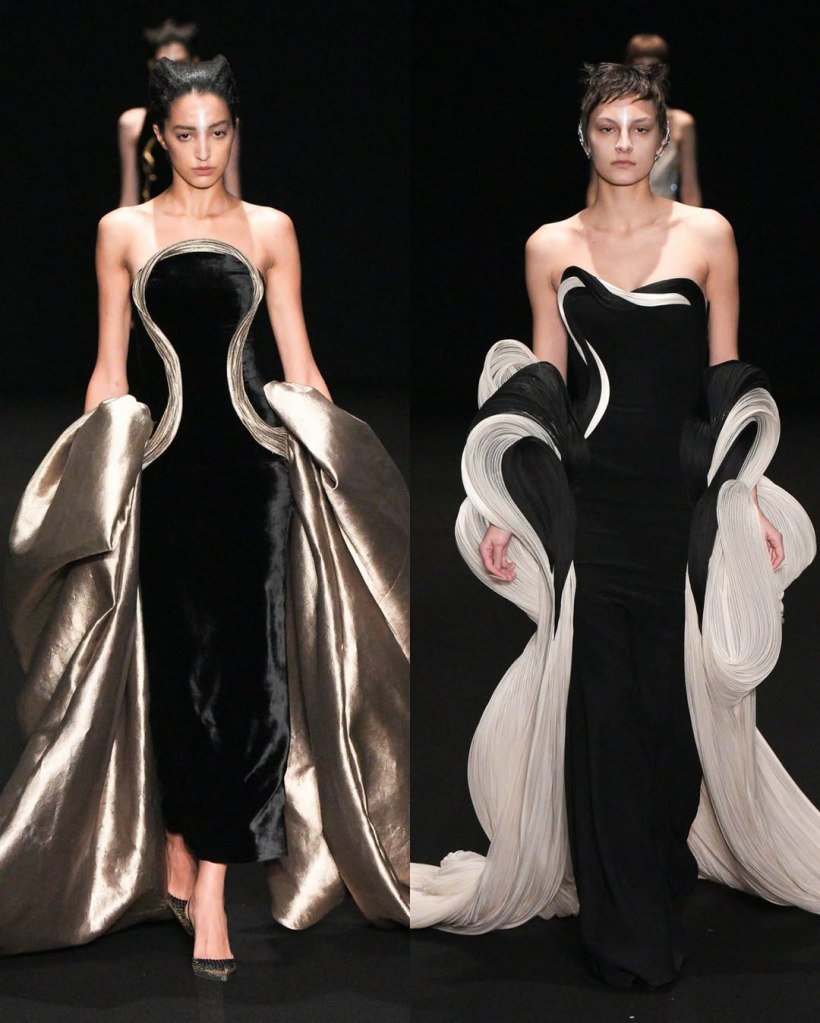
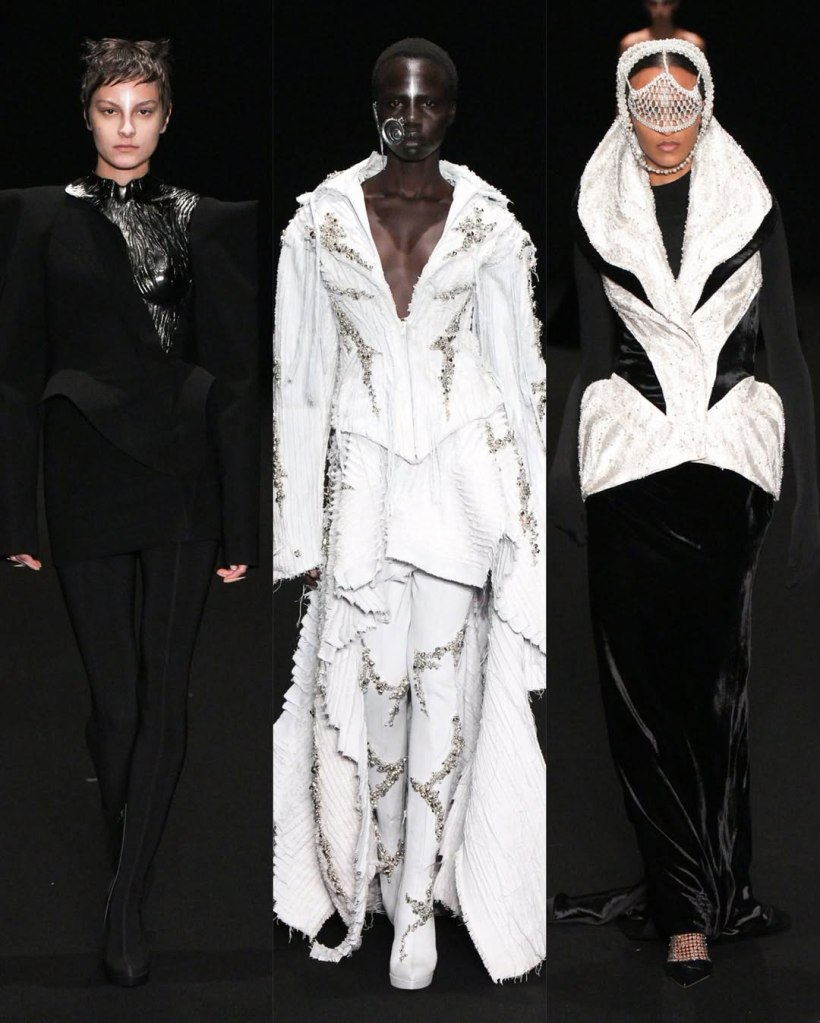
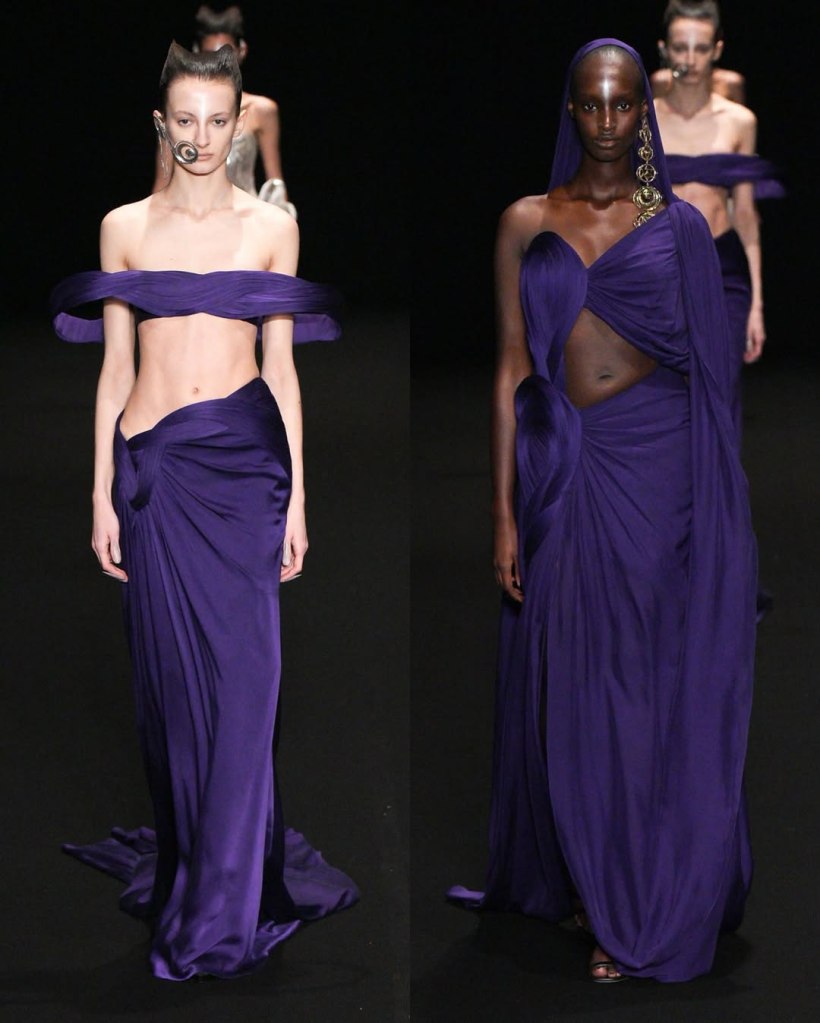
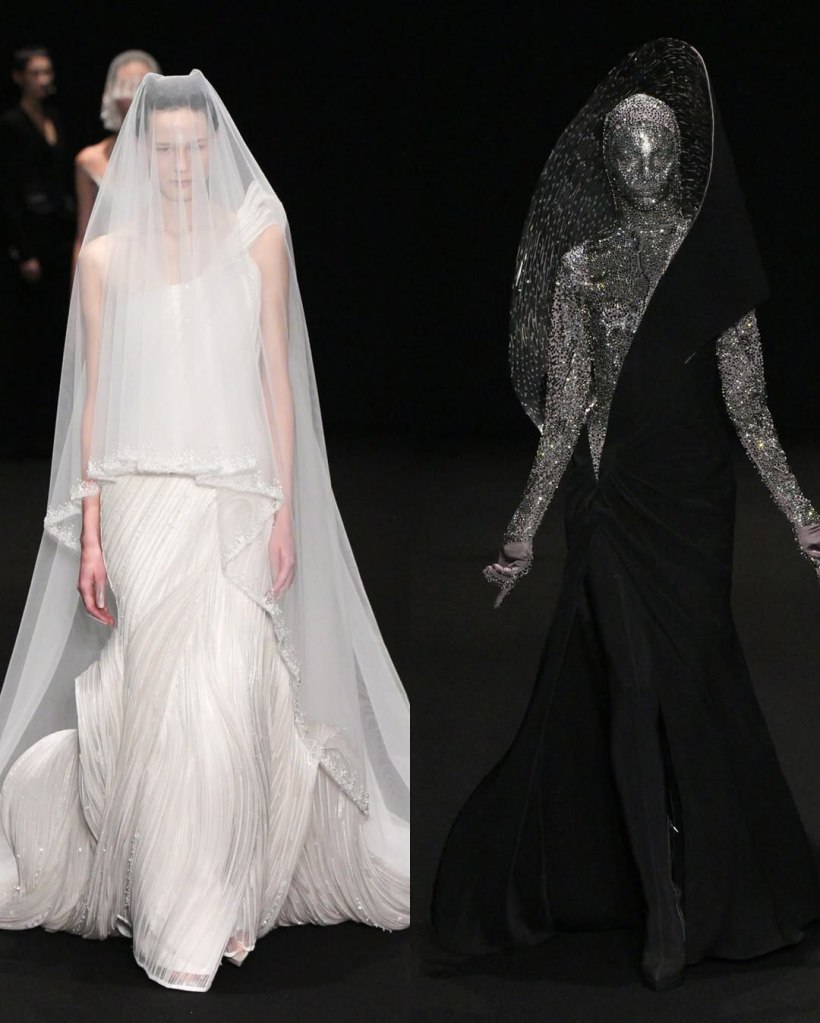
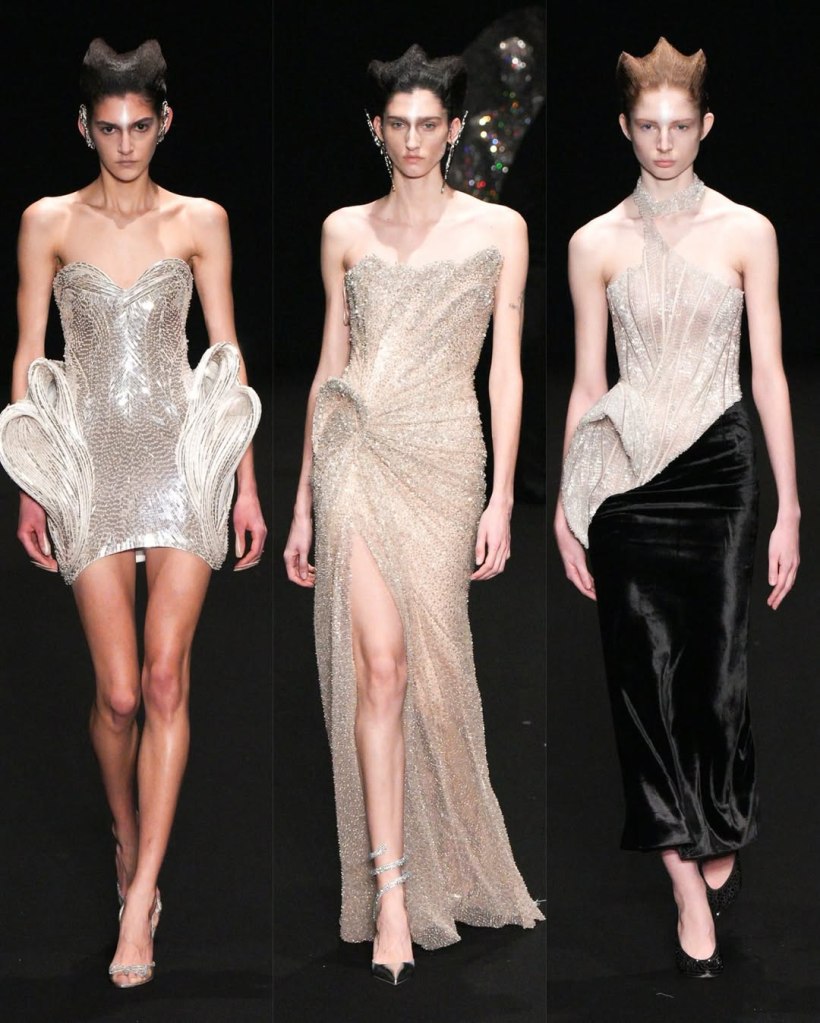
Gaurav Gupta: Gaurav Gupta’s Across the Flame, is more than just clothes—it’s a story of survival, strength, and love. Inspired by the fire accident that injured both Gupta and his life partner, poet Navkirat Sodhi, the collection turns pain into beauty. It’s a personal expression of healing and hope.
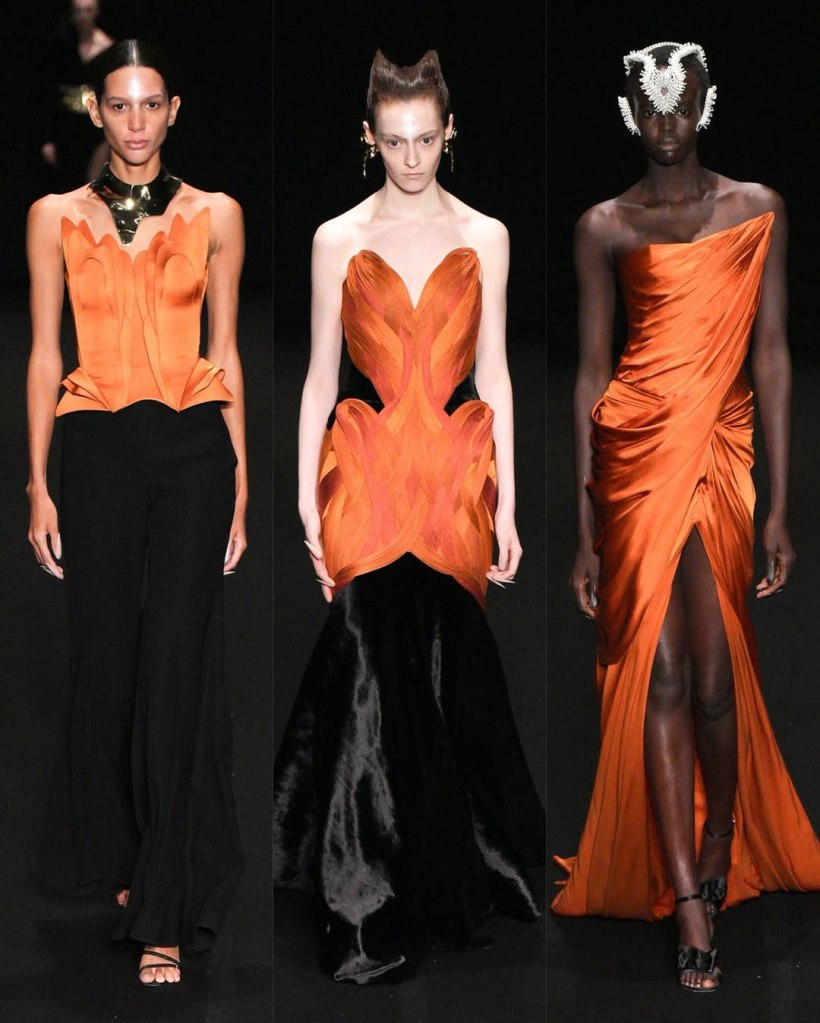
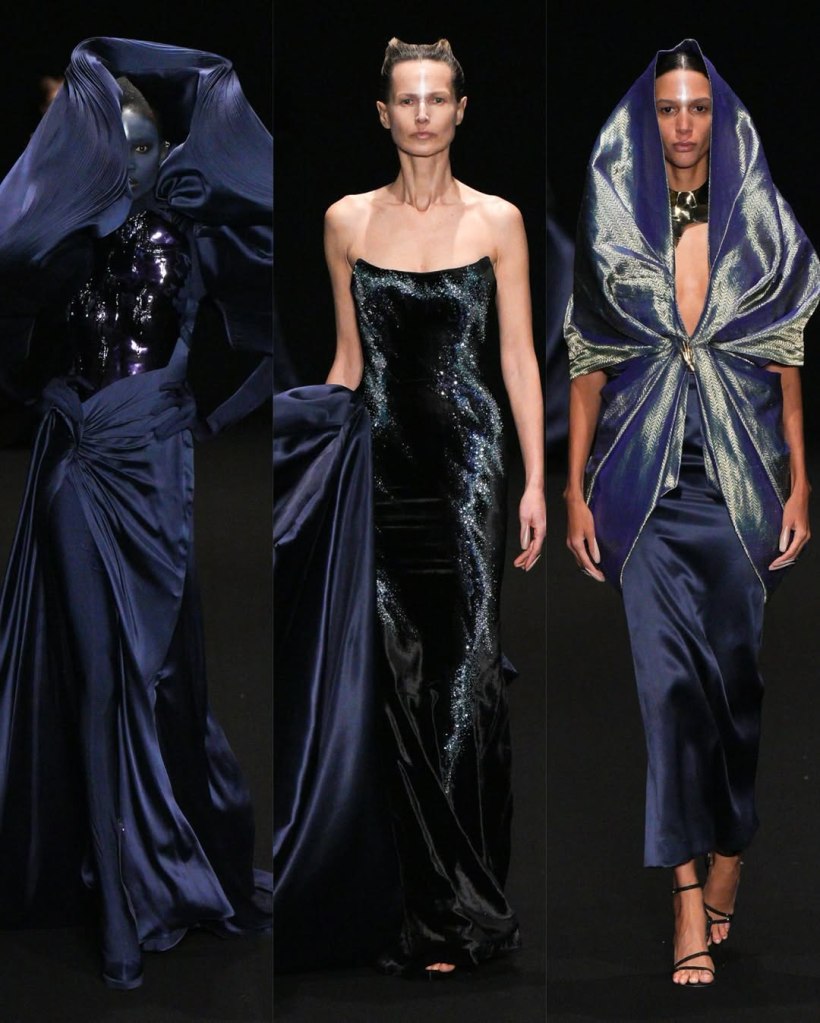
The show began with Sodhi walking barefoot, reading poetry about her recovery. Her presence set the mood for the collection, which blended emotion with creative design. Flowing gowns, inspired by flames and the night sky, reflected their journey through hardship and renewal. Colors like deep blue, bright orange, and soft white symbolized change—rising from loss to new beginnings.
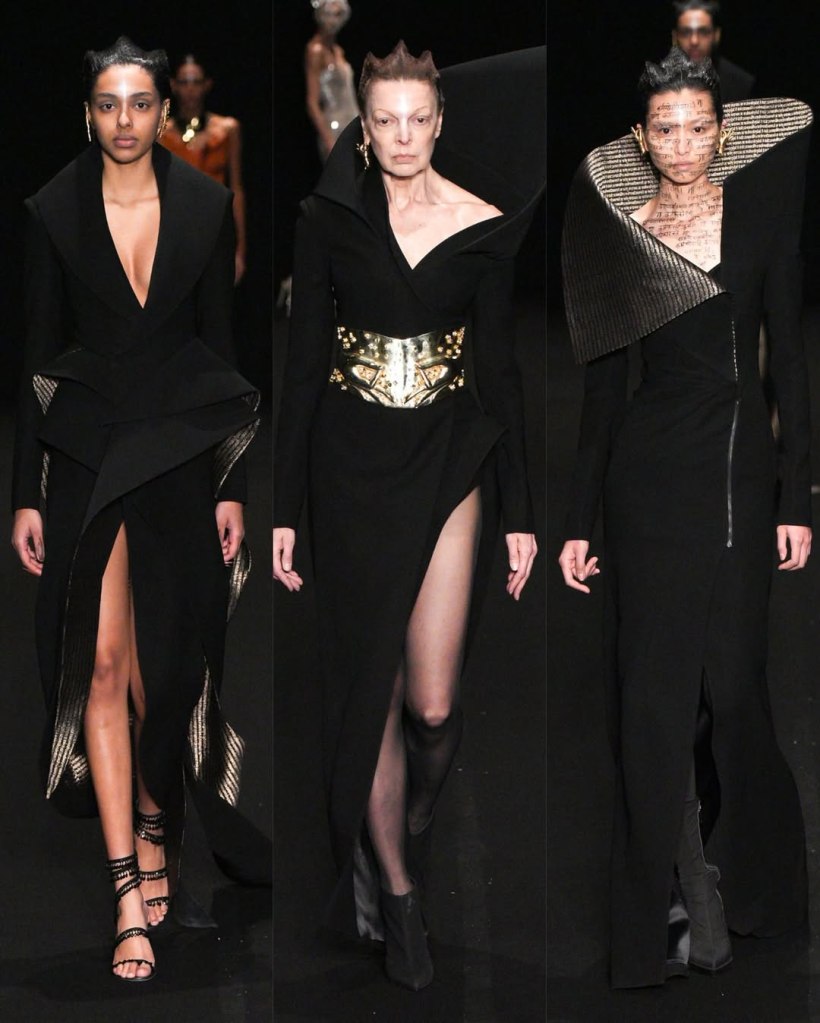
Gupta’s designs had bold shapes and thoughtful details. Metal breastplates and face masks showed both vulnerability and strength, while sculpted dresses created a fluid, dreamlike effect. A special piece, the Twin Flame dress, wrapped around two models in bright orange silk, symbolizing the deep bond between Gupta and Sodhi.
Gupta combined traditional Indian techniques with a modern twist. A fabric woven with Sanskrit chants appeared on clothes and faces, adding a spiritual touch. Through this collection, Gupta turns fashion into a deeply personal and universal expression of strength and renewal.
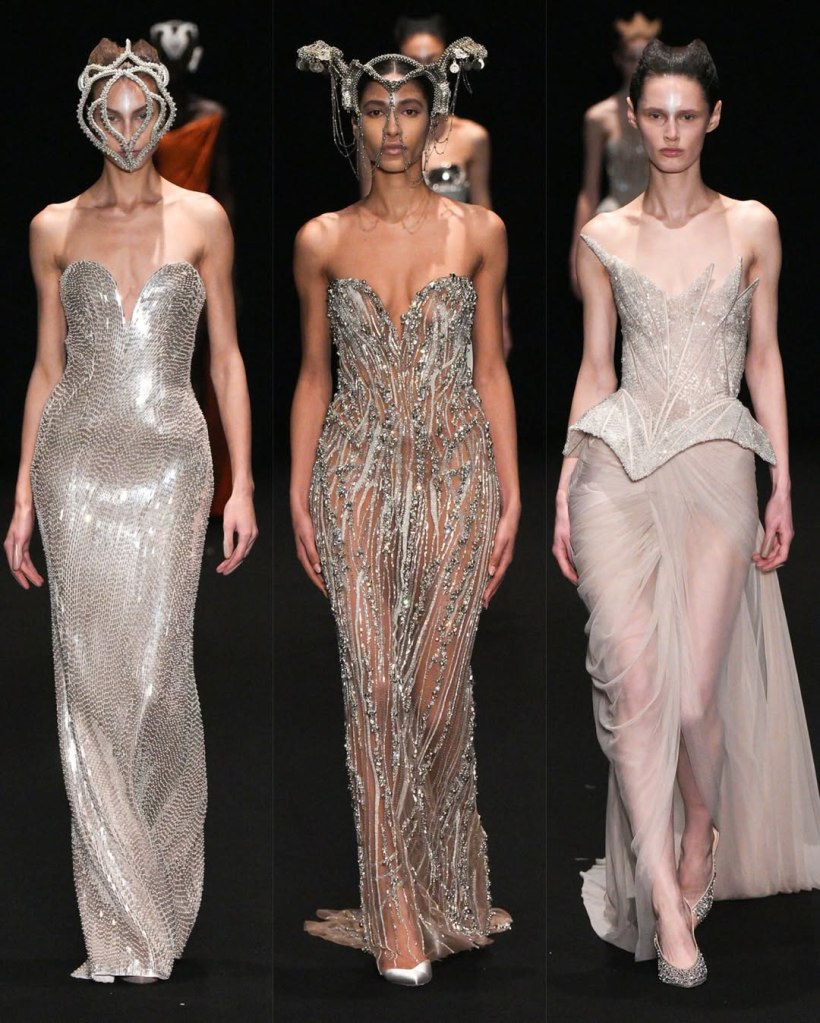
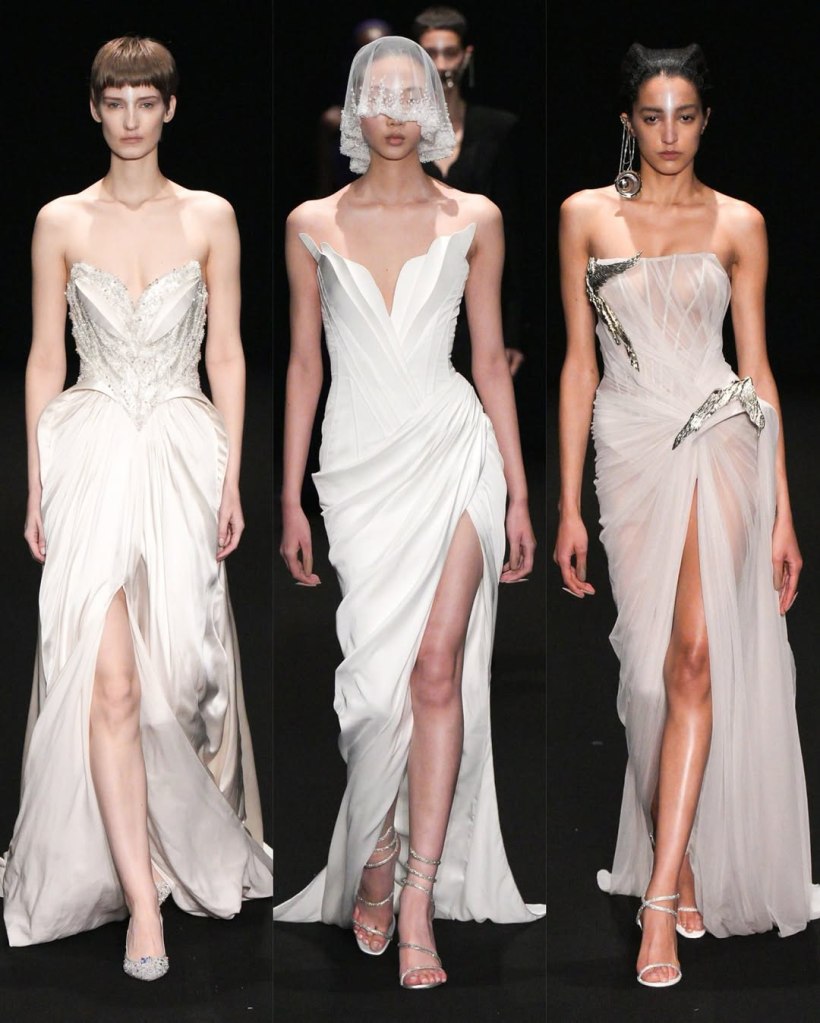
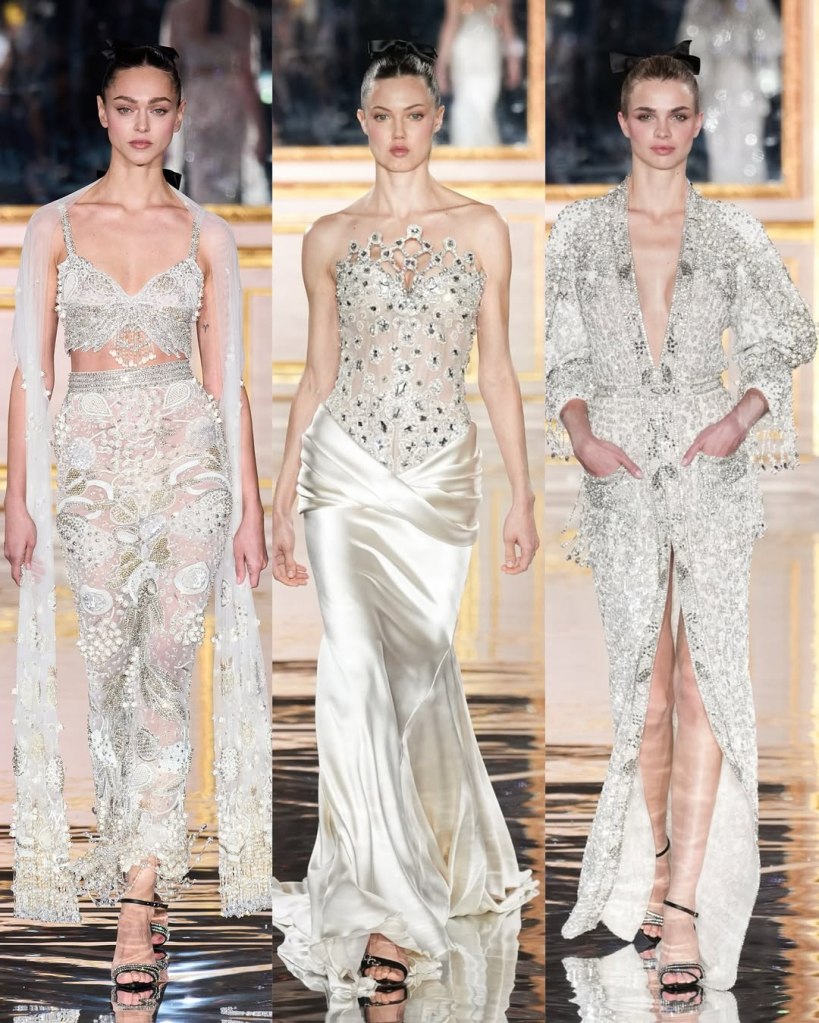
Zuhair Murad: This season, Zuhair Murad took a step back from his signature body-hugging silhouettes and instead embraced softer, more classic shapes. Think Audrey Hepburn in “Breakfast at Tiffany’s”—elegant, refined, and timeless.
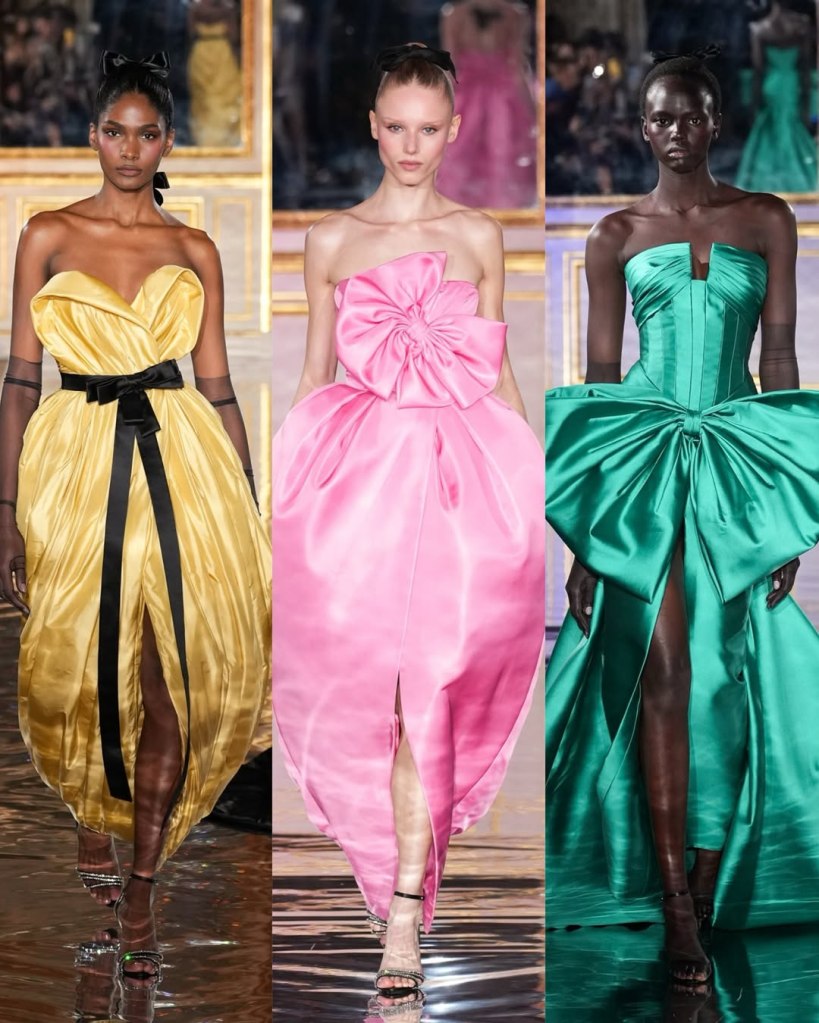
The gowns featured midcentury-style fitted bodices paired with delicate balloon skirts, cinched at the waist with black velvet bows. A standout piece was a creamy silk sheath with an exaggerated Bardot neckline, oozing sophistication. Another took the sweetheart neckline to new heights, draping buttery silk in a way that felt both regal and effortless. It was refreshing to see Murad explore fuller, more flowing shapes while maintaining his signature luxurious touch. The collection’s color palette was inspired by tropical islands, with shades of kiwi green, pineapple yellow, and bright pinks. Embroidered palm leaves, hibiscus flowers, and vines added beautiful detail, while beads, sequins, and pearls made sure everything shimmered under the lights. That said, the shimmer was a bit much at times, making some looks feel overdone rather than refined. Some looks veered towards the tacky, with loud embellishments and shapes that didn’t quite land. The fabrics also felt a little under-refined in places, missing that effortless lux touch.
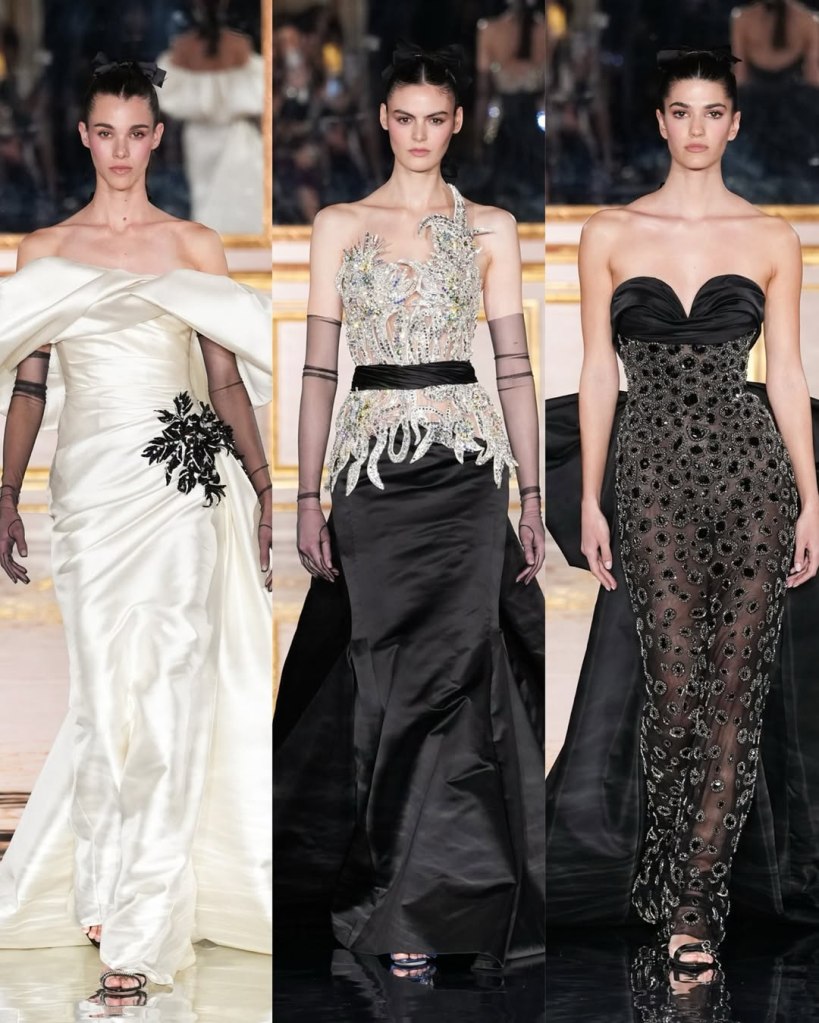
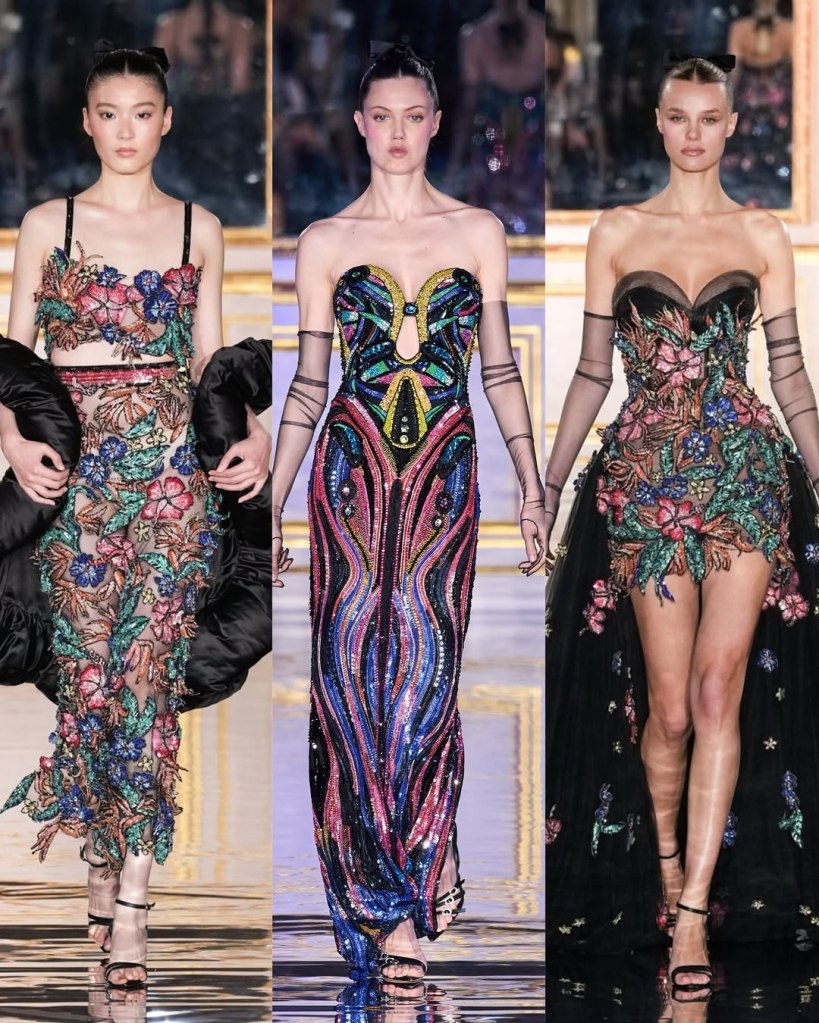
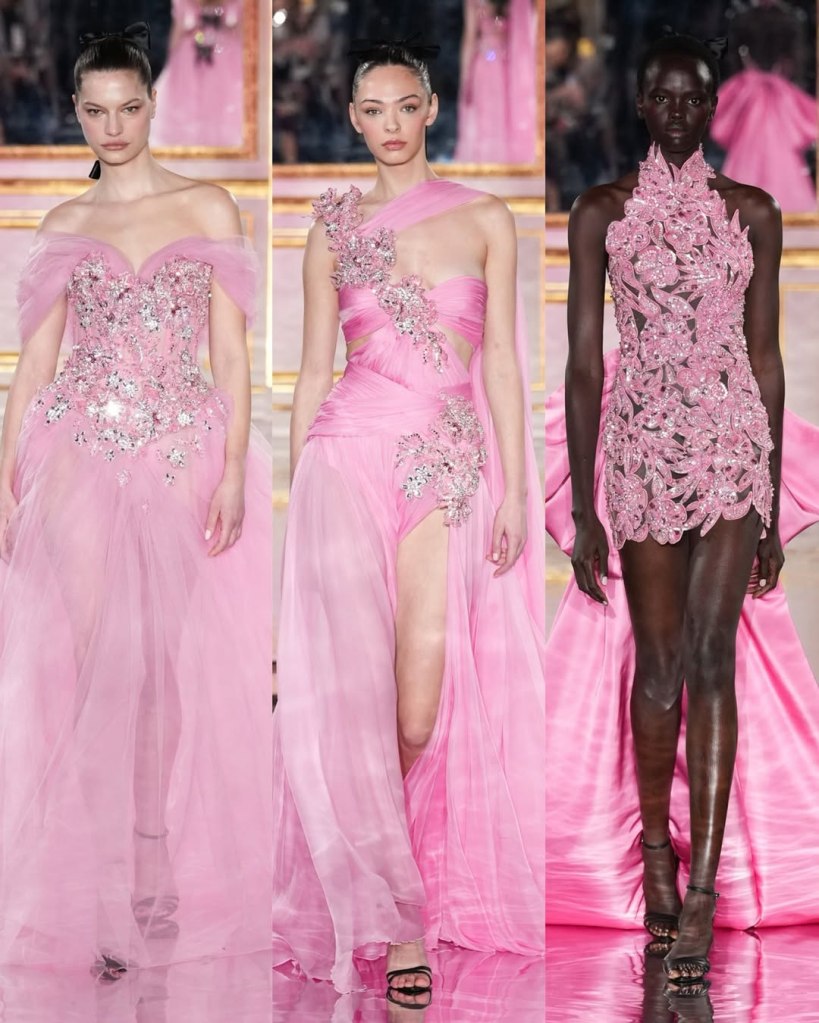
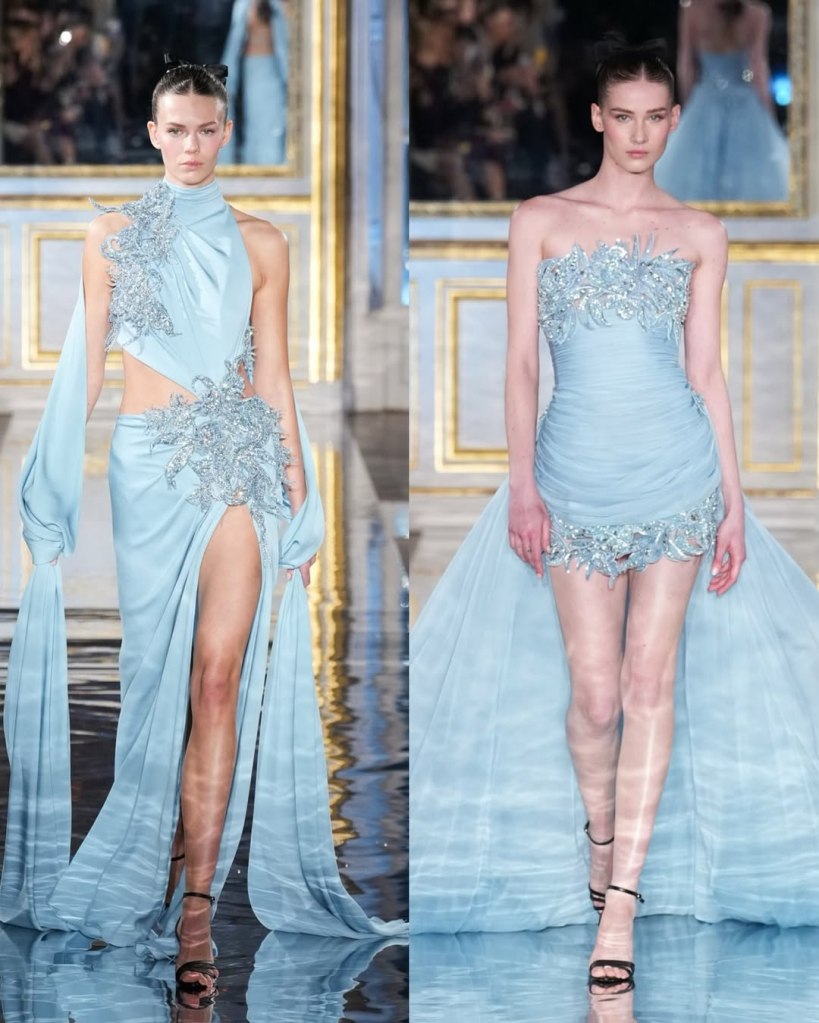
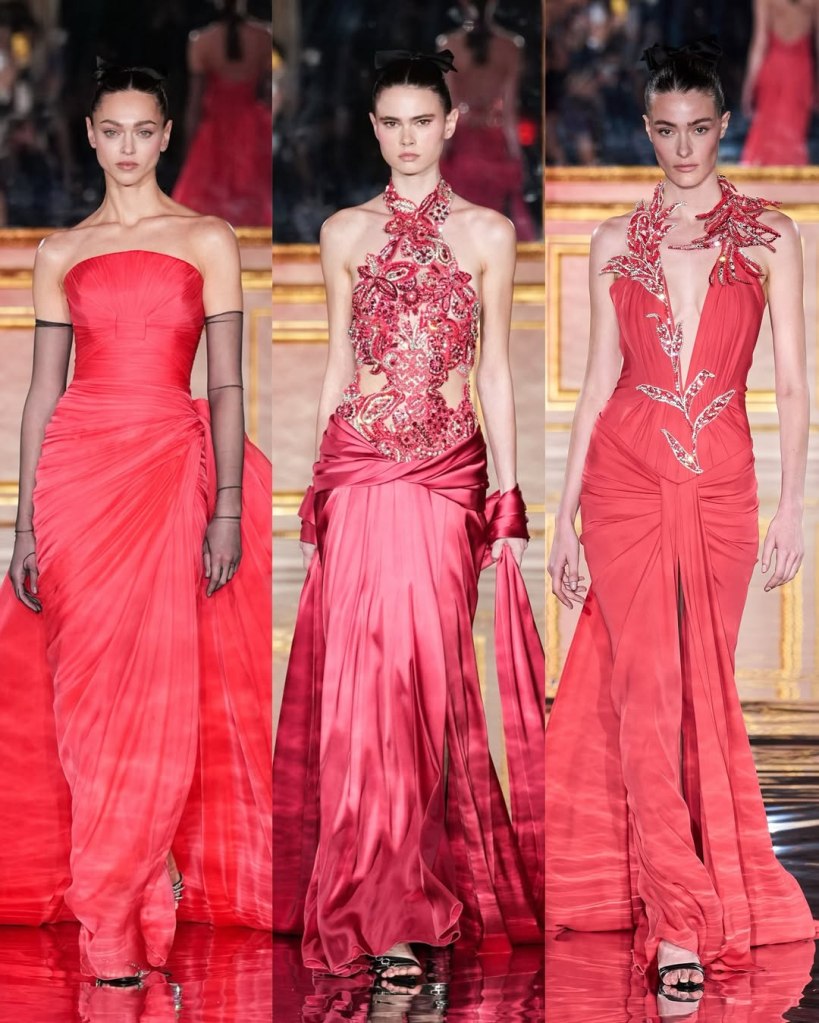
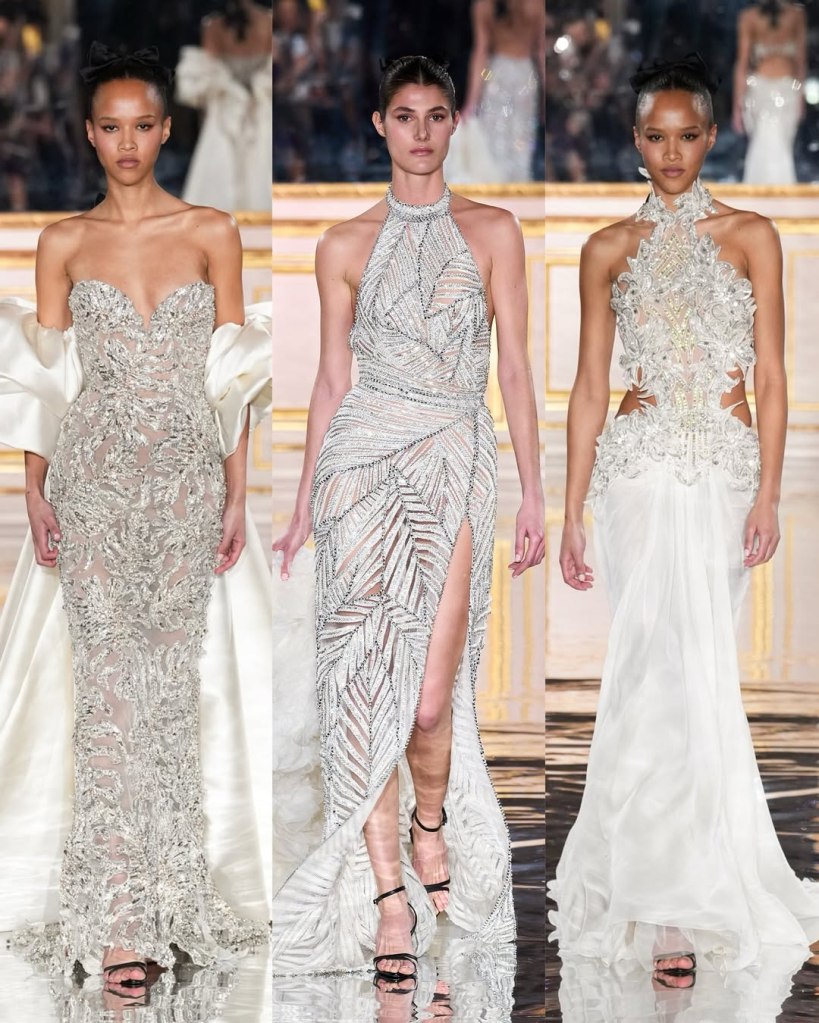
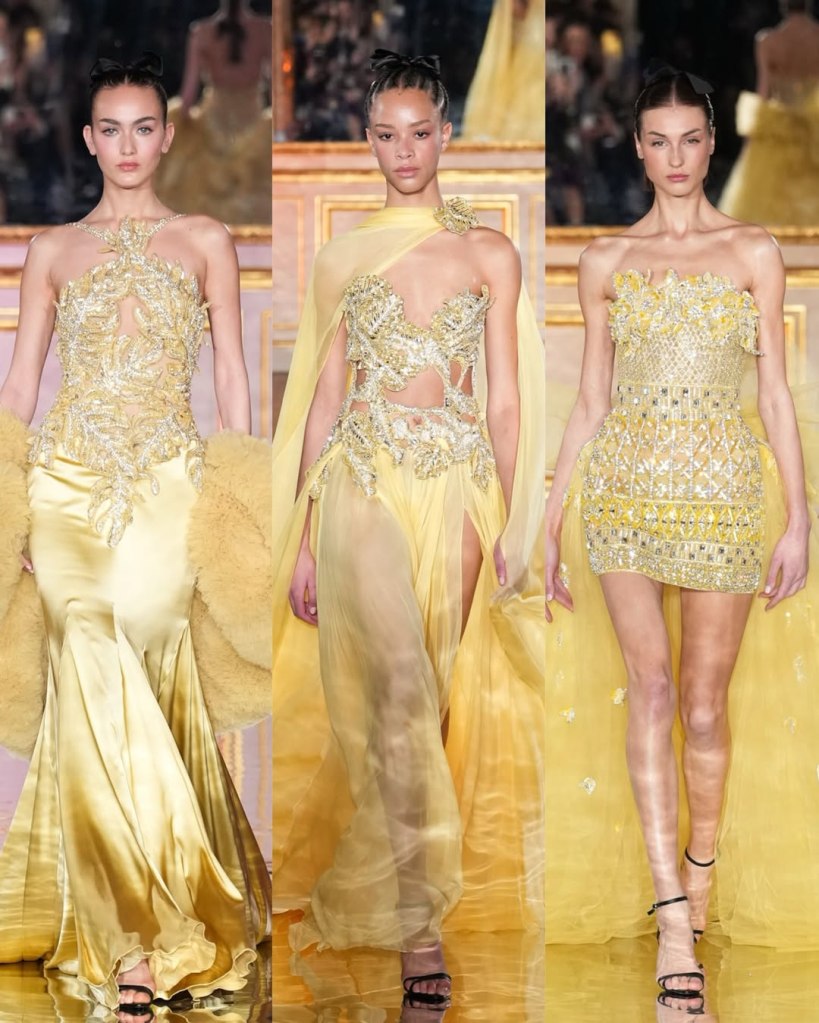
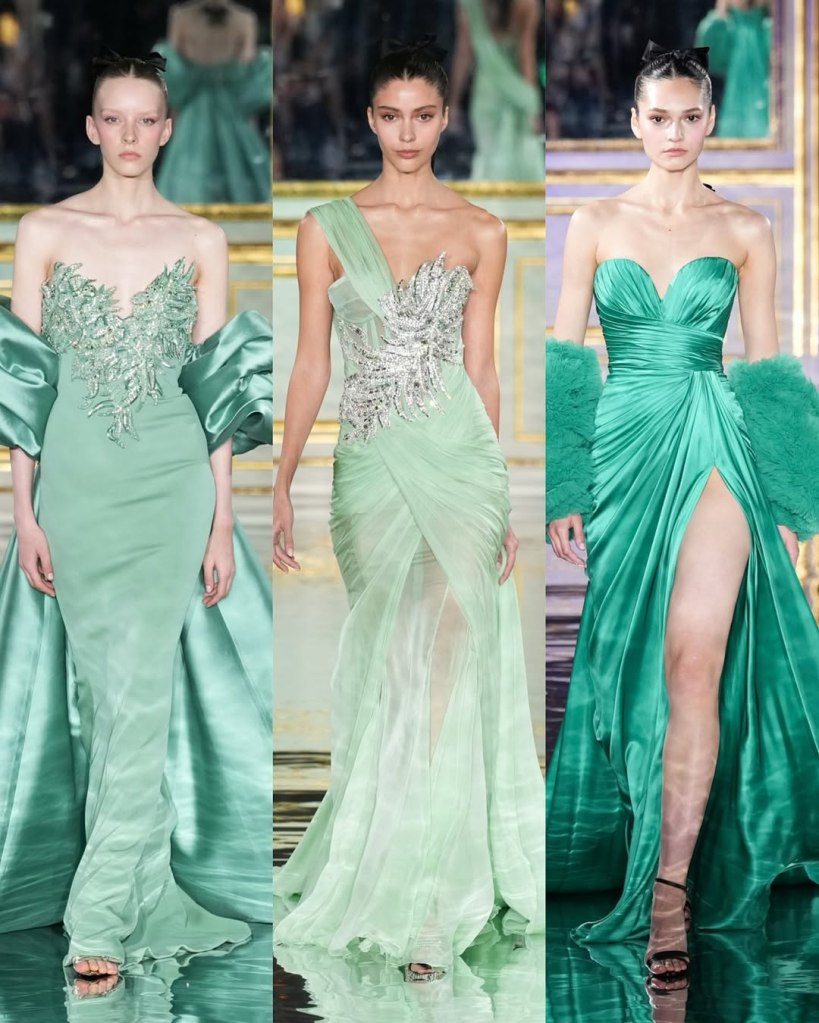
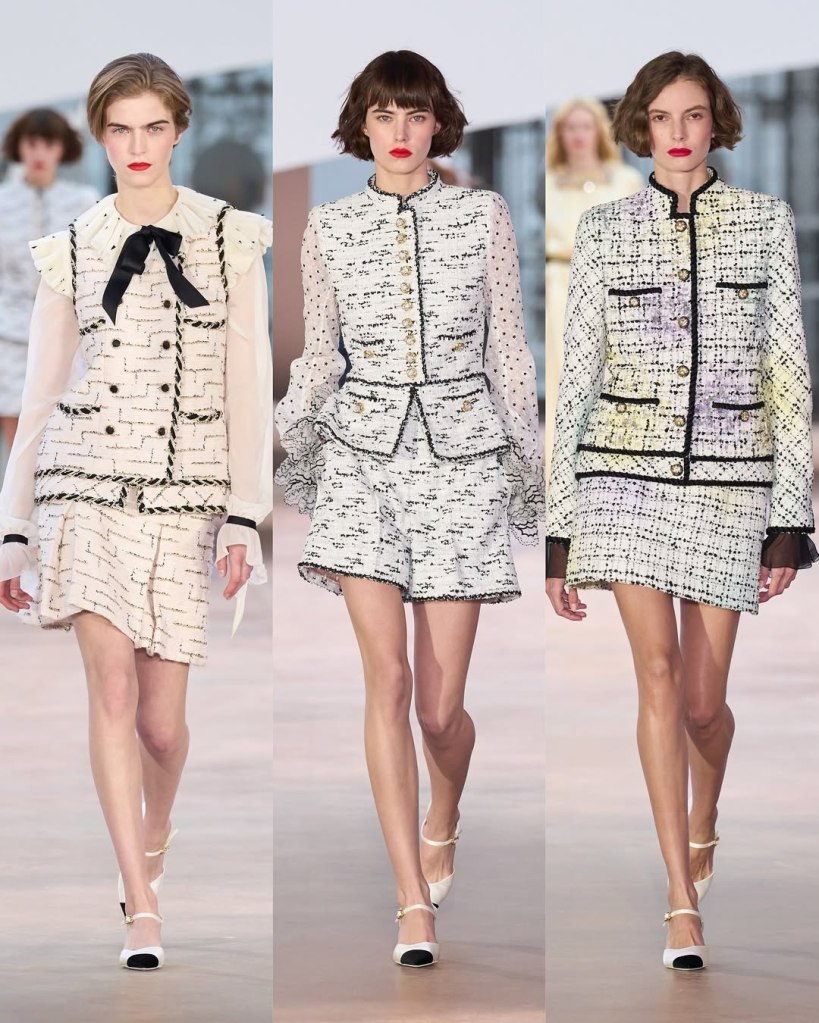
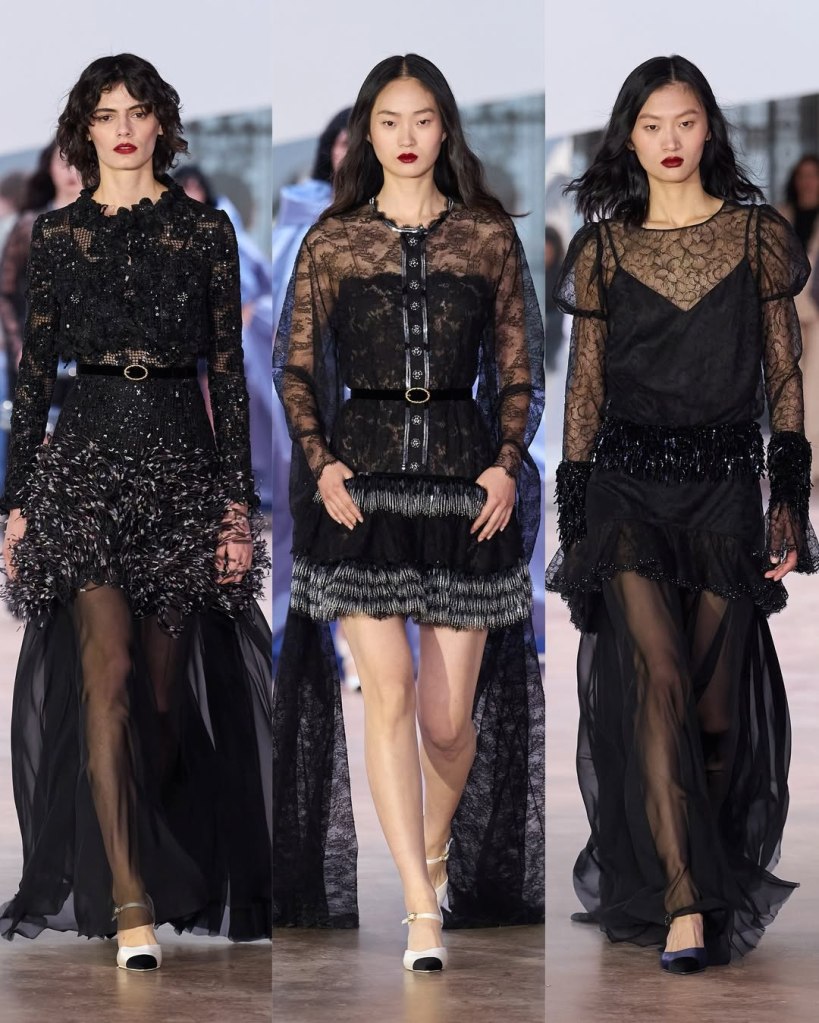
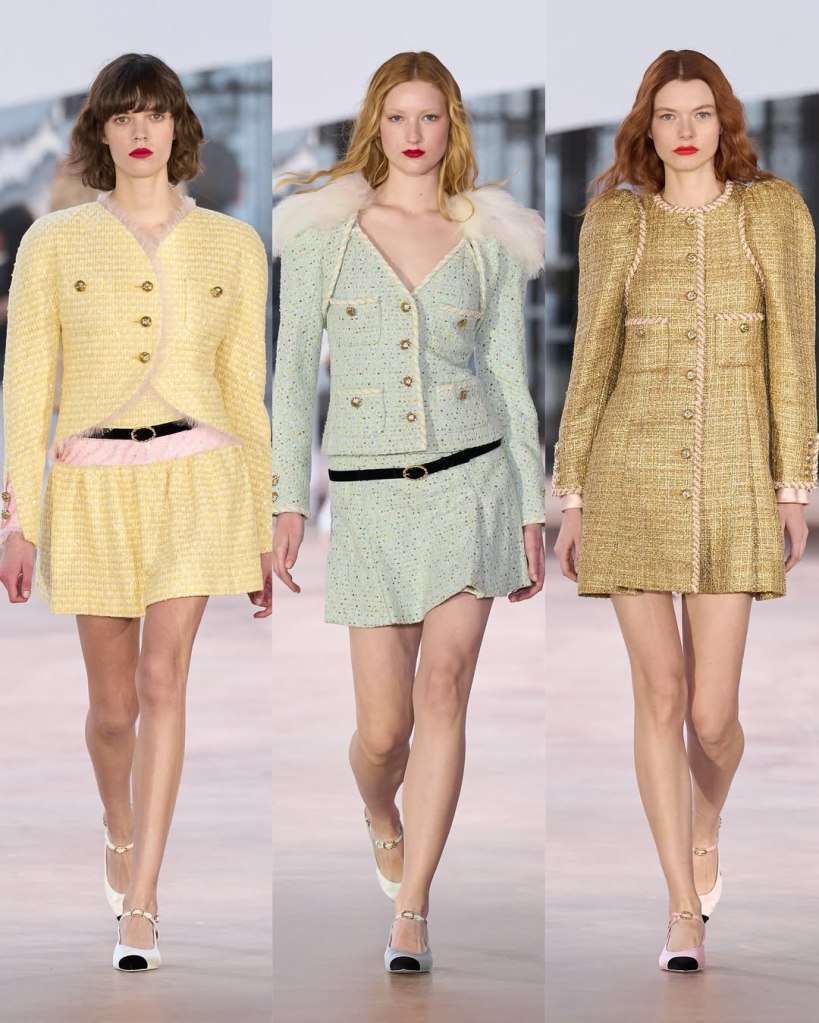
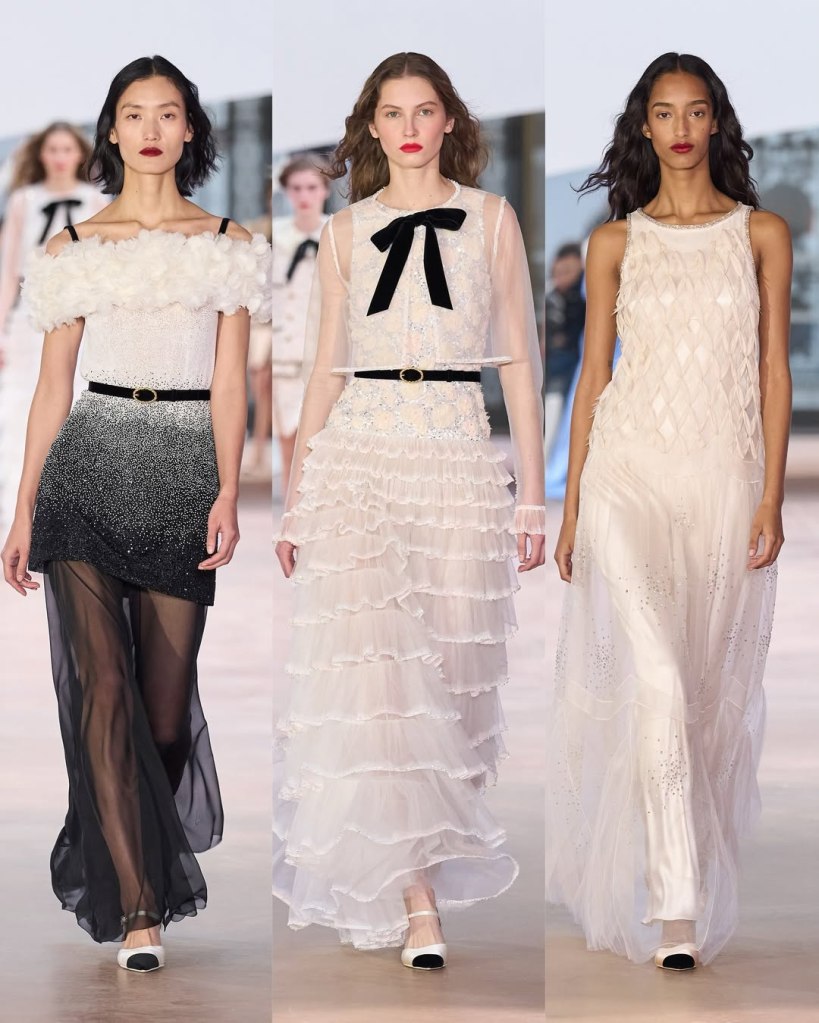
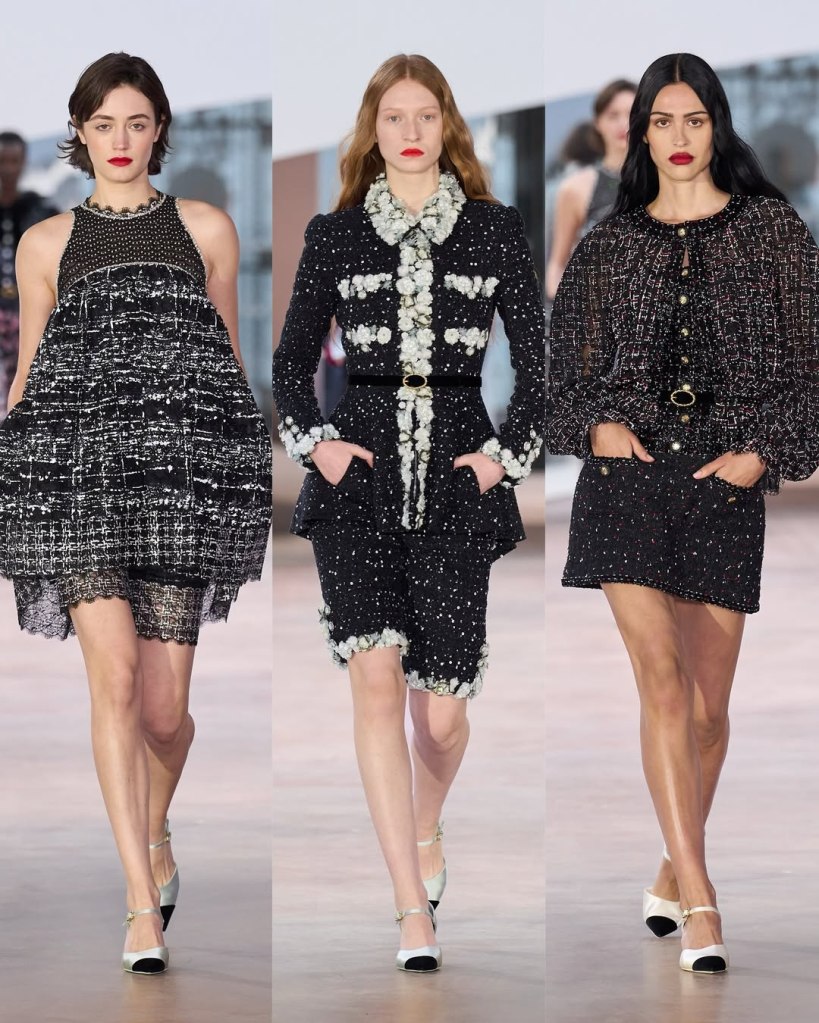
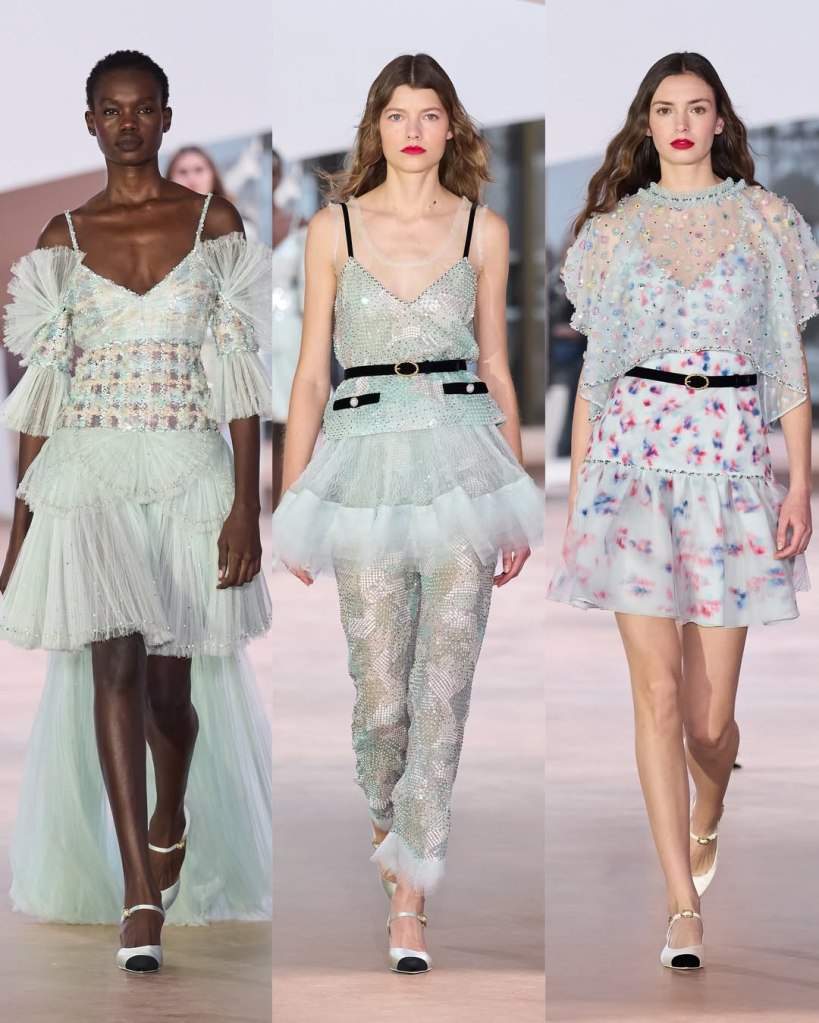
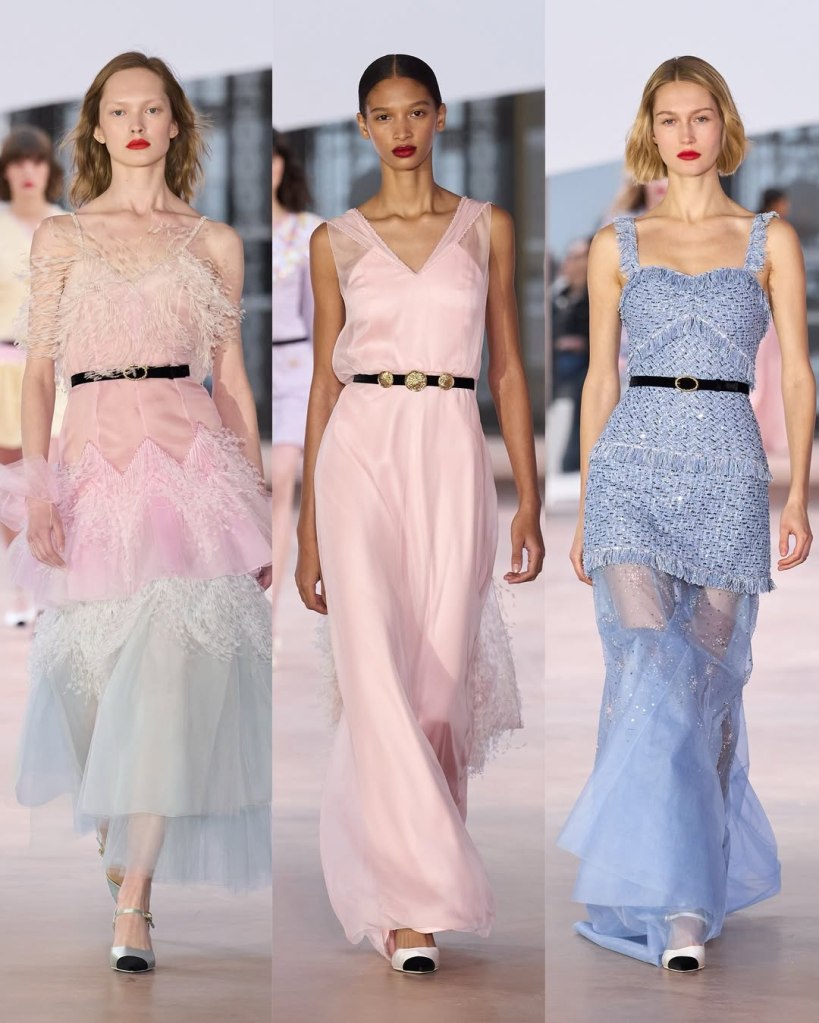
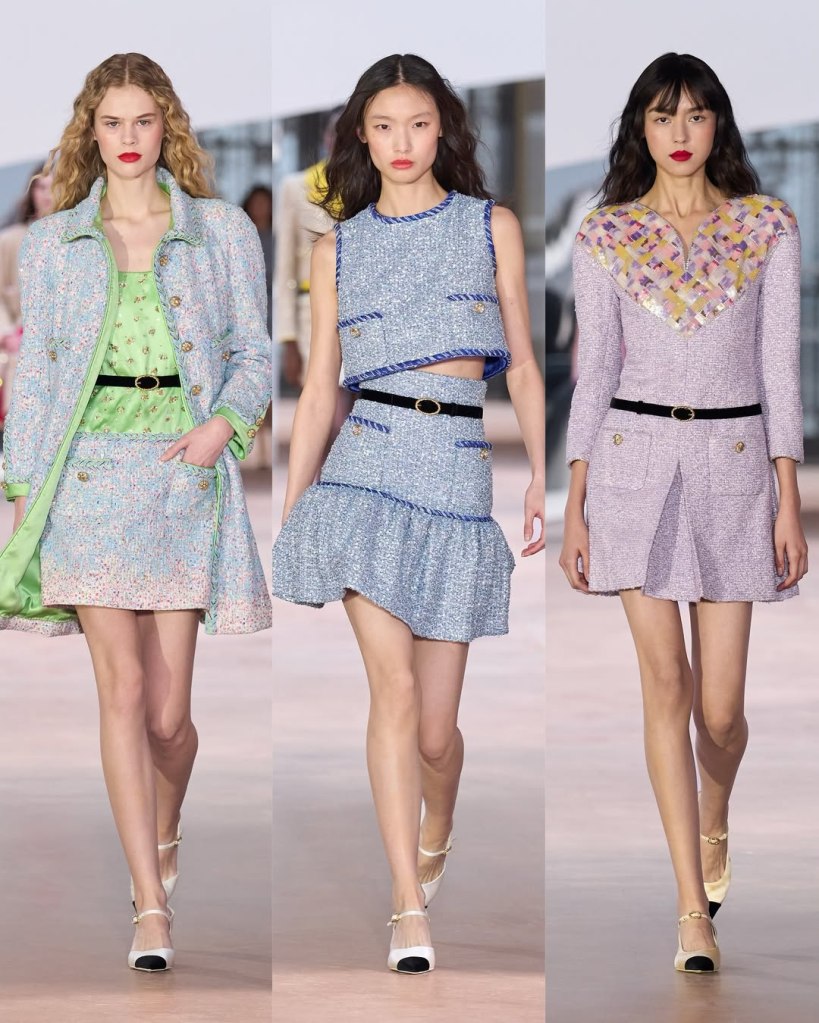
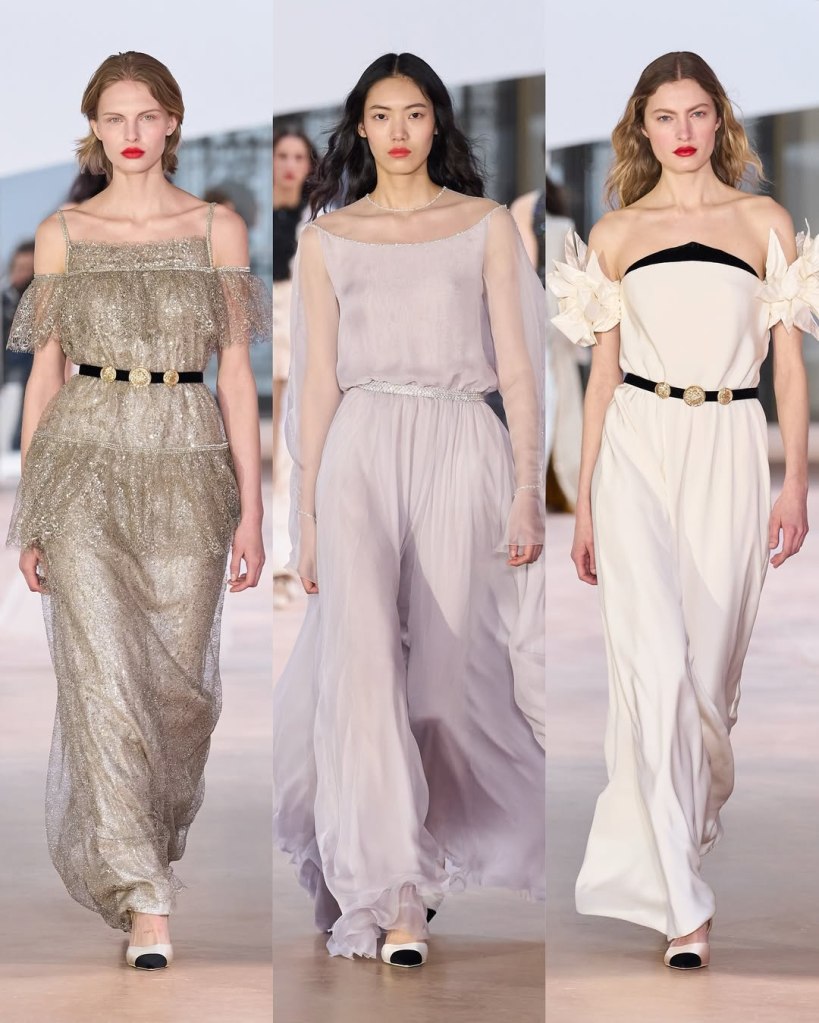
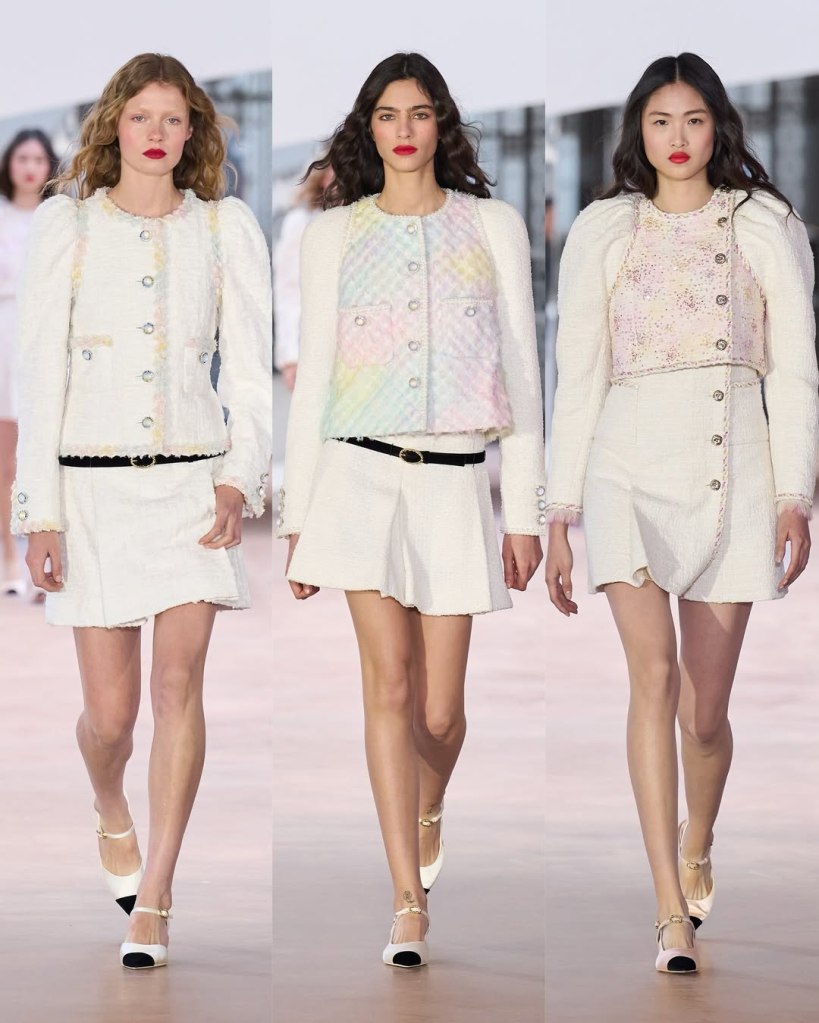
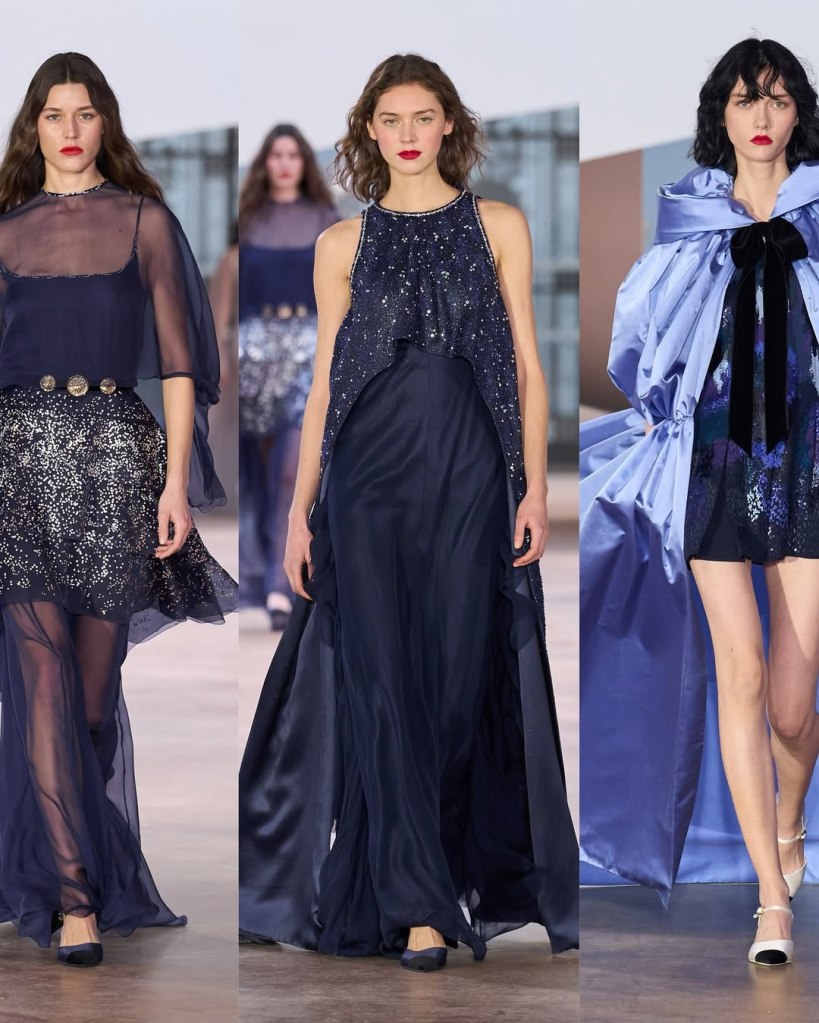
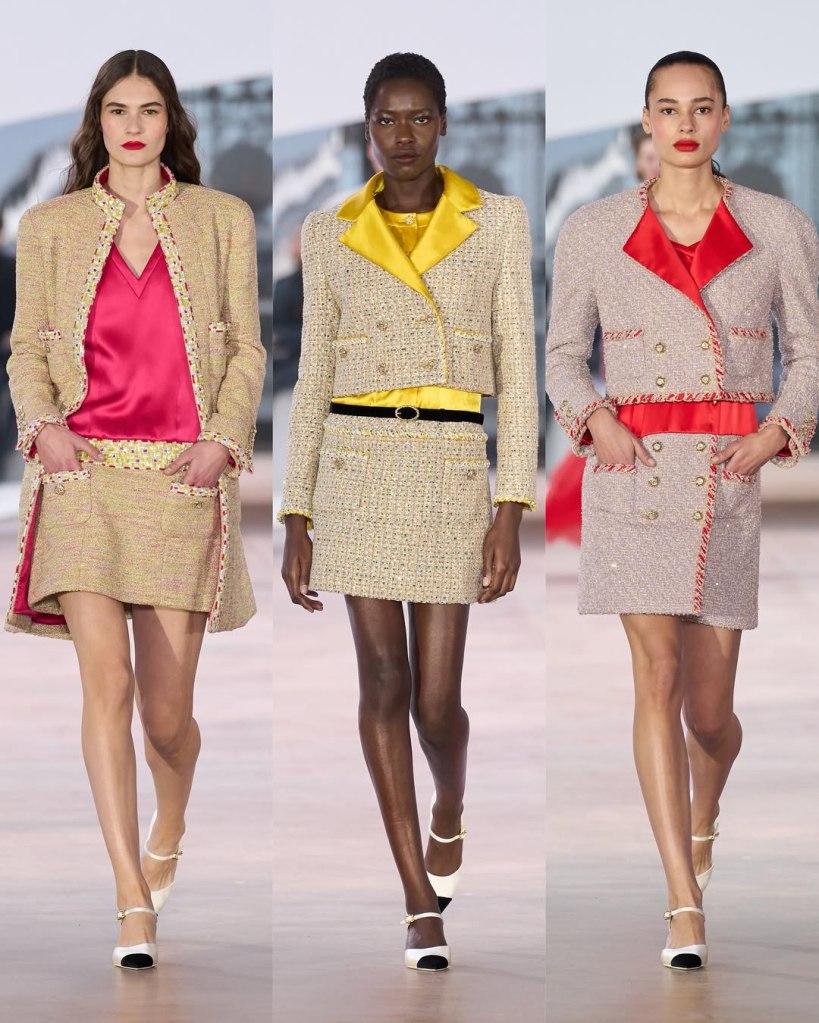
Chanel: This collection aimed to be about girly lightness and an effortless sense of cool. With the studio team holding down the fort before Matthieu Blazy’s arrival, the collection felt like a (more fun) continuation of Virginie Viard’s Chanel. The most striking aspect of this collection was its refreshing use of color. Though often associated with black and white, Gabrielle Chanel was a true colorist, working with everything from sugared almond pastels to deep midnight blues. This show celebrated that understated legacy.
This choice was not only visually uplifting but also a reminder of how color can serve as a mood booster, especially in uncertain times, chanel has been dealing with that for a while now. Though the collection didn’t push boundaries or deliver a high-concept theme, it didn’t need to. The strength of this show lay in its understanding of what Chanel is at its core: timeless, elegant, and deeply rooted in its legacy.
And now, with Blazy’s arrival on the horizon, there’s a real sense of excitement for what’s next.
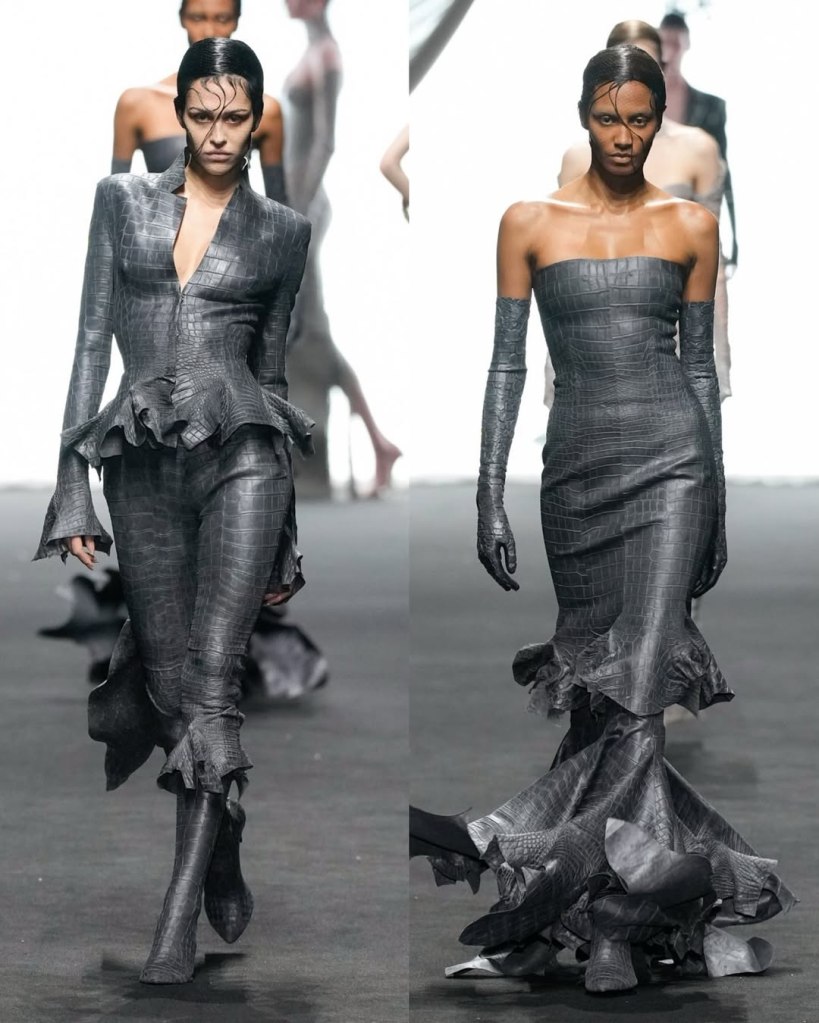
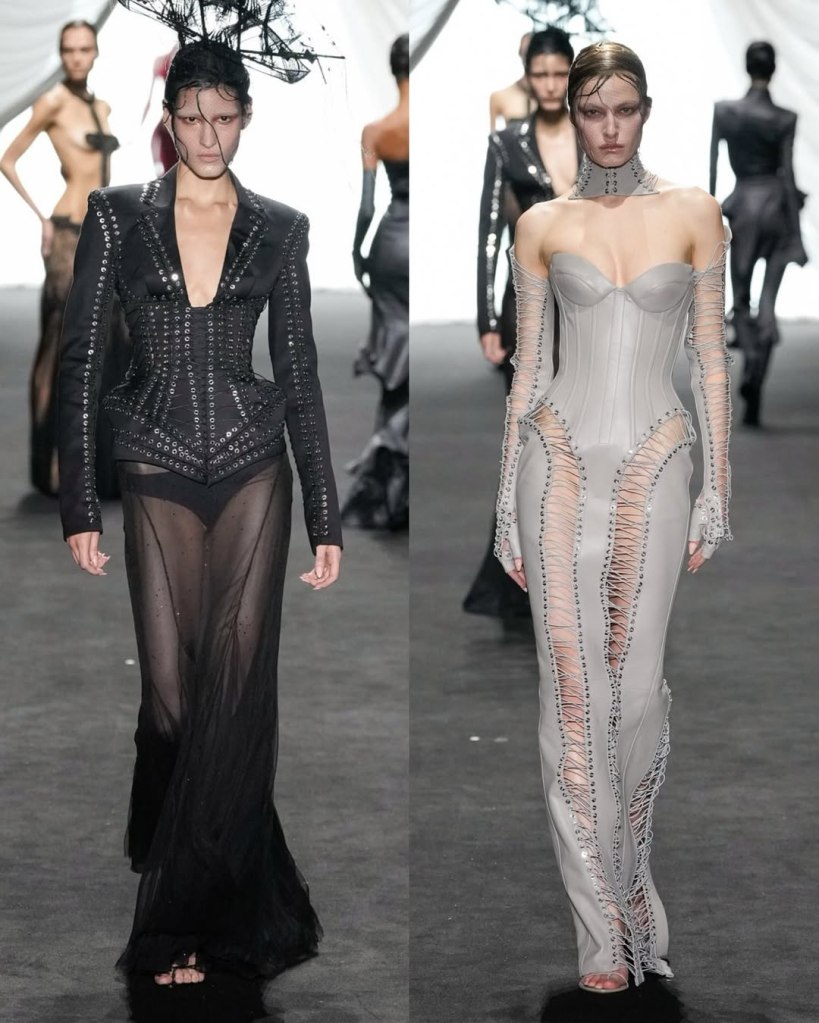
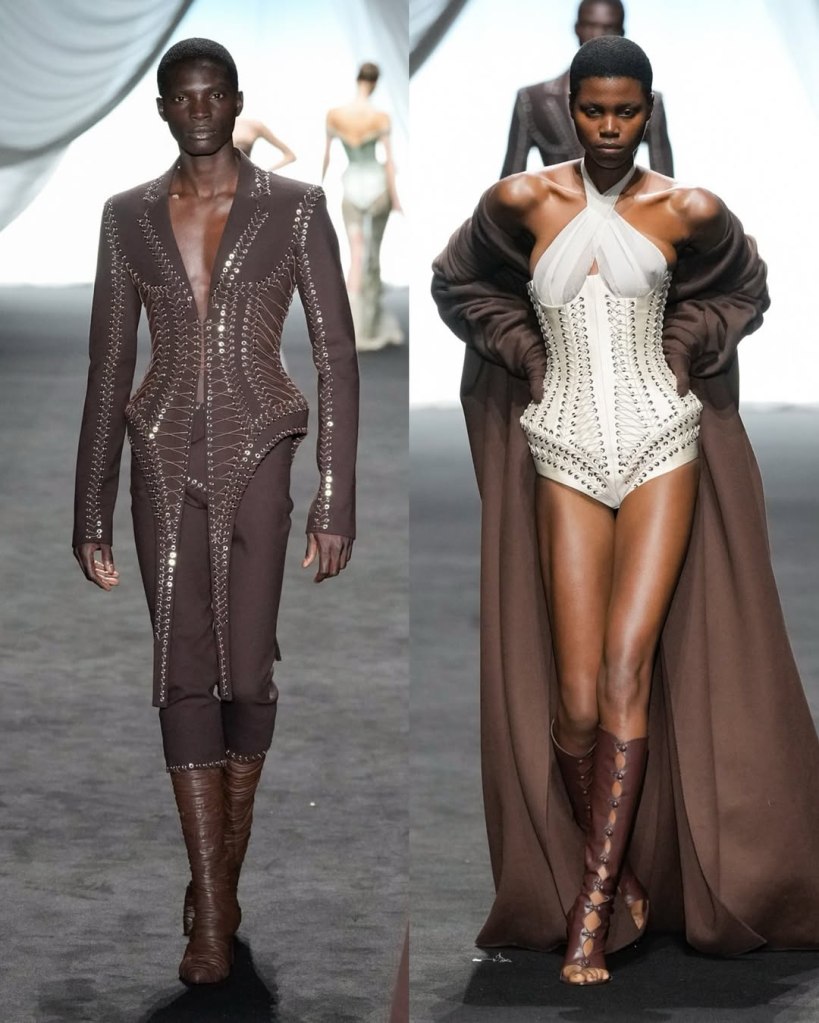
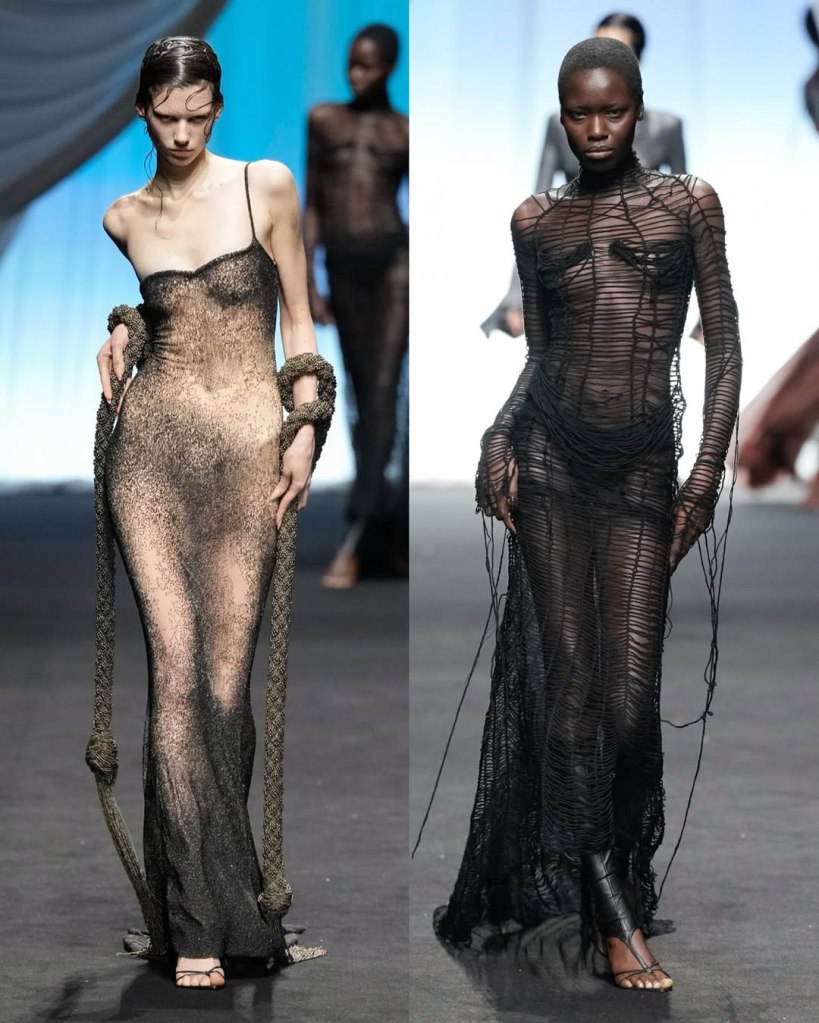
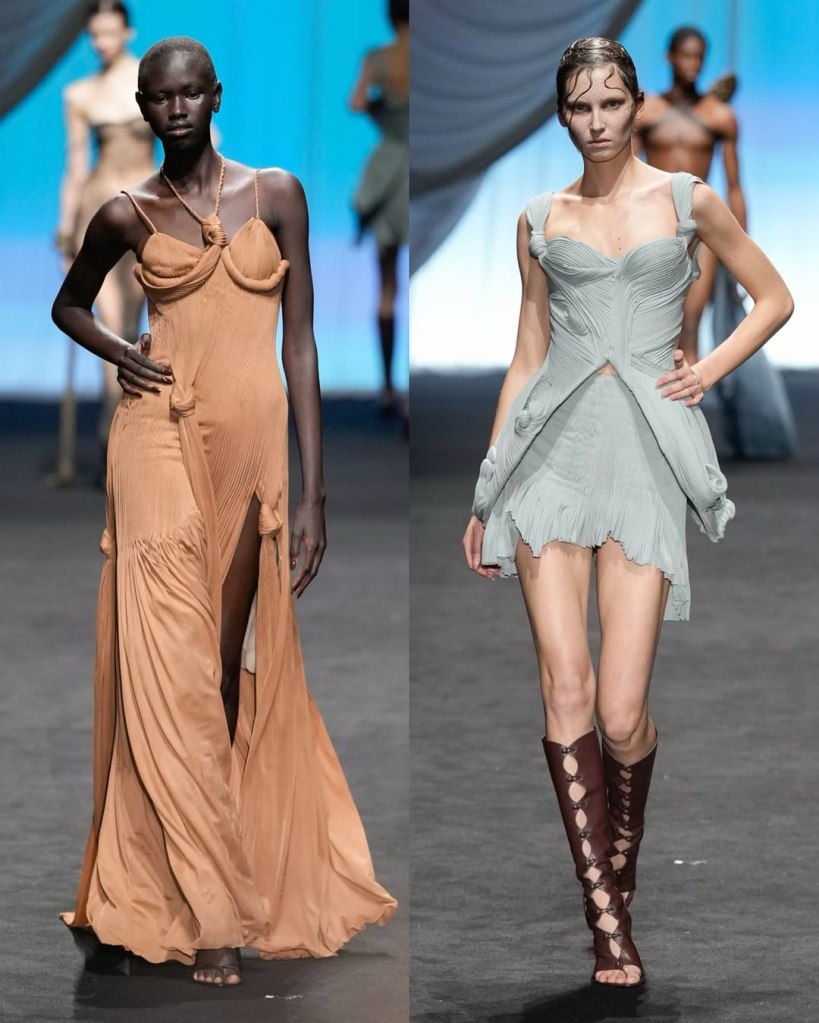
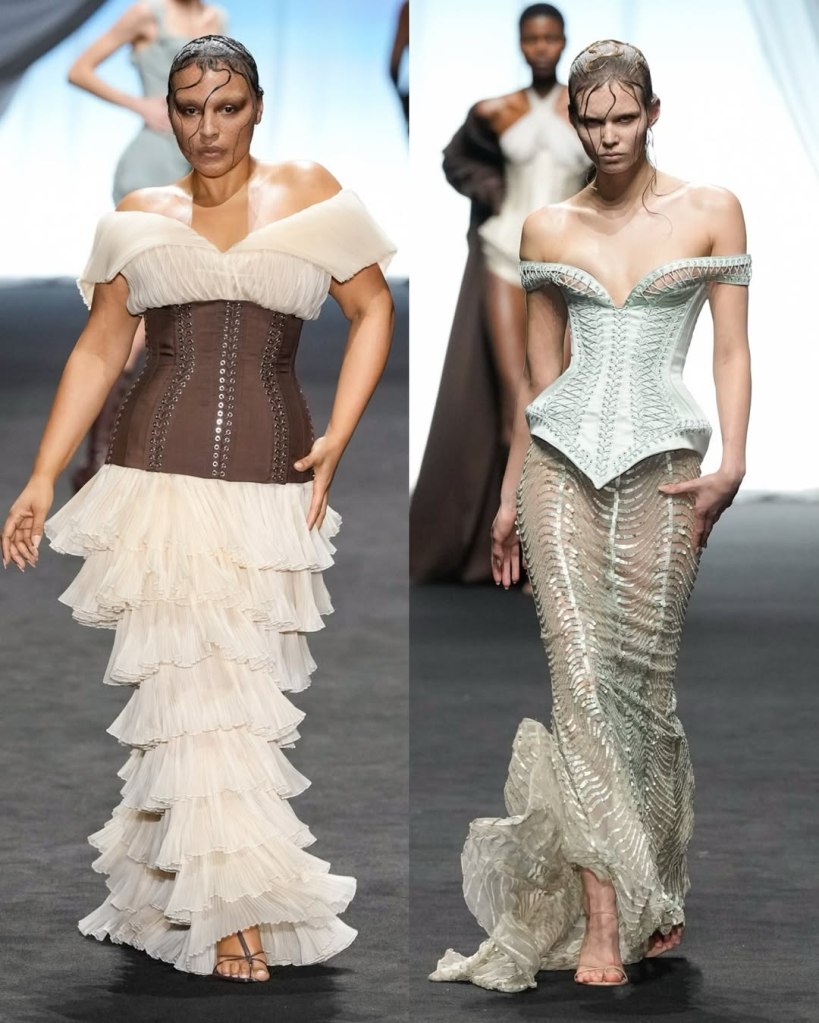
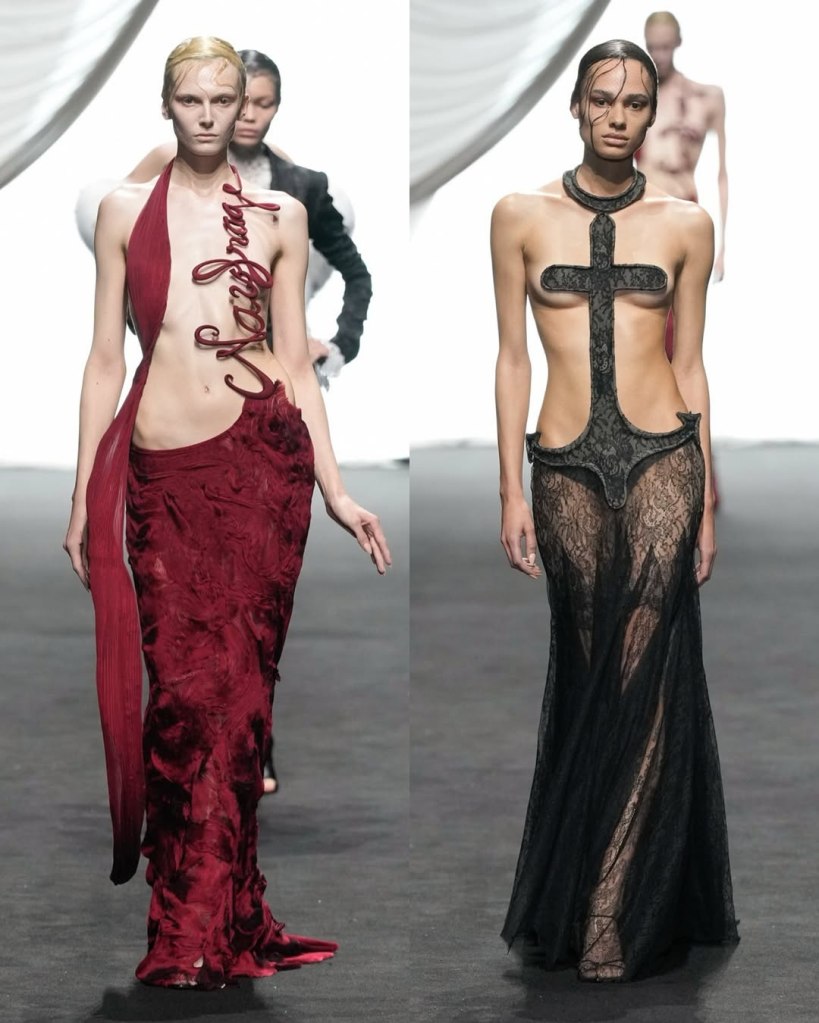
Jean Paul Gaultier: The theme of the show, “Le Naufrage” (which translates to “Shipwreck”), set the stage for a world where beauty, chaos, and allure collided. Instead of a tragic disaster, de Saint Sernin envisioned a glamorous shipwreck, where survivors emerged as mythical beings, seductive pirates, and mysterious sea creatures. Inspiration came from multiple sources, including the 2002 music video “Les Mots” by Mylène Farmer and Seal, which featured the artists adrift at sea. Another key reference was the 1997 Jean Paul Gaultier runway show, where a model famously strutted down the catwalk with a ship-shaped headpiece.
The clothes told a story of survival, but in the most glamorous way possible. It was as if the most fashionable shipwreck survivors had washed ashore, not in torn rags, but in stunning, body-hugging ensembles that played with texture, movement, and transparency.
The opening look set the tone: a seafoam-green corset dress, laced up with de Saint Sernin’s signature eyelets, hugging the model’s body like a second skin. The skirt, adorned with sequins resembling fish scales, cascaded down like ocean waves. It was clear from the start that this wasn’t just a shipwreck— it was pure drama.
. There was the barely-there anchor dress, where only a delicately sculpted anchor preserved the model’s modesty, and a ghostly white gown reminiscent of a shipwrecked bride lost at sea. Feathers, lace, and sheer paneling abounded, crafting silhouettes that felt both fluid and structured.
Jean Paul Gaultier’s signature corsetry was reimagined through de Saint Sernin’s lens—tighter, sexier, and unapologetically provocative. The infamous cone bra made an appearance, though this time fashioned into ship wheels, a playful nod to the maritime theme.

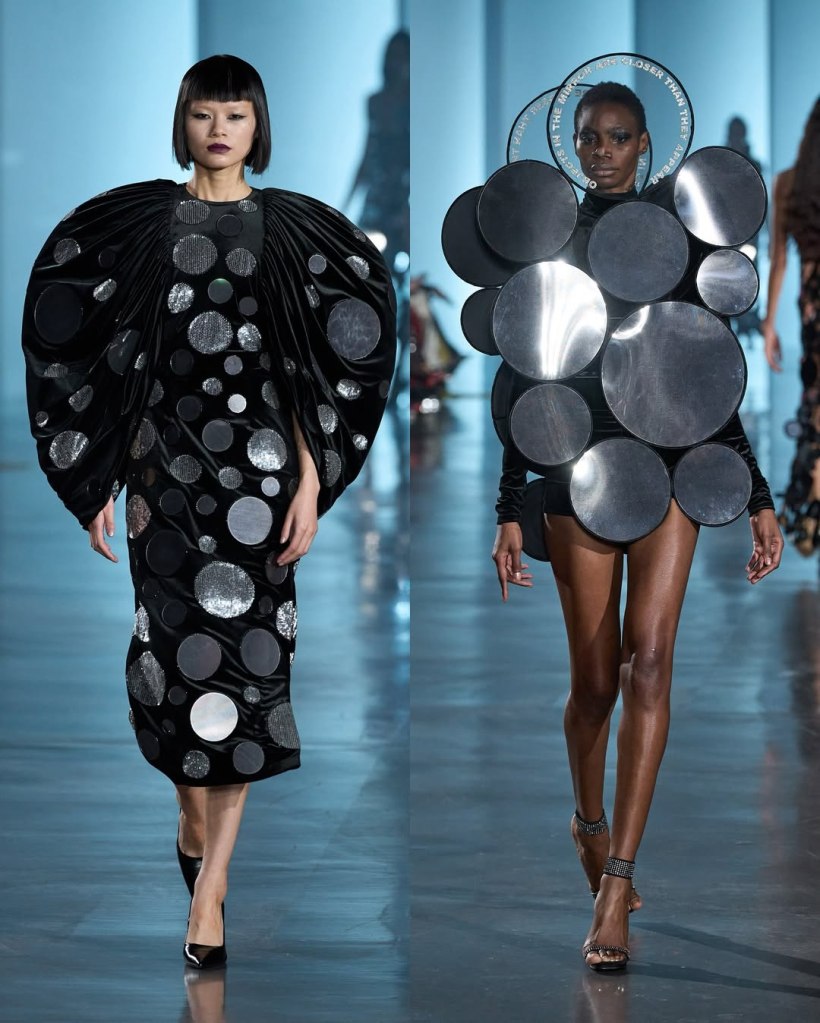
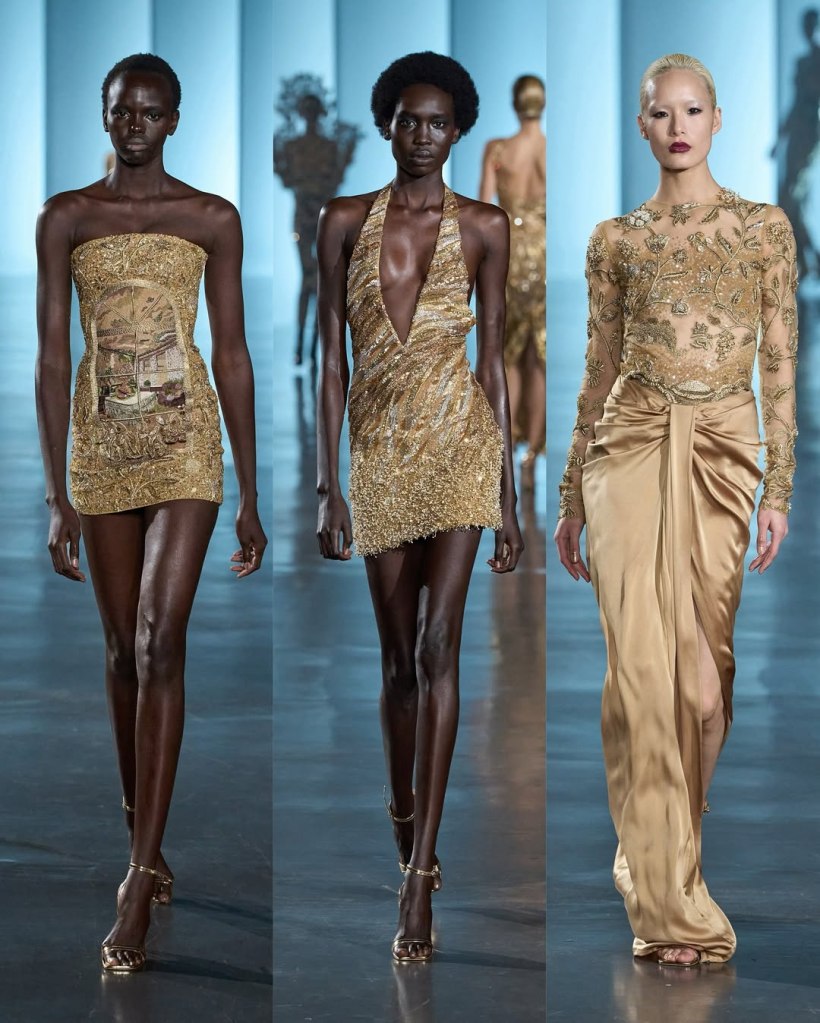
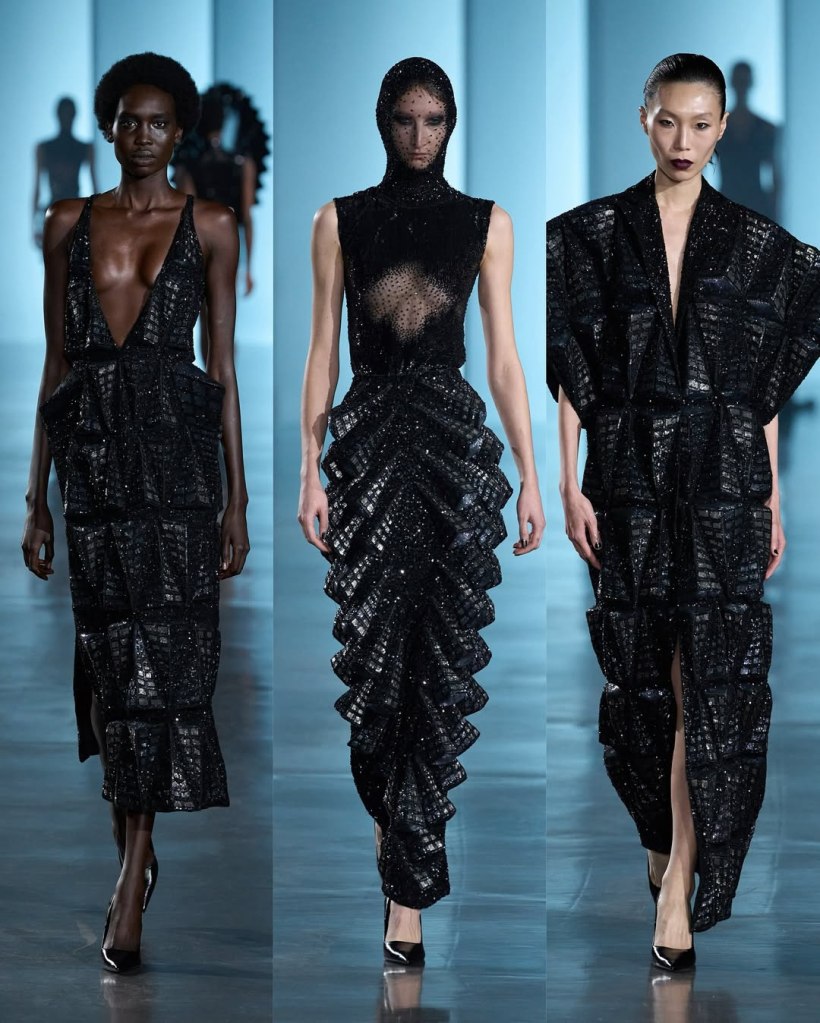
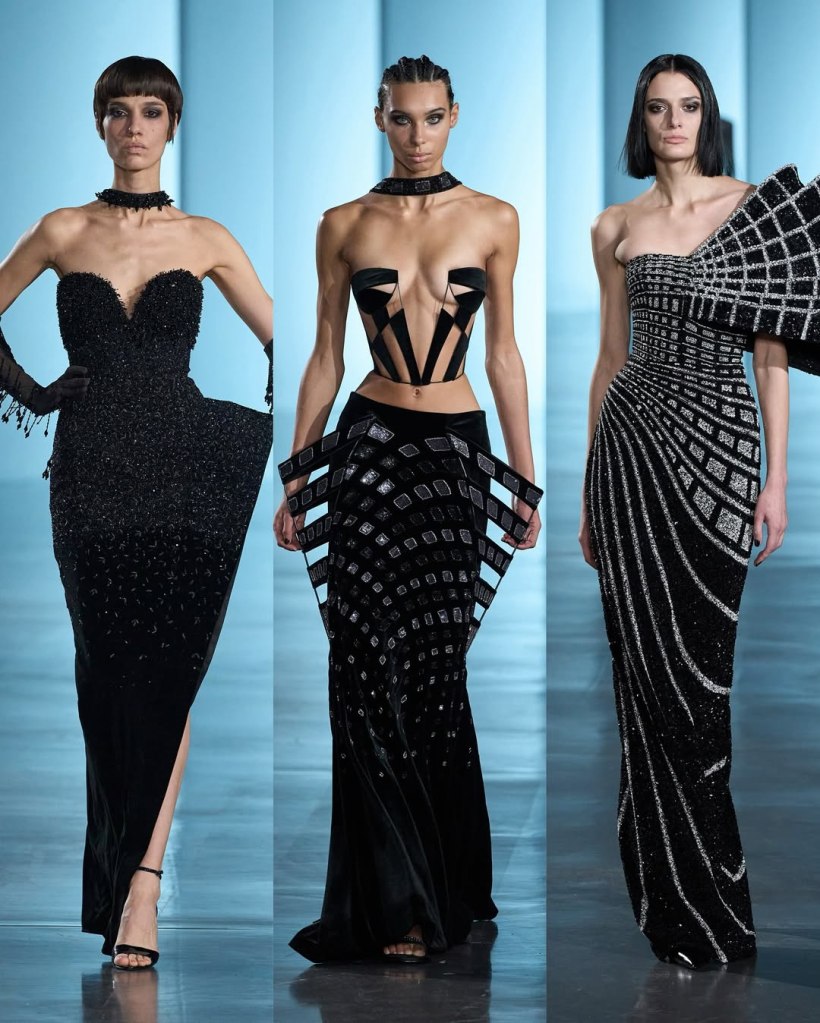
Rahul Mishra: The Pale Blue Dot is a profound reflection on humanity’s fragility and nature’s resilience. Inspired by Carl Sagan’s poignant reflections on Earth, Mishra channelled his grief over his father’s passing and concerns about urban decay into a narrative of loss, resilience, and renewal.
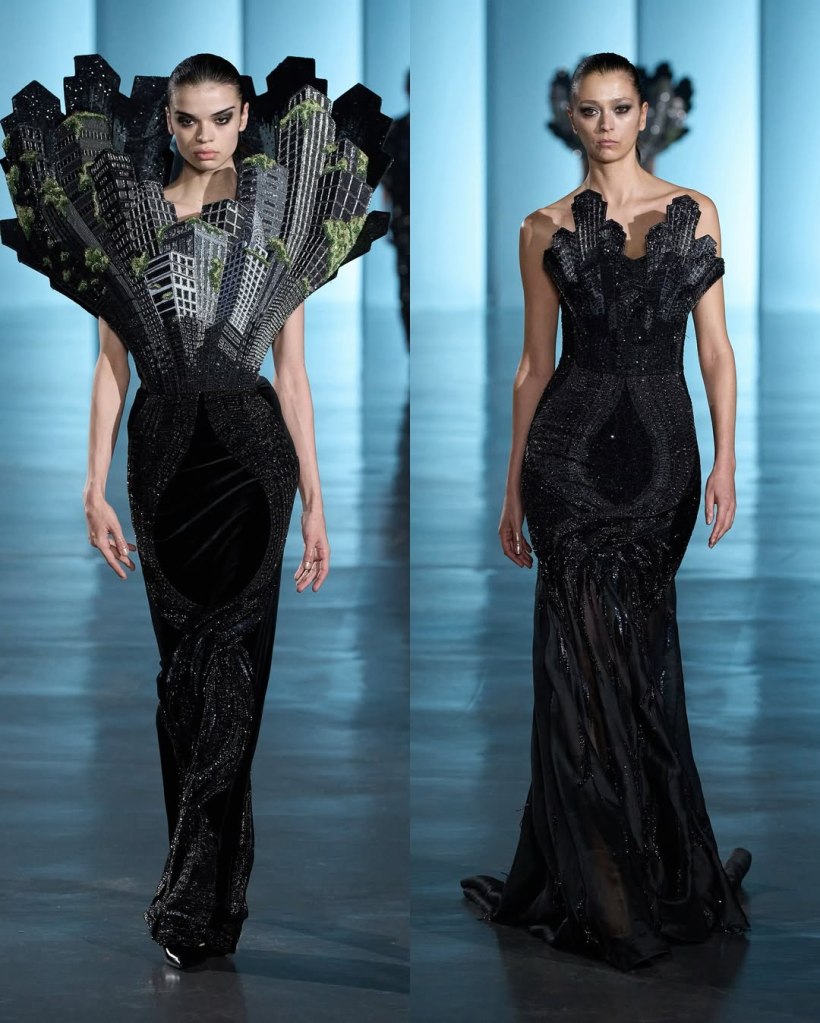
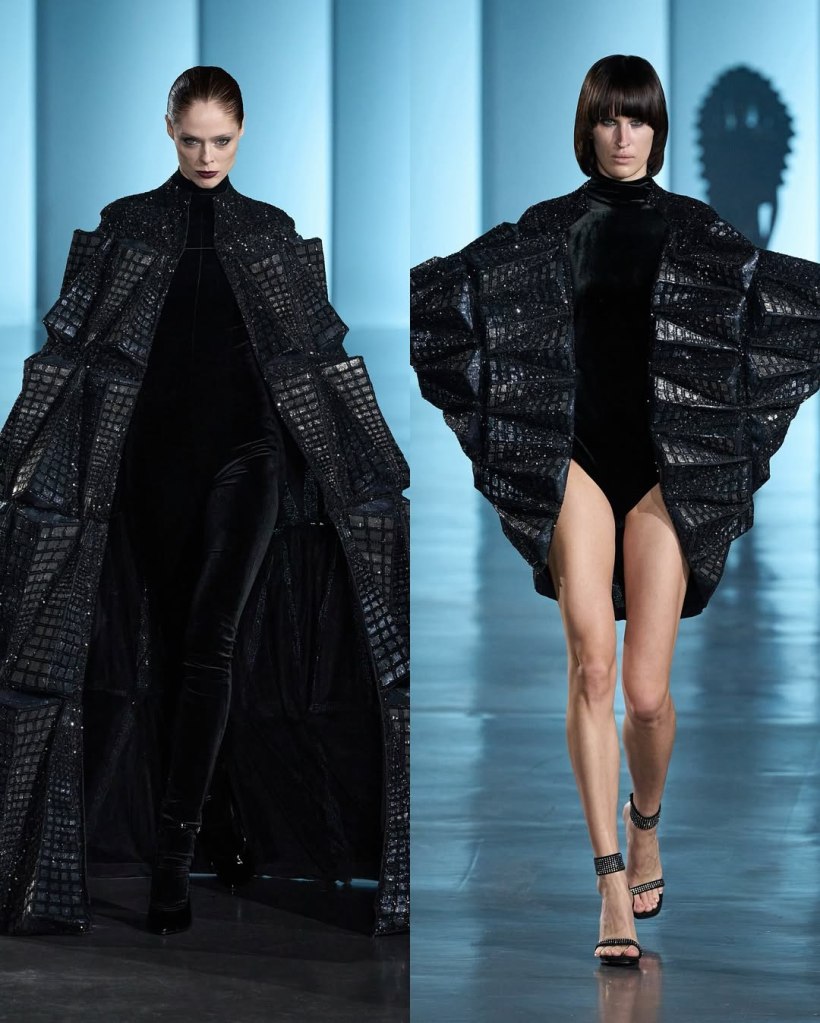
The collection’s story begins in darkness. The show opened with a dramatic black cape covered in shimmering silver cuboids, resembling an urban skyline from above. This architectural motif recurred throughout the collection, appearing on sculptural dresses, sweeping capes, and even as fan-like structures erupting from bodices.
Mishra’s mastery of embroidery was on full display, with over 2,000 artisans contributing to the exquisite detailing. Vegetation embroidered onto cityscapes symbolises nature’s ability to heal, while 3D bird motifs depict the scavengers that cleanse and renew the Earth. A standout design featured embroidered world monuments like the Taj Mahal and Eiffel Tower, overgrown with greenery, symbolising nature reclaiming its space.
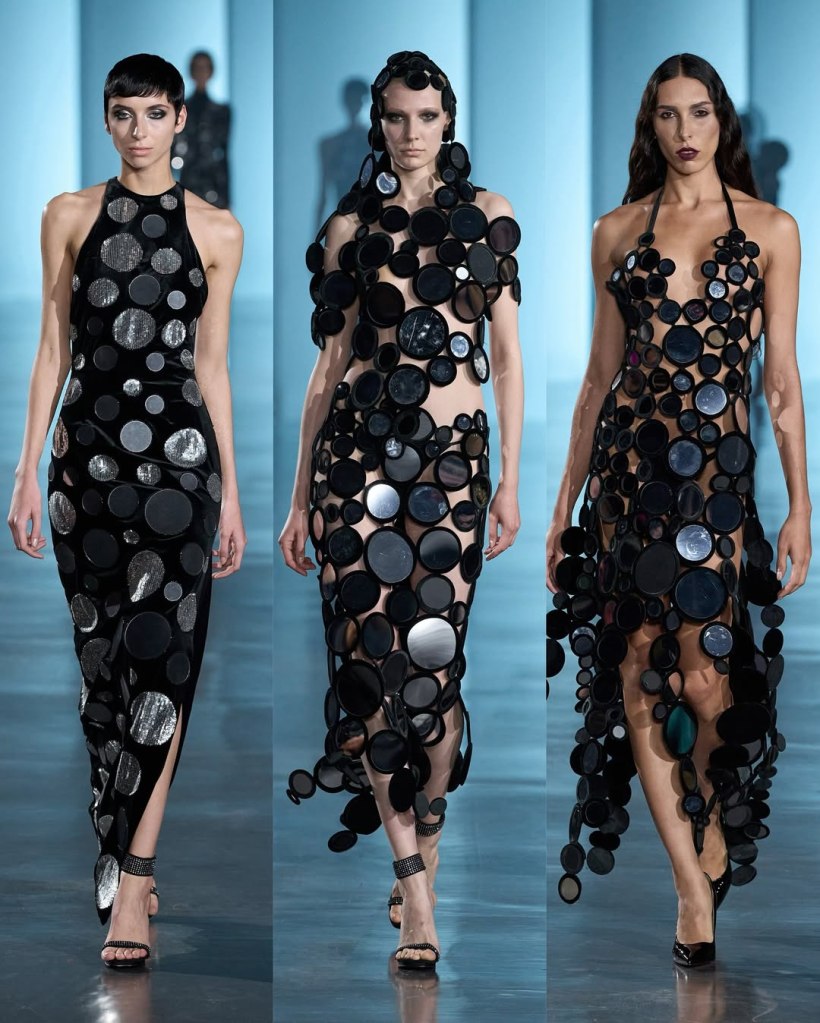
The addition of round mirrors, adds a futuristic, almost surreal element. The palette evolved from sombre blacks and silvers to vibrant greens and opulent golds, signifying renewal and hope. Golden minidresses adorned with scenes of nature—like a deer curled on a bed—embodied Mishra’s unique ability to combine narrative with straightforward beauty.
His work doesn’t dwell in dystopia but offers hope, urging humanity to reflect on its role as a custodian of life on Earth. By bringing together personal loss and environmental urgency he crafts not just a collection, but a philosophical inquiry.
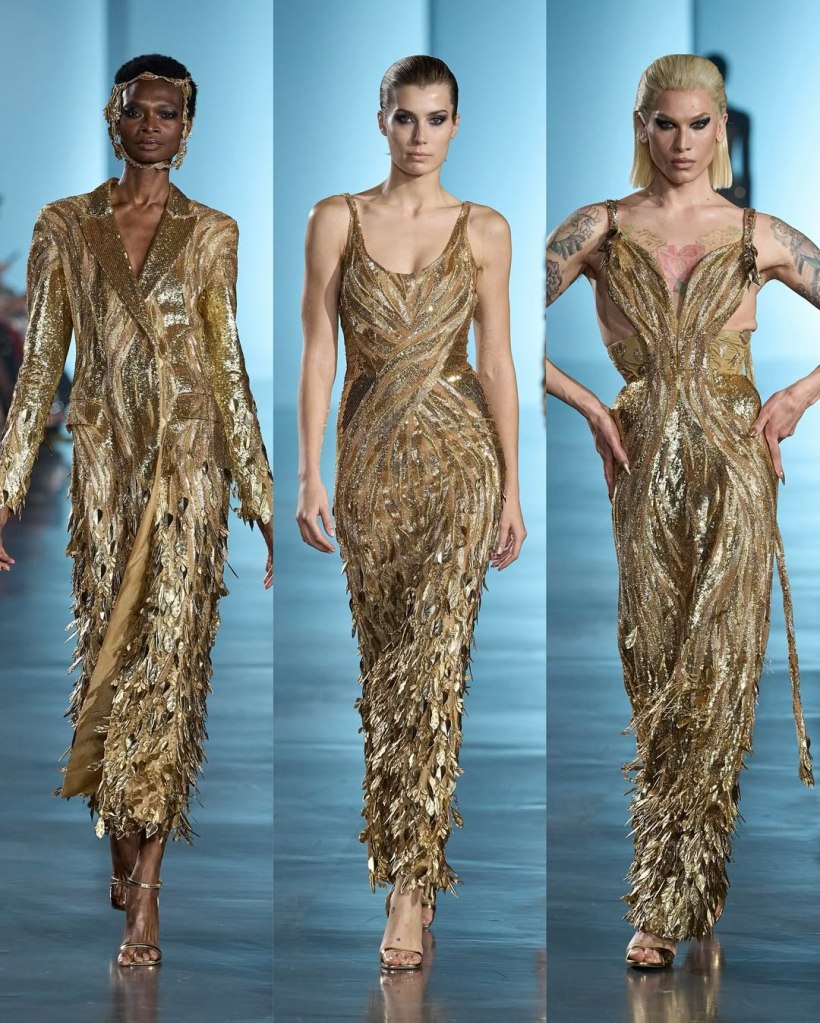
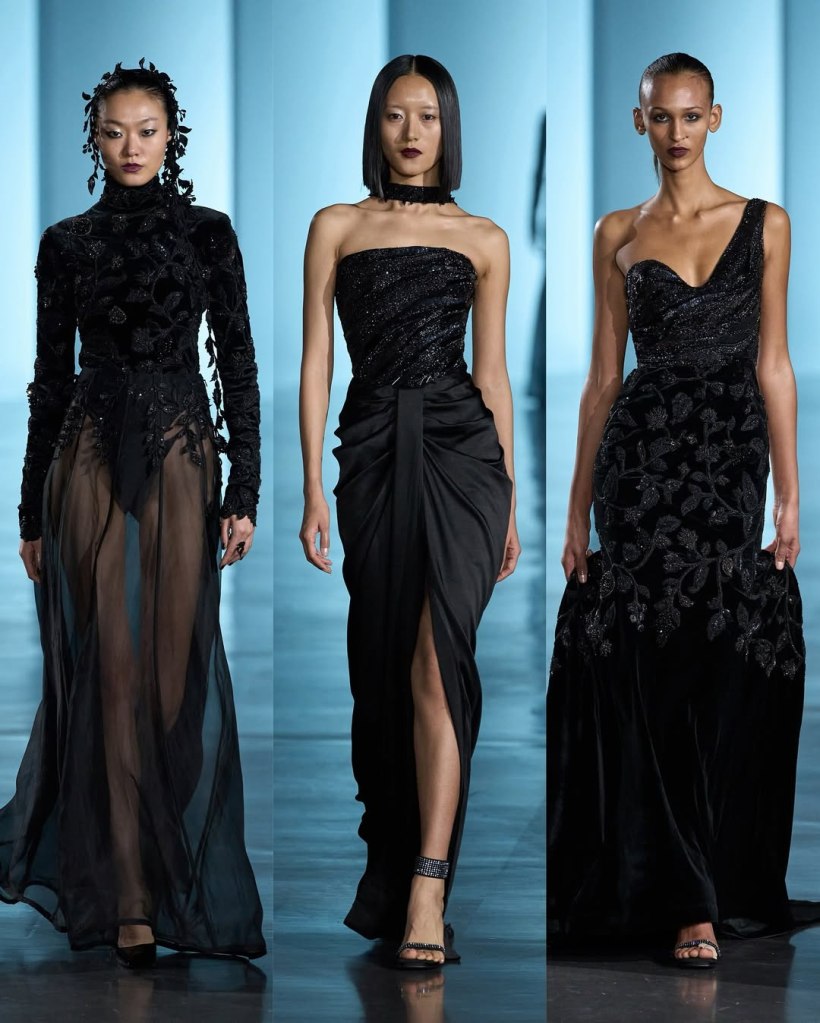
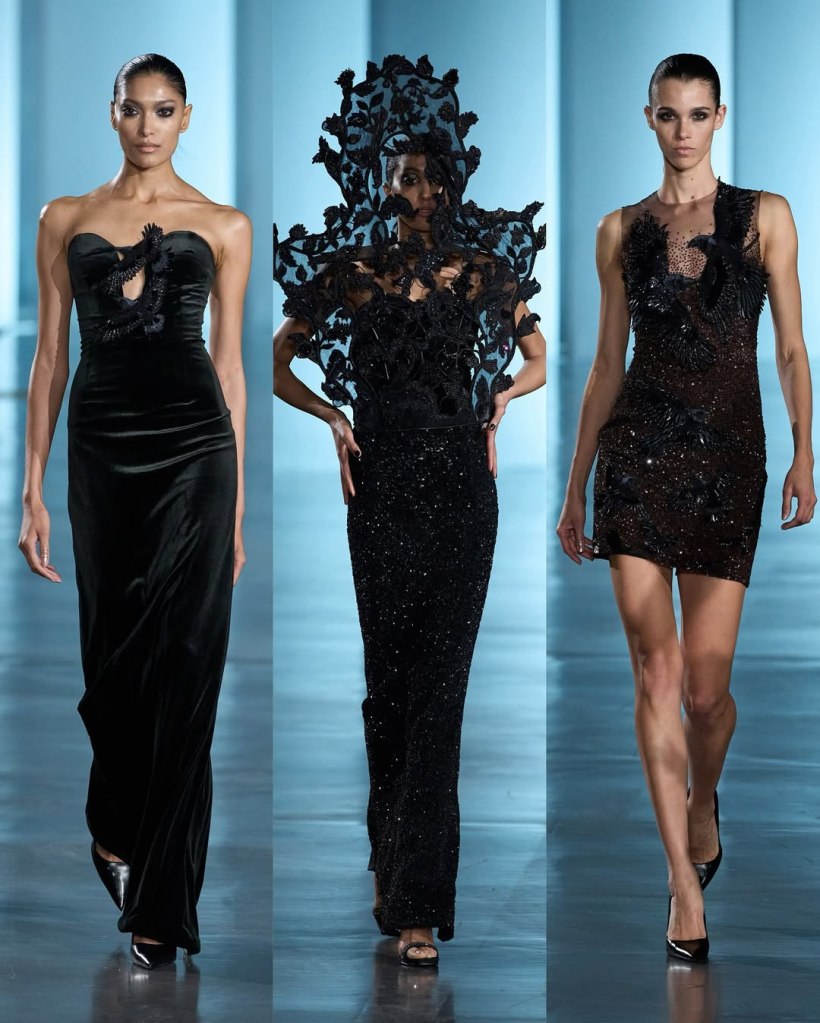
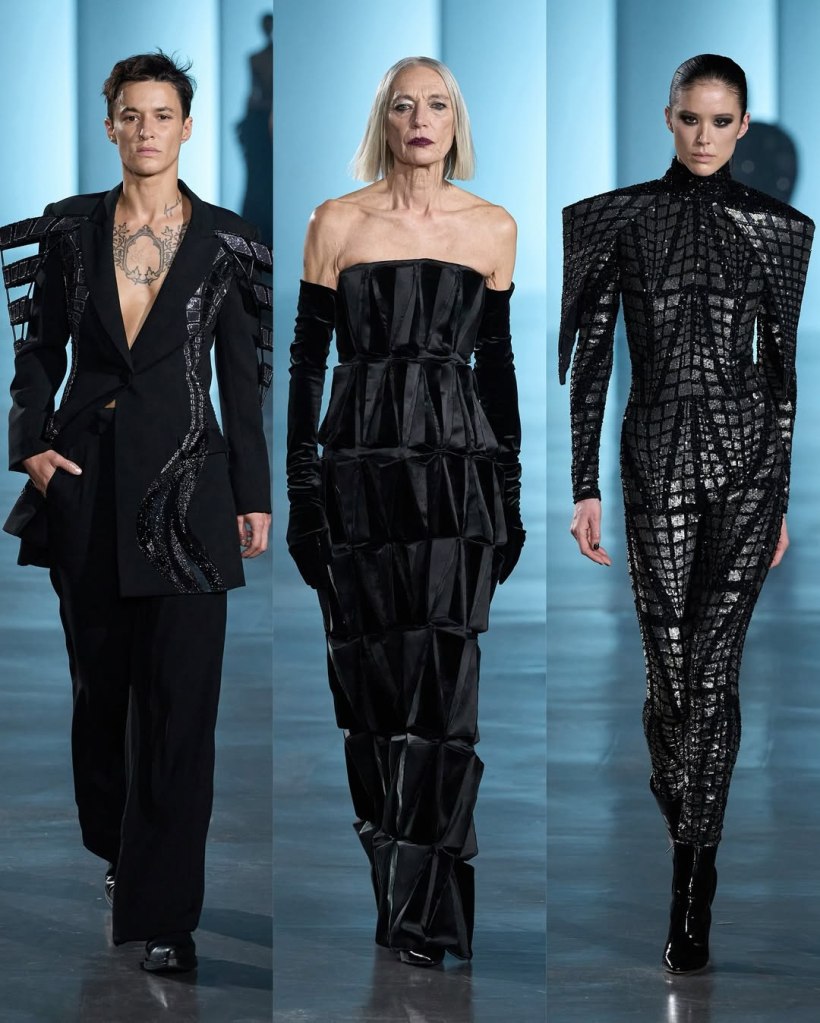
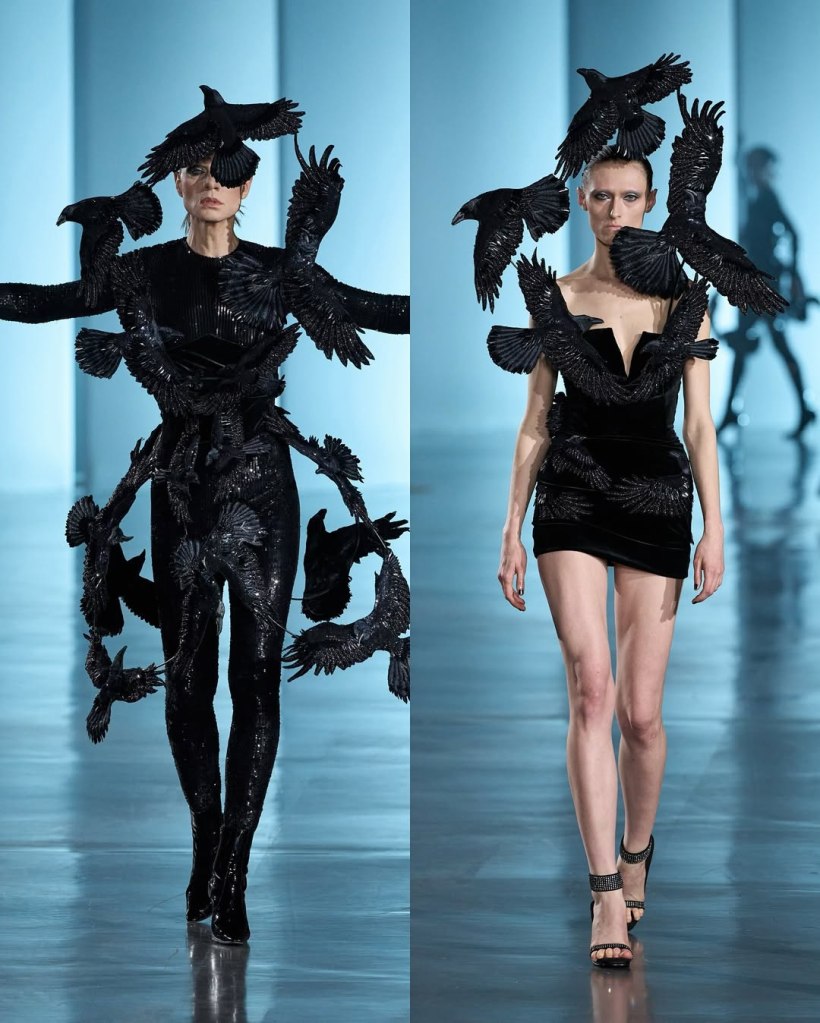
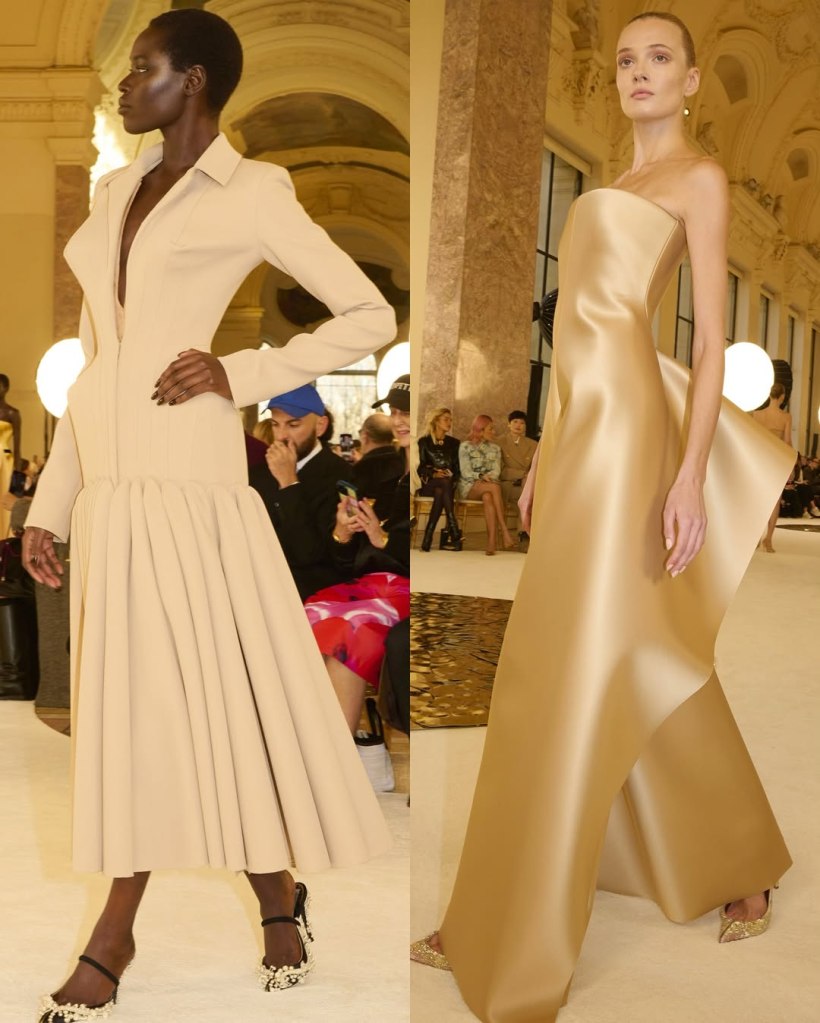
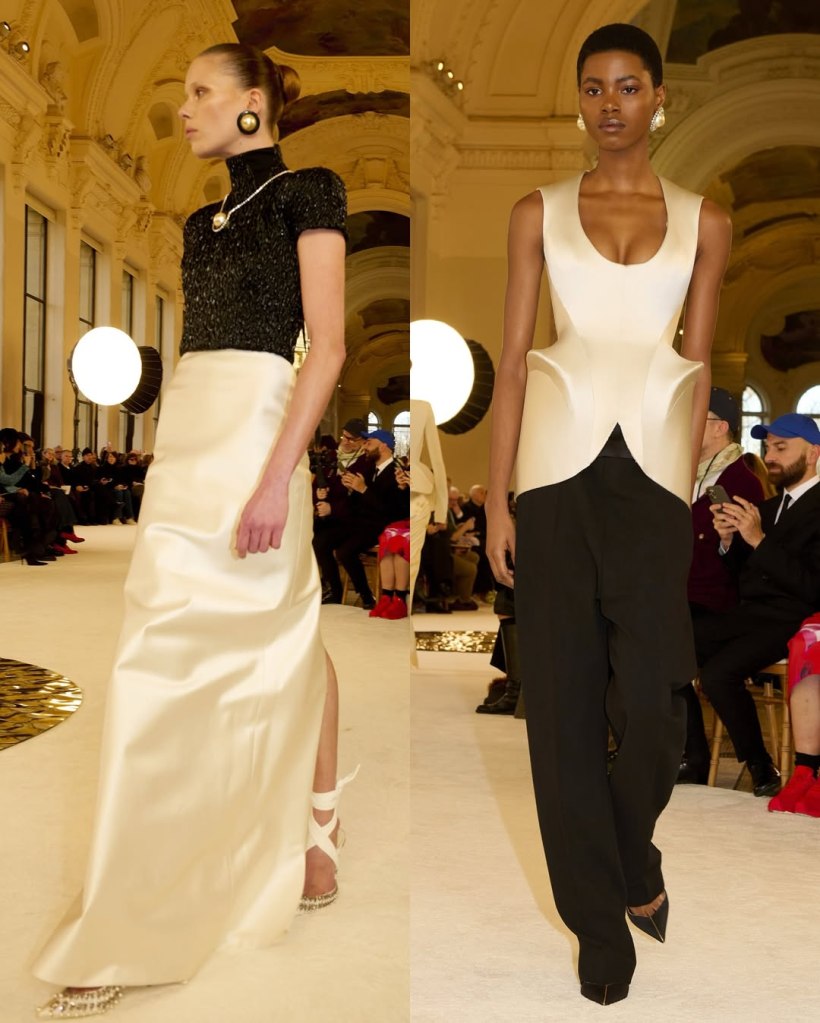
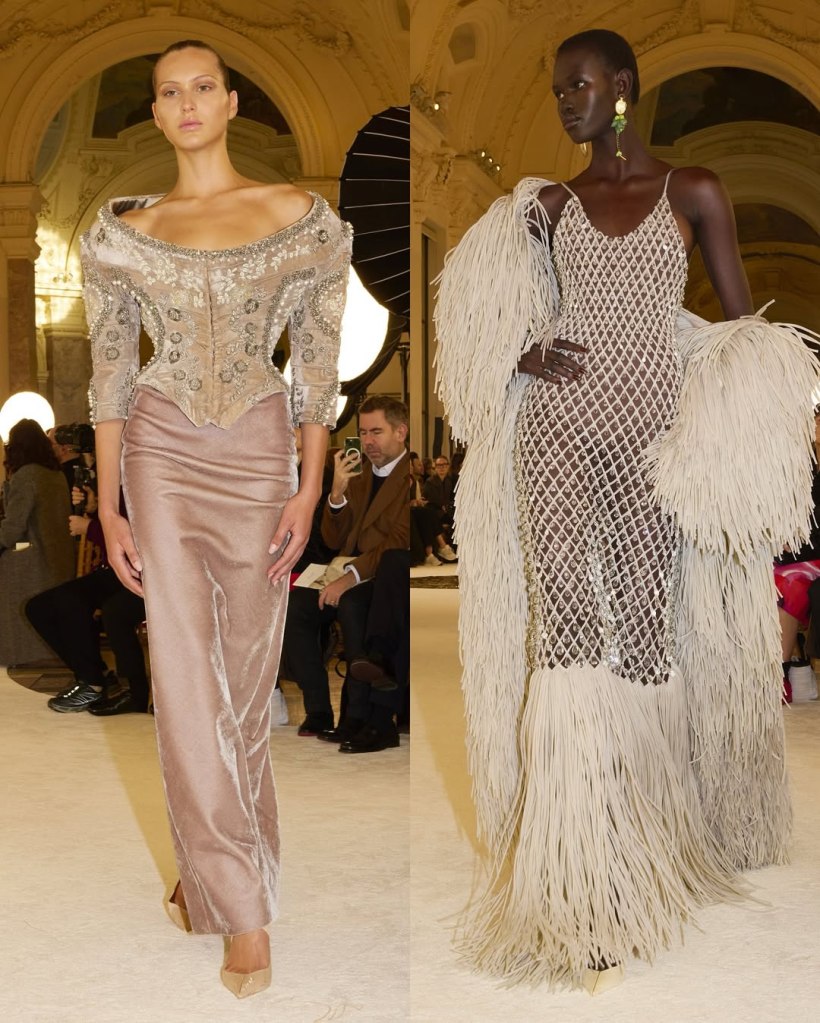
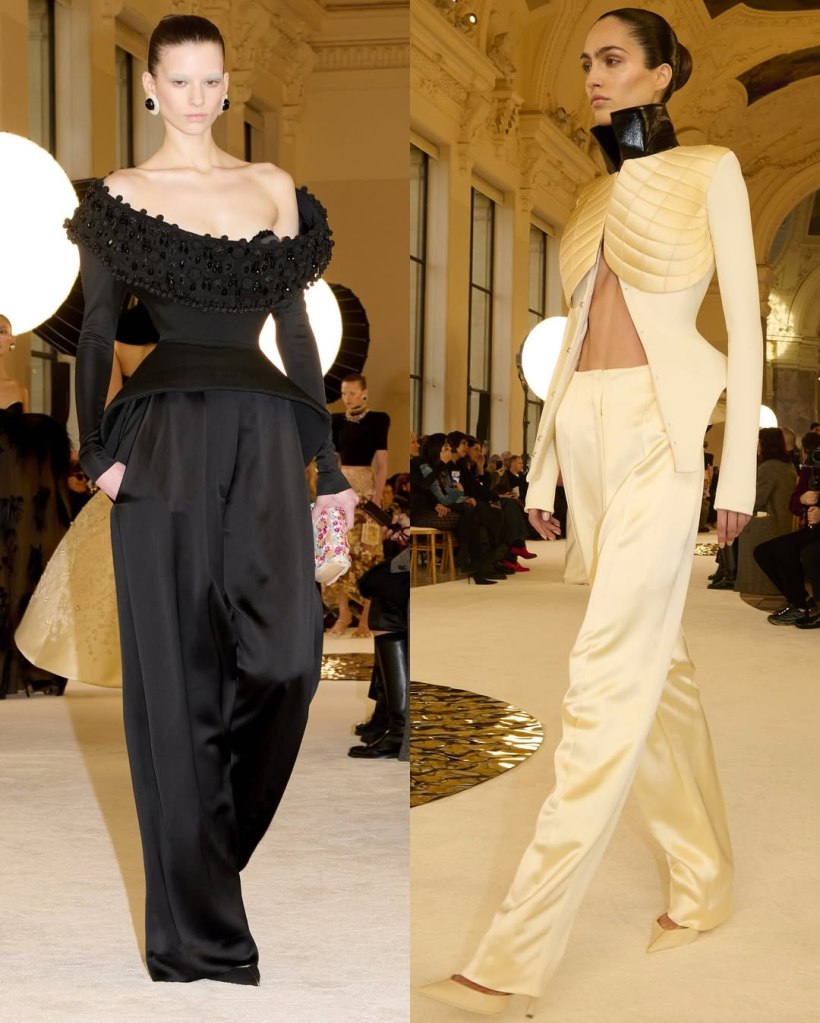
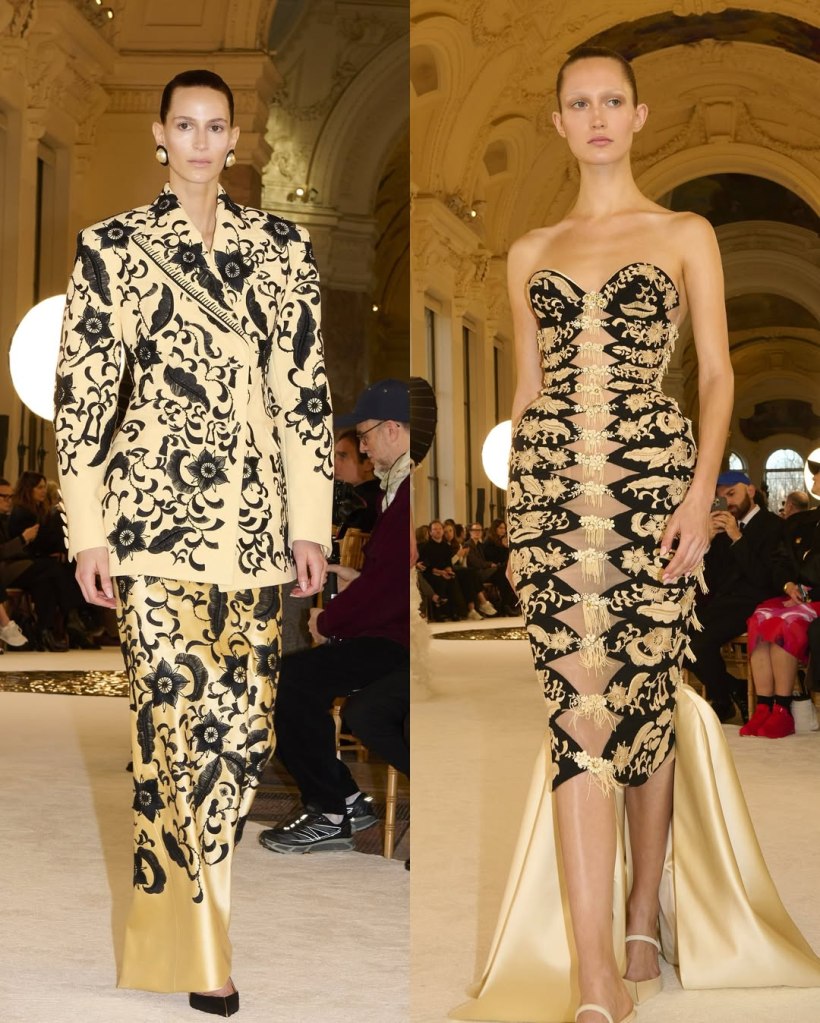
Schiaparelli: The myth of Icarus—a tale of aspiration and consequence—served as a metaphor for this collection. At the heart of this narrative was the interplay of lightness and structure.
At the collection’s heart was the dramatic hourglass silhouette, a signature of Roseberry’s vision for Schiaparelli. Corsets defined the waistlines, paired with sculptural elements that exaggerated proportions, creating sharp, confident shapes. Jackets featured exaggerated shoulders and low-cut lapels, some with architectural peplums that flared into dramatic folds. Each piece told a story, from sleek satin tops paired with black trousers to intricate dresses swathed in embroidery. Trompe l’oeil embroidery gave the illusion of cascading pearls on sleek satin bustiers, while the construction of corsets and tailoring drew from archival techniques.
Roseberry’s inspiration came from an antique shop where he stumbled upon ribbons from the 1920s and ‘30s. These ribbons, in shades of butter yellow, faded green, and burnt saffron, became the foundation of the collection. Using them, he reimagined the glamour of couture’s golden eras, nodding to designers like Madame Grès and Charles Frederick Worth.
The collection was rich with detail. Jackets with exaggerated necklines and bustle-like backs added to the theatricality. These hues were brought to life through tactile embellishments—liquid silk georgette embroidered with Japanese bugle beads, feathers treated to mimic silk, and metallic threadwork that shimmered with every step. Feathers were a recurring motif, but not in their usual flamboyance. Instead, they were refined and subtly integrated. Jewellery pieces were sculpted into surrealist forms, while belts and trims echoed the organic curves and sharp lines.
“Can’t the new also be baroque, be extravagant?” he asked. His designs answered with a resounding yes, combining the lushness of past with today’s edge.
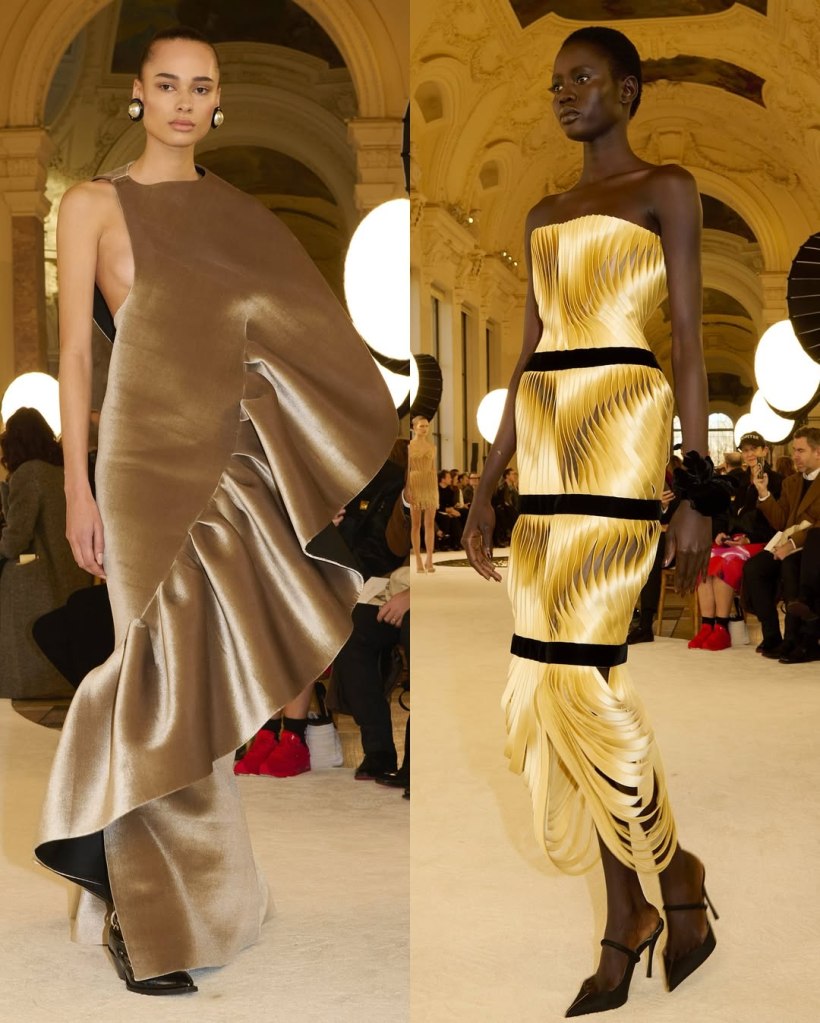
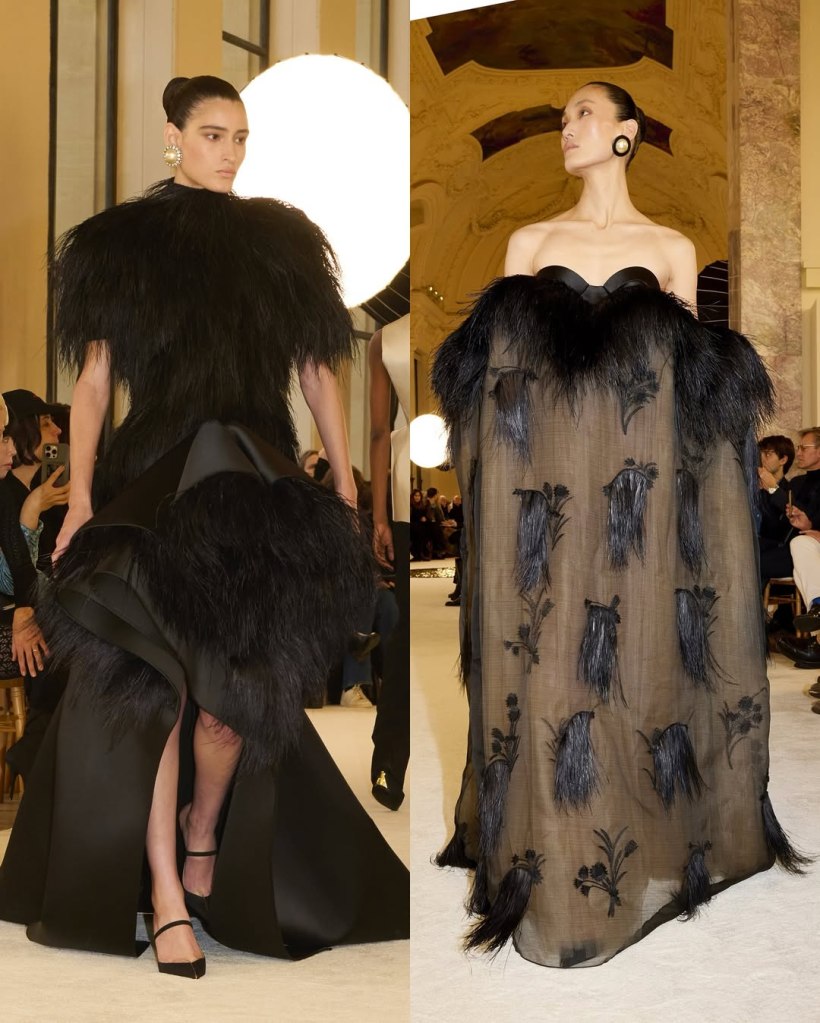
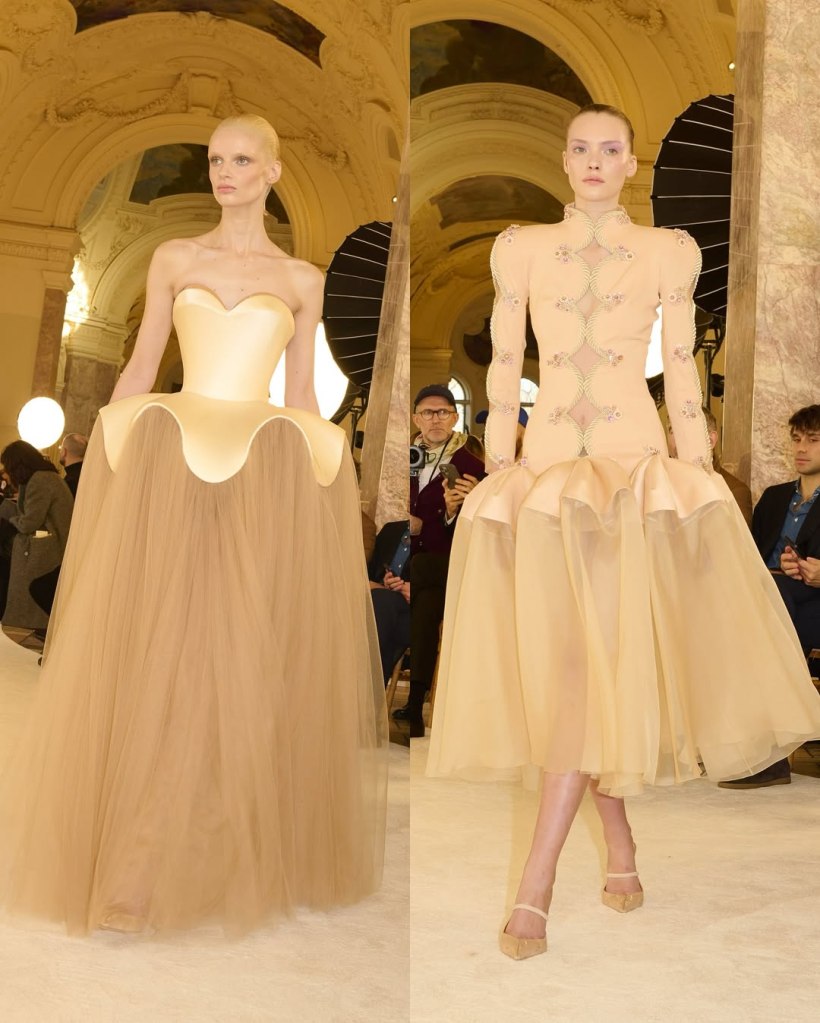
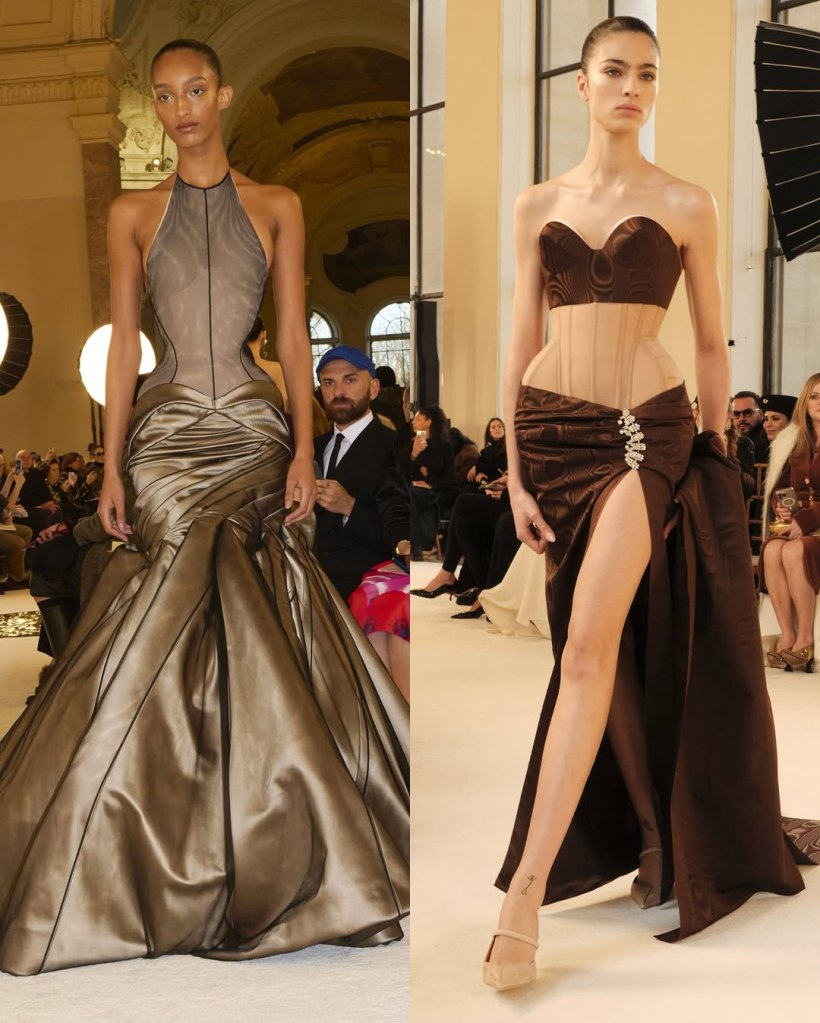
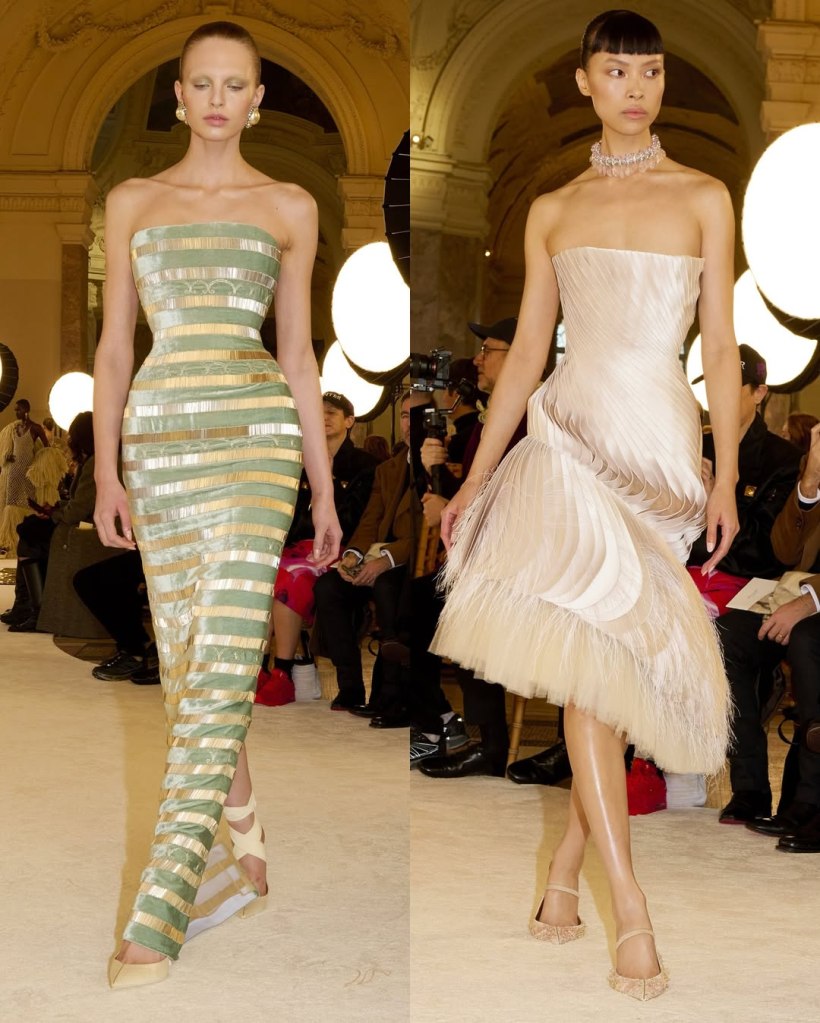
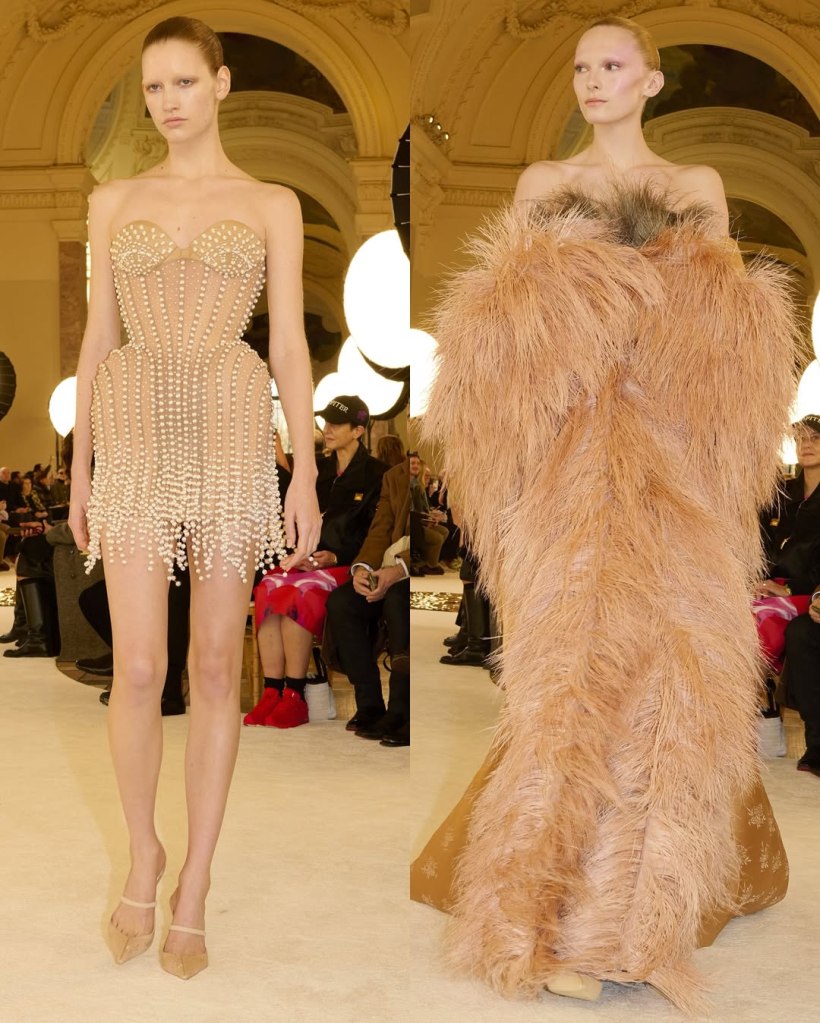
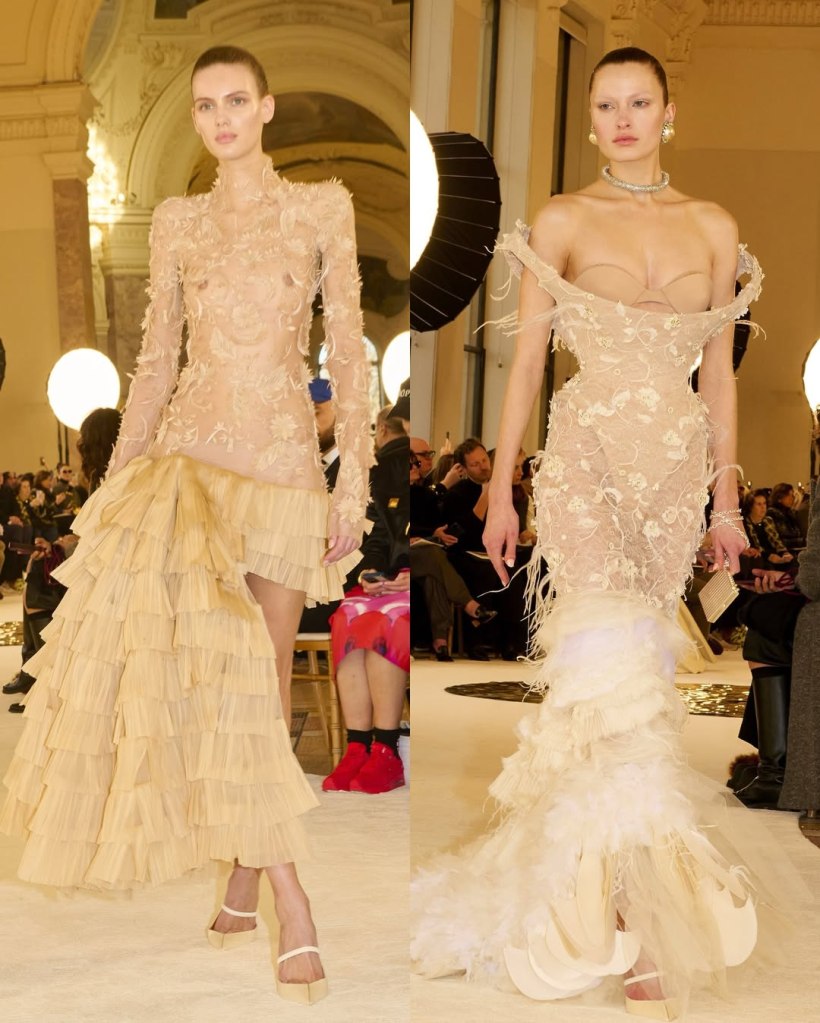
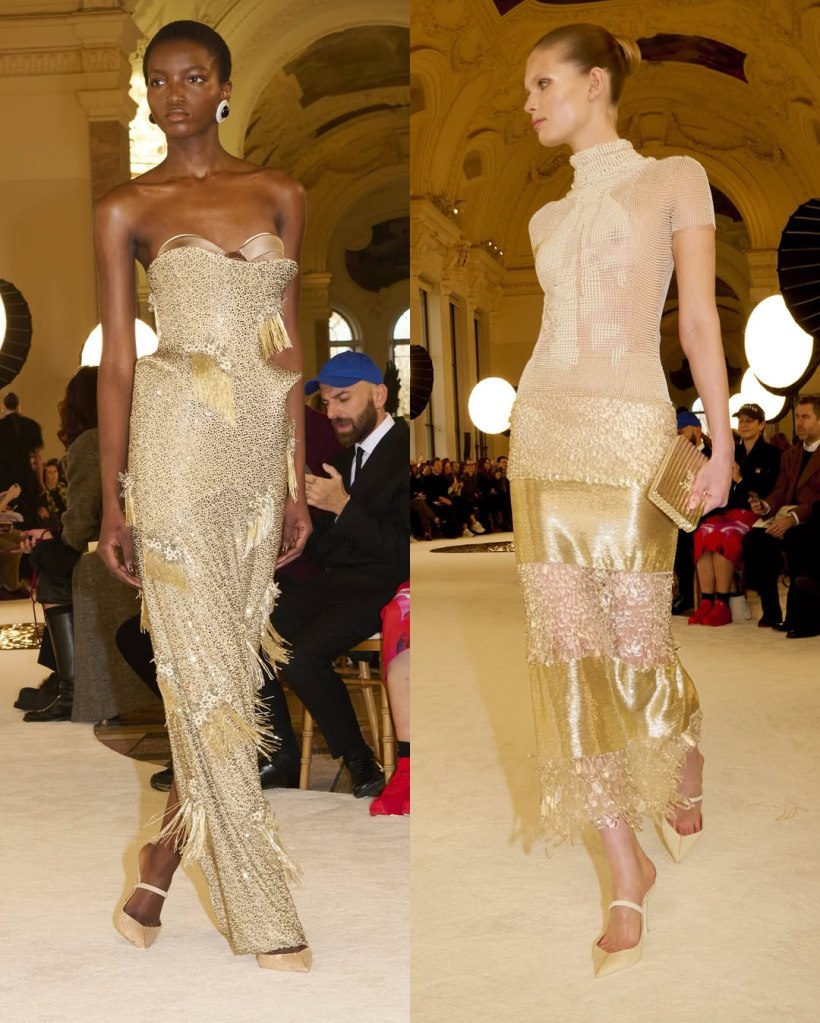
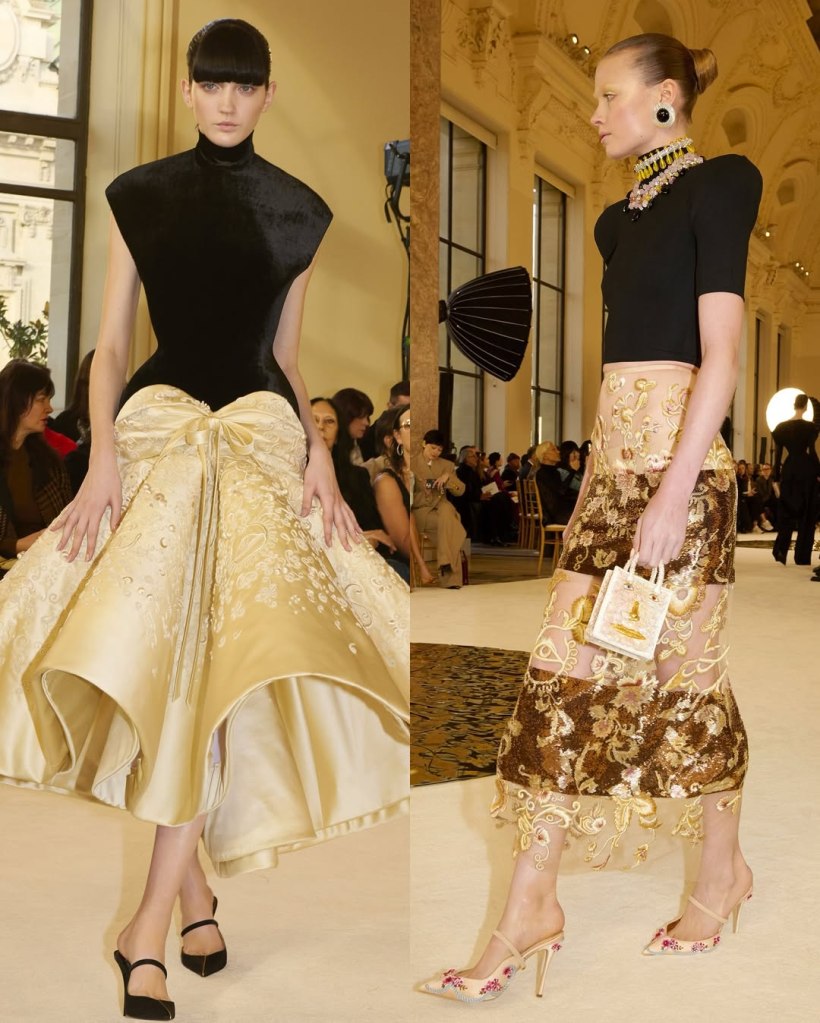
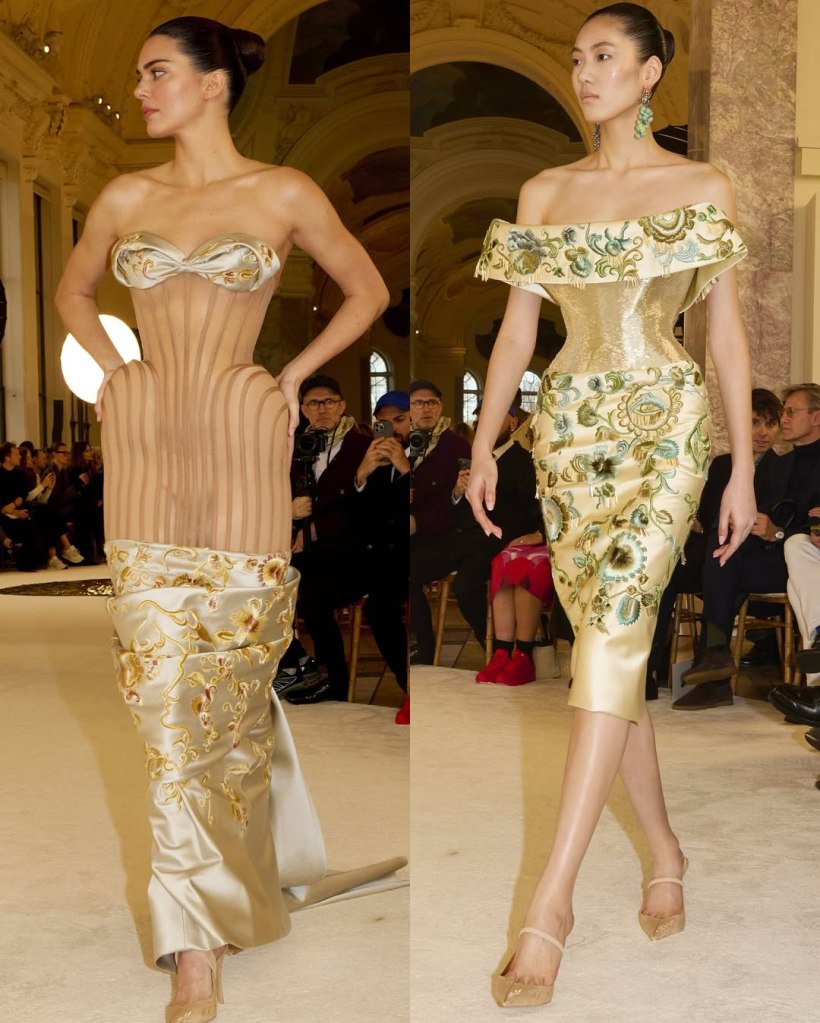
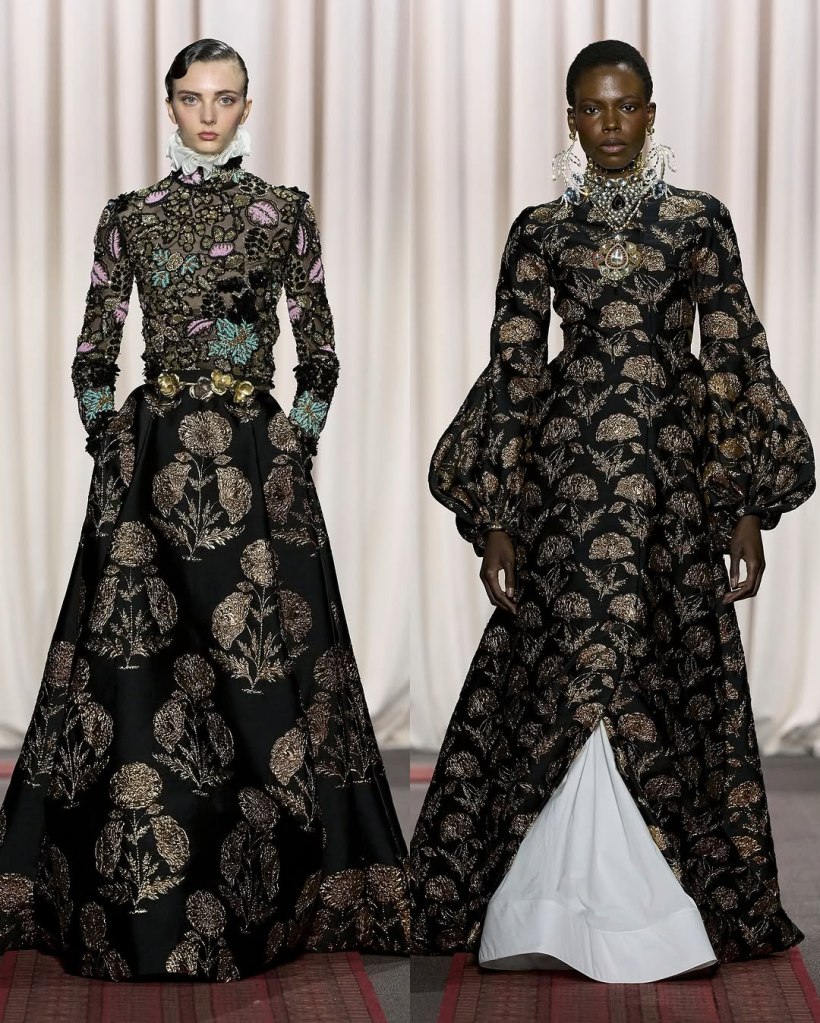
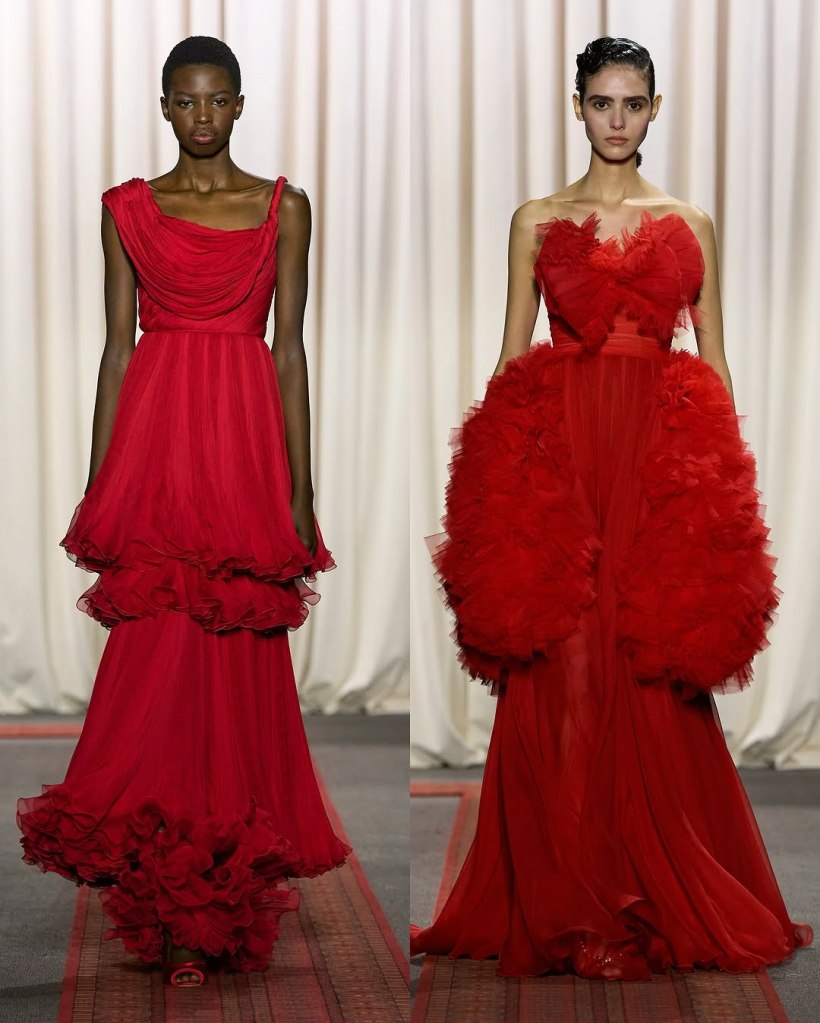
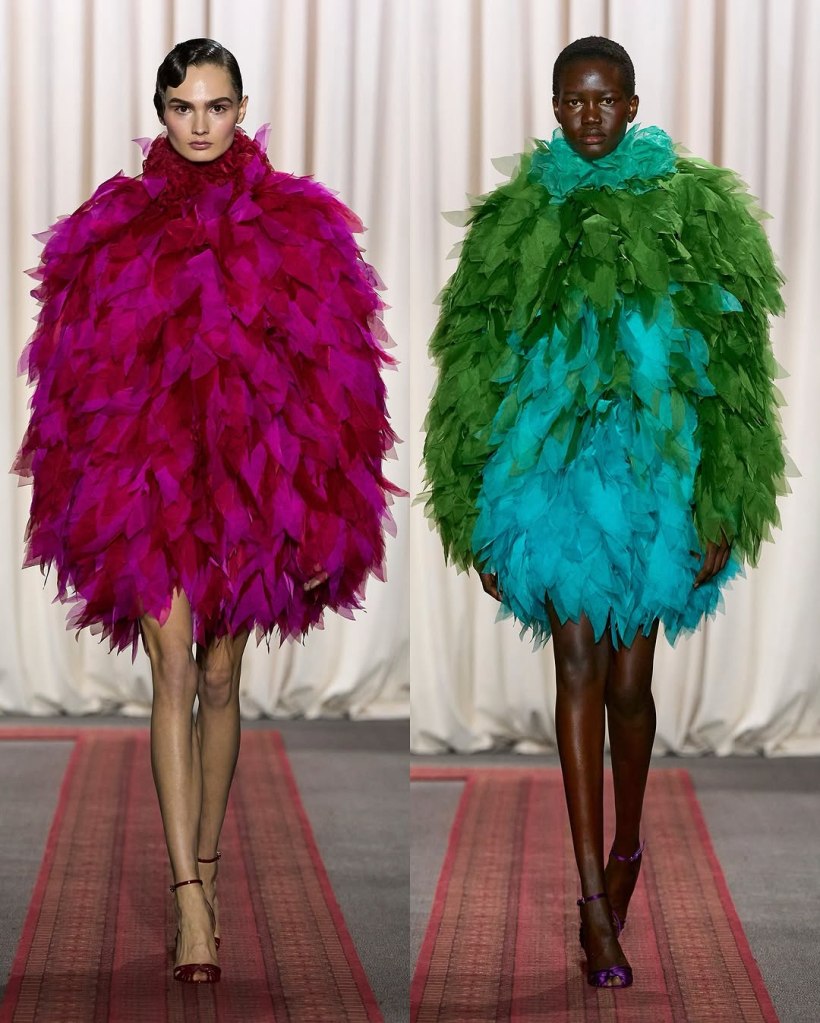
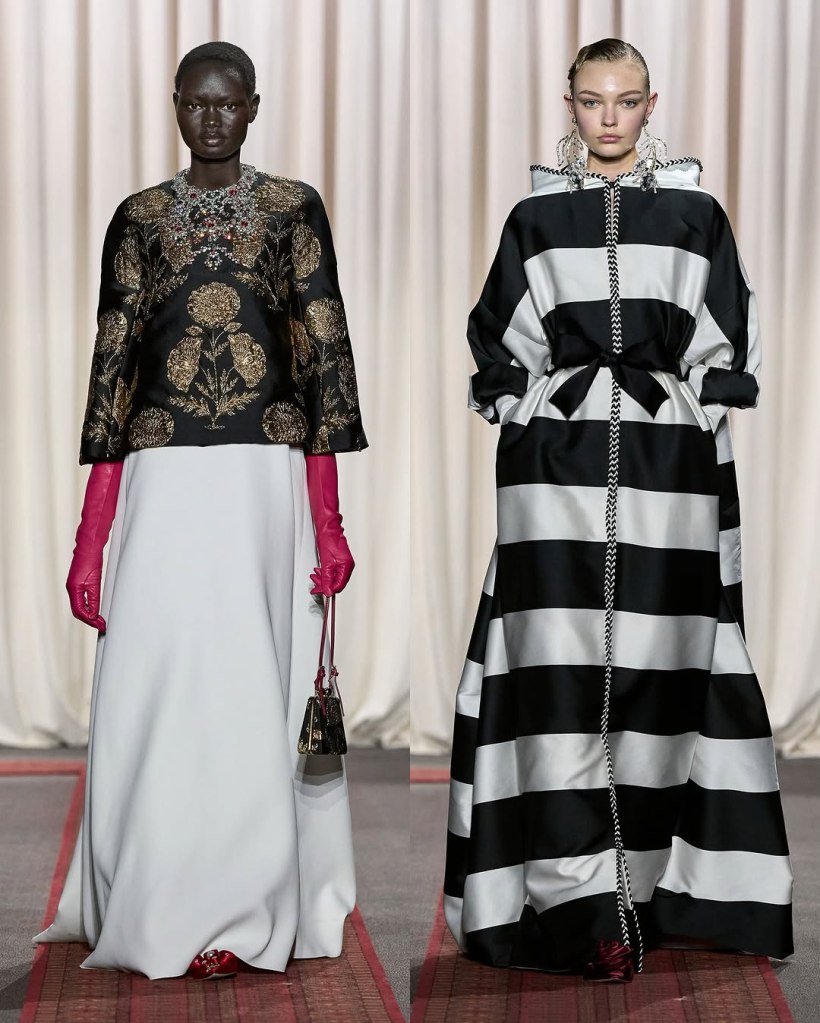
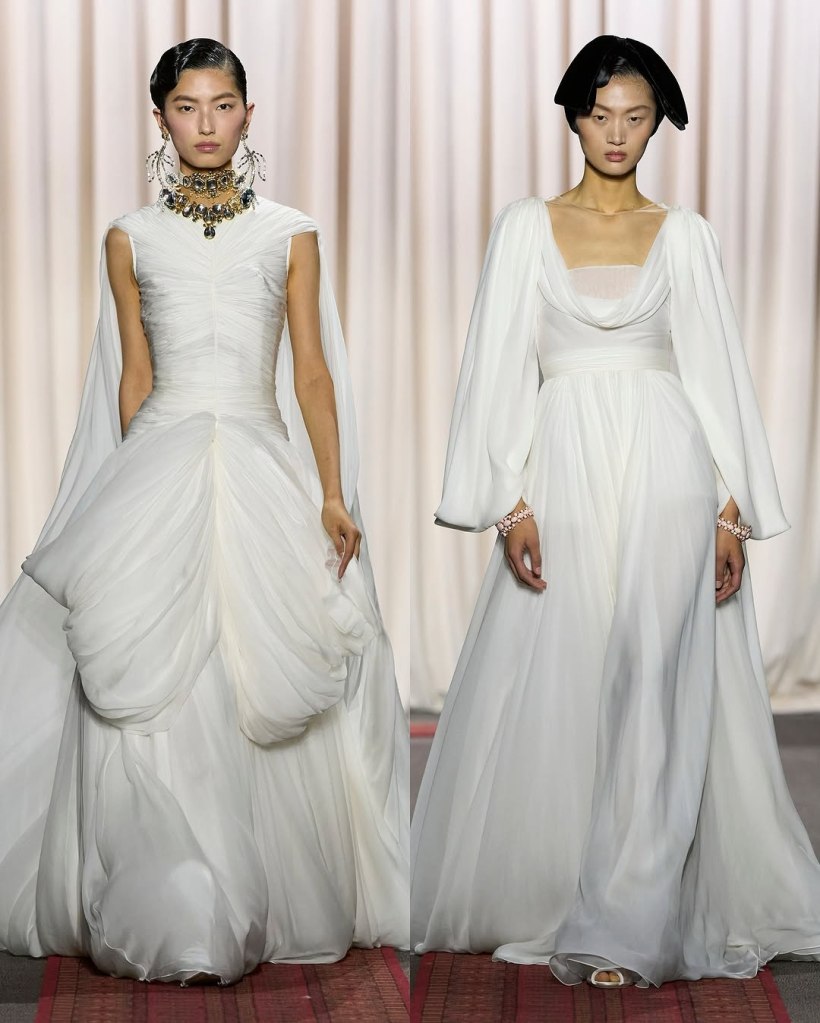
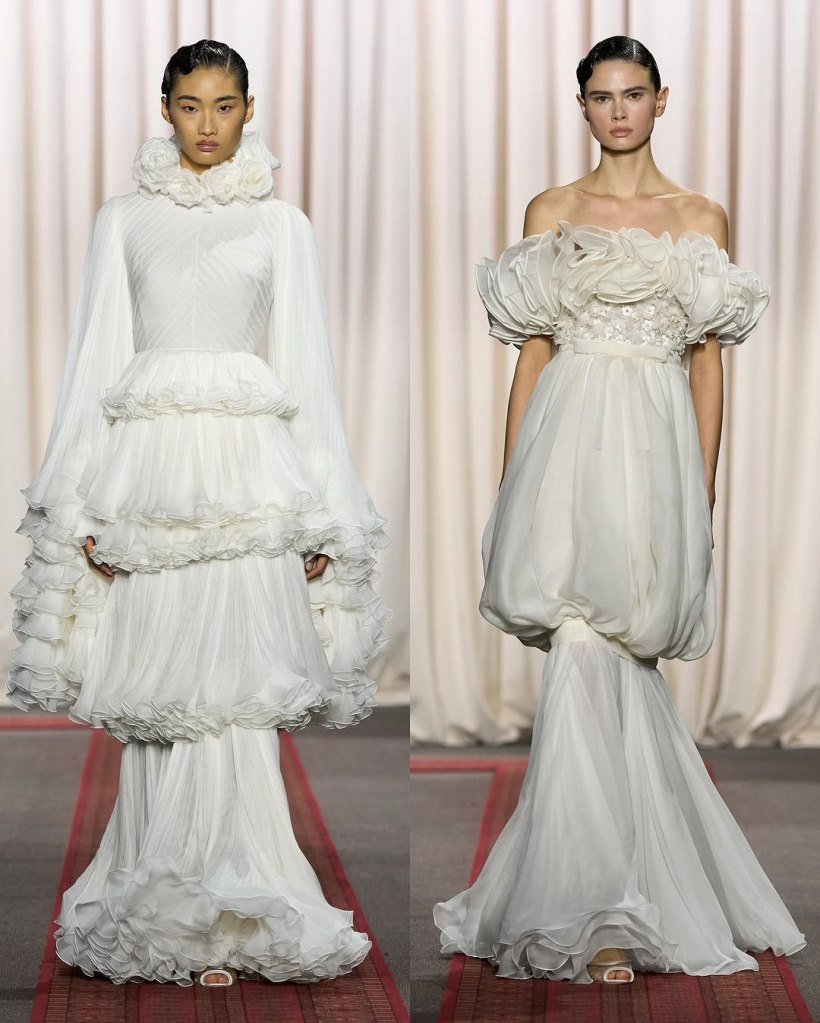
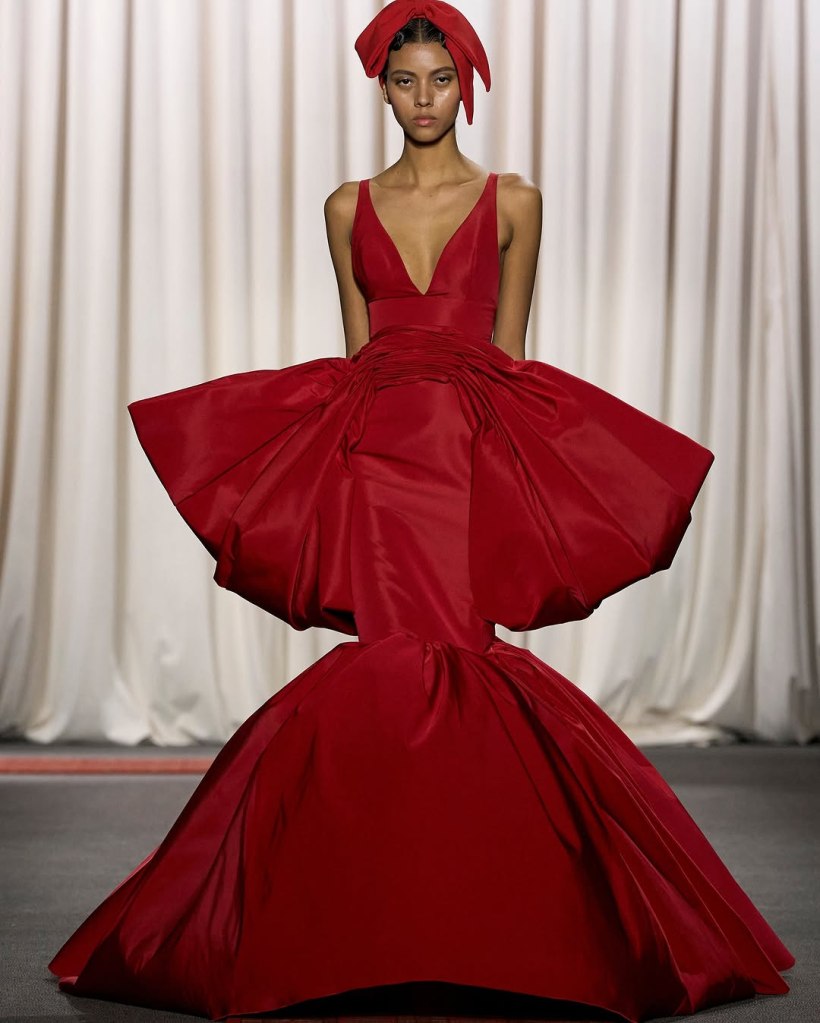
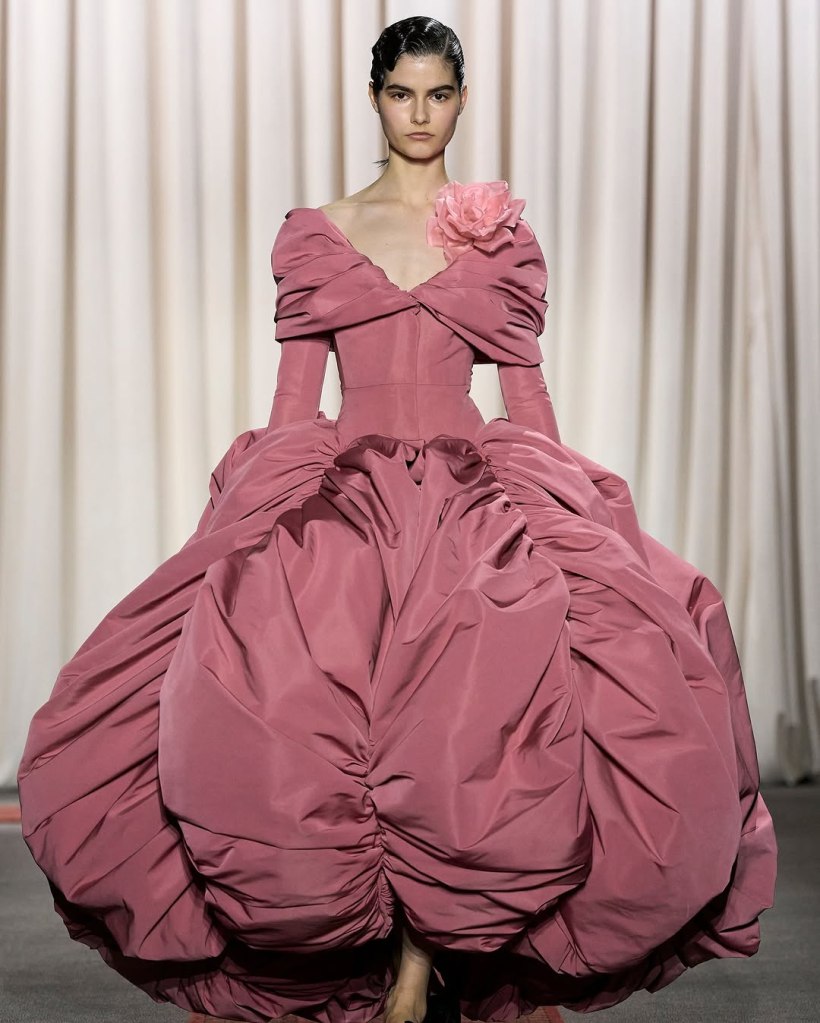
Giambattista Valli: Oh, the drama! Giambattista Valli knows how to bring it, and this collection did not disappoint. The volume! The colors! The opulence! Valli continues to deliver the kind of ultra-glam larger-than-life gowns that make couture week so thrilling.
This season, a fresh breeze swept through his designs, with airy puffball skirts, regal jacquards, and dreamy, tiered chiffon gowns. Inspired by Morocco—one of his greatest loves—the collection paid homage to the Menara Gardens, ornate riads, and the country’s expansive rose fields. His mood board was filled with images of the lush Menara Gardens, intricate riad interiors, and endless rose fields. The result? A collection that felt both luxurious and light, steeped in romance yet wearable in a fantasy-like way.
There was a parade of sculptural silhouettes, from massive ruched skirts to sleek, draped gowns. There was a sense of movement in every piece, with fabrics billowing as if caught in a breeze. Candy pink, deep scarlet, and soft ombré hues dominated the palette, while intricate embroidery and delicate embellishments added layers of richness. If couture is about dreaming, we saw some of the most dreamiest looks.








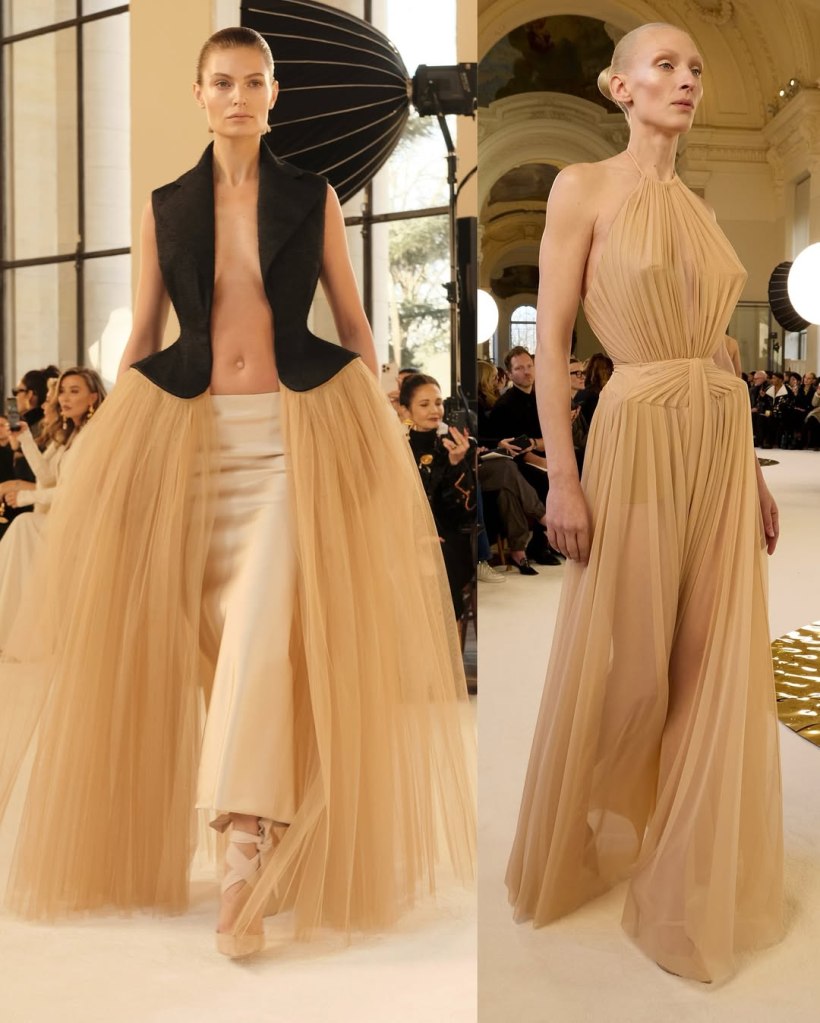
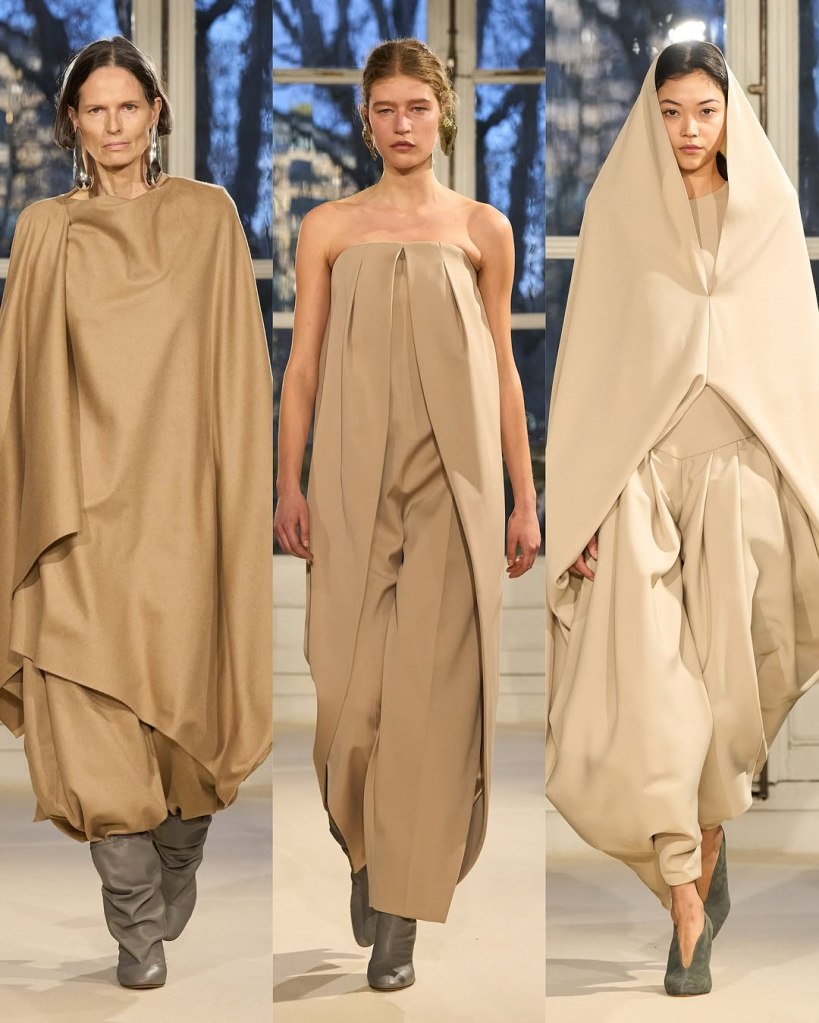
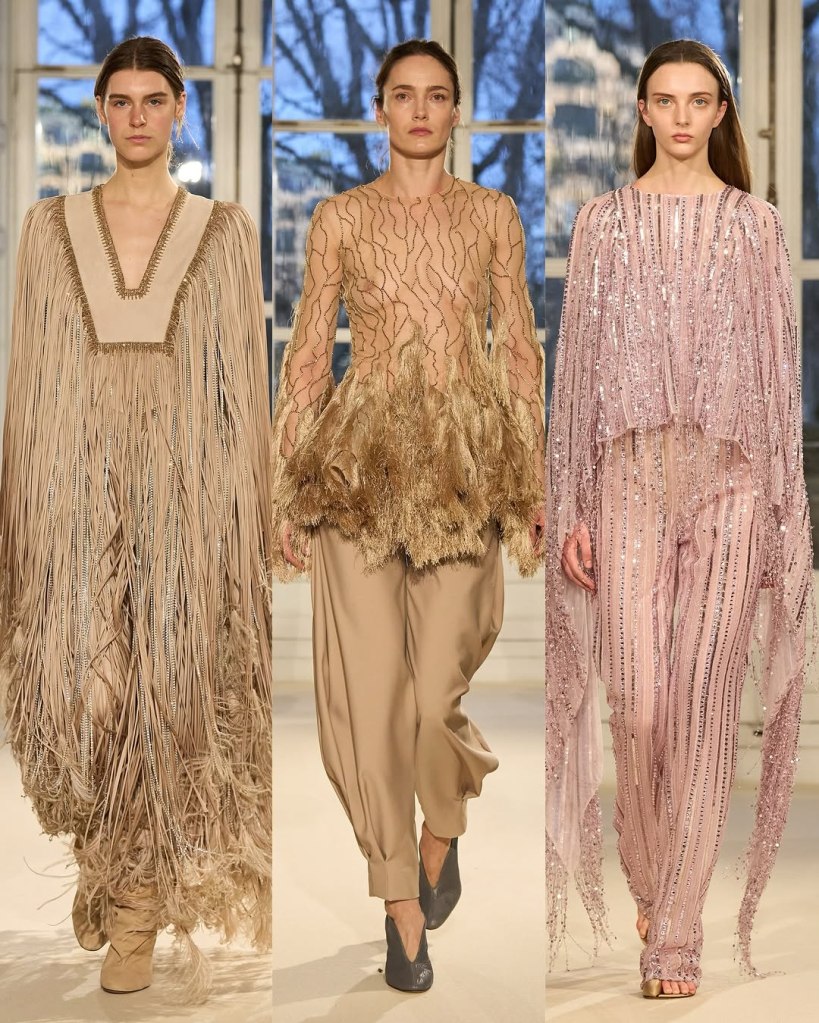
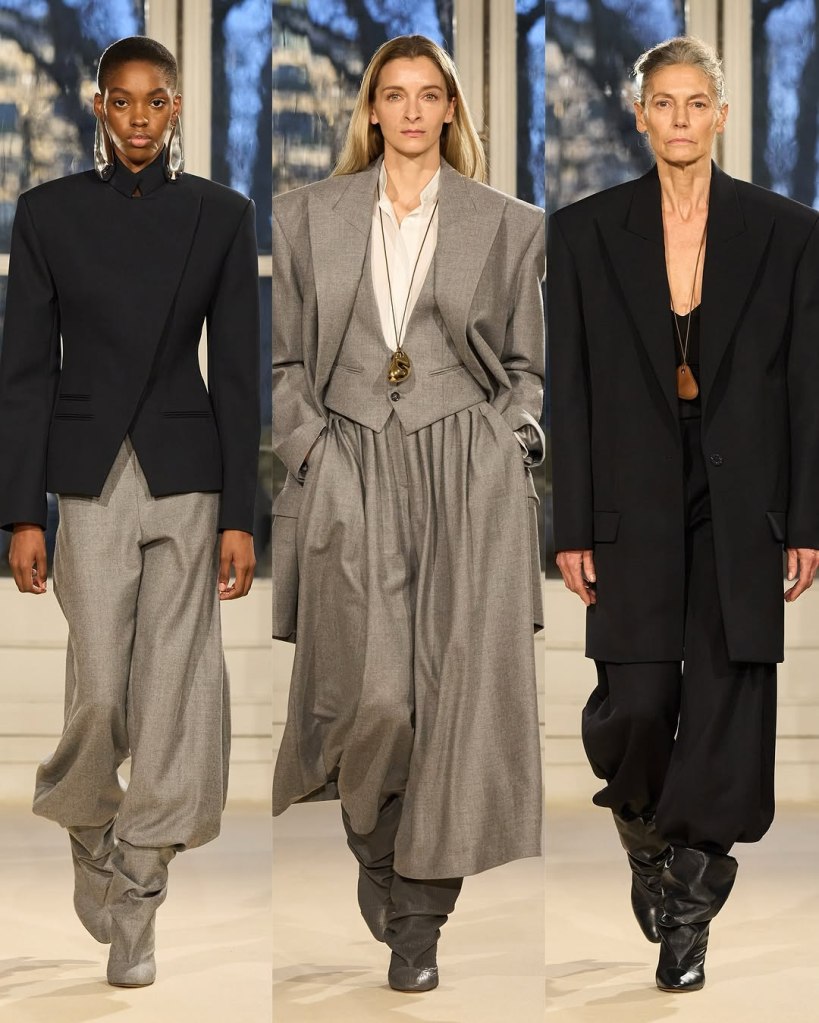
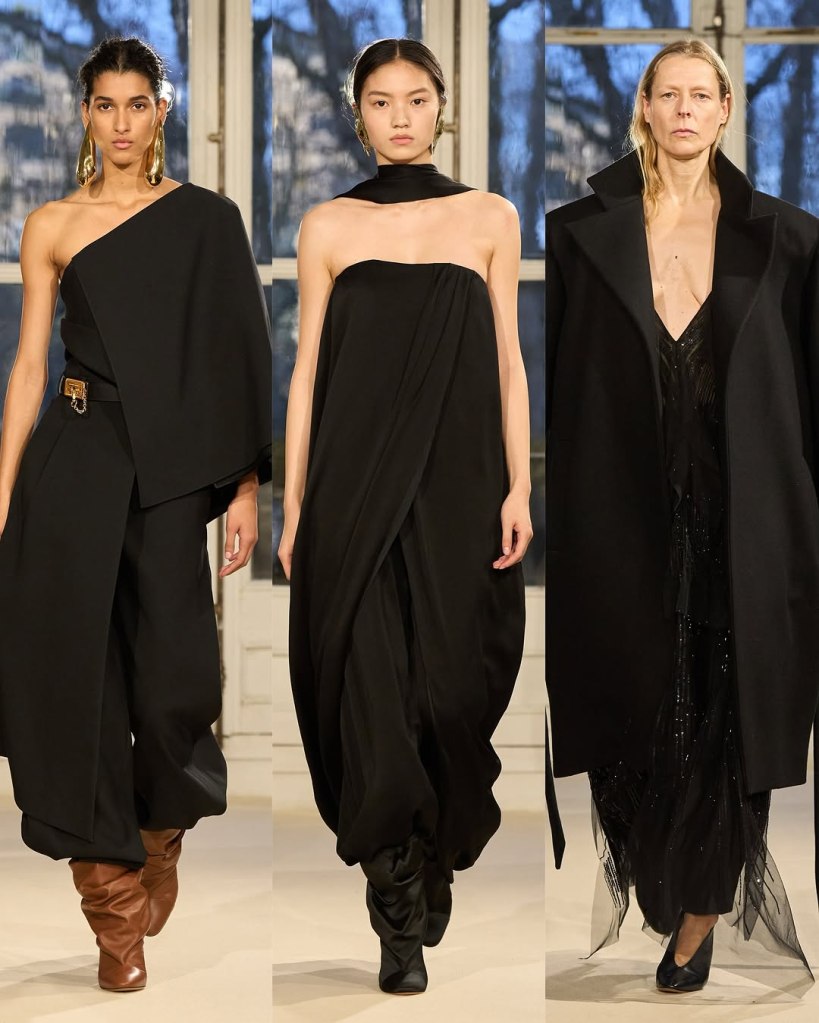
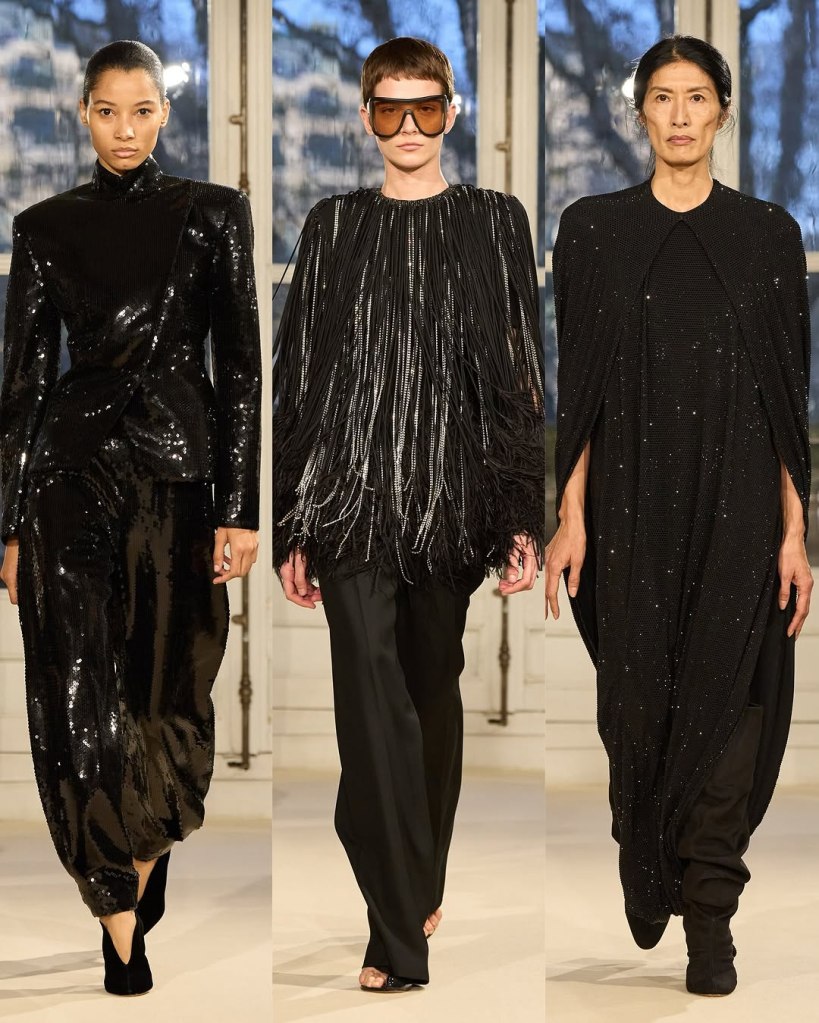
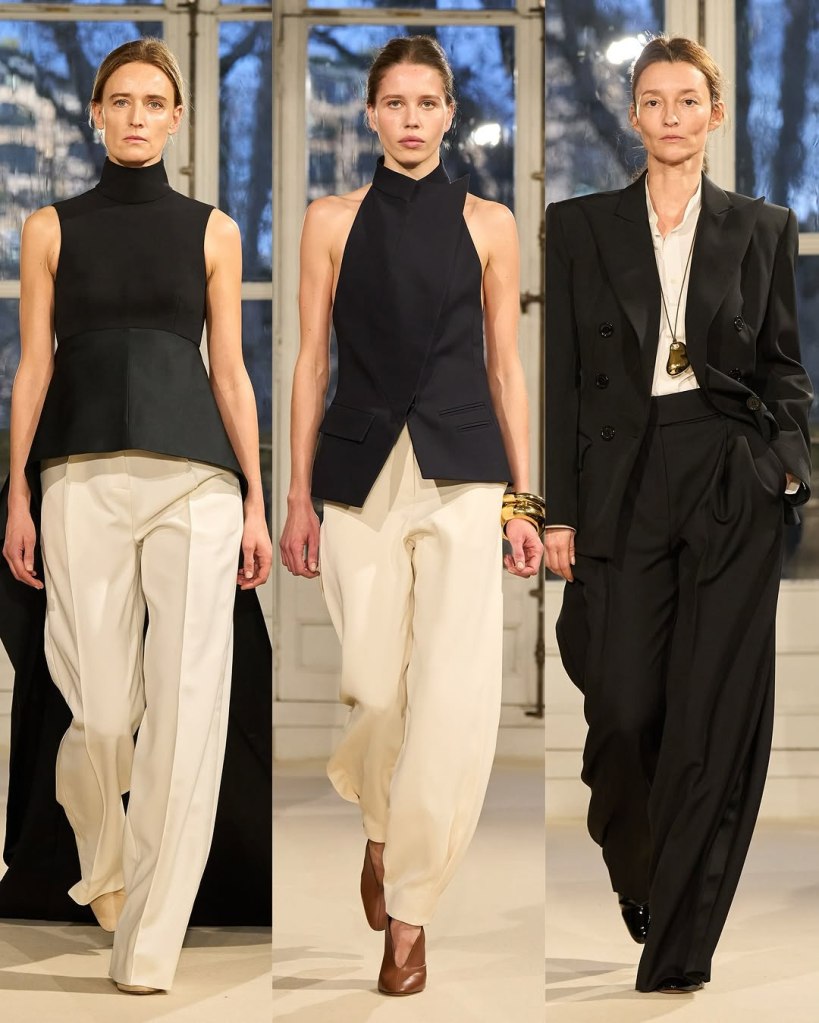
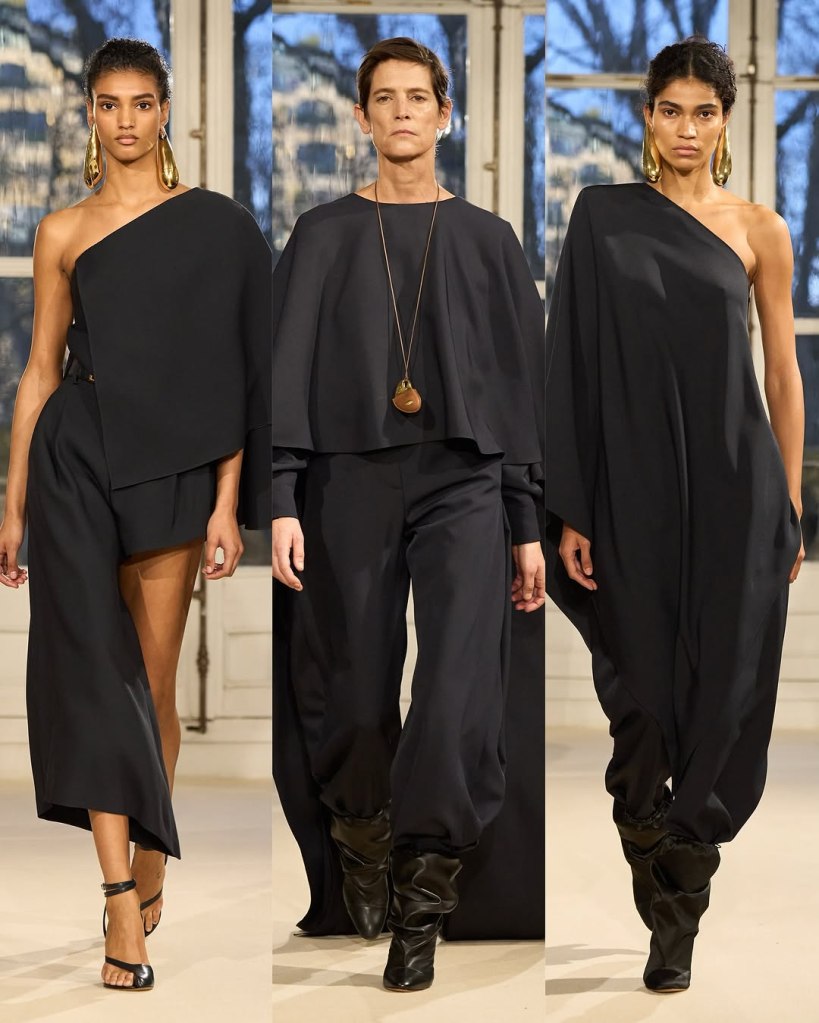
Alexandre Vauthier: This Alexandre Vauthier collection marked a shift in direction—less overtly sexy, more refined, but just as striking. With Revolve now backing his brand, the designer took a measured approach, focusing on exquisite tailoring and lux fabrics rather than all-out drama.
The opening look—a sand-colored draped cape over trousers tucked into boots—perfectly captured his new vision: timeless elegance with a modern edge. Blazers, pant suits, and impeccably cut silhouettes dominated the collection, reinforcing the idea that couture is as much about personal experience as it is about spectacle. But Vauthier still delivered statement moments.
Ready-to-wear is set to relaunch in February, with handbags and footwear on the horizon. If this couture outing is any indication, the next chapter of Alexandre Vauthier is going to be sleek af.

Pictures courtesy of Vogue Runway
We do not own the rights to any of these images and they have been used in good faith. Every effort has been made to ensure that all images are used with proper credits. If you are the rightful owner of any image used on our site and wish to have it removed, please contact us at ayerhsmagazine@gmail.com and we will promptly remove it. We are a non-commercial, passion-driven, independent fashion blog and do not intend to infringe any copyright. Thank you for your understanding.
 Ayerhs Magazine