
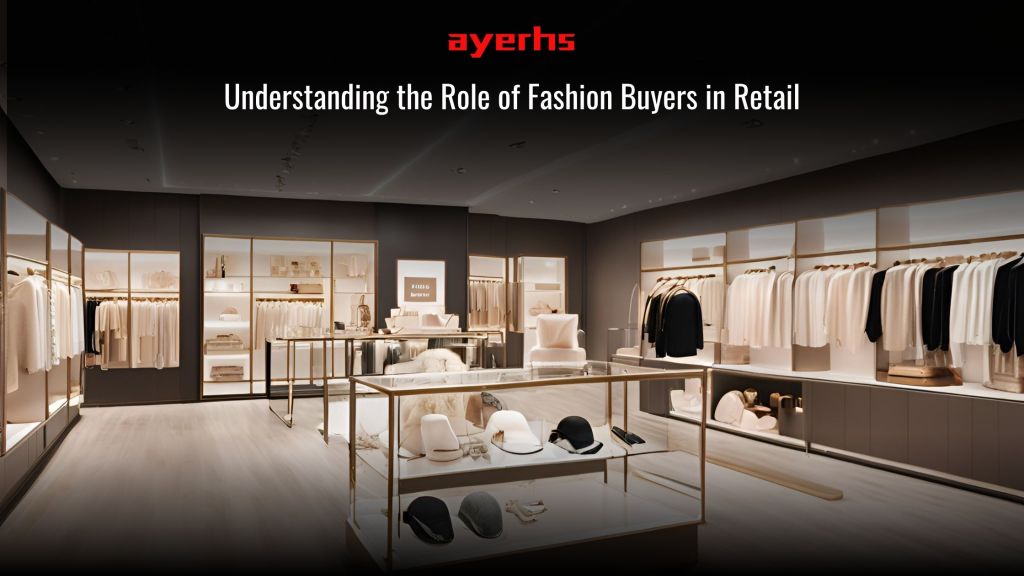
Fashion buyers are pivotal players in the retail industry, bridging the gap between designers and consumers. They curate collections, predict trends, and ensure that retailers stock the right products to meet customer demands while driving profitability. This article delves into the multifaceted role of fashion buyers, examining their responsibilities, required skills, challenges, and how their decisions shape the retail landscape.
The Core Responsibilities of Fashion Buyers
Fashion buyers operate at the intersection of commerce and creativity. Their primary responsibilities include:
- Trend Analysis and Forecasting: Fashion buyers stay ahead of market trends by analyzing runway shows, trade fairs, industry reports, and consumer behavior. They collaborate with trend forecasting agencies and use data analytics to predict upcoming styles, colors, and materials that will resonate with their target audience.
- Product Selection: Buyers select products that align with the retailer’s brand identity, budget, and market position. This involves evaluating samples, attending buying appointments with designers, and negotiating product exclusivity to differentiate their store from competitors.
- Inventory Planning and Management: Ensuring the right balance of stock is critical. Fashion buyers work closely with merchandise planners to determine quantities, sizes, and seasonal allocations. Overstock or understock can significantly impact a retailer’s bottom line.
- Vendor Relations: Building strong relationships with suppliers and manufacturers is crucial. Buyers negotiate pricing, delivery schedules, and payment terms while fostering partnerships that ensure consistent quality and supply chain reliability.
- Budget Management: Fashion buyers must operate within strict financial parameters. They allocate budgets across product categories and monitor expenditure to maximize profitability. Effective budget management requires analytical skills and a deep understanding of market dynamics.
- Consumer Insight Integration: Buyers rely on customer feedback and sales data to refine their selections. Understanding consumer preferences ensures that the merchandise reflects what customers want, leading to higher sales and customer satisfaction.
Skills and Qualities of a Successful Fashion Buyer
The role of a fashion buyer demands a diverse skill set that balances creativity with business acumen. Key attributes include:
- Analytical Thinking: Buyers must interpret sales data, market trends, and financial reports to make informed purchasing decisions. Strong analytical skills help identify patterns and predict future demand.
- Negotiation Skills: Effective negotiation with suppliers ensures favorable terms, competitive pricing, and timely deliveries. A buyer’s ability to secure the best deals can significantly affect a retailer’s profitability.
- Trend Awareness: Staying informed about global fashion trends and cultural shifts is essential. Buyers need a keen eye for detail and an intuitive sense of what will appeal to their target market.
- Communication and Collaboration: Fashion buyers work closely with designers, merchandisers, and marketing teams. Strong interpersonal skills facilitate seamless collaboration and effective decision-making.
- Resilience and Adaptability: The fast-paced nature of the fashion industry demands the ability to adapt to changing circumstances, such as fluctuating consumer preferences or supply chain disruptions.
The Buying Process
The fashion buying process is systematic and involves several stages:
- Market Research: Understanding the competitive landscape, target demographics, and economic conditions provides a foundation for decision-making. Buyers analyze consumer purchasing habits, monitor competitor activities, and review past sales performance.
- Seasonal Planning: Buyers plan their purchases based on seasonal calendars, identifying key trends and products for spring/summer or autumn/winter collections. They also consider special events like holidays or promotional campaigns.
- Attending Trade Shows and Fashion Weeks: Events such as Paris Fashion Week, Pitti Uomo, or MAGIC Las Vegas are crucial for discovering new designers, assessing emerging trends, and networking with industry professionals. Buyers often place initial orders at these events.
- Product Evaluation and Selection: Buyers evaluate samples for quality, price, and alignment with their brand’s aesthetic. They consider factors such as material durability, manufacturing standards, and potential retail markup.
- Order Placement: After finalizing selections, buyers place orders with suppliers. This stage involves precise documentation to ensure accuracy in quantities, sizes, and delivery schedules.
- Ongoing Monitoring: Buyers monitor the performance of stocked items and adjust future orders based on real-time sales data. Regular communication with stores and feedback loops help refine their strategies.
Challenges Faced by Fashion Buyers
The role of a fashion buyer is not without its challenges. Some of the key hurdles include:
- Rapid Market Changes: The fashion industry is highly dynamic, with trends evolving at breakneck speed. Buyers must anticipate shifts in consumer preferences to stay ahead.
- Sustainability Pressures: Increasing consumer demand for ethical and sustainable products adds complexity to the buying process. Buyers need to source eco-friendly materials and assess the environmental impact of their supply chains.
- Economic Fluctuations: Economic downturns or inflation can affect consumer spending patterns, forcing buyers to recalibrate budgets and adjust product offerings.
- Overstock and Stockouts: Striking the right balance between supply and demand is a constant challenge. Overstock leads to markdowns and reduced profit margins, while stockouts result in missed sales opportunities.
- Global Supply Chain Disruptions: Delays caused by geopolitical tensions, natural disasters, or logistical bottlenecks can impact product availability. Buyers must develop contingency plans to mitigate risks.
Role of Buyers in Today’s Digital and Social Media Age
The digital transformation and rise of social media have significantly altered the role of fashion buyers. They now operate in an environment driven by online interactions, real-time data, and consumer engagement through digital platforms. Here’s how this shift impacts their role:
- Social Media Trendspotting: Platforms like Instagram, TikTok, and Pinterest are treasure troves of trend insights. Buyers analyze viral content, influencer collaborations, and consumer-generated posts to identify emerging styles and preferences.
- E-Commerce Integration: With the growth of online shopping, buyers must consider how products will perform in digital storefronts. This involves selecting items with high visual appeal and ensuring compatibility with online merchandising strategies.
- Real-Time Feedback: Social media provides immediate consumer feedback on collections. Buyers can quickly gauge public opinion and adapt future orders based on likes, comments, and engagement metrics.
- Collaboration with Influencers: Buyers often work alongside marketing teams to identify influencer partnerships that amplify product visibility. Their role extends to ensuring that selected products align with influencer campaigns for maximum impact.
- Harnessing Data Analytics: Digital tools enable buyers to track consumer behavior across multiple channels. This data-driven approach enhances their ability to forecast demand, optimize inventory, and create personalized shopping experiences.
- Sustainability Storytelling: Social media amplifies the importance of transparency and sustainability. Buyers prioritize brands that share compelling narratives about ethical practices, resonating with eco-conscious consumers.
Impact of Buyers on Sales and Brand
Fashion buyers have a direct influence on both sales performance and brand perception. Here’s how:
- Driving Sales: By curating collections that align with consumer demand, buyers ensure that the right products are available at the right time. Strategic purchasing decisions reduce markdowns, optimize sell-through rates, and boost profitability.
- Enhancing Brand Identity: Buyers shape the retailer’s image through their product choices. A cohesive, well-curated collection reinforces brand values and creates a distinctive market presence.
- Building Customer Loyalty: Offering products that resonate with the target audience fosters customer loyalty. Buyers’ ability to anticipate needs and trends keeps consumers returning for more.
- Creating Differentiation: In a competitive market, buyers help retailers stand out by sourcing unique products or collaborating with designers for exclusive collections. This differentiation attracts a niche customer base and enhances brand prestige.
- Influencing Marketing Strategies: The products selected by buyers often become the focal point of marketing campaigns. Their decisions drive storytelling, visual merchandising, and promotional efforts, creating a seamless brand experience.
Challenges Faced by Fashion Buyers
The role of a fashion buyer is not without its challenges. Some of the key hurdles include:
- Rapid Market Changes: The fashion industry is highly dynamic, with trends evolving at breakneck speed. Buyers must anticipate shifts in consumer preferences to stay ahead.
- Sustainability Pressures: Increasing consumer demand for ethical and sustainable products adds complexity to the buying process. Buyers need to source eco-friendly materials and assess the environmental impact of their supply chains.
- Economic Fluctuations: Economic downturns or inflation can affect consumer spending patterns, forcing buyers to recalibrate budgets and adjust product offerings.
- Overstock and Stockouts: Striking the right balance between supply and demand is a constant challenge. Overstock leads to markdowns and reduced profit margins, while stockouts result in missed sales opportunities.
- Global Supply Chain Disruptions: Delays caused by geopolitical tensions, natural disasters, or logistical bottlenecks can impact product availability. Buyers must develop contingency plans to mitigate risks.
How Fashion Buyers Influence the Retail Landscape
Fashion buyers play a significant role in shaping consumer experiences and driving industry trends. Their decisions influence:
- Consumer Access to Trends: By curating collections that reflect global trends, buyers make cutting-edge fashion accessible to consumers. Their choices determine what’s available in stores and online.
- Brand Identity: Buyers help define a retailer’s brand identity through product selection. A cohesive collection reinforces the retailer’s market positioning and appeals to its target demographic.
- Sustainability Practices: As gatekeepers of supply chains, buyers can promote sustainable practices by prioritizing ethical brands and eco-friendly materials. Their decisions influence industry standards and encourage responsible consumption.
- Sales and Profitability: Effective buying strategies drive sales and ensure financial stability for retailers. By aligning inventory with consumer demand, buyers maximize revenue while minimizing waste.
The Future of Fashion Buying
The role of fashion buyers continues to evolve with technological advancements and changing consumer behaviors. Key trends shaping the future include:
- Data-Driven Decision-Making: Artificial intelligence and machine learning are revolutionizing trend analysis and inventory management. Buyers now have access to predictive analytics that streamline the decision-making process.
- Omnichannel Retailing: As online shopping grows, buyers must consider digital-first strategies. This includes selecting products that perform well on e-commerce platforms and creating cohesive experiences across physical and virtual stores.
- Sustainability and Transparency: The demand for sustainable fashion is reshaping the industry. Buyers are increasingly prioritizing brands that offer transparency in sourcing, manufacturing, and labor practices.
- Customization and Personalization: With the rise of personalized shopping experiences, buyers may focus on products that cater to niche markets or enable customization. This approach fosters stronger customer loyalty.
- Globalization and Localization: While global trends influence the market, buyers must also account for regional preferences. Striking a balance between international appeal and local relevance is key.
Fashion buyers are the linchpins of the retail industry, balancing creativity and commerce to curate collections that resonate with consumers. Their ability to anticipate trends, manage budgets, and foster supplier relationships directly impacts a retailer’s success. As the industry continues to evolve, the role of fashion buyers will remain crucial, adapting to technological innovations, sustainability demands, and the ever-changing tastes of consumers. Through their expertise, they not only shape the retail landscape but also influence how fashion is consumed and appreciated worldwide.
 Ayerhs Magazine