
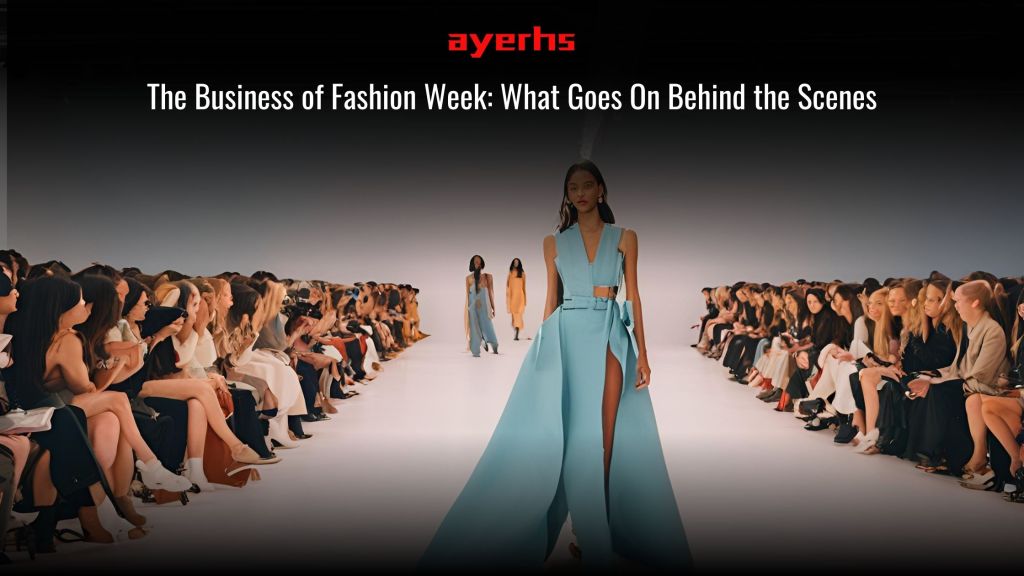
The Business of Fashion Week: What Goes On Behind the Scenes
Fashion Week is one of the most glamorous and highly anticipated events in the fashion calendar. Twice a year, cities like New York, Paris, Milan, and London come alive with runway shows, exclusive parties, and celebrity-studded front rows. But behind the glitz and glamour lies a meticulously orchestrated machine that drives the business of fashion. From designers and models to PR teams and buyers, Fashion Week is an ecosystem that requires immense coordination, strategy, and resources. This article delves into what goes on behind the scenes to bring Fashion Week to life.
The Planning Process
Fashion Week doesn’t just happen overnight. Planning for each season begins months in advance, with designers, production teams, and event organizers working tirelessly to ensure that everything comes together seamlessly. For designers, the journey starts with conceptualizing their collections. This involves extensive research, sketching, fabric sourcing, and countless hours spent in ateliers crafting the garments that will eventually make their way onto the runway.
Simultaneously, event organizers are busy securing venues, coordinating schedules, and managing logistics. Major fashion weeks are overseen by governing bodies such as the Council of Fashion Designers of America (CFDA) in New York and the Chambre Syndicale de la Haute Couture in Paris. These organizations play a critical role in setting the official calendars, ensuring that shows don’t overlap, and maintaining the prestige of the event.
The Financial Investment
Producing a Fashion Week show is a costly endeavor. The expenses can range from tens of thousands to millions of dollars, depending on the scale and prestige of the brand. Costs include venue rentals, model fees, set design, lighting, music, and more. Some brands opt for extravagant locations or elaborate set designs to create a memorable experience, while others focus on minimalism to let the clothes speak for themselves.
For emerging designers, the financial burden can be particularly daunting. Many rely on sponsorships, grants, or collaborations to fund their shows. In recent years, digital shows and presentations have emerged as cost-effective alternatives, offering designers a platform to showcase their work without the hefty price tag of a traditional runway show.
Casting and Model Preparation
The selection of models is a critical aspect of Fashion Week. Casting directors work closely with designers to find models who embody the vision of the collection. Diversity and representation have become increasingly important in recent years, with many brands striving to showcase a range of body types, ethnicities, and ages.
Once selected, models undergo a rigorous schedule of fittings, rehearsals, and makeup tests. They are often required to walk in multiple shows per day, navigating a whirlwind of hair and makeup changes, tight timelines, and travel between venues. The pressure is immense, but for many models, Fashion Week is a career-defining moment that can lead to lucrative opportunities.
The Role of PR and Marketing
Public relations and marketing teams play an indispensable role in the success of Fashion Week. These professionals are responsible for generating buzz, securing press coverage, and ensuring that the right people are in attendance. Invitations are carefully curated, with front-row seats reserved for editors, influencers, celebrities, and VIP buyers whose presence can amplify the brand’s visibility.
Social media has transformed the way Fashion Week is marketed, allowing brands to reach a global audience in real time. Platforms like Instagram, TikTok, and YouTube have become essential tools for sharing behind-the-scenes content, live-streaming shows, and engaging with fans. Influencers, in particular, have become key players in driving online conversations and shaping consumer perceptions.
Buyer and Retailer Engagement
While Fashion Week is often viewed as a spectacle, its primary purpose is to drive business. Retail buyers are among the most important attendees, as their orders determine which collections will make it into stores. These professionals analyze trends, assess the commercial viability of designs, and negotiate deals with brands.
For designers, the interaction with buyers is crucial. Many host private showrooms or presentations in addition to their runway shows to provide buyers with a closer look at the collection. This behind-the-scenes engagement often includes discussions about fabric choices, production timelines, and pricing strategies.
The Role of Technology
Technology has become a driving force behind the evolution of Fashion Week. From virtual reality presentations to AI-generated designs, brands are leveraging innovation to enhance their shows and connect with audiences. Digital fashion shows, which gained prominence during the COVID-19 pandemic, have proven to be a valuable tool for reaching international audiences while reducing logistical challenges.
Brands are also using data analytics to understand audience preferences, track engagement, and refine their strategies. Tools like social listening and sentiment analysis provide insights into what resonates with consumers, enabling brands to make data-driven decisions about future collections.
Sustainability and Ethical Practices
As the fashion industry faces increasing scrutiny over its environmental impact, sustainability has become a key focus during Fashion Week. Many designers are embracing eco-friendly materials, reducing waste, and opting for digital presentations to minimize their carbon footprint. Some events, like Copenhagen Fashion Week, have even implemented sustainability standards that brands must meet to participate.
Ethical practices extend beyond environmental concerns. Labor conditions, inclusivity, and transparency are also under the spotlight, with consumers demanding greater accountability from brands. Fashion Week serves as a platform for designers to showcase their commitment to these values and inspire change within the industry.
The Press and Media
Journalists, photographers, and content creators are integral to the Fashion Week ecosystem. Their coverage shapes public perception, influences trends, and drives consumer interest. Traditional fashion media, such as Vogue and Harper’s Bazaar, continue to play a significant role, but independent bloggers and digital platforms have also gained prominence.
The dynamic between media and brands is carefully managed. PR teams work tirelessly to ensure that their collections receive positive coverage, arranging interviews, exclusive previews, and press kits. Meanwhile, journalists navigate the challenge of balancing critical analysis with maintaining relationships within the industry.
The Aftermath: Business Implications
Once the runway shows are over, the real work begins. Brands must translate the buzz generated during Fashion Week into tangible business outcomes. This involves finalizing orders with buyers, launching marketing campaigns, and preparing for production. For many designers, Fashion Week sets the tone for the season, influencing everything from retail strategy to consumer trends.
For buyers and retailers, the post-Fashion Week period is a time for strategic planning. They must decide which pieces to stock, how to market them, and how to align their selections with consumer demand. This decision-making process can have a significant impact on a brand’s success, as well as on the broader fashion industry.
Challenges and Criticisms
Despite its allure, Fashion Week is not without its challenges and criticisms. The industry has faced accusations of exclusivity, lack of diversity, and perpetuation of unrealistic beauty standards. While progress has been made, there is still much work to be done to make Fashion Week truly inclusive and representative.
The environmental impact of Fashion Week is another pressing concern. From the carbon footprint of international travel to the waste generated by events, the industry is grappling with how to reconcile its practices with the growing demand for sustainability. Innovative solutions, such as virtual shows and circular fashion initiatives, offer hope for a more sustainable future.
The Future of Fashion Week
As the fashion industry continues to evolve, so too does the concept of Fashion Week. The rise of digital technology, shifting consumer values, and global challenges such as climate change are reshaping the way fashion is presented and consumed. Hybrid formats that combine physical and digital elements are likely to become the norm, offering a balance between tradition and innovation.
Ultimately, Fashion Week remains a vital platform for creativity, commerce, and cultural expression. While the road ahead is full of challenges, it is also rich with opportunities to reimagine the event and make it more inclusive, sustainable, and impactful. Behind the scenes, the business of Fashion Week will continue to adapt, innovate, and inspire, ensuring its place at the heart of the fashion industry for years to come.
 Ayerhs Magazine