
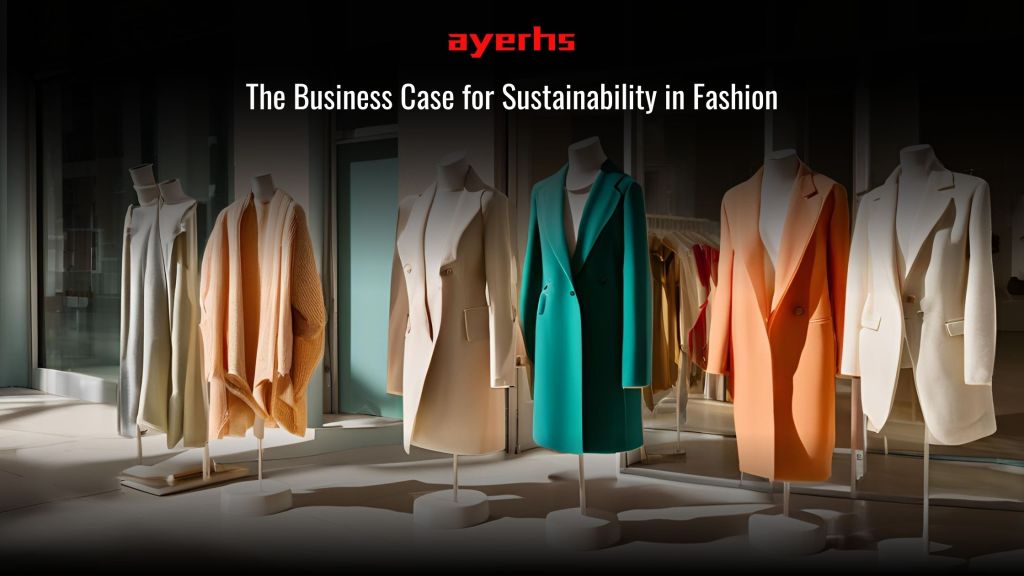
The fashion industry is undergoing a significant transformation as sustainability emerges as a critical focus. With growing awareness of the environmental and social impacts of fashion, consumers are demanding more responsible practices from brands. This article delves into the comprehensive business case for sustainability in fashion, exploring its financial, social, and environmental benefits, strategies for implementation, successful case studies, challenges faced, and the evolving consumer landscape that drives these changes.
The Business Case for Sustainability
Sustainability in fashion refers to practices that aim to reduce negative impacts on the environment and society while promoting ethical production and consumption. The business case for sustainability can be articulated through several key dimensions:
Financial Benefits
- Cost Savings: Sustainable practices can lead to significant cost reductions. For instance, brands that adopt energy-efficient technologies or reduce waste in their production processes often see lower operational costs. A study by McKinsey & Company found that companies implementing sustainability measures can reduce costs by up to 20%.
- Increased Revenue: As consumers become more conscious of their purchasing decisions, brands that offer sustainable products can tap into a growing market segment willing to pay a premium for eco-friendly options. According to Nielsen, 66% of global consumers are willing to pay more for sustainable brands.
- Access to New Markets: The rising demand for sustainable products opens up new market opportunities. Brands that position themselves as leaders in sustainability can attract environmentally conscious consumers and expand their market share.
- Risk Mitigation: By adopting sustainable practices, companies can mitigate risks associated with regulatory changes, resource scarcity, and reputational damage. This proactive approach helps ensure long-term viability.
Social Benefits
- Ethical Labor Practices: Sustainability in fashion often involves improving labor conditions and ensuring fair wages for workers. Brands that prioritize ethical labor practices not only enhance their reputation but also foster loyalty among consumers who value social responsibility.
- Community Engagement: Sustainable brands frequently engage with local communities through initiatives such as education programs, environmental conservation efforts, and support for local artisans. This engagement strengthens brand loyalty and builds positive relationships with stakeholders.
- Consumer Trust: Transparency in sourcing and production processes fosters trust between brands and consumers. Brands that openly communicate their sustainability efforts are more likely to build strong relationships with their customers.
Environmental Benefits
- Waste Reduction: The fashion industry is notorious for its waste generation, with millions of tons of textiles ending up in landfills each year. By adopting circular fashion models—where products are designed for longevity and recyclability—brands can significantly reduce textile waste. For instance, Patagonia’s Worn Wear program encourages customers to repair and recycle their garments.
- Resource Conservation: Sustainable materials such as organic cotton, Tencel, and recycled polyester help conserve natural resources and minimize environmental degradation during production. Brands like Stella McCartney have pioneered the use of innovative materials that reduce reliance on non-renewable resources.
- Lower Carbon Emissions: Implementing sustainable practices leads to reduced greenhouse gas emissions throughout the supply chain. Brands that invest in renewable energy sources or optimize transportation methods can significantly lower their carbon footprints.
Strategies for Implementing Sustainability in Fashion
To effectively integrate sustainability into their business operations, fashion brands can adopt several strategies:
1. Circular Fashion Models
Designing products with their entire lifecycle in mind is crucial for sustainability. Circular fashion emphasizes reusing materials and minimizing waste through repair, resale, or recycling programs.
- Example: EILEEN FISHER’s Renew program encourages customers to return used garments for resale or recycling, promoting a circular economy.
2. Sustainable Material Sourcing
Utilizing eco-friendly materials reduces the environmental impact of production processes.
- Example: Brands like Reformation focus on sourcing sustainable fabrics such as organic cotton and recycled polyester while maintaining stylish designs.
3. Transparency and Traceability
Implementing systems that allow consumers to trace the origins of their products enhances trust and accountability.
- Example: Everlane’s “Radical Transparency” initiative provides detailed information about the cost breakdown of its products, including materials and labor costs.
4. Energy Efficiency Initiatives
Investing in energy-efficient technologies within production processes reduces carbon footprints and operational costs.
- Example: Adidas has committed to using renewable energy sources in its factories by 2024, significantly reducing its overall emissions.
5. Consumer Education
Engaging consumers through educational campaigns about the benefits of sustainable fashion choices fosters informed decision-making.
- Example: Brands like H&M have launched awareness campaigns highlighting the importance of recycling clothing and choosing sustainable options.
Case Studies of Successful Sustainable Fashion Brands
Several brands have successfully integrated sustainability into their business models:
EILEEN FISHER
EILEEN FISHER has embedded sustainability into its core strategy by focusing on ethical production methods and circularity through its Renew program. The brand prioritizes organic fibers and has committed to reducing greenhouse gas emissions by 50% by 2025.
GANNI
GANNI is committed to decarbonizing its supply chain and has set ambitious targets for reducing carbon emissions while partnering with organizations like the UN Fashion Industry Charter for Climate Action to enhance its sustainability efforts.
Patagonia
Patagonia is a pioneer in sustainable fashion, known for its commitment to environmental activism and ethical labor practices. The brand uses recycled materials extensively and encourages customers to repair rather than replace their clothing through its Worn Wear program.
Allbirds
Allbirds focuses on creating sustainable footwear using natural materials like merino wool and eucalyptus fibers. The company’s commitment to transparency includes sharing its carbon footprint with consumers, fostering trust and loyalty.
Challenges in Implementing Sustainability
Despite the clear benefits of sustainability, implementing these practices poses several challenges:
1. Cost Barriers
Initial investments in sustainable materials or technologies can be high, deterring some brands from making the transition. Smaller companies may struggle with upfront costs associated with sourcing sustainable materials or upgrading production processes.
2. Supply Chain Complexity
Ensuring sustainability throughout the supply chain requires significant coordination and transparency, which can be difficult to achieve given the complexity of global supply chains.
3. Consumer Perception
Some consumers may remain skeptical about the authenticity of a brand’s sustainability claims due to “greenwashing” practices—where companies exaggerate or misrepresent their environmental efforts—necessitating effective communication strategies to build trust.
4. Regulatory Compliance
As governments implement stricter regulations regarding environmental impact and labor practices, brands must navigate compliance complexities while adapting their operations accordingly.
Why Sustainability is Driving Fashion Choices
The shift towards sustainable fashion is largely driven by changing consumer preferences:
1. Informed Consumers
With greater access to information about the environmental impact of fast fashion through social media platforms and documentaries like “The True Cost,” consumers are increasingly making informed choices that align with their values.
2. Cultural Shift
Movements advocating for social justice and environmental protection have heightened awareness around sustainability issues within the fashion industry, influencing consumer behavior toward more responsible purchasing decisions.
3. Brand Influence
Influencers and celebrities advocating for sustainable fashion choices further amplify consumer interest in eco-friendly brands, creating a ripple effect across demographics.
Realizing the Financial Benefits of Sustainable Fashion
Brands that successfully implement sustainable practices often see tangible financial benefits:
1. Increased Brand Loyalty
Consumers are more likely to remain loyal to brands that demonstrate a commitment to sustainability; studies show that over half of consumers would switch brands if they found out another brand was more environmentally friendly.
2. Enhanced Market Positioning
By aligning with consumer values around sustainability, brands can differentiate themselves from competitors in an increasingly crowded marketplace.
3. Long-Term Profitability
Sustainable practices not only contribute to immediate cost savings but also position companies for long-term profitability as they adapt to changing market dynamics driven by consumer demand for responsible practices.
Sustainable Fashion and Brand Reputation: A Win-Win Scenario
Sustainability not only improves operational efficiency but also enhances brand reputation:
1. Positive Public Relations
Brands recognized for their sustainability efforts often enjoy favorable media coverage and public perception, which can translate into increased sales and customer loyalty.
2. Attracting Talent
Companies committed to social responsibility attract employees who value ethical work environments; this not only enhances recruitment but also boosts employee morale and retention rates.
3. Investor Interest
As investors increasingly prioritize Environmental, Social, and Governance (ESG) criteria when evaluating potential investments, companies demonstrating strong sustainability practices are better positioned to attract investment capital.
Measuring Sustainability: Key Performance Indicators for Fashion Brands
To assess the effectiveness of sustainability initiatives, brands should establish key performance indicators (KPIs):
1. Carbon Footprint Reduction
Measuring progress towards reducing greenhouse gas emissions helps brands track their impact on climate change over time.
2. Waste Diversion Rates
Tracking the percentage of materials diverted from landfills through recycling or reuse programs quantifies waste reduction efforts effectively.
3. Sustainable Material Usage
Monitoring the proportion of materials sourced sustainably versus conventionally provides insight into a brand’s commitment to responsible sourcing practices.
4. Labor Standards Compliance
Assessing compliance with labor standards across supply chains ensures ethical treatment of workers while enhancing brand reputation among socially conscious consumers.By implementing these KPIs, brands can quantify their sustainability efforts and communicate successes transparently both internally and externally.
Conclusion
The business case for sustainability in fashion is robust and multi-dimensional—encompassing financial gains, social responsibility, and environmental stewardship—as well as aligning with evolving consumer preferences toward ethical consumption practices. As awareness around the negative impacts of fast fashion grows, brands must adapt by integrating sustainable strategies into their operations or risk losing relevance in an increasingly competitive market landscape driven by conscious consumerism.Through successful case studies like EILEEN FISHER, GANNI, Patagonia, and Allbirds demonstrating effective implementation of sustainable practices amidst challenges faced within supply chains or regulatory frameworks—fashion companies stand at a pivotal moment where embracing sustainability becomes not just an ethical choice but also a strategic advantage leading toward long-term success in today’s dynamic marketplace focused on responsible consumption patterns shaping our future together sustainably!
 Ayerhs Magazine