
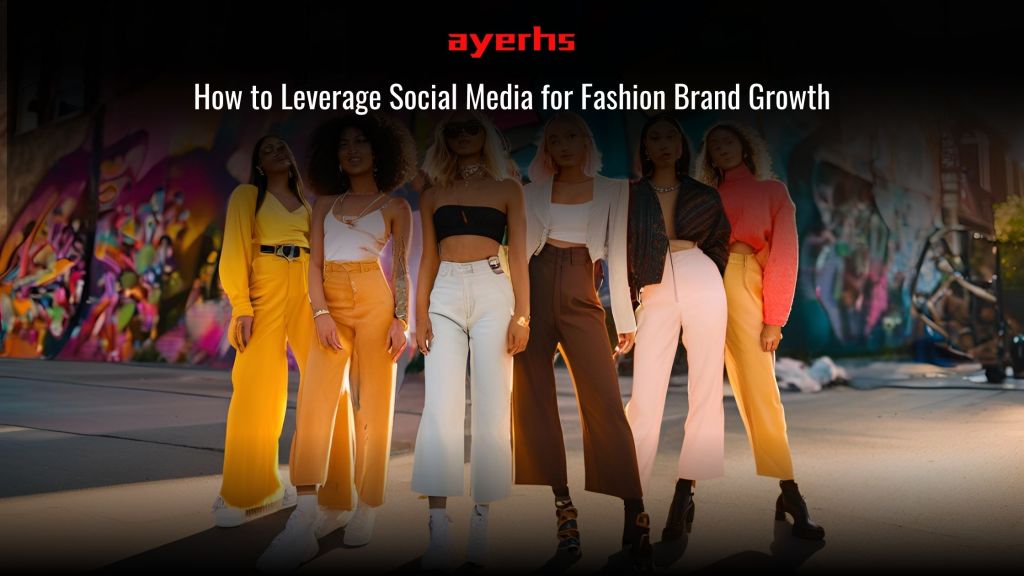
Influencer marketing has become a cornerstone of brand strategy in the fashion industry, transforming how brands engage with consumers. As social media platforms continue to evolve, the influence of digital personalities on consumer behavior has grown exponentially. This article explores the nuances of influencer marketing within the fashion sector, providing insights into strategies, benefits, and real-world applications.
The Rise of Influencer Marketing in Fashion
The fashion influencer marketing landscape has seen remarkable growth over recent years. In 2019, the market was valued at approximately USD 1.5 billion and is projected to grow at a compound annual growth rate (CAGR) of 35.7%, reaching over USD 24 billion by 202415. This surge is driven by consumers increasingly turning to social media for fashion inspiration, making influencer marketing essential for brand visibility and sales.
Why Influencer Marketing Works
Influencer marketing leverages the trust and credibility that influencers have built with their audiences. Unlike traditional advertising, which often feels intrusive, influencer endorsements come across as authentic recommendations. This authenticity translates into higher engagement rates and a more profound connection with potential customers.
- Trust and Authenticity: Influencers curate their content to resonate with their followers, establishing a sense of community and trust.
- Targeted Reach: Brands can collaborate with influencers who cater to specific demographics or niches, ensuring that their messages reach the right audience.
- Creative Content: Influencers are adept at creating visually appealing content that aligns with both their personal brand and the brand they represent.
Developing an Influencer Marketing Strategy
To effectively harness influencer marketing in fashion, brands must develop a strategic approach that encompasses several key components:
1. Define Your Goals
Before engaging with influencers, it’s crucial to identify what you want to achieve. Common goals include:
- Increasing brand awareness
- Driving website traffic
- Boosting sales for specific products
- Enhancing customer loyalty
2. Identify Your Target Audience
Understanding your target audience is essential for selecting the right influencers. Factors to consider include:
- Demographics (age, gender, location)
- Interests and lifestyle
- Shopping habits
3. Choose the Right Influencers
Selecting influencers who align with your brand values and resonate with your target audience is vital. Considerations include:
- Follower Count: While macro-influencers have large followings, micro-influencers often yield higher engagement rates due to their niche audiences.
- Engagement Metrics: Analyze likes, comments, and shares on an influencer’s posts to gauge their audience’s responsiveness.
- Content Style: Ensure that the influencer’s aesthetic aligns with your brand image for cohesive messaging.
4. Establish Clear Collaboration Guidelines
Once you’ve selected influencers, outline clear expectations regarding:
- Content type (posts, stories, videos)
- Posting schedule
- Key messaging points
- Disclosure requirements (FTC guidelines mandate transparency in sponsored content)
Creative Strategies for Influencer Collaborations
To maximize the effectiveness of influencer partnerships, brands can employ various innovative strategies:
1. Influencer-Hosted Events or Live Streams
Hosting events or live streams allows influencers to engage directly with their followers while showcasing products in real-time. For example, H&M successfully launched its Fall Studio Collection through collaborations with popular fashion bloggers who showcased signature looks from the collection3.
2. User-Generated Content Campaigns
Encouraging influencers to create user-generated content can enhance authenticity. Brands like Sperry have effectively leveraged micro-influencers who are already fans of their products to create authentic visual content for their official accounts4.
3. Shoppable Posts
Integrating direct shopping options into influencer posts can streamline the purchasing process for consumers. For instance, Gap’s campaign featured influencers styling their clothing in personalized ways while providing direct shopping links3.
4. Seasonal Campaigns
Aligning influencer campaigns with seasonal trends or events can amplify visibility. For example, brands can launch back-to-school campaigns featuring relevant influencers showcasing outfits or accessories suited for the season4.
Measuring Success in Influencer Marketing
To evaluate the effectiveness of influencer marketing campaigns, brands should track various performance metrics:
- Engagement Rates: Monitor likes, comments, shares, and overall engagement on sponsored posts.
- Reach and Impressions: Assess how many people viewed the content and how far it spread across social media platforms.
- Sales Data: Track any increases in sales or website traffic resulting from influencer collaborations using unique discount codes or affiliate links.
- Brand Sentiment: Analyze comments and feedback on posts to gauge consumer sentiment towards the brand following an influencer campaign.
Case Studies of Successful Fashion Influencer Campaigns
Examining successful case studies can provide valuable insights into effective strategies:
H&M’s Fall Studio Collection
H&M partnered with notable fashion bloggers Julie Sariñana and Ela Velden to promote its Fall Studio Collection. The campaign focused on authentic presentation through influencers who naturally embodied the collection’s aesthetics3. This approach not only enhanced brand visibility but also positioned H&M as accessible yet trendy.
Daniel Wellington’s #DWPickoftheDay
The watch brand Daniel Wellington utilized a hashtag campaign where influencers showcased their watches in lifestyle settings using #DWPickoftheDay. This strategy integrated product promotion seamlessly into everyday life while driving significant engagement across platforms4.
Adidas’ #MyNeoShoot Campaign
In a bid to connect with millennials, Adidas launched a campaign encouraging users to submit photos using their products for a chance to be featured in official advertising materials. This participatory approach fostered community engagement while showcasing authentic user experiences4.
Challenges in Fashion Influencer Marketing
Despite its advantages, influencer marketing comes with challenges that brands must navigate:
1. Choosing the Right Influencers
Not all influencers will resonate equally with your target audience; misalignment can lead to ineffective campaigns.
2. Managing Expectations
Clear communication regarding deliverables and timelines is crucial to avoid misunderstandings between brands and influencers.
3. Measuring ROI
Quantifying the return on investment from influencer campaigns can be complex due to various influencing factors beyond direct sales.
Future Trends in Fashion Influencer Marketing
As social media continues to evolve, so too will influencer marketing strategies within fashion:
1. Increased Focus on Authenticity
Consumers are increasingly valuing genuine connections over polished marketing tactics; brands will need to prioritize authenticity in their collaborations.
2. Rise of Video Content
Platforms like TikTok are driving a shift towards video content; brands should consider incorporating short-form videos into their strategies.
3. Emphasis on Diversity and Inclusion
Consumers are demanding representation; brands that prioritize diverse influencer partnerships will likely resonate more strongly with audiences.
Influencer marketing has established itself as an indispensable tool for fashion brands looking to connect authentically with consumers in an increasingly digital world. By strategically selecting influencers who align with brand values and employing innovative collaboration tactics, fashion companies can enhance visibility, drive sales, and foster lasting relationships with their audiences. As trends continue to evolve within social media landscapes, staying adaptable and responsive will be key for brands aiming to thrive in this dynamic environment.
 Ayerhs Magazine