
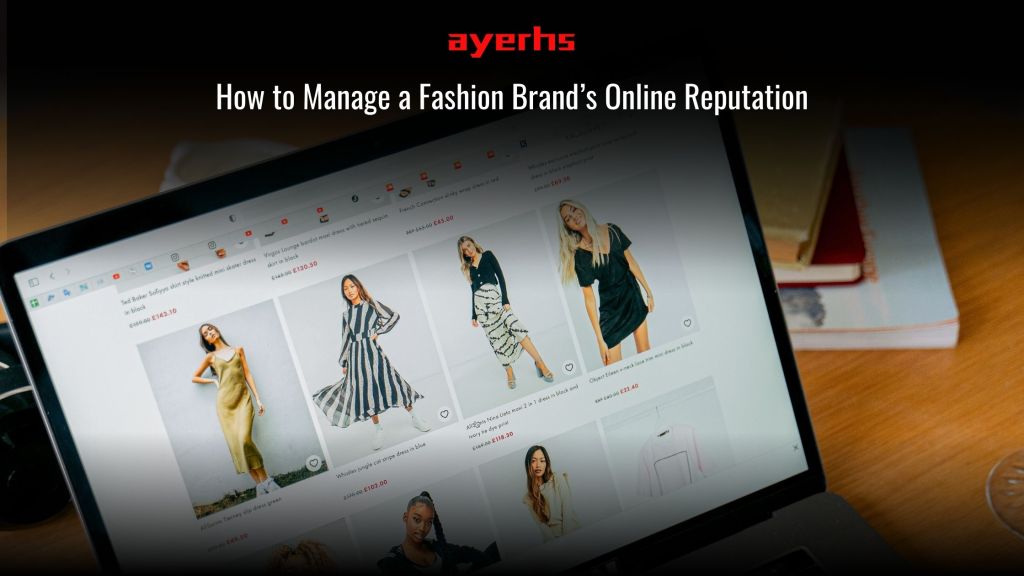
With the rise of social media and online reviews, consumers have more power than ever to shape public perception. A single negative comment or review can quickly escalate into a crisis, making it essential for brands to proactively manage their online presence. This article will explore comprehensive strategies for fashion brands to effectively manage their online reputation, focusing on monitoring, engagement, content creation, and crisis management.
Understanding Online Reputation Management (ORM)
Online Reputation Management (ORM) refers to the practice of monitoring, influencing, and managing how a brand is perceived online. This involves tracking mentions of the brand across various platforms, responding to customer feedback, and creating a positive narrative around the brand. For fashion brands, ORM is particularly critical due to the industry’s competitive nature and the rapid pace of change in consumer preferences.
The Importance of ORM in Fashion
- Consumer Trust: In an industry where trust is paramount, maintaining a positive online reputation helps build consumer confidence in the brand.
- Competitive Advantage: A strong reputation can differentiate a brand from its competitors, attracting more customers.
- Crisis Mitigation: Effective ORM can help brands navigate potential crises by addressing issues before they escalate.
Strategies for Managing Online Reputation
1. Conduct a Brand Audit
Before implementing any ORM strategy, it’s essential to conduct a thorough brand audit. This involves:
- Assessing Online Presence: Review all online assets, including websites, social media profiles, and third-party listings.
- Analyzing Search Results: Conduct searches for the brand name to identify what appears on the first page of results.
- Identifying Weaknesses: Note any negative mentions or undesirable content that could harm the brand’s image.
2. Monitor Brand Mentions
Continuous monitoring of brand mentions across various platforms is crucial. This can be achieved through:
- Social Media Monitoring Tools: Utilize tools like Brandwatch or Hootsuite to track mentions and sentiment analysis.
- Google Alerts: Set up alerts for the brand name and relevant keywords to stay informed about new mentions.
- Review Platforms: Regularly check review sites like Yelp and Google Reviews for customer feedback.
3. Engage with Your Audience
Proactive engagement is key to fostering a positive online reputation. Brands should:
- Respond Promptly: Address both positive and negative comments quickly to show that customer feedback is valued.
- Create Community: Foster a sense of community by engaging with followers on social media platforms through regular posts and interactions.
- Share Behind-the-Scenes Content: Humanize the brand by sharing insights into the company culture, product creation processes, and team members.
4. Leverage Influencer Partnerships
Influencers play a significant role in shaping public perception in the fashion industry. Brands should:
- Identify Relevant Influencers: Collaborate with influencers who align with the brand’s values and have a substantial following.
- Encourage Authentic Content: Work with influencers to create authentic content that showcases products in real-world settings.
- Monitor Influencer Impact: Assess how influencer partnerships affect brand perception through engagement metrics and audience feedback.
5. Encourage User-Generated Content (UGC)
User-generated content can significantly enhance a brand’s reputation by showcasing real customer experiences. Brands should:
- Create Campaigns for UGC: Encourage customers to share photos of themselves using the products on social media.
- Feature UGC on Official Channels: Highlight user-generated content on the brand’s website and social media pages to build community trust.
6. Optimize SEO Strategies
Search engine optimization (SEO) plays a vital role in ORM by ensuring that positive content ranks higher than negative mentions. Brands can:
- Develop Quality Content: Create blog posts, articles, and videos that reflect the brand’s values and expertise in fashion.
- Use Keywords Strategically: Optimize website content with relevant keywords to improve search visibility.
7. Implement Crisis Management Plans
Despite best efforts, crises may still arise. Having a crisis management plan in place is essential for rapid response:
- Develop Clear Protocols: Outline steps for addressing various types of crises, including communication strategies and team responsibilities.
- Train Staff: Ensure that all team members understand their roles in crisis situations and are trained on effective communication.
8. Analyze Feedback Regularly
Regular analysis of customer feedback helps brands understand public perception better:
- Conduct Surveys: Use surveys to gather insights into customer satisfaction and perceptions of the brand.
- Monitor Trends Over Time: Track changes in sentiment over time to identify areas for improvement.
Building a Positive Brand Narrative
Creating a compelling narrative around the brand is crucial for managing its online reputation effectively. This involves:
- Defining Brand Values: Clearly articulate what the brand stands for—be it sustainability, inclusivity, or innovation—and communicate these values consistently.
- Storytelling Through Content: Use storytelling techniques in marketing materials to engage customers emotionally and create a deeper connection with the brand.
- Highlighting Positive Impact: Share stories about how the brand contributes positively to society or the environment, which can enhance its reputation.
Case Studies of Successful ORM in Fashion
Nike
Nike exemplifies effective online reputation management through its proactive customer service approach via social media channels like Twitter (@NikeSupport). By addressing consumer concerns directly on these platforms, Nike has maintained a strong positive reputation despite facing challenges related to product quality and labor practices311.
Patagonia
Patagonia has built its reputation on sustainability and ethical practices. The company actively engages with customers about environmental issues through campaigns that encourage responsible consumption while maintaining transparency about its practices410. This commitment has fostered strong loyalty among environmentally conscious consumers.
Glossier
Glossier has leveraged user-generated content effectively by encouraging customers to share their experiences with products on social media12. By showcasing real users rather than traditional advertising methods, Glossier has cultivated an authentic image that resonates with its audience.
Conclusion
Managing an online reputation in the fashion industry requires continuous effort and strategic planning. By conducting regular audits, monitoring mentions, engaging proactively with audiences, leveraging influencer partnerships, encouraging user-generated content, optimizing SEO strategies, implementing crisis management plans, and analyzing feedback regularly, fashion brands can create and maintain a positive online presence.In an age where consumer voices are amplified through digital platforms, brands must prioritize their online reputation as part of their overall marketing strategy. By doing so, they not only protect their image but also enhance customer loyalty and drive long-term success in an increasingly competitive marketplace.
 Ayerhs Magazine