
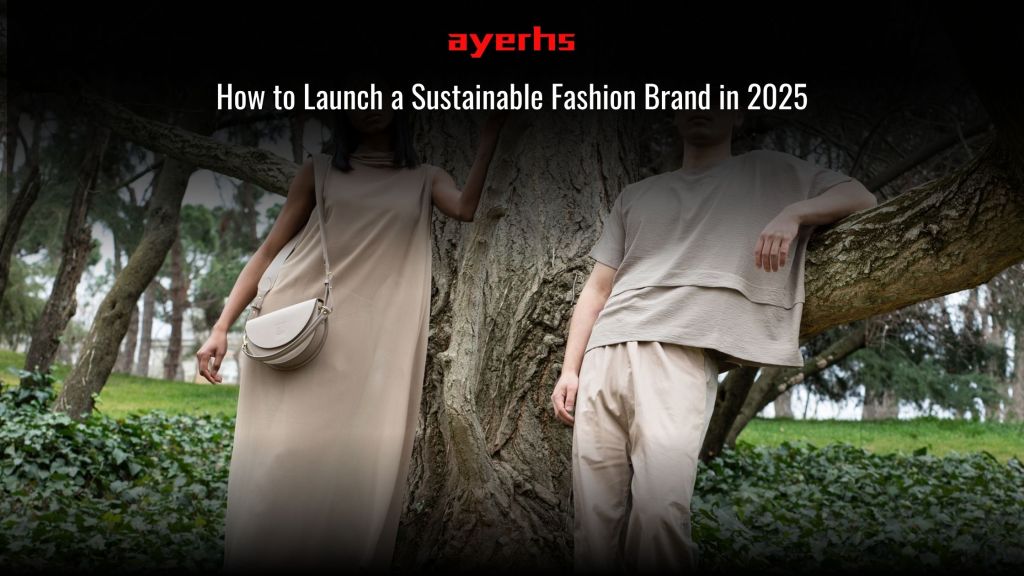
The fashion industry is at a pivotal moment, with sustainability emerging as a crucial focus for brands and consumers alike. As we move into 2025, launching a sustainable fashion brand is not only an entrepreneurial opportunity but also a responsibility to address the environmental and social challenges posed by traditional fashion practices. This comprehensive guide will delve into the intricacies of establishing a sustainable fashion brand, covering everything from understanding the principles of sustainable fashion to practical steps for launching your venture.
Understanding Sustainable Fashion
What is Sustainable Fashion?
Sustainable fashion encompasses a wide range of practices aimed at reducing the negative impact of clothing production and consumption on the environment and society. It involves creating garments in ways that are environmentally friendly and socially responsible, aiming for a balance between economic viability and ecological integrity.
Key Principles of Sustainable Fashion
- Eco-Friendly Materials: Sustainable fashion prioritizes materials that have minimal environmental impact. This includes organic cotton, Tencel (made from sustainably sourced wood pulp), hemp, and recycled fabrics. These materials are produced with fewer chemicals and less water compared to conventional textiles.
- Ethical Labor Practices: A commitment to fair labor practices is essential. This means ensuring that workers are paid fair wages, work in safe conditions, and have their rights protected throughout the supply chain.
- Waste Reduction: Sustainable brands focus on minimizing textile waste through recycling, upcycling, and designing for durability. This includes creating garments that are meant to last longer and can be repaired rather than discarded.
- Energy Efficiency: Reducing carbon emissions is crucial for sustainability. Brands can achieve this by using renewable energy sources in their manufacturing processes and adopting energy-efficient technologies.
- Circular Economy: The circular economy model emphasizes creating a closed-loop system where products are designed for longevity and can be reused or recycled at the end of their life cycle. This approach helps reduce reliance on virgin resources.
- Slow Fashion Movement: Slow fashion advocates for mindful purchasing of high-quality garments that last longer, contrasting sharply with the fast fashion model that promotes rapid consumption.
- Transparency: Sustainable brands prioritize transparency in their supply chains, allowing consumers to understand where their products come from and how they were made.
The Future of Sustainable Fashion
The future of sustainable fashion is promising yet complex, shaped by several trends:
- Consumer Demand for Transparency: As consumers become more informed about the impacts of their purchases, they increasingly seek brands that disclose their sourcing practices and labor conditions.
- Technological Innovations: Advancements in technology are enabling more sustainable production methods, such as 3D printing and digital fabric printing, which can reduce waste significantly.
- Circular Business Models: More brands are adopting circular models that emphasize recycling and upcycling to reduce waste. This includes take-back programs where customers can return old garments for recycling or resale.
- Collaboration Across Industries: Partnerships between fashion brands and other sectors (e.g., technology, agriculture) are emerging to create more sustainable solutions, such as bio-fabrication or plant-based materials.
The 10-Step Process to Launch Your Sustainable Fashion Brand
Launching a sustainable fashion brand involves several key steps. Here’s a detailed breakdown of each stage:
Step 1: Define Your Mission and Values
Establishing a Clear Purpose
Every successful brand begins with a strong mission statement that articulates your commitment to sustainability. Consider the following:
- What motivates you to start this brand?
- What specific issues in the fashion industry do you want to address?
- How do you envision your brand making a positive impact?
Your mission statement will serve as your guiding principle and resonate with consumers who share similar values.
Step 2: Conduct Market Research
Identifying Your Target Audience
Understanding your target market is crucial for positioning your brand effectively. Conduct thorough market research to identify:
- Current trends in sustainable fashion.
- Competitors within your niche and their strengths and weaknesses.
- Gaps in the market that your brand can fill.
Utilize tools such as surveys, social media analytics, and industry reports to gather insights about consumer preferences and behaviors.
Step 3: Develop Your Brand Identity
Creating a Unique Brand Story
Your brand identity should reflect your mission and resonate with your target audience. This involves:
- Designing a memorable logo and visual identity.
- Crafting a compelling brand story that highlights your values and sustainability efforts.
- Developing a consistent tone of voice for all communications.
A strong brand identity helps build trust among consumers who increasingly look for brands that align with their values.
Step 4: Source Sustainable Materials
Choosing Eco-Friendly Fabrics
The materials you choose for your clothing are fundamental to your brand’s sustainability credentials. Consider sourcing from suppliers who offer:
- Organic cotton, linen, Tencel, or recycled fabrics.
- Certifications such as GOTS (Global Organic Textile Standard) or OEKO-TEX.
- Local suppliers to reduce carbon footprint associated with transportation.
Establishing relationships with suppliers who share your commitment to sustainability is essential for maintaining ethical practices throughout your supply chain.
Step 5: Design Your Collection
Creating Sustainable Products
When designing your collection, focus on creating timeless pieces that promote longevity and versatility. Consider:
- Size-inclusive designs that cater to a diverse range of body types.
- Modular clothing that can be styled in multiple ways.
- Use of natural dyes and low-impact production techniques.
Prototyping and testing designs before mass production can help ensure quality while minimizing waste.
Step 6: Find Ethical Manufacturers
Selecting Responsible Production Partners
Finding manufacturers who adhere to ethical labor practices is critical. Look for partners who:
- Have experience working with sustainable materials.
- Follow fair labor practices and provide safe working conditions.
- Minimize waste during production processes.
Building long-term relationships with reliable manufacturers will help maintain consistency in quality and ethical standards.
Step 7: Establish an Online Presence
Building Your Digital Storefront
In today’s digital age, having a strong online presence is imperative for any fashion brand. Create an e-commerce website that is:
- Visually appealing and user-friendly.
- Optimized for mobile devices.
- Rich in content that tells your brand story effectively.
Utilize social media platforms like Instagram and Pinterest to engage with potential customers, showcase your products, and build a community around your brand.
Step 8: Develop Marketing Strategies
Storytelling as a Marketing Tool
Marketing for a sustainable fashion brand should focus on transparency and storytelling. Highlight aspects such as:
- The people behind the products (designers, artisans).
- The materials used and their environmental benefits.
- The impact of purchases on communities or environmental initiatives.
Utilize content marketing strategies such as blogs, videos, and social media posts to share behind-the-scenes insights into your production process.
Step 9: Launch Strategically
Starting Small and Scaling Wisely
When launching your brand, consider starting with a limited product line to manage costs effectively. This approach allows you to:
- Gauge customer interest through pre-orders or soft launches.
- Collect feedback to refine products before expanding your offerings.
As demand grows, scale operations while ensuring adherence to sustainability principles.
Step 10: Monitor Impact and Adapt
Evaluating Performance
Once launched, continuously monitor the impact of your business practices on both the environment and society. Use metrics such as:
- Customer feedback on product sustainability.
- Sales data reflecting consumer preferences.
- Environmental impact assessments of production processes.
Be prepared to adapt strategies based on this feedback to improve sustainability efforts over time.
Financing Your Venture
Launching a sustainable fashion brand requires careful financial planning. Here are some key considerations:
Initial Capital Investment: Assess how much capital you need for startup costs such as material sourcing, production, marketing, and distribution. Create a detailed budget outlining all expected expenses.
Funding Sources
- Bootstrapping: Using personal savings or revenue from initial sales can help maintain control over your business without incurring debt or giving away equity.
- Crowdfunding: Platforms like Kickstarter or Indiegogo allow you to raise funds while validating your concept through pre-orders or community support.
- Grants and Competitions: Look for grants specifically aimed at sustainable businesses or enter competitions that offer funding as prizes—many organizations support eco-friendly initiatives financially.
- Investors: Seek out investors who are interested in sustainable ventures; angel investors or venture capitalists focused on impact investing can provide significant funding if aligned with your vision.
Budgeting
Create a detailed budget that outlines all expected expenses including design costs, material sourcing, manufacturing expenses, marketing efforts, website development, shipping logistics, etc., ensuring you account for both fixed costs (rent, salaries) and variable costs (materials).
Financial Projections
Develop financial projections for at least three years to understand when you might break even or become profitable. Include best-case scenarios alongside conservative estimates based on market research data regarding growth potential within the sustainable sector.
Challenges in Sustainable Fashion
While there is significant potential in sustainable fashion, several challenges persist:
- Higher Production Costs: Sustainable materials often come at a premium price compared to conventional options; this can affect pricing strategies while trying not to alienate cost-sensitive consumers.
- Consumer Education: Many consumers still prioritize price over sustainability; educating them about the benefits of sustainable products is crucial through informative content marketing strategies emphasizing long-term value over short-term savings.
- Supply Chain Complexity: Ensuring ethical practices throughout the supply chain can be complicated due to varying regulations across countries; building strong relationships with suppliers committed to transparency helps mitigate these risks but requires diligence during selection processes.
- Competition from Fast Fashion: Fast fashion brands dominate the market with low prices; differentiating yourself through unique selling propositions centered around quality craftsmanship or innovative designs becomes imperative when competing against these giants who often prioritize speed over ethics & sustainability principles..
- Changing Regulations: As governments implement stricter sustainability regulations globally (e.g., bans on single-use plastics), brands must stay informed & compliant with new laws affecting product development cycles & marketing strategies alike—this may require additional resources dedicated solely towards compliance efforts depending upon jurisdictional requirements impacting operations directly!
Practical Tips & Tools
To successfully launch a sustainable fashion brand in 2025 consider these practical tips:
- Start Small: Begin with a limited product line focusing on quality rather than quantity; this approach allows you room for experimentation while managing costs effectively during initial phases before scaling up operations based upon demand signals received post-launch phase!
- Leverage Technology: Use tools like CAD software (Computer-Aided Design) which facilitates efficient design processes alongside inventory management systems reducing waste associated with excess stock levels—these technologies streamline workflows improving overall operational efficiency!
- Engage With Your Community: Build relationships with local artisans or organizations focused on sustainability enhancing credibility within niche markets—collaborative projects often yield creative solutions benefiting both parties involved!
- Utilize Social Media Wisely: Use platforms like Instagram/TikTok not just for marketing but also storytelling about missions behind products created—engaging visuals combined with authentic narratives resonate deeply connecting emotionally fostering loyalty among followers/customers alike!
5 . Measure Your Impact Regularly: Regularly assess environmental impacts utilizing tools like Life Cycle Assessment (LCA) identifying areas needing improvement—this proactive approach ensures continuous progress towards meeting established goals while maintaining accountability towards stakeholders invested interests!6 . Stay Informed About Trends: Keep up-to-date regarding industry trends following relevant publications attending conferences focused specifically upon sustainable fashion topics—this knowledge equips entrepreneurs enabling them adapt quickly shifting landscapes ensuring relevance within competitive markets!
Case Studies
Examining successful sustainable fashion brands provides valuable insights into effective strategies employed within this sector:1 . Patagonia:
- Known for its commitment towards environmental activism utilizing recycled materials extensively promoting repair over replacement through its Worn Wear program encouraging customers extend lifecycle garments purchased!
- Engages customers actively participating initiatives via campaigns like “Don’t Buy This Jacket” urging responsible consumption behaviors challenging consumerism norms prevalent today!
2 . Reformation:
- Focuses stylish yet sustainable clothing made from eco-friendly materials providing transparency sharing sustainability metrics publicly available website enabling informed purchasing decisions amongst shoppers!
- Employs innovative marketing strategies resonating deeply eco-conscious consumers emphasizing authenticity fostering community engagement around shared values!
3 . Eileen Fisher:
- Prioritizes ethical labor practices alongside environmental sustainability implementing take-back programs encouraging customers return old garments recycling/resale options promoting circularity principles!
- Invests heavily social justice initiatives alongside sustainability efforts reinforcing commitment holistic approach addressing multifaceted challenges facing society today!
4 . Allbirds:
- Utilizes natural materials such as merino wool eucalyptus tree fibers focusing reducing carbon emissions throughout supply chain engaging customers transparency regarding overall footprint products sold!
- Implements innovative marketing techniques highlighting simplicity comfort appeal footwear designed sustainably capturing attention eco-conscious shoppers seeking alternatives traditional footwear options available market currently!
Conclusion
Launching a sustainable fashion brand in 2025 presents both challenges & opportunities within an evolving landscape driven increasingly by consumer demand prioritizing ethical practices over mere profitability alone! By understanding principles underlying this movement defining clear missions conducting thorough research sourcing responsibly designing thoughtfully building strong online presence developing effective marketing strategies monitoring impacts regularly adapting accordingly entrepreneurs carve niches within vital sectors contributing positively society environment alike! The future lies firmly rooted sustainability embracing journey fosters responsible business practices cultivating conscious consumer culture prioritizing people planet profit alone transforming industry one garment time!
 Ayerhs Magazine