
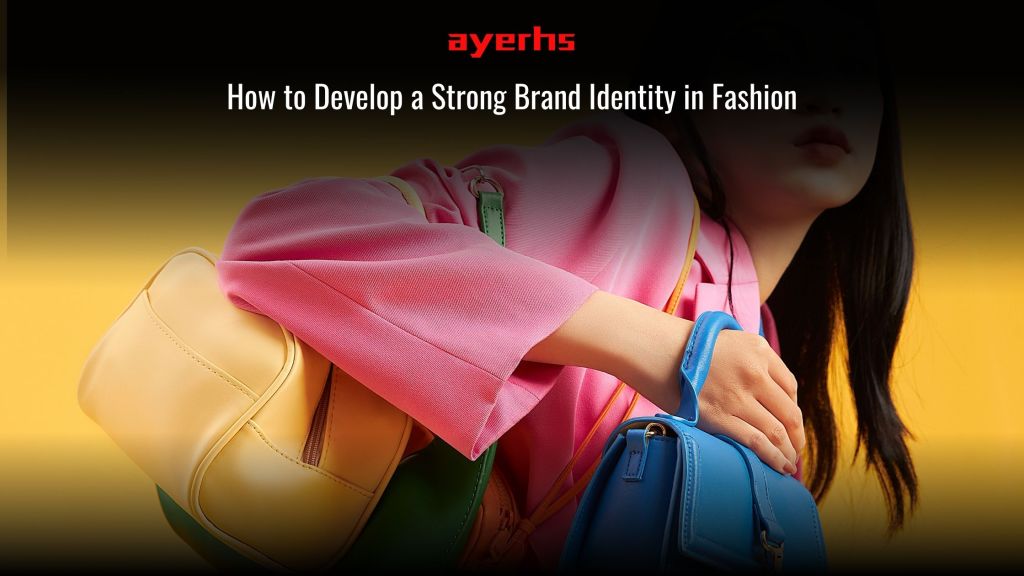
In the dynamic and competitive world of fashion, creating a strong brand identity is paramount. A well-defined brand identity not only sets a fashion label apart from competitors but also fosters loyalty, communicates values, and creates emotional connections with consumers. Whether you’re an emerging designer or an established brand seeking to refine your identity, this guide will walk you through the essential steps to develop a compelling and cohesive brand identity in fashion.
Understanding Brand Identity
At its core, brand identity is the unique combination of visual, emotional, and communicative elements that define how a brand is perceived. It encompasses everything from the logo and color palette to the tone of voice and brand values. In fashion, where aesthetics and storytelling are vital, brand identity takes on an even greater significance. It’s the bridge that connects your designs with your target audience, making your brand instantly recognizable and relatable.
Step 1: Define Your Brand Purpose and Values
Every strong brand begins with a clear purpose and a set of core values. Ask yourself:
- What inspired you to start your fashion brand?
- What mission does your brand aim to fulfill?
- What values underpin your designs and business practices?
For example, if sustainability is central to your ethos, this value should permeate every aspect of your brand, from material sourcing to marketing. Similarly, if your brand celebrates inclusivity, ensure this commitment is evident in your campaigns, sizing, and partnerships. Defining your purpose and values provides a foundation for decision-making and helps communicate authenticity to your audience.
Step 2: Identify Your Target Audience
A strong brand identity resonates deeply with its intended audience. Understanding who your ideal customer is will inform your design aesthetic, marketing strategy, and communication style. Conduct thorough market research to identify:
- Demographics: Age, gender, location, income level.
- Psychographics: Interests, values, lifestyle choices, shopping behavior.
- Pain Points: What challenges does your audience face in the fashion world that your brand can address?
For instance, a brand targeting eco-conscious millennials will prioritize sustainable materials, minimalistic designs, and transparent business practices. In contrast, a luxury label catering to high-net-worth individuals may emphasize exclusivity, craftsmanship, and heritage.
Step 3: Craft a Unique Brand Story
Storytelling is a powerful tool in fashion branding. Your brand story should capture the essence of your journey, values, and vision. It’s what differentiates your brand in a crowded market and forms an emotional connection with consumers.
- Origin Story: Share the inspiration behind your brand’s inception.
- Key Milestones: Highlight significant achievements or partnerships.
- Vision: Communicate what your brand aspires to achieve in the future.
Ensure that your story is authentic and consistent across all platforms, from your website and social media to press interviews and product descriptions.
Step 4: Design a Memorable Visual Identity
Fashion is inherently visual, making your brand’s visual identity a cornerstone of its identity. This includes:
- Logo: A well-designed logo acts as the face of your brand. It should be timeless, versatile, and reflective of your brand’s personality.
- Color Palette: Choose a cohesive set of colors that evoke the emotions you want associated with your brand. For instance, bold and vibrant colors may convey energy and innovation, while muted tones suggest sophistication and calmness.
- Typography: Select fonts that align with your aesthetic, whether it’s sleek and modern or classic and elegant.
- Imagery: Define the style of photography, illustrations, or graphics that will represent your brand. This includes the tone of your lookbooks, social media posts, and advertising campaigns.
Consistency across all visual touchpoints reinforces brand recognition and professionalism.
Step 5: Develop a Distinctive Tone of Voice
The way your brand communicates is as important as how it looks. Your tone of voice should reflect your brand’s personality and appeal to your target audience. Consider:
- Formal vs. Casual: A luxury brand might adopt a formal tone, while a youth-focused streetwear brand may lean towards a casual, conversational style.
- Emotional Appeal: Decide whether your messaging will be aspirational, motivational, humorous, or nurturing.
- Key Messaging: Develop a set of core messages or taglines that encapsulate your brand’s ethos. These should be used consistently across marketing materials.
Step 6: Create a Cohesive Product Line
Your products are the ultimate representation of your brand identity. They should embody your values, aesthetics, and target audience’s preferences. To achieve this:
- Signature Style: Develop a distinct design language that sets your collections apart. This could be through unique patterns, silhouettes, or materials.
- Quality Standards: Ensure that your products consistently meet high standards of craftsmanship and durability.
- Collection Themes: Design cohesive collections that tell a story and align with your brand’s overall narrative.
Step 7: Build a Strong Online Presence
In today’s digital-first world, a robust online presence is non-negotiable. Your website and social media platforms are often the first points of contact between your brand and potential customers. To make a lasting impression:
- Website Design: Invest in a user-friendly, visually appealing website that reflects your brand’s aesthetic. Include high-quality images, compelling copy, and seamless navigation.
- Social Media Strategy: Choose platforms that align with your audience’s preferences and actively engage with your followers through posts, stories, and live sessions.
- E-commerce Integration: If you sell online, ensure that your shopping experience is intuitive, secure, and fast.
Step 8: Leverage Branding Partnerships and Collaborations
Collaborations with like-minded brands, influencers, or artists can amplify your reach and reinforce your brand identity. When choosing partners:
- Alignment: Ensure their values and aesthetic align with yours.
- Mutual Benefits: Look for partnerships that provide value to both parties, whether through shared audiences, creative inspiration, or market access.
Examples include limited-edition capsule collections, co-branded events, or influencer campaigns.
Step 9: Gather and Act on Customer Feedback
Your customers are your most valuable source of insights. Regularly gather feedback to understand how they perceive your brand and identify areas for improvement. Use surveys, social media polls, or direct interactions to:
- Learn what resonates with your audience.
- Identify gaps in your product offerings or services.
- Refine your branding and messaging based on real-world feedback.
Step 10: Stay Adaptable and Relevant
The fashion industry is constantly evolving, and staying relevant requires a balance between consistency and adaptability. Monitor trends, consumer behavior, and technological advancements to:
- Update your collections to reflect current tastes.
- Experiment with new marketing channels or strategies.
- Refresh your brand identity periodically while maintaining its core essence.
Case Studies: Successful Fashion Brands with Strong Identities
- Gucci: Under Alessandro Michele’s creative direction, Gucci redefined its identity to celebrate eclecticism, inclusivity, and individuality. This bold reinvention resonated with younger audiences and revitalized the brand’s global appeal.
- Everlane: This sustainable brand built its identity around transparency and ethical practices. By sharing detailed cost breakdowns and factory information, Everlane earned trust and loyalty from conscious consumers.
- Supreme: Supreme’s identity is deeply rooted in street culture and exclusivity. Its limited releases, collaborations, and urban aesthetic have made it a cult favorite among youth worldwide.
Final Thoughts
Developing a strong brand identity in fashion is a multifaceted process that requires clarity, creativity, and consistency. By defining your purpose, understanding your audience, crafting a compelling story, and maintaining cohesive visuals and messaging, you can create a brand that stands out in the crowded marketplace. Remember, your brand identity is not static; it should evolve with your audience and the industry, ensuring continued relevance and resonance.
 Ayerhs Magazine