
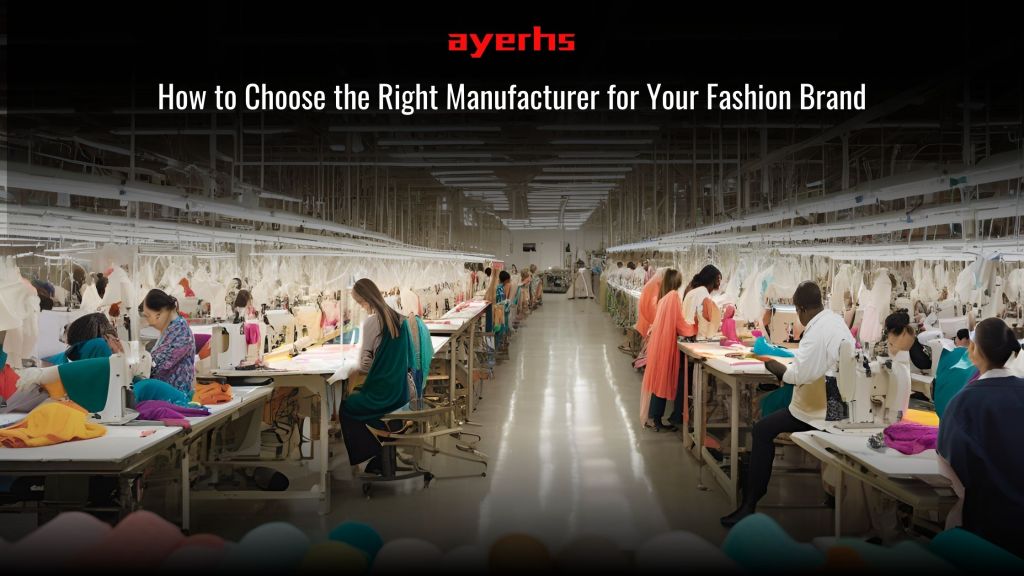
Choosing the right manufacturer is a pivotal decision for any fashion brand, as it directly influences product quality, production timelines, and overall brand reputation. The process of selecting a manufacturer can be complex, involving various considerations from production capabilities to ethical practices. This article will guide you through the essential steps and factors to consider when choosing a manufacturer that aligns with your brand’s vision and operational needs.
Understanding Your Clothing Production Needs
Before embarking on the search for a manufacturer, it’s crucial to have a clear understanding of your clothing production needs. This includes:
- Product Type: Define what types of garments you intend to produce. Different manufacturers specialize in different types of clothing, such as activewear, formal wear, or sustainable fashion.
- Production Volume: Determine your initial order quantities and future scaling needs. This will help you find a manufacturer that can accommodate both small and large orders.
- Quality Standards: Establish what quality means for your brand. High-quality standards are essential for maintaining brand integrity and customer satisfaction.
Key Factors to Consider When Choosing a Manufacturer
1. Manufacturer Experience
Evaluate the manufacturer’s experience in producing similar garments. It’s not just about how long they have been in business; it’s about their track record with products like yours. Ask for examples of previous work to gauge their capabilities and expertise in handling your specific type of clothing12.
2. Specialization
Choose a manufacturer that specializes in the type of clothing you want to produce. For instance, if you are designing high-performance sportswear, look for manufacturers known for their expertise in athletic apparel. This specialization often translates into better craftsmanship and understanding of material requirements45.
3. Production Capacity
Assess the manufacturer’s production capacity to ensure they can meet your current and future demands. Inquire about their minimum order quantities (MOQs) and their ability to scale operations as your brand grows. A manufacturer that can adapt to your evolving needs will save you time and resources in the long run27.
4. Quality Control Processes
Quality assurance is vital in fashion manufacturing. Investigate the manufacturer’s quality control processes to understand how they ensure consistency across all products. Request samples of their work and pay attention to details such as stitching, fabric quality, and overall craftsmanship13. A reliable manufacturer should have stringent quality checks at every stage of production.
5. Ethical Practices
In today’s market, consumers are increasingly concerned about ethical manufacturing practices. Research whether the manufacturer adheres to ethical labor standards, sustainable sourcing of materials, and environmentally friendly production processes. Certifications such as Fair Trade or GOTS (Global Organic Textile Standard) can indicate a commitment to ethical practices14.
Communication and Collaboration
Effective communication is crucial when working with a manufacturer. Establish clear lines of communication from the outset to avoid misunderstandings that could lead to delays or errors in production. Ensure that both parties have a mutual understanding of expectations regarding timelines, quality standards, and design specifications46.
Evaluating Potential Manufacturers
Once you’ve identified potential manufacturers based on the above factors, it’s time to evaluate them more closely:
- Visit Their Facilities: If possible, visit the manufacturing facility to observe their operations firsthand. This can provide valuable insights into their capabilities and working conditions.
- Check References: Reach out to other brands that have worked with the manufacturer to gather feedback on their experiences regarding reliability, quality, and communication.
- Request Samples: Always request samples before making a final decision. This step is critical in assessing whether the manufacturer’s output aligns with your quality expectations.
Costs and Pricing Structures
Understanding the cost structure is another vital aspect of choosing a manufacturer. While it may be tempting to opt for the lowest price, consider the long-term implications of cost-cutting measures on quality and service:
- Transparent Pricing: Ensure that the manufacturer provides clear pricing information without hidden costs.
- Value Over Price: Focus on the value offered by the manufacturer rather than just the price point. A slightly higher cost may be justified by superior quality or better service25.
Building a Strong Partnership
Once you’ve selected a manufacturer, focus on building a strong partnership:
- Set Clear Expectations: Clearly outline your expectations regarding timelines, quality standards, and communication protocols.
- Foster Open Communication: Maintain regular communication throughout the production process to address any issues promptly.
- Be Open to Feedback: Encourage feedback from your manufacturer regarding design feasibility or material choices; their expertise can help refine your product offerings.
Common mistakes when choosing a clothing manufacturer
When choosing a clothing manufacturer, several common mistakes can derail the process and negatively impact your fashion brand. Understanding these pitfalls can help you make more informed decisions and establish a successful partnership with your manufacturer. Here are the most common mistakes to avoid:
1. Improper Planning
One of the most significant errors is failing to have a comprehensive plan for the production process. Without clear planning, brands may face issues such as overproduction, stockouts, or delays in meeting consumer demand. It’s essential to accurately forecast your production needs and create a detailed timeline to guide the manufacturing process.
2. Poor Market Research
Neglecting market research can lead to producing items that do not align with consumer preferences. Brands should conduct thorough research to understand current trends and customer demands. This includes both primary research, like surveys, and secondary research for broader market insights. Without this understanding, manufacturers may end up with unsold inventory, wasting time and resources.
3. Inefficient Supply Chain Management
Disorganized supply chains can cause significant delays in production. It’s crucial to establish effective communication and coordination among all parties involved in the supply chain. Failing to do so can result in material shortages, increased shipping costs, and other disruptions that hinder the manufacturing process1.
4. Neglecting Quality Control
Overlooking quality control measures can lead to defective products that damage your brand’s reputation. Manufacturers must implement rigorous quality checks at every stage of production to ensure consistency and reliability. Maintaining quality records is also vital for tracking improvements and addressing issues promptly.
5. Inaccurate Cost Estimation
Accurate cost estimation is critical for budgeting and financial planning. Brands should calculate all potential costs associated with production, including materials, labor, transportation, and packaging. Inaccurate estimations can lead to budget overruns or insufficient funds for innovation and growth.
6. Lack of Compliance With Regulations
Manufacturers must adhere to various regulations regarding labor practices and environmental sustainability. Failing to comply with these regulations can result in legal issues and damage your brand’s credibility. It’s essential to choose manufacturers who prioritize ethical practices and sustainability certifications.
7. Underestimating Lead Times
Misjudging production timelines can create confusion and lead to delays that affect sales and customer satisfaction. Brands should have a realistic understanding of lead times based on their specific production requirements and communicate these expectations clearly with their manufacturers.
8. Ignoring Customer Feedback
Customer feedback is invaluable for refining products and ensuring they meet market demands. Ignoring this feedback can result in wasted resources on items that do not resonate with consumers. Engaging with customers post-purchase can provide insights that inform future designs and improvements.
9. Not Providing a Detailed Tech Pack
A tech pack serves as a blueprint for manufacturers, detailing specifications such as designs, measurements, materials, and construction methods. Failing to provide a comprehensive tech pack can lead to misunderstandings during production, resulting in errors or incomplete products.
10. Overinvestment in Technology
While technology plays an essential role in modern manufacturing, overinvesting in advanced machinery without assessing its suitability for specific products can be detrimental. Brands should evaluate their needs carefully before making significant investments in technology
Conclusion
Choosing the right manufacturer for your fashion brand is a critical step that can significantly impact your success in the industry. By carefully evaluating potential partners based on experience, specialization, production capacity, ethical practices, and communication skills, you can find a manufacturer that aligns with your brand’s vision and goals.Investing time in this selection process will pay off in terms of product quality, timely delivery, and ultimately customer satisfaction—key elements that contribute to building a successful fashion brand in today’s competitive market.By following these guidelines and maintaining an open line of communication with your chosen manufacturer, you’ll be well-equipped to bring your fashion vision to life while ensuring that your brand stands out for all the right reasons.
 Ayerhs Magazine