
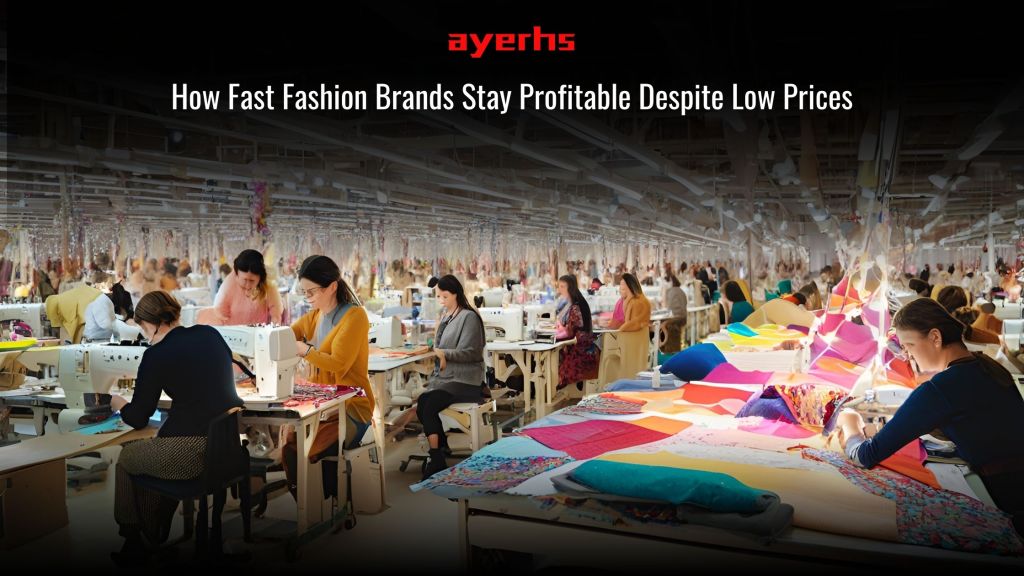
The fast fashion industry has revolutionized the way consumers shop for clothing, allowing them to access trendy styles at remarkably low prices. This model has led to significant profits for brands like Zara, H&M, and Shein, despite criticisms regarding environmental sustainability and labor practices. Understanding how these brands maintain profitability involves examining their business strategies, supply chain efficiencies, consumer behavior, and the broader economic landscape.
The Fast Fashion Business Model
Fast fashion refers to the rapid production of inexpensive clothing that mimics high-fashion trends. The primary goal is to bring designs from the runway to retail stores in a matter of weeks, allowing brands to capitalize on current trends quickly. This model relies on several key components:
- Rapid Design and Production: Fast fashion brands can design and produce new garments in as little as two weeks. Companies like Zara have perfected this process by maintaining tight control over their supply chains and production schedules.
- Economies of Scale: By producing clothing in large quantities, fast fashion brands can lower the cost per unit. This strategy allows them to offer lower prices while still maintaining profit margins.
- Low-Cost Materials: Fast fashion companies often use cheaper materials that are less durable but more affordable. This reduces production costs significantly but also contributes to the disposability of garments.
- Outsourcing Labor: Many fast fashion brands outsource production to countries with lower labor costs. This practice enables them to keep prices low but raises ethical concerns regarding working conditions and wages.
Supply Chain Efficiency
One of the most critical factors contributing to the profitability of fast fashion brands is their highly efficient supply chains. The following elements are essential:
- Just-in-Time Manufacturing: Fast fashion companies employ just-in-time manufacturing techniques, which minimize inventory costs by producing only what is needed when it is needed. This approach reduces the risk of unsold stock and allows for quick responses to changing consumer demands.
- Vertical Integration: Many fast fashion retailers control multiple stages of production, from design to distribution. For instance, Zara’s parent company Inditex owns factories and logistics centers, enabling them to streamline operations and reduce lead times.
- Data-Driven Decision Making: Fast fashion brands leverage data analytics to track consumer preferences and purchasing behavior. This information helps them anticipate trends and adjust their offerings accordingly, ensuring they remain relevant in a rapidly changing market.
Consumer Behavior and Marketing Strategies
Fast fashion thrives on a specific consumer mindset characterized by a desire for novelty and affordability. Several marketing strategies help cultivate this behavior:
- Frequent New Arrivals: By introducing new collections weekly or even daily, fast fashion retailers create a sense of urgency among consumers. Shoppers are encouraged to buy immediately for fear that items will sell out.
- Social Media Influence: Fast fashion brands heavily utilize social media platforms for marketing. Influencers and user-generated content play significant roles in promoting products, making them more appealing to younger consumers who are active online.
- Targeting Young Consumers: The primary demographic for fast fashion consists of young people who prioritize style over sustainability. Brands cater to this audience by offering trendy clothing at accessible prices, fostering a culture of frequent purchasing.
Financial Strategies
Despite low prices, fast fashion companies implement various financial strategies that contribute to their profitability:
- High Volume Sales: The business model relies on selling large volumes of clothing at low margins rather than high margins on fewer items. This approach compensates for lower prices through sheer sales volume.
- Cost Management: By minimizing costs in production, marketing, and distribution, fast fashion brands can maintain profitability even when selling items at a fraction of traditional retail prices.
- Global Expansion: Many fast fashion brands have expanded internationally, tapping into new markets where demand for affordable clothing is high. This strategy not only increases sales but also diversifies revenue streams.
Challenges and Criticisms
While the fast fashion model has proven profitable, it faces significant challenges:
- Environmental Impact: The industry is one of the largest contributors to global carbon emissions and textile waste. Critics argue that the focus on cheap production leads to unsustainable environmental practices.
- Labor Exploitation: Many fast fashion brands have been accused of exploiting workers in developing countries, where labor laws are lax. Investigations have revealed poor working conditions and inadequate wages for garment workers.
- Consumer Awareness: As awareness regarding sustainability grows, consumers are increasingly scrutinizing their purchasing decisions. There is a rising demand for ethical alternatives, which could threaten the fast fashion model if brands do not adapt.
How Fast Fashion Brands Stay Profitable Despite Low Prices
Fast fashion brands, known for their trendy clothes at affordable prices, have mastered several strategies to maintain profitability:
- High Volume, Low Margin: They sell massive quantities of clothing, often with slim profit margins on each item. The sheer volume of sales compensates for the lower individual profits.
- Rapid Turnover: They quickly introduce new styles and trends, encouraging customers to shop frequently. This constant influx of newness keeps demand high.
- Economies of Scale: Large-scale production and efficient supply chains allow them to reduce costs per unit, leading to lower prices for consumers.
- Strategic Sourcing: They often source materials and manufacture in regions with lower labor costs, further cutting production expenses.
- Minimal Marketing: They rely heavily on social media and word-of-mouth marketing, reducing traditional advertising costs.
- Limited Quality: While they offer fashionable clothing, the quality is often compromised to keep costs low. This strategy attracts price-conscious consumers.
- Planned Obsolescence: By constantly introducing new trends, they encourage customers to replace their existing wardrobe, ensuring repeat business.
- Aggressive Pricing: They often use psychological pricing techniques, like rounding down prices, to make products seem more affordable.
Future Outlook
The future of fast fashion remains uncertain as consumer preferences shift towards sustainability and ethical practices. However, several factors suggest that the industry will continue to thrive:
- Adaptation Strategies: Some fast fashion brands are beginning to adopt more sustainable practices by incorporating recycled materials or offering take-back programs for used clothing.
- Continued Demand: Despite growing concerns about sustainability, many consumers still prioritize affordability and trendiness over ethical considerations when shopping for clothes.
- Technological Innovations: Advances in technology may allow fast fashion brands to improve their supply chains further while reducing environmental impact through more efficient manufacturing processes.
Fast fashion brands have successfully carved out a niche in the retail market by leveraging rapid production cycles, efficient supply chains, targeted marketing strategies, and cost management techniques. While they face mounting criticism regarding their environmental impact and labor practices, their ability to adapt will determine their long-term viability in an evolving marketplace. As consumer awareness grows, these brands may need to balance profitability with social responsibility to maintain their relevance in a world increasingly focused on sustainability.
 Ayerhs Magazine