
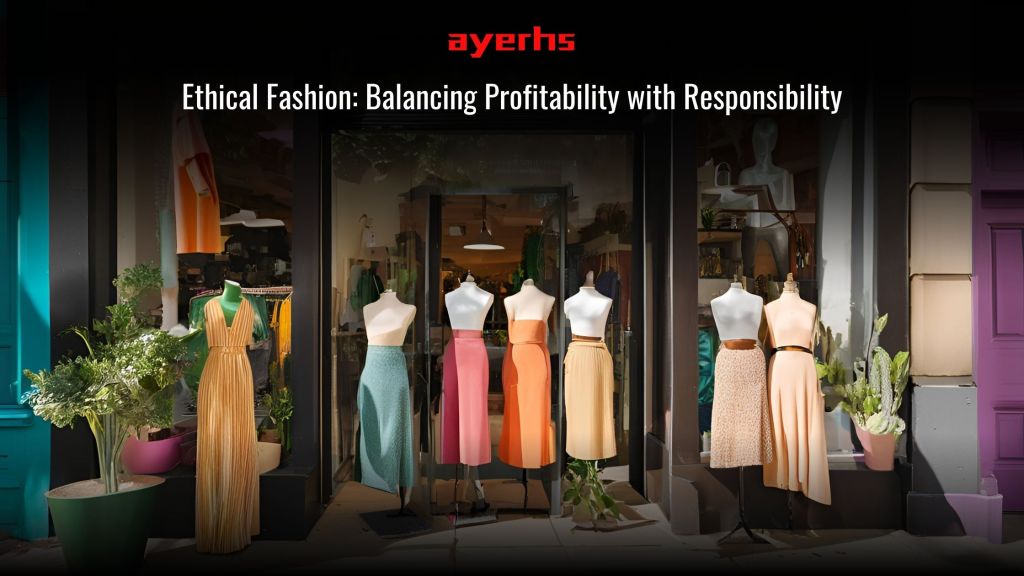
The fashion industry has long been criticized for its detrimental impact on the environment and society. As awareness of these issues grows, so does the movement towards ethical fashion—a paradigm that prioritizes sustainability, fair labor practices, and social responsibility. This article delves into the complexities of ethical fashion, exploring its definition, the driving factors behind its rise, its benefits and drawbacks, and the delicate balance between profitability and responsibility. We will also examine the opportunities and challenges ethical brands face and outline strategies for success in this evolving landscape while considering the future of ethical fashion.
Defining Ethical Fashion
Ethical fashion encompasses a wide range of practices aimed at creating clothing and accessories that are produced in socially and environmentally responsible ways. At its core, ethical fashion is about making conscious choices throughout the entire production process. This includes:
- Fair Labor Practices: Ensuring that all workers involved in the production process receive fair wages, work in safe conditions, and have reasonable working hours.
- Sustainable Materials: Utilizing eco-friendly fabrics such as organic cotton, recycled polyester, and other sustainable resources.
- Transparency: Providing clear information about the supply chain, allowing consumers to trace the journey of their clothing from raw materials to finished products.
- Environmental Protection: Minimizing waste, reducing carbon footprints, and employing sustainable production methods.
Ethical fashion is often contrasted with fast fashion—a model characterized by rapid production cycles, low costs, and disposable trends that exploit labor and harm the environment. While fast fashion prioritizes speed and profit, ethical fashion emphasizes longevity, quality, and social responsibility.
Key Factors Driving Ethical Fashion
Several factors have contributed to the growing popularity of ethical fashion:
- Consumer Awareness: Today’s consumers are more informed than ever about the impacts of their purchasing decisions. They seek brands that align with their values regarding sustainability and ethics.
- Technological Advancements: Innovations in sustainable materials and production processes make it easier for brands to adopt ethical practices without sacrificing quality or style.
- Regulatory Pressures: Governments and organizations are increasingly enforcing regulations around labor rights and environmental standards, pushing brands to comply with ethical practices.
- Social Media Influence: Platforms like Instagram and TikTok have amplified voices advocating for ethical practices in fashion, helping to educate consumers about sustainability issues.
- Cultural Shifts: There is a growing cultural emphasis on sustainability as a lifestyle choice, influencing consumer behavior across various demographics.
Benefits of Ethical Fashion
The shift towards ethical fashion offers numerous benefits:
- Positive Social Impact: Ethical fashion promotes fair labor practices, ensuring that workers receive fair wages and work in safe conditions. This can lead to improved livelihoods for individuals in developing countries.
- Environmental Sustainability: By focusing on sustainable materials and production methods, ethical fashion reduces pollution and resource depletion. This helps combat climate change and preserves biodiversity.
- Consumer Loyalty: Brands that prioritize ethical practices often enjoy stronger customer loyalty. Consumers are increasingly willing to pay a premium for products that align with their values.
- Innovation: The demand for sustainable solutions drives innovation within the industry, leading to new materials, technologies, and business models that can benefit both people and the planet.
Negatives of Ethical Fashion
Despite its many advantages, ethical fashion also faces several challenges:
- Higher Costs: Ethical production often involves higher costs due to fair wages for workers and sustainable materials. These costs can make it difficult for brands to compete with fast fashion prices.
- Limited Availability: Ethical options may not be as widely available as fast fashion alternatives, making it harder for consumers to choose sustainable products.
- Greenwashing Risks: Some brands may engage in “greenwashing,” where they falsely promote themselves as sustainable or ethical without making significant changes to their practices. This can mislead consumers who want to support responsible brands.
- Market Saturation: As more brands enter the ethical fashion space, competition increases. Standing out in a crowded market can be challenging for new entrants.
Balancing Profitability with Responsibility
One of the primary challenges facing ethical fashion entrepreneurs is finding a balance between profitability and purpose. While the goal is to create positive change, businesses must also generate revenue to sustain themselves. This delicate balance requires innovative thinking and strategic planning.
Opportunities for Ethical Brands
Despite these challenges, there are significant opportunities for brands that successfully balance profit with purpose:
- Brand Loyalty: Consumers who value ethical practices are likely to remain loyal to brands that align with their values. This loyalty can translate into repeat purchases and positive word-of-mouth marketing.
- Niche Markets: Brands can target specific consumer segments looking for sustainable options, such as eco-conscious millennials or Gen Z shoppers who prioritize social responsibility.
- Long-term Viability: By investing in sustainable practices now, brands can position themselves for future success as consumer demand for ethical products continues to grow.
- Collaborative Opportunities: Partnerships with NGOs or other organizations focused on social impact can enhance a brand’s credibility while expanding its reach.
Challenges in Balancing Profitability
To achieve this balance effectively, brands must navigate several challenges:
- Higher Production Costs: Ethical practices often involve higher costs due to fair wages for workers, sustainable materials, and safe working conditions. These costs can make it difficult for brands to compete with fast fashion prices.
- Consumer Education: Many consumers may not fully understand the value of ethical fashion or may be hesitant to pay higher prices for ethically produced goods. Educating consumers about the benefits of ethical choices is essential.
- Supply Chain Complexity: Ensuring transparency throughout a complex supply chain can be challenging. Brands must invest time and resources into monitoring their suppliers’ practices.
Strategies for Success in Ethical Fashion
To thrive in the ethical fashion landscape while maintaining profitability, brands can employ various strategies:
1. Embrace Transparency
Transparency is crucial in building trust with consumers. Brands should openly share information about their supply chains—where materials are sourced, how products are manufactured, and the working conditions of employees. This openness fosters consumer confidence while encouraging accountability within the industry.
2. Focus on Quality Over Quantity
Ethical fashion emphasizes durability and quality over fast production cycles. By producing well-made garments designed to last, brands reduce waste while encouraging consumers to invest in higher-quality items rather than disposable trends.
3. Collaborate with Local Artisans
Partnering with local artisans enhances authenticity while supporting communities. These collaborations yield unique products that resonate with consumers seeking distinctiveness over mass-produced items.
4. Educate Consumers
Brands should actively engage in educating consumers about the benefits of ethical fashion—both for people and the planet. Highlighting stories behind products creates emotional connections that drive purchasing decisions.
5. Innovate with Sustainable Materials
Investing in research and development of sustainable materials differentiates a brand from competitors while appealing to environmentally conscious consumers.
6. Implement Circular Economy Principles
Adopting circular economy principles—such as designing products for longevity or recyclability—can reduce waste while appealing to eco-conscious consumers.
The Future of Ethical Fashion
The future of ethical fashion appears promising as more consumers prioritize sustainability alongside style. However, achieving a balance between profitability and responsibility will require ongoing commitment from all stakeholders within the industry.
Trends Shaping Ethical Fashion
- Circular Economy Models: Brands are beginning to adopt circular economy principles by designing products for longevity and recyclability.
- Digital Transparency Tools: Technology is enabling greater transparency through blockchain solutions that track product origins.
- Collaborative Consumption: The rise of rental services and second-hand marketplaces reflects changing consumer attitudes towards ownership and sustainability.
- Inclusivity Initiatives: Ethical brands are increasingly focusing on inclusivity by promoting diversity within their marketing campaigns while ensuring equitable representation across all aspects of their operations.
Conclusion
As the ethical fashion movement continues to gain momentum, it is essential for brands to navigate the complexities of balancing profitability with responsibility effectively. By embracing transparency, focusing on quality over quantity, collaborating with artisans, educating consumers about sustainability issues while innovating sustainably—and implementing circular economy principles—companies can thrive economically while contributing positively towards society & environment alike.The journey towards a more ethical fashion industry is ongoing; however it holds potential transformative possibilities—one where profit does not come at expense people/planet but rather enhances both through responsible practices & innovation alike!
 Ayerhs Magazine