
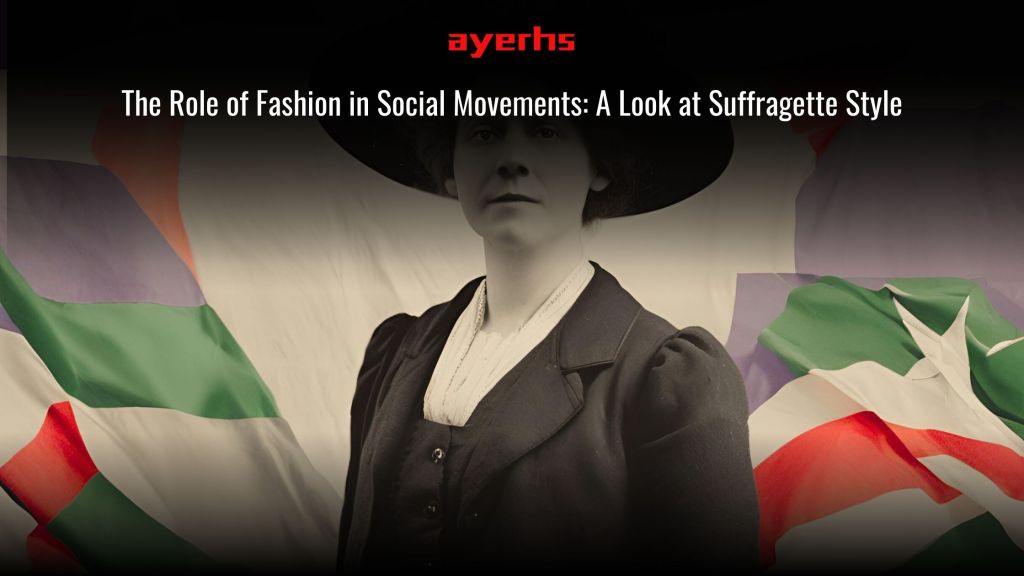
Fashion has always been more than mere adornment; it serves as a visual language through which individuals and groups can express identity, solidarity, and resistance. Throughout history, various social movements have used clothing as a strategic tool to challenge societal norms and amplify their messages. Among these movements, the suffragette movement of the late 19th and early 20th centuries stands out as a particularly compelling example of how fashion can intertwine with activism. Suffragette style was not just about clothing; it was a meticulously curated strategy to assert the political aspirations of women, defy traditional gender roles, and redefine femininity in the public sphere.
The Intersection of Fashion and Politics
Fashion has a unique ability to communicate values and affiliations without words. Social movements, especially those that challenge established hierarchies, have often leveraged this power to draw attention, create unity, and foster a sense of belonging among their members. Suffragette fashion was no exception. Emerging during a time when women were largely confined to the domestic sphere, the movement sought to challenge deeply entrenched notions of gender roles and political exclusion. By carefully considering their public appearance, suffragettes used fashion as a medium to project their message of empowerment and respectability.
The Evolution of Suffragette Style
Early Years: The Challenge of Respectability
In the early days of the suffrage movement, women advocating for the vote faced intense scrutiny and often harsh criticism. Detractors portrayed suffragists as unattractive, unfeminine, and even threatening to social order. In response, suffragette leaders recognized the importance of countering these stereotypes through their appearance.
To garner broader support, many suffragettes adopted clothing that adhered to prevailing standards of respectability and femininity. Long skirts, high-necked blouses, and tailored jackets were common, reflecting the Edwardian fashion of the time. By aligning their dress with mainstream ideals, suffragettes demonstrated that they were not radical disruptors of social order but rather respectable women advocating for a just cause.
The Emergence of Suffragette Colors
As the movement gained momentum, suffragettes began to develop a more cohesive visual identity, which included the adoption of specific colors. In 1908, the Women’s Social and Political Union (WSPU) in Britain, one of the most prominent suffragette organizations, introduced a tricolor scheme: purple, white, and green.
- Purple symbolized loyalty and dignity.
- White represented purity.
- Green signified hope and renewal.
These colors were carefully chosen to resonate with the movement’s ethos while providing a striking and recognizable palette for public demonstrations. Suffragettes incorporated these colors into their clothing, accessories, and banners, creating a powerful visual spectacle that drew attention to their cause.
Fashion as a Strategic Tool
Suffragette fashion was more than an aesthetic choice; it was a deliberate strategy. By dressing in a manner that was both fashionable and symbolically rich, suffragettes sought to counteract negative stereotypes and appeal to a broader audience. Their style allowed them to navigate the delicate balance between respectability and rebellion, making their cause more palatable to the general public.
The use of fashion also extended to promotional materials and merchandise. Suffragette-themed jewelry, pins, and ribbons in purple, white, and green became popular, enabling supporters to discreetly signal their allegiance. This commercialization of suffragette style not only generated funds for the movement but also helped to normalize the idea of women as politically active citizens.
The Role of Suffragette Fashion in Public Demonstrations
Public demonstrations were a cornerstone of the suffragette movement, and fashion played a critical role in their success. Parades, marches, and rallies were meticulously organized events designed to maximize visibility and impact. Suffragettes often coordinated their outfits, wearing white dresses accented with sashes or accessories in the movement’s colors. This striking visual uniformity reinforced the image of unity and purpose, while the use of white conveyed an air of virtue and respectability.
One notable example is the 1913 Women’s Suffrage Parade in Washington, D.C., where thousands of women marched in coordinated attire, creating a powerful visual statement. The sight of disciplined ranks of women, dressed elegantly and adorned with suffragette colors, challenged prevailing stereotypes and captured the attention of the media and the public.
Challenging Gender Norms Through Fashion
While suffragette fashion often adhered to mainstream standards of femininity, it also subtly challenged traditional gender norms. For instance, the adoption of tailored suits and hats, which were typically associated with men, signaled a rejection of the notion that women were confined to the private sphere. These garments conveyed professionalism and authority, aligning with the suffragettes’ demand for political agency.
Moreover, suffragette fashion served as an early precursor to the feminist reclaiming of the female body. By taking control of their appearance and using it as a tool for activism, suffragettes asserted their right to define their own identity and purpose. This act of self-determination laid the groundwork for later feminist movements, which would further challenge societal expectations around women’s clothing and bodies.
The Criticism and Challenges of Suffragette Style
Despite its many successes, suffragette fashion was not without its critics. Some argued that the emphasis on respectability and adherence to conventional standards of femininity reinforced the very norms the movement sought to dismantle. Others pointed out that the focus on fashion risked alienating working-class women, who may not have had the resources to adopt the movement’s aesthetic.
Additionally, suffragette fashion sometimes overshadowed the movement’s political goals, with detractors dismissing the emphasis on appearance as superficial. Nevertheless, the strategic use of fashion proved to be an effective tool for amplifying the suffragettes’ message and building a sense of solidarity among supporters.
The Legacy of Suffragette Style
The impact of suffragette fashion extends far beyond the movement itself. By demonstrating the power of clothing as a tool for social change, suffragettes paved the way for subsequent movements to use fashion as a form of activism. From the black armbands of anti-war protesters to the pink pussy hats of the Women’s March, the legacy of suffragette style is evident in the visual strategies of contemporary social movements.
Moreover, the suffragettes’ use of fashion challenged traditional notions of femininity and provided a model for women to assert their agency in public life. By reclaiming clothing as a means of empowerment, the suffragettes redefined the relationship between fashion and feminism, a connection that continues to evolve today.
The suffragette movement offers a powerful example of how fashion can transcend its role as a form of self-expression to become a tool for social and political change. Suffragette style was not just about aesthetics; it was a carefully crafted strategy to challenge stereotypes, foster unity, and amplify the call for women’s rights. By harnessing the power of clothing, the suffragettes demonstrated that fashion is not frivolous but profoundly influential—a testament to the transformative potential of style in the fight for justice and equality.
In the words of Emmeline Pankhurst, a leading suffragette, “We are here, not because we are law-breakers; we are here in our efforts to become law-makers.” Through their clothing, suffragettes made this statement not only audible but also visible, ensuring that their fight for suffrage would leave an indelible mark on history.
 Ayerhs Magazine