
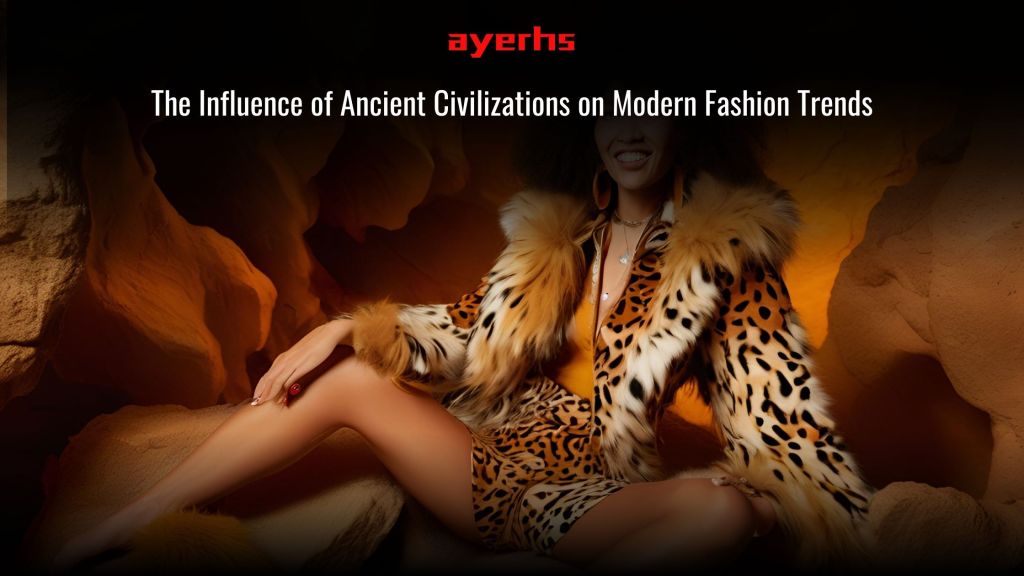
Fashion is an ever-evolving expression of culture, identity, and societal values. While contemporary styles often seem to emerge from the whims of designers and the latest trends, many modern fashion elements are deeply rooted in the aesthetics and practices of ancient civilizations. This blog explores how ancient cultures, particularly those of Greece, Rome, Egypt, and Mesopotamia, have significantly influenced modern fashion trends.
Ancient Egypt: Timeless Elegance and Symbolism
Garments and Materials: Ancient Egyptian fashion was characterized by its use of linen, a lightweight fabric suitable for the hot climate. Both men and women wore simple yet elegant garments like the shendyt (a kilt-like wrap) for men and the kalasiris (a fitted dress) for women. The use of pleating in garments added texture and movement, a technique that modern designers still employ today.
Symbolism in Fashion: Fashion in ancient Egypt was not merely about aesthetics; it was deeply symbolic. Clothing often indicated social status and religious beliefs. For example, pharaohs wore elaborate headdresses and jewelry that signified their divine status. Modern fashion continues to draw upon this symbolic use of clothing; designers frequently incorporate motifs and styles that evoke a sense of history and grandeur.
Influence on Modern Design: The influence of ancient Egyptian fashion can be seen in contemporary styles that emphasize draping and pleating. Designers like Issey Miyake have famously incorporated pleating techniques reminiscent of ancient Egyptian garments into their collections. Additionally, the iconic image of Cleopatra continues to inspire modern fashion through its representation of elegance and power.
Ancient Greece: Drapery and Minimalism
Drapery Techniques: Ancient Greek fashion is renowned for its mastery of drapery. Garments such as the chiton (a simple tunic) and himation (a cloak) were made from rectangular pieces of fabric that were wrapped and pinned rather than sewn. This technique allowed for fluid movement and versatility in styling. The emphasis on draping has influenced modern designers who seek to create garments that embody grace and sophistication.
Aesthetic Values: Greek attire favored simplicity and minimalism over opulence. The clean lines and understated elegance of Greek clothing resonate with contemporary fashion’s trend towards minimalist aesthetics. Modern evening gowns often draw inspiration from Grecian silhouettes, characterized by flowing fabrics and soft contours that evoke a sense of timeless femininity.
Symbolism in Greek Fashion: Greek clothing often featured motifs inspired by mythology, with patterns like the meander (Greek key) symbolizing infinity. These symbols continue to appear in modern designs, bridging the gap between ancient artistry and contemporary style. The toga, once a symbol of Roman citizenship but rooted in Greek tradition, remains a popular reference in both formal wear and casual attire.
Ancient Rome: Structure and Status
Garment Construction: Roman fashion was heavily influenced by Greek styles but introduced more structured garments such as the toga for men and the stola for women. The toga became synonymous with Roman citizenship, while the stola indicated a woman’s marital status. The structured nature of these garments laid the foundation for tailored clothing that is prevalent in modern menswear.
Social Status Representation: Clothing in ancient Rome was a clear indicator of social status. The length and decoration of a tunic could signify one’s rank within society. This concept persists today; high fashion often reflects social status through brand names, exclusivity, and intricate designs.
Modern Interpretations: Contemporary designers frequently reference Roman styles in their collections. For instance, tailored suits for men echo the structured silhouettes of Roman togas, while women’s formal wear often incorporates elements reminiscent of the stola’s flowing lines. Furthermore, accessories such as sandals have their roots in Roman footwear designs and remain popular today.
Ancient Mesopotamia: Rich Textiles and Ornamentation
Textile Innovation: Mesopotamia is credited with some of the earliest developments in textile production. The use of wool for clothing became prevalent among various classes, with intricate patterns woven into fabrics that showcased craftsmanship. Modern fashion continues to celebrate textile innovation through unique fabric blends and artisanal techniques.
Fashion as Identity: In Mesopotamian culture, clothing served as an expression of identity—both personal and communal. The use of specific colors, patterns, and accessories helped individuals convey their social standing or tribal affiliation. This idea resonates in today’s fashion world where personal style is often used to express individuality or group identity.
Influence on Contemporary Styles: The emphasis on rich textiles from Mesopotamia can be seen in modern fashion trends that prioritize luxurious materials such as silk or brocade. Designers often draw inspiration from ancient patterns to create contemporary pieces that reflect both heritage and modernity.
Cross-Cultural Influences: A Synthesis of Styles
The interplay between these ancient civilizations has created a rich tapestry from which modern fashion draws inspiration.
Sustainable Practices: Many modern designers are looking back at ancient practices to inform sustainable fashion choices—such as natural dyes or handwoven textiles—that echo historical methods.
Cultural Exchange: As trade routes expanded across continents, so too did the exchange of ideas regarding textiles and garment construction.
Revivalist Trends: Periodic revivals in fashion often reflect a longing for the elegance associated with ancient cultures; this can be seen in movements like Art Deco or Neoclassicism.
The Interplay Between Ancient Influences and Modern Trends
The influence of ancient civilizations on modern fashion is evident across various aspects:
- Drapery Techniques: Mastery over fabric manipulation seen in ancient Greece is mirrored in contemporary draping methods used by designers today.
- Symbolism: The use of motifs inspired by mythology or nature continues to resonate within modern collections.
- Status Representation: Just as clothing once indicated social class in ancient Rome or Egypt, modern fashion still serves as a marker of identity and status.
- Cultural References: Historical figures inspire current trends, leading designers to create pieces that evoke past elegance while remaining relevant.
A Timeless Connection
The enduring influence of ancient civilizations on modern fashion trends underscores the cyclical nature of style. As designers continue to reinterpret historical elements through contemporary lenses, they forge connections between past and present that enrich our understanding of fashion as an art form.By recognizing these influences, we can appreciate how ancient cultures have shaped not only our clothing but also our identities within society. As we navigate through evolving trends, it becomes clear that the threads connecting us to our ancestors are woven into every garment we wear today—a testament to the timelessness of style across generations.
 Ayerhs Magazine