
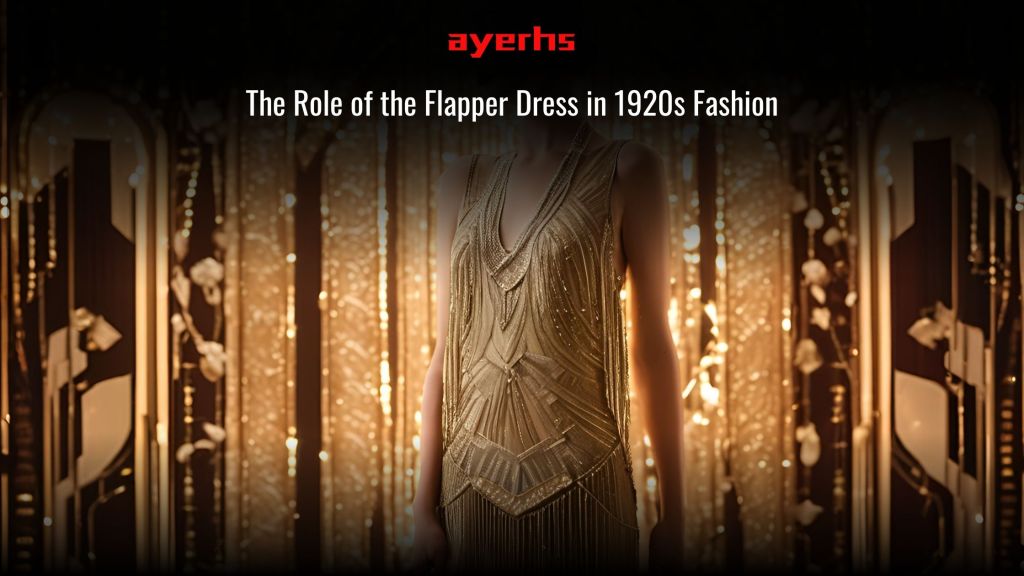
The 1920s, often referred to as the Roaring Twenties, was a decade marked by dramatic social and cultural change. This period saw the emergence of the flapper dress, a style that not only revolutionized women’s fashion but also symbolized the broader shifts in societal norms and gender roles. As women began to assert their independence following World War I, the flapper dress became a powerful emblem of this newfound freedom and rebellion against traditional constraints.
Historical Context
The flapper dress emerged during a time when women were fighting for greater rights and recognition. The suffragette movement had gained significant momentum, culminating in women in many countries gaining the right to vote. This newfound empowerment was reflected in their fashion choices, which shifted dramatically from the restrictive garments of previous decades to more liberating styles.In the early 1920s, fashion was heavily influenced by the aftermath of the war. The desire for comfort and practicality took precedence over the elaborate styles of the Victorian era. The flapper dress, characterized by its loose fit and knee-length hemline, epitomized this shift. It was a stark contrast to the corseted silhouettes of the past, allowing women greater freedom of movement—both physically and socially.
Characteristics of Flapper Dresses
Flapper dresses were defined by several key features:
- Silhouette: The typical flapper dress had a straight, loose silhouette that fell just below the knee. This drop-waist design was revolutionary at the time, as it de-emphasized curves and embraced a more boyish figure.
- Fabrics and Embellishments: Flapper dresses were often made from lightweight materials such as chiffon or silk, which allowed for fluid movement. They were frequently adorned with beads, sequins, and fringe, creating a dazzling effect when worn on dance floors—a nod to the era’s jazz culture.
- Colors and Patterns: Vibrant colors and bold patterns were popular among flappers. The use of metallic threads and floral prints added to the visual appeal, making these dresses stand out in social settings.
- Accessories: Flappers complemented their dresses with accessories like cloche hats, long strands of pearls, and feathered headbands. These additions enhanced their overall look while emphasizing their playful spirit.
Cultural Significance
The flapper dress was more than just a fashion statement; it represented a cultural shift towards modernity and liberation. Flappers were known for their carefree lifestyle—drinking, smoking, dancing, and challenging societal norms. They rejected traditional femininity and embraced a new identity that celebrated youthfulness and independence.This cultural phenomenon was vividly captured in literature and film of the time. Writers like F. Scott Fitzgerald depicted flappers in their works, showcasing their rebellious nature against a backdrop of jazz music and speakeasies during Prohibition. The image of the flapper became synonymous with the Jazz Age—a time characterized by exuberance and defiance.
Influential Designers
Several designers played pivotal roles in popularizing the flapper dress:
- Coco Chanel: Perhaps one of the most influential figures in 1920s fashion, Chanel introduced designs that emphasized simplicity and elegance. Her creations often featured straight lines and comfortable fabrics that aligned perfectly with the flapper ethos.
- Paul Poiret: Known for liberating women from corsets, Poiret’s designs embraced a more relaxed silhouette that resonated with flappers. He incorporated exotic elements into his garments, such as harem pants and tunics, which further pushed boundaries.
- Edward Molyneux: A prominent designer in Paris during this era, Molyneux created luxurious evening wear that became favorites among elite social circles. His innovative use of embellishments set trends that defined flapper fashion.
Evolution Throughout the Decade
As the 1920s progressed, flapper dresses evolved to reflect changing tastes and societal attitudes. In the early years of the decade, hemlines gradually rose as women sought to express their newfound freedom through fashion. By 1925, shorter hemlines became commonplace as women embraced more daring styles.However, this trend faced challenges toward the end of the decade. The Wall Street Crash of 1929 brought about economic hardship that influenced fashion choices. As prosperity waned during the Great Depression, women’s clothing shifted back towards more conservative styles characterized by longer hemlines and less extravagant embellishments.
The Legacy of Flapper Fashion
Despite its relatively short-lived popularity, the impact of flapper fashion continues to resonate today. The flapper dress has become an enduring symbol of female empowerment and liberation in fashion history. Its influence can be seen in various contemporary styles that embrace elements of vintage aesthetics while promoting comfort and individuality.Flapper dresses have also made a resurgence in modern fashion trends—often featured in themed parties or vintage-inspired collections. They serve as reminders of an era when women boldly challenged societal norms through their clothing choices.
Conclusion
The role of the flapper dress in 1920s fashion extends far beyond mere aesthetics; it encapsulates a transformative period in women’s history marked by rebellion against traditional gender roles. As women donned these iconic garments, they not only expressed their individuality but also embraced a lifestyle characterized by freedom and self-expression.The legacy of the flapper dress endures today as both a historical artifact and a source of inspiration for contemporary fashion designers seeking to capture its spirit of liberation. As we reflect on this vibrant decade, it is clear that the flapper dress will forever remain an iconic symbol of empowerment in women’s fashion history.
 Ayerhs Magazine