
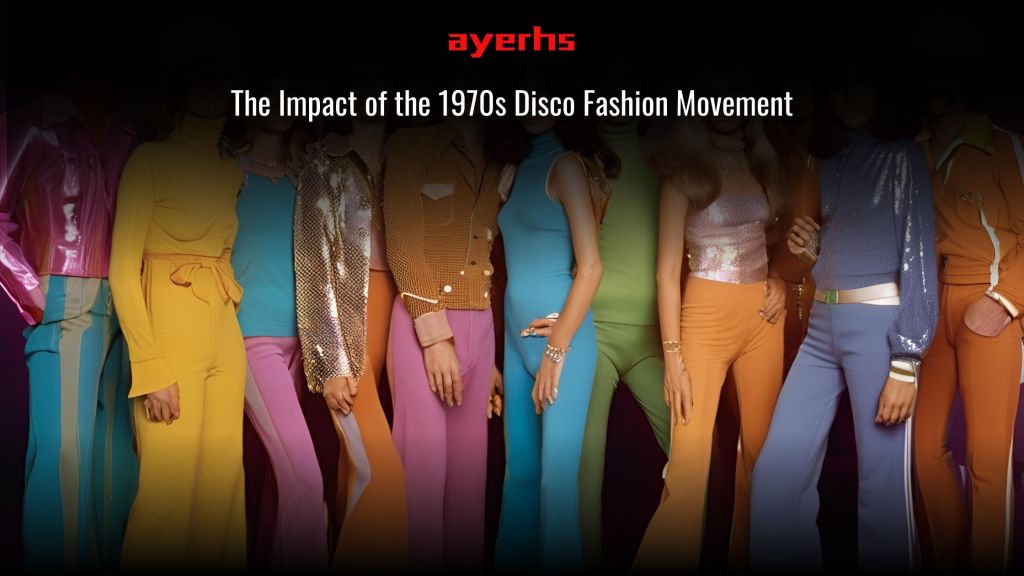
The 1970s disco fashion movement wasn’t merely a moment of glitz and glamour; it represented an entire cultural revolution that embodied self-expression, liberation, and individuality. Disco’s iconic aesthetics left an indelible mark on global fashion, influencing style trends for decades. In this blog, we’ll explore the origins, key elements, cultural implications, and lasting impact of the disco fashion movement.
The Origins of Disco Fashion
Disco fashion emerged alongside the rise of disco music in the late 1960s and early 1970s, a genre characterized by pulsating beats and infectious rhythms. Its cultural roots were deeply intertwined with marginalized communities, including Black, Latinx, and LGBTQ+ groups in urban centers like New York City. Disco culture provided a sanctuary for self-expression, and the dance floor became a space where traditional societal norms about gender, race, and identity were challenged.
Clothing, an essential part of this movement, became a medium of self-expression and a symbol of defiance against the rigid sartorial expectations of earlier decades. The fashion was an amalgamation of glam rock, funk, and psychedelic influences, creating an eclectic yet cohesive style.
Key Elements of Disco Fashion
Disco fashion is synonymous with decadence, boldness, and vibrancy. Here are the defining elements that characterized the era:
1. The Sparkle Factor: Sequins, Metallics, and Glitter
Disco fashion was unapologetically shiny. Sequins, metallic fabrics, and glitter dominated the dance floor, reflecting the dazzling disco ball’s light. These materials symbolized the opulence and celebratory nature of the era. Dresses, jumpsuits, and even men’s shirts were often embellished with reflective surfaces to ensure wearers shone under club lights.
2. Jumpsuits and Wide-Leg Pants
The jumpsuit became a disco staple, celebrated for its blend of comfort and drama. It was a unisex fashion statement that allowed freedom of movement—perfect for energetic dance routines. Paired with wide-leg pants or flared trousers, this silhouette created a sleek and elongated look.
3. Platform Shoes
Platform shoes were essential in completing the disco ensemble. These shoes, worn by both men and women, were not only visually striking but also a symbol of empowerment and elevation—literally and metaphorically.
4. Bold Colors and Patterns
The disco movement embraced a vibrant palette. Electric blues, fiery reds, neon greens, and deep purples featured prominently. Abstract and psychedelic patterns often adorned clothing, adding a touch of surrealism to the look.
5. Gender-Fluid Fashion
Disco challenged traditional gender norms, paving the way for more fluid and inclusive fashion. Men embraced traditionally “feminine” elements, such as silky shirts, flared pants, and jewelry, while women experimented with androgynous looks like tailored suits and bold silhouettes.
6. Accessories: Statement Pieces
Accessories were larger-than-life. Oversized sunglasses, chunky jewelry, feather boas, and wide belts became essential elements. These statement pieces added a layer of drama and individuality to every outfit.
Cultural Implications of Disco Fashion
The disco movement extended beyond the dance floor, making profound social and cultural statements:
Liberation and Individuality
The 1970s were marked by significant social upheaval, including the women’s liberation movement, civil rights activism, and LGBTQ+ advocacy. Disco fashion mirrored these shifts by encouraging individuals to dress in ways that represented their true selves. It celebrated diversity and promoted the idea that clothing could be a form of personal empowerment.
Breaking Social Norms
Disco fashion blurred the lines between masculinity and femininity. Men donned makeup and glittering attire, while women embraced powerful, sensual looks. This fluidity challenged societal expectations, opening the door to greater acceptance of non-binary and gender-fluid identities in fashion.
Accessibility and Creativity
Unlike the haute couture of earlier decades, disco fashion was often accessible and DIY-friendly. Many people would customize thrifted or homemade pieces, allowing for endless creativity and self-expression. This democratization of fashion made disco style attainable for people from various socioeconomic backgrounds.
Global Influence
Disco’s reach extended far beyond the United States. The movement influenced fashion trends worldwide, from Europe’s embrace of metallics and platforms to Japan’s integration of bold patterns and unisex styles.
Iconic Figures of Disco Fashion
Several cultural icons helped popularize and shape disco fashion:
- Diana Ross: The queen of glamour, Diana Ross epitomized disco fashion with her sequin-clad gowns and voluminous hairstyles.
- John Travolta: His white suit in Saturday Night Fever became one of the most recognizable disco fashion statements.
- Bianca Jagger: Often seen at Studio 54, Jagger’s eclectic style combined elegance with disco flair, making her a muse for the movement.
- David Bowie: While not exclusively a disco figure, Bowie’s glam rock influence seeped into the era’s androgynous fashion trends.
The Fall of Disco and Its Resurgence
By the early 1980s, disco fell out of mainstream favor, partly due to the “Disco Demolition Night” event in 1979, which symbolized a backlash against the genre’s association with marginalized communities. However, the decline of disco music didn’t mark the end of its fashion.
1980s and Beyond
Elements of disco fashion reemerged throughout the decades, particularly in the 1990s and early 2000s, with the revival of sequins, metallics, and platform shoes in pop culture. The 2010s witnessed a full-blown resurgence, with designers like Tom Ford, Michael Kors, and Gucci paying homage to the era.
Modern-Day Influences
Today, disco fashion continues to inspire contemporary style. Celebrities such as Harry Styles, Lizzo, and Dua Lipa often channel disco aesthetics in their performances, blending vintage elements with modern twists. The popularity of vintage shopping has also reignited interest in authentic disco-era pieces.
The Enduring Legacy of Disco Fashion
Disco fashion’s impact extends far beyond its glittering aesthetics. It changed how people viewed clothing as a means of self-expression and empowerment. By breaking down barriers and embracing inclusivity, it paved the way for future movements in fashion.
Disco fashion taught us that clothing isn’t just about covering the body—it’s about revealing the soul. It’s a reminder to be bold, to shine, and to never be afraid to take up space. In a world that often tries to dim individuality, disco fashion remains a beacon of self-expression and joy.
 Ayerhs Magazine