
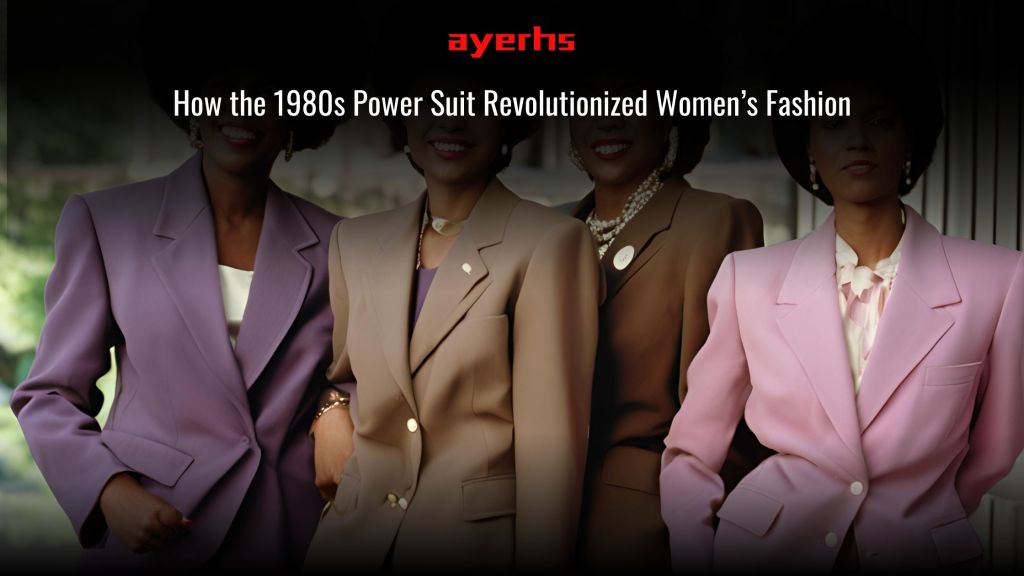
The 1980s marked a pivotal decade in fashion, particularly for women, as it witnessed the rise of the power suit. This iconic garment not only transformed women’s workwear but also became a symbol of ambition, authority, and gender equality. The power suit encapsulated the spirit of the time, reflecting broader societal changes and the evolving role of women in the workforce. This blog explores how the power suit revolutionized women’s fashion during the 1980s, examining its origins, cultural significance, and lasting impact.
The Origins of the Power Suit
The concept of the power suit can be traced back to earlier movements in women’s fashion. Coco Chanel is often credited with introducing elements that would later define the power suit in the 1920s. Her designs emphasized comfort and practicality while allowing women to express their strength and independence through clothing. However, it was in the 1980s that the power suit truly came into its own.
Influential Designers
Several designers played crucial roles in shaping the power suit during this era:
- Giorgio Armani: Known for his tailored suits that emphasized a relaxed yet authoritative silhouette, Armani’s designs often featured wide-leg trousers and soft shoulder pads. His approach allowed women to dress in a way that commanded respect without sacrificing femininity.
- Thierry Mugler: Mugler’s designs were characterized by sharp lines and exaggerated silhouettes, including dramatic shoulder pads that became synonymous with 1980s fashion. His work embodied the boldness and excess of the decade.
- Claude Montana: Montana’s contributions included innovative tailoring techniques that enhanced the structure of women’s suits, making them both powerful and stylish.
These designers not only created garments but also redefined what it meant for women to dress for success.
The Cultural Context of Power Dressing
The rise of the power suit was deeply intertwined with significant cultural shifts occurring during the 1980s. As more women entered the workforce, they sought clothing that reflected their ambitions and aspirations. The feminist movement played a crucial role in this transformation, advocating for women’s rights and equality in professional settings.
Feminism and Professionalism
The 1980s was a time when women began to assert themselves in roles traditionally dominated by men. The power suit became a visual representation of this shift, allowing women to project authority and confidence. It served as a rejection of softer feminine styles that had previously dominated women’s fashion. Instead, it embraced bold colors, structured cuts, and oversized shoulder pads—elements that signified strength and determination.The notion of “power dressing” emerged as women sought to establish their presence in corporate environments. Wearing a well-tailored suit became an act of defiance against gender norms, signaling that women could be just as competent and authoritative as their male counterparts. This shift was not merely about clothing; it was about changing perceptions of women’s roles in society.
The Aesthetic of Power Suits
The aesthetic qualities of power suits were integral to their impact on women’s fashion. The combination of tailored cuts, vibrant colors, and bold accessories created a distinctive look that resonated with working women.
Key Features
- Shoulder Pads: Perhaps the most recognizable feature of 1980s power suits, shoulder pads added structure and authority to women’s silhouettes. This design element helped create an imposing presence, allowing women to command attention in boardrooms.
- Tailored Cuts: The precision of tailoring was essential in conveying professionalism. Suits were designed to fit impeccably while allowing for ease of movement—an important consideration for women navigating demanding work environments.
- Bold Colors and Patterns: Bright colors and striking patterns were prevalent in power suits during this decade. These choices reflected the exuberance of 1980s culture while allowing women to express their individuality within professional settings.
The Power Suit in Popular Culture
The influence of power suits extended beyond corporate offices into popular culture. Television shows like Dynasty showcased characters adorned in extravagant power suits, further embedding this style into the public consciousness. These portrayals reinforced the idea that ambition and femininity could coexist harmoniously.
Iconic Figures
Prominent figures such as Margaret Thatcher and various female characters from television became symbols of empowerment through their choice of attire. Thatcher’s tailored suits projected authority as she navigated her role as Prime Minister, while fictional characters like Alexis Carrington epitomized wealth and ambition through their extravagant fashion choices.
The Legacy of the Power Suit
The impact of the 1980s power suit continues to resonate today. While styles have evolved, many elements introduced during this era remain relevant in contemporary women’s fashion.
Modern Interpretations
Today’s designers draw inspiration from 1980s power suits while incorporating modern sensibilities:
- Inclusivity: Contemporary power suits are designed with a focus on inclusivity, offering various fits and styles that cater to diverse body types.
- Sustainable Fashion: As awareness around sustainability grows, many brands are producing power suits using eco-friendly materials without compromising on style or quality.
- Versatility: Modern power suits are often designed for versatility—allowing wearers to transition seamlessly from professional settings to social events while maintaining an air of sophistication.
The 1980s power suit revolutionized women’s fashion by challenging traditional gender norms and empowering women to assert themselves within professional environments. It served as both a symbol of ambition and a tool for self-expression, allowing women to navigate corporate landscapes with confidence. As we reflect on this transformative era in fashion history, it is clear that the legacy of the power suit continues to inspire new generations of women seeking to redefine authority and success on their own terms.Through its bold aesthetic and cultural significance, the power suit remains an enduring emblem of female empowerment—a reminder that fashion can be both a statement and a catalyst for change in society.
 Ayerhs Magazine