
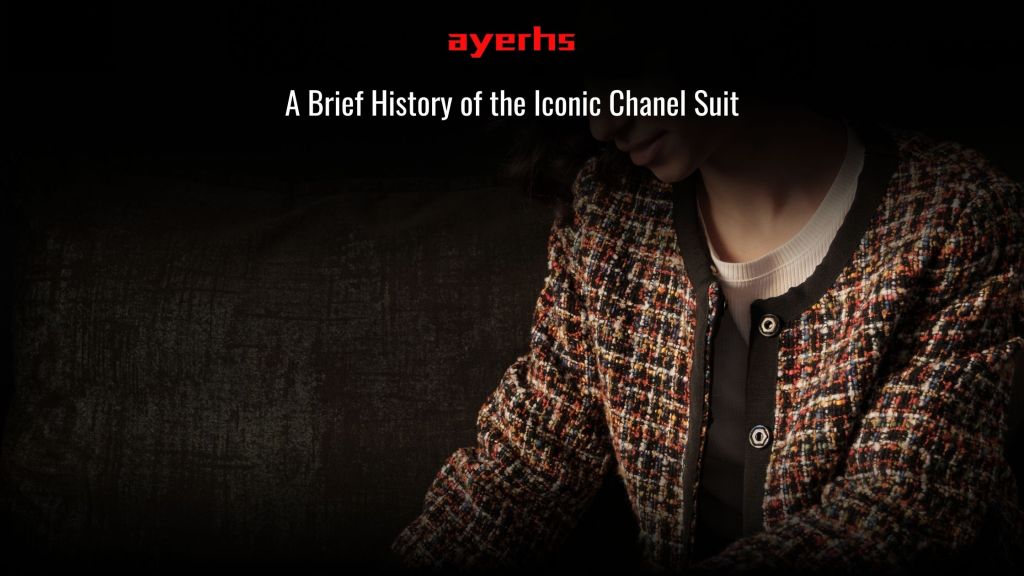
Few garments in the history of fashion hold the cultural and sartorial significance of the Chanel suit. Introduced in the early 20th century by Coco Chanel, this two-piece ensemble revolutionized women’s fashion, blending elegance with functionality in a way that had not been seen before. The Chanel suit was not merely a garment but a statement—an assertion of modernity, freedom, and timeless style. Over the decades, the suit has evolved, adapted, and remained a symbol of sophistication. This article delves into the fascinating history of the Chanel suit, tracing its origins, evolution, and enduring appeal.
The Origins of the Chanel Suit
The Chanel suit’s story begins with Gabrielle “Coco” Chanel herself, a visionary who transformed women’s fashion in the 20th century. Before Chanel, women’s clothing was often restrictive, featuring corsets, heavy fabrics, and elaborate designs that prioritized decoration over comfort. Chanel sought to liberate women from these constraints, introducing designs that were both stylish and practical.
In the 1920s, Chanel laid the groundwork for her revolutionary suit by popularizing jersey fabric, a material previously reserved for men’s undergarments. Jersey’s stretch, softness, and adaptability made it an ideal choice for modern women’s wear. Chanel’s early use of this fabric in casual yet elegant dresses and cardigans hinted at her broader vision for women’s fashion—a vision that culminated in the debut of the Chanel suit in the 1920s.
The first iterations of the Chanel suit reflected Chanel’s affinity for menswear-inspired tailoring. The suits featured straight, boxy jackets without darts or overly feminine shaping, paired with skirts that allowed for ease of movement. These designs broke away from the hourglass silhouettes of the previous era, embodying a new, streamlined aesthetic.
Post-War Redefinition
The Chanel suit truly came into its own after World War II. The war had profoundly changed women’s roles in society, with many joining the workforce and adopting more practical clothing. Chanel recognized the need for garments that reflected this shift. In 1954, after a brief hiatus from fashion, she reintroduced the Chanel suit with a refined silhouette that defined its iconic status.
The suit now featured a collarless, boxy jacket with soft, rounded edges, designed to skim rather than cling to the body. The jacket was adorned with practical details like patch pockets, gold buttons, and a chain sewn into the hem to ensure it hung perfectly. Paired with a knee-length, straight skirt, the ensemble was a masterclass in balance—formal yet relaxed, structured yet comfortable.
This version of the Chanel suit was crafted from tweed, a fabric Chanel had encountered during her visits to Scotland. Tweed’s textured, robust quality added dimension and durability to the suits, making them suitable for everyday wear. Chanel often accented her suits with contrasting trims, delicate silk linings, and coordinating blouses, elevating the design to an art form.
Cultural Impact in the 1950s and 1960s
By the mid-20th century, the Chanel suit had become a symbol of sophistication and elegance. Worn by some of the most iconic women of the era, the suit embodied a blend of power and femininity that resonated with the modern woman. Jackie Kennedy famously wore a pink Chanel-inspired suit on the day of President John F. Kennedy’s assassination in 1963, cementing the suit’s place in cultural history.
Hollywood stars like Grace Kelly, Audrey Hepburn, and Marlene Dietrich also embraced the Chanel suit, bringing it into the spotlight. These women represented a new ideal of elegance—one that was understated, poised, and independent. The suit’s minimalist design allowed its wearers to shine, serving as a versatile canvas for self-expression.
During this era, Chanel’s rival, Christian Dior, championed the “New Look,” which celebrated exaggerated hourglass silhouettes with cinched waists and voluminous skirts. In contrast, Chanel’s suits represented a quieter, more democratic form of luxury. While Dior’s designs harked back to pre-war opulence, Chanel’s suits pointed to the future, embodying a practical yet polished aesthetic that resonated with working women.
The Karl Lagerfeld Era
Following Coco Chanel’s death in 1971, the future of the Chanel brand was uncertain. Enter Karl Lagerfeld, who became the creative director of the house in 1983. Lagerfeld breathed new life into the Chanel suit, preserving its core identity while infusing it with modernity and daring.
Under Lagerfeld’s direction, the Chanel suit underwent numerous transformations. He experimented with bold colors, unconventional materials, and contemporary cuts, ensuring the suit remained relevant in an ever-changing fashion landscape. Lagerfeld’s designs often played with proportions, pairing cropped jackets with mini skirts or elongating the silhouette for a more dramatic effect.
Despite these innovations, Lagerfeld stayed true to the essence of the Chanel suit. He continued to use tweed as a staple fabric, maintained the meticulous craftsmanship for which Chanel was known, and often referenced the brand’s heritage through design details like camellias, pearls, and quilting. His ability to balance tradition with innovation ensured the Chanel suit’s continued appeal.
Chanel Suit as a Feminist Symbol
Throughout its history, the Chanel suit has been a symbol of women’s empowerment. Coco Chanel herself was a feminist trailblazer, challenging societal norms and redefining women’s roles through her designs. The suit, with its blend of masculine and feminine elements, represented a new kind of femininity—one that was strong, self-assured, and unapologetically modern.
The Chanel suit’s association with influential women only strengthened its feminist connotations. From politicians and business leaders to artists and activists, women across various fields have donned the suit as a statement of authority and elegance. Its timeless design allows women to navigate diverse settings with confidence, whether in the boardroom, on the red carpet, or in everyday life.
Modern Interpretations and the Suit’s Legacy
Today, the Chanel suit remains a cornerstone of the fashion house’s collections. Creative director Virginie Viard, who succeeded Lagerfeld in 2019, has continued to honor the suit’s legacy while adapting it for contemporary audiences. Viard’s interpretations often incorporate softer silhouettes, lighter fabrics, and playful details, reflecting the evolving tastes and lifestyles of modern women.
Beyond the runway, the Chanel suit has inspired countless imitations and adaptations. Its influence can be seen in everything from high-street fashion to haute couture, underscoring its status as a design icon. The suit’s enduring popularity lies in its versatility—it can be styled in myriad ways, making it relevant across generations and cultures.
The Enduring Appeal of the Chanel Suit
What makes the Chanel suit timeless? Its appeal lies in its perfect balance of form and function, tradition and innovation. The suit’s minimalist design ensures it never goes out of style, while its impeccable craftsmanship guarantees its longevity. More than a garment, the Chanel suit is a cultural artifact, embodying the ideals of modernity, elegance, and empowerment.
For over a century, the Chanel suit has adapted to the changing tides of fashion while remaining true to its essence. It has been reimagined by designers, celebrated by icons, and cherished by women around the world. As fashion continues to evolve, the Chanel suit stands as a testament to the power of great design—a symbol of a woman’s right to dress for herself, on her own terms. The Chanel suit endures, reminding us of the timeless truth Coco Chanel herself once declared: “Fashion fades, only style remains.”
 Ayerhs Magazine