
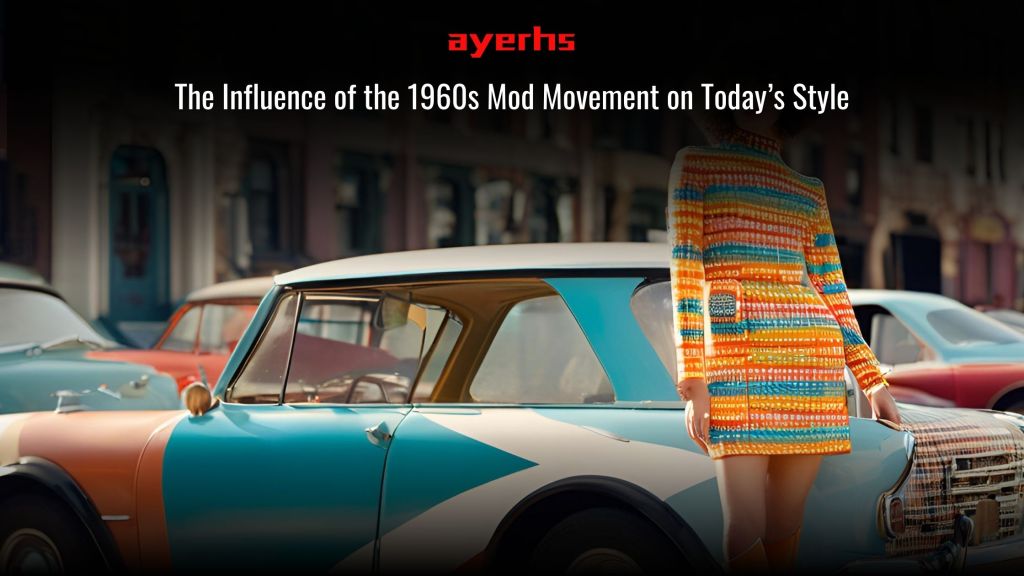
The 1960s were a time of remarkable cultural upheaval and transformation, marked by significant shifts in music, art, and fashion. Among the most notable subcultures to emerge during this decade was the Mod movement, which originated in London and quickly spread across the globe. Characterized by its distinctive style and youthful exuberance, the Mod movement not only defined an era but also laid the groundwork for many contemporary fashion trends we see today. This blog explores the key elements of the 1960s Mod movement, its cultural context, and its lasting influence on modern style.
The Origins of the Mod Movement
Cultural Context
The Mod movement emerged in post-war Britain during the late 1950s and gained momentum throughout the 1960s. It was a response to the conservative values of previous generations and reflected a growing desire for individuality and self-expression among young people. The term “Mod” is derived from “modernist,” indicating a focus on contemporary aesthetics and a break from traditional norms.The cultural landscape of the 1960s was defined by several key factors:
- Economic Prosperity: After World War II, Britain experienced an economic boom that led to increased disposable income among young people. This newfound wealth allowed for greater spending on fashion and leisure activities.
- Youth Culture: The rise of youth culture played a pivotal role in shaping the Mod movement. Young people began to assert their identity through music, fashion, and lifestyle choices that differed significantly from those of their parents.
- Music Revolution: The music scene of the 1960s was vibrant and diverse, with genres like rhythm and blues, rock ‘n’ roll, and pop gaining immense popularity. Bands like The Who, The Kinks, and The Small Faces became synonymous with Mod culture, influencing both fashion and lifestyle.
The Mod movement emerged by a group of young, stylish individuals who sought to break away from traditional norms. They were fascinated by modern jazz music, scooters, and a desire to live life to the fullest. The Mods embraced a clean, minimalist aesthetic, favoring sharp tailoring, bold colors, and geometric patterns.
Key Characteristics of Mod Culture
The Mod movement was characterized by several defining features:
- Fashion Consciousness: Mods were known for their keen sense of style and attention to detail. They sought out fashionable clothing that set them apart from mainstream trends.
- Scooters: Riding scooters, particularly Vespas and Lambrettas, became a symbol of Mod identity. These stylish vehicles were often customized with mirrors and accessories.
- Nightlife: Mods frequented clubs and dance halls where they could socialize, listen to music, and showcase their fashion choices. All-night parties became a staple of Mod culture.
Iconic Fashion Elements of the Mod Movement
Bold Colors and Geometric Patterns
The fashion of the 1960s Mod movement was characterized by bold colors, geometric patterns, and innovative designs. Influential designers like Mary Quant played a crucial role in shaping this aesthetic:
- Mini Skirts: One of the most iconic contributions of the Mod movement was the mini skirt. Mary Quant is credited with popularizing this daring garment that challenged traditional notions of femininity. The mini skirt symbolized freedom and empowerment for women, allowing them to express their individuality.
- Shift Dresses: Shift dresses became a staple of Mod fashion due to their simple lines and versatility. Often made from bright fabrics featuring bold prints, these dresses were easy to wear and allowed for freedom of movement.
- Tailored Suits: For men, tailored suits became synonymous with Mod style. These suits featured sharp lines, narrow lapels, and were often paired with slim ties. The emphasis on tailoring reflected a desire for sophistication among young men.
Footwear and Accessories
Footwear played a significant role in completing the Mod look:
- Go-Go Boots: Knee-high go-go boots became an essential part of the Mod girl aesthetic. Made from shiny materials like patent leather or vinyl, these boots added a playful touch to outfits while allowing for ease of movement on the dance floor.
- Accessories: Mods embraced accessories that complemented their outfits. Oversized sunglasses, statement jewelry, and hats were popular choices that added flair to their ensembles. Makeup also played a crucial role; dramatic eye makeup featuring thick eyeliner became a defining feature of Mod beauty.
The Influence of Music on Mod Fashion
The Soundtrack of an Era
Music was integral to the Mod movement’s identity, shaping its culture and influencing fashion choices. British bands like The Who and The Small Faces embodied the spirit of Mod through their sound and style:
- The Who: Known for their energetic performances and rebellious attitude, The Who’s fashion choices—such as parka jackets—became iconic symbols of Mod culture. Their music resonated with young audiences seeking authenticity in both sound and style.
- The Kinks: Their music often reflected themes relevant to youth culture while incorporating elements from various genres. The Kinks’ style included tailored suits that resonated with the Mod aesthetic.
Fashion in Music Videos
The visual representation of music during this era played a significant role in popularizing Mod fashion. Films like Blow-Up (1966) showcased the lifestyle associated with the movement while highlighting its distinctive fashion choices:
- Fashion Films: Movies featuring musical performances often showcased contemporary styles that resonated with young audiences. This helped solidify the connection between music and fashion within the Mod subculture.
The Shift Towards Psychedelia
As the 1960s progressed, the Mod movement began to evolve into more psychedelic styles influenced by counterculture movements:
Psychedelic Prints
Bright colors, swirling patterns, and experimental designs became prominent as artists like Peter Max influenced fashion trends:
- Psychedelic Fashion: This new wave embraced vibrant colors that reflected changing societal attitudes toward art and self-expression. Clothing featured bold graphics inspired by psychedelic art movements.
Hippie Influence
By the late 1960s, elements from the hippie movement began to merge with Mod aesthetics:
- Bohemian Styles: Bell-bottom pants, tie-dye shirts, and flowing fabrics became popular as young people sought to express their individuality through relaxed styles that contrasted with earlier tailored looks.
Lasting Impact on Contemporary Fashion
The influence of the 1960s Mod movement can be seen across various aspects of modern fashion:
Revival of Retro Styles
- Mini Skirts: The mini skirt remains a staple in women’s wardrobes today. Designers frequently reinterpret this classic silhouette in new fabrics and patterns while maintaining its original spirit.
- Tailored Silhouettes: Modern menswear continues to draw inspiration from tailored suits that reflect sharp lines associated with Mod fashion. Slim-fit trousers paired with fitted blazers are prevalent in current collections.
- Bold Patterns: Contemporary designers often incorporate geometric prints reminiscent of 1960s styles into their collections—adding vibrancy to both casual wear and formal attire.
Gender-Neutral Fashion
The Mod movement’s embrace of androgynous styles has paved the way for today’s gender-neutral fashion trends:
- Androgynous Aesthetics: Many modern designers create collections that blur traditional gender lines by incorporating elements from both men’s and women’s wardrobes—reflecting a more inclusive approach to fashion.
- Unisex Clothing: Items such as oversized shirts, tailored trousers, and minimalist silhouettes are increasingly popular among consumers seeking versatile options regardless of gender.
Influences on Street Style
The rise of street style as a significant force in fashion can be traced back to movements like Mod:
- Youth Culture Influence: Today’s street style often reflects youthful rebellion similar to that seen during the 1960s—young people continue to express themselves through bold clothing choices inspired by past trends.
- DIY Fashion: The spirit of individualism championed by Mods resonates with contemporary DIY culture where individuals customize their clothing to create unique looks—reflecting personal style rather than conforming to mainstream trends.
Modern Adaptations of Iconic Elements
Hair and Makeup Trends
The beauty trends established during the 1960s have made significant comebacks in recent years:
- Dramatic Eye Makeup: Thick eyeliner paired with false eyelashes remains popular today as part of many makeup routines inspired by iconic figures like Twiggy—who epitomized 60s beauty standards through her striking eyes.
- Hairstyles: Sleek bobs or pixie cuts continue to be fashionable choices for women seeking chic yet low-maintenance hairstyles reminiscent of those worn during this influential era—allowing them to channel vintage vibes effortlessly.
Footwear Trends
Footwear inspired by the 1960s continues to find its place in modern wardrobes:
- Go-Go Boots Comeback: Go-go boots have experienced revivals over recent years appearing in various collections celebrating retro aesthetics while incorporating contemporary design elements—making them accessible yet stylish options for today’s consumers.
- Chunky Heels: Chunky heels reminiscent of those worn during the Mod era are prevalent in today’s footwear offerings—providing comfort without sacrificing style—a perfect blend for modern lifestyles where practicality meets trendiness seamlessly!
Case Studies: Designers Inspired by Mods Today
Several contemporary designers have drawn inspiration from the 1960s Mod movement while infusing their unique perspectives into modern collections:
Marc Jacobs
Marc Jacobs has frequently referenced retro styles throughout his career—his collections often feature playful prints reminiscent of those popularized during this era! He embraces bold colors combined with structured silhouettes paying homage while adding fresh twists appealing directly towards younger generations eager for nostalgia fused into current trends!
Gucci
Under Alessandro Michele’s creative direction at Gucci—the brand has embraced eclecticism blending vintage influences seamlessly into contemporary designs! Many pieces showcase mod-inspired elements such as oversized silhouettes paired alongside vibrant patterns creating visually stunning garments appealing across age groups!
Topshop Unique
Topshop Unique consistently incorporates mod-inspired pieces within seasonal collections focusing on youthful energy! Their use vibrant hues alongside tailored cuts echoes classic mod aesthetics while ensuring relevance within fast-paced retail environments catering directly towards trend-conscious shoppers!
Conclusion
The influence of the 1960s Mod movement extends far beyond its original context; it represents an era defined by rebellion against conformity—a celebration individuality! From bold colors geometric patterns tailored silhouettes—the legacy established during this transformative decade continues resonate deeply within today’s fashion landscape!As we look at contemporary styles through historical lenses—it becomes evident how past movements shape present-day wardrobes reflecting cyclical nature where inspiration drawn from those who dared be different decades ago remains relevant today! By understanding this influential period we gain valuable insight into how cultural shifts impact our choices allowing us appreciate richness diversity found within ever-evolving world fashion!In conclusion—the spirit creativity innovation embodied by mods lives on inspiring future generations encouraging them embrace uniqueness while challenging societal norms surrounding clothing choices! Thus—the impact left behind serves reminder that true style transcends time reflecting deeper meanings beyond mere aesthetics—a testament power self-expression found within every stitch fabric worn proudly upon our bodies!
 Ayerhs Magazine