
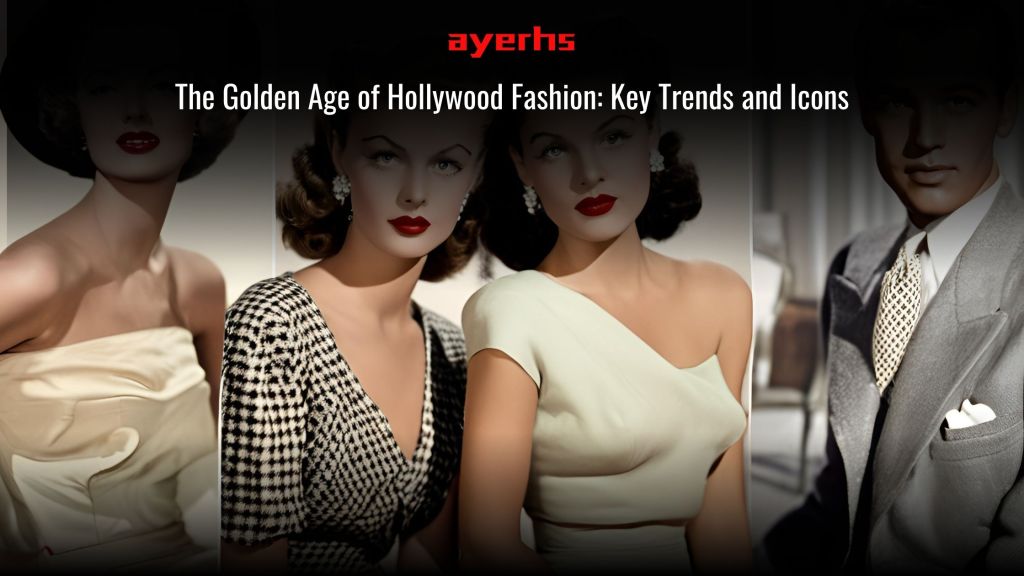
The Golden Age of Hollywood, spanning from the late 1920s to the early 1960s, was a transformative period not only for cinema but also for fashion. During this time, film stars became the ultimate style icons, influencing trends that resonated far beyond the silver screen. This blog delves into the key trends and iconic figures that shaped Hollywood fashion during this remarkable era, highlighting how these elements intertwined with societal changes and cultural movements.
The Roaring Twenties: The Birth of Glamour
Key Trends
The 1920s marked the beginning of modern fashion in Hollywood, characterized by a sense of liberation and glamour. As women gained more independence through social changes and the suffrage movement, their fashion reflected this newfound freedom:
- Flapper Dresses: Loose-fitting dresses with dropped waists became synonymous with the flapper movement. These dresses often featured intricate beadwork and fringe, allowing for ease of movement on the dance floor.
- Bobbed Hair: Women began to embrace shorter hairstyles, symbolizing their break from traditional norms. The bob cut became a defining feature of the decade.
- Art Deco Influence: The Art Deco movement influenced fashion with geometric patterns and bold colors. This aesthetic was often seen in fabrics and accessories.
Iconic Figures
Several stars emerged as fashion icons in the 1920s:
- Clara Bow: Known as the “It Girl,” Bow’s flapper style epitomized the carefree spirit of the decade. Her bold makeup and bobbed hair set trends that many young women emulated.
- Louise Brooks: With her sleek bob and striking features, Brooks became a symbol of modern femininity. Her roles in silent films showcased her unique style, further cementing her status as a fashion icon.
The 1920s laid the groundwork for Hollywood’s influence on fashion, setting a precedent for future decades.
The Glamorous 1930s
Key Trends
As the world faced economic challenges during the Great Depression, Hollywood provided an escape through its glamorous portrayals of life. Fashion in the 1930s reflected both elegance and practicality:
- Bias-Cut Dresses: Designers like Madeleine Vionnet popularized bias-cut dresses that hugged the body’s natural curves. This technique allowed for fluid movement and created a flattering silhouette.
- Tailored Suits: Women began to adopt more masculine styles with tailored suits featuring shoulder pads and structured lines. This trend represented women’s growing presence in the workforce.
- Evening Gowns: Extravagant evening wear became a hallmark of Hollywood glamour. Stars wore gowns made from luxurious fabrics like silk and satin, often adorned with sequins or embroidery.
Iconic Figures
The 1930s saw several actresses rise to prominence as fashion icons:
- Jean Harlow: Known for her platinum blonde hair and sultry style, Harlow’s figure-hugging gowns became synonymous with Hollywood glamour. She often wore deep V-necks and backless designs that accentuated her curves.
- Greta Garbo: With her enigmatic presence, Garbo’s style was characterized by sophisticated simplicity. She favored elegant silhouettes that emphasized her stature while maintaining an air of mystery.
These stars not only defined fashion trends but also influenced beauty standards across America.
The Resilient 1940s
Key Trends
The 1940s were marked by World War II, which profoundly affected fashion due to fabric rationing and changing societal roles:
- Utility Clothing: Clothing became more practical as materials were scarce. Utility suits with structured shoulders were designed for functionality while still allowing women to express their femininity.
- Feminine Details: Despite wartime restrictions, designers found ways to incorporate feminine elements into clothing. Skirts were often knee-length or slightly longer, emphasizing a woman’s silhouette without compromising practicality.
- Dramatic Makeup: With limited access to cosmetics during wartime, women turned to bold makeup looks using fewer products. Red lipstick became a symbol of resilience and femininity.
Iconic Figures
Several stars embodied 1940s fashion:
- Rita Hayworth: Known for her role in Gilda, Hayworth’s glamorous style featured form-fitting dresses that highlighted her hourglass figure. Her iconic look included long waves and bold red lips.
- Katharine Hepburn: Hepburn broke gender norms with her tomboyish style. She often wore trousers paired with blazers or fitted shirts, challenging traditional notions of femininity.
These actresses showcased how fashion could adapt to changing times while still celebrating femininity.
The Glamourous 1950s
Key Trends
The post-war era ushered in a celebration of femininity and luxury as society sought normalcy after years of conflict:
- Christian Dior’s New Look: Introduced in 1947 but defining the 1950s, Dior’s New Look featured cinched waists and full skirts that celebrated an exaggerated hourglass figure. This style represented a return to opulence after years of wartime austerity.
- Petticoats and Crinolines: To achieve the voluminous skirts characteristic of this era, petticoats became essential undergarments that added fullness to dresses.
- Casual Chic: As lifestyles became more relaxed in the 1950s, casual wear evolved into stylish ensembles featuring fitted tops paired with wide-legged trousers or capri pants.
Iconic Figures
The 1950s were dominated by several key figures whose styles left lasting impressions:
- Marilyn Monroe: Monroe’s bombshell image defined an era. Her iconic white dress in The Seven Year Itch became one of cinema’s most memorable fashion moments. She often wore form-fitting garments that accentuated her curves.
- Audrey Hepburn: Hepburn’s classic style was characterized by elegance and simplicity. Her little black dress from Breakfast at Tiffany’s remains a timeless symbol of chic sophistication.
These stars not only influenced fashion but also shaped cultural perceptions of beauty and femininity.
The Cultural Impact of Hollywood Fashion
Hollywood’s influence on fashion extended beyond individual stars; it shaped societal norms and cultural movements:
Fashion as a Reflection of Social Change
- Women’s Liberation Movement: As women entered the workforce during World War II, their clothing began to reflect their changing roles in society. The adoption of trousers and tailored suits symbolized empowerment.
- Youth Culture in the 1950s: The emergence of youth culture led to new styles that celebrated rebellion against traditional norms. Rock ‘n’ roll icons like Elvis Presley influenced casual wear among young people.
Film as a Fashion Platform
- Costume Design Innovation: Costume designers played a crucial role in shaping Hollywood fashion. Designers like Edith Head created iconic looks that not only defined characters but also set trends for audiences.
- Color Film Revolution: The introduction of color film allowed designers to experiment with vibrant hues that captivated viewers. This technological advancement enhanced the visual impact of fashion on screen.
- Celebrity Endorsements: Stars became walking advertisements for brands; what they wore could spark immediate trends among fans eager to emulate their idols.
Lasting Legacy of Hollywood Fashion
The Golden Age of Hollywood established a legacy that continues to influence contemporary fashion:
Timeless Styles
Many elements from this era remain relevant today:
- Classic Silhouettes: The hourglass silhouette introduced by Dior continues to inspire modern designers who celebrate feminine forms.
- Little Black Dress (LBD): Hepburn’s LBD has become a staple in every woman’s wardrobe—a timeless piece that transcends trends.
- Tailored Suits for Women: The tailored suit remains a powerful symbol of professionalism and empowerment for women in various fields today.
Cultural Resonance
Hollywood stars set standards not only for fashion but also for beauty ideals that persist in modern media:
- Influence on Pop Culture: Icons from this era continue to inspire contemporary designers and celebrities alike; references to their styles can be seen on runways and red carpets today.
- Fashion Documentaries & Exhibitions: Museums regularly host exhibitions celebrating Golden Age fashions, showcasing how these styles impacted culture over time.
Conclusion
The Golden Age of Hollywood was not just about film; it was about creating an enduring legacy through fashion that continues to resonate today. From flapper dresses to Christian Dior’s New Look, this era showcased how cinema could shape societal norms while providing escapism through glamourous styles. As we reflect on this period, it becomes evident that Hollywood’s influence on fashion is timeless—an ever-present reminder that style is not just about clothing; it’s about identity, expression, and cultural significance.As we move forward into new eras of fashion influenced by technology and global perspectives, we can always look back at this golden age as a foundational moment where art met style in spectacular ways—a true testament to creativity’s power within our culture.
 Ayerhs Magazine