
We do not own the rights to any of these images and they have been used in good faith. Every effort has been made to ensure that all images are used with proper credits. If you are the rightful owner of any image used on our site and wish to have it removed, please contact us at ayerhsmagazine@gmail.com and we will promptly remove it. We are a non-commercial, passion-driven, independent fashion blog and do not intend to infringe any copyright. Thank you for your understanding.
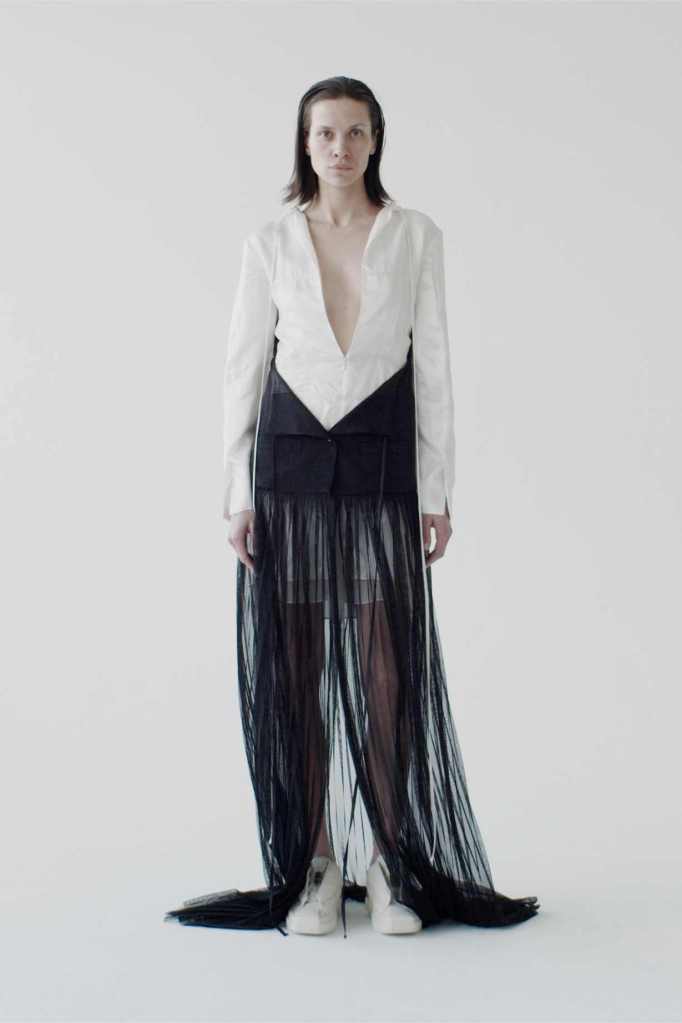
Peter Do: Peter Do presented his collection drawing inspiration from Vietnam’s traditional attire. The collection was named after the áo dài, a traditional Vietnamese garment, and showcased Do’s signature modular dressing concept for versatility and functionality. The collection featured flowing textiles, conceptual black-and-white prints and a calming color palette. Do challenged design norms with inward lapels and tied shirts, showcasing a mix of sharp formals and liberated gowns. The collection paid homage to his late grandmother, blending traditional Vietnamese elements with modern interpretations. The collection highlighted multilayered looks, convertible pieces, and artistic eveningwear. Do’s focus on ease and drape reflected his emotional connection to his heritage and the brand’s evolution. Do’s technical skill is evident throughout, but used subtly to create a collection that is both beautiful and powerful.
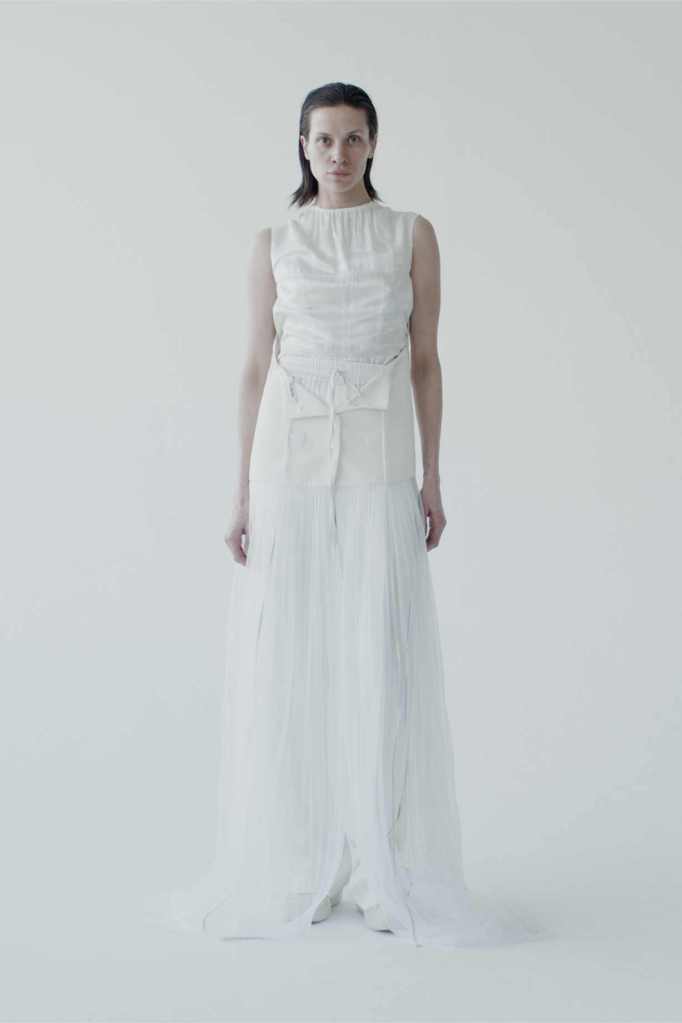


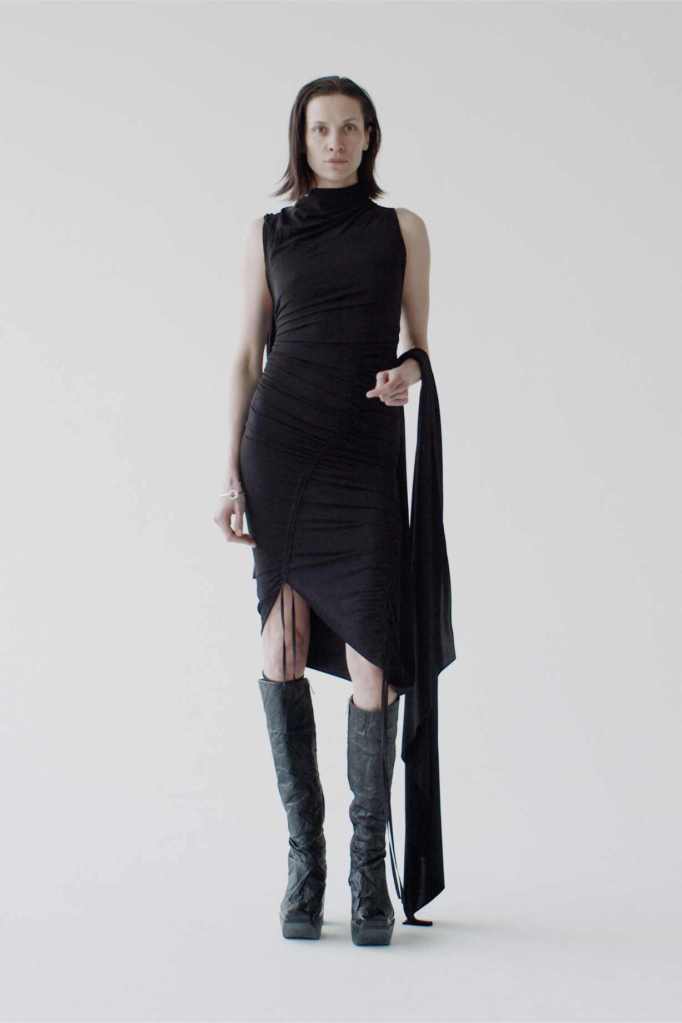
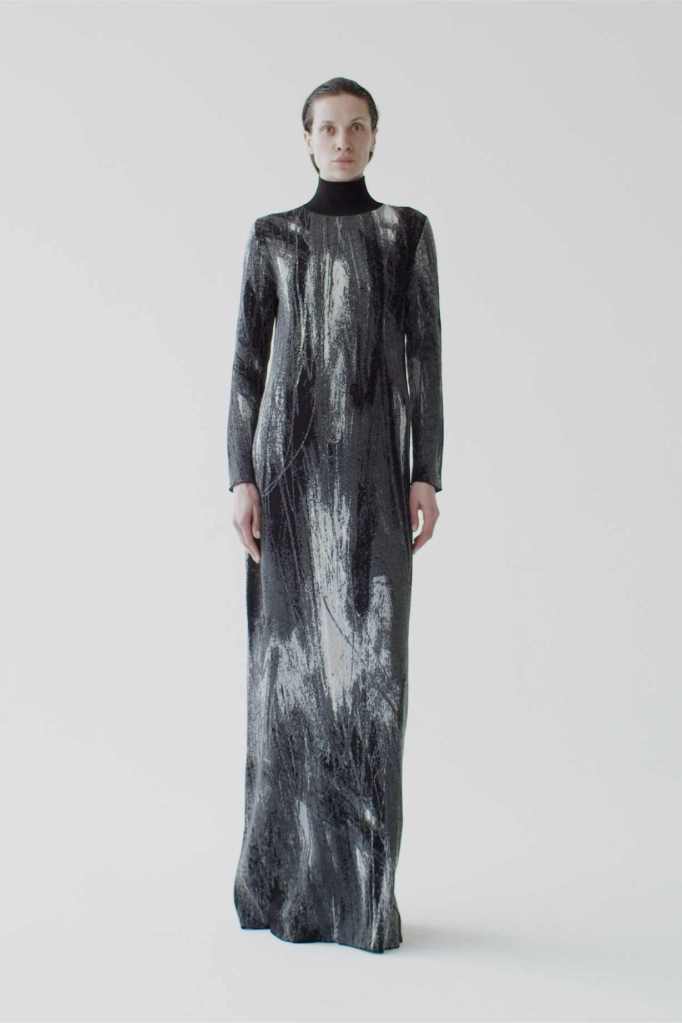
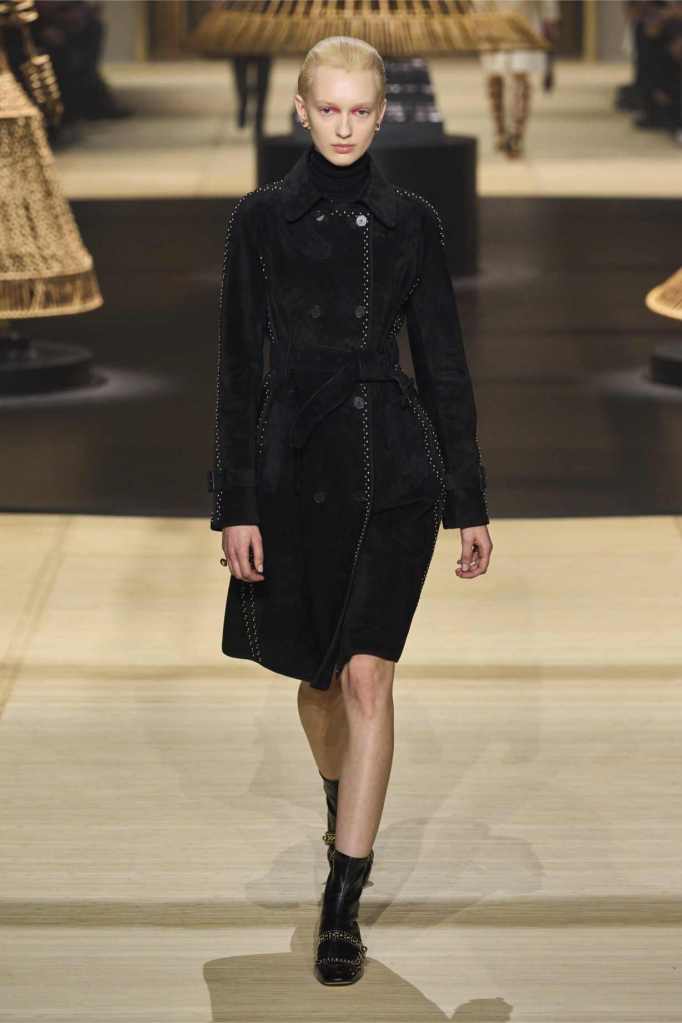
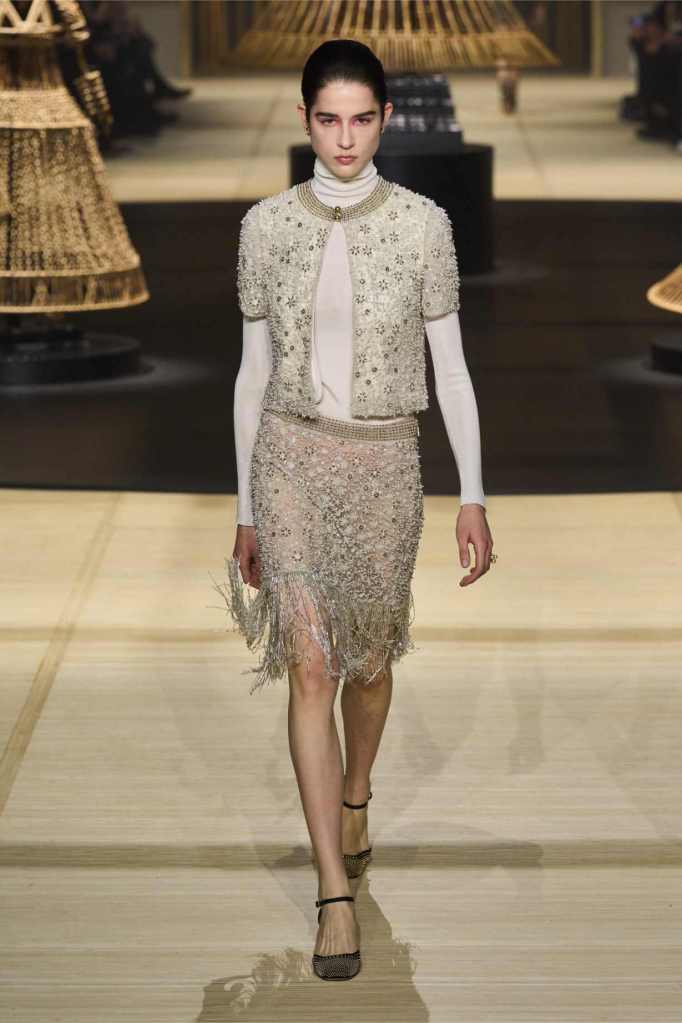
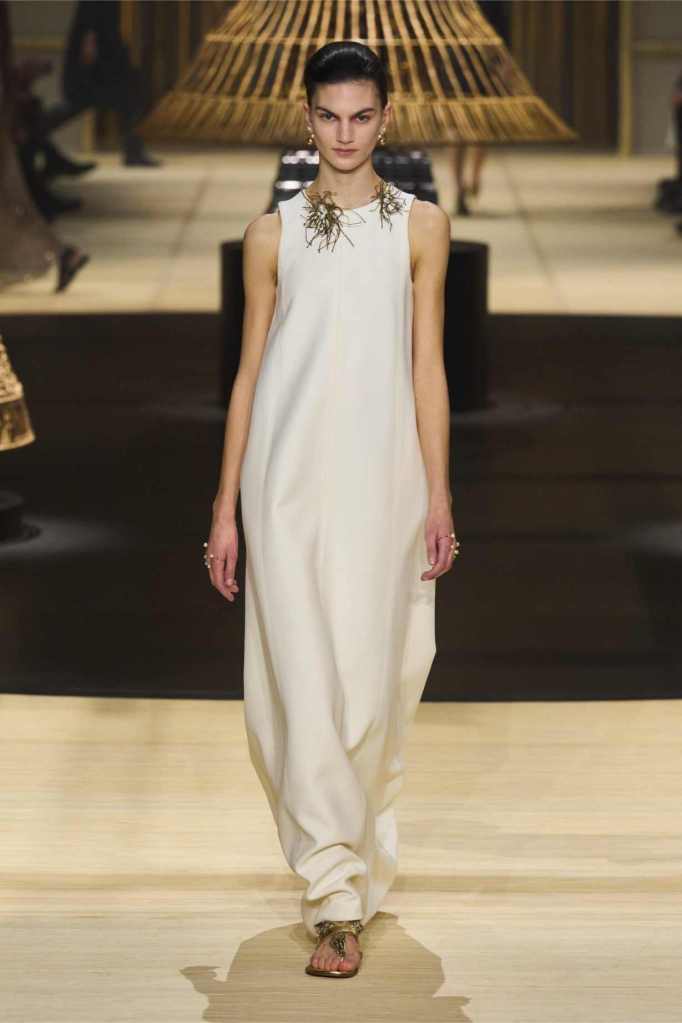
Christian Dior: This collection reimagines the 1960s through the lens of Miss Dior, showcasing fluid silhouettes in timeless hues of beige, black, and white. The subtle incorporation of leopard print and Charleston-inspired dresses adds a playful touch. Retro-chic boots and low-heeled shoes complement the designs perfectly. Artist Shakuntala Kulkarni’s staging infuses the show with a celebration of feminine strength and creativity, blending Dior’s historical elegance with a spirit.
This runway in New York not only pays homage to Dior’s Parisian roots but also nods to American styles, symbolizing a fusion of sartorial freedom for women. The collection’s versatility, drawing from iconic figures like Marlene Dietrich, alongside nods to past designs and feminist art, reflects a nuanced narrative of Dior’s heritage and contemporary vision. Despite intense critical reception, Chiuri’s direction has undeniably propelled Dior’s commercial success, as evidenced by the brand’s revenue growth.


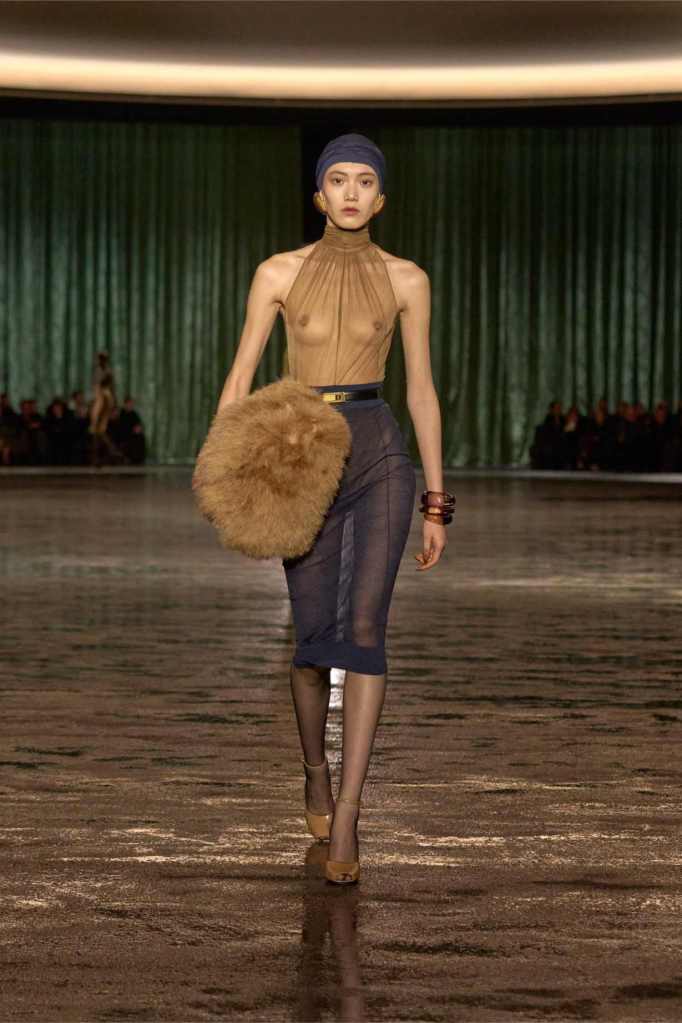
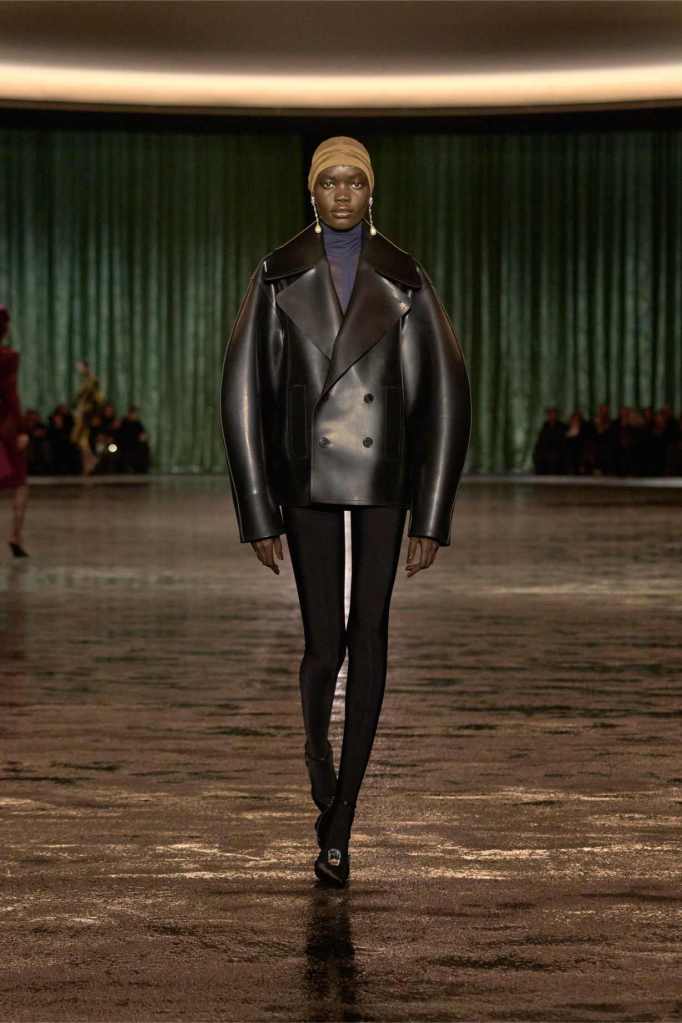
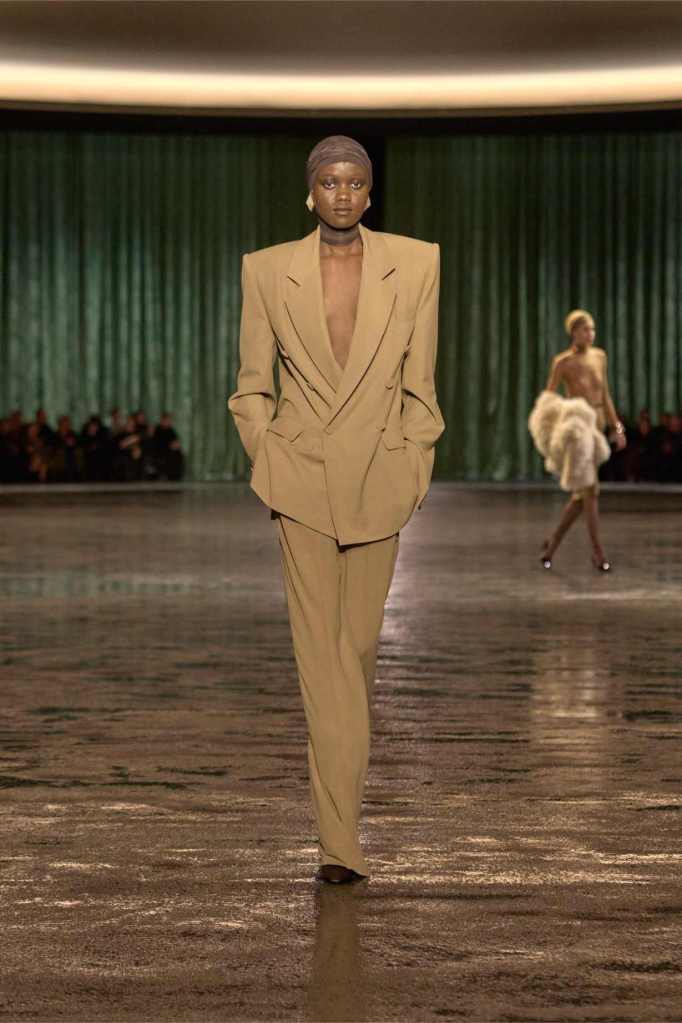
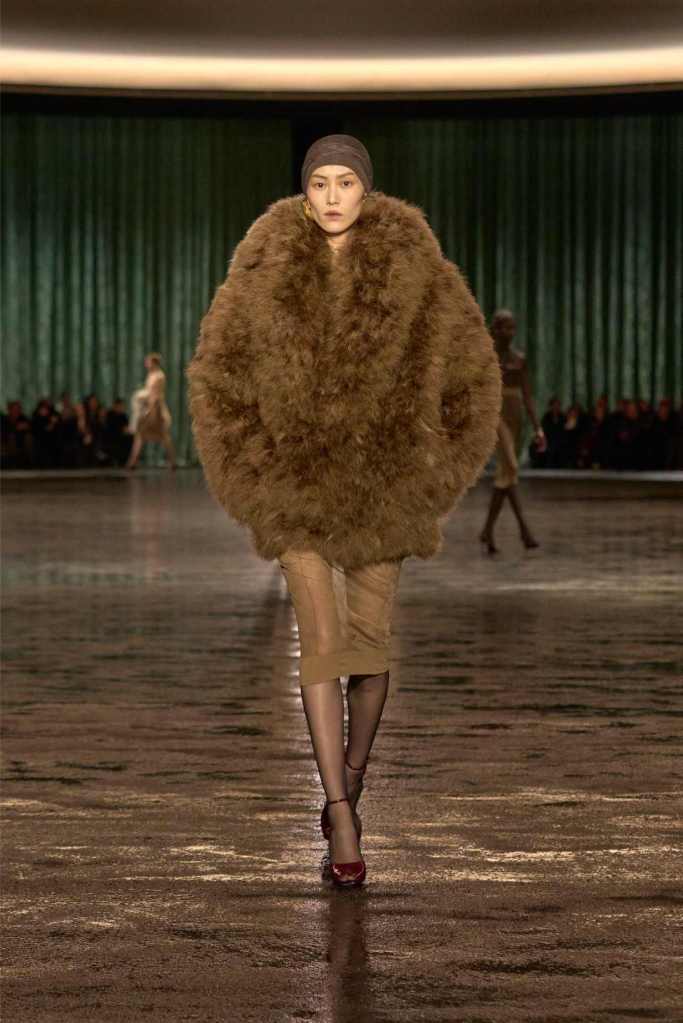
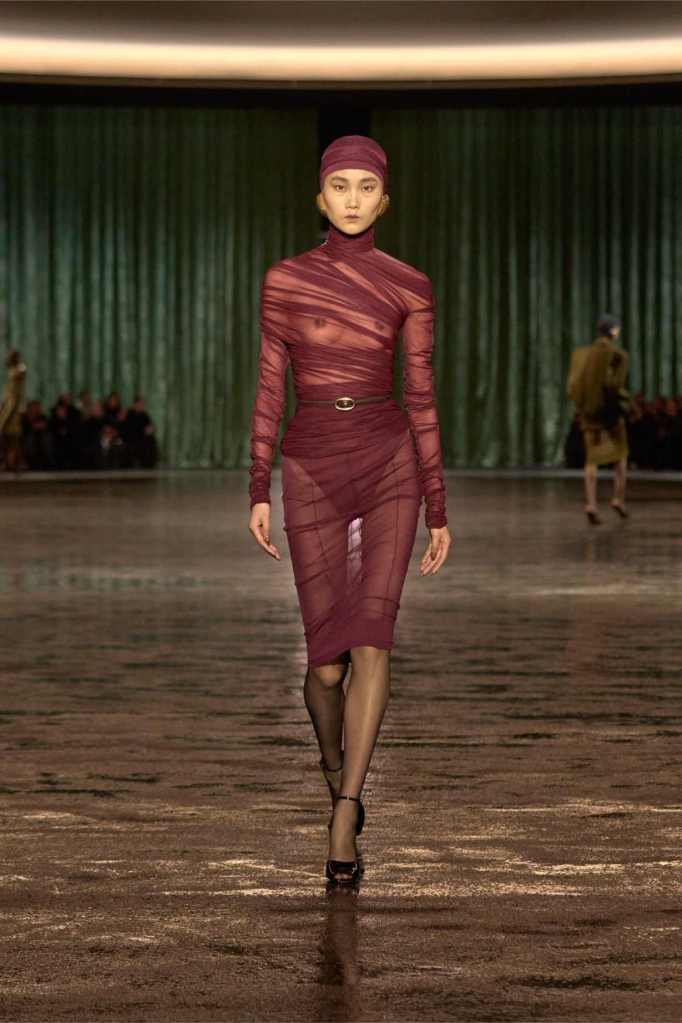
Saint Laurent: This collection is all about transparency, quite literally. It was all about showing some skin, but in a way you might not expect. Instead of skimpy dresses, designer Anthony Vaccarello went for totally see-through looks.The collection plays with the idea of modesty and nudity, celebrating the feminine figure in a provocative yet confident manner. Close-fitting silk dresses and gartered ensembles blur the lines between clothing and skin.
The palette is earthy, with hues ranging from tan to hunter green, iris, midnight blue, maroon, and various shades of nude. This daring use of transparency was juxtaposed with a few standout coats, including a rubber-like jacket with curved arms, appealing to Saint Laurent purists. The show was a Parisian spectacle, set against a backdrop of deep green velvet and wet concrete. The collection’s strength lay in its clear, repeated silhouettes, emphasizing form and fluidity. Accessories were minimal but bold, featuring chunky bangles and statement earrings.

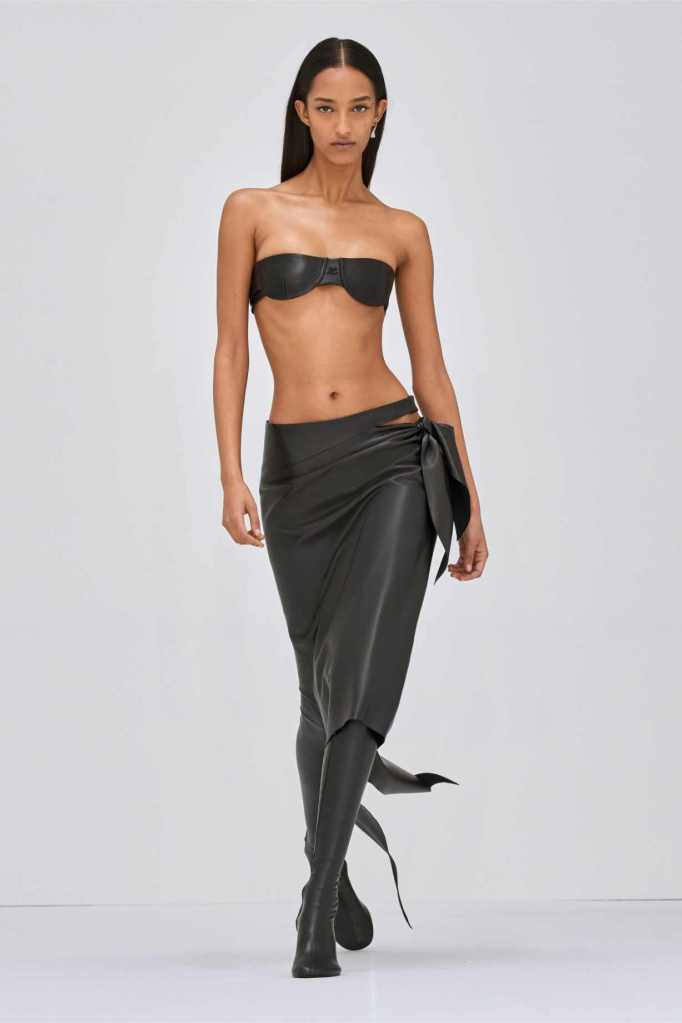
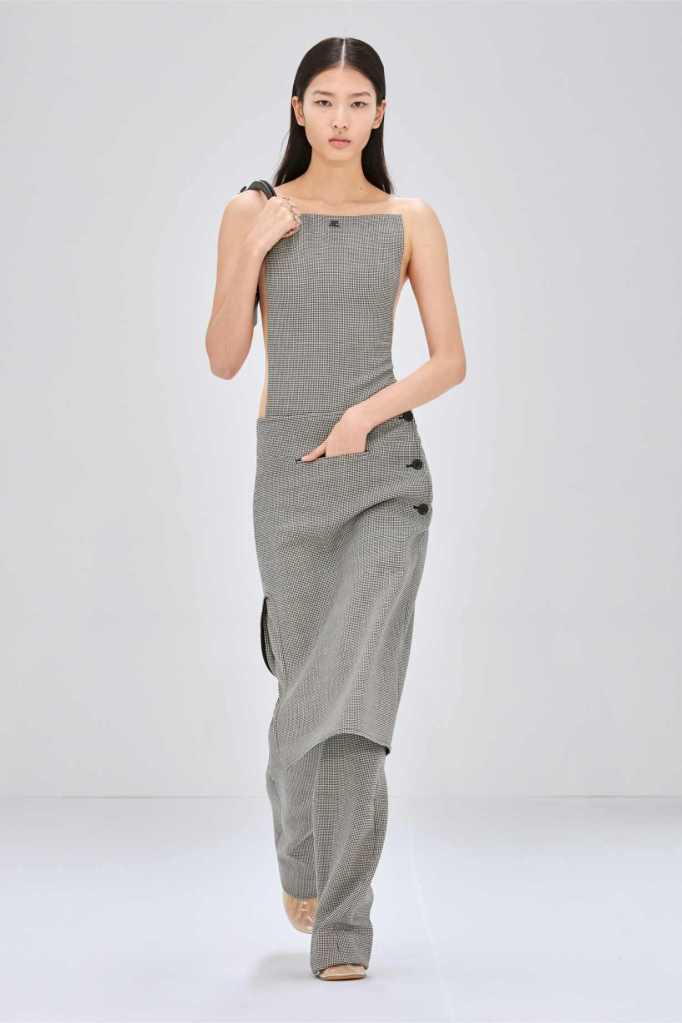
Courrèges: This collection is all about desire and sensuality. It’s a futuristic take on classic styles, with lots of geometric shapes and revealing cuts. The show itself was a multi-sensory experience, all set against a dramatic backdrop of breathing floors.
Nicolas Di Felice paid homage to the brand’s iconic ’60s aesthetic while pushing boundaries with modern touches. The show featured models in funnel-necked trench coats, bias-cut slip dresses, and latex thigh-high boots.Big proportions, clean cuts, and restrained colors defined the collection.
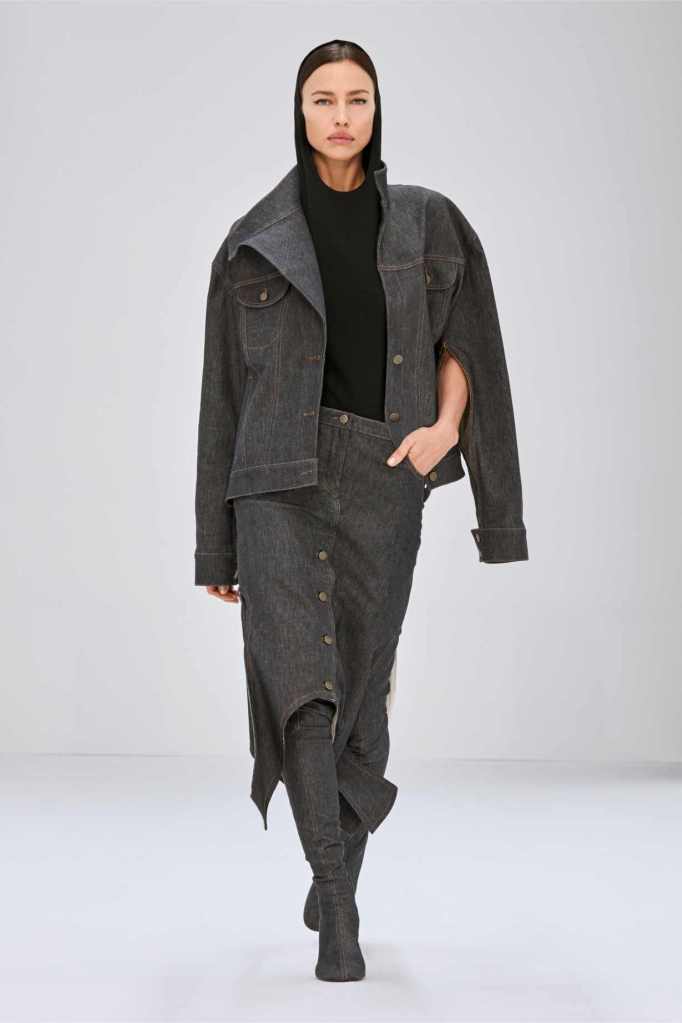
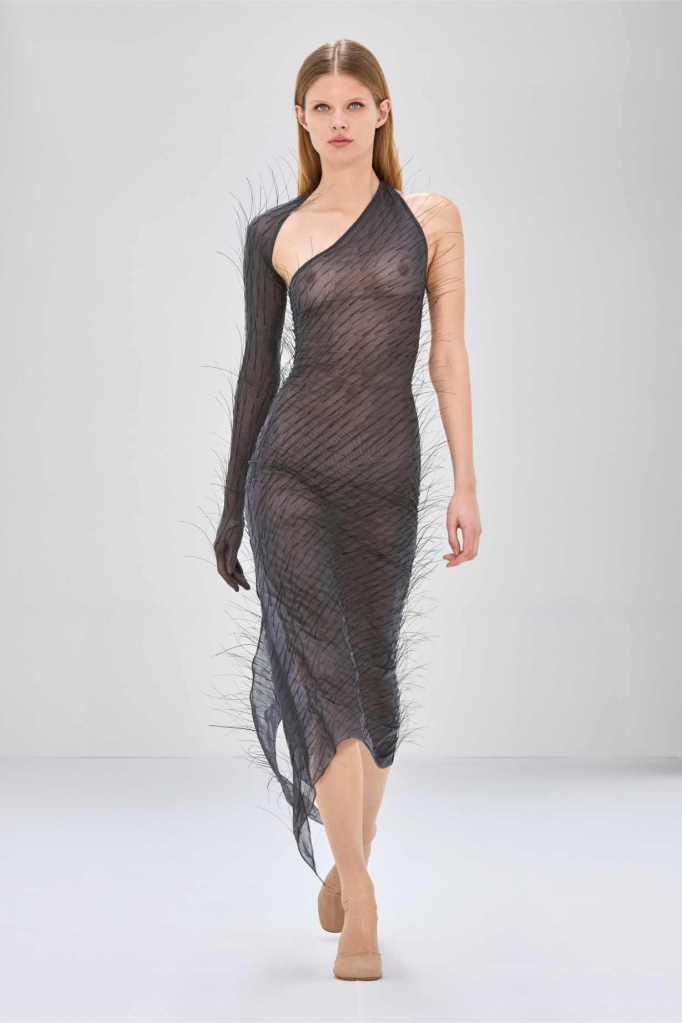


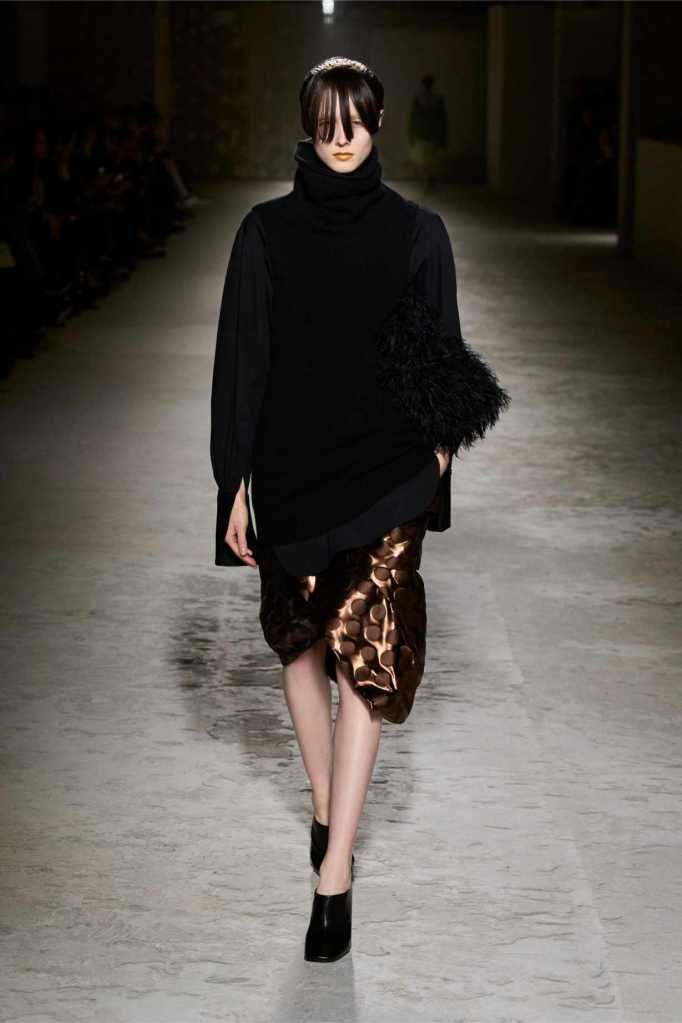
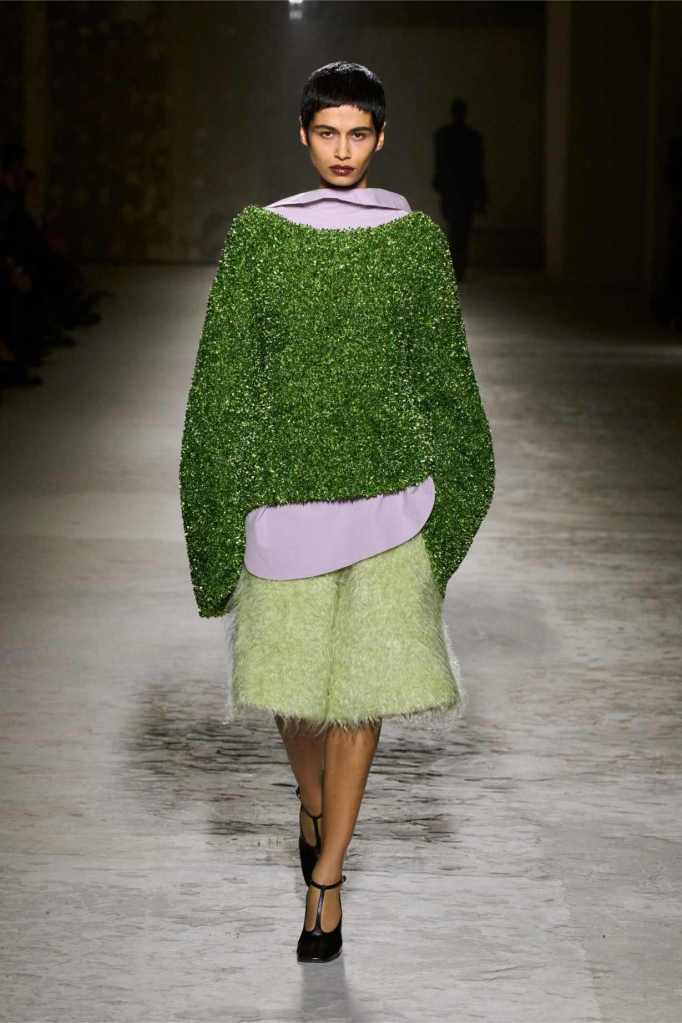
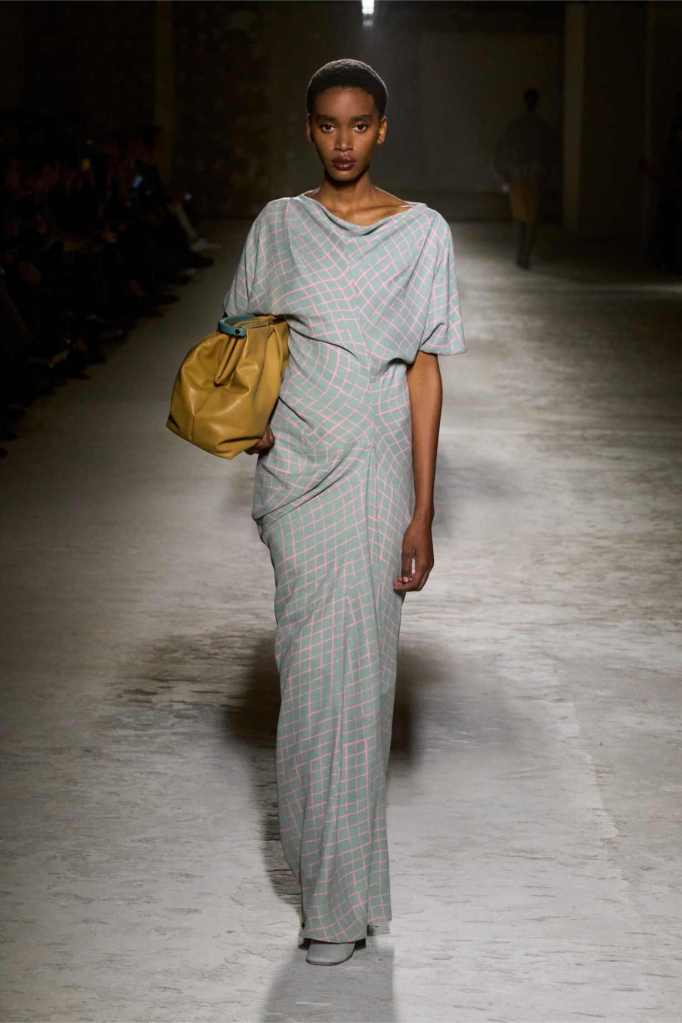
Dries Van Noten: Dries Van Noten blends boldness with tenderness. The collection features fluid designs with neutral tans, greys, and blacks, punctuated by vibrant hues and unlikely pairings. Pops of trippy prints add a touch of whimsy, while draped loose shapes offer a soft, comfortable yet chic silhouette. Standout pieces include an inflated camel coat, asymmetrical denim skirts, neon belted trench coats, and furry handheld bags. With a wide color palette and a variety of statement items, there is something for everyone. Delicious textures and fabrics further elevate the collection.



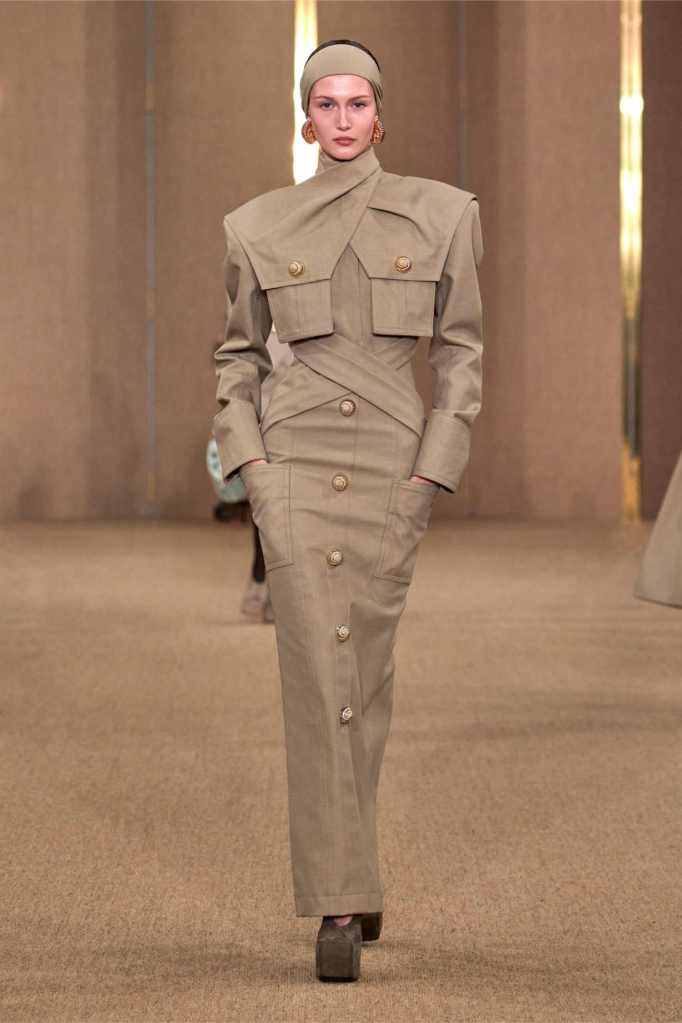
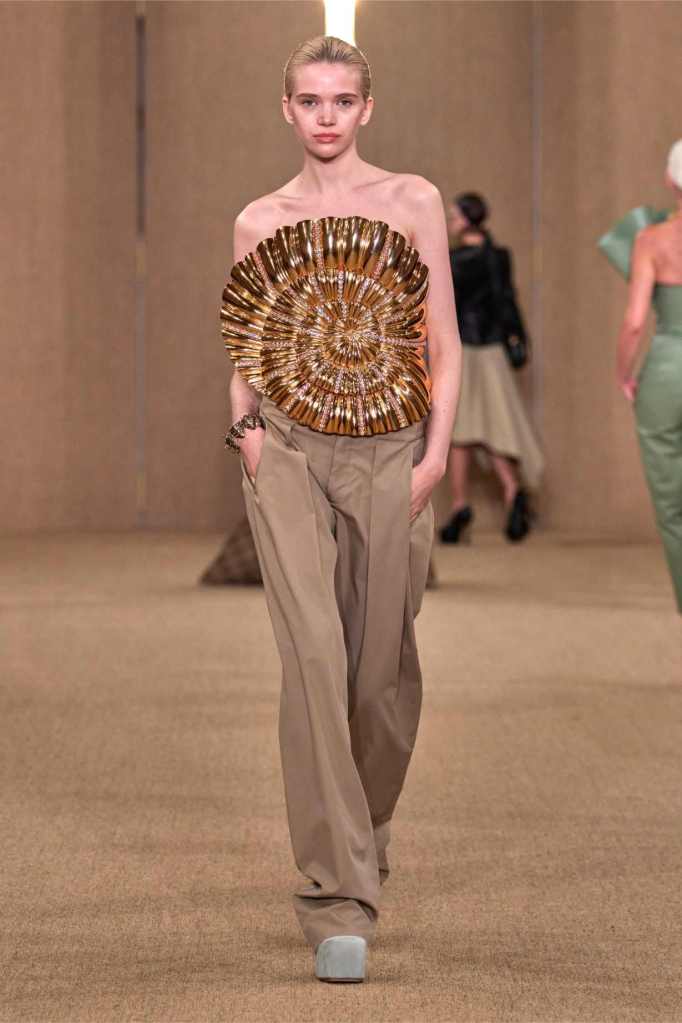
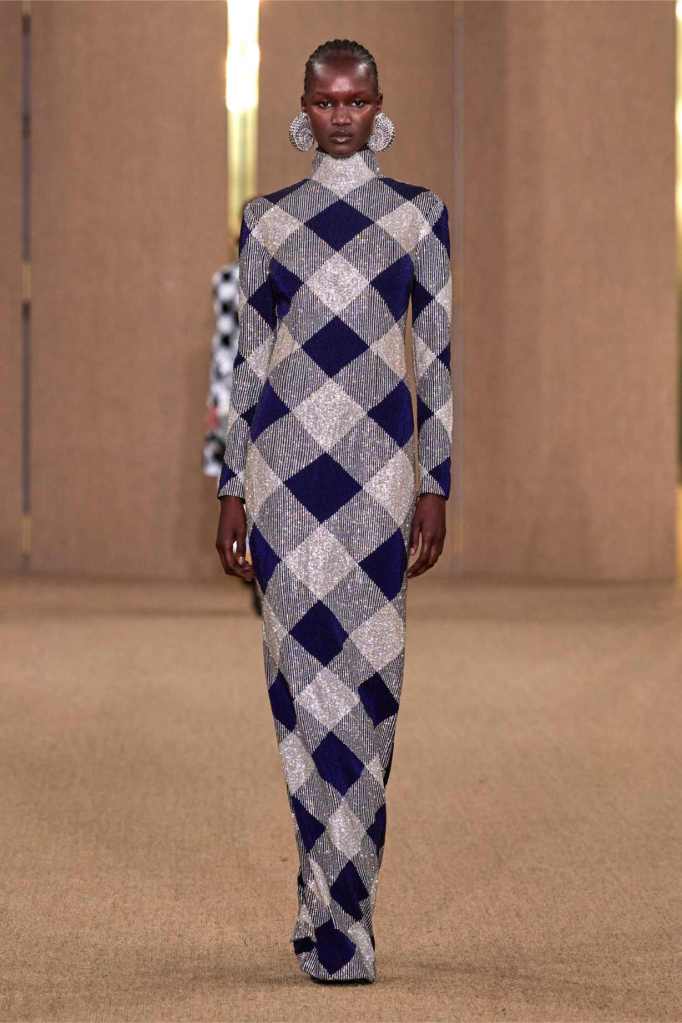
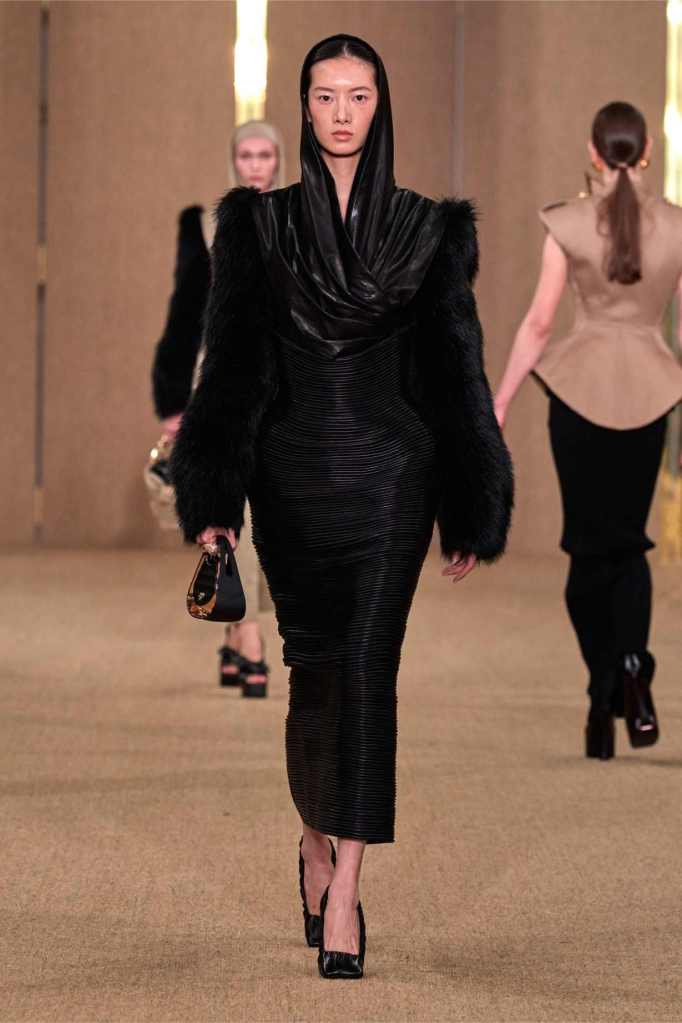
Balmain: Olivier Rousteing plays a vibrant homage to his Bordeaux roots. The collection intricately blends Balmain’s archival elements with personal touches from Rousteing’s upbringing. Grapes, a symbol of Bordeaux’s famed wine, are prominently featured through prints, embroideries, and 3D representations, adding a fresh twist to classic designs. Nostalgic references, such as trench coats inspired by Bordeaux’s rainy weather and picnic-themed accessories, are thoughtfully modernized.Playful nods to the city’s charm include escargot shell embellishments and basket bags. The collection is a striking one, featuring a base of solid neutral colors punctuated with pops of gingham and red. Clean, sharp tailoring is juxtaposed with soft, elegant drapes, creating gorgeously elegant proportions. The collection is a celebration of heritage, craftsmanship, and finding beauty in your home.


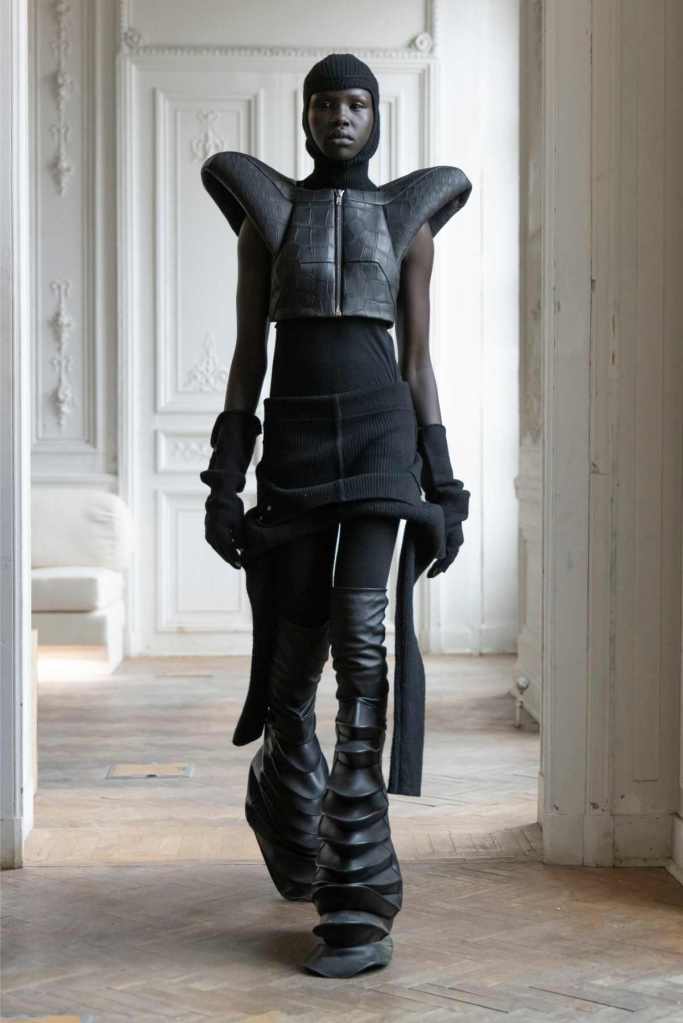
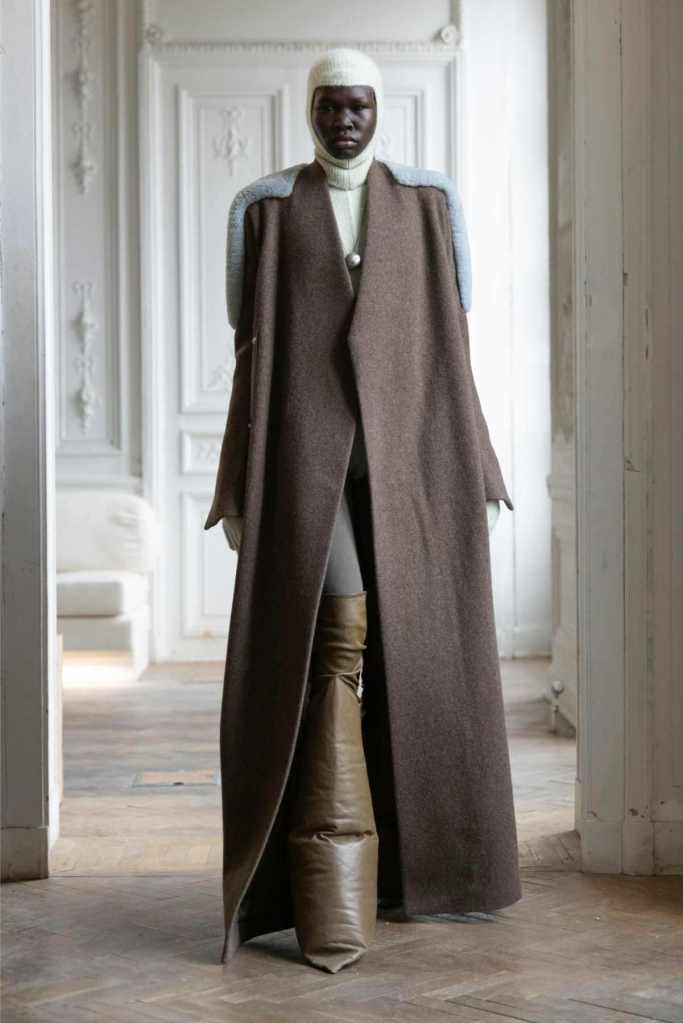
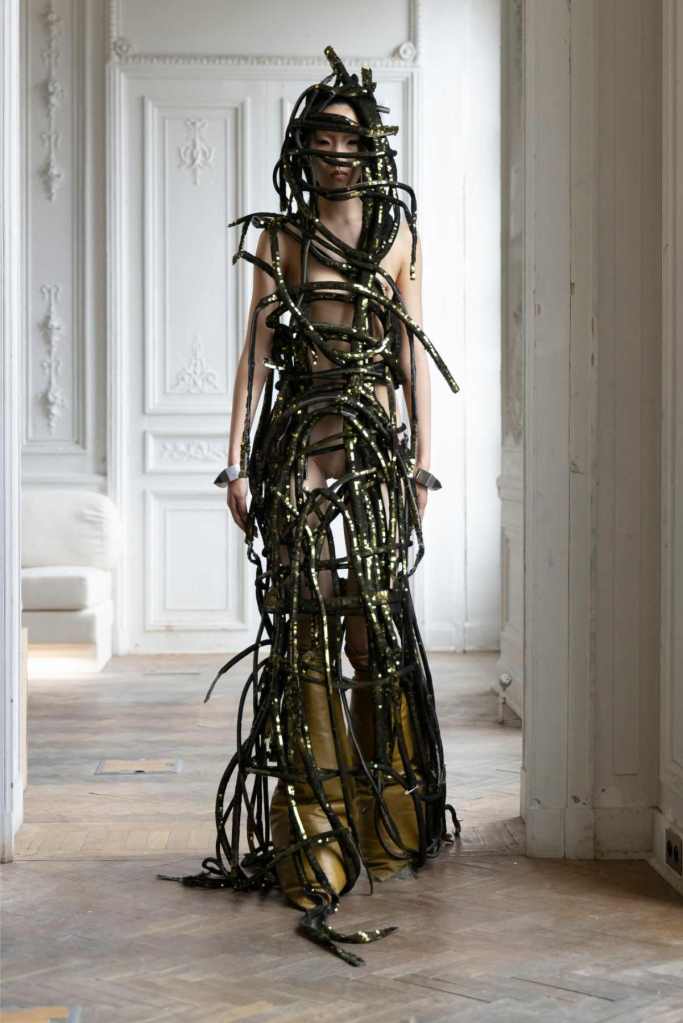
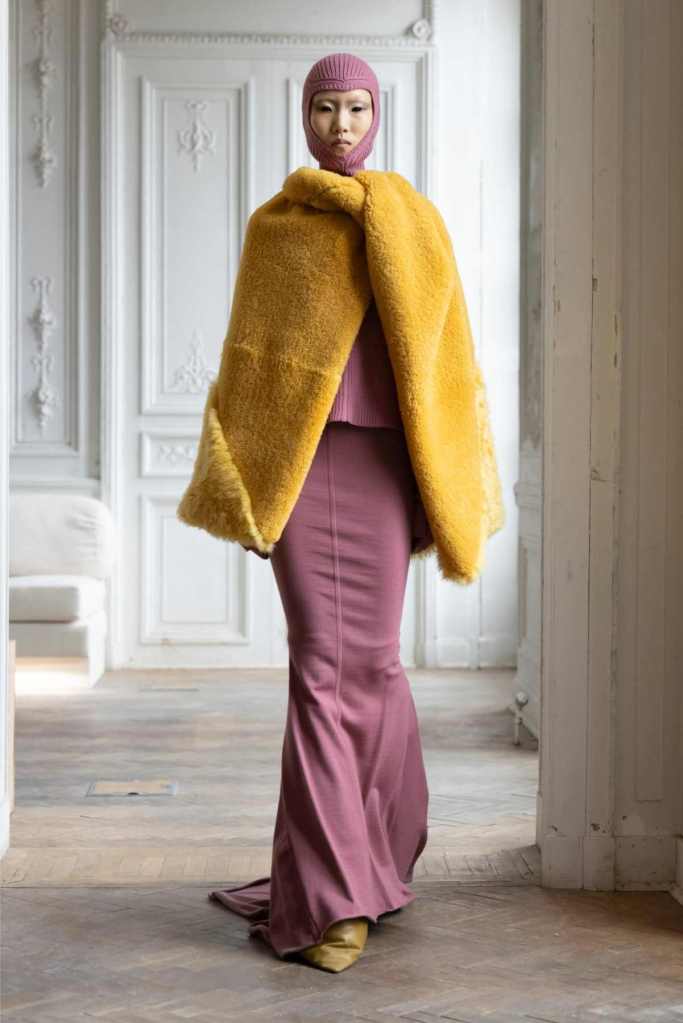
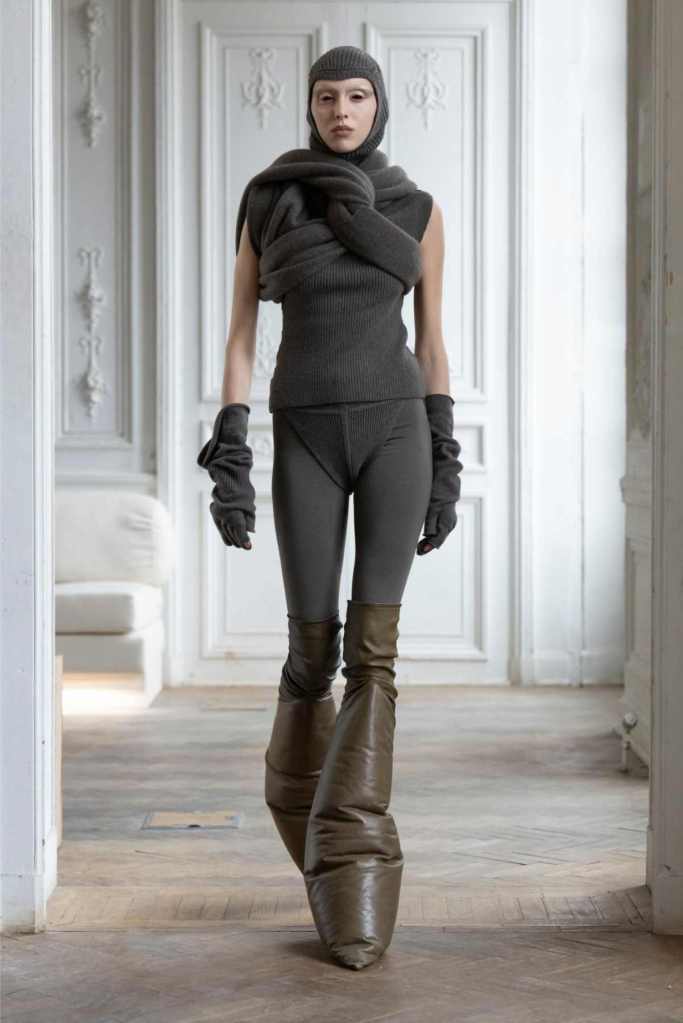
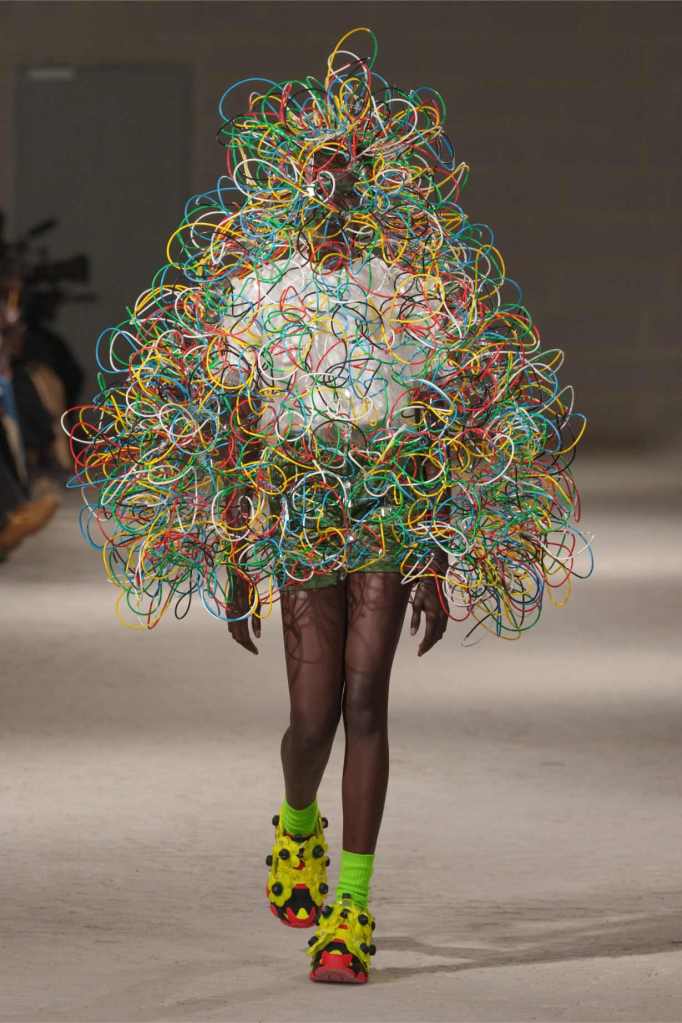
Rick Owens: Held within the concrete walls of his Parisian home, the “PORTERVILLE” line drew inspiration from Owens’ childhood in a strict Californian town. The show featured inflated silhouettes and strong-shouldered looks contrasted by soft knitwear, reflecting both the stifling atmosphere of his upbringing and a yearning for escape. The designer melds nightmarish aesthetics with unexpectedly cozy elements. Models with eerie black contacts and wild, frayed hair paraded in knits that softened the harsh visuals. The collection featured pastel and teddy bear-textured knits, contrasting sharply with the dark, haunting beauty choices. Cashmere, alpaca, and denim mingled with recycled bike tires, while a color palette of pastels, black, and jewel tones offered a surprising contrast to the collection’s overall dark mood. Sculptural wired pieces and bias-knitted dresses showcased Owens’ technical mastery. The collection featured pastel and teddy bear-textured knits, contrasting sharply with the dark energy.

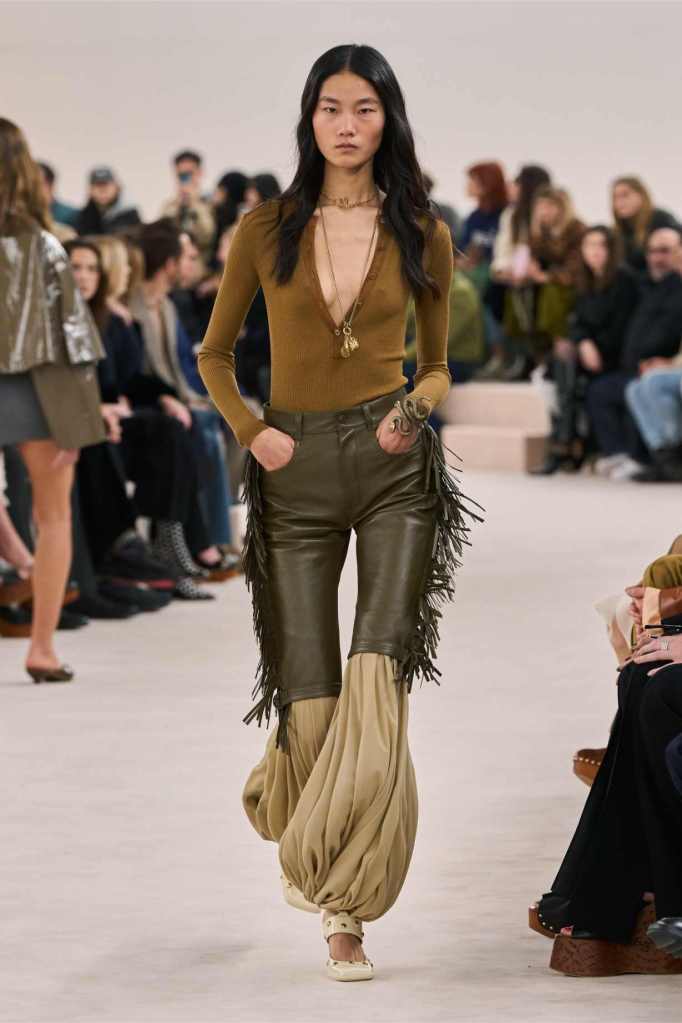
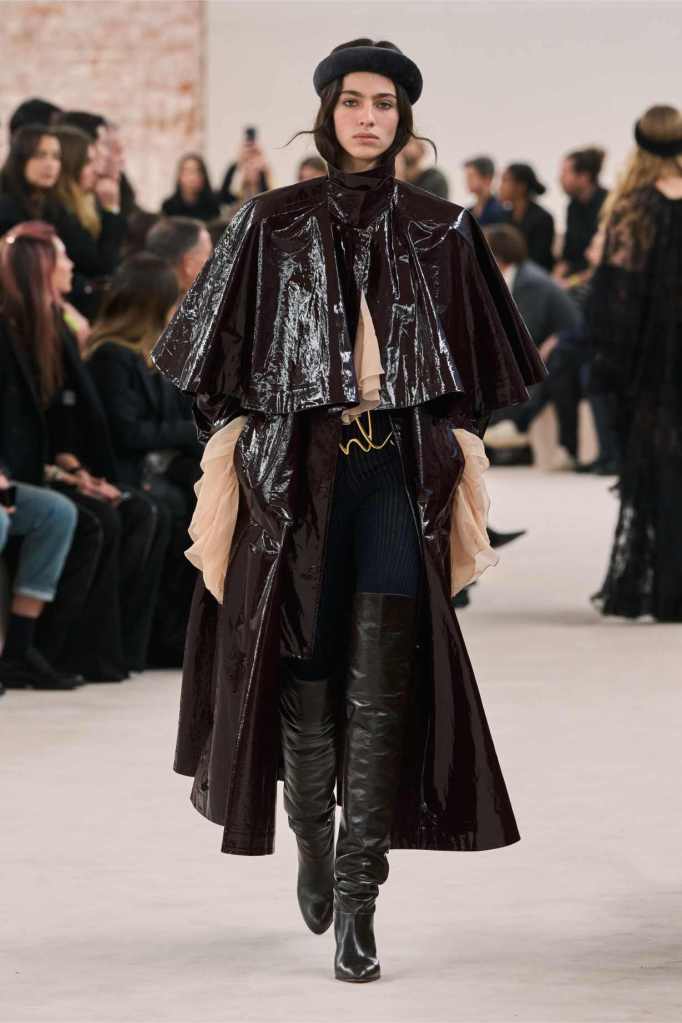
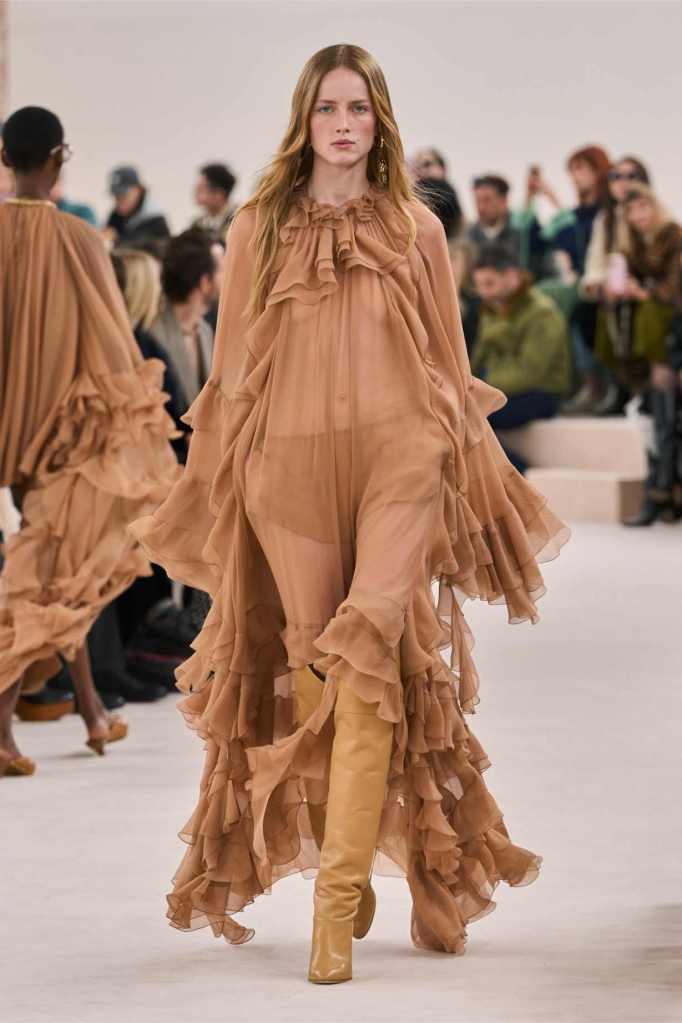
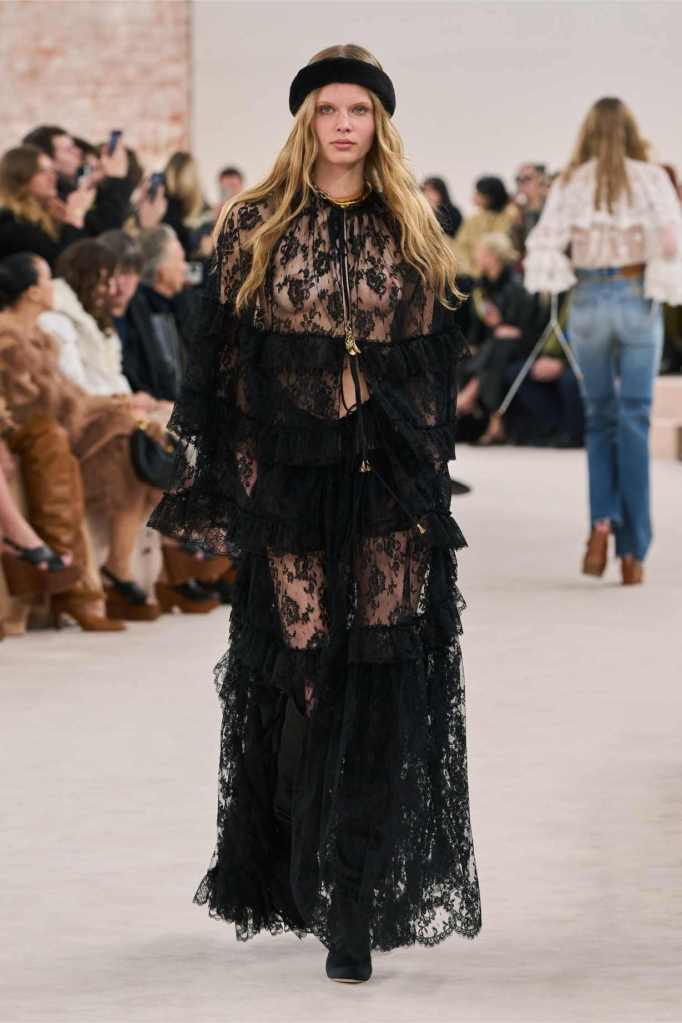
Chloé: This Chloé collection, under new creative director Chemena Kamali, is a homecoming in every sense. Kamali, a Chloé veteran, draws inspiration from the house’s rich history, particularly Karl Lagerfeld’s 70s era, to craft a collection that’s both familiar and fresh. The collection offers a balance of fluidity and structure, with wearable pieces like cozy knits and functional outerwear alongside statement dresses.
Kamali’s designs featured clever nods to Chloé’s archives, such as banana-handle bags and logo-emblazoned belts, seamlessly integrated with contemporary updates like patchwork jeans and sheer caftan dresses. The outerwear, including stylish trenches and capes, was highlighted by innovative proportions while celebrating Chloé’s signature boho energy with flowing dresses, capes, signature blouses, and well-tailored pieces. The use of natural materials and timeless design ensures the pieces will age gracefully. A striking debut indeed.


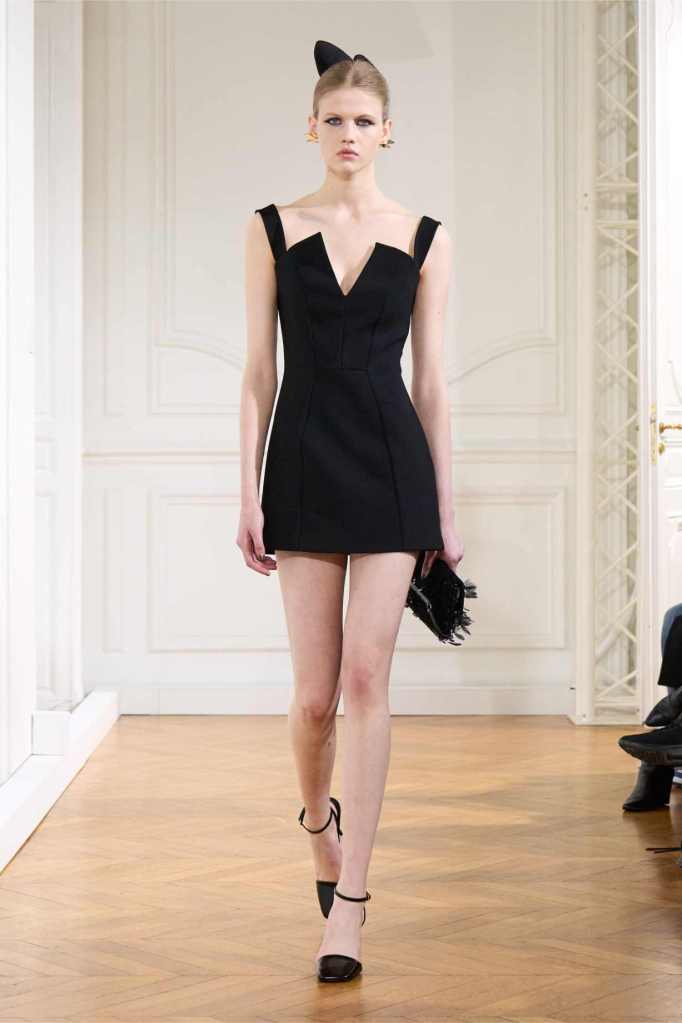
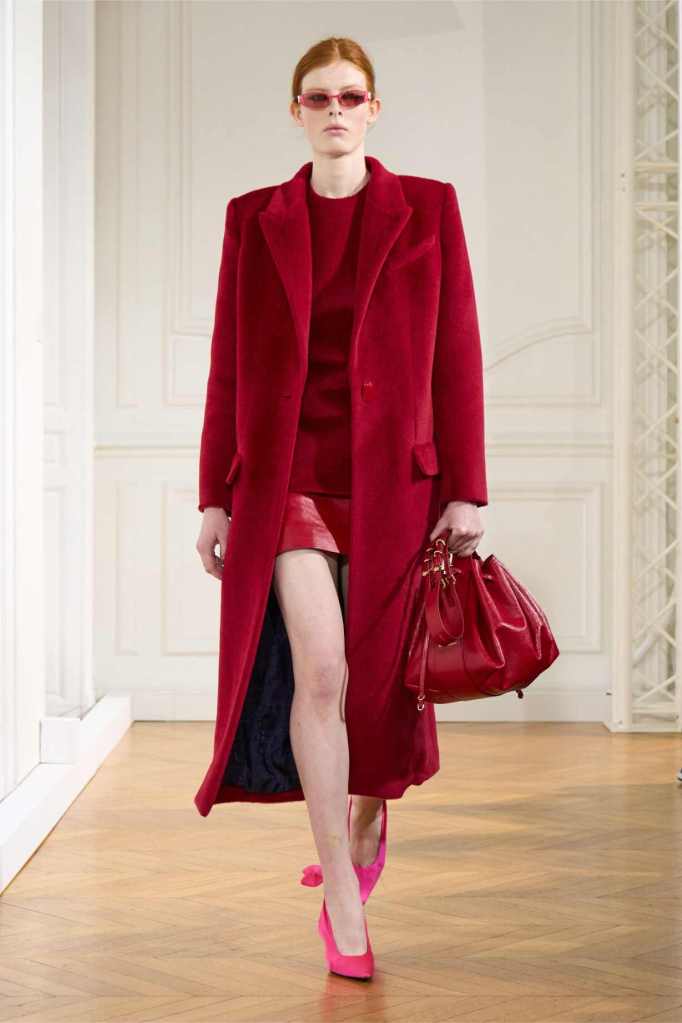
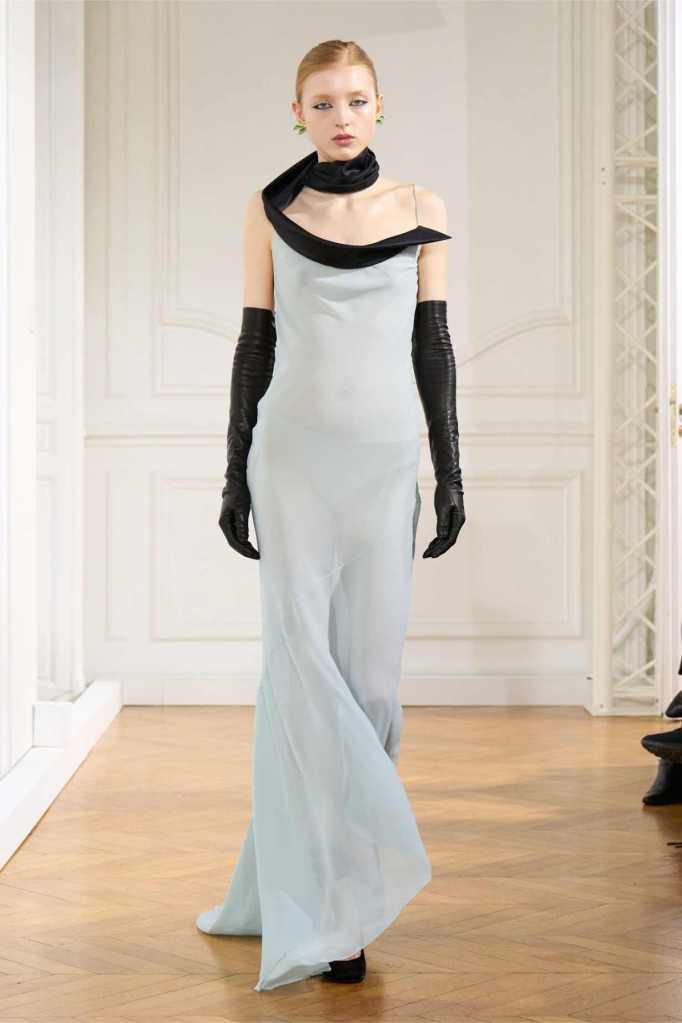
Givenchy: This Givenchy collection channelled nostalgia through a modern lens, revisiting the archives of founder Hubert de Givenchy. Presented at 3, Avenue George V, the designs transition eveningwear elements into daywear with a cinematic palette of black, navy, and sapphire. The collection featured classic little black dresses with Audrey Hepburn-esque necklines, alongside sharp tailoring, dramatic draping, and eveningwear elements incorporated into daywear. Playful details like asymmetrical skirts, high-low hemlines, and petal-shaped bows added a touch of fun. Drawing from the archives, the collection embodies subtle seduction and Parisian elegance. Impressively, despite the absence of a creative director following Matthew Williams’ departure, the in-house team delivered a cohesive and surprisingly gorgeous collection.


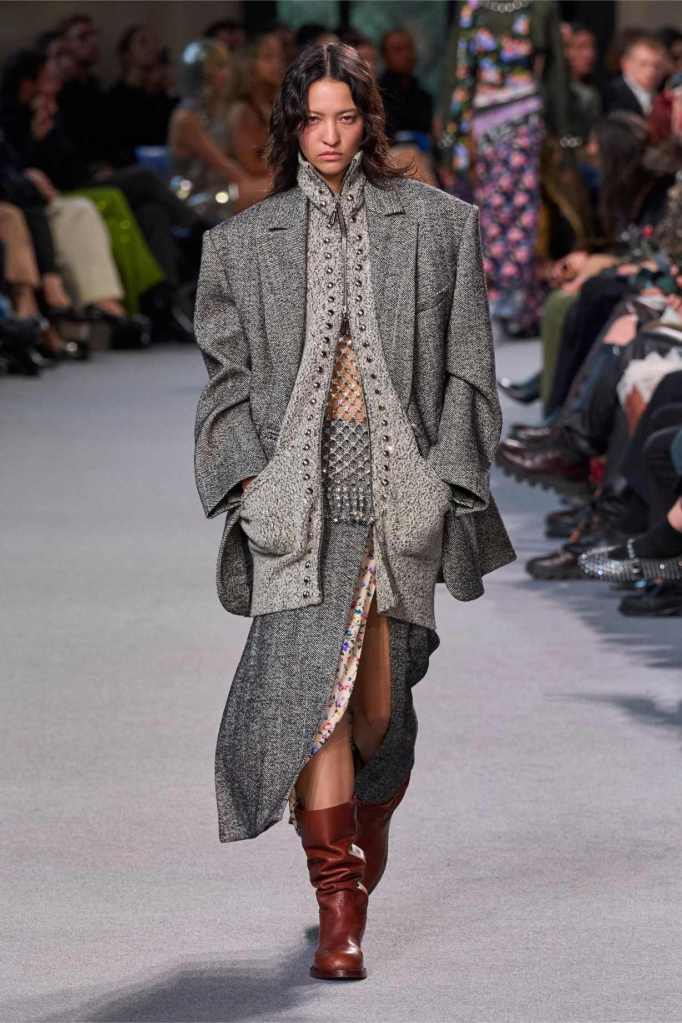
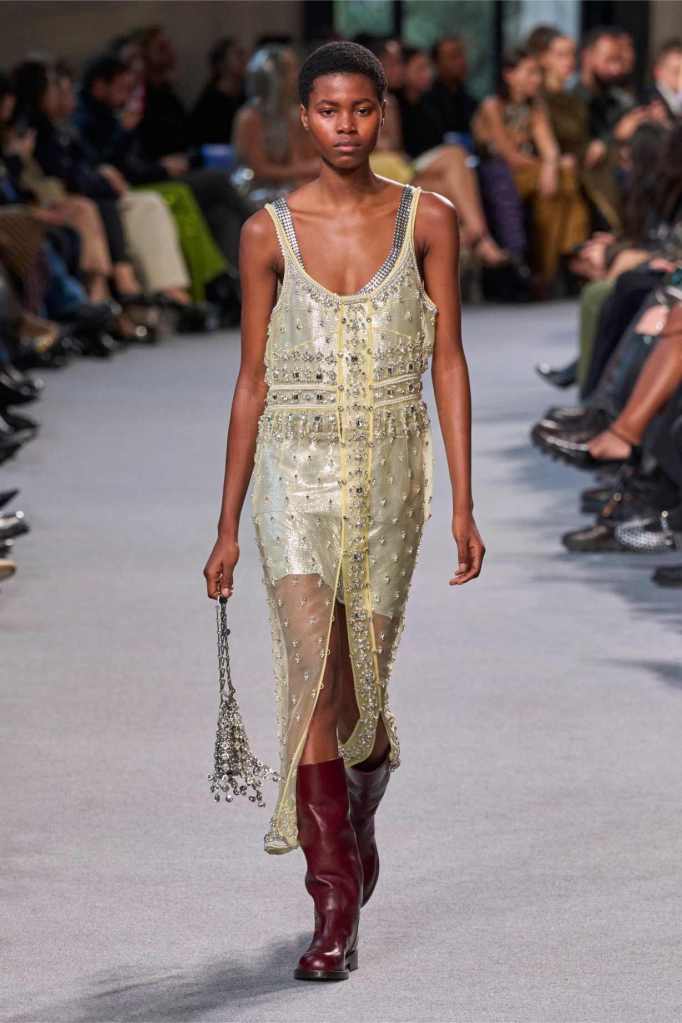
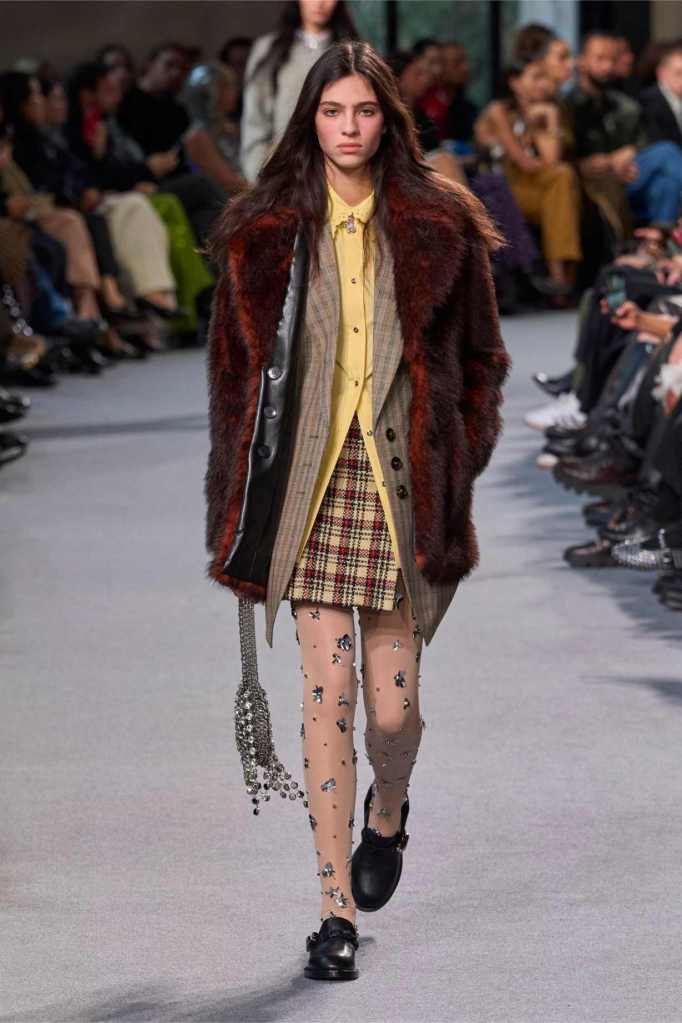
Rabanne: Showcased in the basement of the Palais de Tokyo, this eclectic lineup features slouchy, cozy pieces adorned with chainmail, patchwork, and crystal embroidery. Dossena draws inspiration from the everyday woman, capturing a ’90s grunge aesthetic with a modern twist. The collection’s diverse textures—leather, fur, tartan, and sequins—create a maximalist yet approachable wardrobe. The designs reflect a mix of eclectic prints, boxy silhouettes, and plush layers, moving away from chromes and metallics.
Plus, the styling was pure fun and oozed self-expression! Layering took center stage, and the relatable color palette made these looks feel fresh and wearable. While I missed the extra jingling metallic moments that are a Rabanne signature, this collection offered a new kind of statement piece: you. The collection celebrates everyday glamour and individuality, embracing a mix-and-match ethos with a playful and eclectic aesthetic.



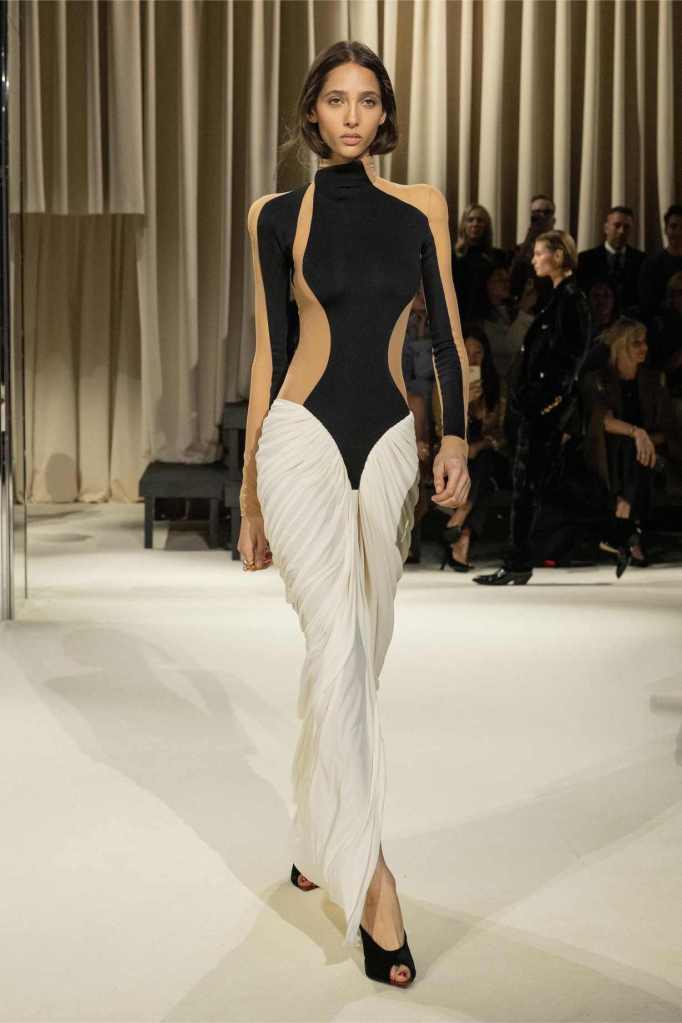
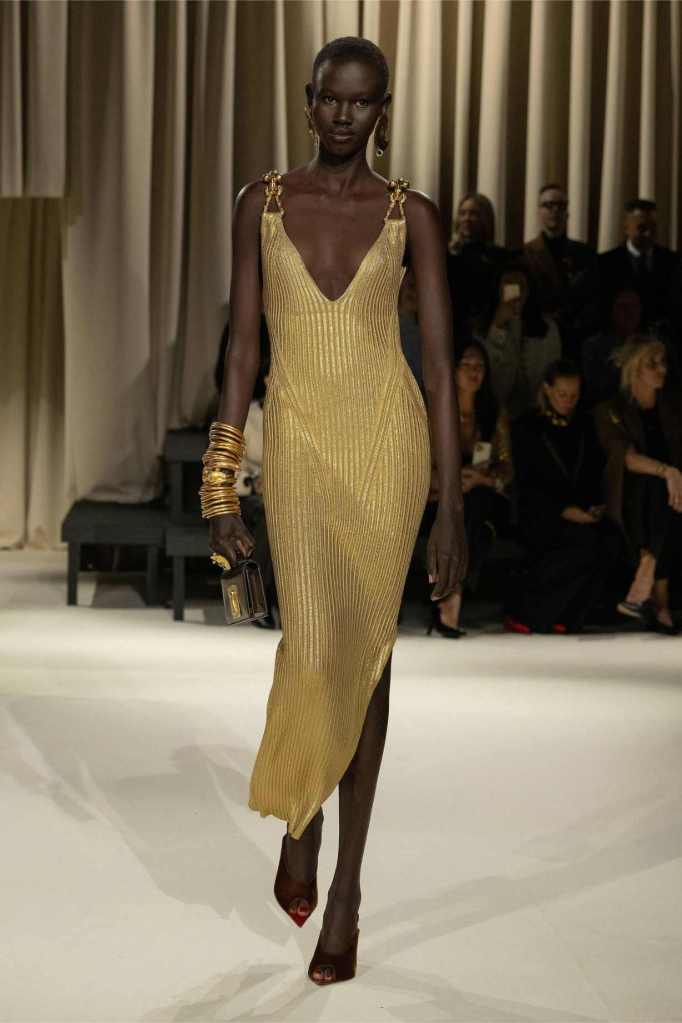
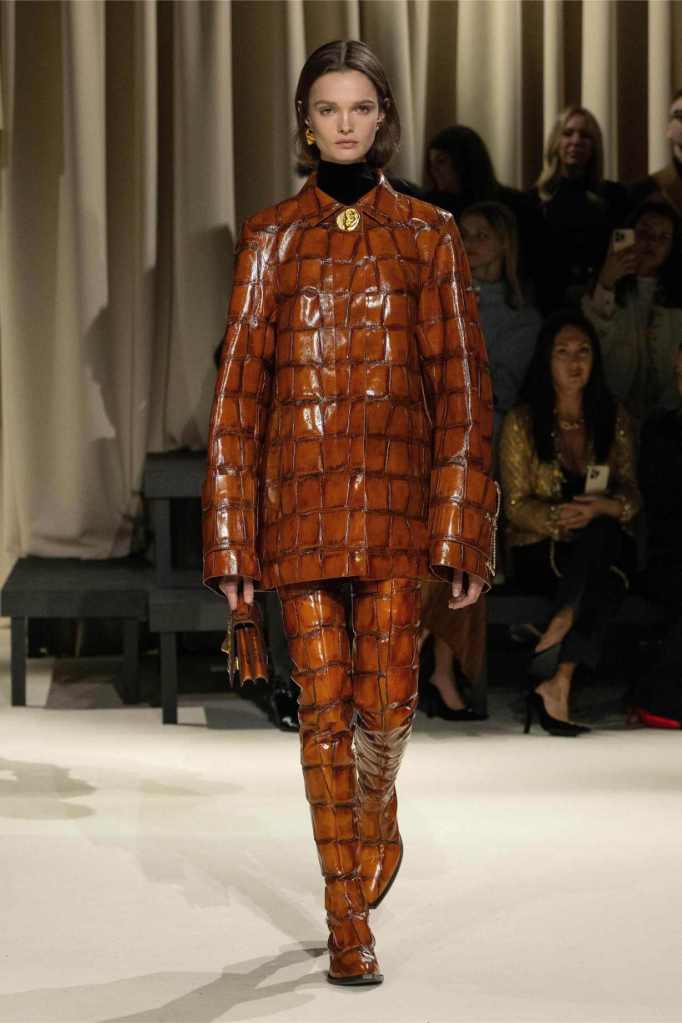
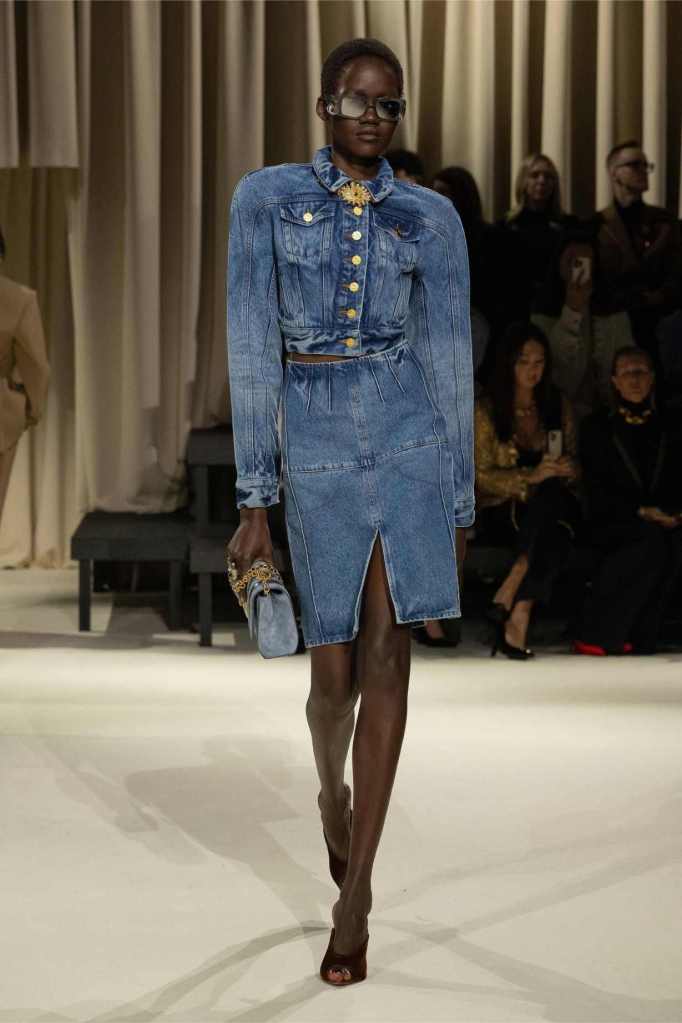
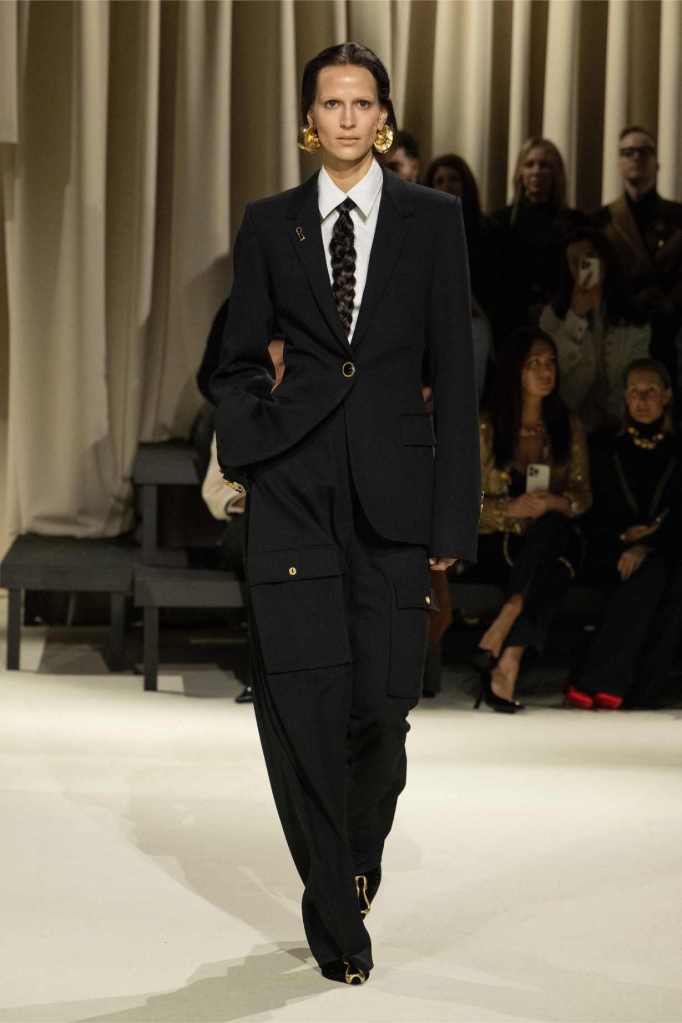
Schiaparelli: Instead of the usual focus on showstopping couture for celebrities, Roseberry offered a line of wearable and practical ready-to-wear pieces. Classic silhouettes like blazers and trousers were elevated with signature Schiaparelli details, while playful accessories took center stage. The collection featured classic silhouettes like blazers, trousers, and cocktail dresses, but with a twist. This collection aimed to empower wearers to express themselves through diverse styles, all while retaining a touch of the brand’s signature drama.While the clothing was more wearable, the collection truly shined with its accessories. The emphasis on accessories underscores their role as defining pieces, designed to be future vintage gems. By offering a relatively more accessible line, Roseberry seems to be broadening Schiaparelli’s reach while still staying true to the house’s DNA.

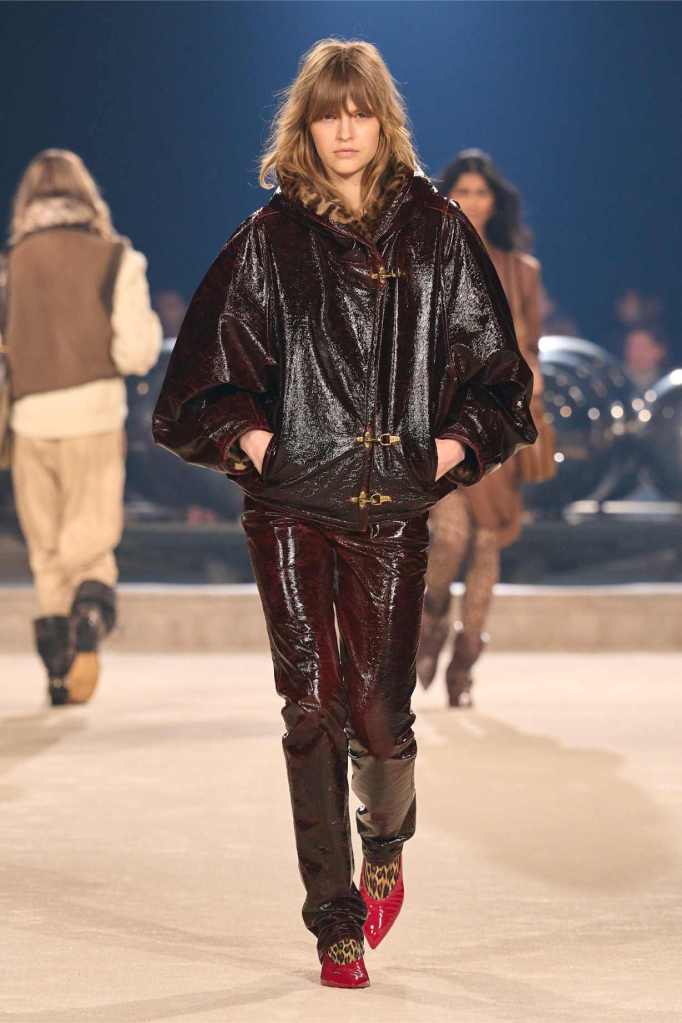
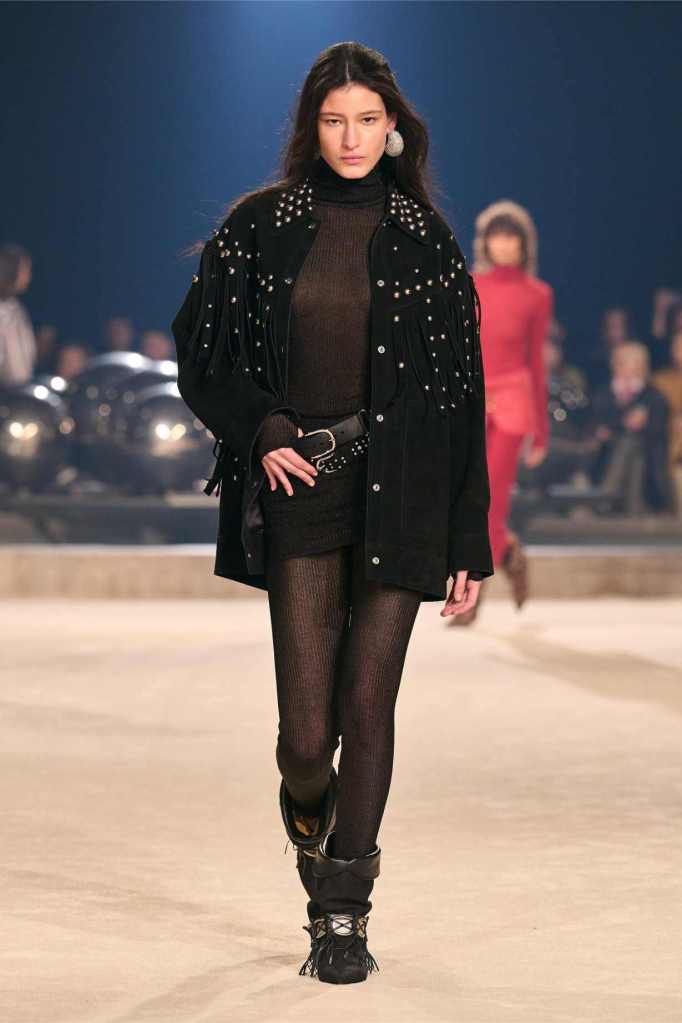
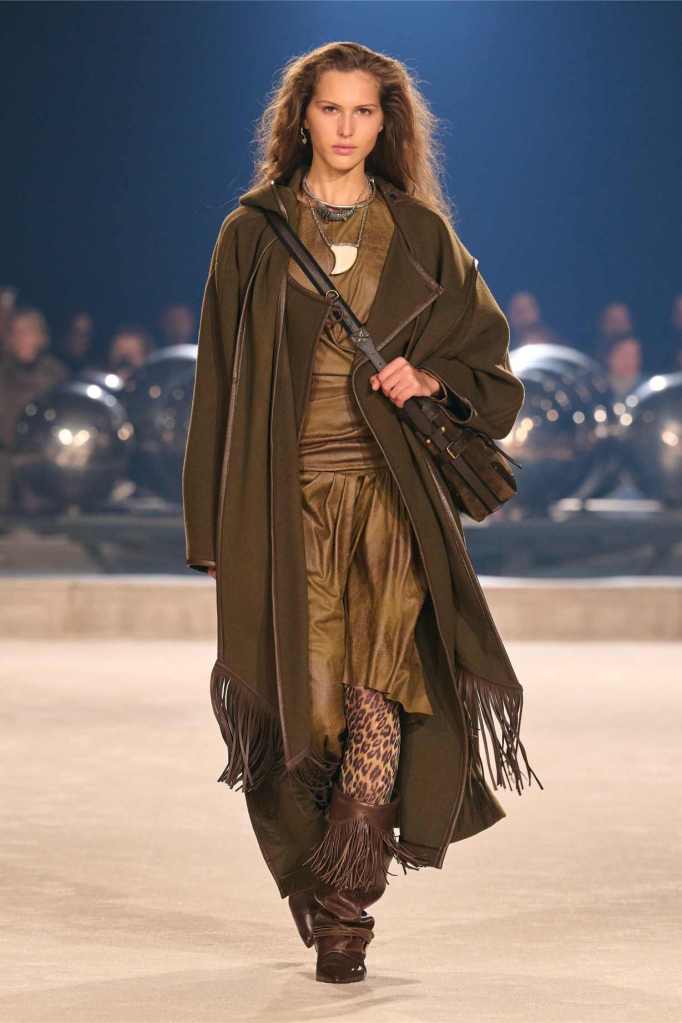
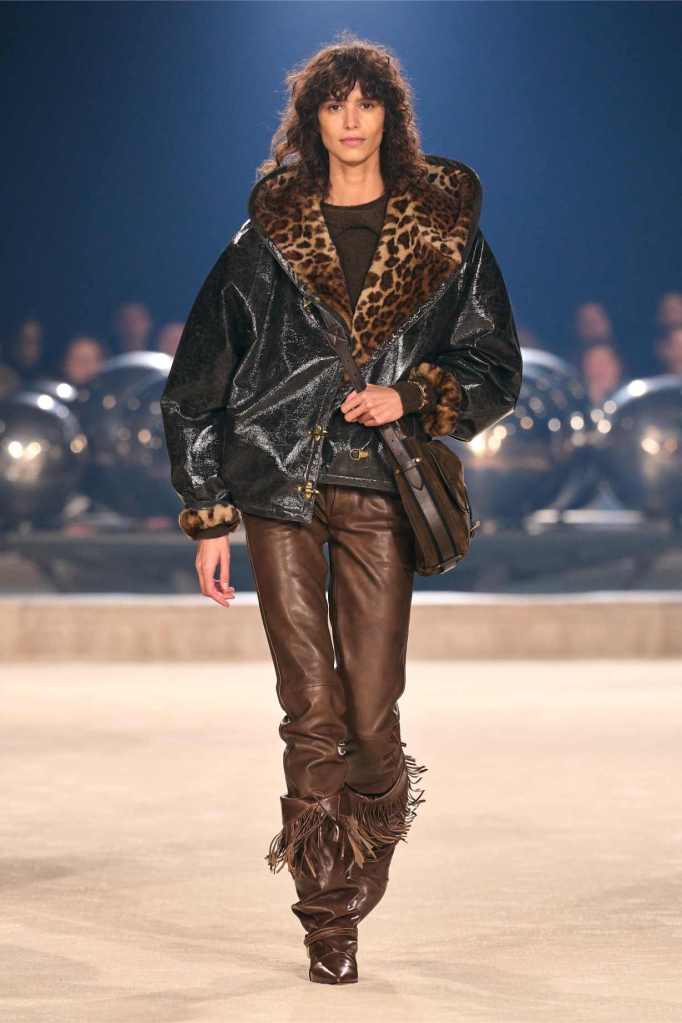
Isabel Marant: These clothes blend of femininity and ruggedness. Think layers of knits, leathers, and shearlings, alongside fringed accents and animal prints, inspired by wild landscapes. The color palette reflects earthy tones with a pop of red, capturing the essence of a free-spirited woman. This collection is perfect for those seeking a touch of Western edge with Parisian chic, offering a variety of versatile pieces that can be easily mixed and matched.
The color palette, including sun-kissed suedes and fiery reds, evokes the untamed beauty of vast plains and desert horizons. Oversized suede scarves adorned with pearls, jewel belts cinching waists, and intricate knits add depth and luxury to the collection. The true brilliance lies in the layering and styling; Each piece, whether statement or functional, is well-designed and can be a foundation or a finishing touch.


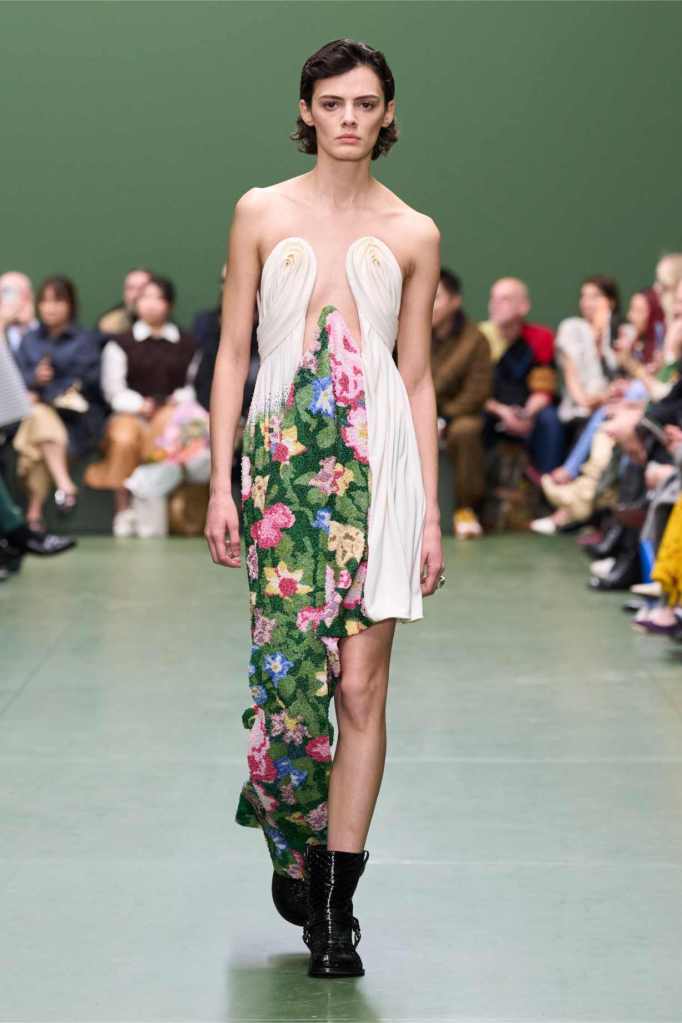
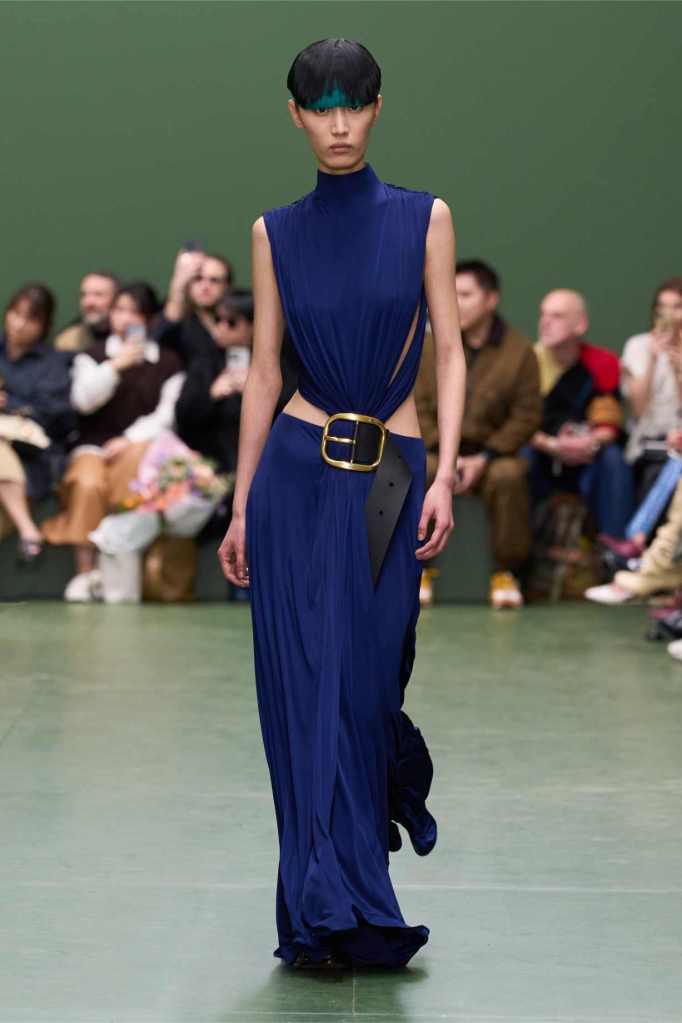
Loewe: The show’s setting, adorned with Albert York’s paintings, sets the stage for a journey into the intersection of simplicity and opulence. Anderson’s reinterpretation of traditional morning suits and formalwear is a testament to his creative prowess. The showstopper was craft, with unconventional materials like wood chip collars and trompe-l’œil effects, whimsical prints of vegetables and florals, beaded textures with impeccable tailoring. He reimagined the rather aristocratic suit, sending it down the runway with radish prints and billowy silhouettes. It showcased a masterful mix of high tailoring, evident in impeccably cut jackets, juxtaposed with flowing shapes seen in voluminous trousers and draped dresses. Despite its artistic leanings, the collection remained surprisingly commercial, with wearable pieces that could be incorporated into existing wardrobes.
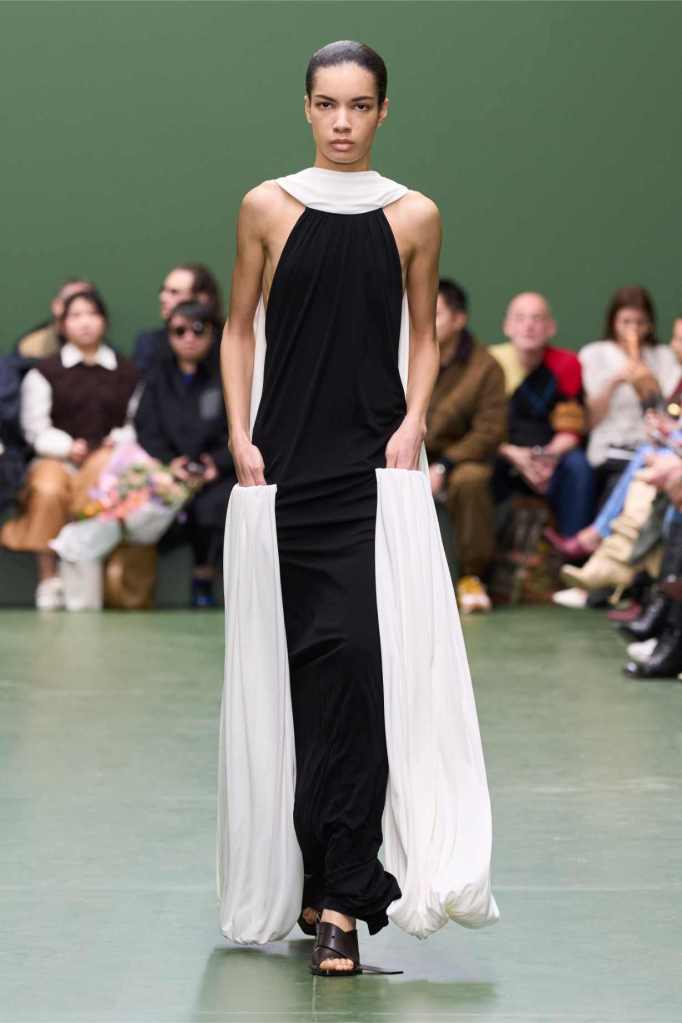
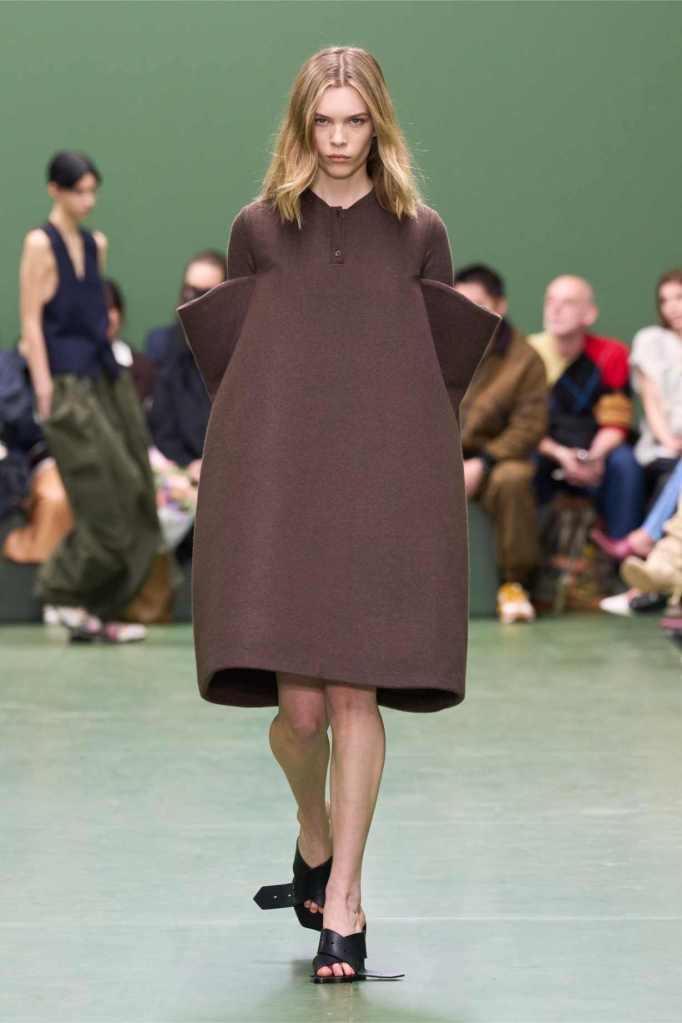
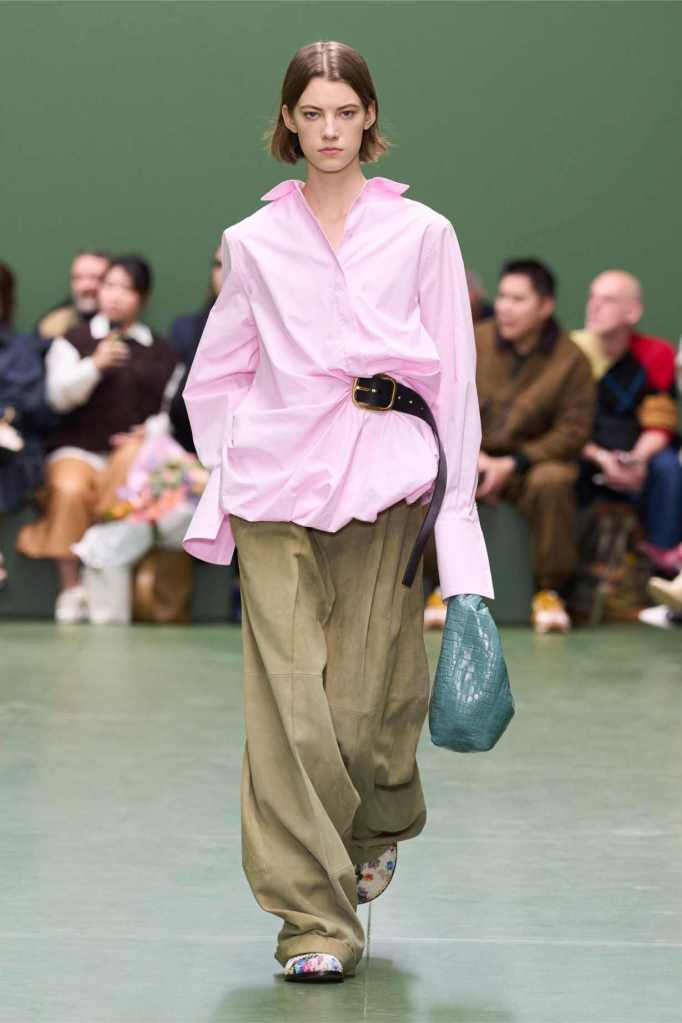

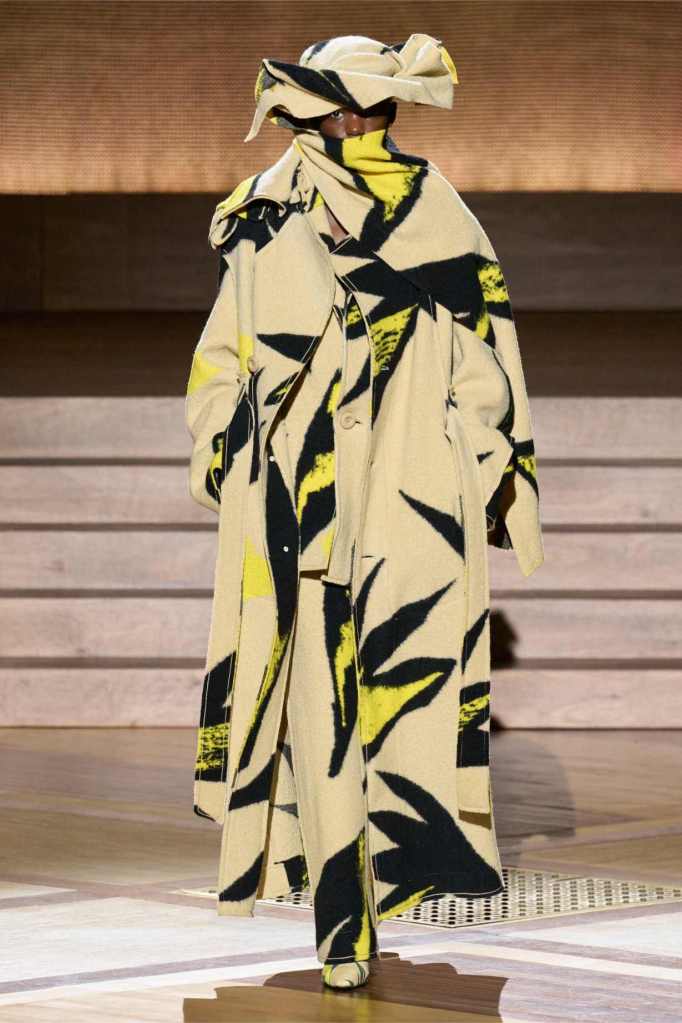
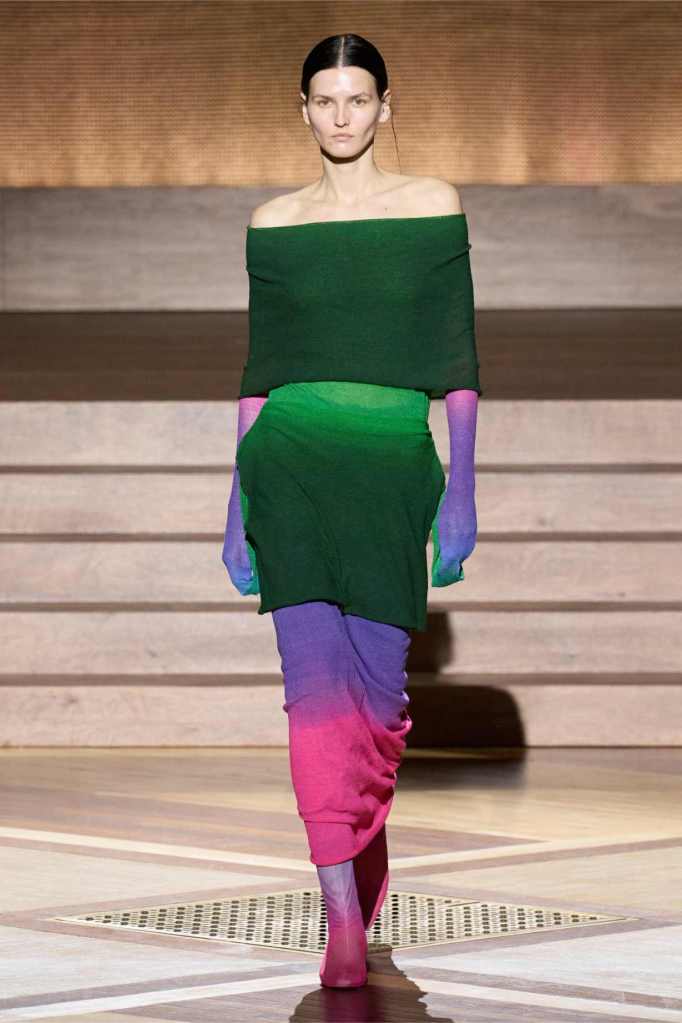
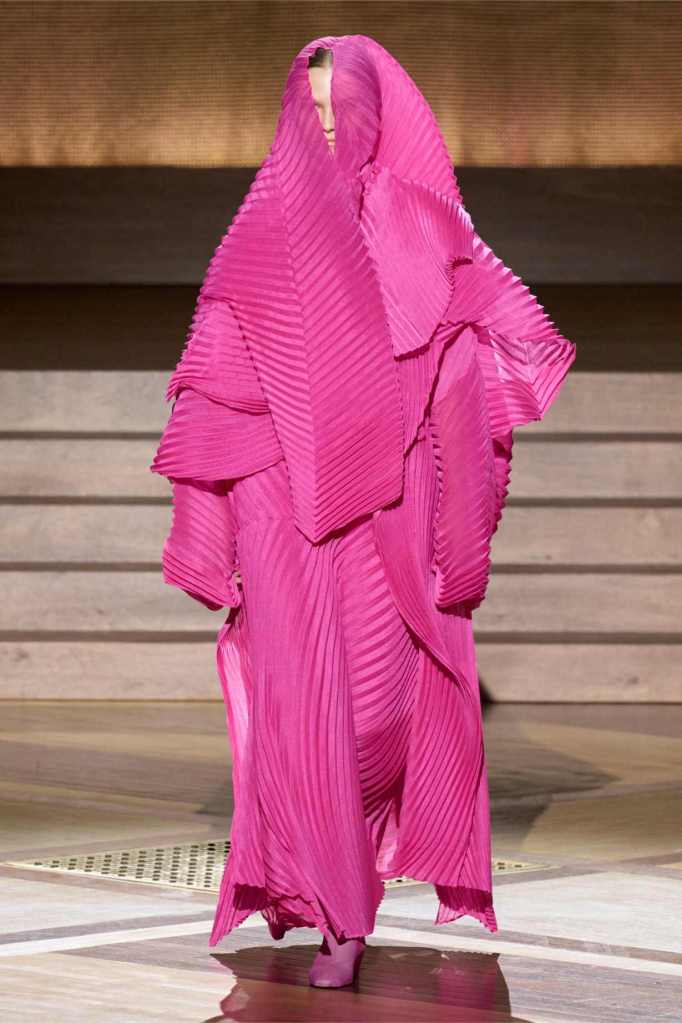
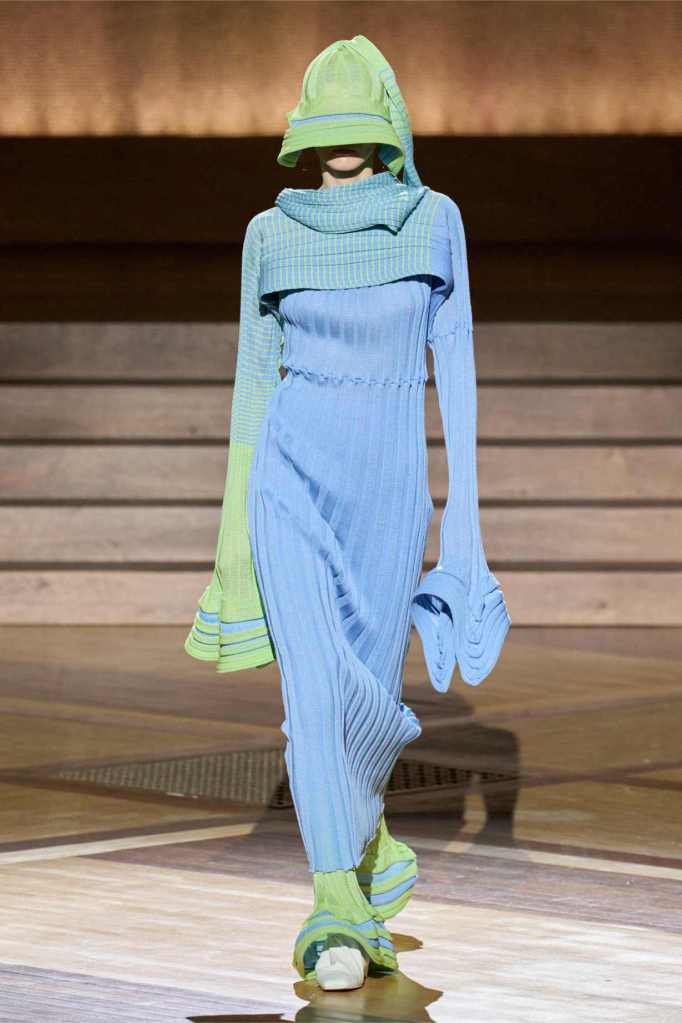
Issey Miyake: This collection “What Has Always Been,” is a return to the essence of clothing. Presented at the Museum of Immigration History in Paris, the collection reimagines the ancient art of draping fabric on the human form. Satoshi Kondo’s direction leads to garments that blend primitive techniques with contemporary aesthetics.
Noteworthy is the “ENVISION” series, featuring unique fabric blends for lightweight yet voluminous pieces. The “ENCLOTHE PANTS” and “ASAGAO” series further highlight Miyake’s mastery, with asymmetrical silhouettes and playful knits inspired by nature. The brand’s collaboration with Ronan Bouroullec adds dynamic patterns to traditional pleats, enhancing the collection’s ethereal energy.
The collection features fluid silhouettes created through draping, layering, and folding techniques. Lightweight fabrics with vibrant colors like fuchsia and royal blue offer both comfort and a touch of joy. Innovative use of washi and stretch fibers allows for garments that move naturally with the body, while textural elements from washi and wool add drama. This collection embodies Issey Miyake’s legacy of innovation, craftsmanship, and artistic exploration.


Giambattista Valli: Giambattista Valli collection pays tribute to Lee Radziwill’s timeless elegance and eclectic style. The runway show blends sleek sophistication with bohemian flair, featuring tailored coats, Indian-inspired embroidery, and botanical motifs. Valli celebrates Radziwill’s refined taste and cultural perspective, emphasizing individual style choices over everything else. Tailored sophistication meets bohemian in impeccably crafted pieces, from paisley minidresses to floral maxis. Botanical prints add vibrancy, while evening gowns evoke the glamour of a bygone era. However, the collection’s beauty can’t escape a sense of déjà vu. The classic Valli color palette and cutesy silhouettes, while charming, evoke a nostalgic yearning that borders on boredom. The overall effect is a mixed bag – undeniably pretty, yet lacking a spark of innovation.
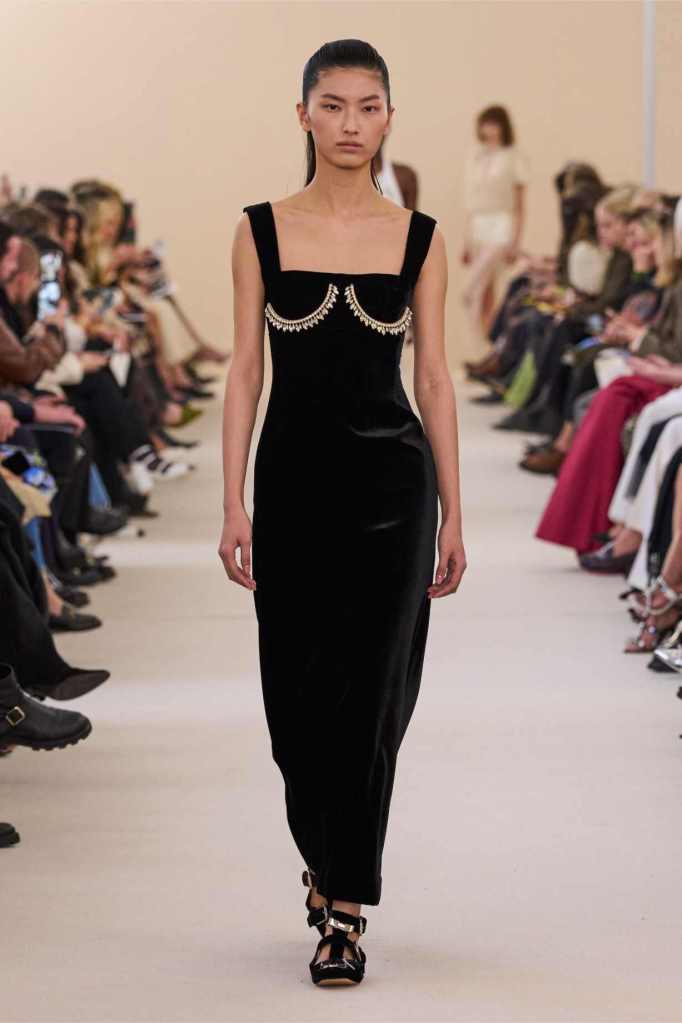


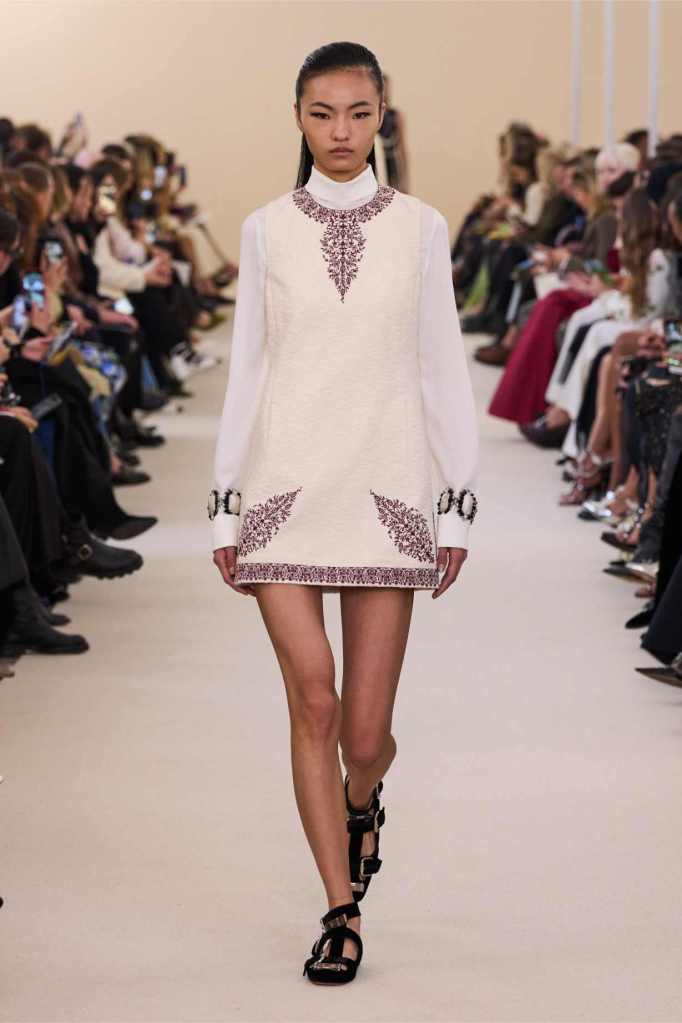
Nina Ricci: Harris Reed’s direction for Nina Ricci’s Fall 2024 collection brings a bold evolution, blending flamboyance with sophistication. The collection reflects diversity and inclusivity with a range of models. While paying homage to classic Parisian styles; Reed’s vision focuses on tailored pieces with architectural precision and flamboyant touches. Inspired by Richard Avedon’s work, the collection blends menswear-inspired structures with 1960s elegance, celebrating the female form with peplum jackets and fluid evening gowns. Sensuality is indulged through draped silk dresses and sheer ensembles, complemented by faux shearling hoods and pillbox hats, lace bodysuits , and couture bow motifs for a dramatic aesthetic.
This collection is a definite step up from his previous work for the brand. There are some great pieces and some not so great ones, with a noticeable lack of cohesion throughout the collection. The colors are strong and the silhouettes are undeniably sexy, reflecting a much-needed modernization. However, overall there could be a better balance between the heritage of Nina Ricci and the new direction Reed is taking.



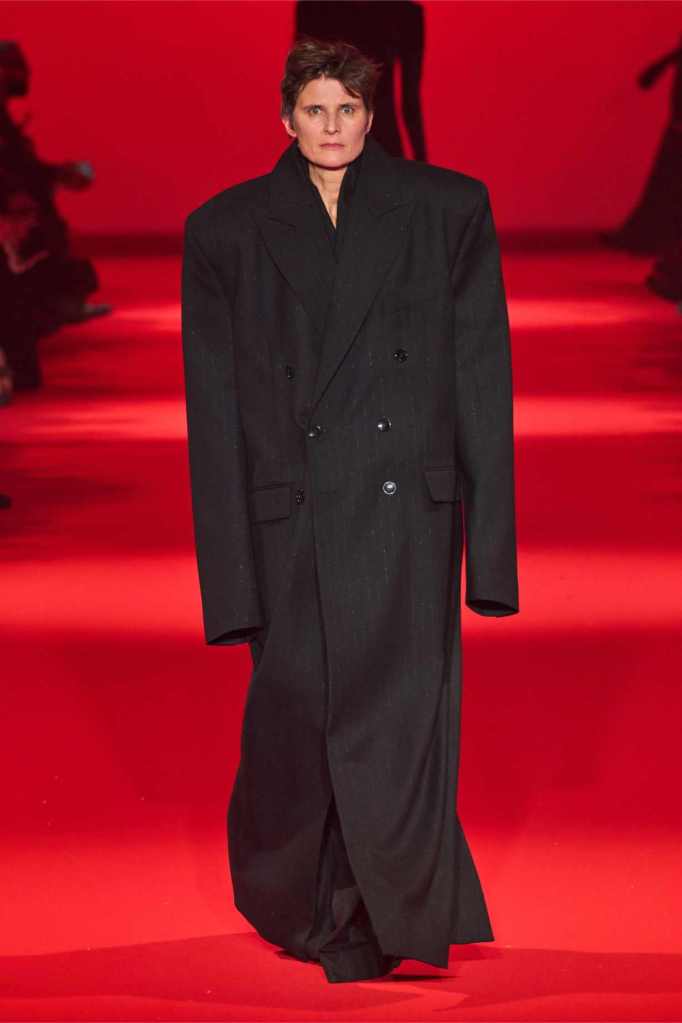
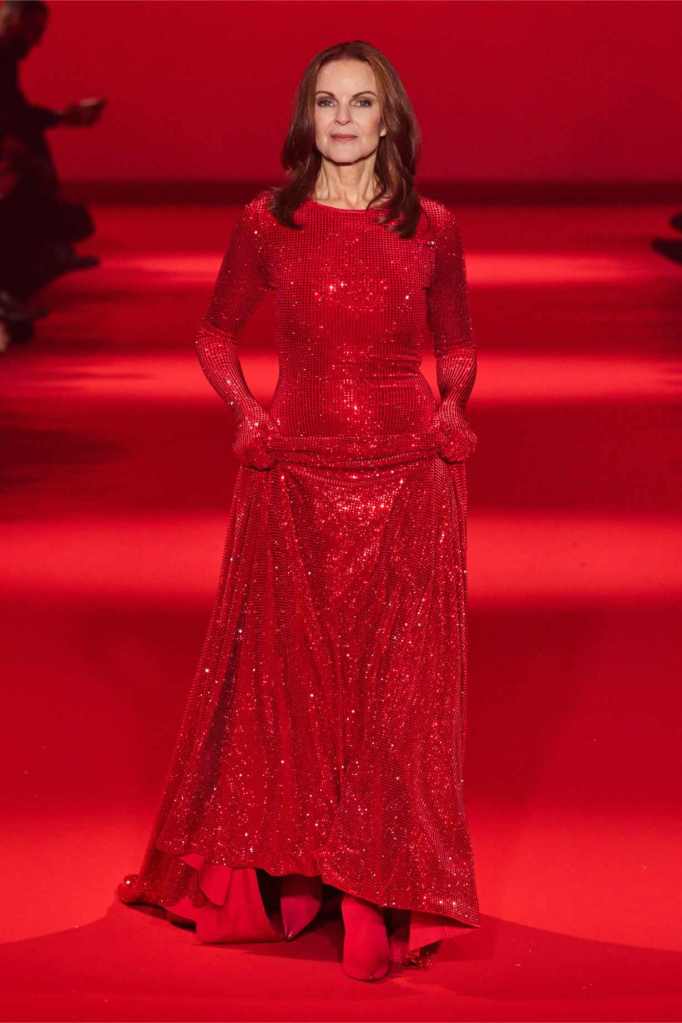
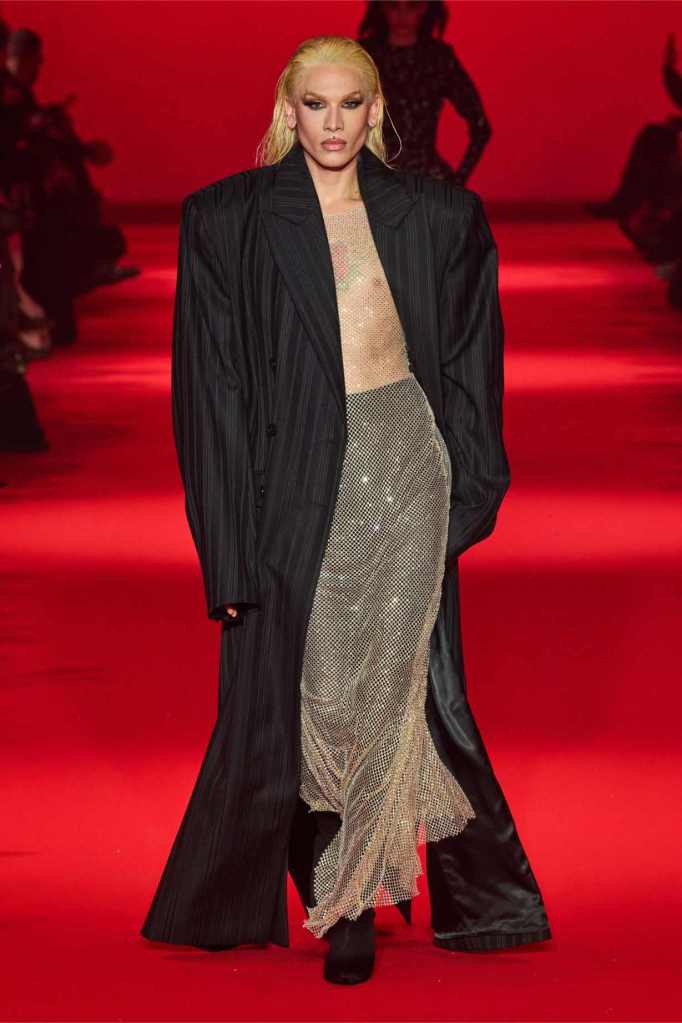
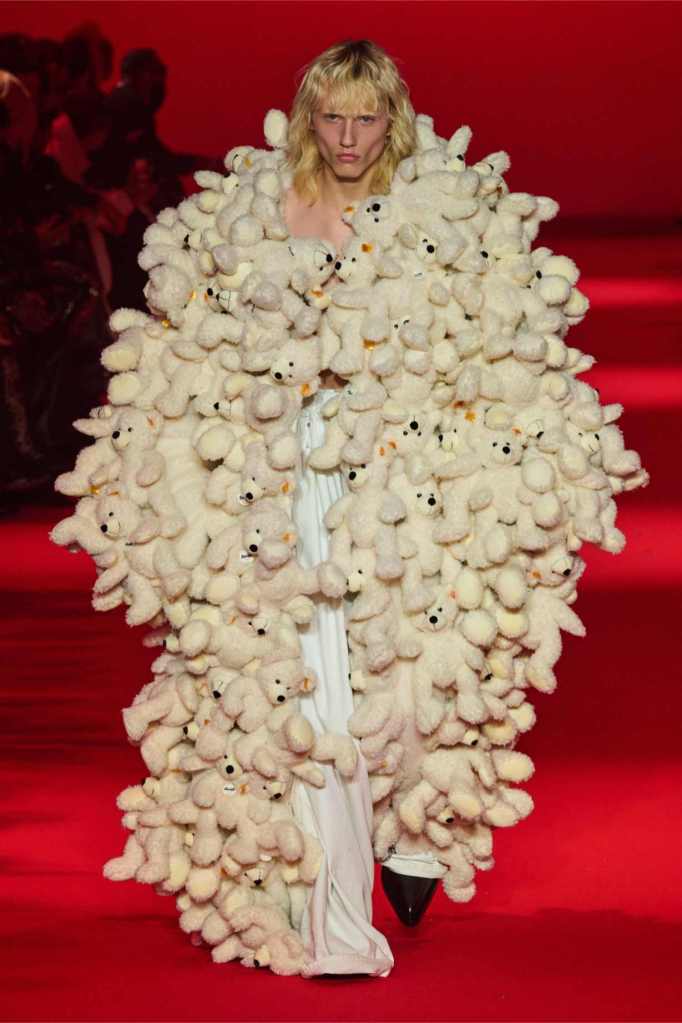
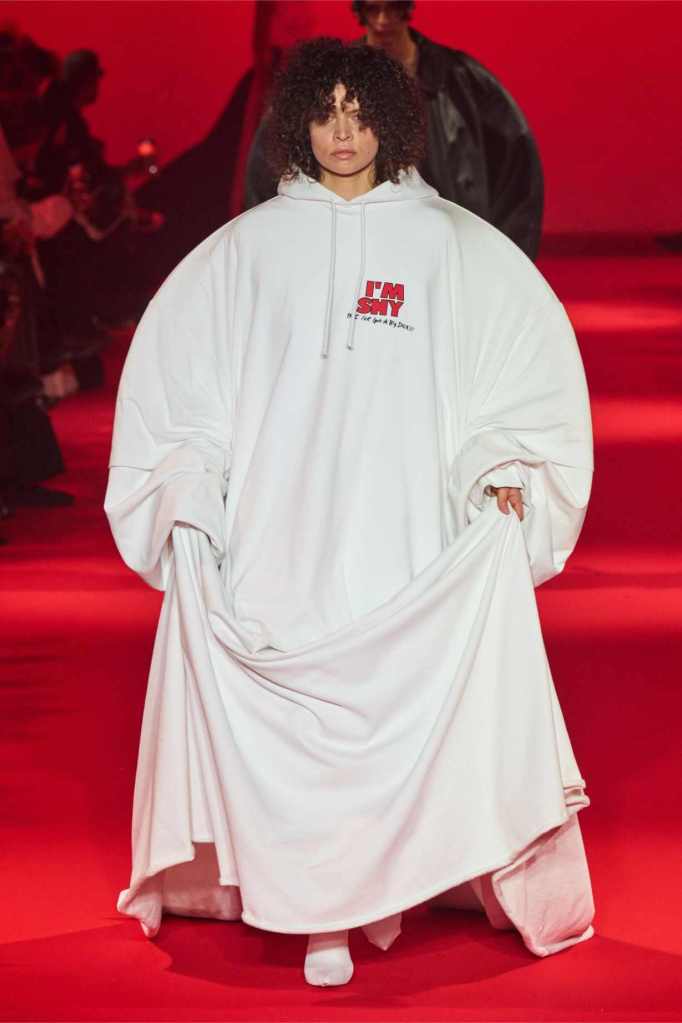
Vetements: This Vetements show marked a grand return for the brand, celebrating its 10th anniversary with a star-studded audience. Guram Gvasalia embraced excess, with supersized tailoring featuring padded shoulders and hems that trailed the floor. This oversized aesthetic extended to casual wear as well, with massive hoodies and jeans. Highlights included massive suits, teddy bear-covered coats, and nostalgic “Team Jolie” and “Team Aniston” sweatshirts. The collection’s audacious mix of formal and streetwear—featuring everything from sparkling suits to playful graphic tees—reaffirmed Vetements’ avant-garde lineup. While undeniably eye-catching, the sheer volume of the show – boasting a whopping 90 looks – Could the message have been delivered more concisely?
I think the era of clothes like this has passed. It feels like we’re clinging to a bygone trend. The question lingers: has the era of this aggressive, over-the-top fashion passed?
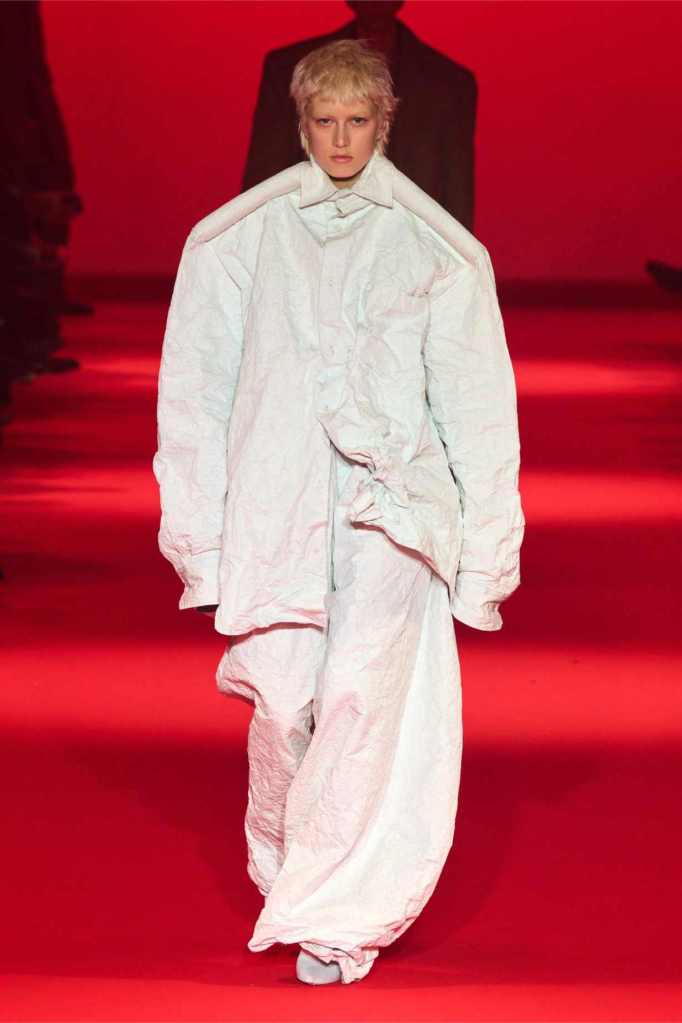
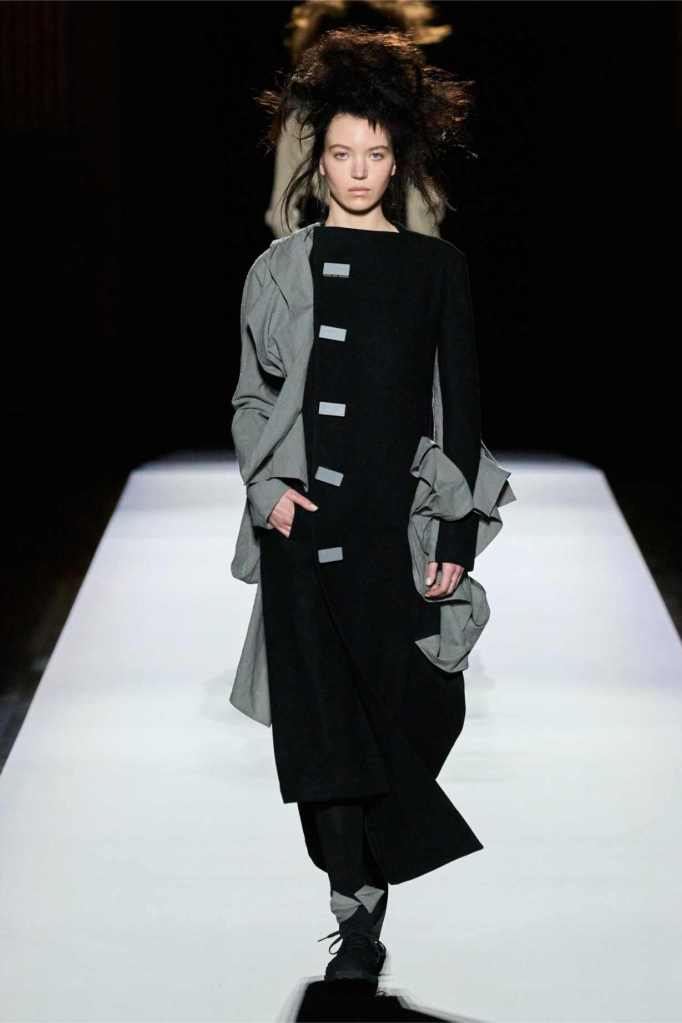
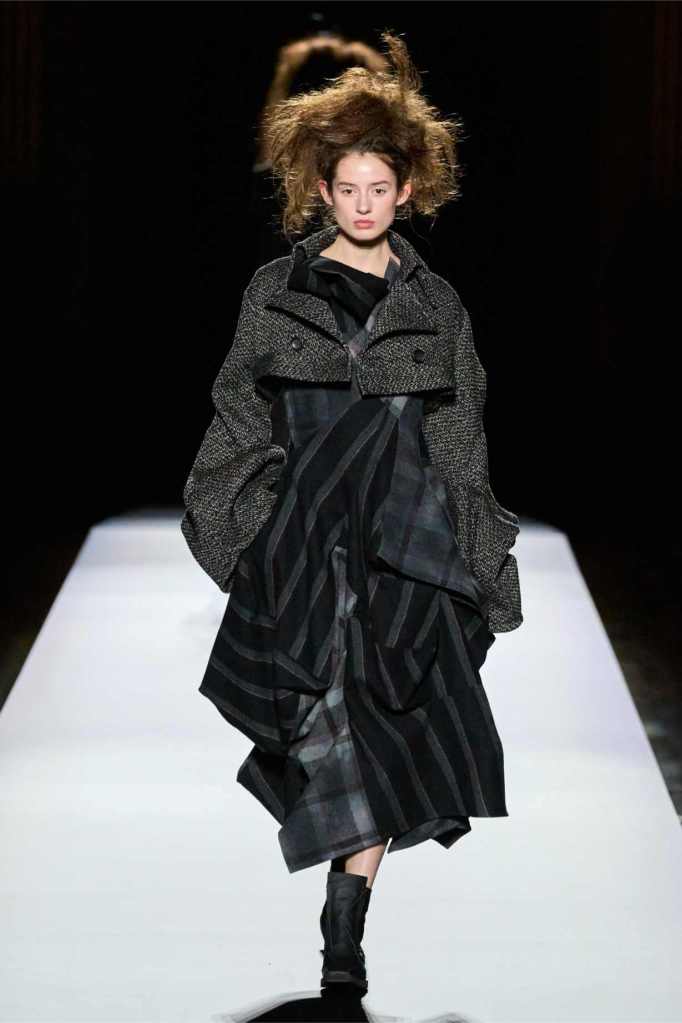
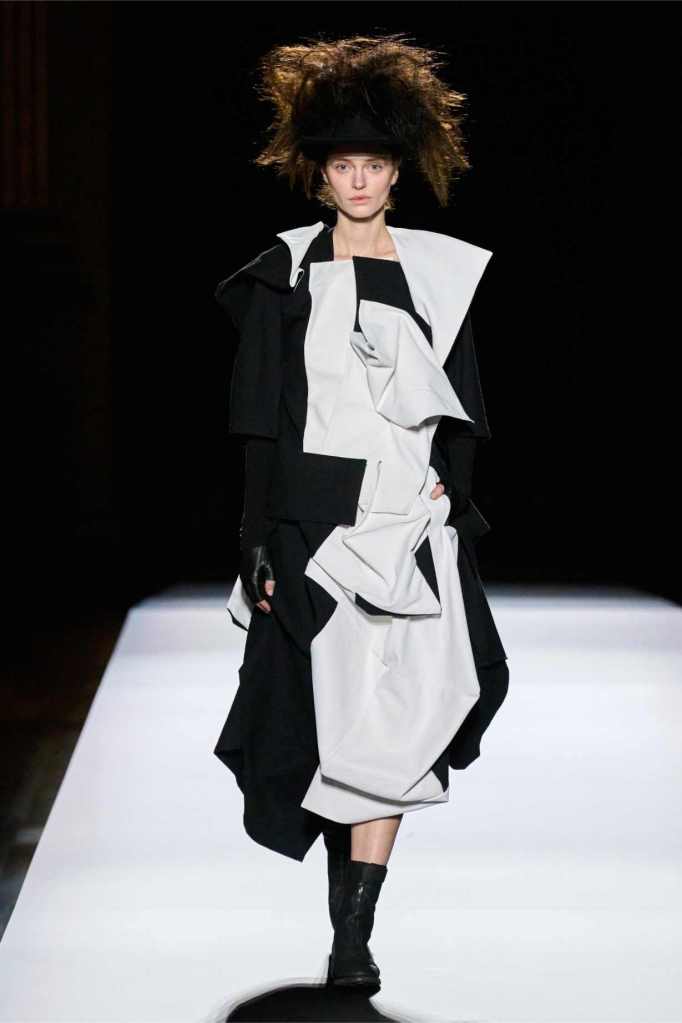
Yohji Yamamoto
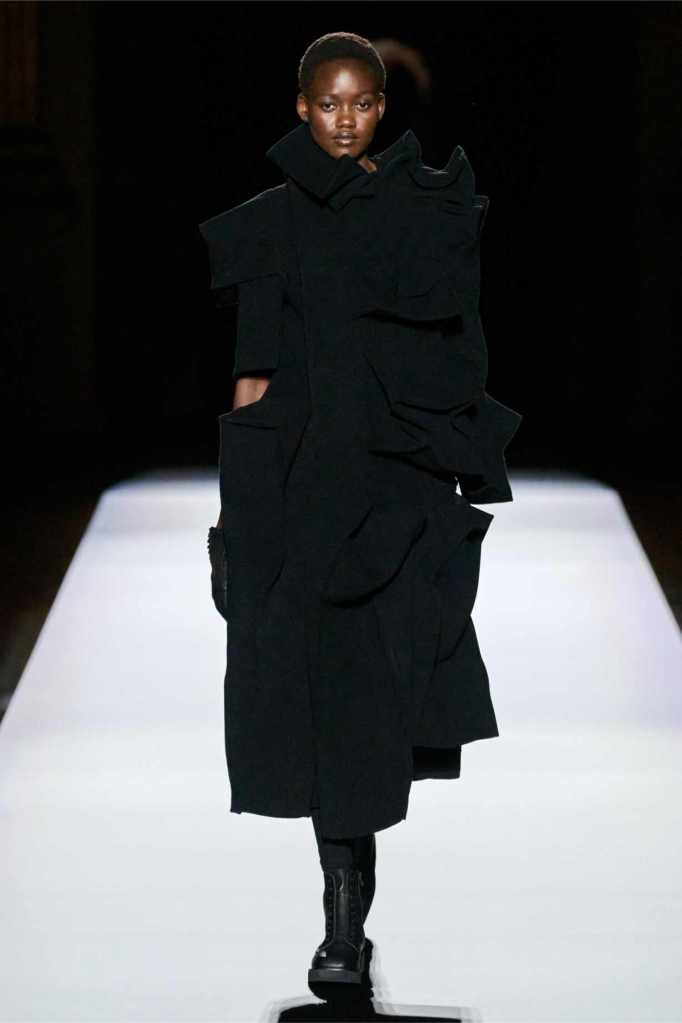
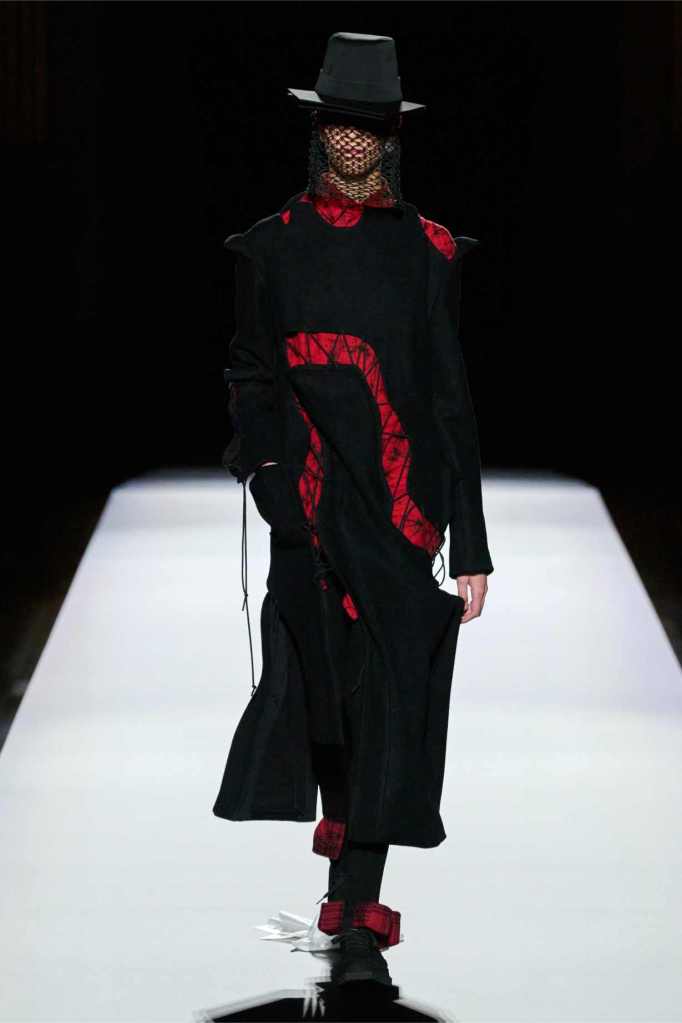
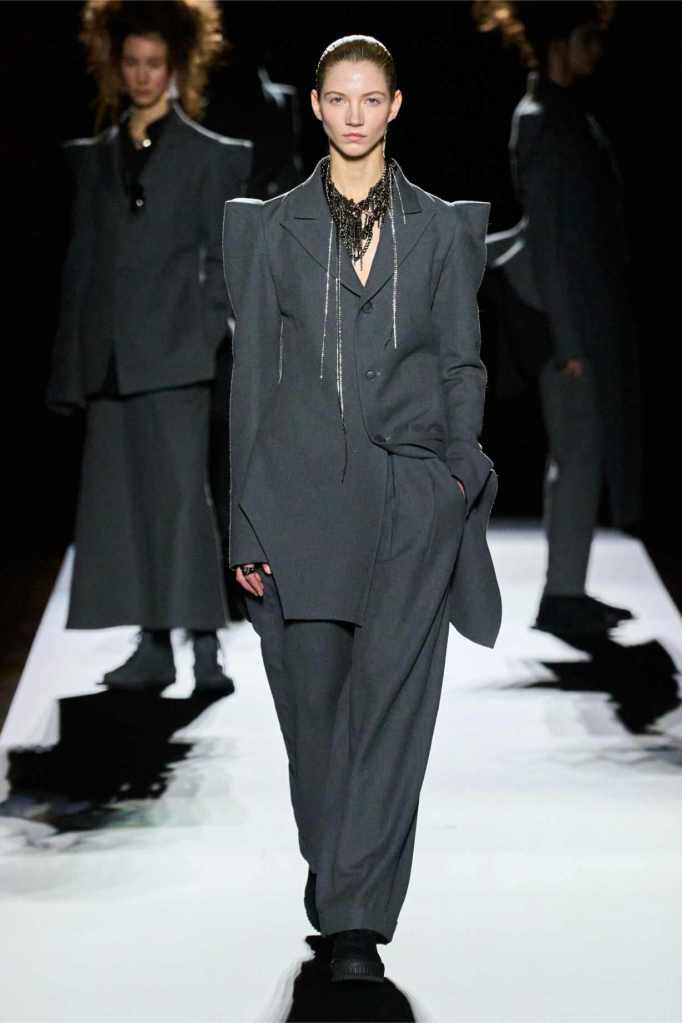
Victoria Beckham: Victoria Beckham takes a deconstructivist approach to familiar tailoring and outerwear. Classic pieces are transformed with unexpected details and cuts, creating a collection that’s both innovative and surprisingly wearable.Highlights include exaggerated shoulders, relaxed trousers, and reimagined tailoring that elongate and sculpt the body. The collection’s playful integration of wardrobe mechanics, such as hanger motifs and detachable collars while Flowing jersey dresses and parachute skirts create a sense of dynamism.
This collection showcases Beckham’s continued growth as a designer. While the collection is impressive, there’s a lingering sense of ambiguity regarding the overall brand direction. This could be intentional, with Beckham keeping things fluid for further exploration. Alternatively, there might be a need for more focus to truly solidify the brand’s unique identity.
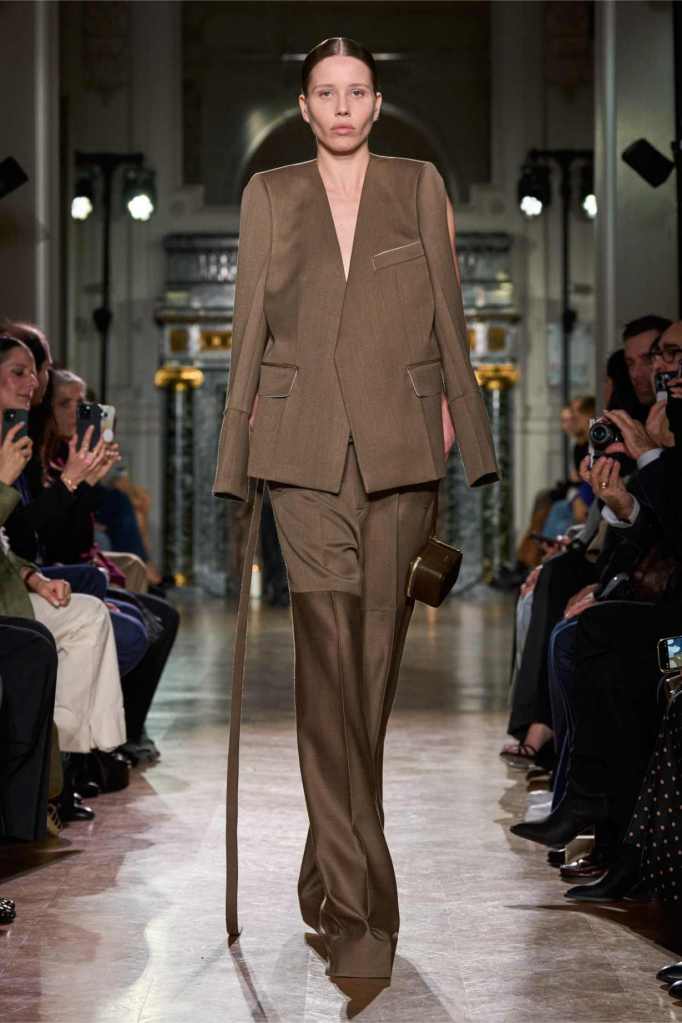
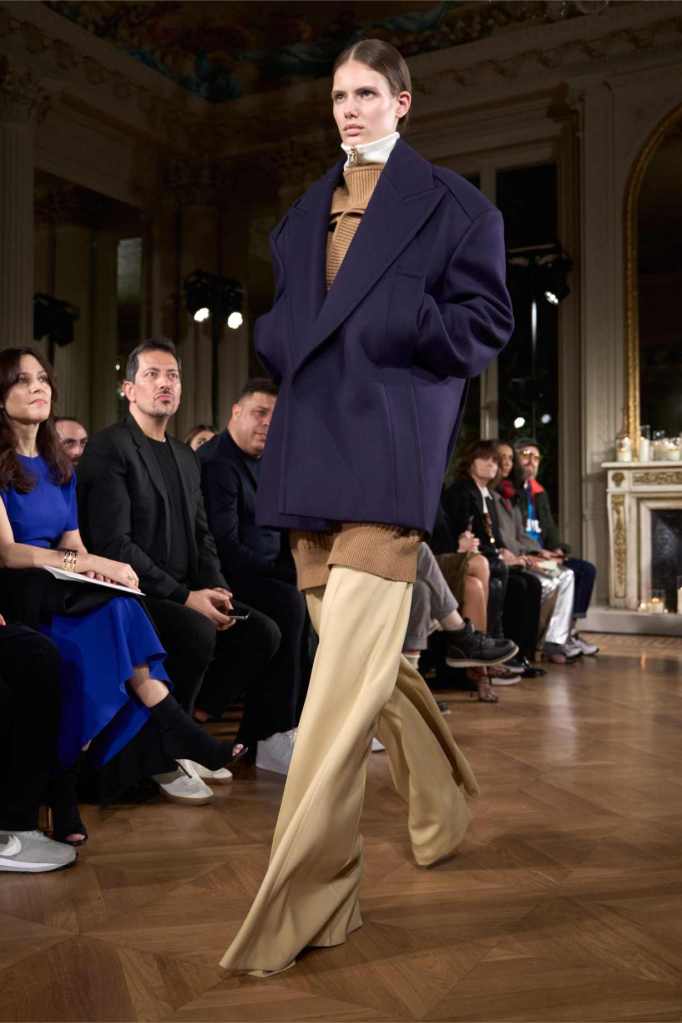
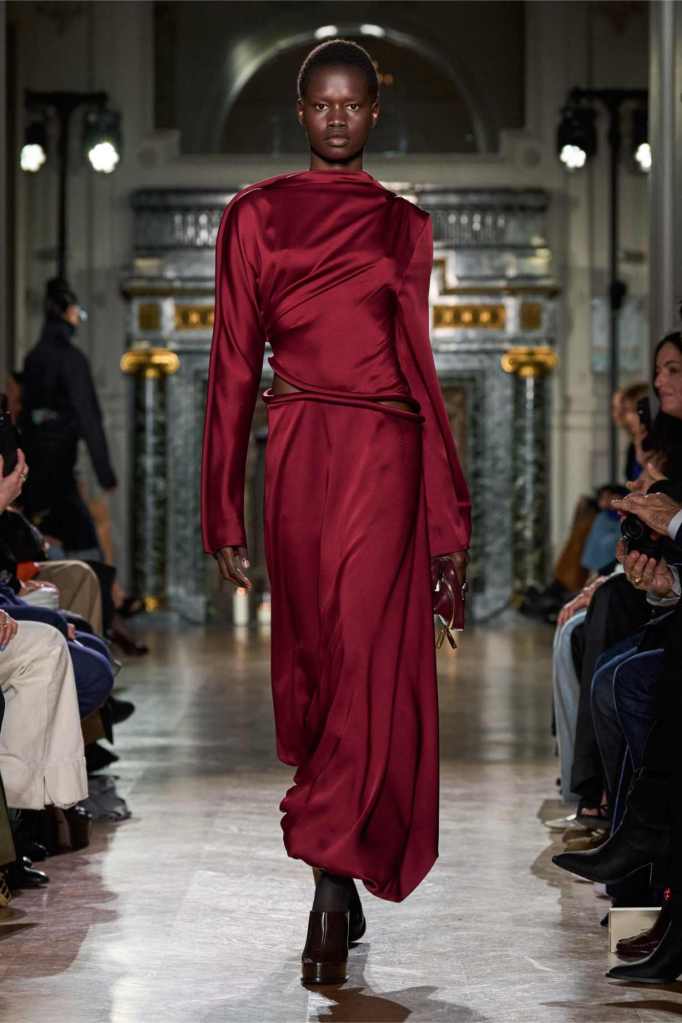
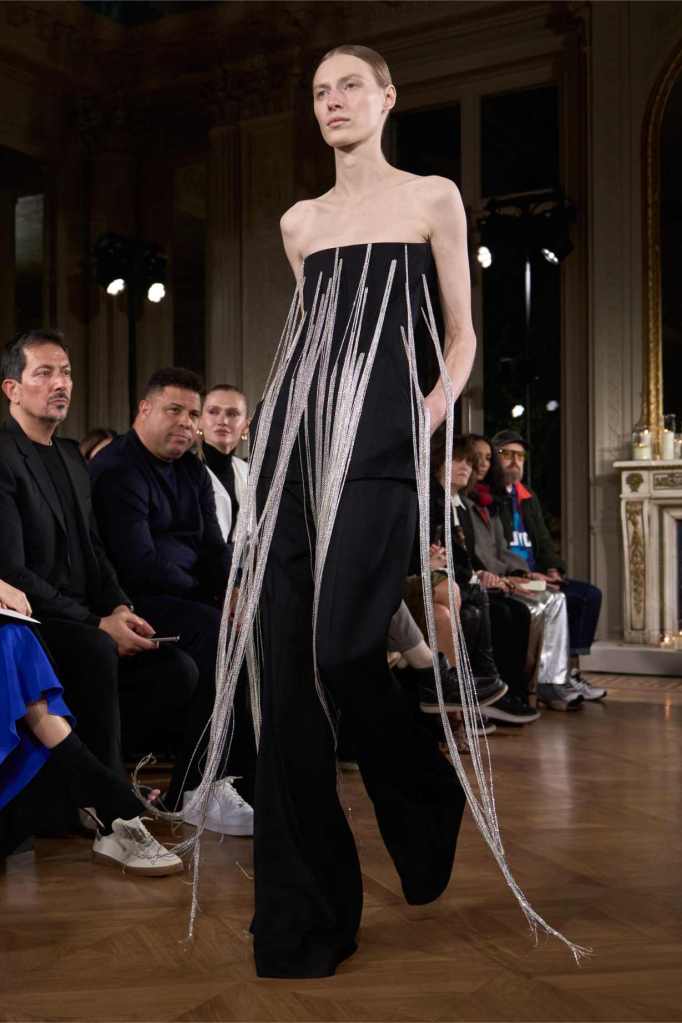
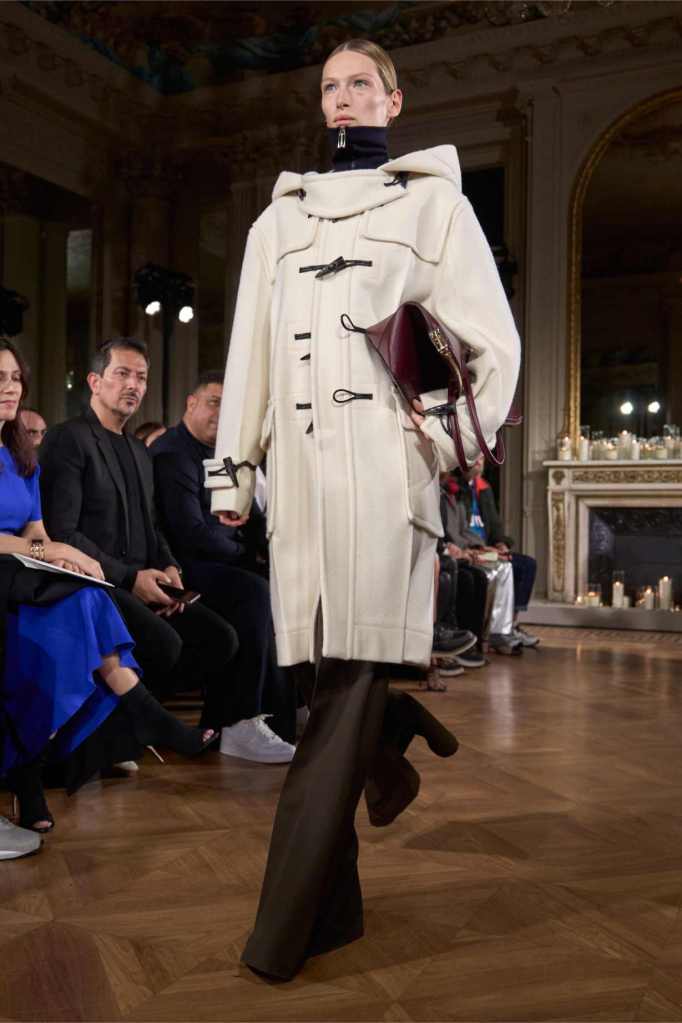

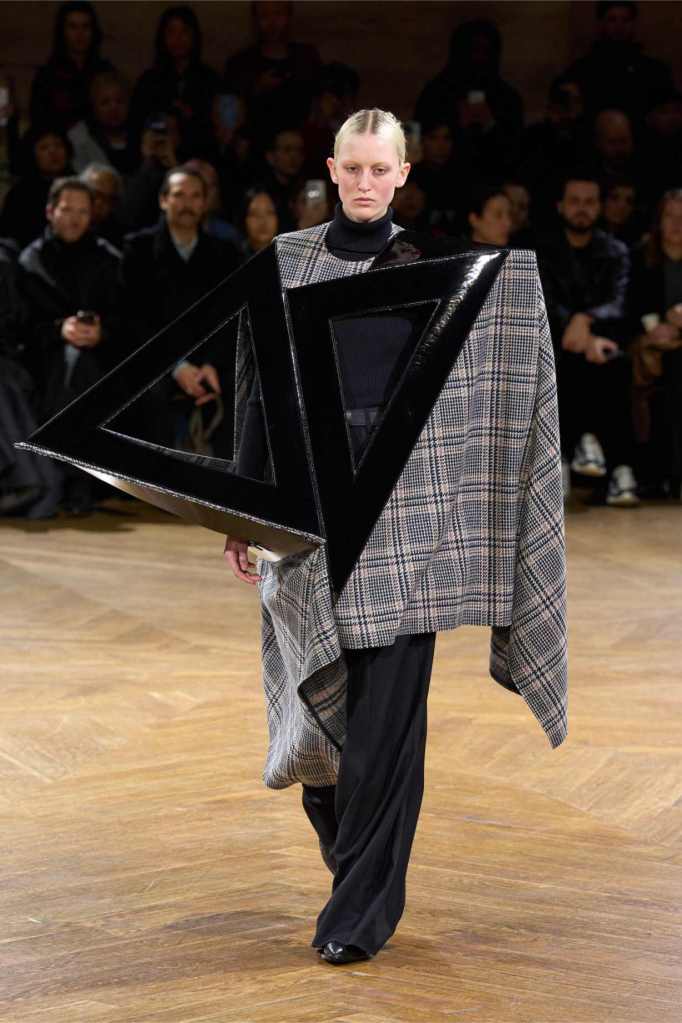
Junya Watanabe: Watanabe’s aim was probably to explore the beauty of the contrast between clothes and sculptures. Traditional suiting was reworked into literal clothing sculptures. Challenging traditional silhouettes, the garments incorporate sculptural elements, transforming them into wearable works of art. Think geometric shapes like pyramids and spheres adorning tailored jackets and dresses. Countless textures bring depth to the collection, from the stiffness of patent leather to the softness of sweaters layered beneath blazers.



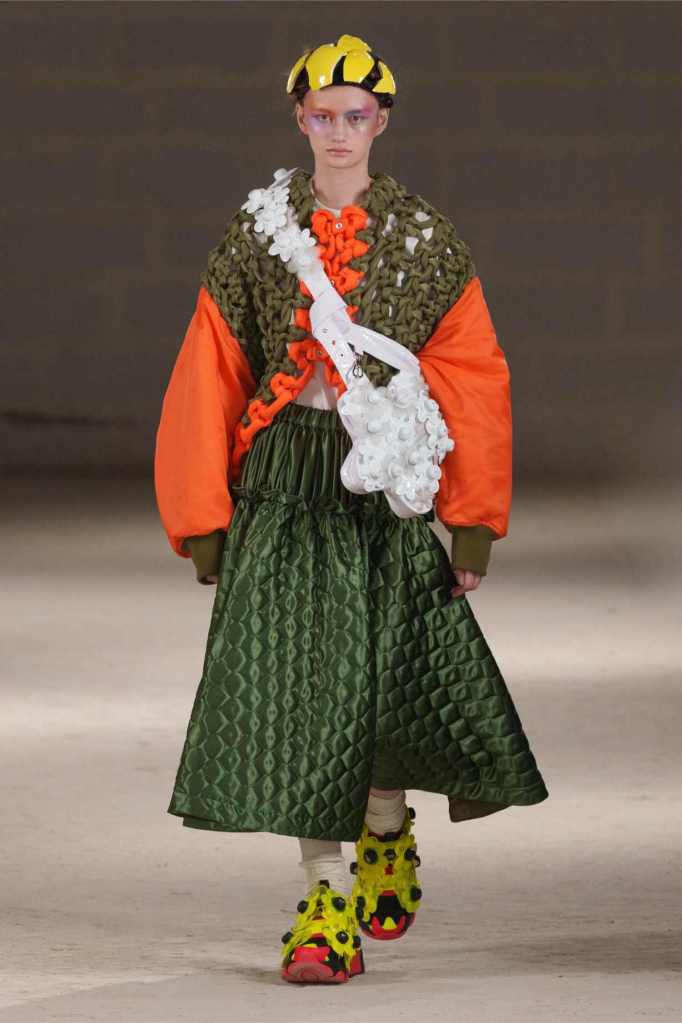
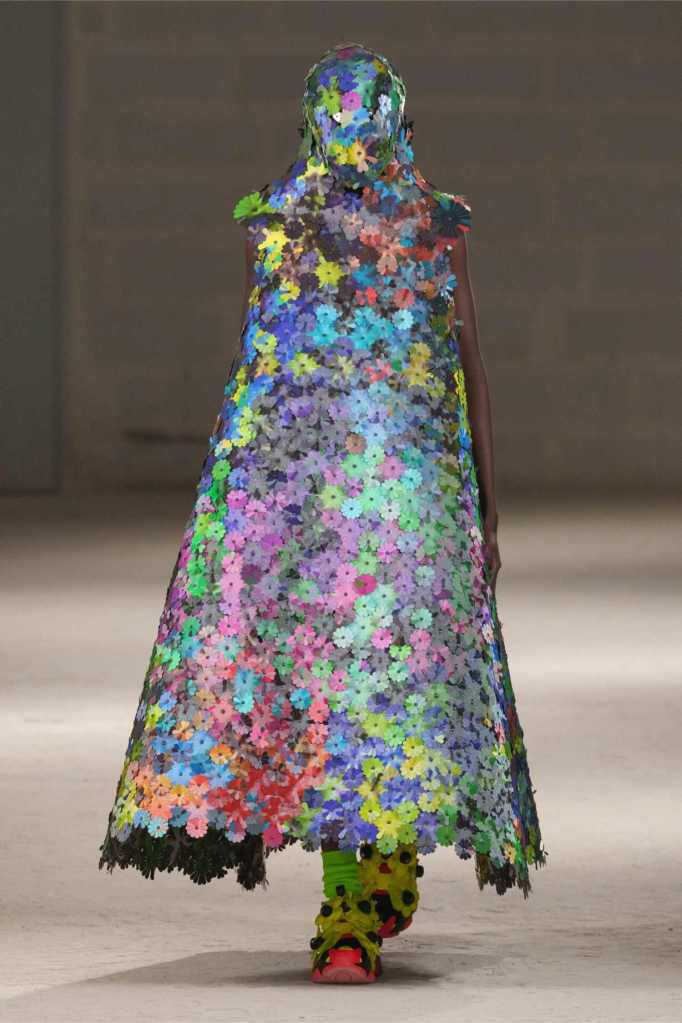
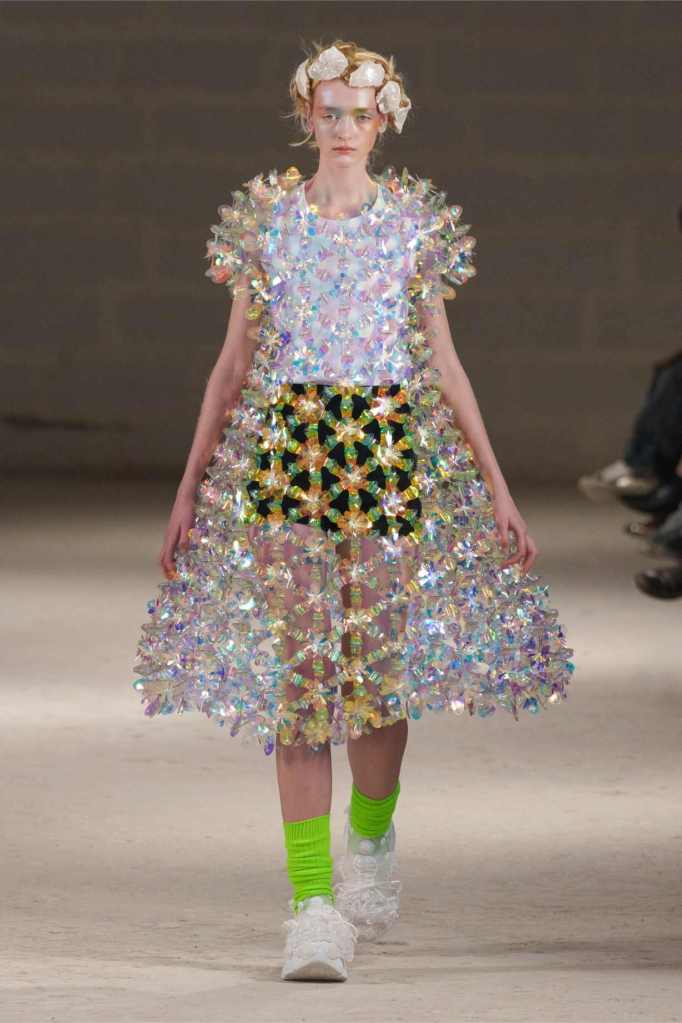
Noir Kei Ninomiya: Noir Kei Ninomiya’s “Iridescence” explores how light interacts with fabric to create a dynamic color palette. The focus goes beyond spectacle, with thoughtful use of textures and shimmering materials. Even the Reebok collaboration sneaker reflects the iridescence concept.This is a show that delights the senses.Almost sugary sweet, this collection is a rarity for the designer, offering a lot to take in and enjoy.

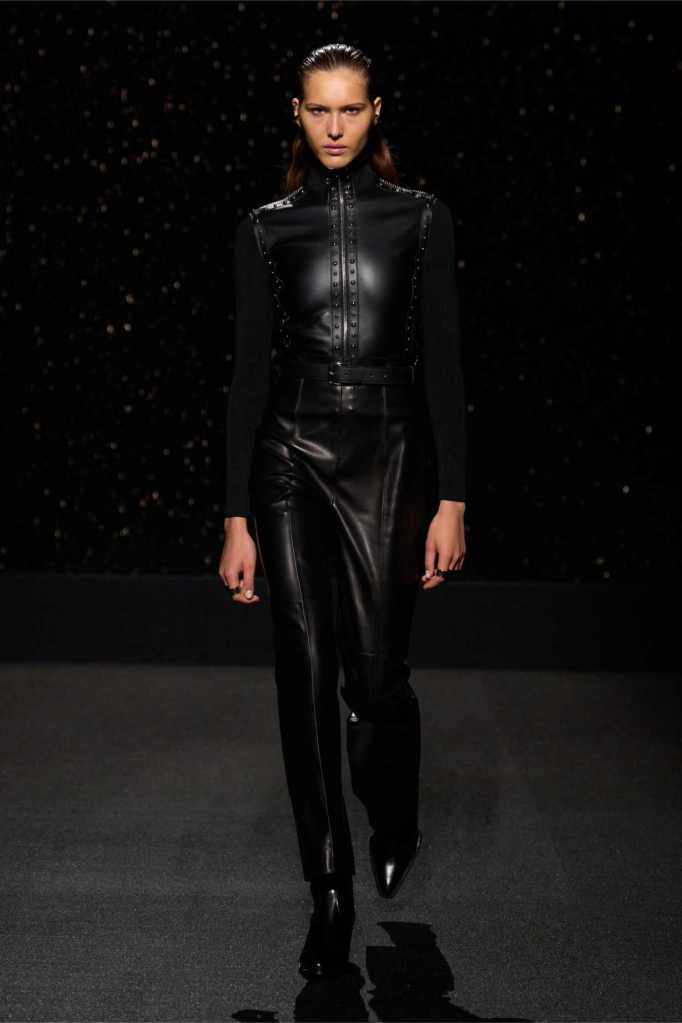
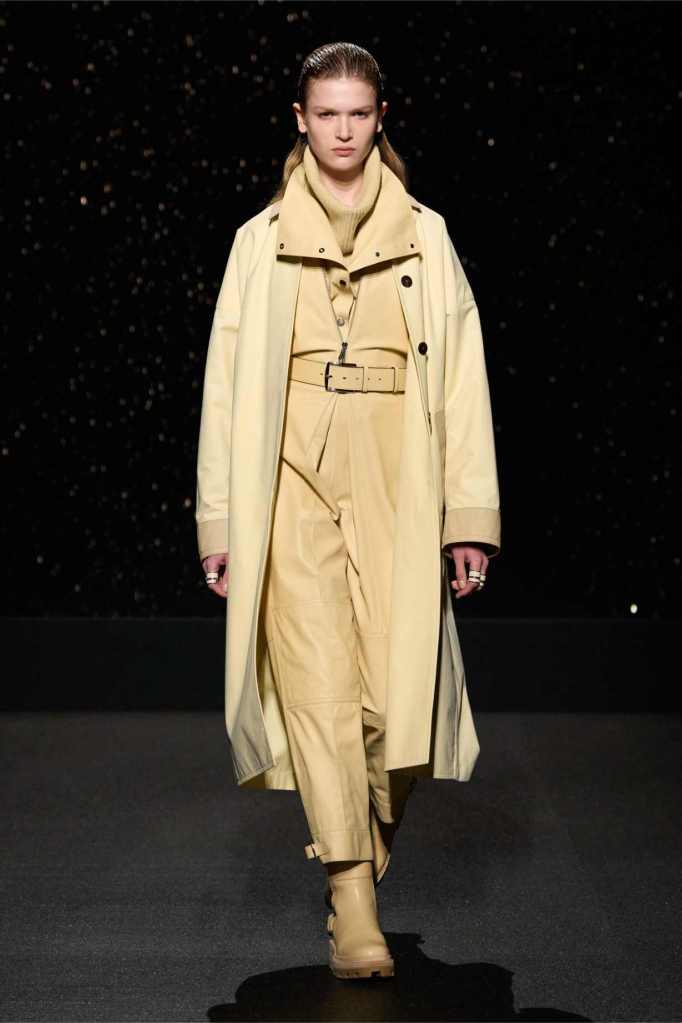
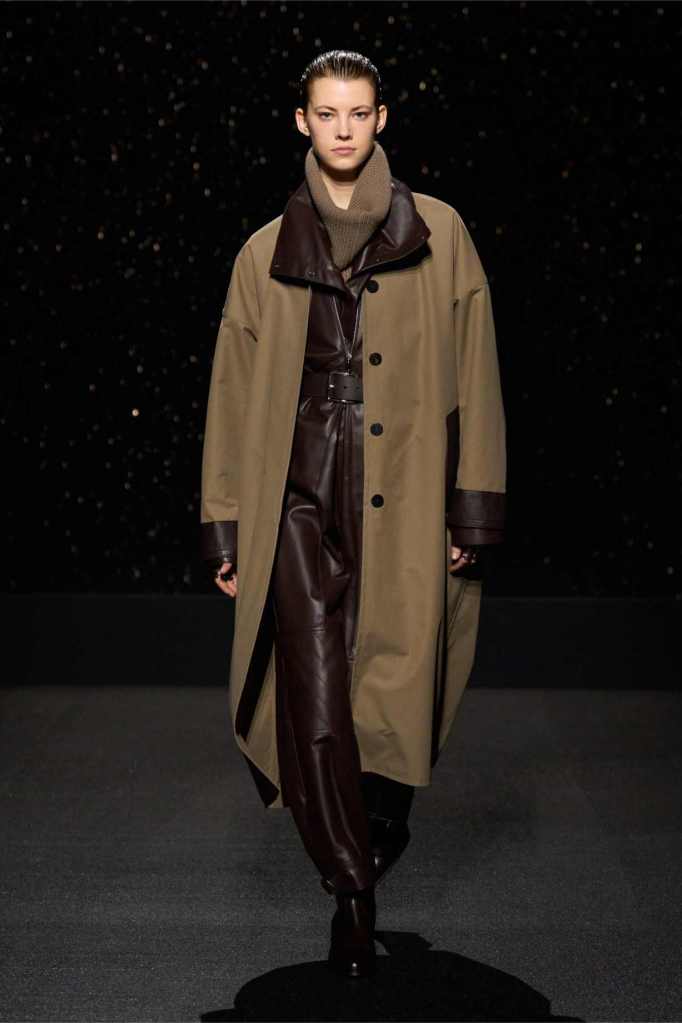
Hermès: This collection channels urban cool, reimagining equestrian staples for the modern city dweller. Shiny leathers, studded details, and zip accents redefine outerwear, while jodhpurs and tailored jackets nod to the brand’s heritage. A captivating rain effect on the runway reflects the collection’s practicality – water-resistant leathers ensure all-weather style. Accessories like the iconic Kelly and Birkin bags, adorned with metal and leather accents, completed the looks. Earthy tones and pops of red create a sophisticated yet bold statement. This is a collection for the woman on the go in both comfort and confidence.
This is a collection of investment pieces – clothes crafted from luxurious, long-lasting fabrics with impeccable textures. Standout pieces included a fitted bomber jacket, biker-inspired jumpsuit, and shearling-trimmed coats. These are clothes one would actually wear for a long time, versatile enough to be styled up or down.



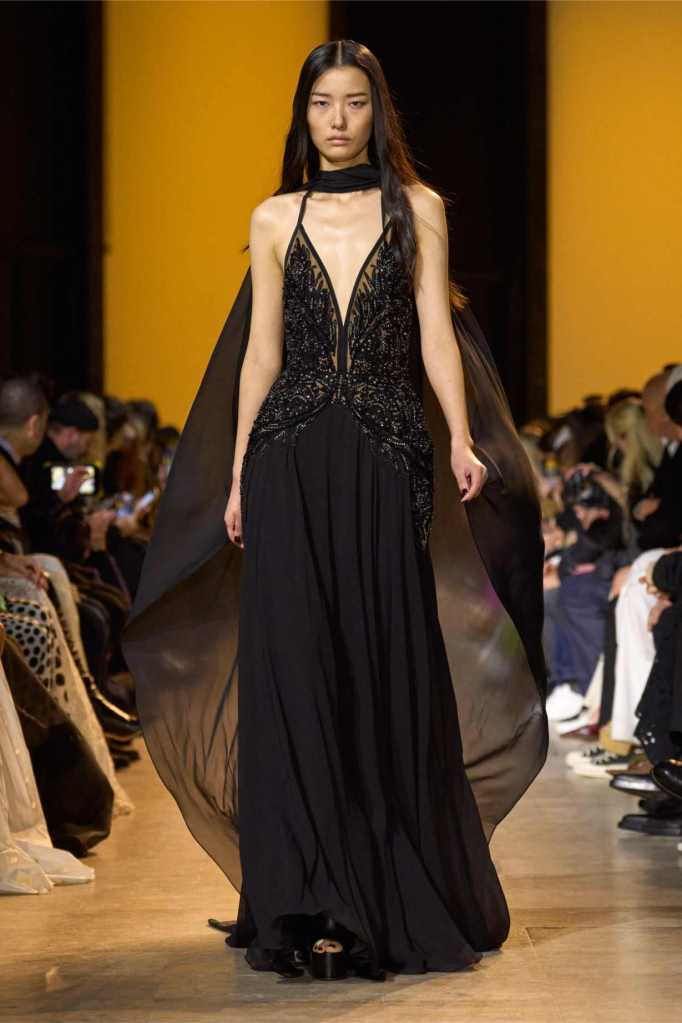
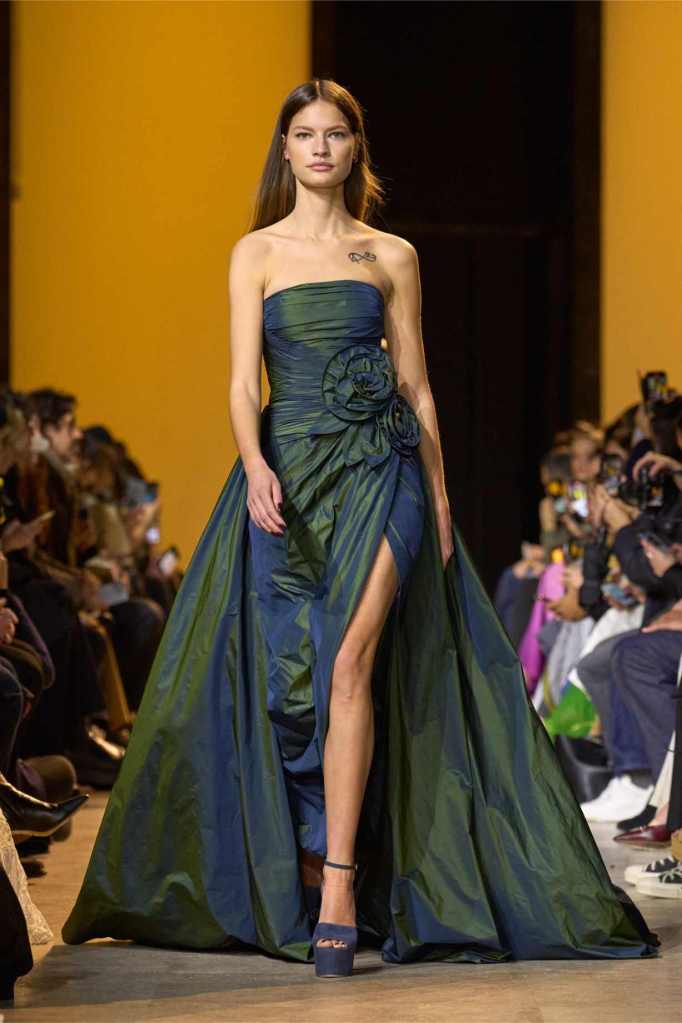
Elie Saab: Elie Saab’s “Melodies of Graceland” collection blends daywear and evening elegance, inspired by Memphis and Priscilla Presley’s style. Daywear features dark denim with embroidered monograms, bolero vests, and sheer blouses. The collection transitioned seamlessly from country and rock to hard rock and disco. Asymmetrical amethyst gowns with subtle cape shoulders added swish. Saab’s red carpet-ready looks dazzled in monochrome with intricate floral embroidery, while oversized rose appliques adorned collars and shoulders on coats and capes, adding volume and drama.
The daywear is powerful and makes a statement with its clean and straightforward designs. The collection features a wide range of colors that are diverse yet harmoniously blend together. The eveningwear showcases a significant range, which is undoubtedly the designer’s strength. Overall, it’s a well-rounded and comprehensive collection that covers all bases.



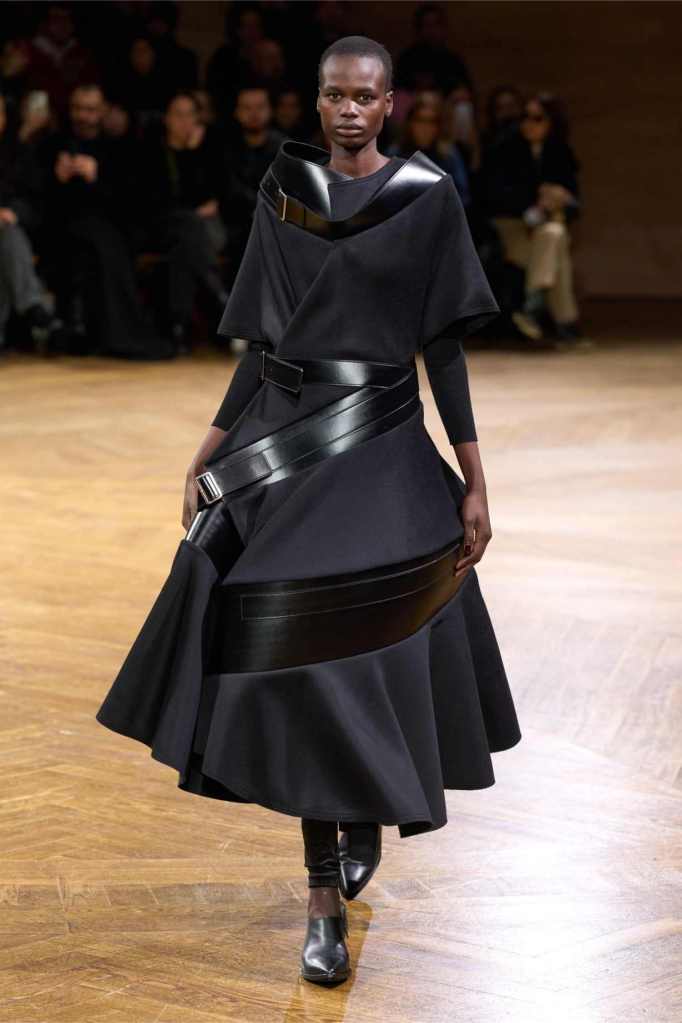
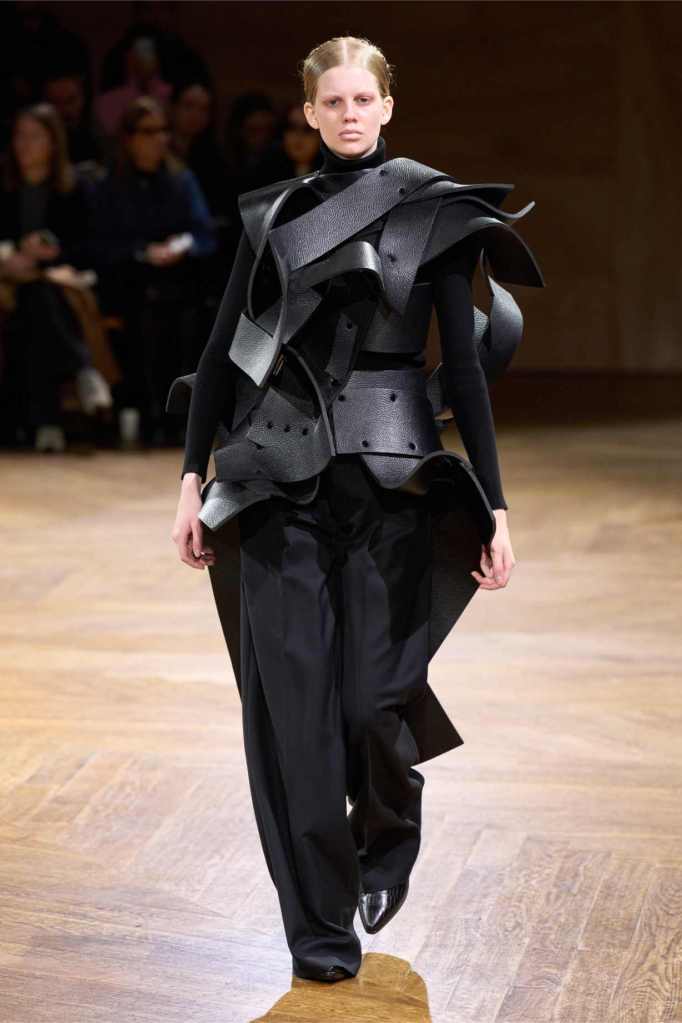
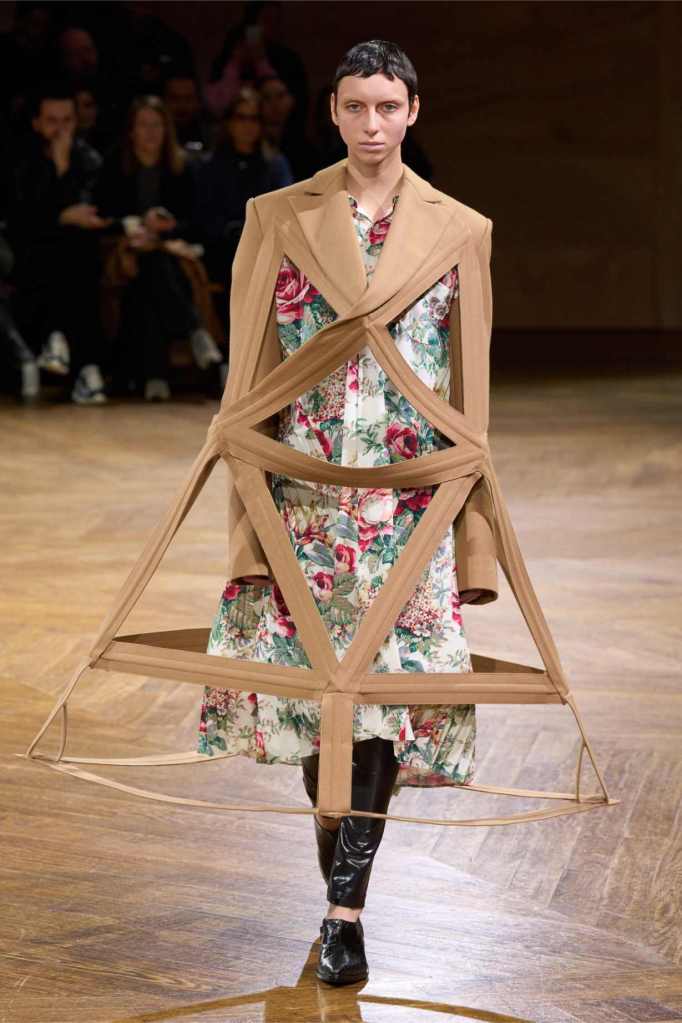
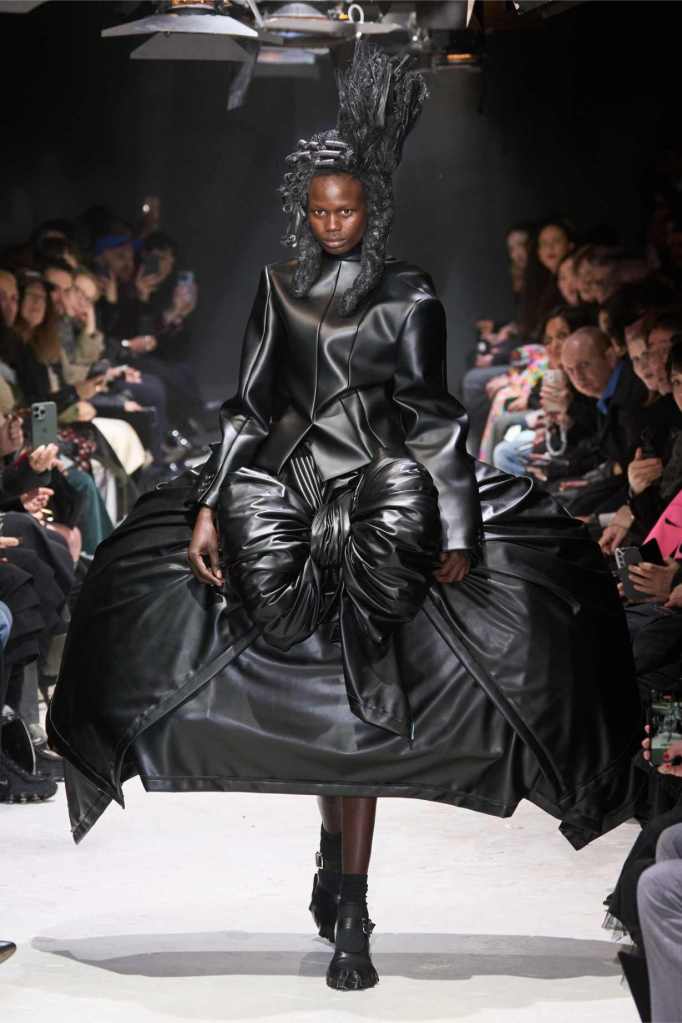
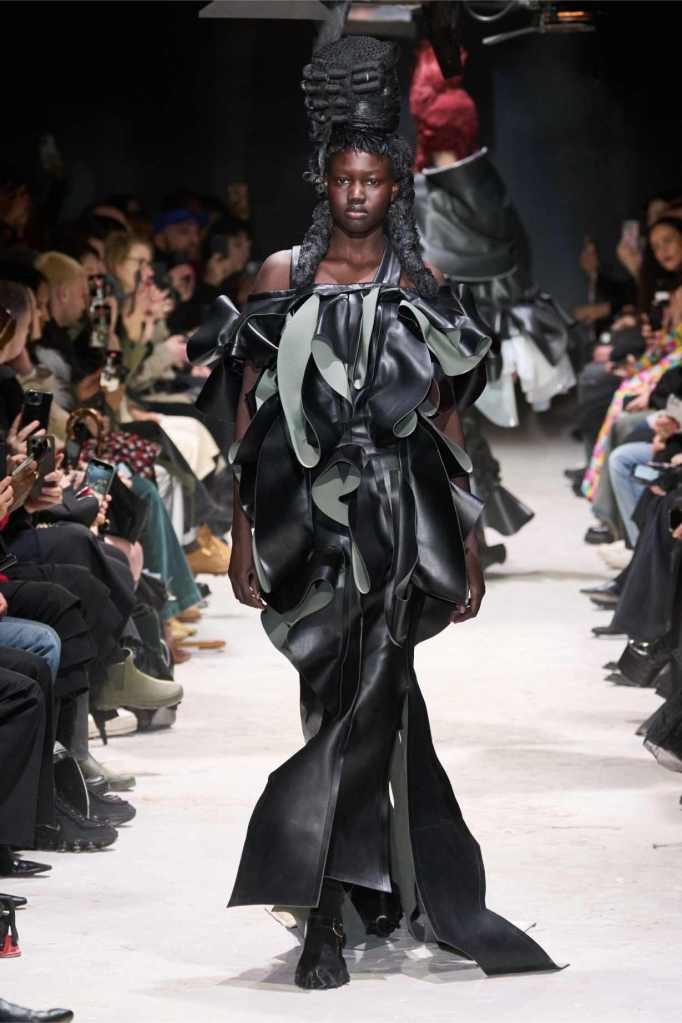
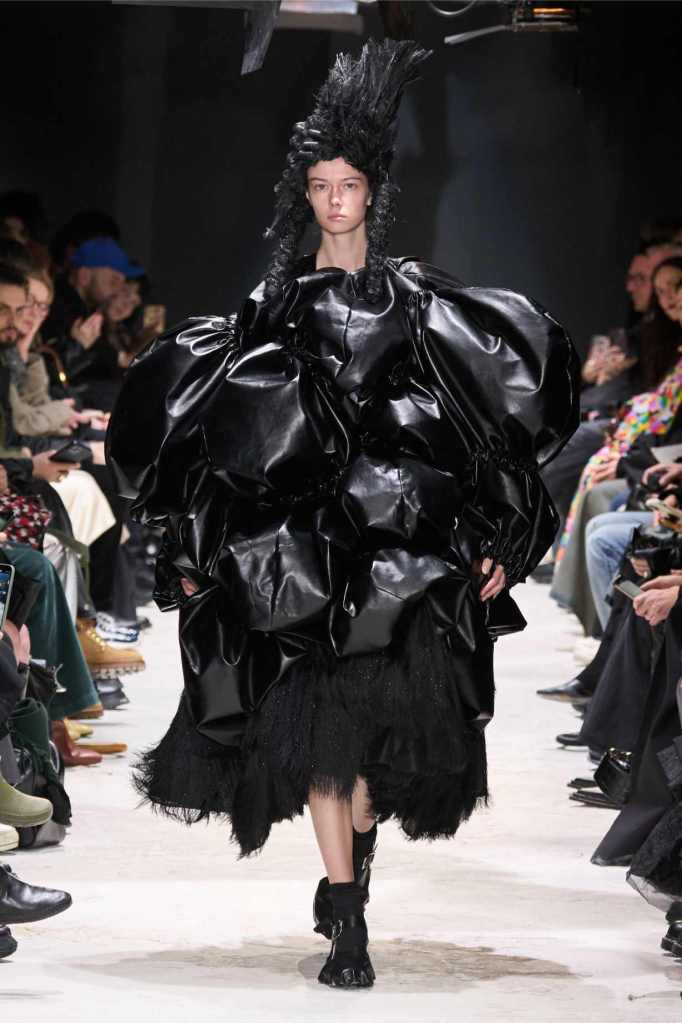
Comme des Garçons: Titled simply “Anger,” the show presented a monochromatic world of black leather, a stark contrast to the playful explosions of color seen last season. Kawakubo’s signature avant-garde flair remains, yet an intentional disarray imbues the pieces with raw appeal. Pannier skirts and pompadour wigs nod to Marie Antoinette, adding a historical layer to the collection’s narrative. Each garment bears signs of haste and imperfection, from rough pleats to visible chalk markings, embodying a deliberate irony.
The collection is a powerful exploration of emotion, showcasing Kawakubo’s masterful use of volume and form, all channeled through the lens of her current state of mind. Kawakubo’s dramatic leather-laden proportions take control of the narrative, emphasizing her mastery of texture and silhouette. Black, a perennial favourite, is wielded with precision, embodying resistance and a haunting confidence that speaks volumes about the designer’s vision.



Alexander Mcqueen: Seán McGirr’s debut collection for Alexander McQueen is a bold and eclectic mix, characterized by rough opulence and playful aggression. Showcased on a rainy Paris night, McGirr’s designs include massive tubular sweaters, shield-like dresses, and leather trench coats wrapped around ankles. The collection nods to McQueen’s infamous Birds collection and features sculptural, armor-esque dresses alongside wearable options like studded leather jackets and pinstripe suits. Alexander McQueen’s new collection by Seán McGirr is a mix of ideas. It references the label’s history but also shows McGirr’s own design influences.
However, the energy felt overly masculine and the presentation was somewhat confusing and lacking in cohesion, reminiscent of a graduate collection. There was a notable lack of drama and elegance typically associated with McQueen. Despite this, the highlight was the furry tubular mega turtleneck style tops, which stood out in an otherwise inconsistent lineup.

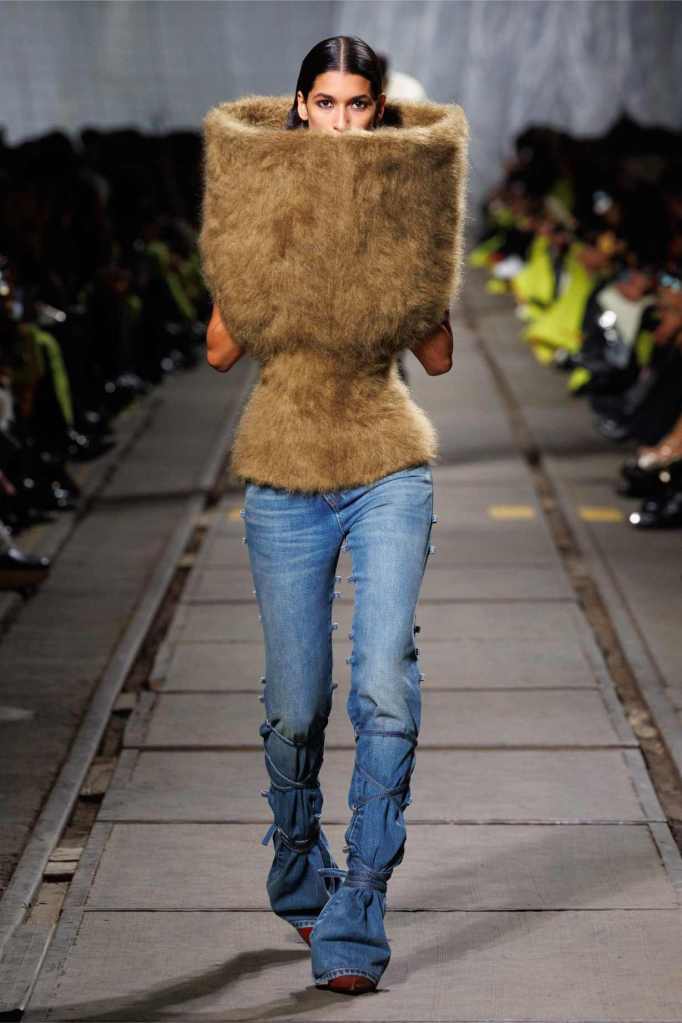


Balenciaga
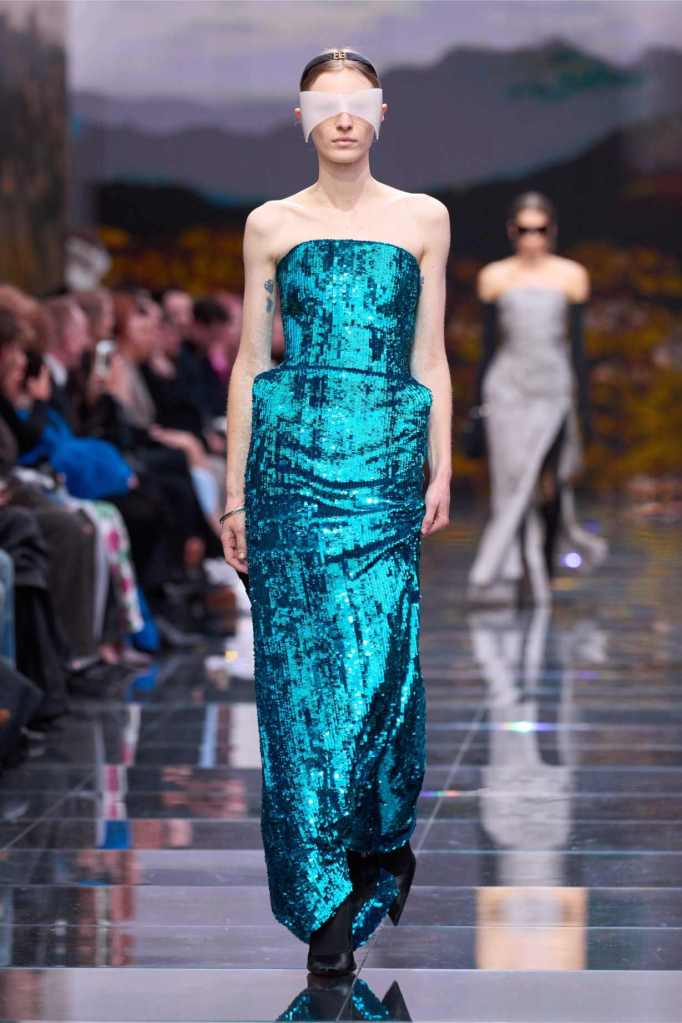
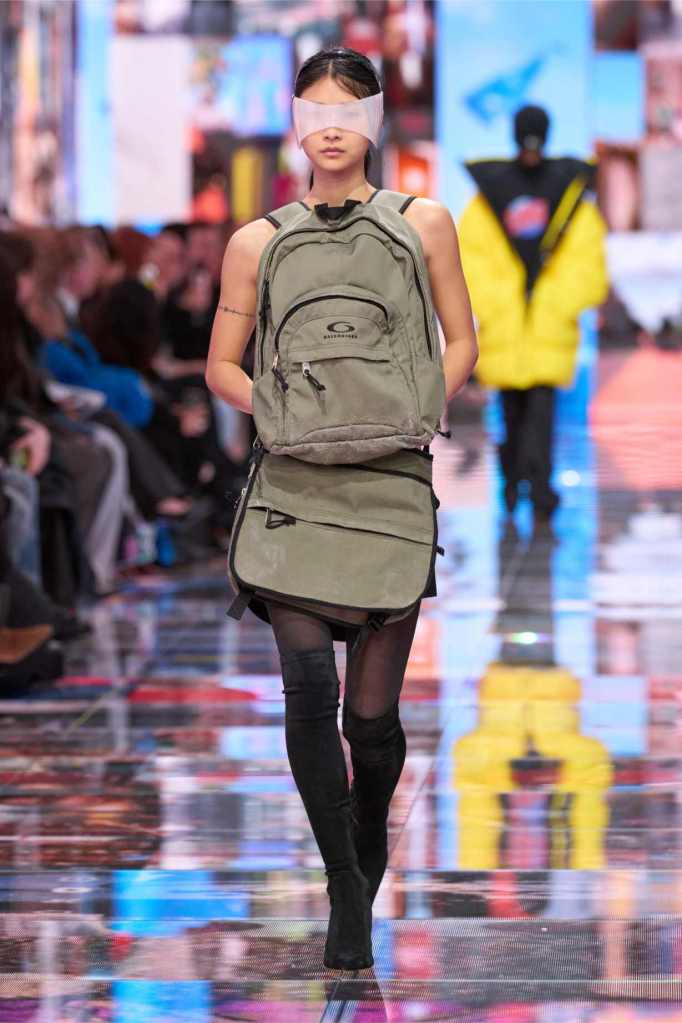

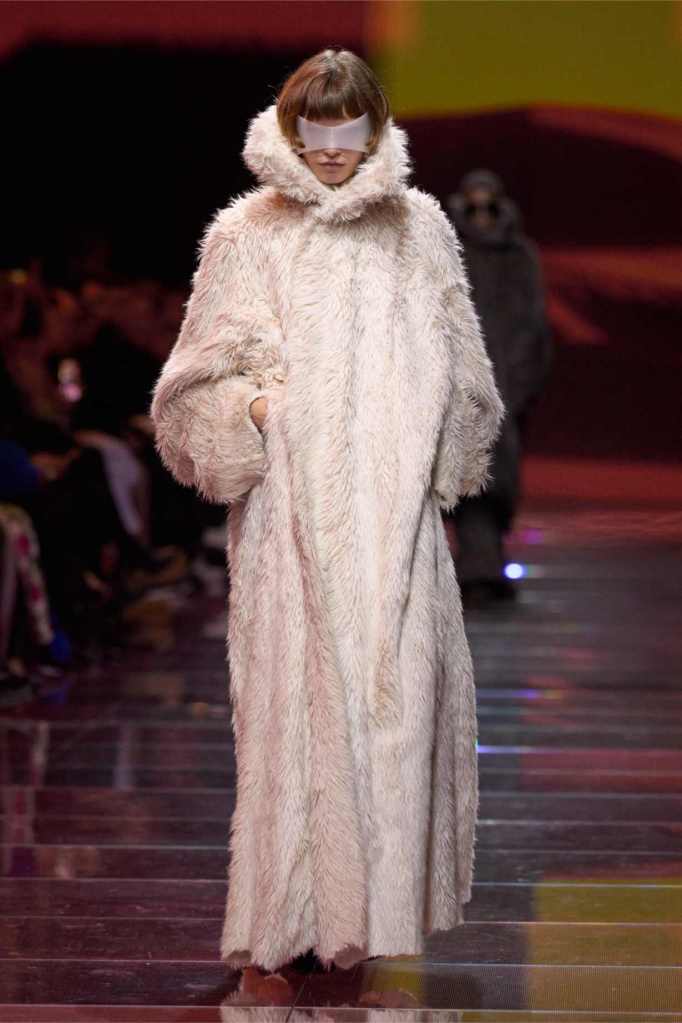


Duran Lantink: Aptly named ‘DURAN-SKI,’ showcases the designer’s evolution while staying true to his avant-garde ethos. Set against the backdrop of Palais de Tokyo during Paris Fashion Week, the collection reimagines winter essentials with a twist of surrealism and conscious sourcing.
Lantink’s exploration of shape and form is evident throughout, with exaggerated proportions and innovative techniques stealing the spotlight. From padded sweater dresses to cropped jackets, each piece exudes strength and humor, underlined by the designer’s commitment to sustainability. The collection showcases a harmonious blend of rich, wintry hues like wine-red, navy, and earthy tones, adding depth and sophistication to each piece.
Collaborations with Knitwear Lab bring to life shoulder-bulging bodysuits and spliced spencers, while vintage pieces from Loewe and Margiela inspire new shapes like sloping leather bombers. With its bold shapes, luxurious fabrics, and sustainable ethos, the collection is sure to resonate with fashion-forward consumers looking for something truly unique.
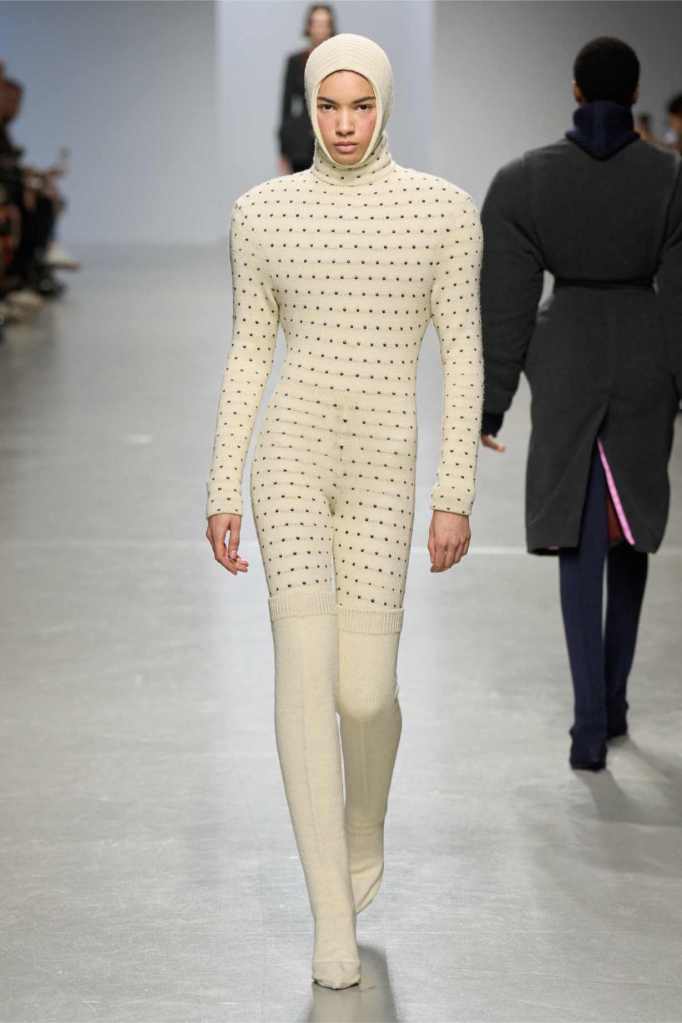

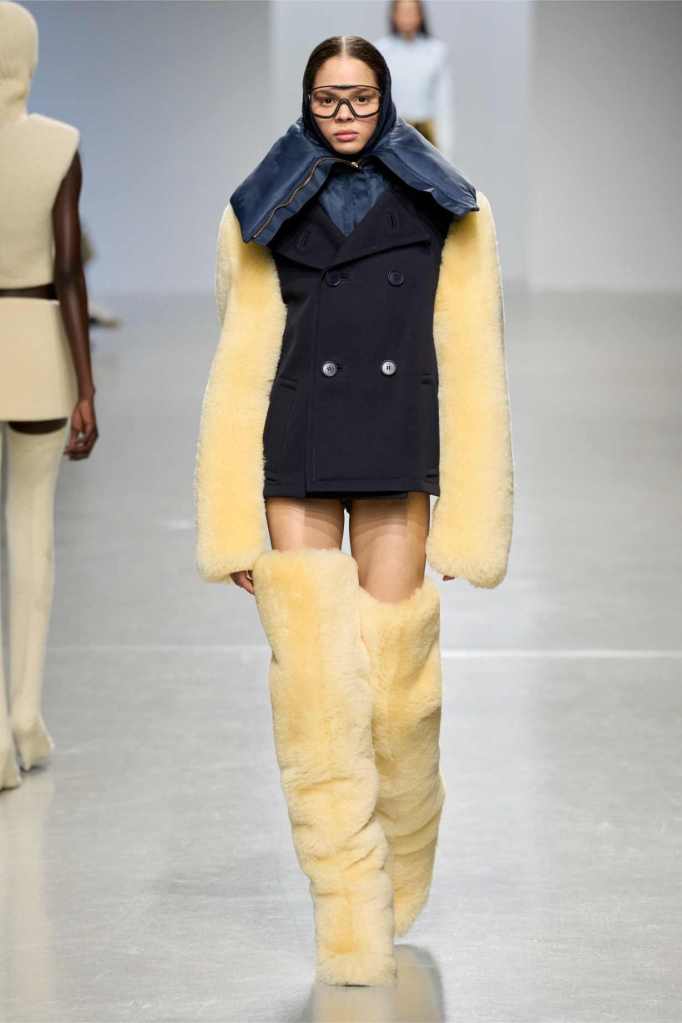
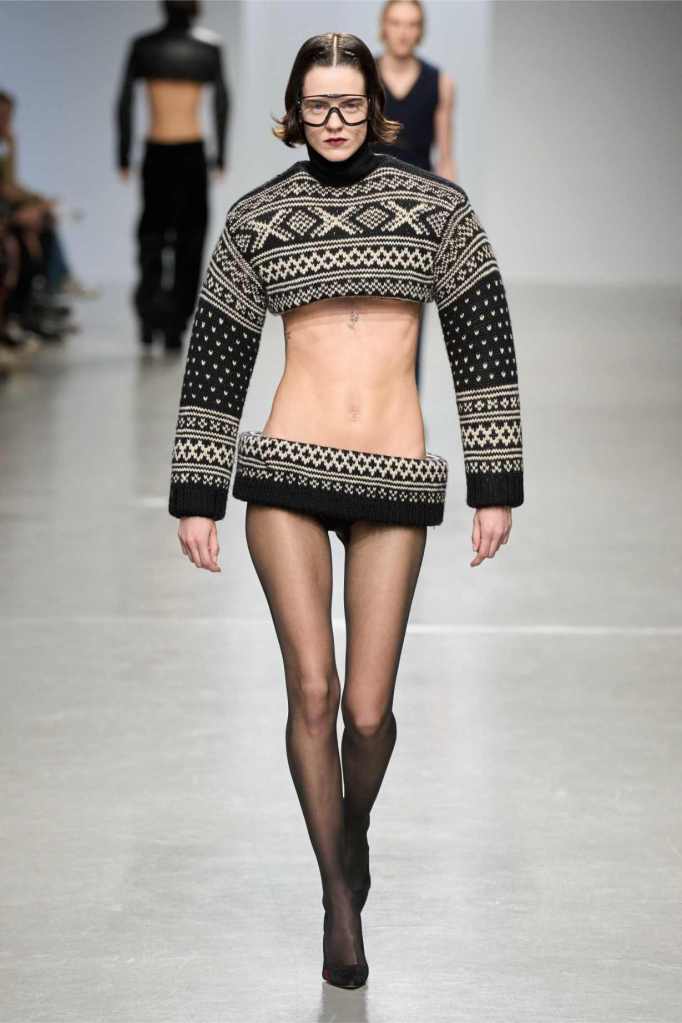
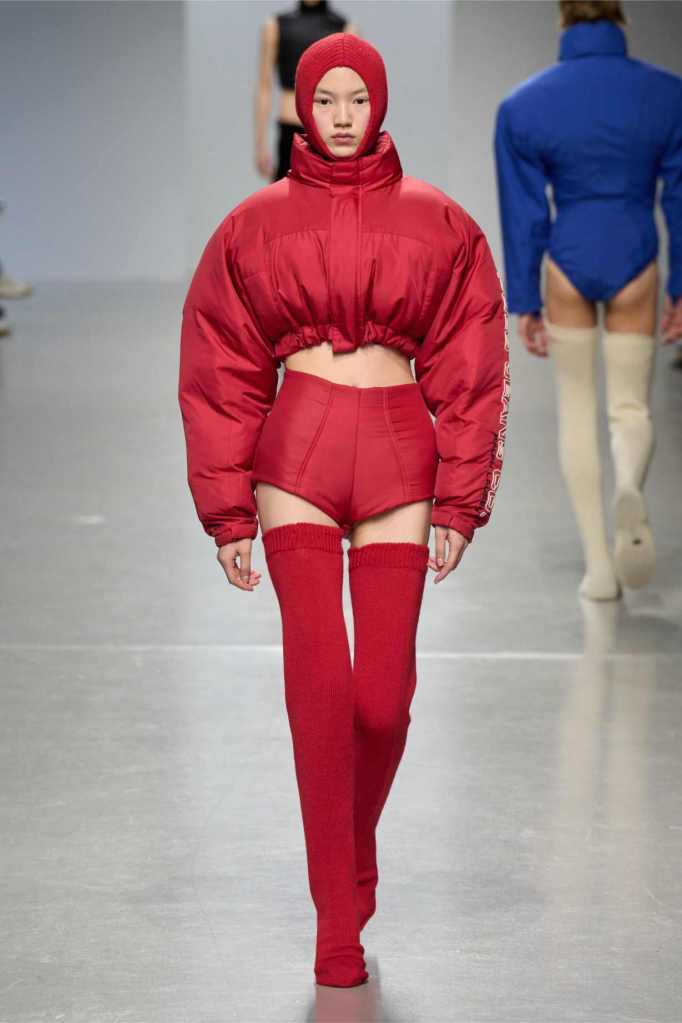

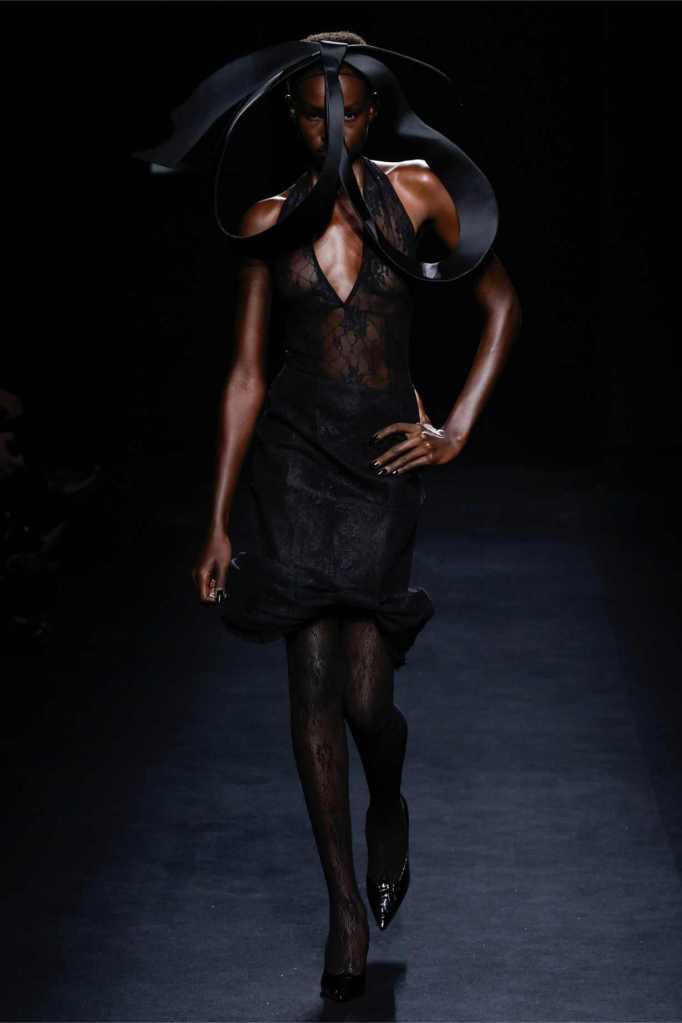
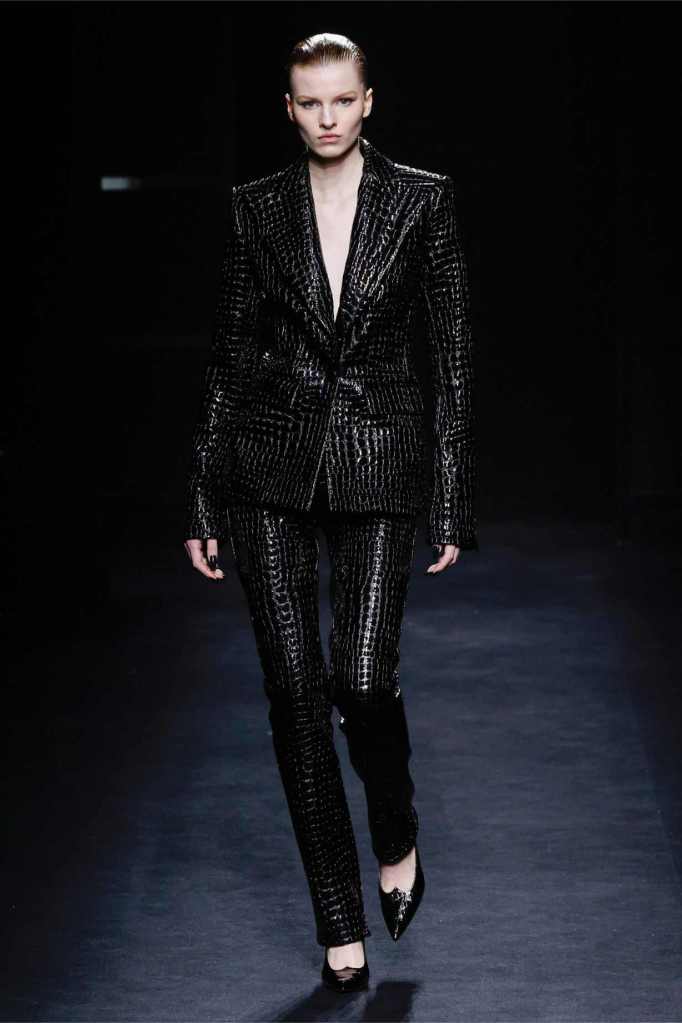
Valentino: Entitled “Le Noir,” the collection explored black in all its variations, showcasing intricate textures, silhouettes, and embellishments. Classic Valentino elements like lace, ruffles, and rosettes adorned black dresses, while tailoring took center stage in sharp coats and blazers. Though monochromatic, the collection offered a range of styles, from romantic gowns to casual suiting. Piccioli’s use of black transforms the hue from a mere absence of color to a rich canvas, allowing the intricacies of each garment to shine through. Valentino embraces a minimalist approach, focusing on the interplay between fabric and form. The all-black approach could be seen as a commercially sound decision. Black remains a timeless and universally flattering color, appealing to a broad range of customers. Seemed like a safe bet.


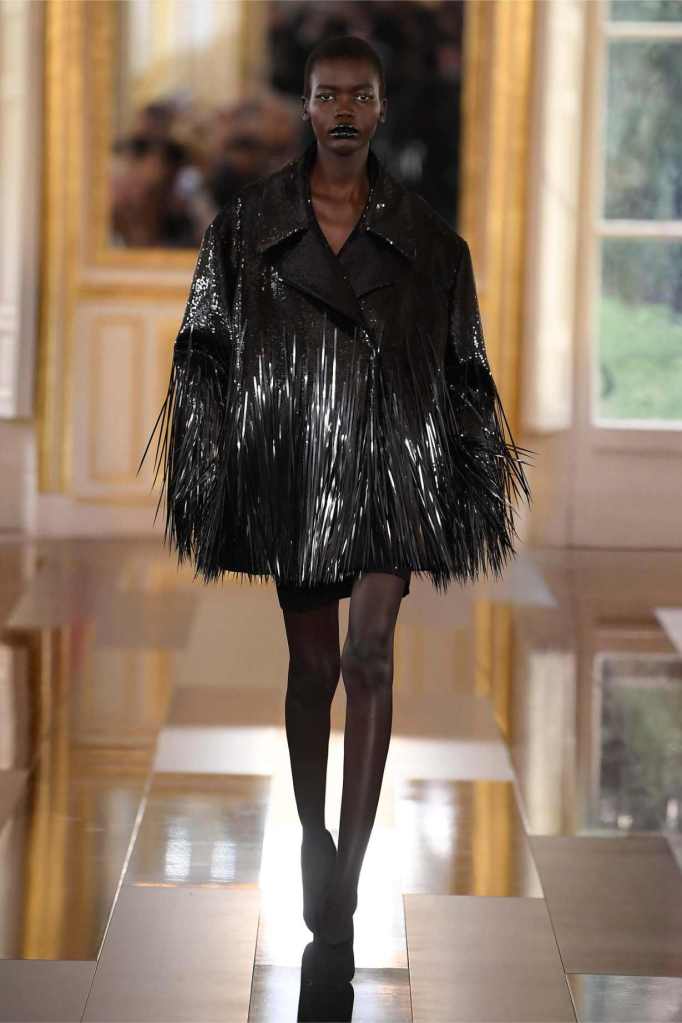


Ottolinger: Ottolinger showcases a shift towards a more polished aesthetic. Cosima Gadient and Christa Bösch seamlessly blend Ottolinger’s distinct silhouettes with tailored elements like button-downs and suiting, while championing age-positive and body-positive casting. The incorporation of furs and tweed adds sophistication, elevating the brand’s appeal. Gadient underscores the collection’s empowerment narrative, presenting it as a protective yet non-aggressive shell. While Ottolinger maintains its signature knits and loungewear, the true progression lies in its tailored offerings, introducing new dimensions with peacoat hybrids and whimsical designs. The collection, while well-executed, didn’t resonate with me.


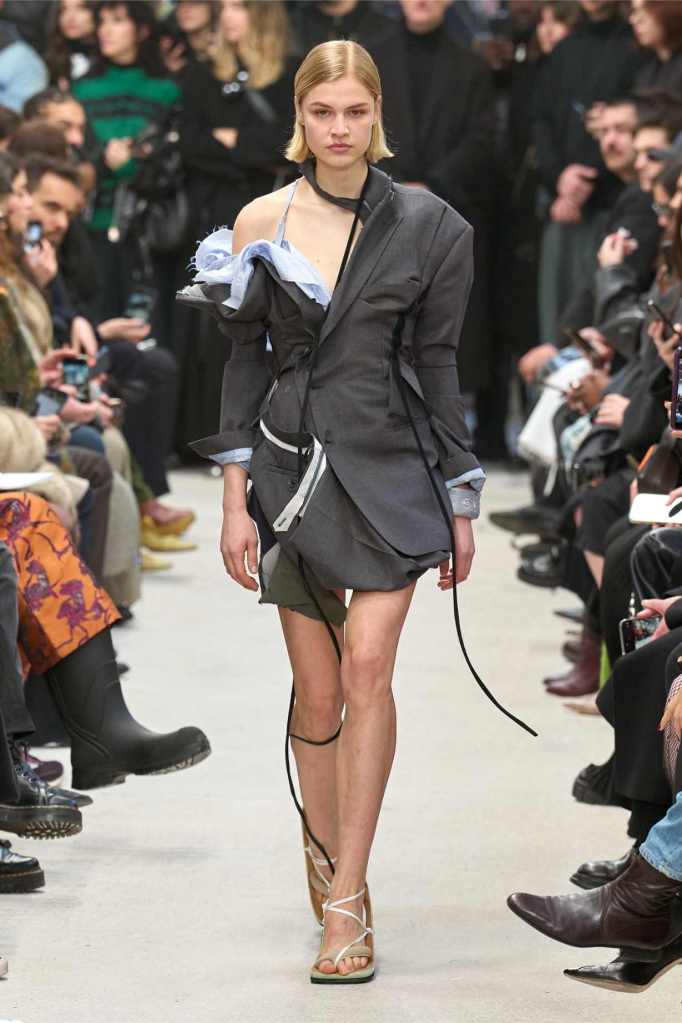
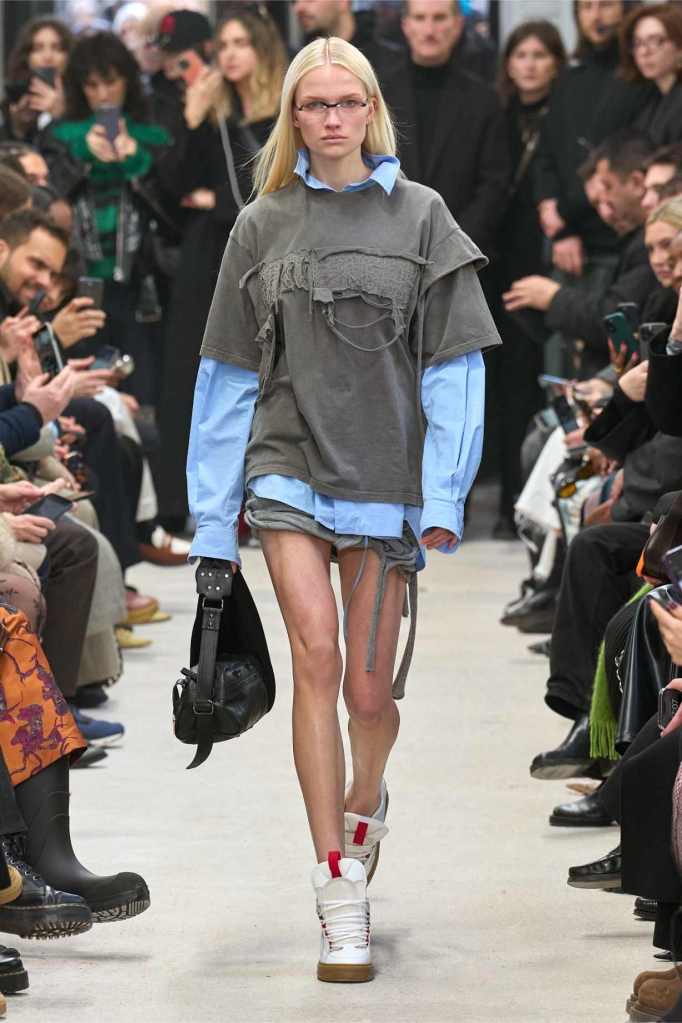

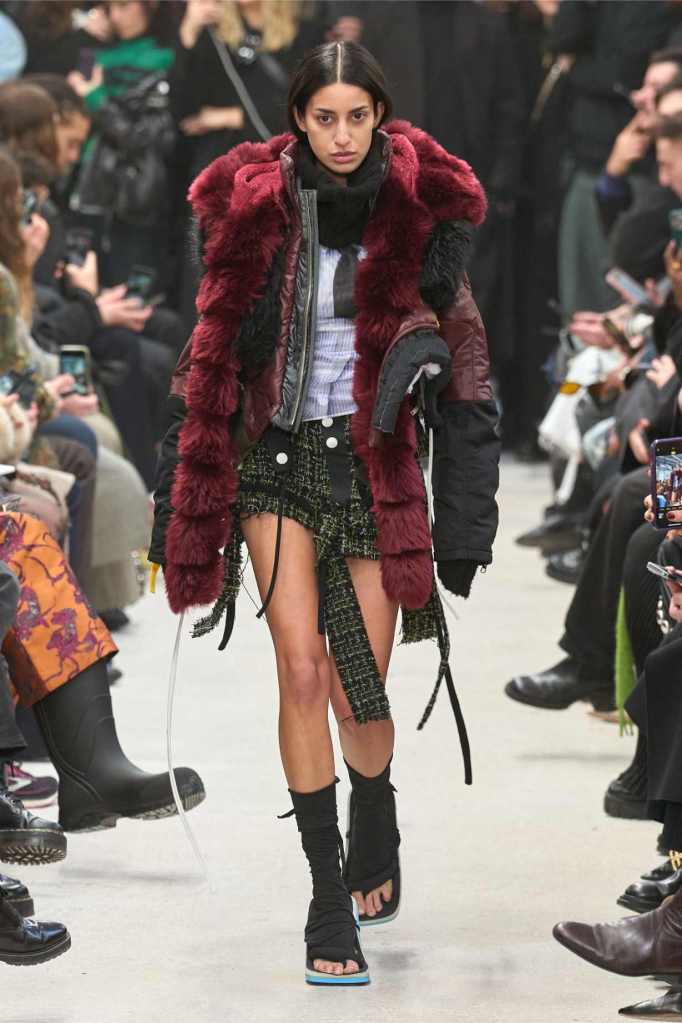
Mugler: Casey Cadwallader’s Mugler was presented in three acts, paying homage to the brand’s theatrical history. The collection featured archive-inspired ensembles, sheer dresses, fringe gowns, and leather pieces. The show incorporated a print collaboration with painter Ambera Wellmann and concluded with leather party-ready eveningwear. The runway presentation was a spectacle, showcasing bold silhouettes, vibrant colors, and a mix of textiles. The collection introduced new elements like prints based on Wellmann’s paintings and a diverse cast of models.
The clothes were deeply sexy and powerful, embodying the true Mugler essence. Casey dove into the archive and found some classic Mugler drama to reinvent. The lighting, music, colors, and camera work were all top-notch. Mugler doesn’t miss; it’s such an all-around amazing show. The drama of it all was captivating, and Mugler knows how to entertain.

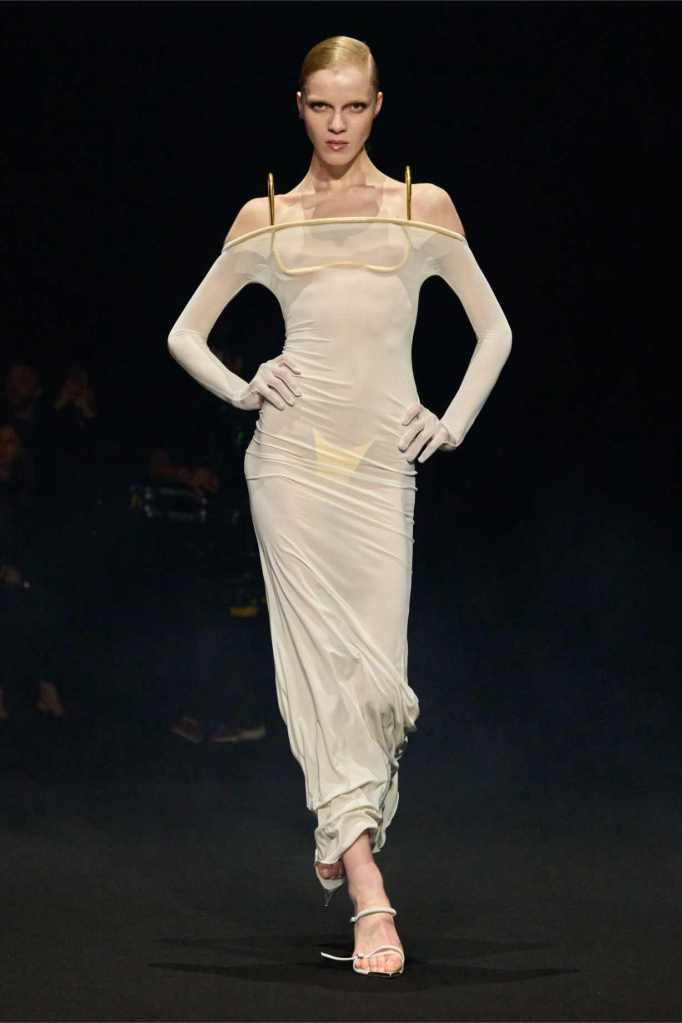


Stella McCartney: Stella McCartney’s collection at Paris Fashion Week embodies an eco-conscious homage to Mother Earth. The show’s setting in a greenhouse underscores McCartney’s commitment to sustainability, echoed through her designs and a manifesto voiced by renowned actors Olivia Colman and Helen Mirren. McCartney’s DNA is evident in every piece, from Linda McCartney-inspired 1970s touches to responsibly sourced materials like forest-friendly viscose and YATAY B leather alternatives.
Knitwear steals the spotlight, featuring hand-knitted ropes and regenerated cashmere. McCartney’s commitment to cruelty-free fashion extends to accessories, with eco-friendly materials like UPPEAL™ and lead-free crystal embellishments.The runway show itself is a powerful message, set in a greenhouse with reminders of the climate crisis. With 90% of materials responsibly sourced, Stella McCartney proves that sustainability and style can coexist beautifully.
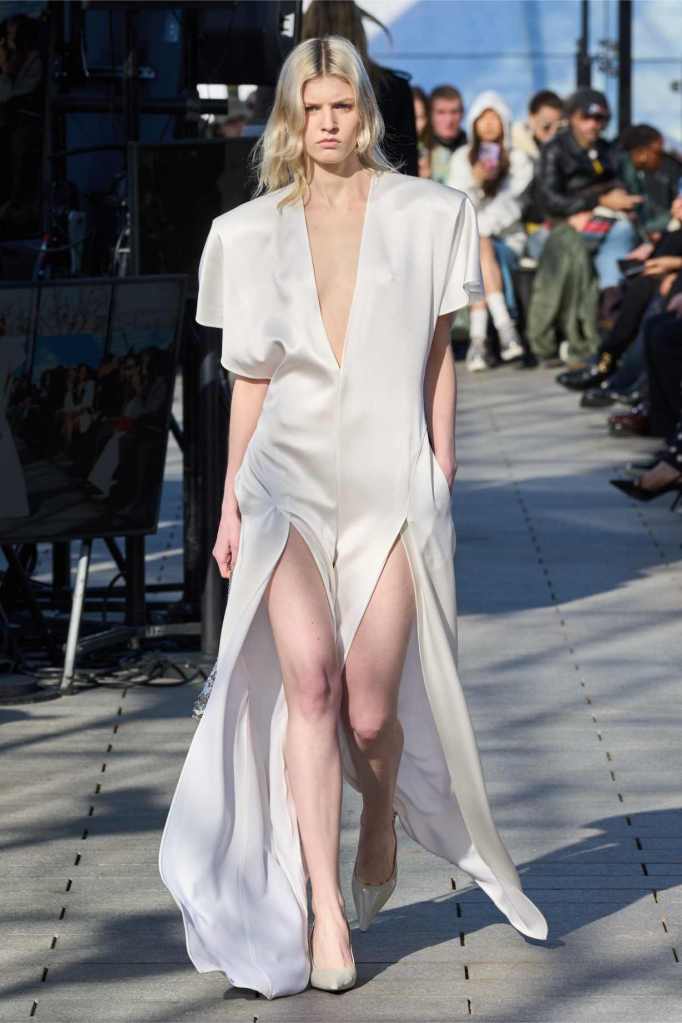
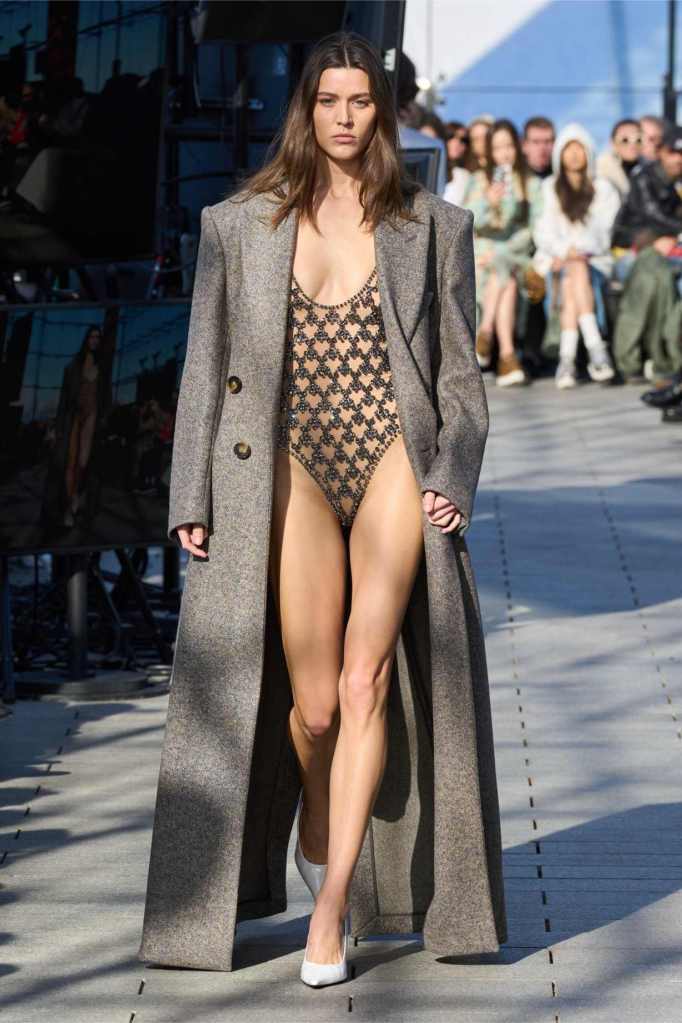


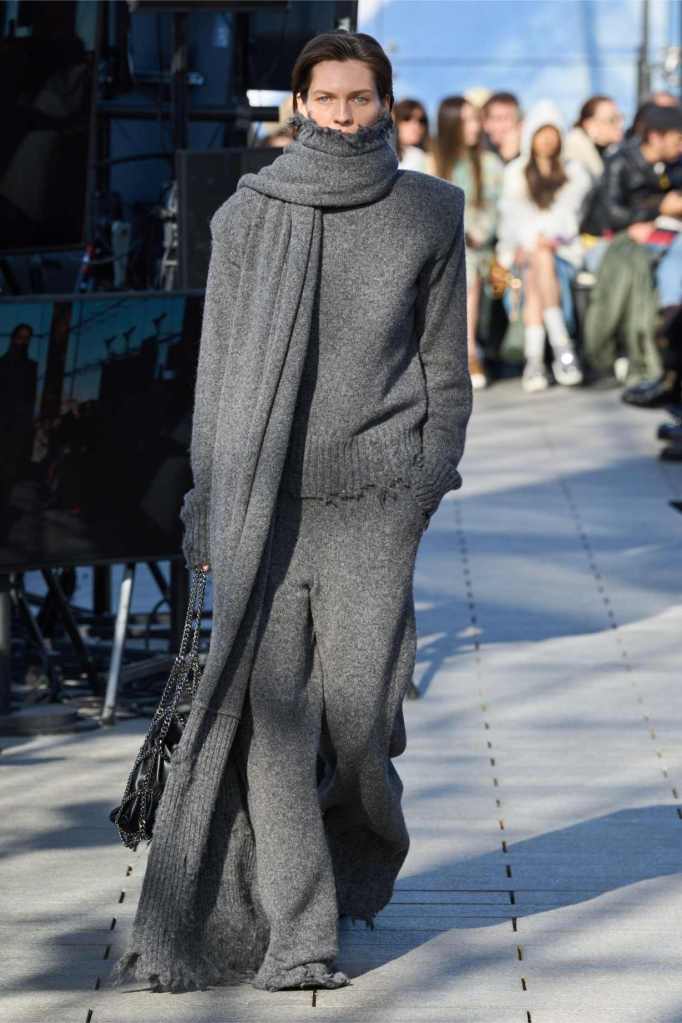

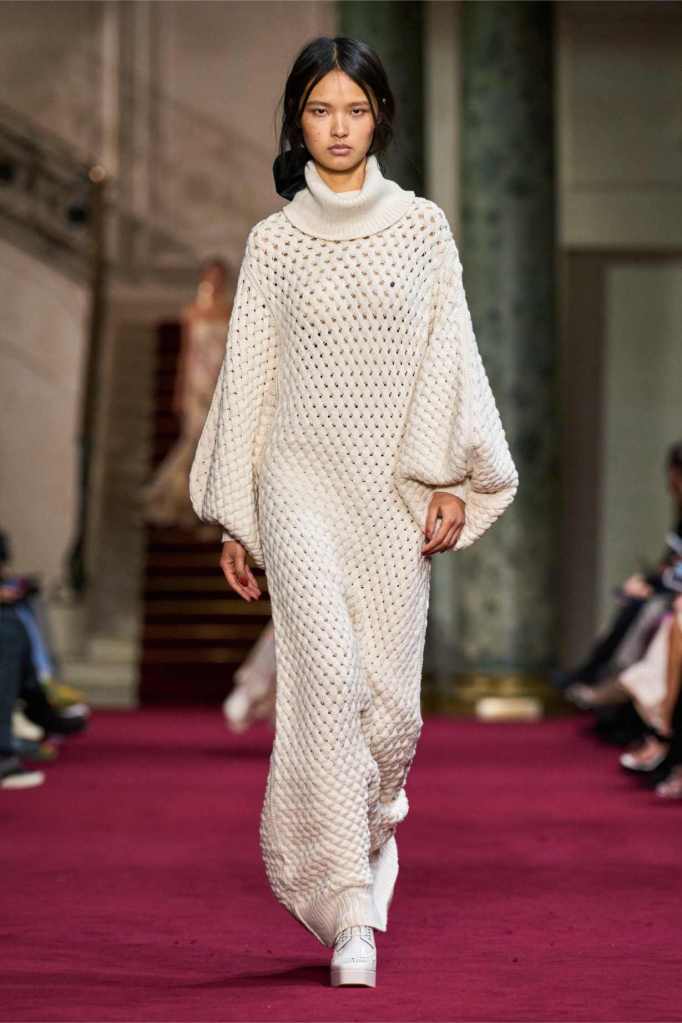
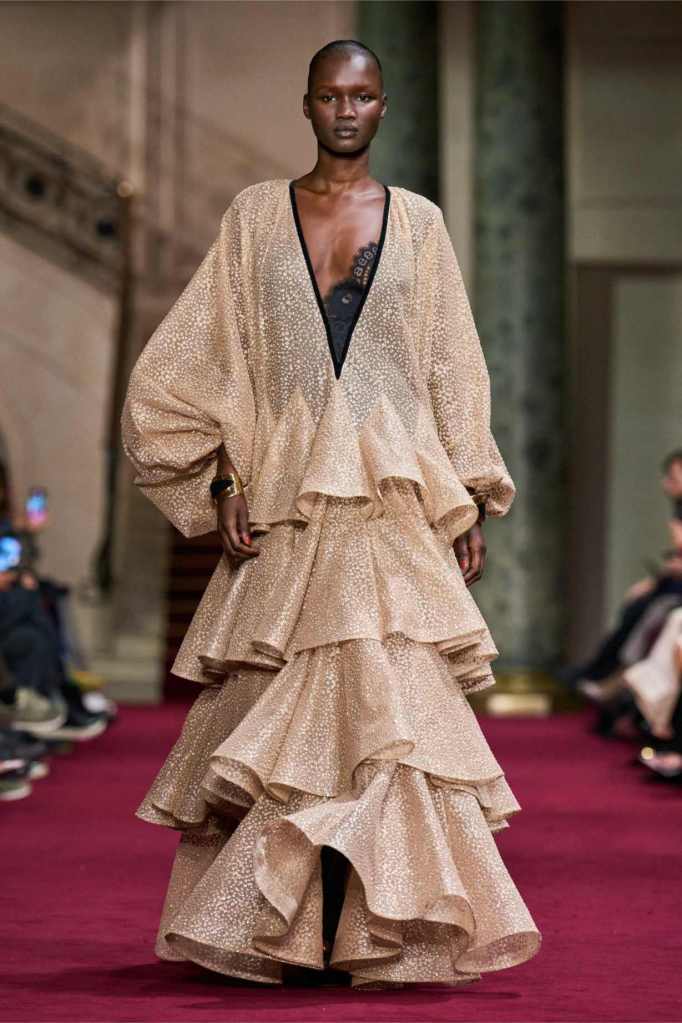
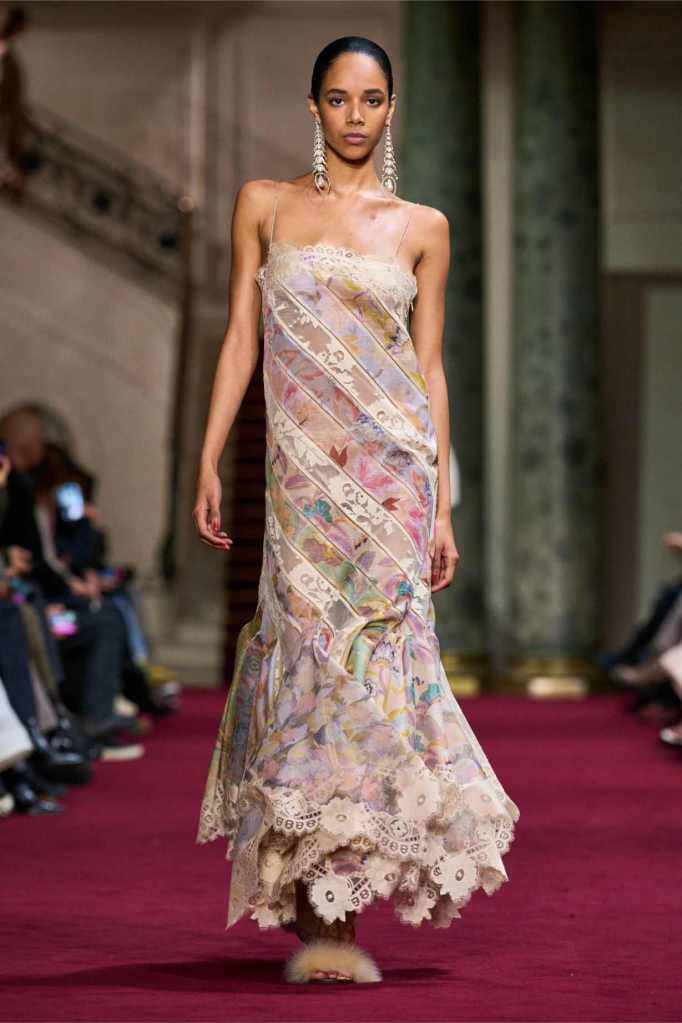
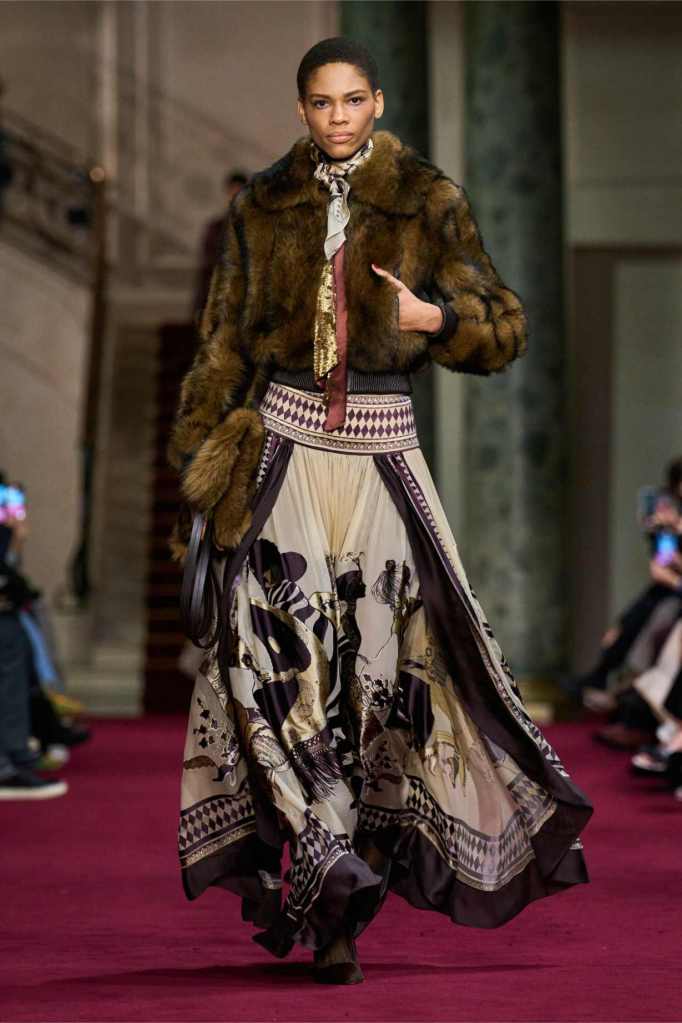
Zimmermann: This Zimmermann collection featuring billowing maxis, airy blouses, sensual silks, and godet pleats, aims to blend bohemian elegance with modern femininity. Incorporating ’70s elements like denim and leather, the collection marks an expansion into denim and knits. However, the execution felt chaotic and lacked coherence, with too many elements competing for attention. The prints, in particular, failed to impress. In stark contrast to the stunning Spring 2024 collection, this offering did not present any standout pieces, leaving the overall presentation feeling messy.


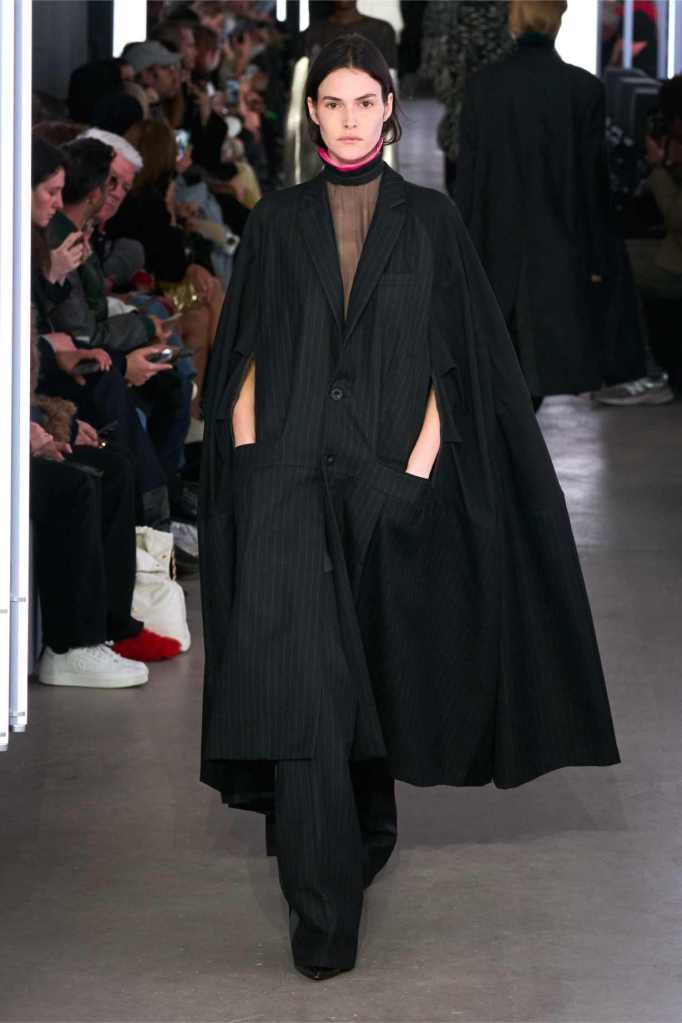
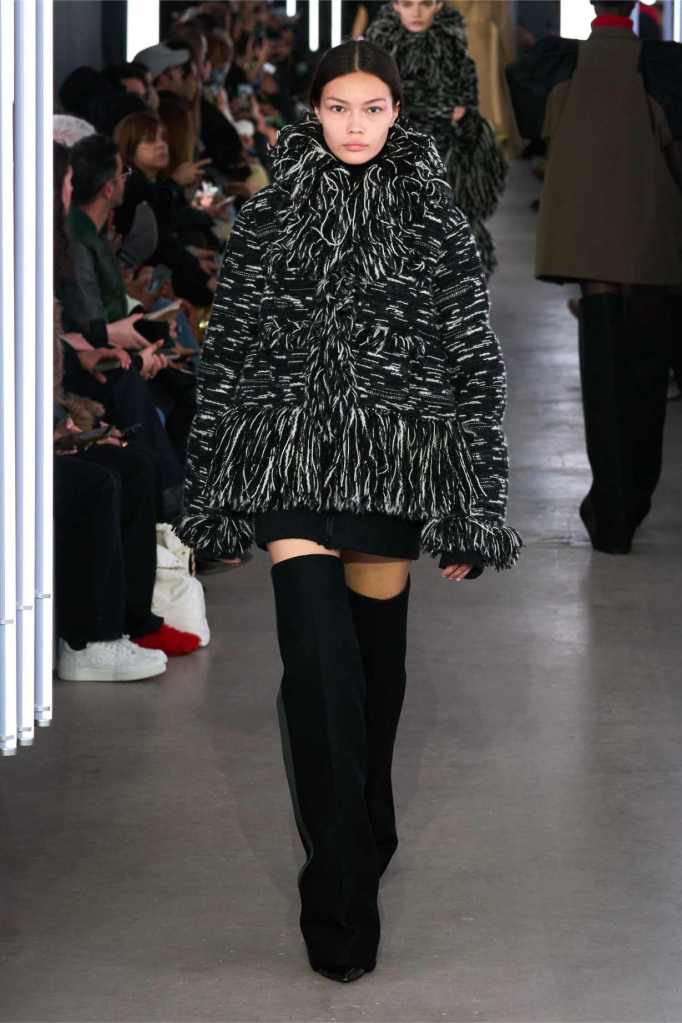
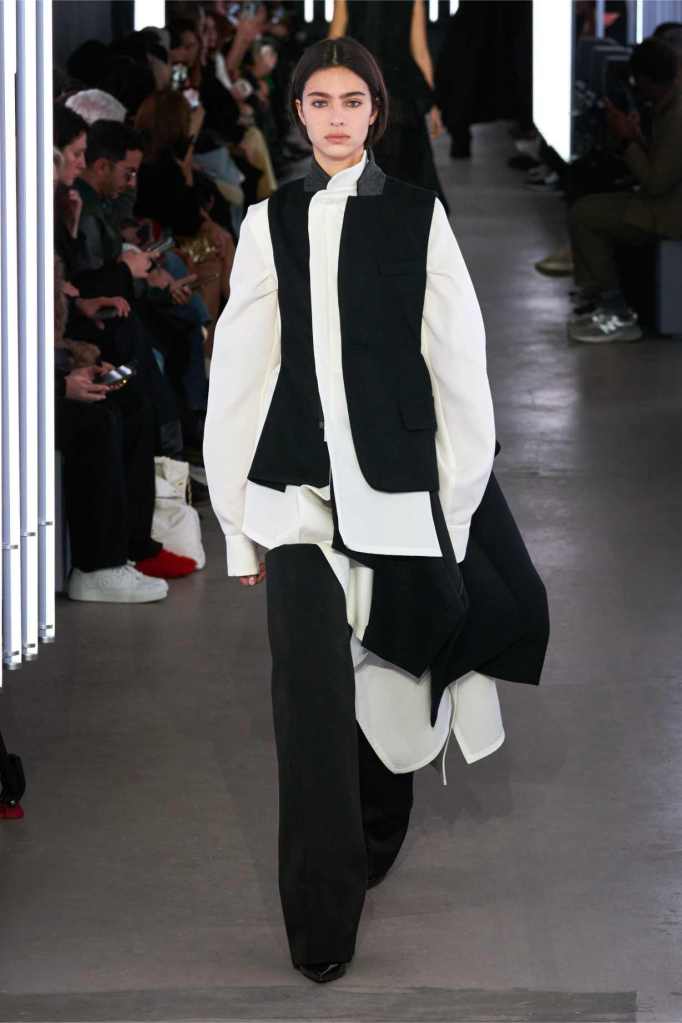
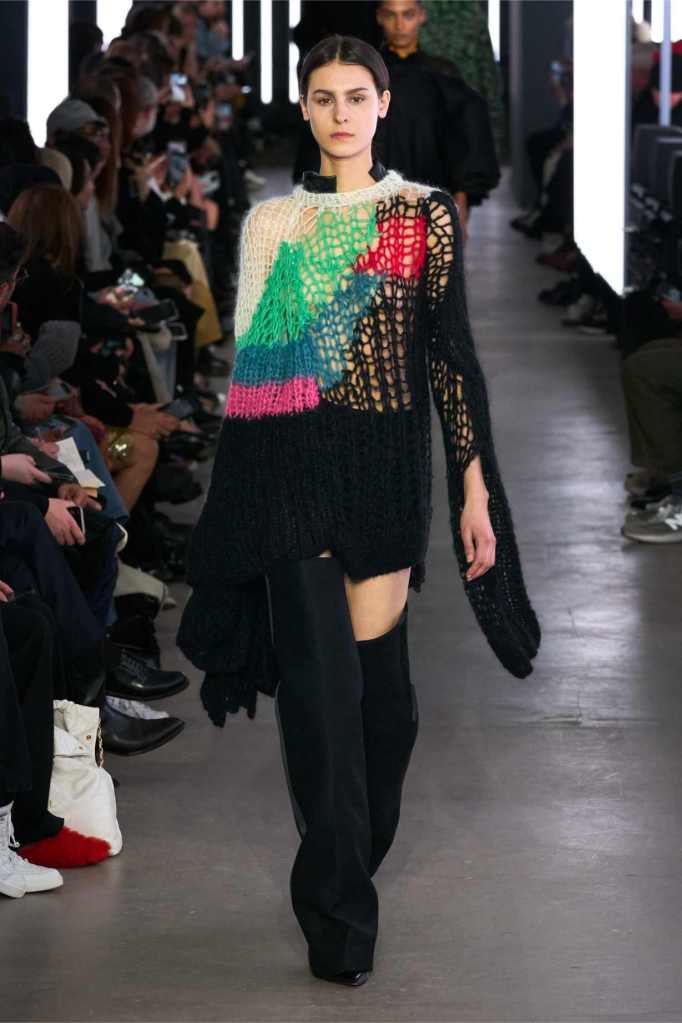
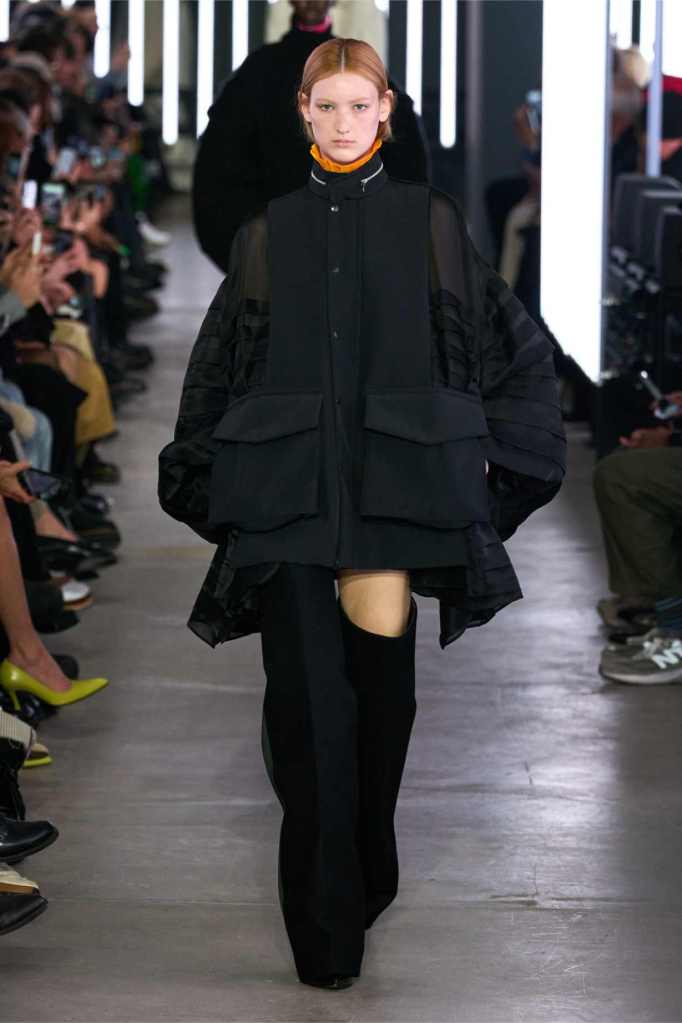
Sacai: The focus was on strong silhouettes, with oversized cuts and dramatic drops across jackets, dresses, and knitwear at Sacai. Textures were diverse, ranging from delicate knits to classic wools.The collection emphasized unity and hybrid forms, with a palette of navy, khaki, black, white, and foam green. Collaboration with Mark Gonzales added artistic badges to utility wear. The women’s collection redefined attire with masculine and feminine fusion, creating captivating dresses and ensembles with A-line shapes and delicate lace inserts. The collection showcased voluminous jackets, dresses, and knitwear in textures from delicate yarns to fluffy wools, featuring highlights like one-piece jacket-dresses, innovative drop-shoulder designs, lace-trim lining, and thigh-high boots mimicking tuxedo trousers.

Rokh: Rok Hwang explores the interplay between contrasting artistic eras: the High Renaissance and Romanticism. This translates to a fusion of elegance and rebellion, classic forms juxtaposed with unconventional tailoring.
The collection celebrates the beauty of contradictions, with pieces showcasing both exquisite draping and avant-garde elements. Hwang incorporates Victorian influences, military fatigue details, and even a Renaissance-inspired angel motif. Each piece reflects the concept of “perfect imperfections,” showcasing raw-edged tailoring, Victorian elements, and military influences. Notably, the collection introduces gender-fluid designs, signaling an evolution in the brand’s ethos. Inspired by High Renaissance and Romanticism, the collection emphasizes balance between tradition and innovation, urging wearers to embrace contradictions and appreciate diversity.
With beautiful construction and textural richness, the collection adds drama through exquisite tailoring moments. There was a refreshing newness in the oldness, making it undoubtedly one of my favorite collections this season.
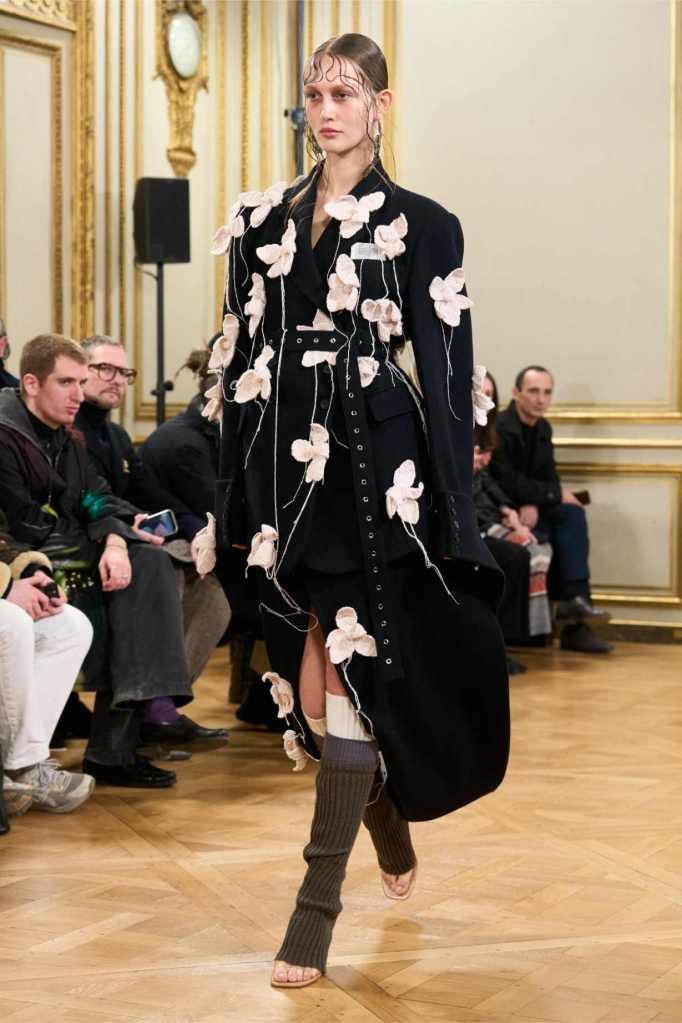


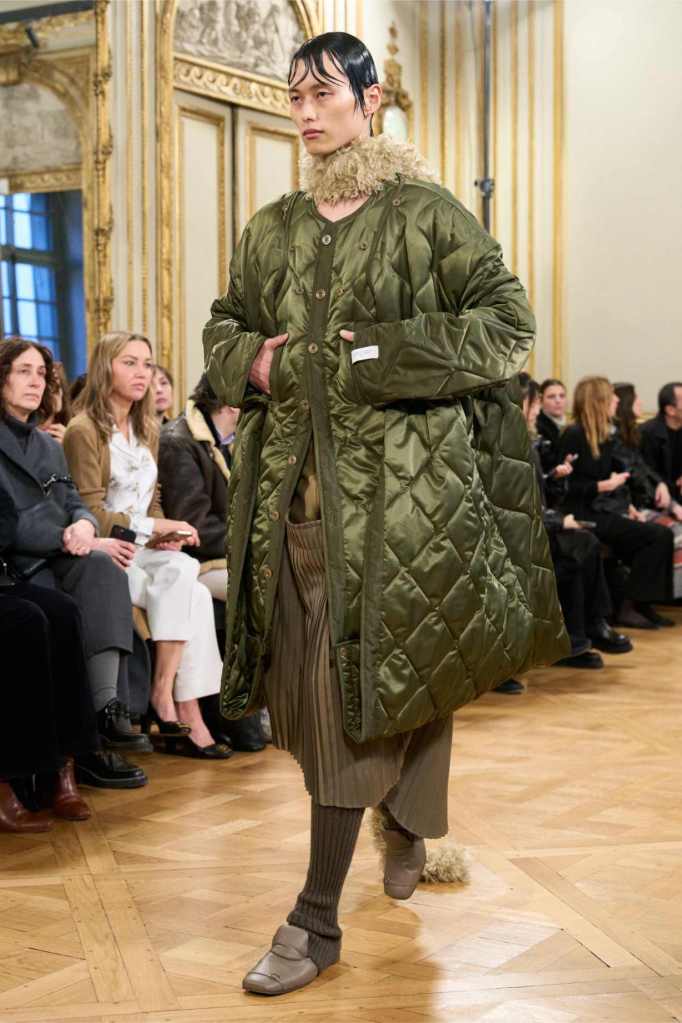
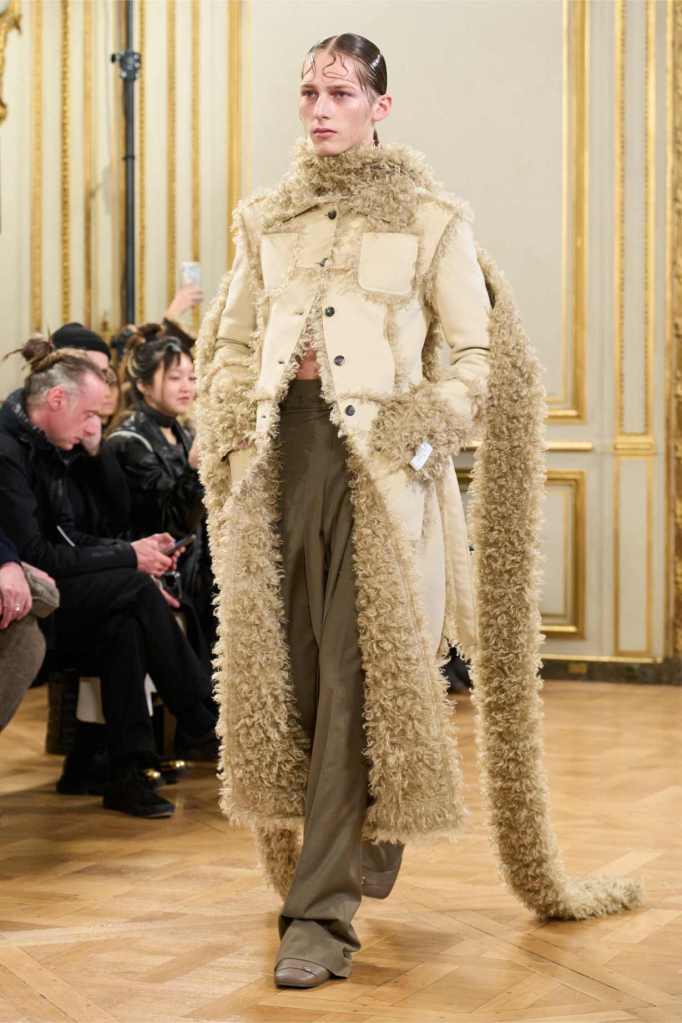
Coperni: Designers Sébastien Meyer and Arnaud Vaillant showcased innovative pieces like onesie jackets, sheer dresses, and dip-dyed furs, encapsulating their signature Coperni-cool. The standout, however, was the Air Swipe Bag, made from NASA’s silica aerogel, weighing just 33 grams. It’s fair to say this might be Coperni’s most underwhelming collection in recent memory. There was a distinct lack of the edge and excitement that the brand teased us with. No hate to the clothes themselves, some were actually quite pretty, but the collection overall failed to deliver on its potential.
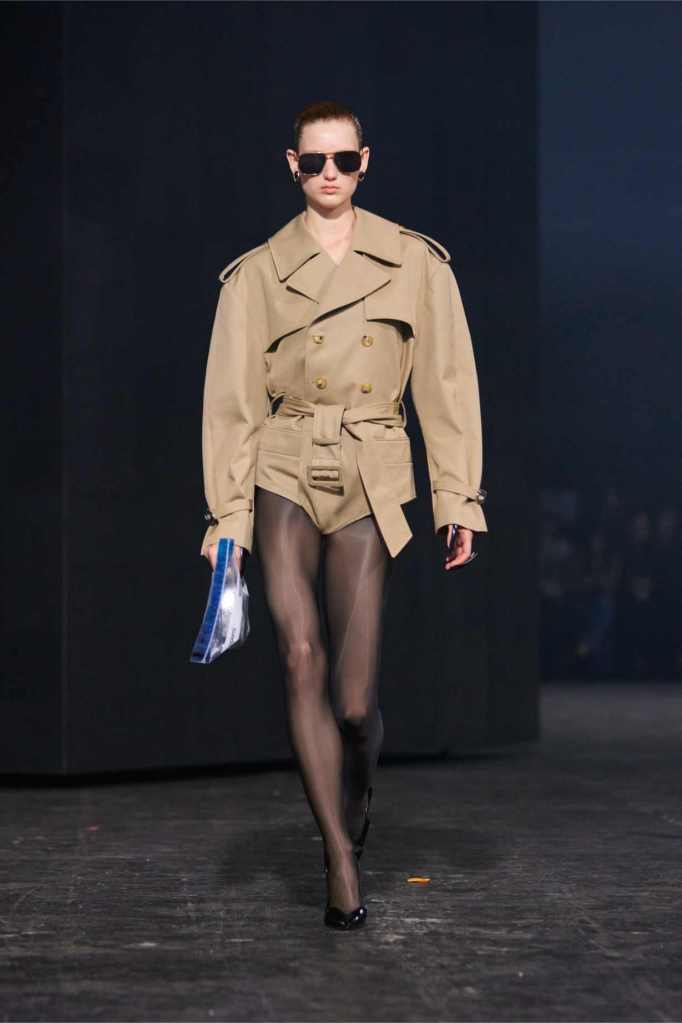
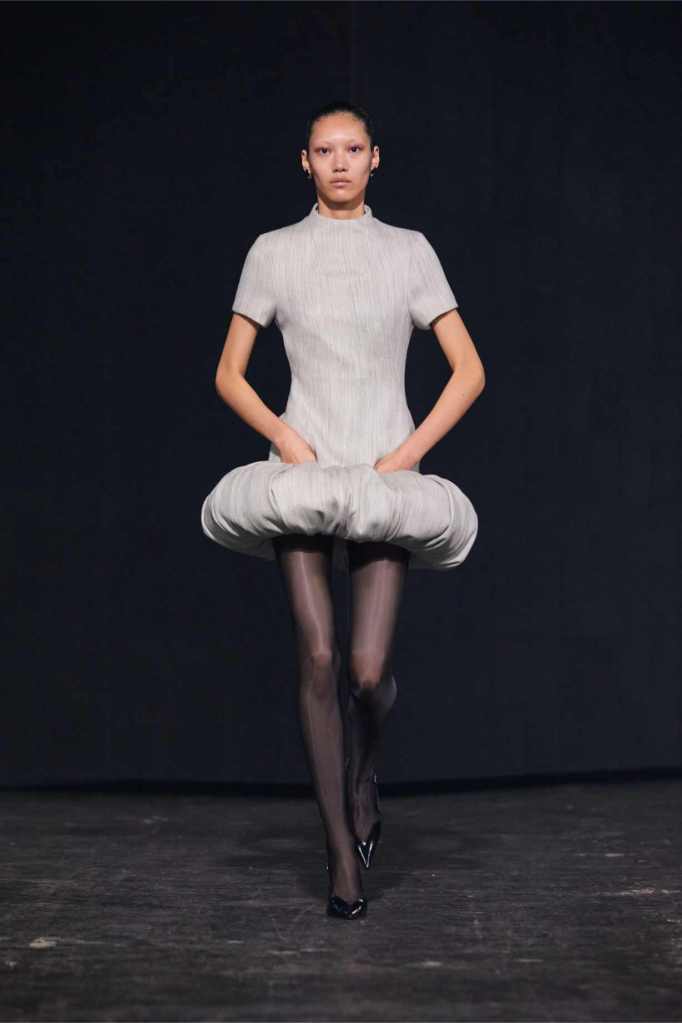

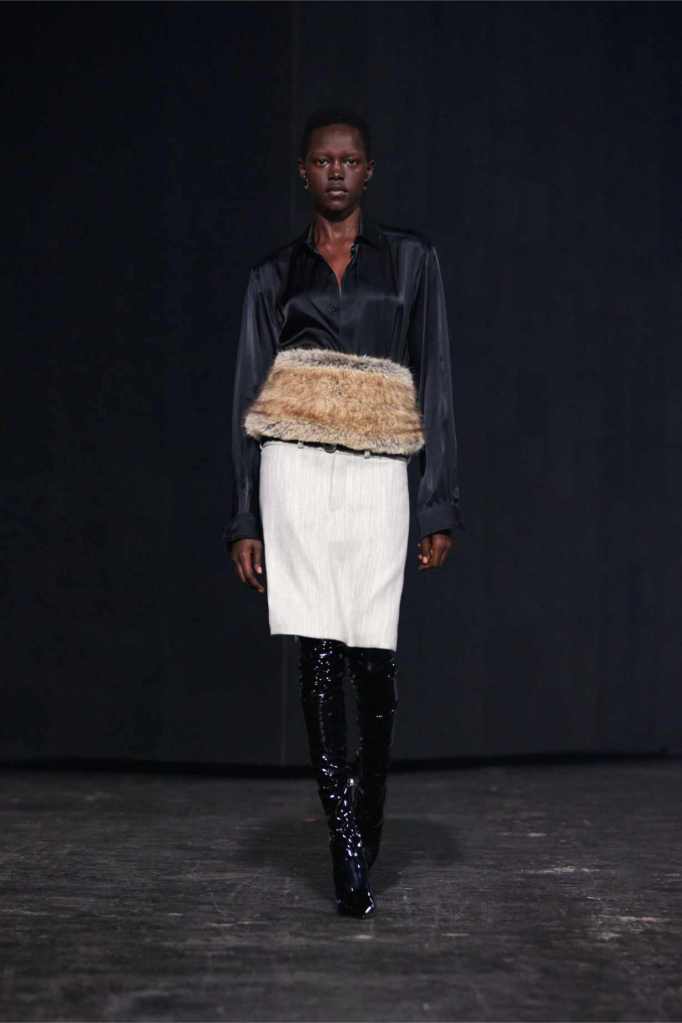
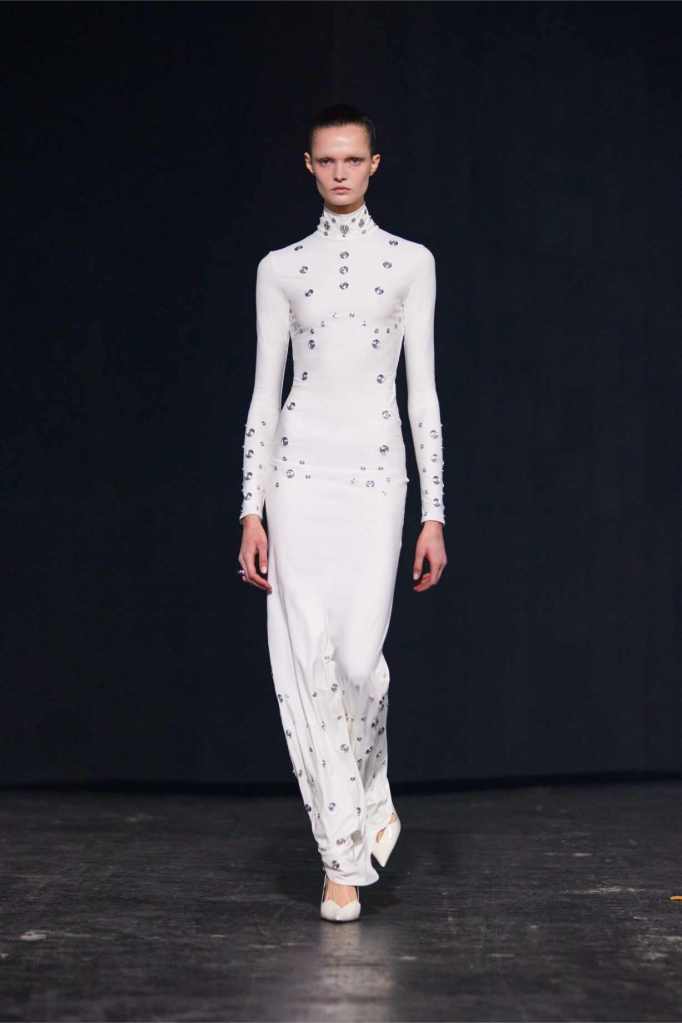
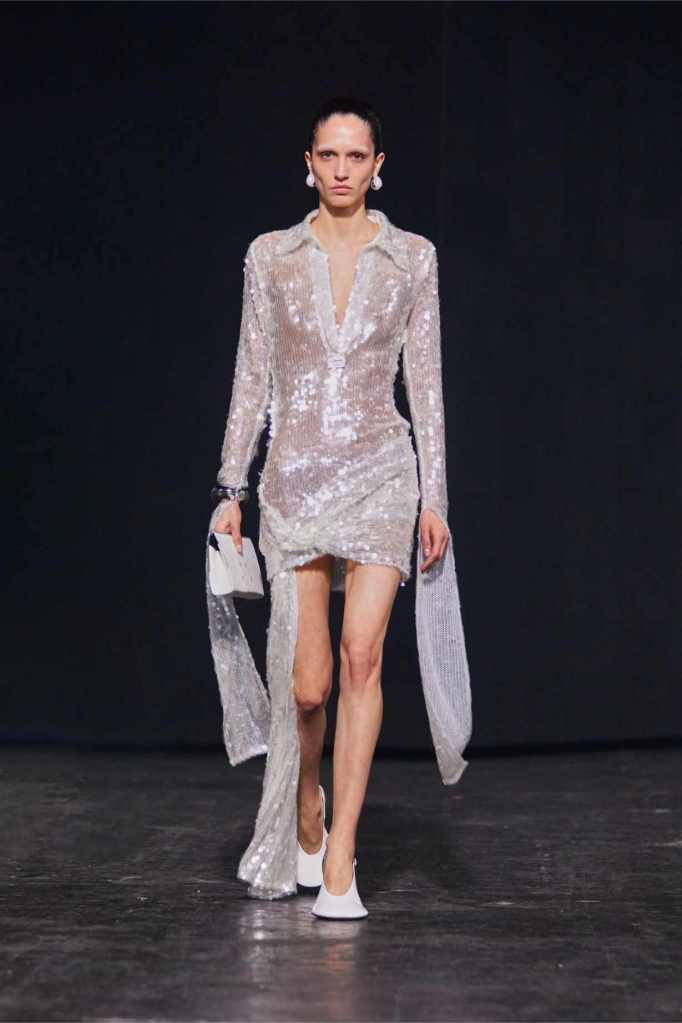
Chanel: Chanel’s runway show featured statement hats, soft suits, deconstructed classic suiting, and pastel silk ensembles. The collection paid homage to Chanel’s origins as a milliner in Deauville, with nods to 1920s and 1940s fashion. It also referenced French actress Anouk Aimée’s role in “A Man and a Woman.” The show included a film inspired by the movie, showcasing romantic silhouettes, nautical influences, and pastel shades. Creative Director Virginie Viard aimed to capture the essence of Deauville in a collection that offers a departure from traditional Parisian influences.
However, the show fell short. While not the worst of Viard’s Chanel collections, it was far from a standout, which is particularly surprising considering Chanel’s ready-to-wear business grew a significant 23% last year. This success likely stems from their popular, basic designs and strategic price hikes, but leaves one wondering: where is the art? Where is the drama that once defined Chanel’s runway shows?
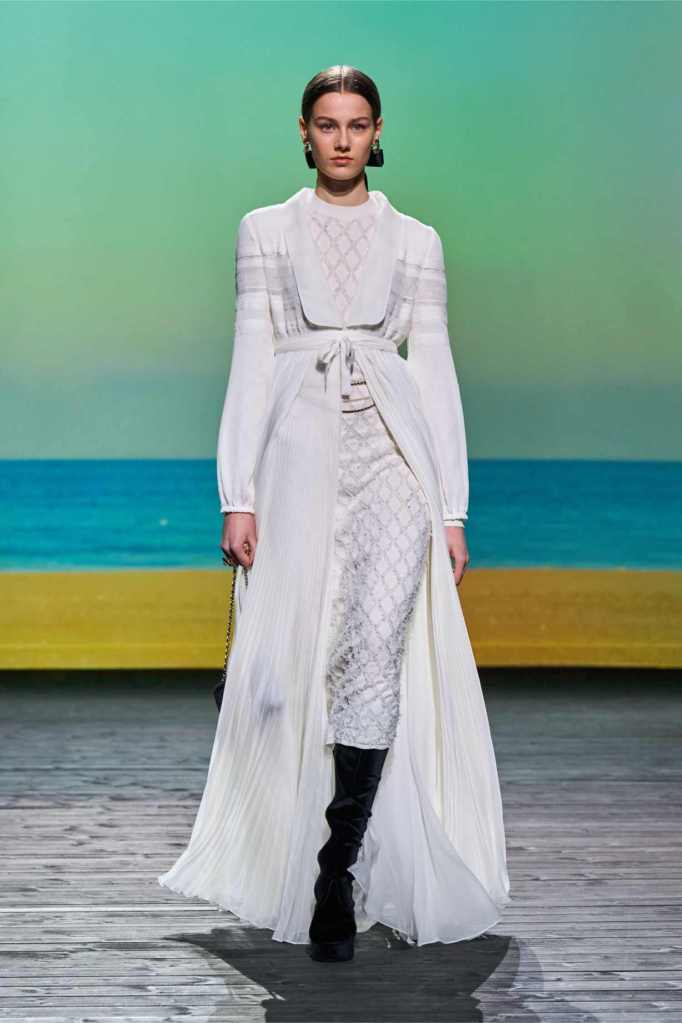

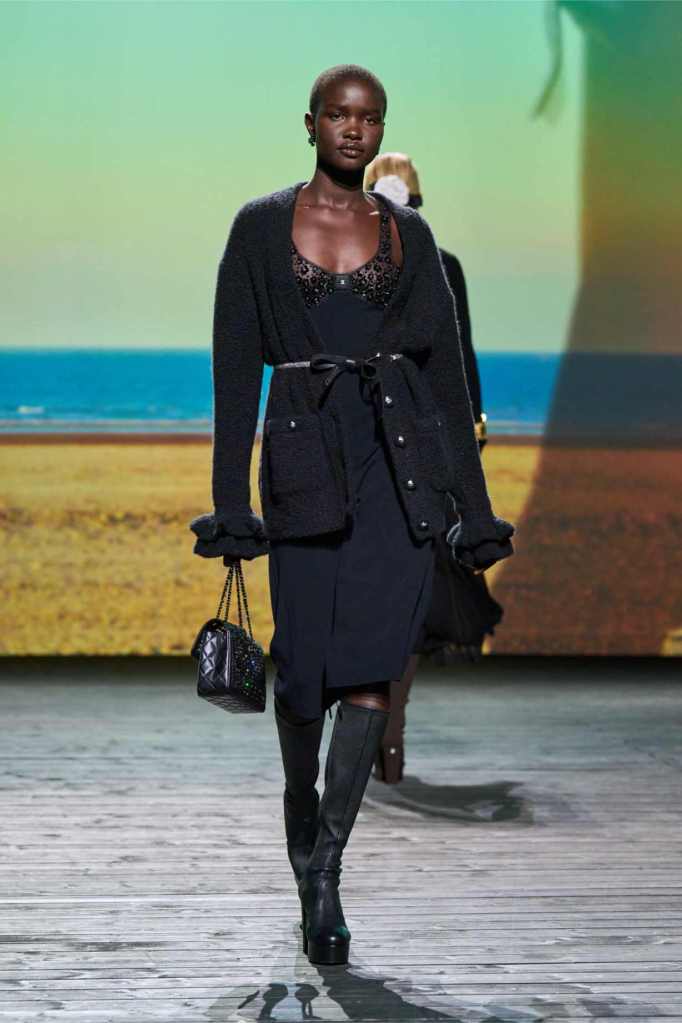


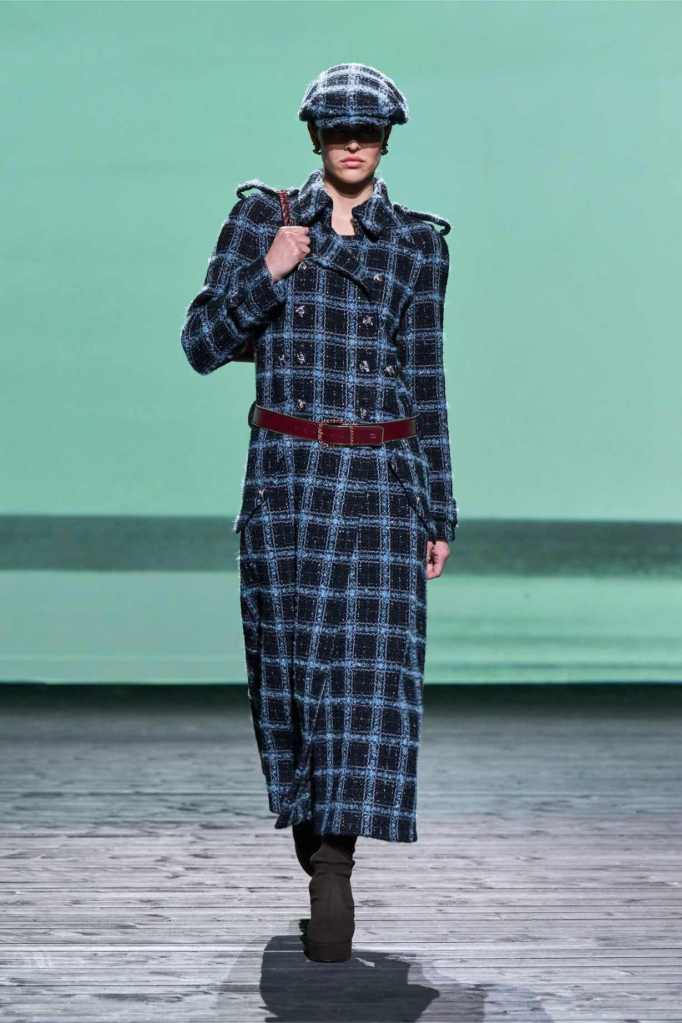
Kiko Kostadinov: British-Bulgarian designer Kiko Kostadinov showcased his collection featuring asymmetrical tailoring, workwear silhouettes, necktie details on tracksuits, and circular illustrations on technical uniforms. Accessories included embellished crowns, cultural beading, and leather bracelets. The show also introduced a collaboration with Levi’s featuring black denim jackets with punctured petals trim.
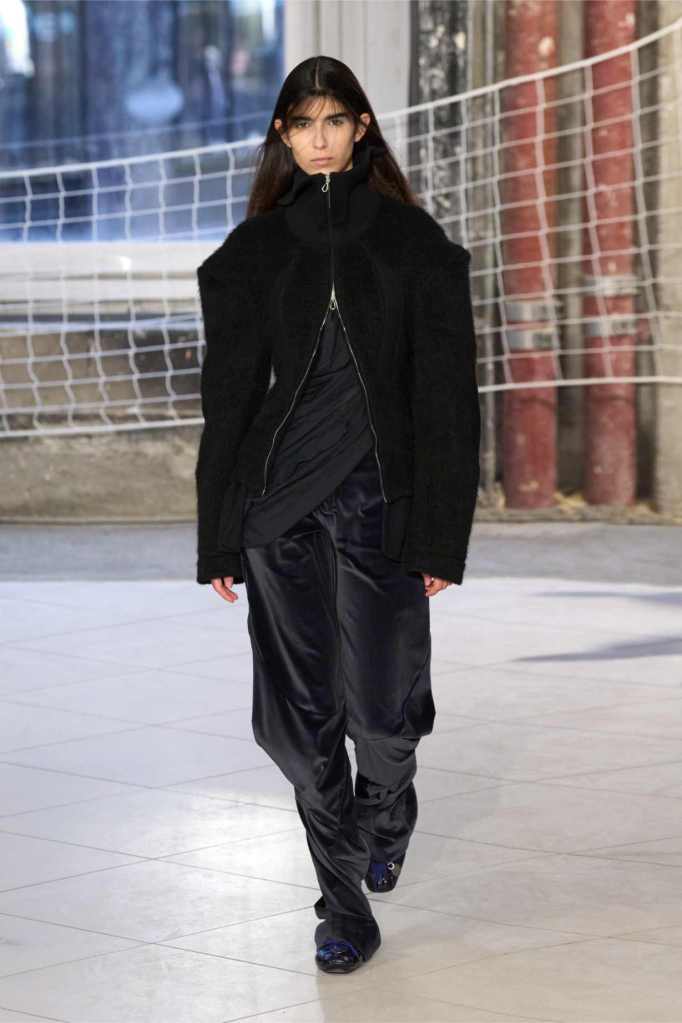

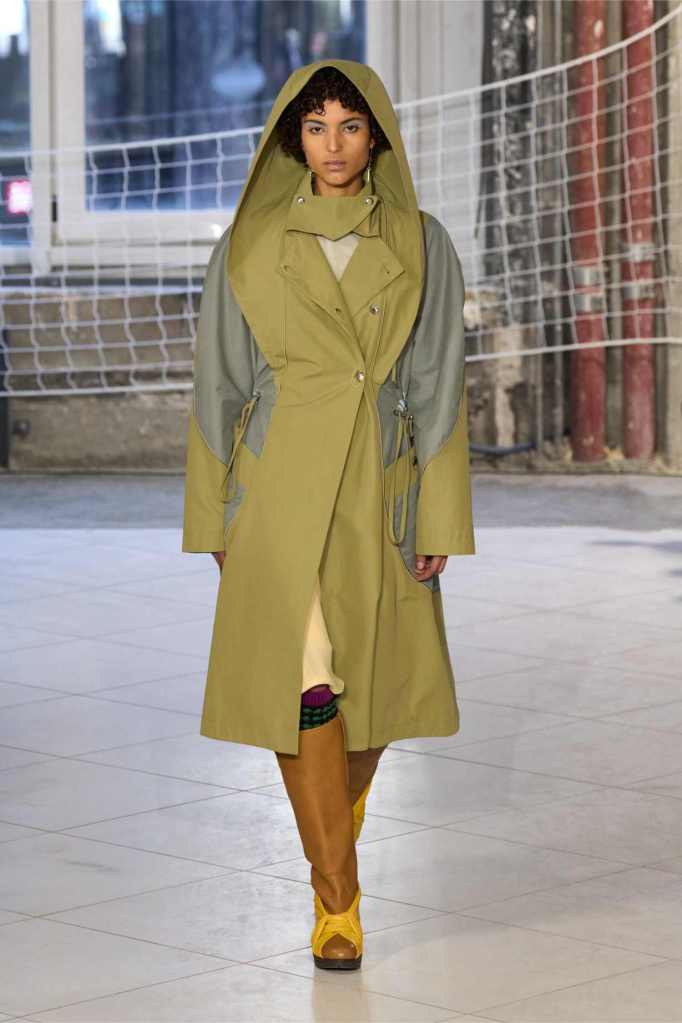
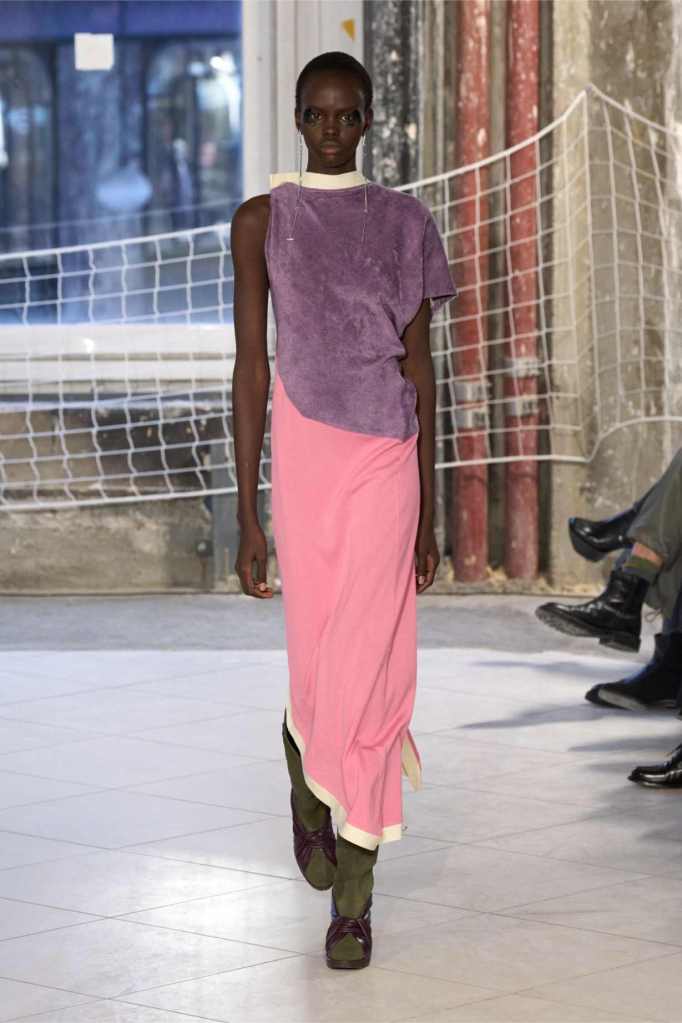

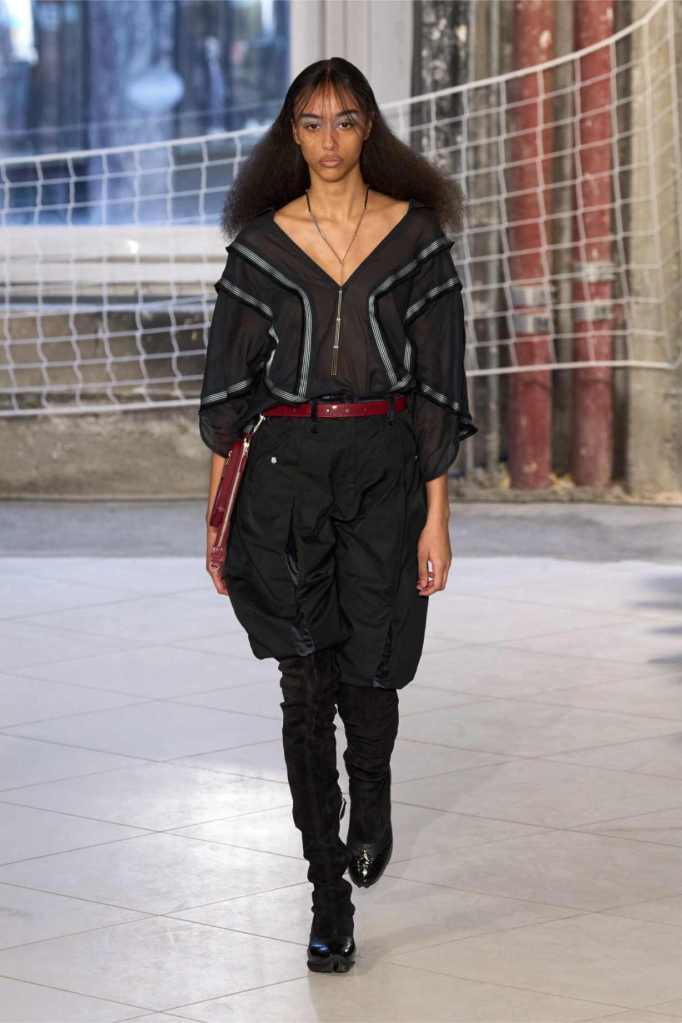
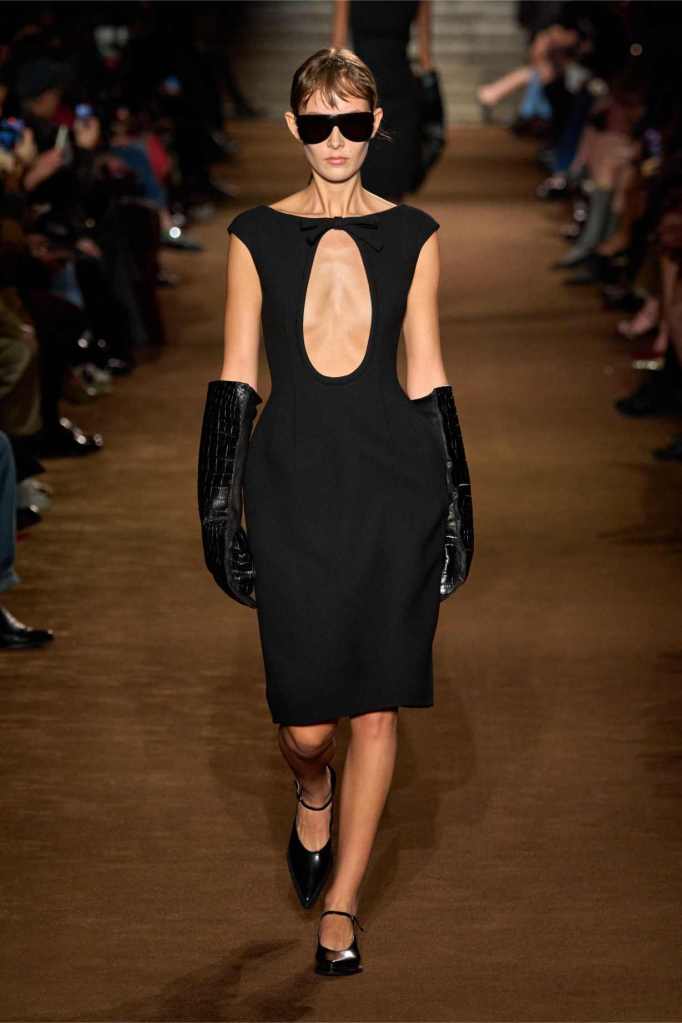
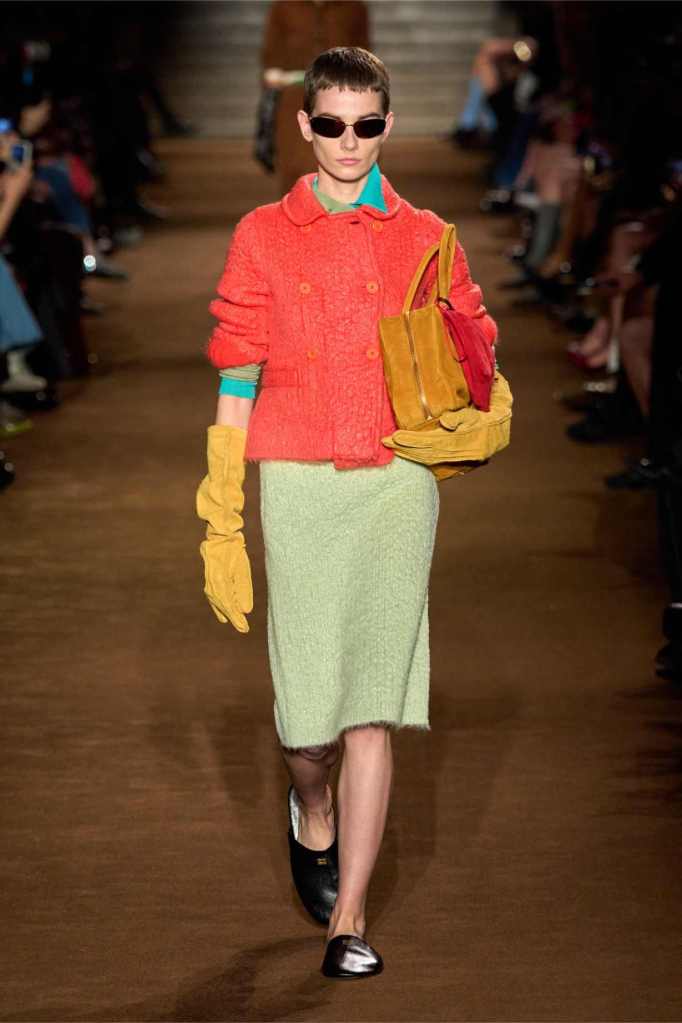
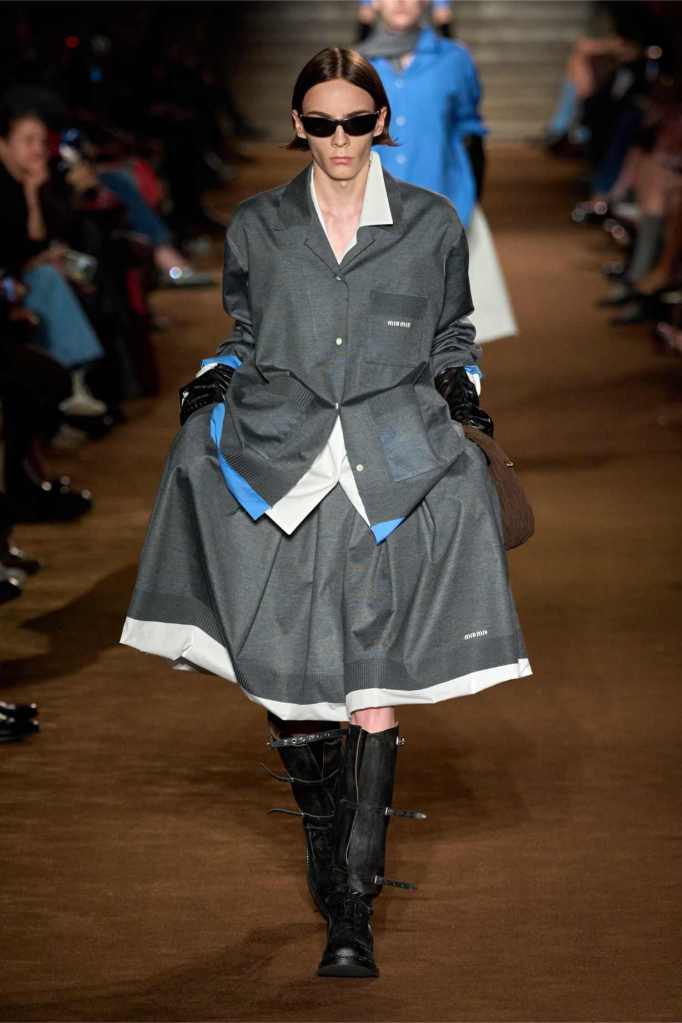
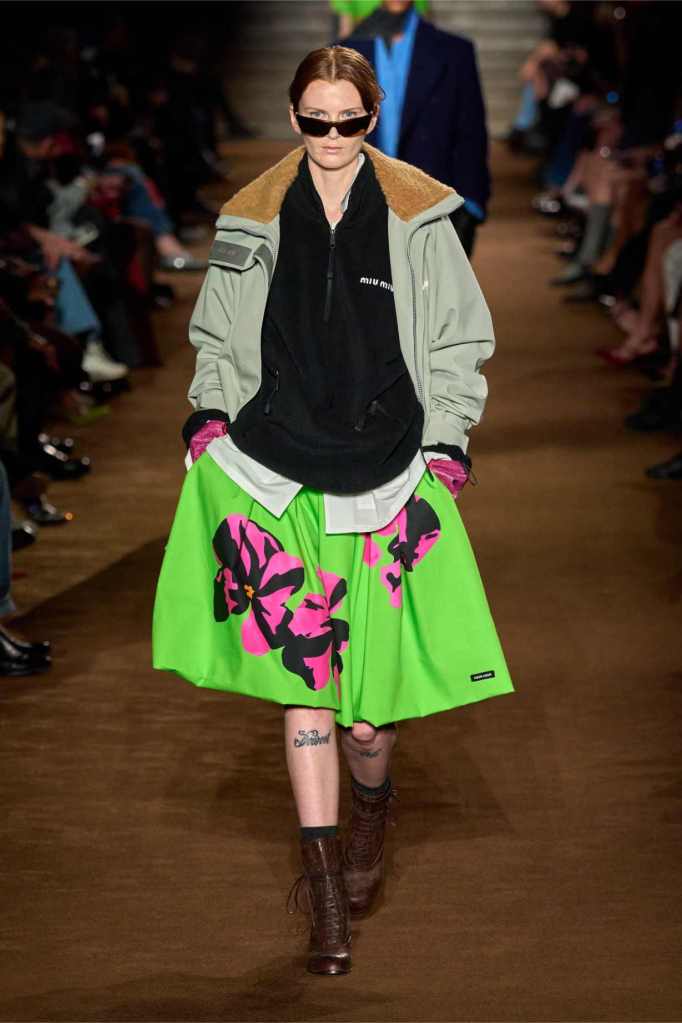
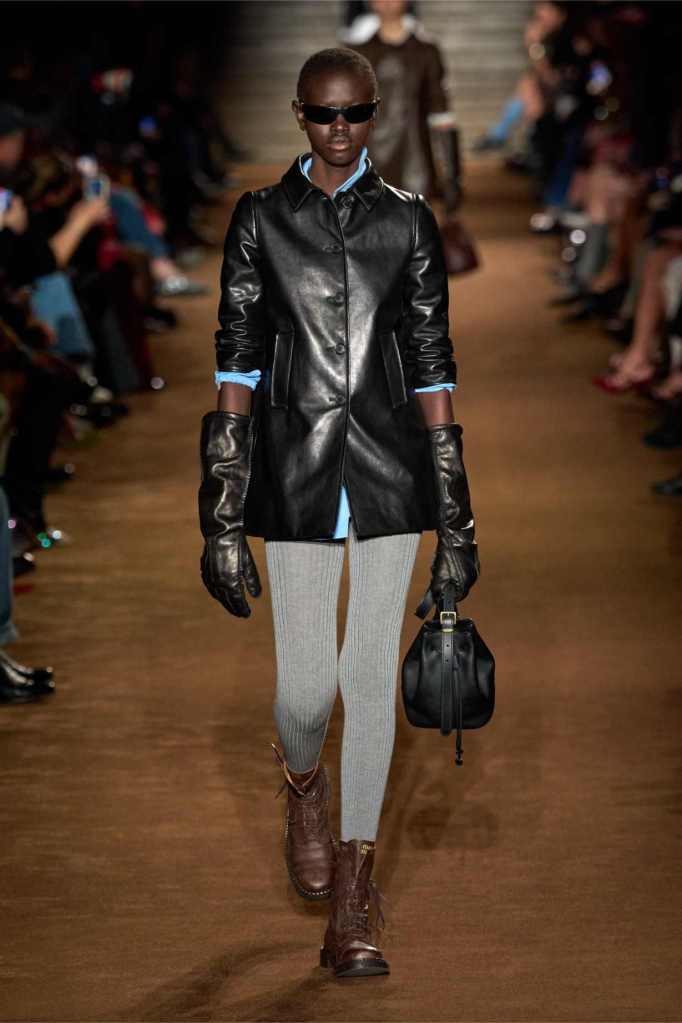
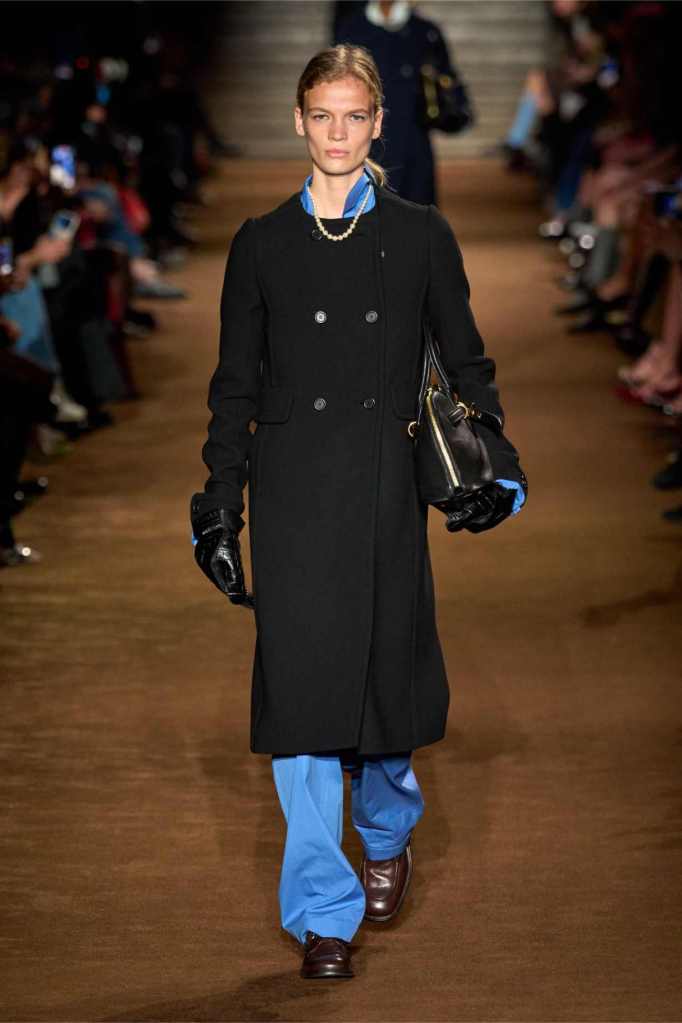
Miu Miu: Miu Miu explores the evolution of dressing from childhood to adulthood. The collection starts with adult-like, professional attire featuring oversized silhouettes and sophisticated accessories, then transitions to whimsical, childlike ensembles with playful pairings and rounded-toe shoes. It reflects on the phases of personal style, blending cutesy aesthetics with ladylike elegance. The show embraces a diverse cast capturing a quirky cool vibe with unique accessories and a mix of memories. The vibrant timeline showcases an array of gorgeous bright colors and bold prints, from cobalt blues and mint greens to mustard yellows and coral knits. The collection is a maximalist’s dream , chunky accessories, and playful juxtapositions along with an overall over the top energy without being gimmicky. Think oversized gloves with tailored coats, or chunky loafers with floral skirts.
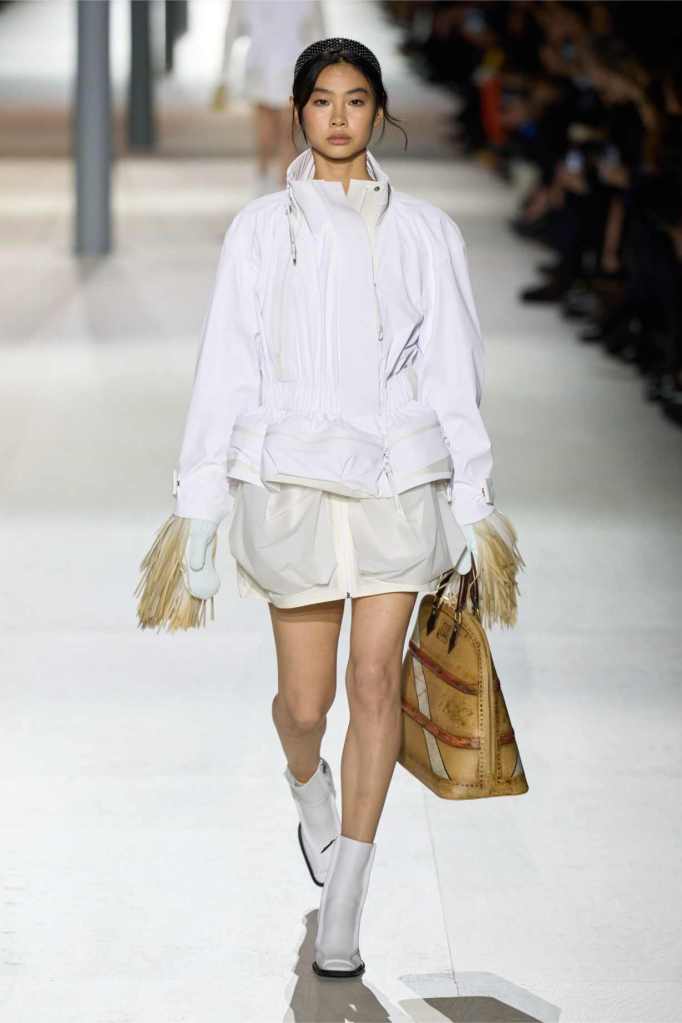
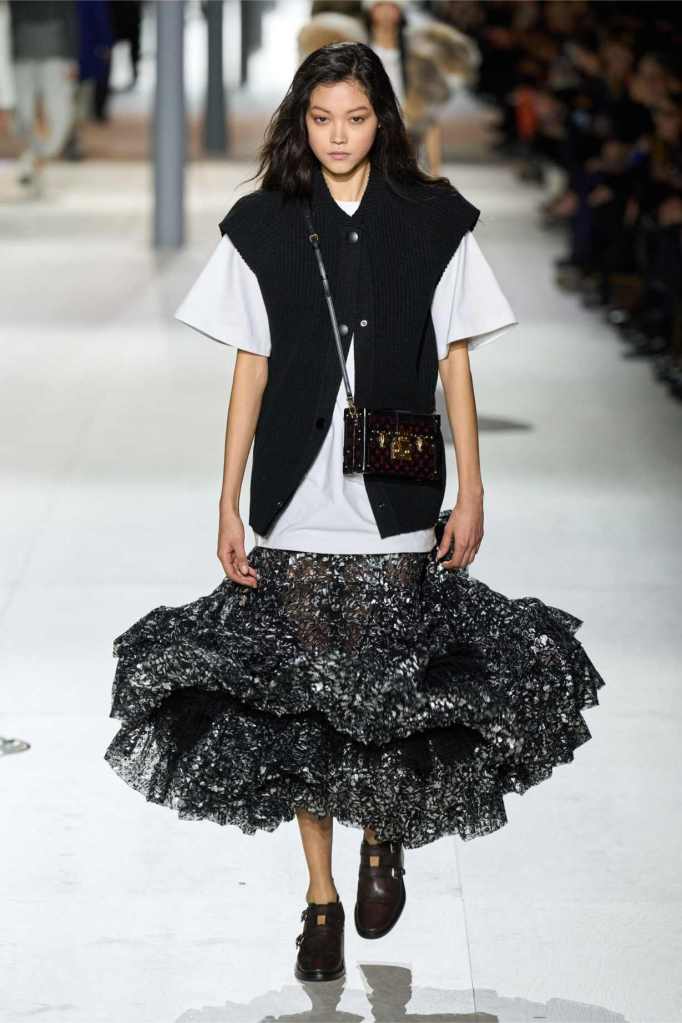
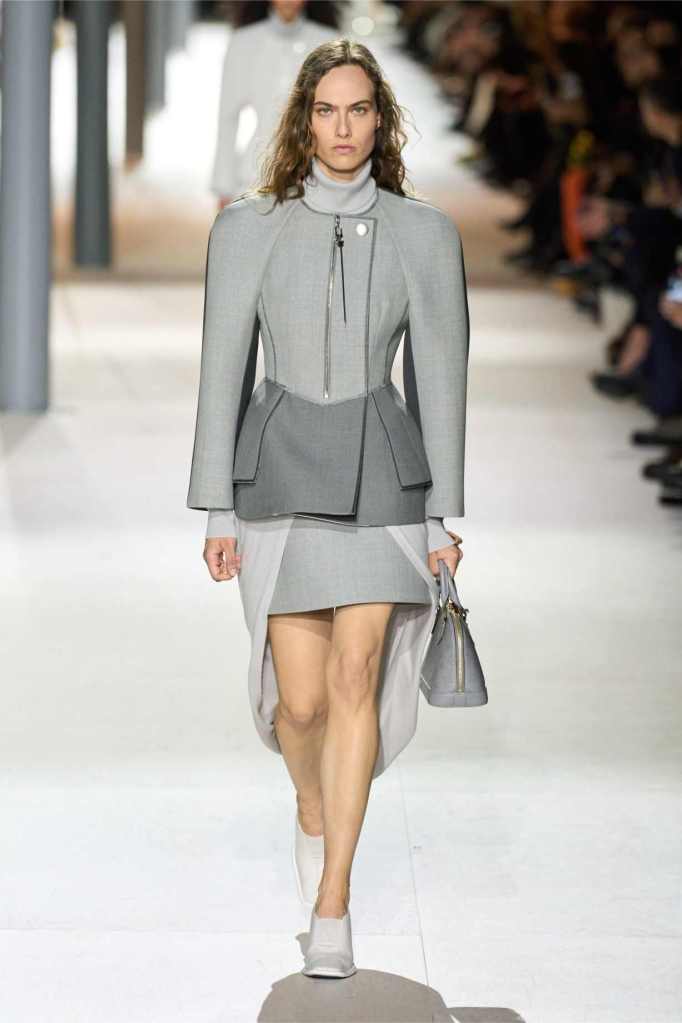
Louis Vuitton: This Louis Vuitton collection by Nicolas Ghesquière celebrated his 10-year anniversary. The show featured intricate designs and iconic elements, showcasing his precise tailoring and creativity. Ghesquière’s long-term commitment to Louis Vuitton has contributed to the brand’s overwhelming success. The collection was a blend of retrospective and futuristic elements, with a focus on historical silhouettes reinterpreted in a modern context. Gorgeous standout pieces highlighted the stunning proportion and textures, from space-age skirt suits to jacquard tracksuits. It was a journey through his design language, reimagining the past for a future of bold shapes, textures, and historical silhouettes with a futuristic twist. From playful crinoline details to luxurious jacquard tracksuits, Ghesquière challenged wearers to embrace new possibilities, all while staying true to his signature masterful tailoring. This collection is easily one of my favourites this season.



We do not own the rights to any of these images and they have been used in good faith. Every effort has been made to ensure that all images are used with proper credits. If you are the rightful owner of any image used on our site and wish to have it removed, please contact us at ayerhsmagazine@gmail.com and we will promptly remove it. We are a non-commercial, passion-driven, independent fashion blog and do not intend to infringe any copyright. Thank you for your understanding.
Pictures courtesy of Vogue Runway
 Ayerhs Magazine