
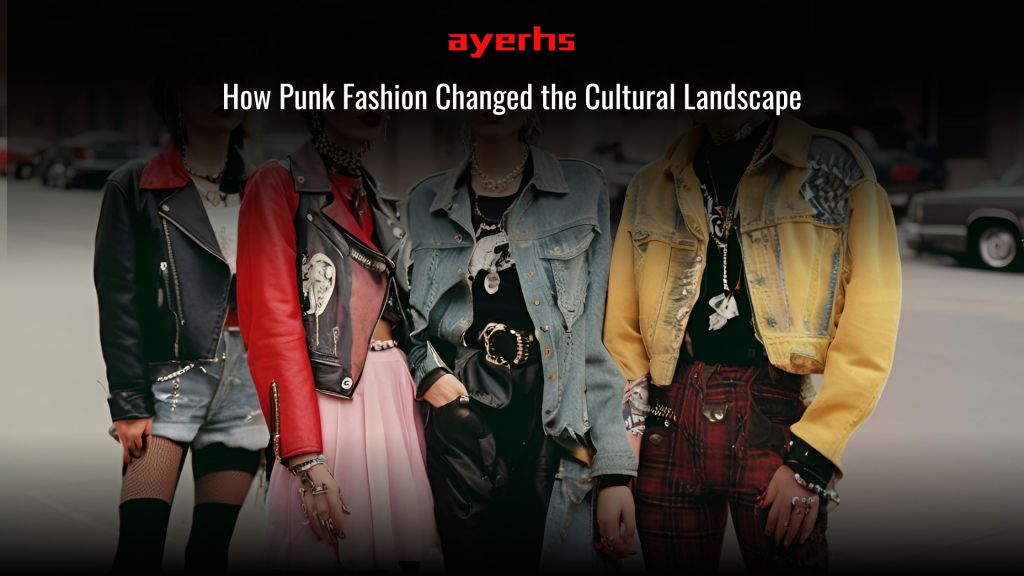
Punk fashion has long been a cultural cornerstone that transcends clothing, representing rebellion, individuality, and societal critique. What began as a niche subculture in the mid-1970s blossomed into a movement that profoundly influenced art, politics, music, and mainstream fashion. By pushing boundaries and challenging norms, punk fashion not only carved out its place in history but also redefined the way society views self-expression. This blog delves into the evolution of punk fashion, its impact on culture, and its enduring legacy in the contemporary world.
The Origins of Punk Fashion
Punk fashion first emerged in the UK and the US as a response to social and economic unrest. The late 1970s were marked by widespread dissatisfaction, especially among working-class youth. High unemployment, rising inequality, and political disillusionment created fertile ground for rebellion. Punk was not just a musical genre but a lifestyle and ideology. It stood against conformity, materialism, and traditional values.
Malcolm McLaren and Vivienne Westwood were pivotal figures in shaping early punk fashion. Through their boutique, SEX, in London, they introduced ripped T-shirts, bondage trousers, and provocative imagery that epitomized punk aesthetics. The designs were raw, rebellious, and unapologetically confrontational. They rejected mainstream ideals of beauty and propriety, favoring torn fabrics, DIY (Do-It-Yourself) embellishments, and slogans that made bold political statements.
Across the Atlantic, the New York punk scene—centered around iconic venues like CBGB—was also developing its own distinct style. Bands like the Ramones and Television embodied a scrappy, minimalist approach to punk fashion, characterized by leather jackets, skinny jeans, and Converse sneakers. This was a far cry from the glam rock and disco styles that dominated the era.
Punk’s Rebellion Against Norms
Punk fashion was more than an aesthetic; it was a direct critique of societal norms. The ripped clothing, safety pins, and chains symbolized a rejection of consumerism and a refusal to adhere to the polished, mass-produced fashion of the time. Punk made the personal political, using clothing as a canvas for dissent.
One of the most striking elements of punk fashion was its embrace of imperfection. Ripped seams, frayed edges, and patchwork were celebrated rather than concealed. This DIY ethos encouraged people to create their own looks, fostering a sense of individuality and empowerment. It also blurred the line between fashion designer and consumer, democratizing the creation of style.
The Role of Music in Shaping Punk Fashion
Music was the beating heart of the punk movement, and its visual representation was inseparable from its sound. Bands like the Sex Pistols, The Clash, and Siouxsie and the Banshees became style icons, inspiring fans to emulate their looks. Punk fashion was also influenced by album covers, concert posters, and zines, which often featured stark, confrontational designs that aligned with the subculture’s anti-establishment ethos.
Punk rockers didn’t just dress for themselves; they dressed for their audience. Their attire was a form of performance art, amplifying the message of their music. This symbiotic relationship between sound and style reinforced punk’s cultural impact.
Gender and Punk Fashion
One of punk’s most revolutionary aspects was its challenge to traditional gender roles. Androgyny became a hallmark of punk fashion, as men and women alike adopted leather jackets, combat boots, and spiked hair. This rejection of gender norms was a radical statement in the conservative societal context of the 1970s and 1980s.
Women in punk, such as Debbie Harry of Blondie, Poly Styrene of X-Ray Spex, and Siouxsie Sioux, used fashion to claim space in a male-dominated world. They paired hyper-feminine elements like fishnet stockings and heavy makeup with aggressive, masculine items like leather and studs. This juxtaposition created a powerful visual language that subverted expectations and inspired future generations of feminists.
Punk Fashion Goes Mainstream
By the 1980s, punk fashion began to permeate the mainstream. Designers like Jean Paul Gaultier and later Alexander McQueen borrowed heavily from punk aesthetics, incorporating elements like tartan, safety pins, and deconstructed silhouettes into their collections. This was a double-edged sword: while it validated punk’s creative power, it also commodified a movement that had once stood firmly against commercialism.
The mainstream adoption of punk fashion sparked debates about authenticity. Could a style rooted in rebellion maintain its integrity when sold in high-end boutiques or mass-market stores? For many, the answer lay in the ethos behind the clothes rather than the clothes themselves. Punk’s spirit of resistance and individuality remained intact, even as its aesthetic was co-opted.
Subgenres and Evolution
As punk evolved, so did its fashion. Subgenres like goth, hardcore, and pop punk developed their own distinct styles while maintaining ties to punk’s rebellious roots. The goth subculture embraced dark, Victorian-inspired clothing, while hardcore punks favored a stripped-down, utilitarian look. Meanwhile, pop punk—popularized by bands like Green Day and Blink-182—introduced a playful, more accessible version of punk fashion that resonated with younger audiences.
Punk’s influence also extended beyond music-based subcultures. In the 1990s, the grunge movement, led by bands like Nirvana and Pearl Jam, borrowed heavily from punk’s DIY ethos and anti-establishment attitude. The aesthetic was different—flannel shirts and distressed jeans replaced leather jackets and mohawks—but the underlying spirit was the same.
Punk and High Fashion
By the late 20th and early 21st centuries, punk fashion had become a staple in high fashion. The 2013 Met Gala, themed “Punk: Chaos to Couture,” was a testament to punk’s enduring influence. Designers like Riccardo Tisci, Donatella Versace, and Karl Lagerfeld reinterpreted punk elements through a luxury lens, blending rebellion with refinement.
This intersection of punk and high fashion sparked renewed interest in the subculture. However, it also raised questions about the commercialization of counterculture. Was punk still punk if it was being worn on red carpets and sold for thousands of dollars?
Punk’s Cultural Legacy
Punk fashion has left an indelible mark on the cultural landscape, influencing not only style but also art, politics, and identity. It taught generations to challenge norms, think critically, and embrace individuality. Punk’s DIY ethos laid the groundwork for today’s sustainable fashion movement, which emphasizes creativity and resourcefulness over consumption.
Moreover, punk’s challenge to gender norms paved the way for greater acceptance of nonbinary and gender-fluid identities. Its celebration of imperfection and authenticity continues to resonate in an era dominated by social media and curated personas.
Punk in the Digital Age
In the digital age, punk fashion is experiencing a revival. Social media platforms like Instagram and TikTok have become virtual stages for a new generation of punks, who use these tools to share their DIY creations, political messages, and personal stories. The internet has also made it easier for people to access and reinterpret punk fashion, ensuring its relevance in an ever-changing world.
At the same time, the digital era poses challenges for punk’s authenticity. The commercialization of alternative aesthetics, often dubbed “fast fashion punk,” risks diluting its original message. However, many argue that punk’s true essence lies not in its aesthetic but in its ethos. As long as people use fashion to challenge norms and express individuality, punk will remain alive.
Punk fashion has transcended its origins as a subcultural phenomenon to become a powerful force in the cultural landscape. By challenging societal norms and embracing individuality, it has redefined what fashion can be—a tool for self-expression, rebellion, and change. From the streets of London and New York to high fashion runways and digital platforms, punk’s influence is everywhere. Its legacy reminds us that true style isn’t about following trends but about breaking them. In a world that often prioritizes conformity, punk fashion remains a vital reminder of the power of individuality and dissent.
 Ayerhs Magazine