
We do not own the rights to any of these images and they have been used in good faith. Every effort has been made to ensure that all images are used with proper credits. If you are the rightful owner of any image used on our site and wish to have it removed, please contact us at ayerhsmagazine@gmail.com and we will promptly remove it. We are a non-commercial, passion-driven, independent fashion blog and do not intend to infringe any copyright. Thank you for your understanding.
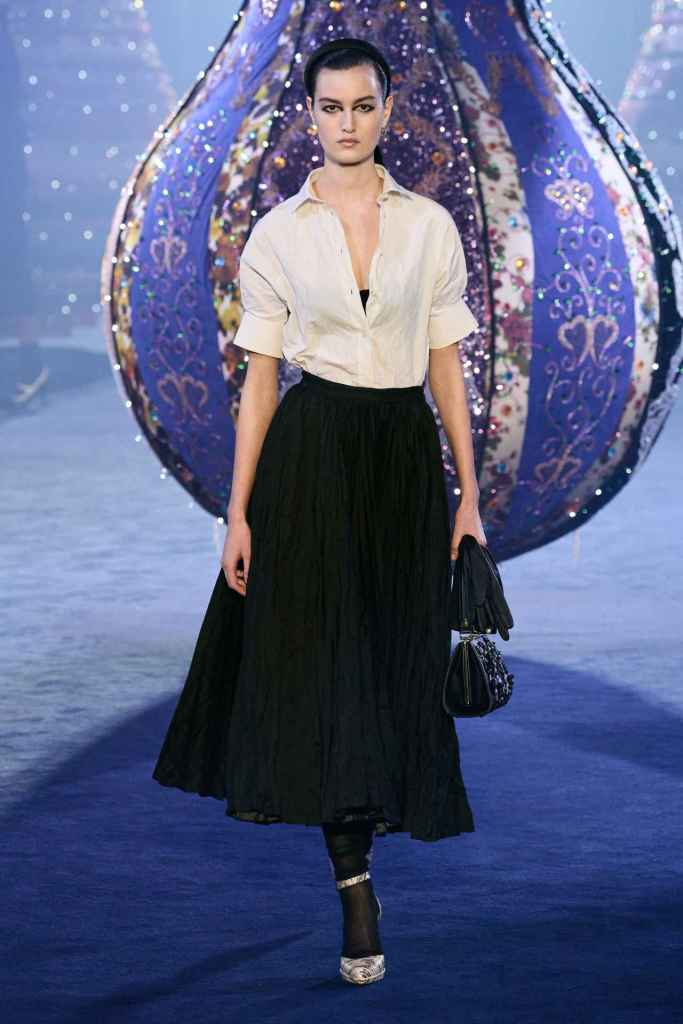
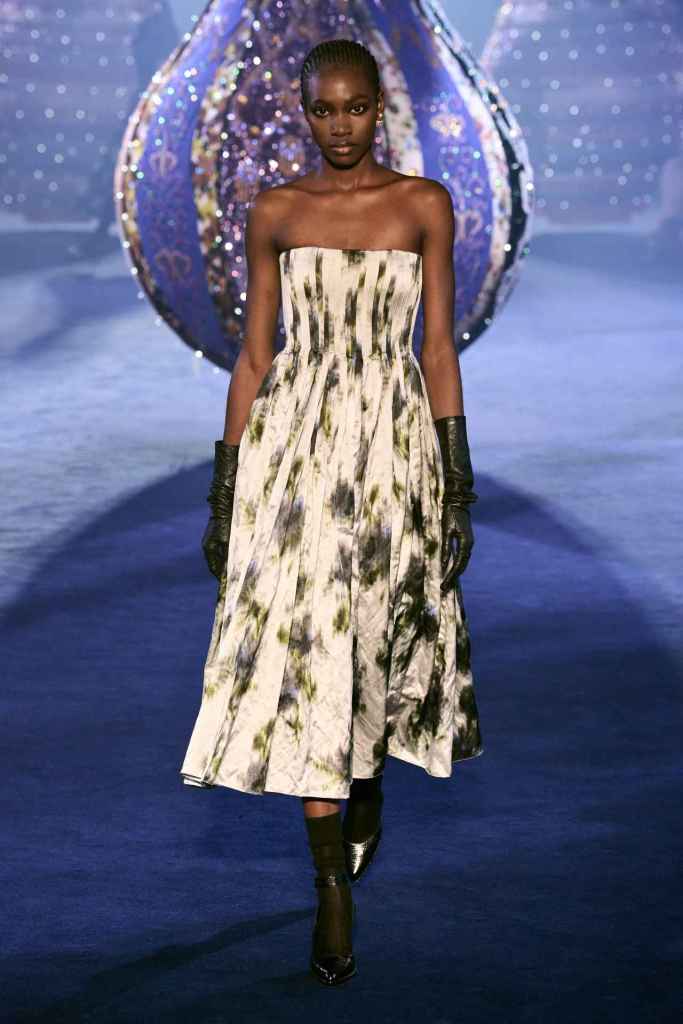
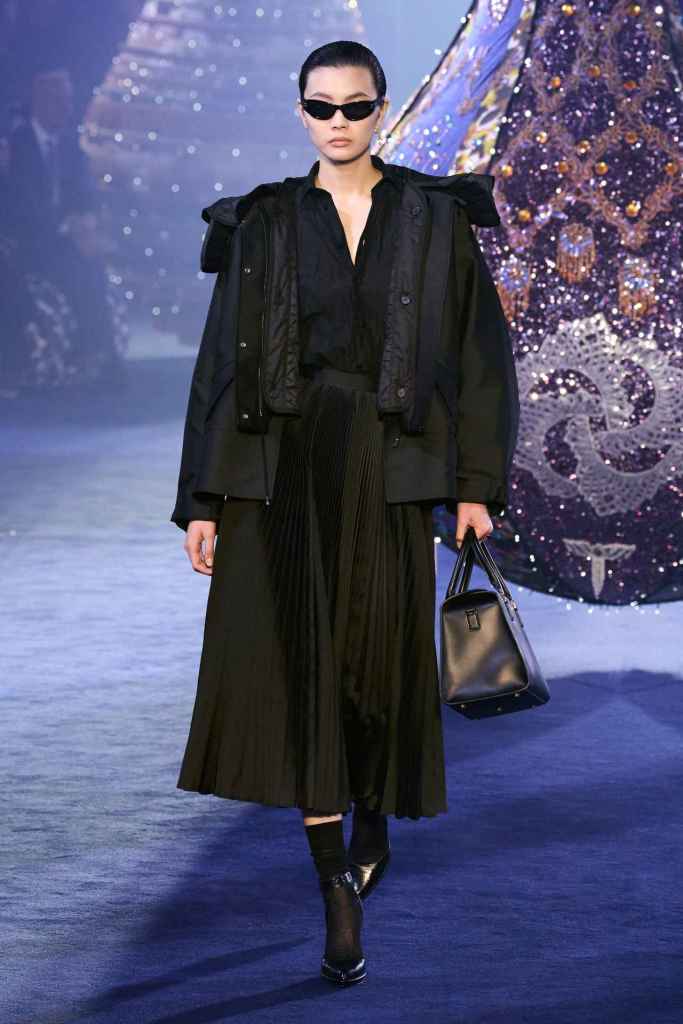
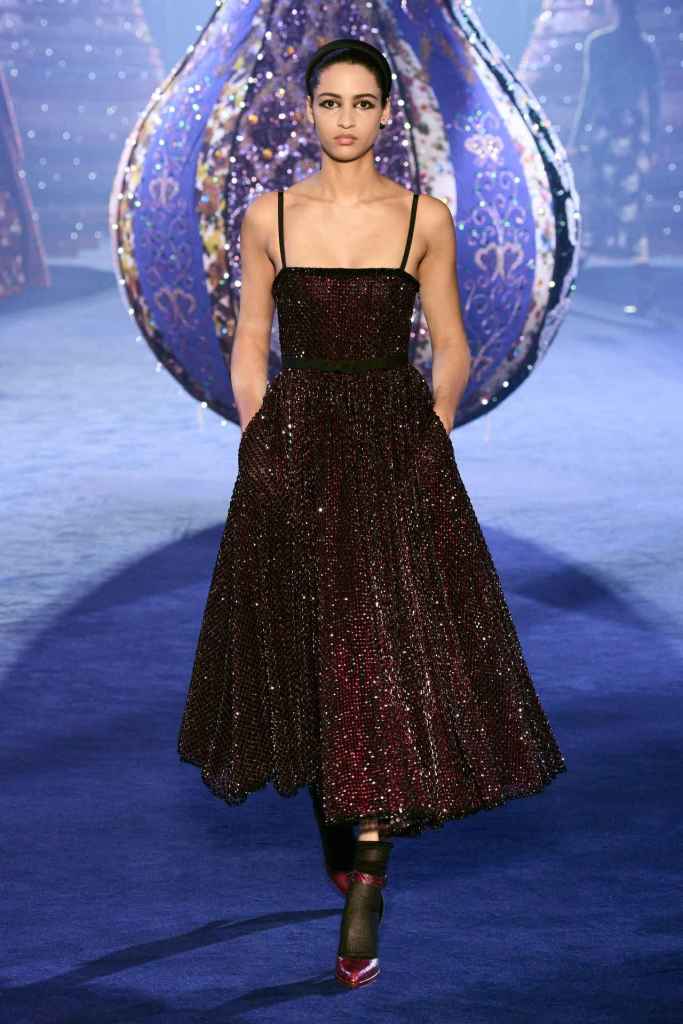
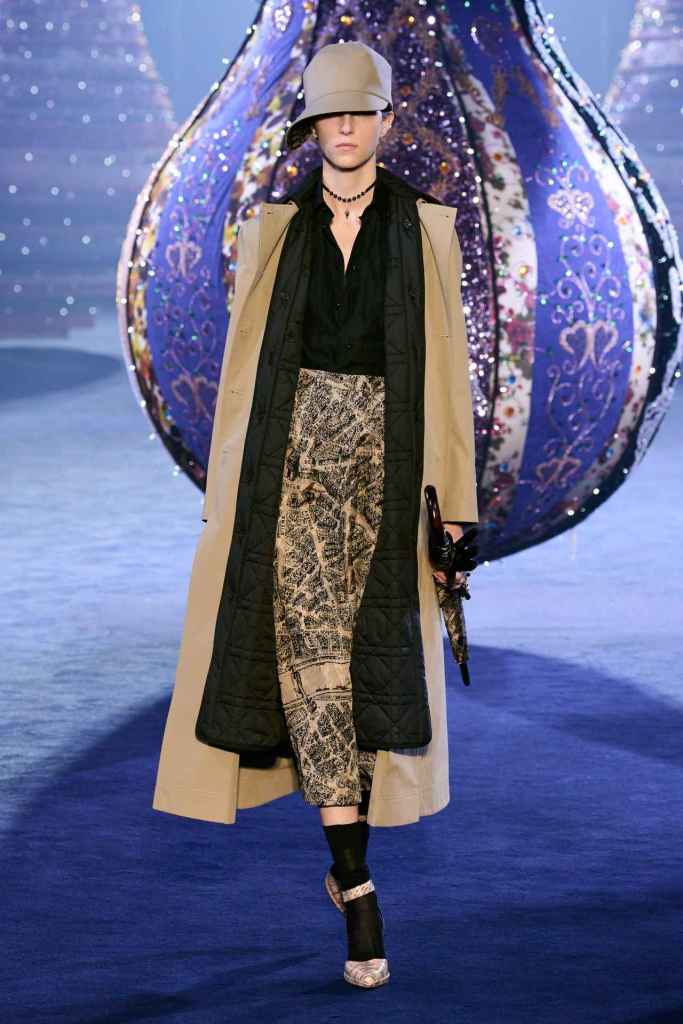
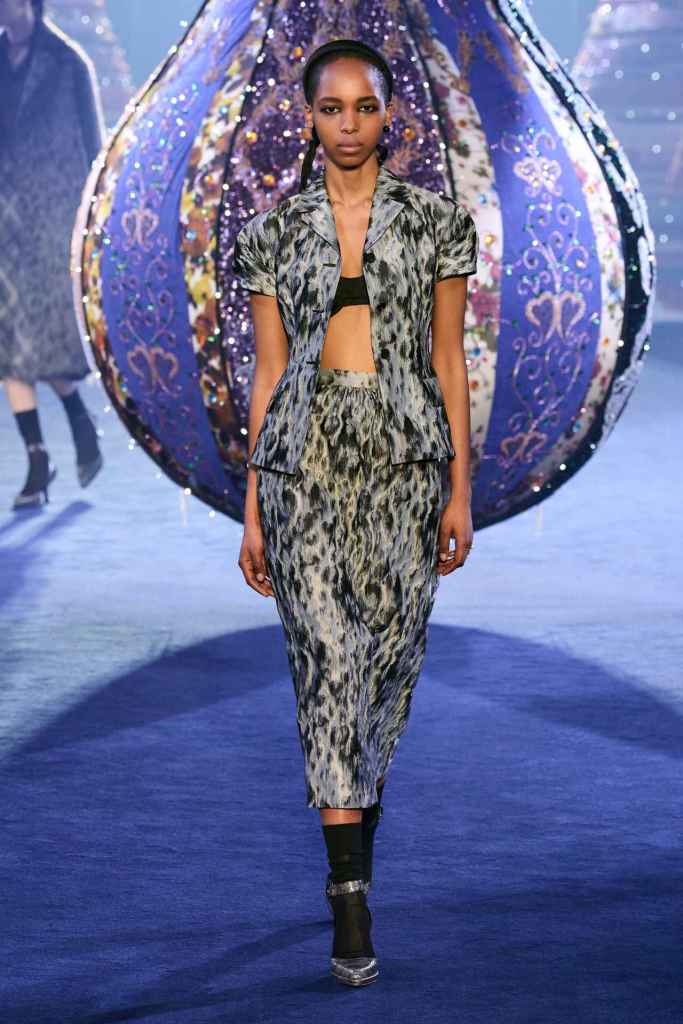
Dior: This Dior collection by Maria Grazia Chiuri drew inspiration from the 1950s – the golden era of Christian Dior and continues to serve as the foundation of the luxury label. Chiuri’s design inspiration came from rediscovering the little-known stories of the women who wore his clothes, including Catherine Dior, Juliette Gréco, and Edith Piaf, who she sees as forerunners of feminism. Chiuri’s Italian background adds a lightness to Dior’s traditional French style, making it wearable. The clothes are made with fabrics that are interwoven with metal thread, giving them a satisfyingly vintage look with a futuristic design approach. The show featured a playful and colorful fabric sculpture installation by Joana Vasconcelos watching over the models and audience. While the collection is nothing close to what I would have loved it did have some beautifully commercial pieces. Maybe its time to appreciate her Dior for what it is.
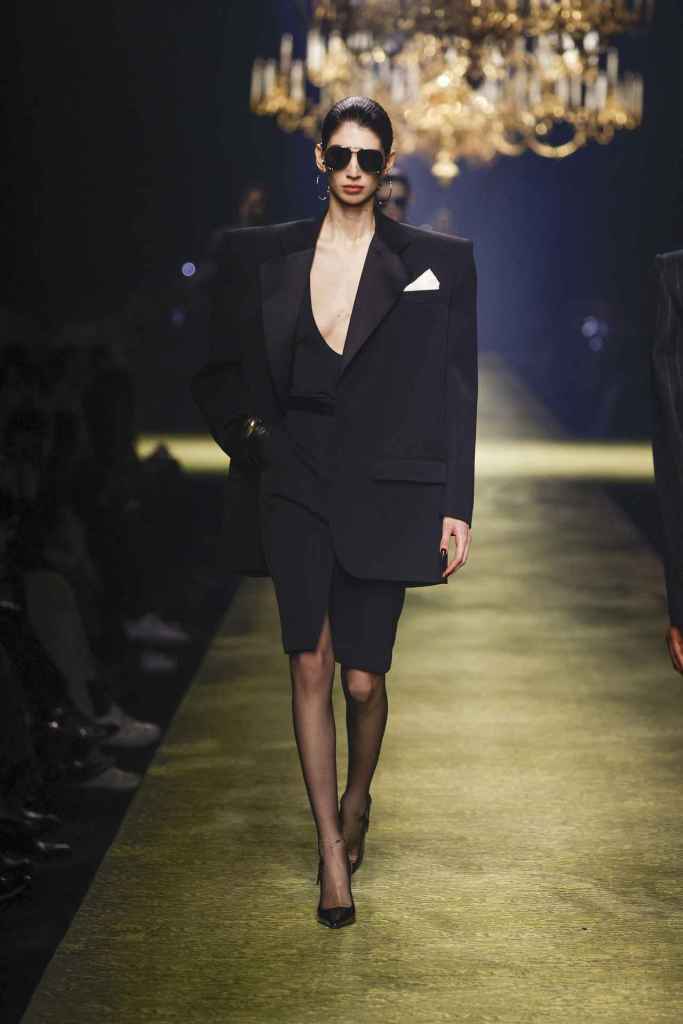
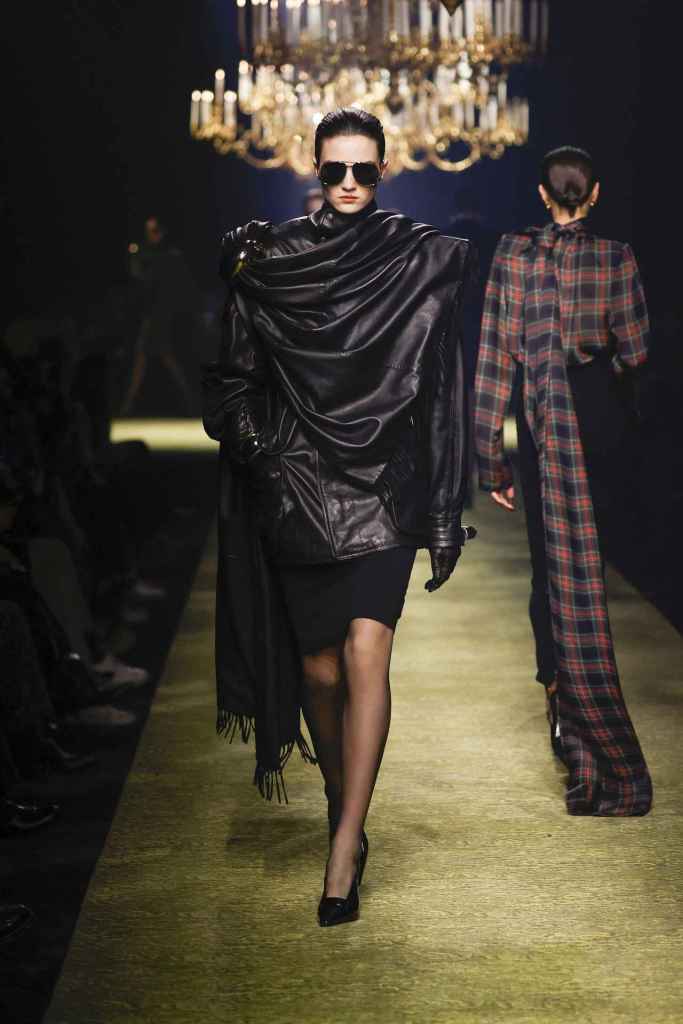
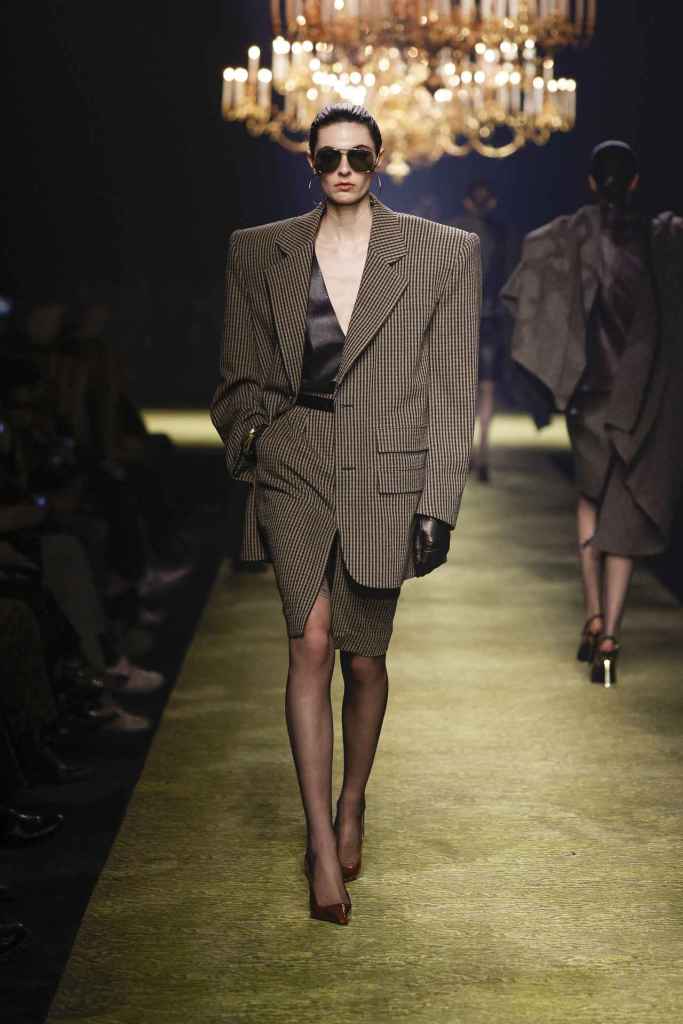
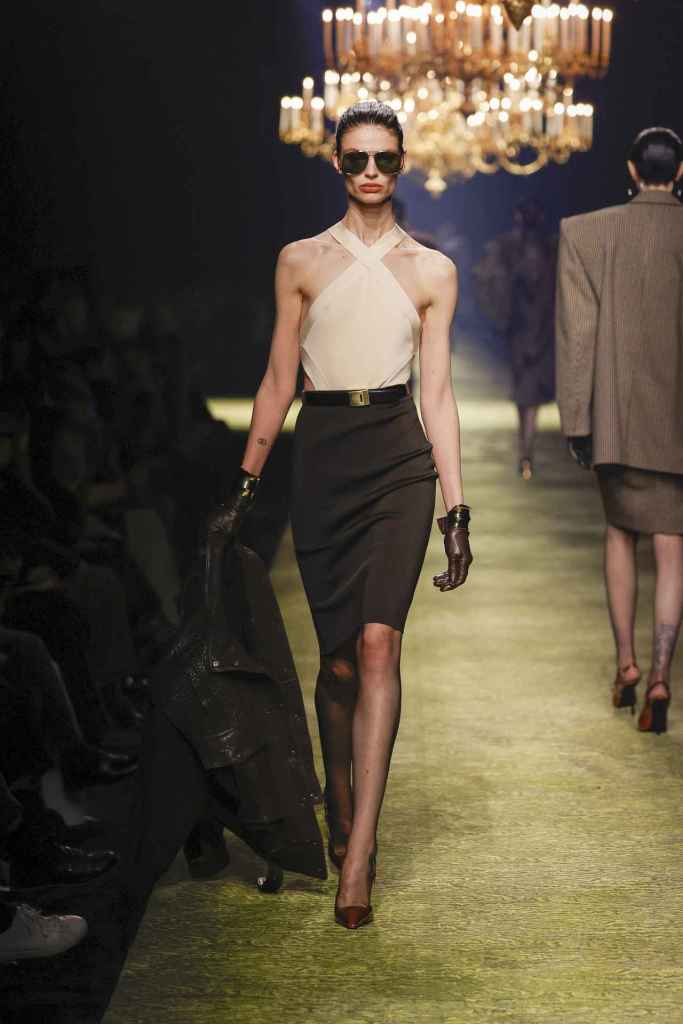
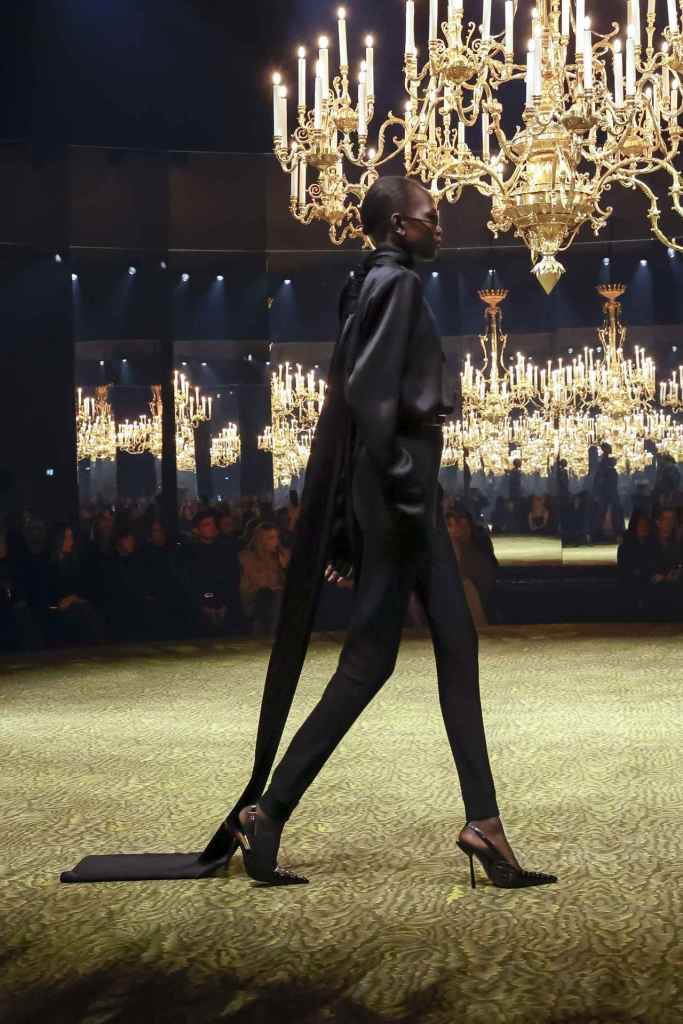
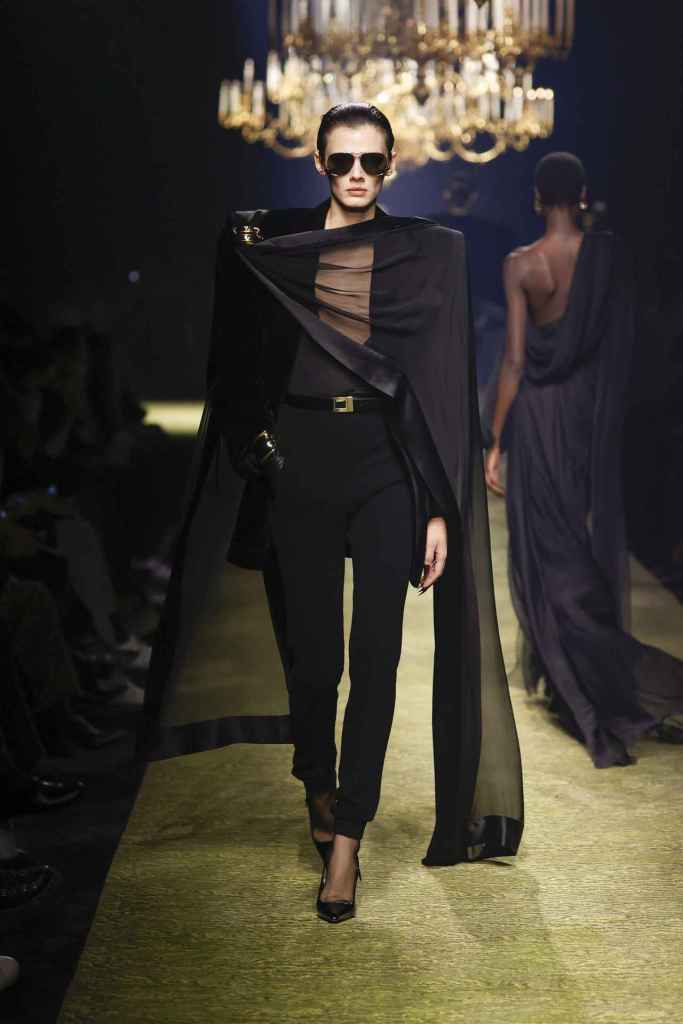
Saint Laurent: Anthony Vaccarello brought some serious class and glamour to the table. His collection featured oversized blazers with sharp shoulders paired with slim-fitting pencil skirts, creating a retro-inspired office look. The collection also had some badass ’80s glam rock elements, with tons of luxe textures layered together flawlessly. The androgynous clothes blurred gender boundaries effortlessly and with sophistication along with timeless glamour. Vaccarello’s exceptional show solidifies that he is moving the brand in the right direction. Vaccarello chose to forego his previous typically extravagant fashion shows for a more subdued, intimate, and vintage feeling event. The clothes are sensual and make the wearer feel the same. Saint Laurent equals Desire, and this collection is a testament to that.
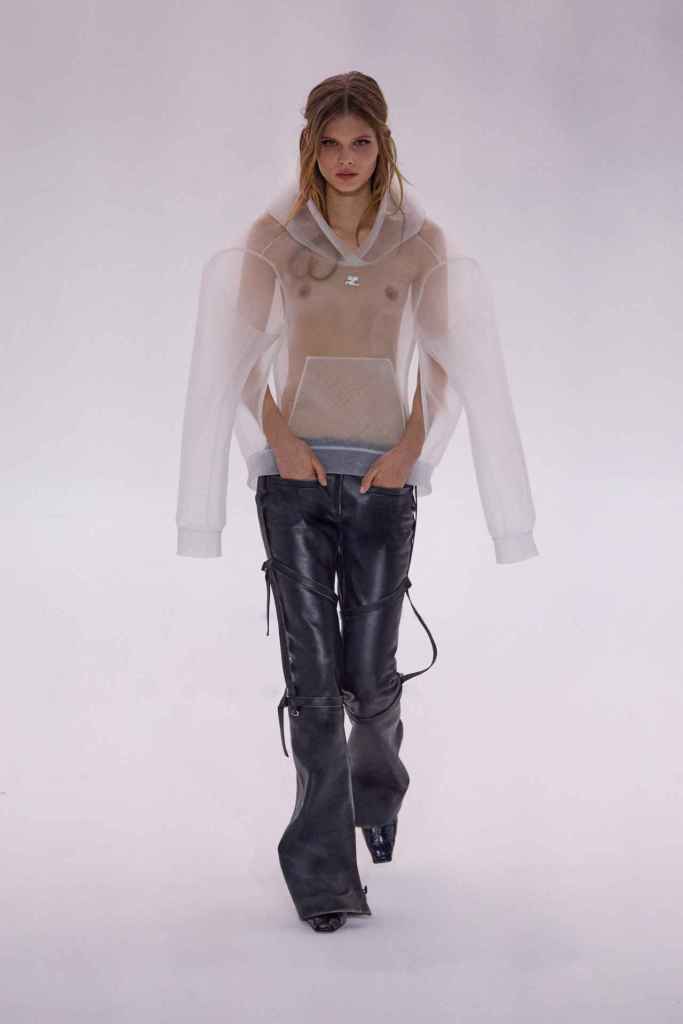
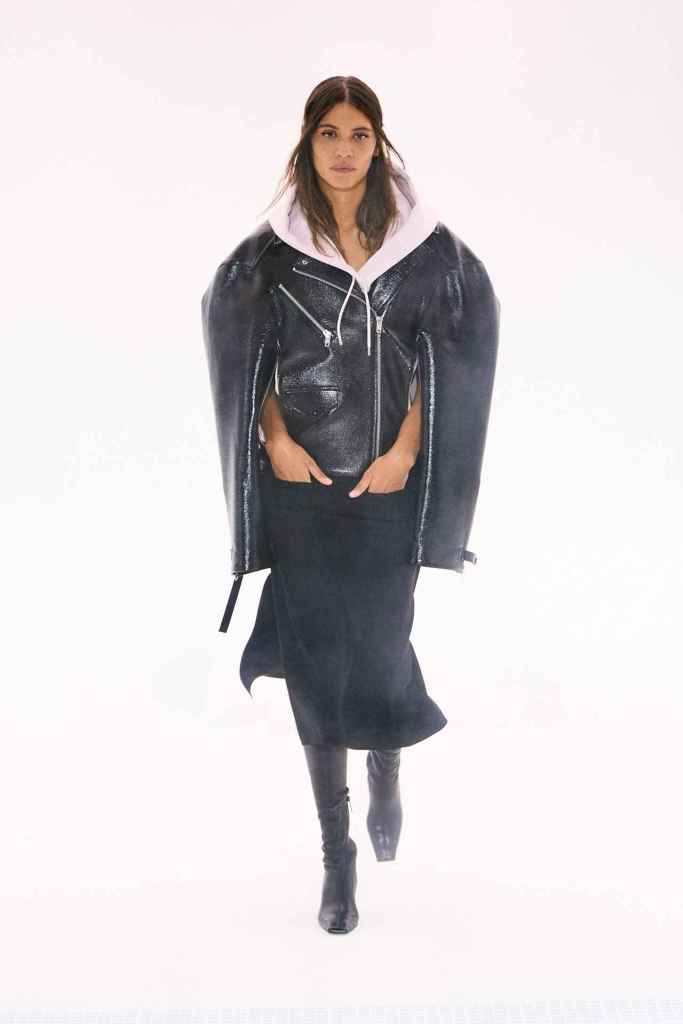
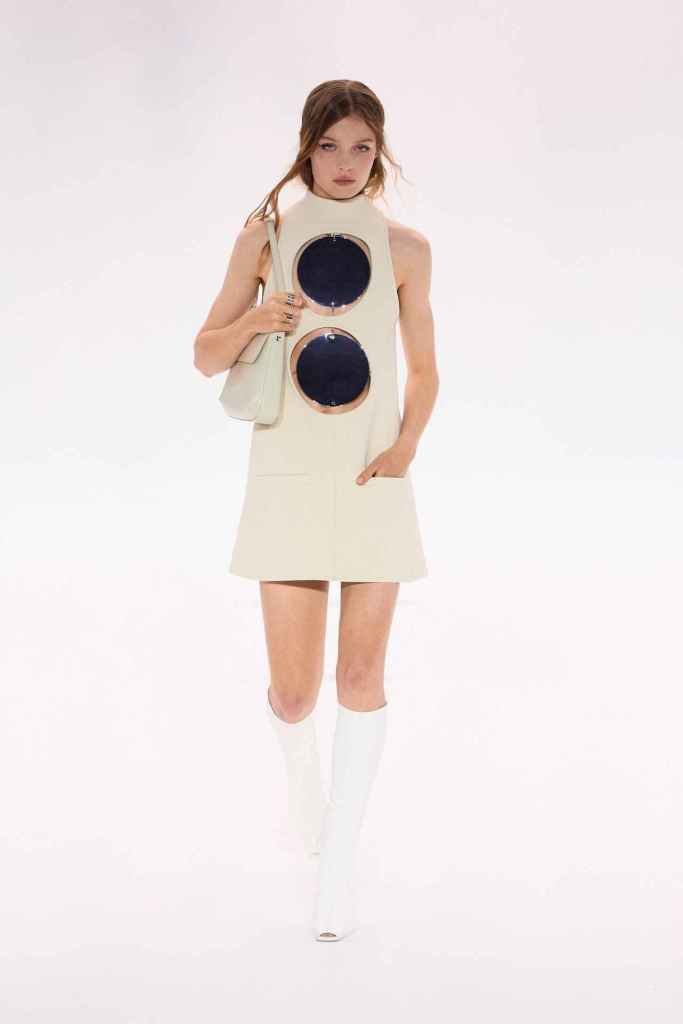
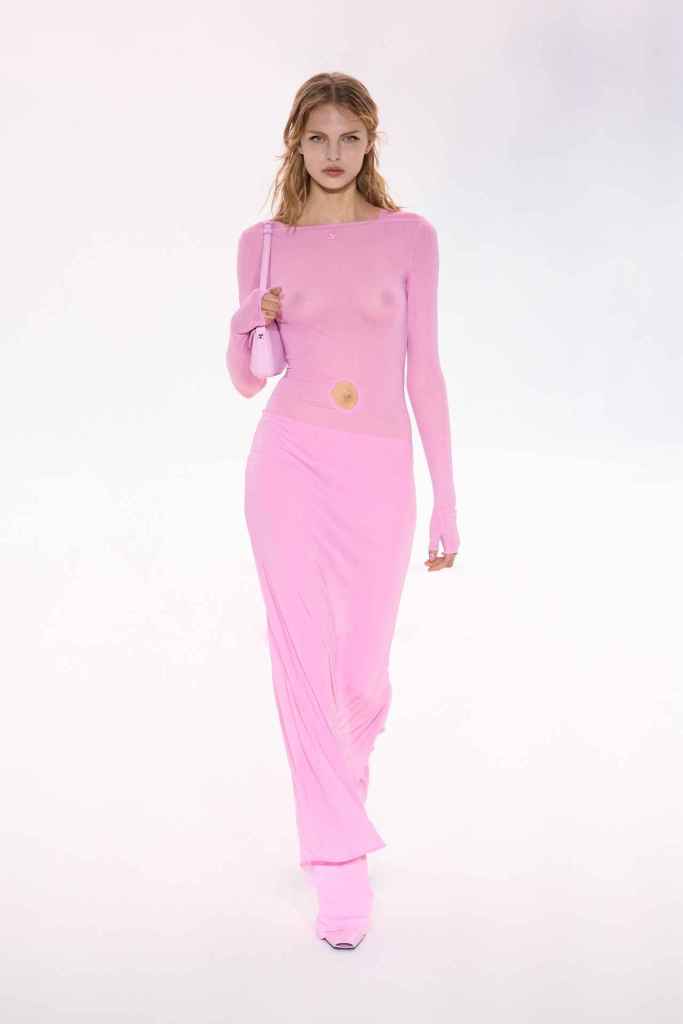
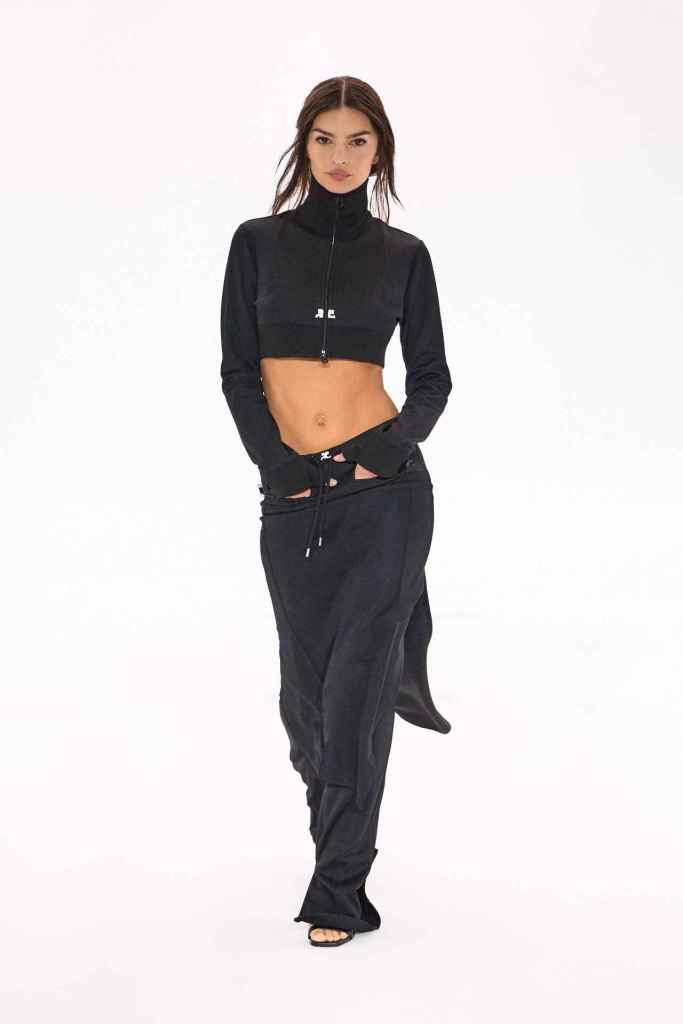
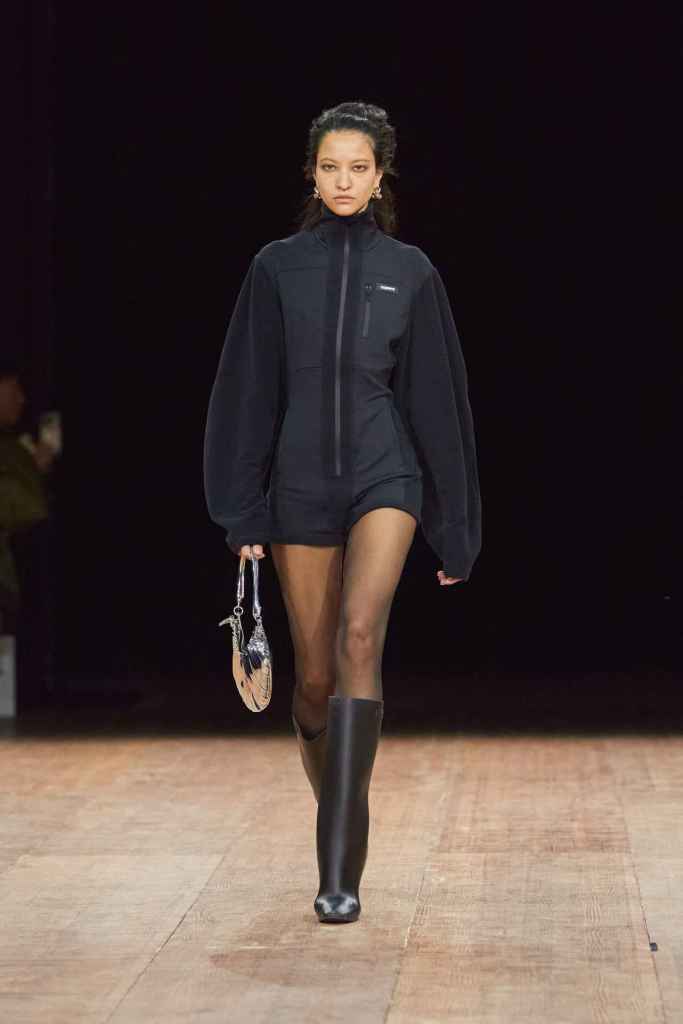
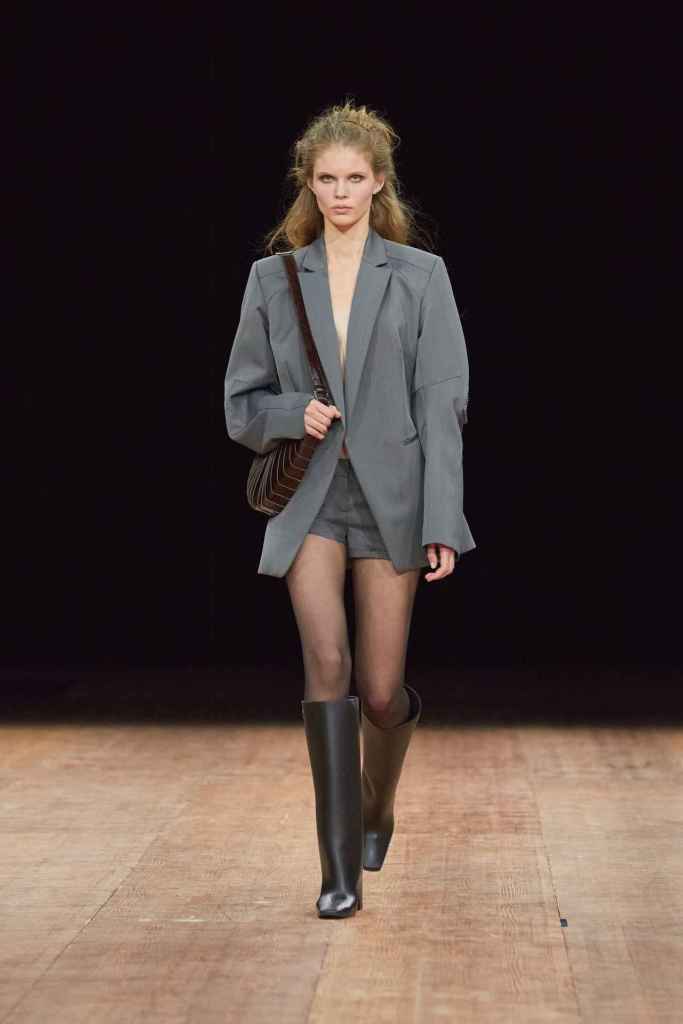
Courrèges: Nicolas di Felice Courrèges’s showcases a journey toward inner enlightenment through an evolving wardrobe. It blends rituals and daily routines to create a space that illuminates one’s true self. Nicolas presents a surreal and dystopian vision of nature, reflecting the taming of natural forces such as light, fog, and air. The ’60s-inspired collection had a space-age vibe that was reflected in the Technology blend but the futuristic set design. The show’s soundtrack features an AI voice asking if the sky is blue, a metaphor for questioning our reliance on technology. André Courrèges would have approved! Courrèges has maintained its innovative and futuristic roots under Nicolas’s leadership, which has led to the brand being fashion-forward once again. Nicolas’s designs are trendy, daring, and suited for today’s audience – what more could you need?
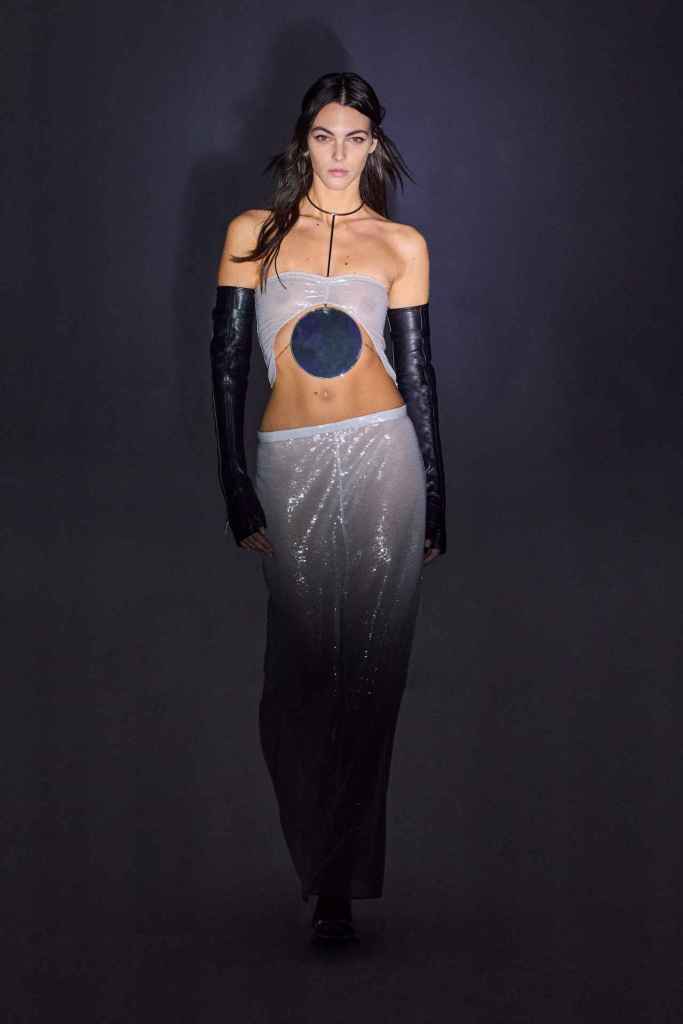
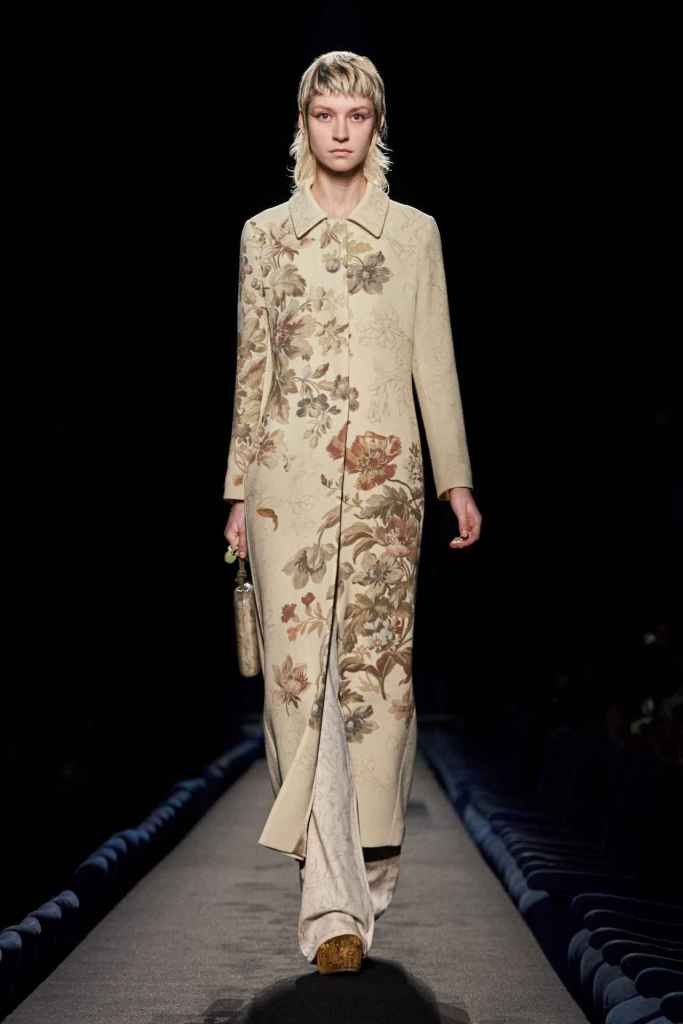
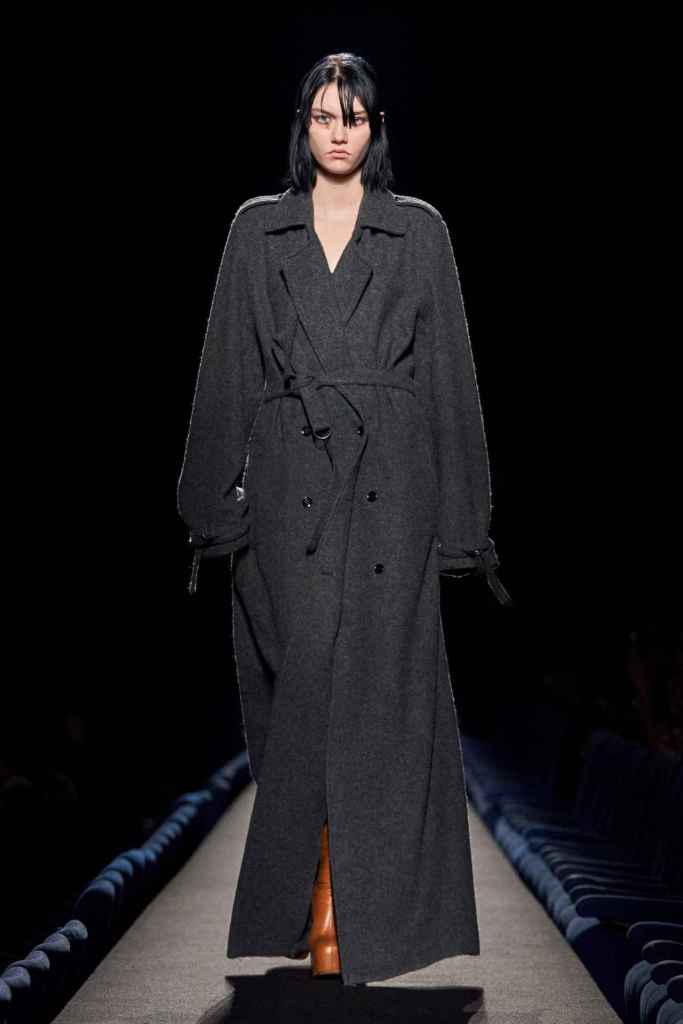
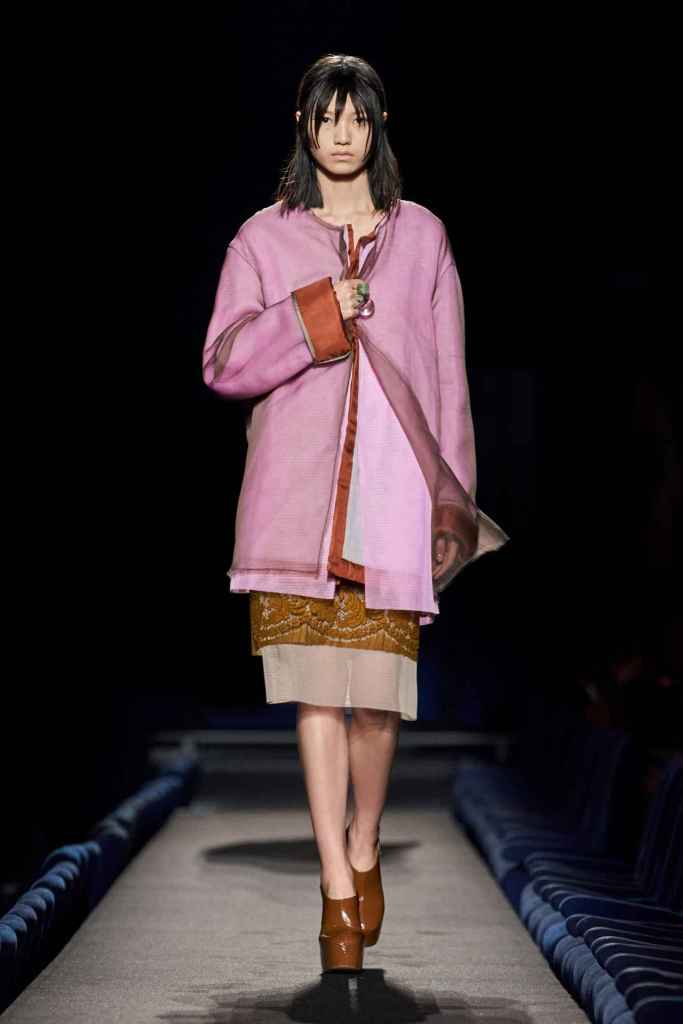
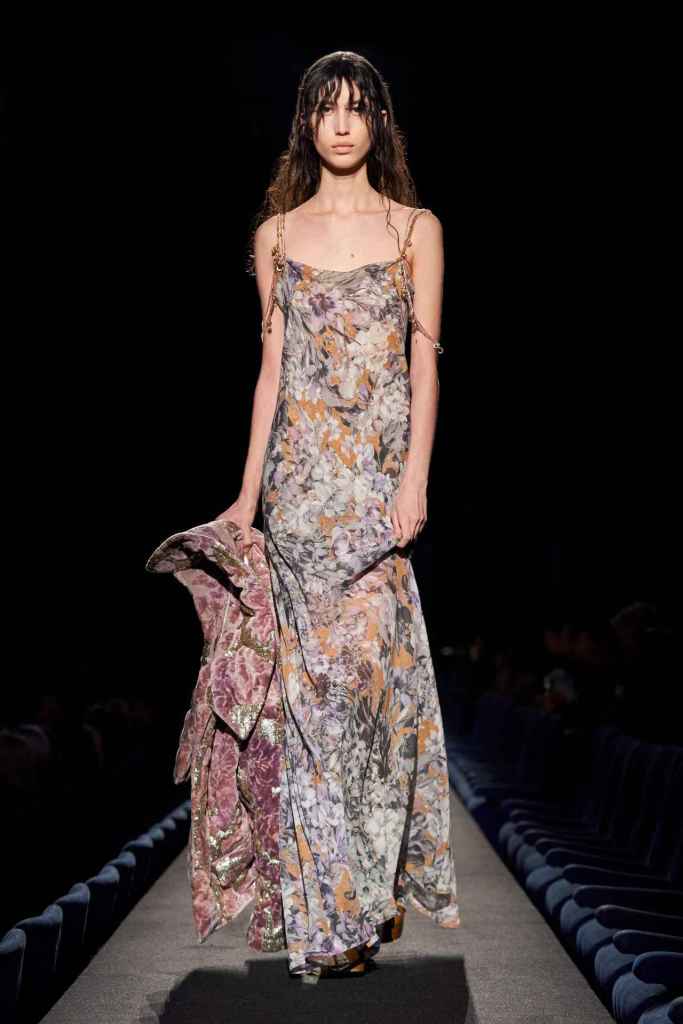
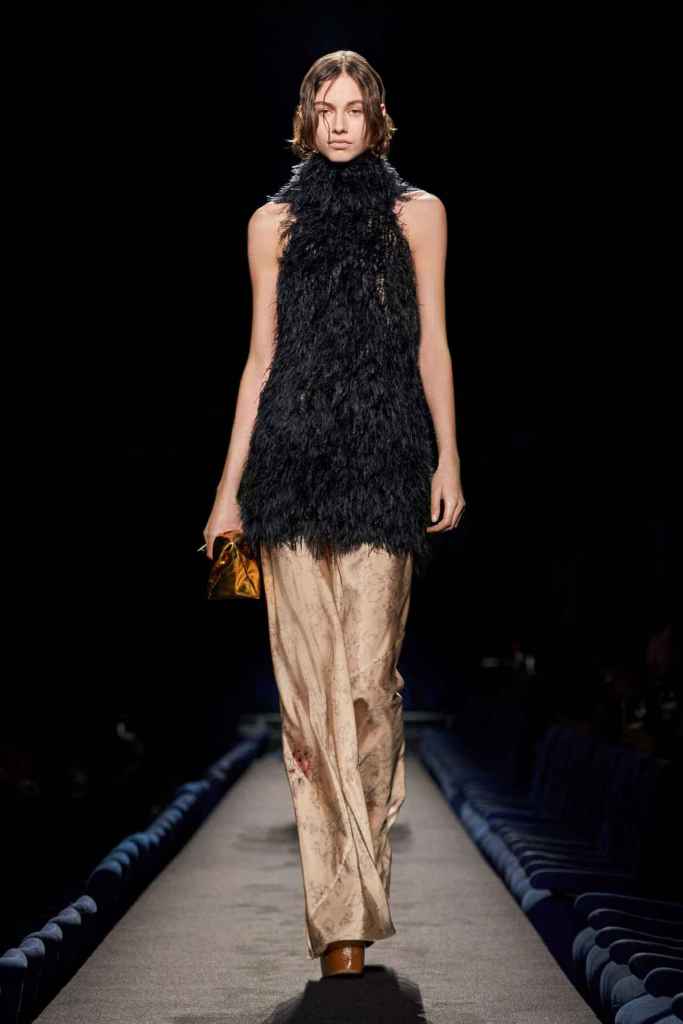
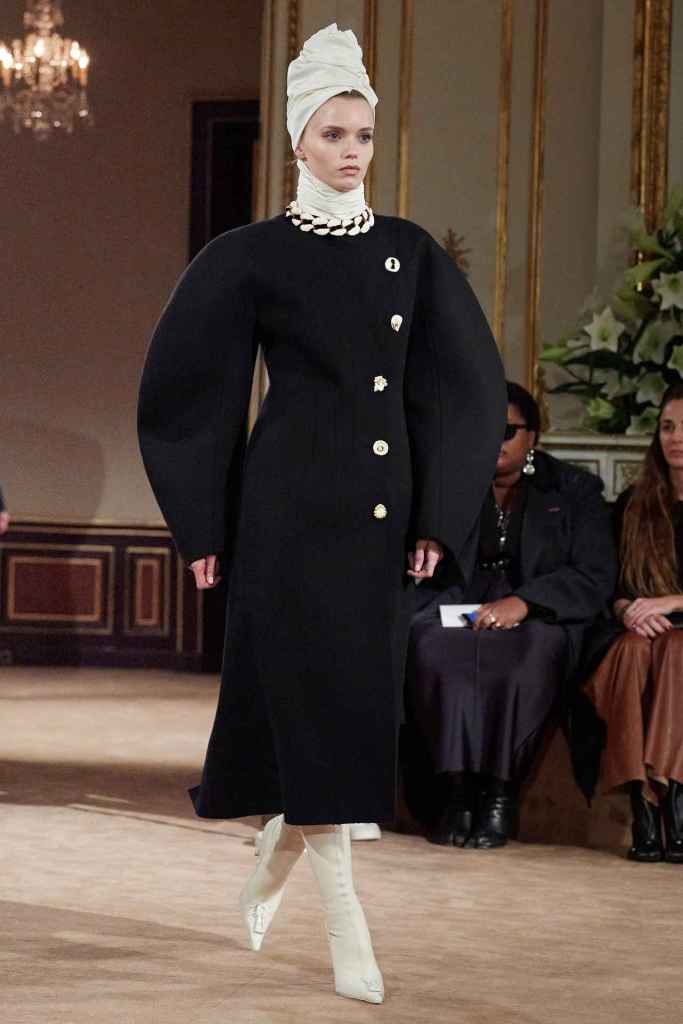
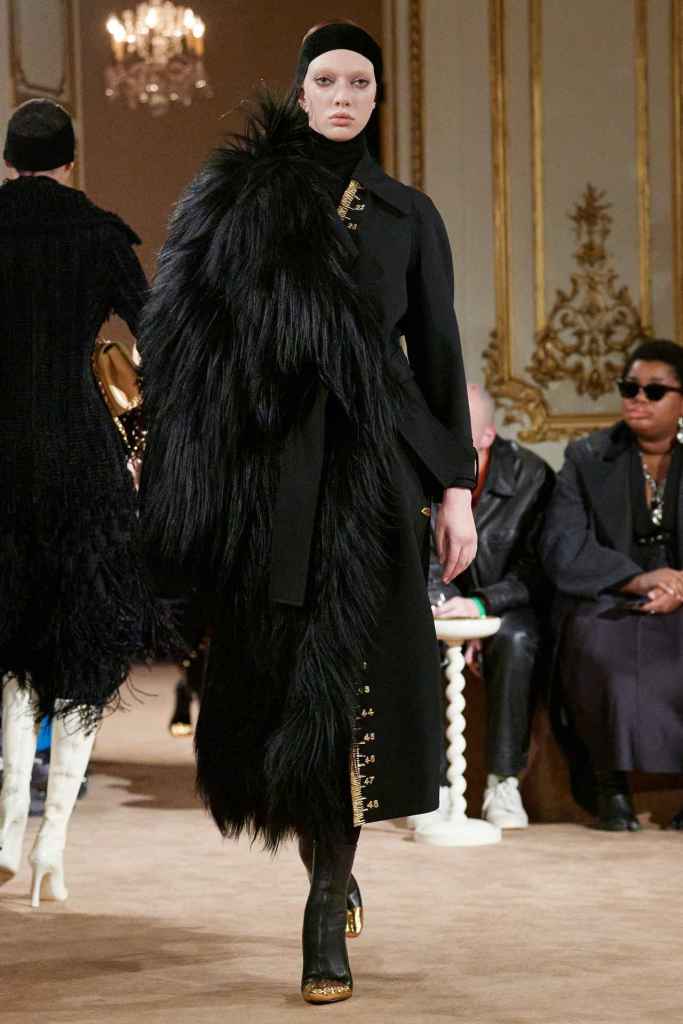
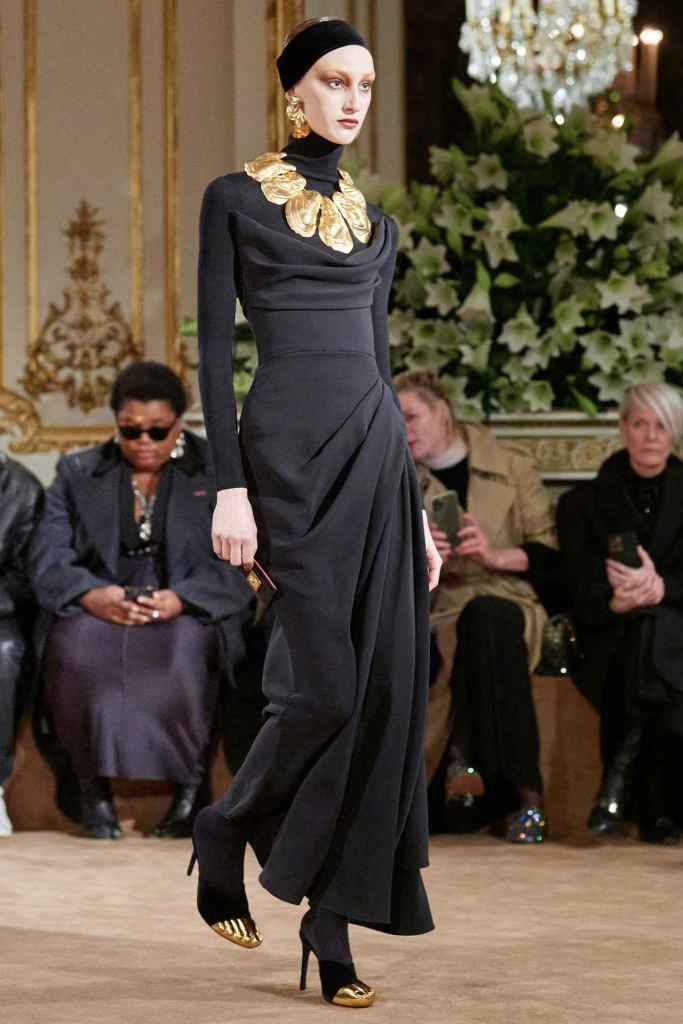
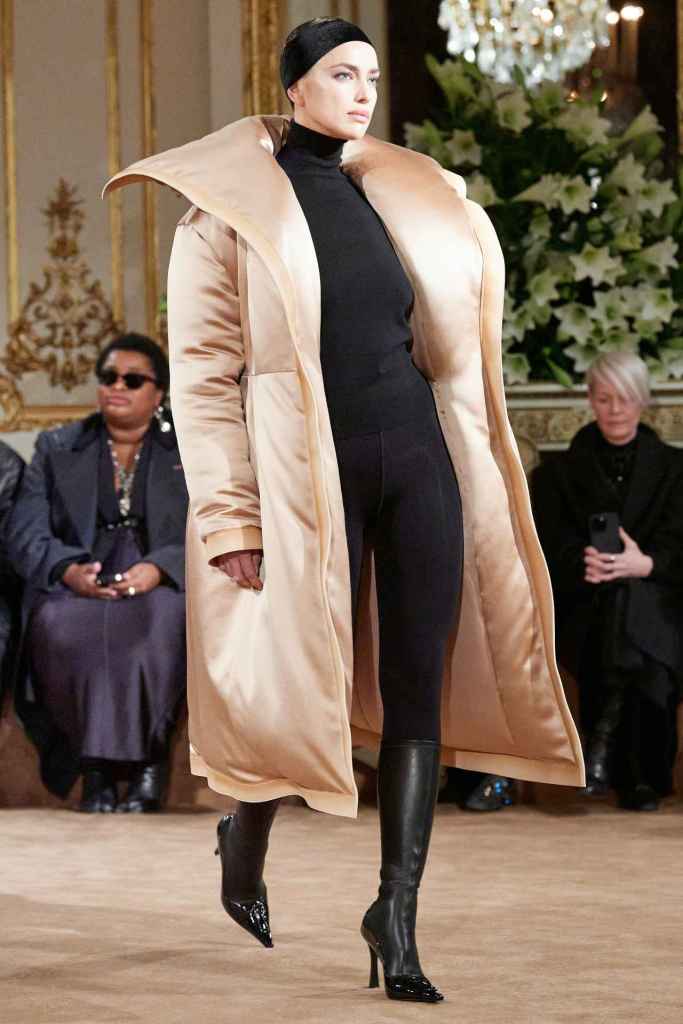
Dries Van Noten: This show is a contemplation of the connection between a dress and its wearer, highlighting moments of closeness and tenderness. The show features personalized clothing, including floral accents, large coats, elegant tailoring, intricate embroidery, and gentle silhouettes, all with a touch of gold. The designer’s creations have been simplified and adorned with minimalist ornamentation, resulting in refined and sophisticated pieces. This collection reminds us that intimacy wins. For a Dries Van Noten this collection is a dreamy haven; filled with love and nostalgia. Father Dries!
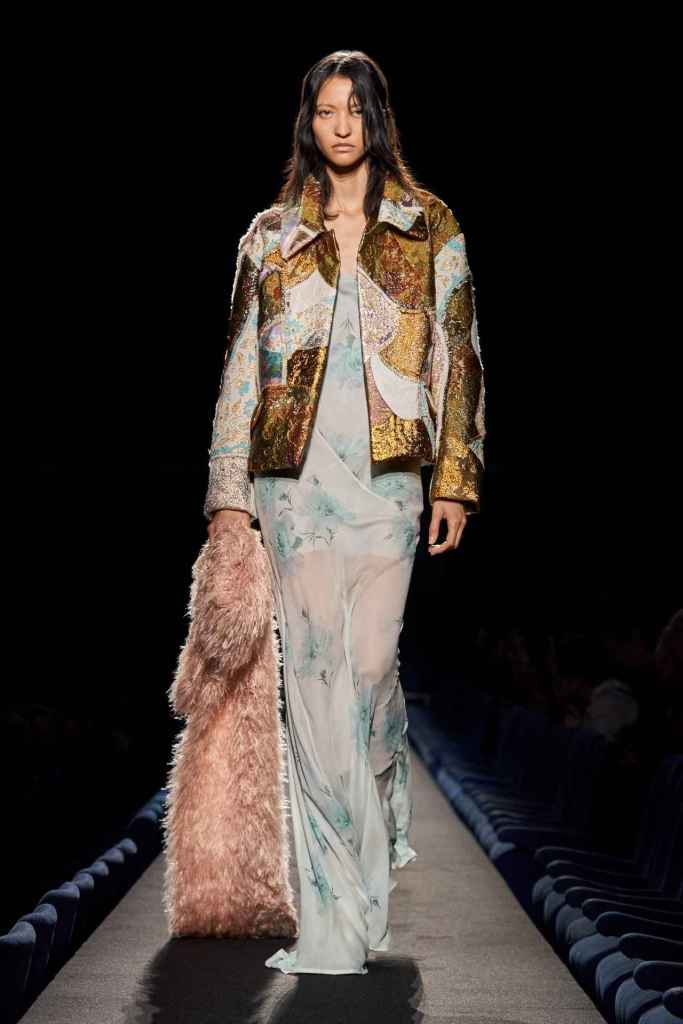
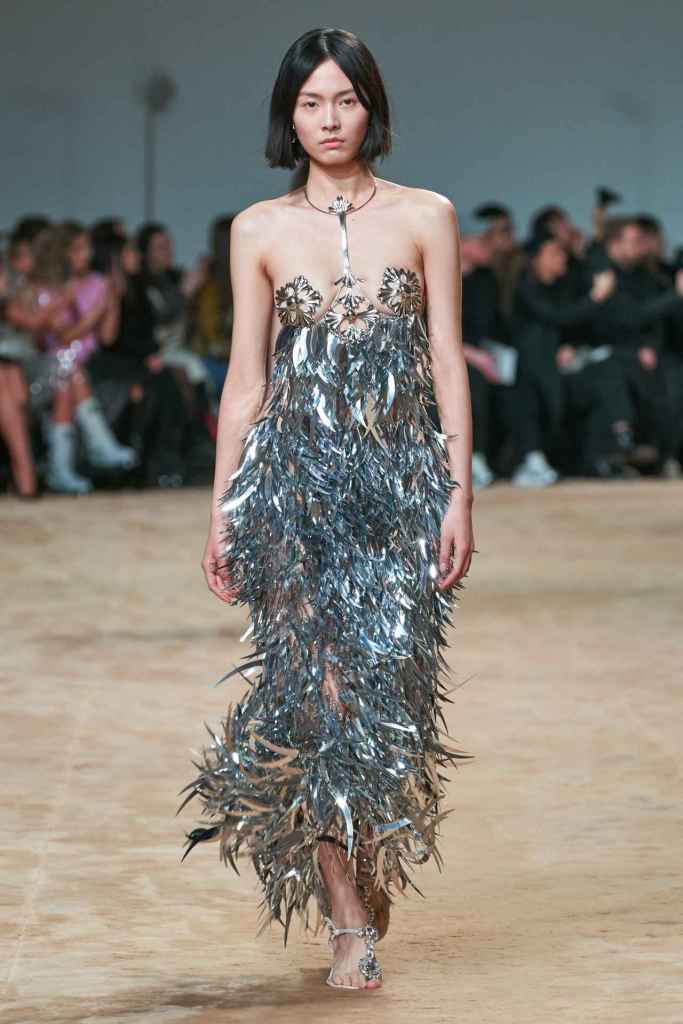
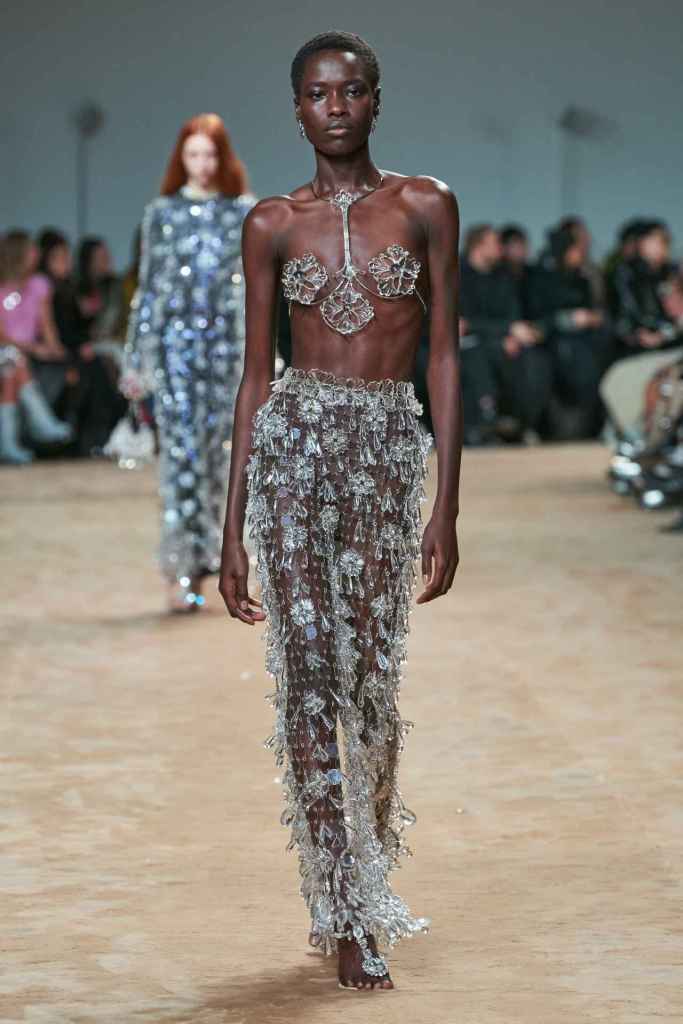
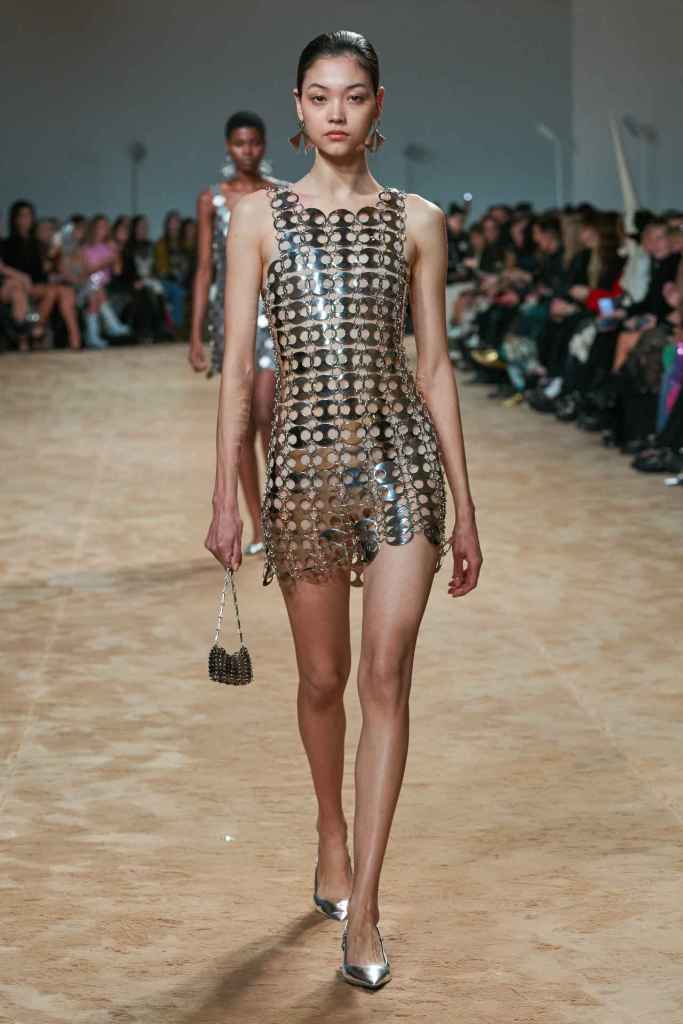
Paco Rabanne: The new collection pays tribute to Paco Rabanne, the iconic designer who passed away at 88 this February. Creative director Julien Dossena created a glittering array of pieces that are in line with Rabanne’s unconventional and visionary futurism. The collection explores the use of fabrics and textures, with a focus on unconventional materials. The archival looks exemplify Rabanne’s space-age aesthetic from the ’60s, reminding viewers of the possibilities of using unconventional materials in fashion. Salvador Dalí’s paintings were showcased on sweeping gowns adding to retro surrealism. The closing 5 looks are direct reinterpretations of some iconic minidresses; We go back into Rabanne’s fantasy world where he effortlessly breaks conventions using jingling inventive garments.
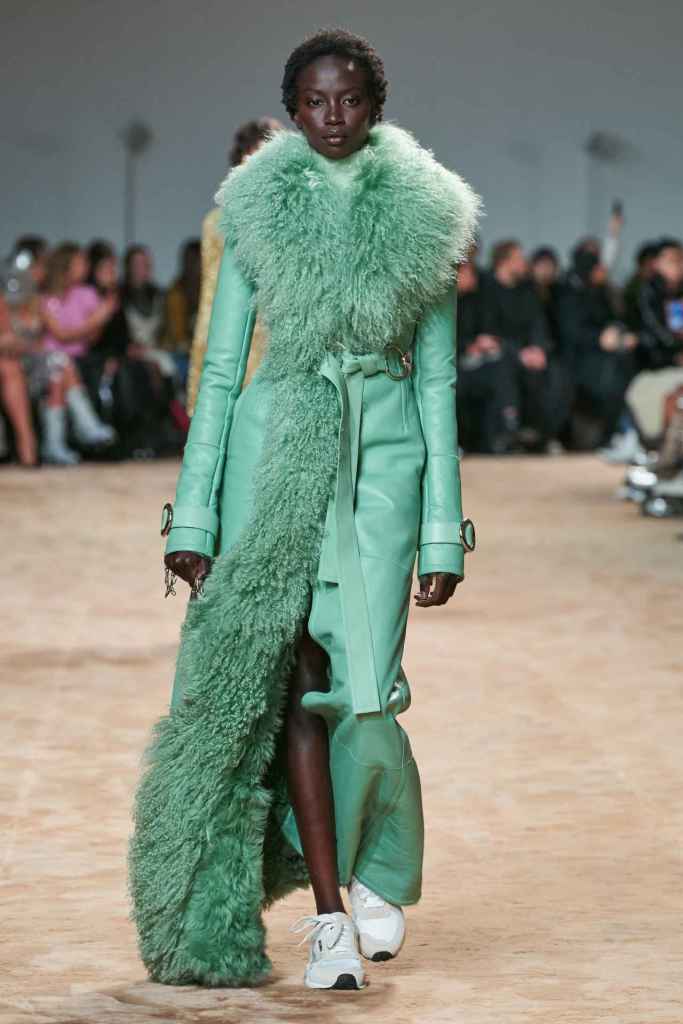
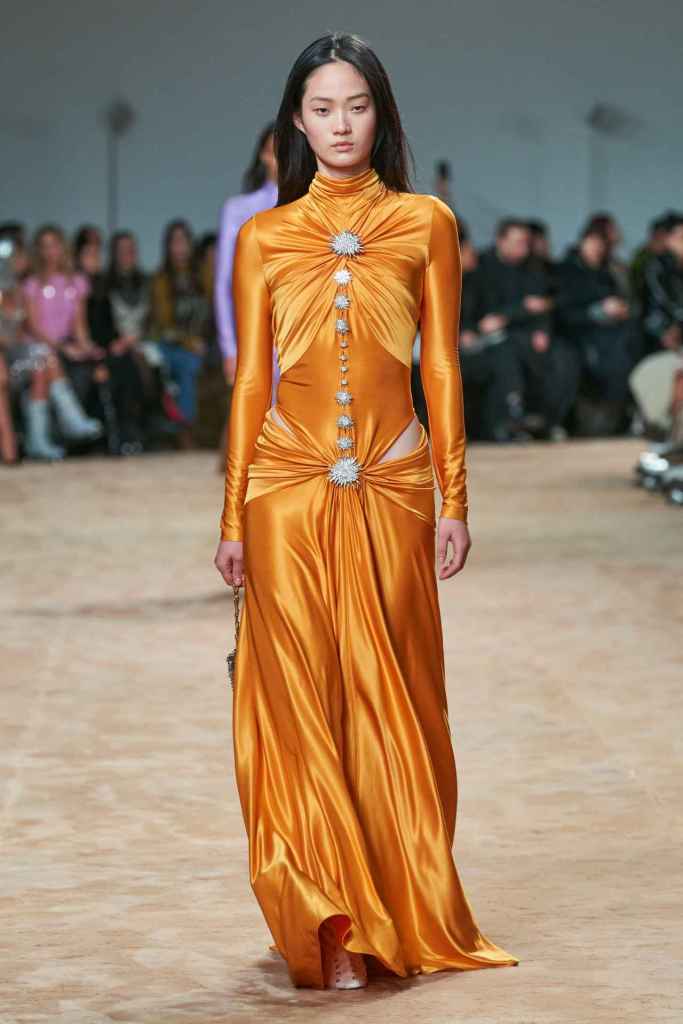
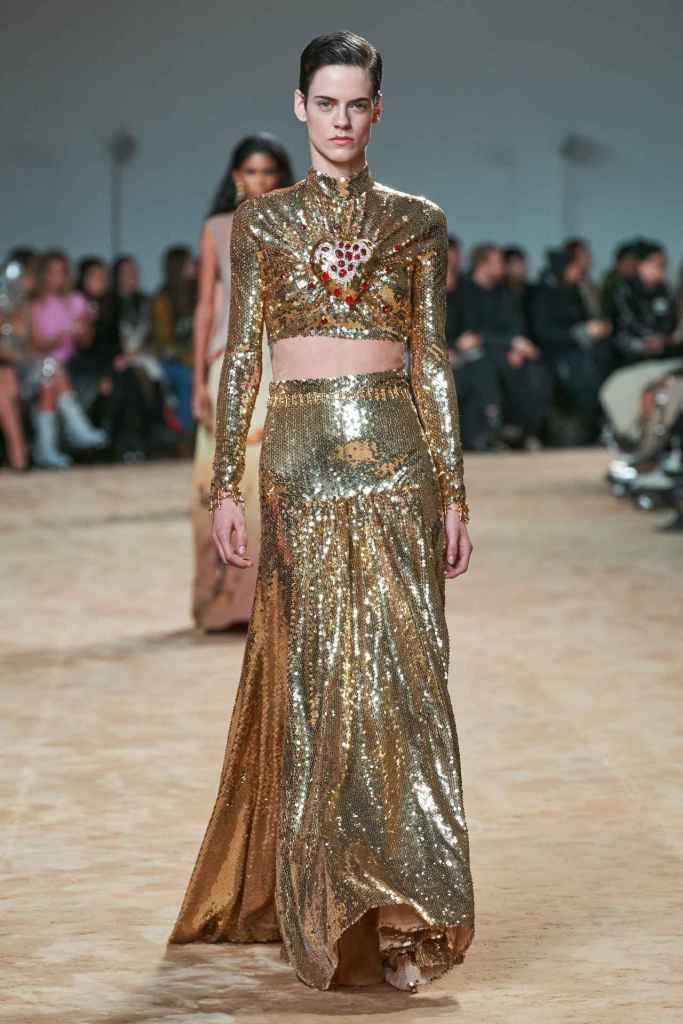
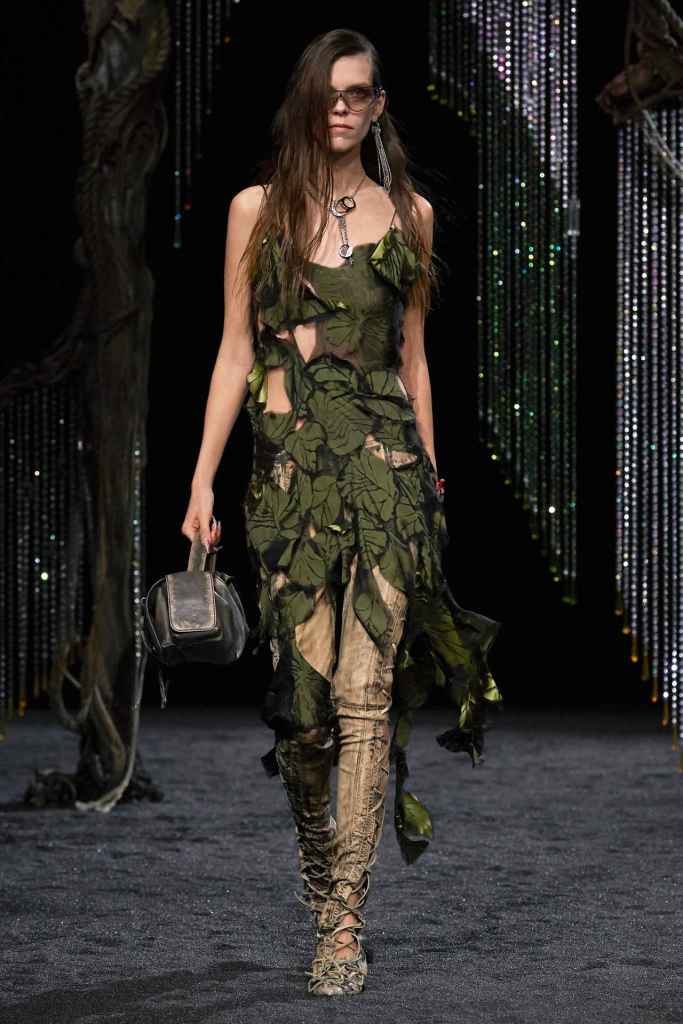
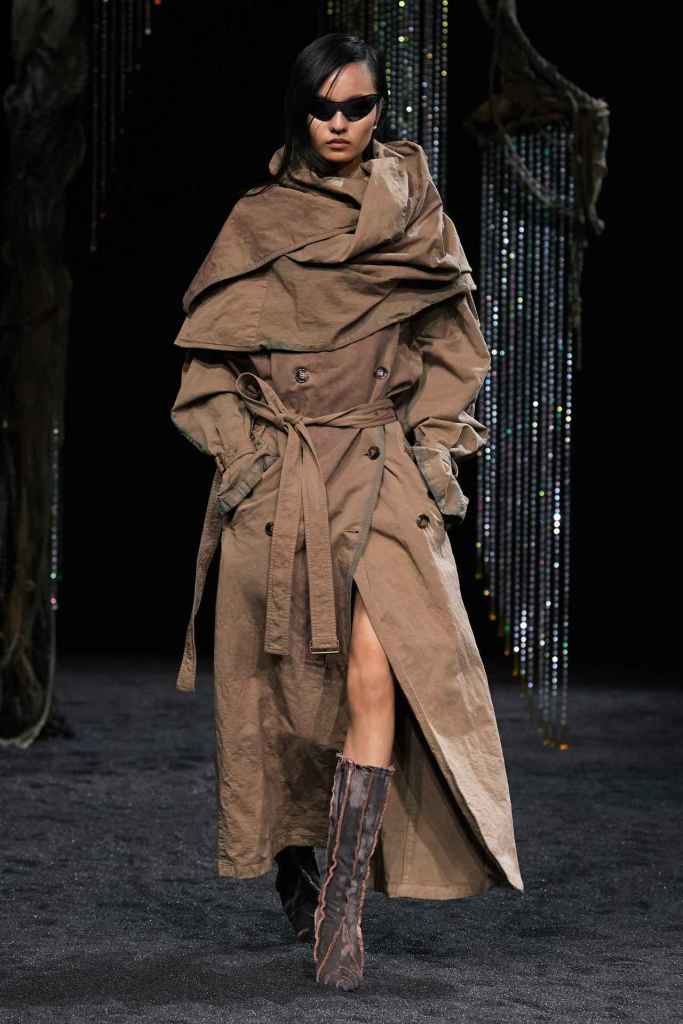
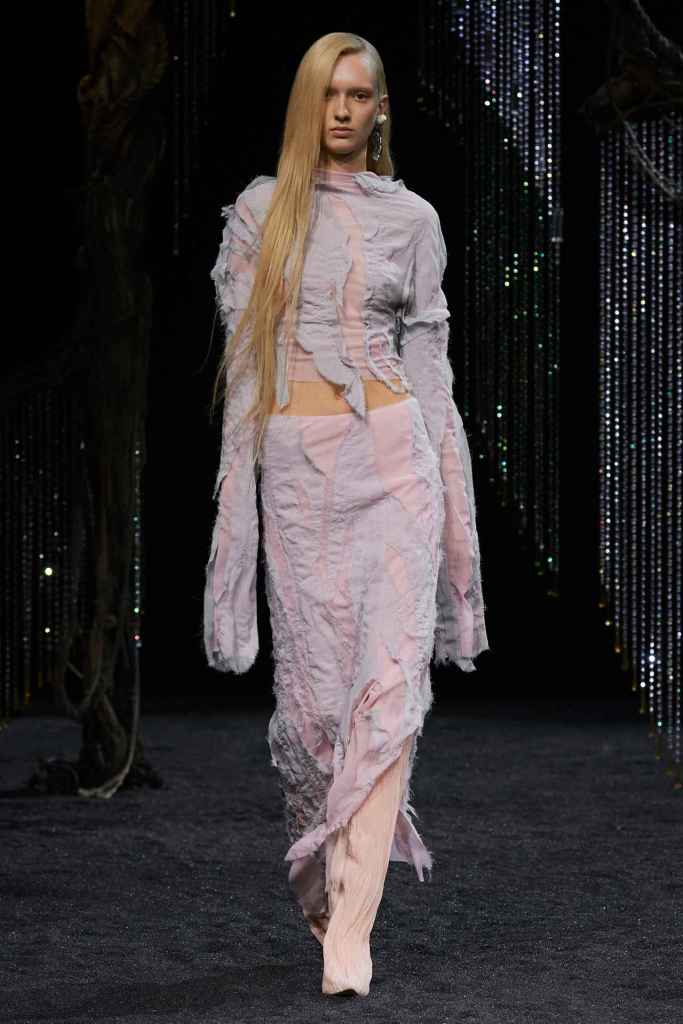
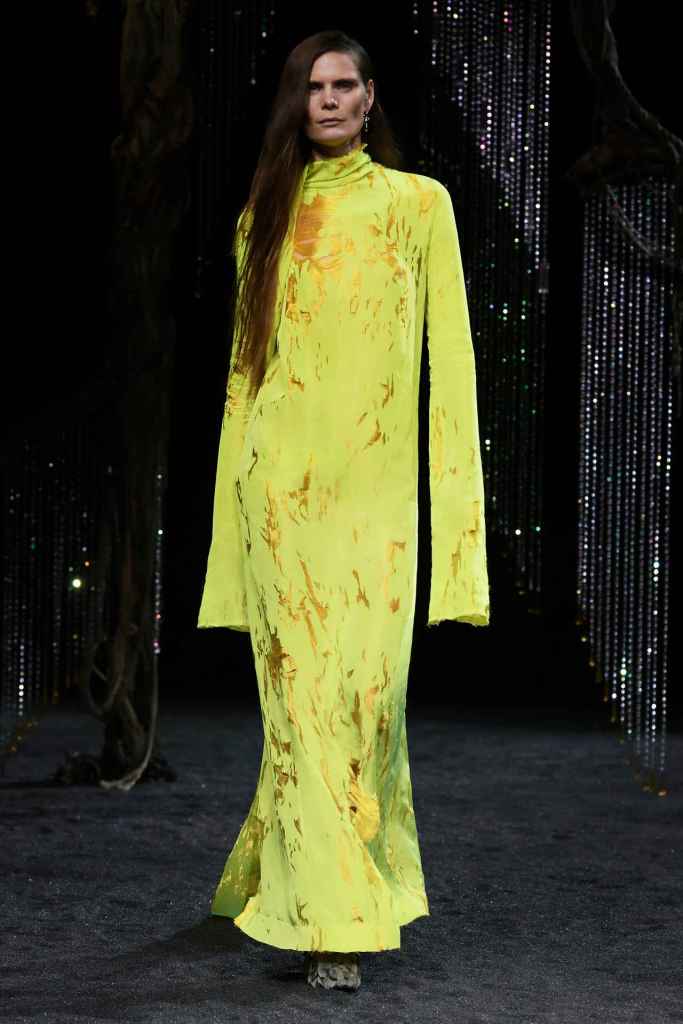
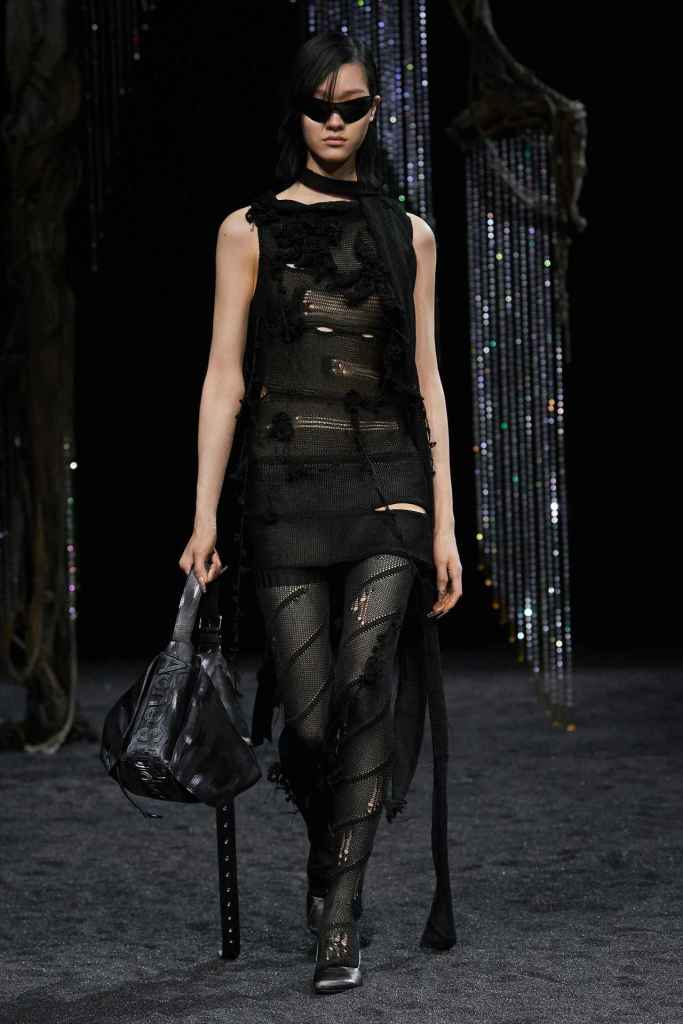
Acne Studios: Acne Studios presented their nature-inspired collection in Paris, featuring a fantasy forest setting designed by Shona Heath, with electronic music by Sarahsson and models walking out from the darkness. The collection celebrates growth and evolution with a contrast between urban life and nature. The pieces include evening wear and outerwear, with earthy tones and poisonous shades of bright colors. The materials are distressed to look aged in dirt and rain, with textures inspired by all things nature, from flowers to tree bark, giving a melancholic and magical effect. Considering the current state of the world and the advancements in technology, it is understandable for Jonny Johansson to feel the need to seek refuge in nature.
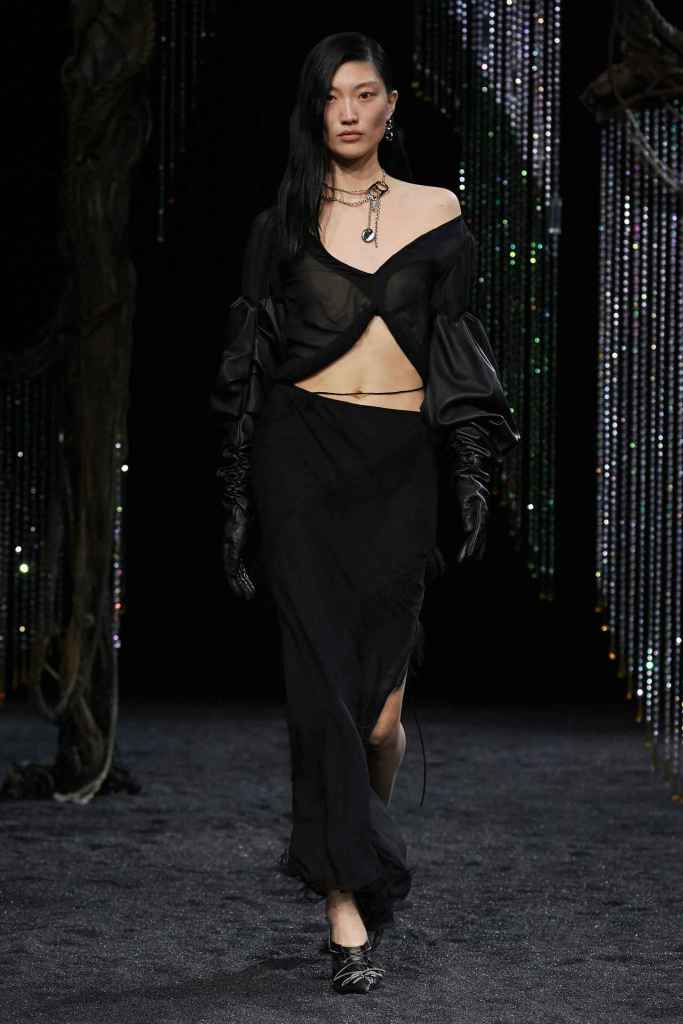
Balmain: Olivier Rousteing pays homage to Pierre Balmain and his luxurious French style that defined the brand decades ago. The collection reflects on Balmain’s lengthy history while simultaneously looking at the future. The archives of Balmain reveal that Pierre Balmain’s passion for architecture heavily influenced his work. Balmain often highlighted the connection between the work of an architect and that of a couturier. It draws inspiration from historical cues to showcase the transformational journey of the Balmain legacy. In contrast to the prevalent streetwear trend, Rousteing’s collection showcased elegance and timelessness, emphasizing the importance of quality and craftsmanship in the new gen of fashion. The clothes featured impeccable tailoring with feminine sensual necklines, elegant problems, tuxedo-inspired dresses, monogrammed pieces and suede suiting. The show featured a few heavily pearl-embellished looks toward the end. Bravo, Balmain!
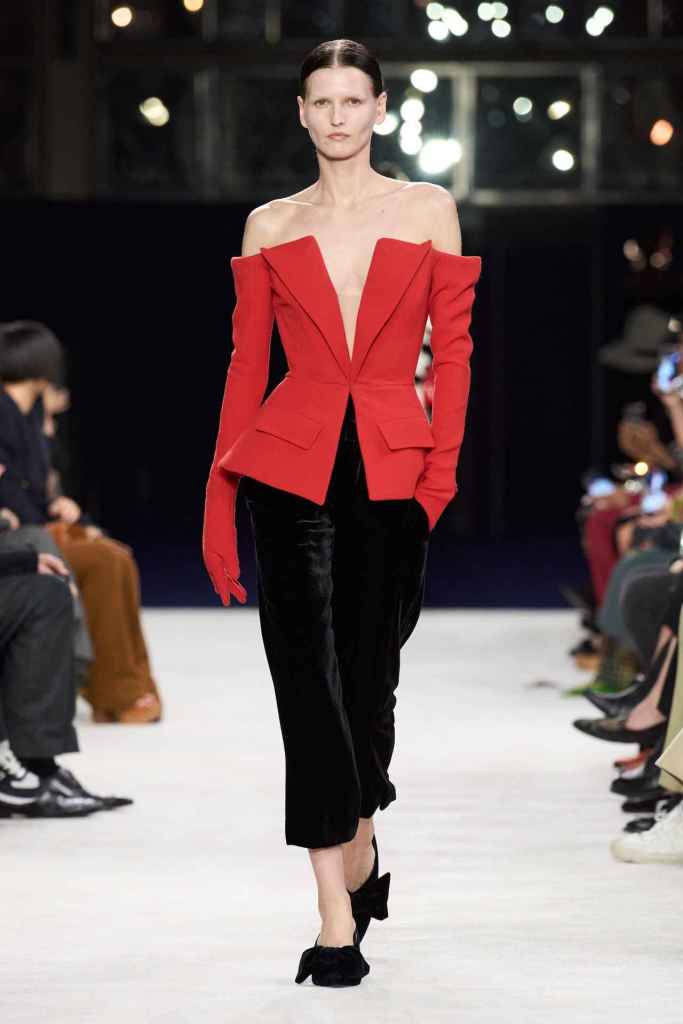
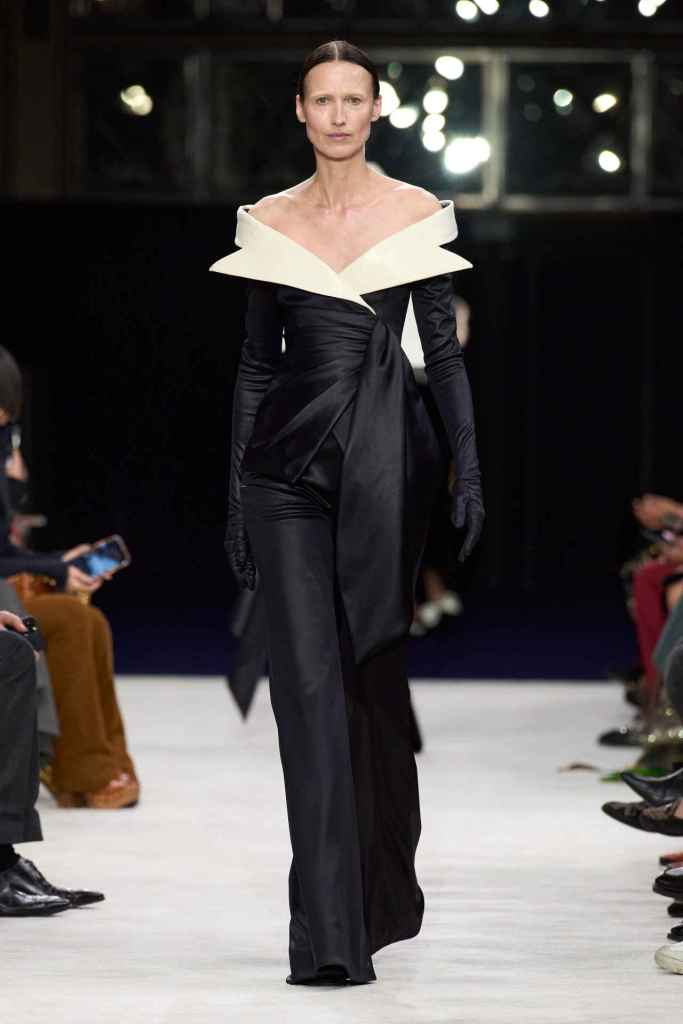
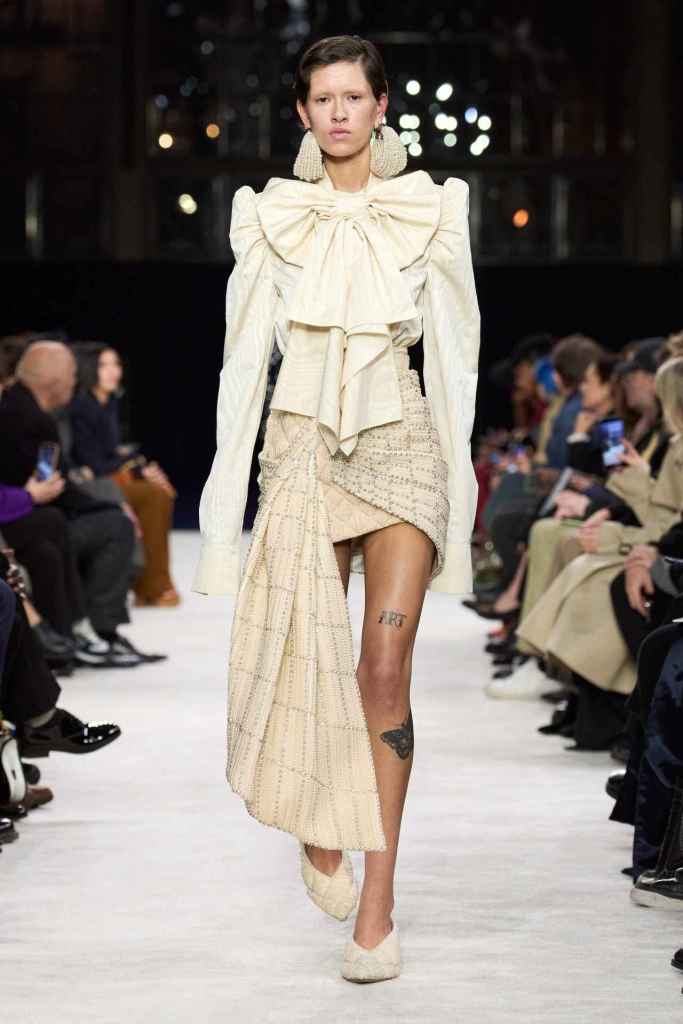
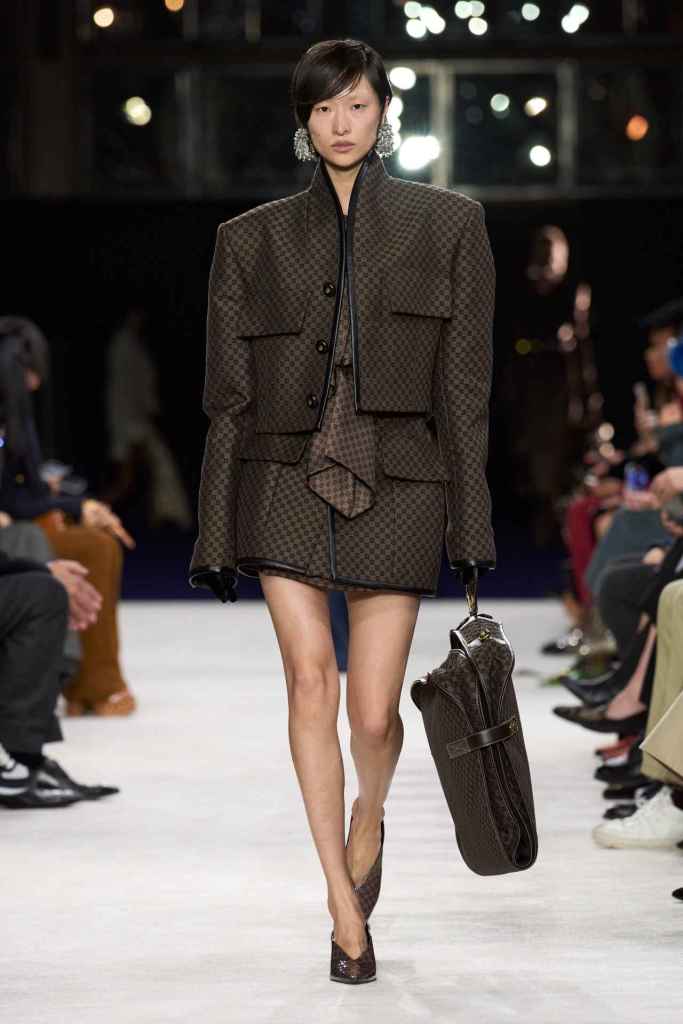
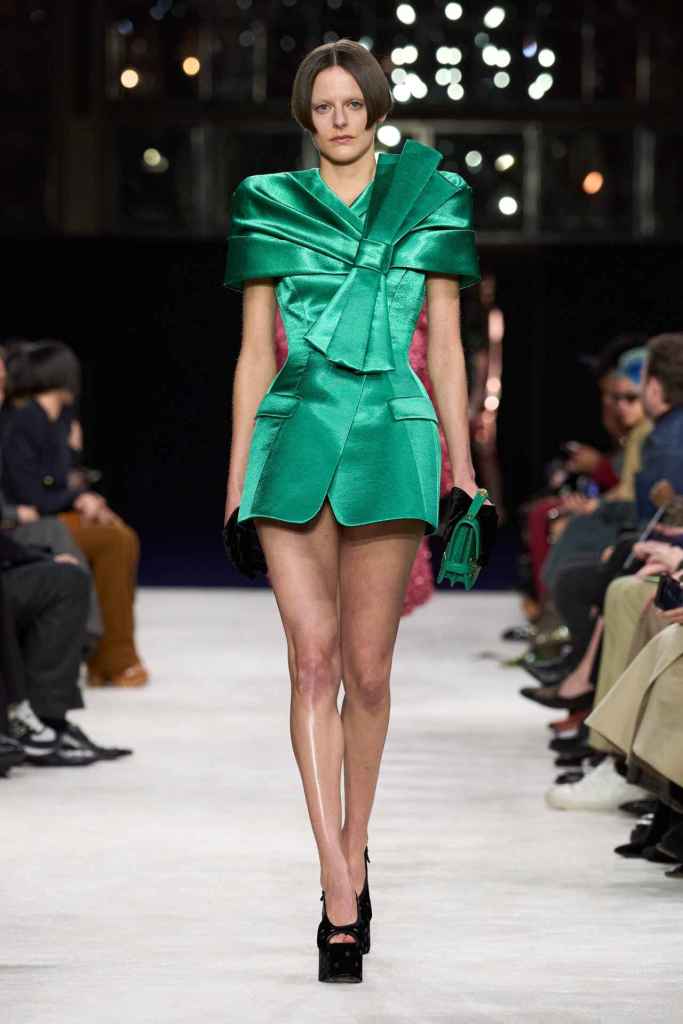
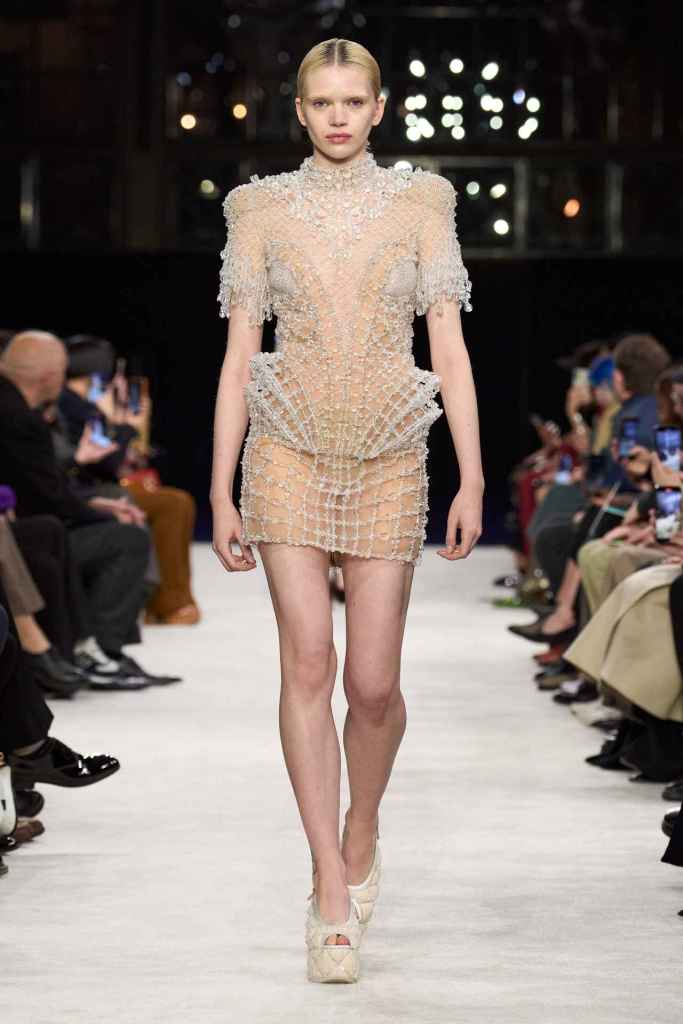
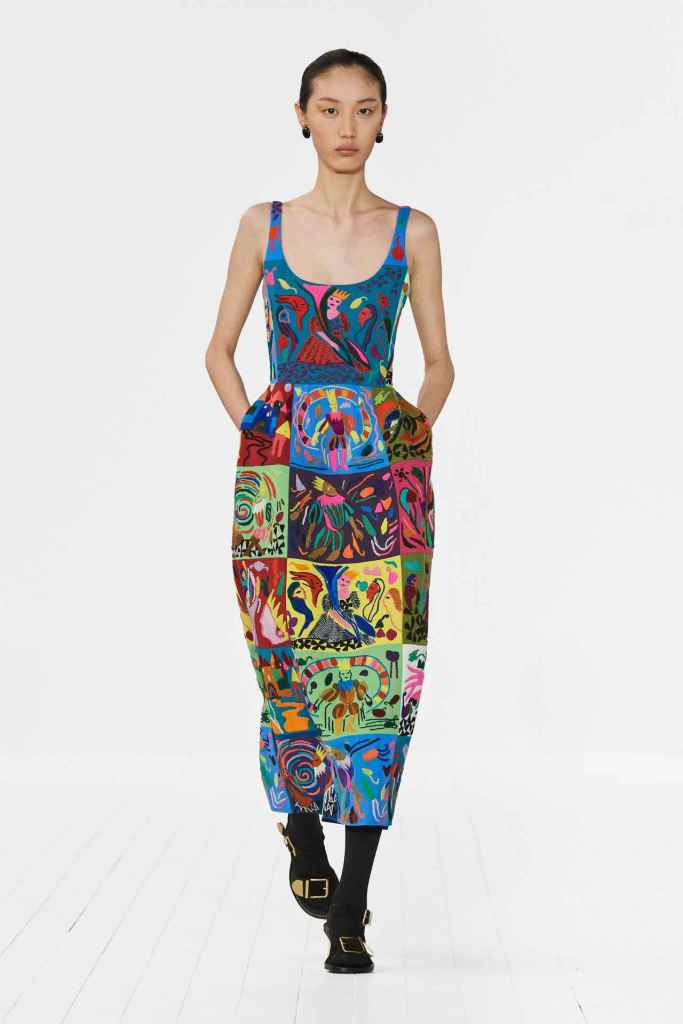
Chloe: Gabriela Hearst’s latest Chloé collection draws inspiration from Artemisia Gentileschi, a renowned Baroque painter who was often overlooked because of her gender. Hearst has a passion for telling the stories of underrepresented women, which also aligns with her focus on sustainability this season. The collection mainly features neutral shades and luxurious textures to highlight the sumptuous juxtaposition; The designs are intended to be timeless and long-lasting. Her interpretations of the collection vary from direct to more symbolic; just like the clothes reflect the multi-faceted nature of women. A standout multicolor patchwork dress all Chloe and 100% gorgeous. Hearst has successfully found and implemented the winning formula for Chloé.
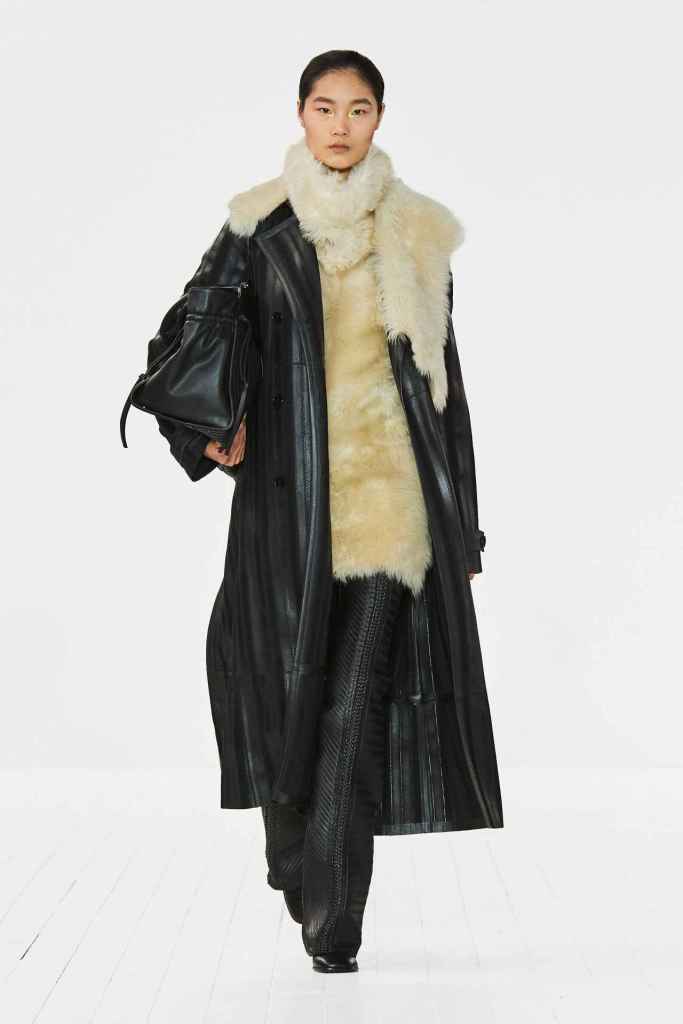
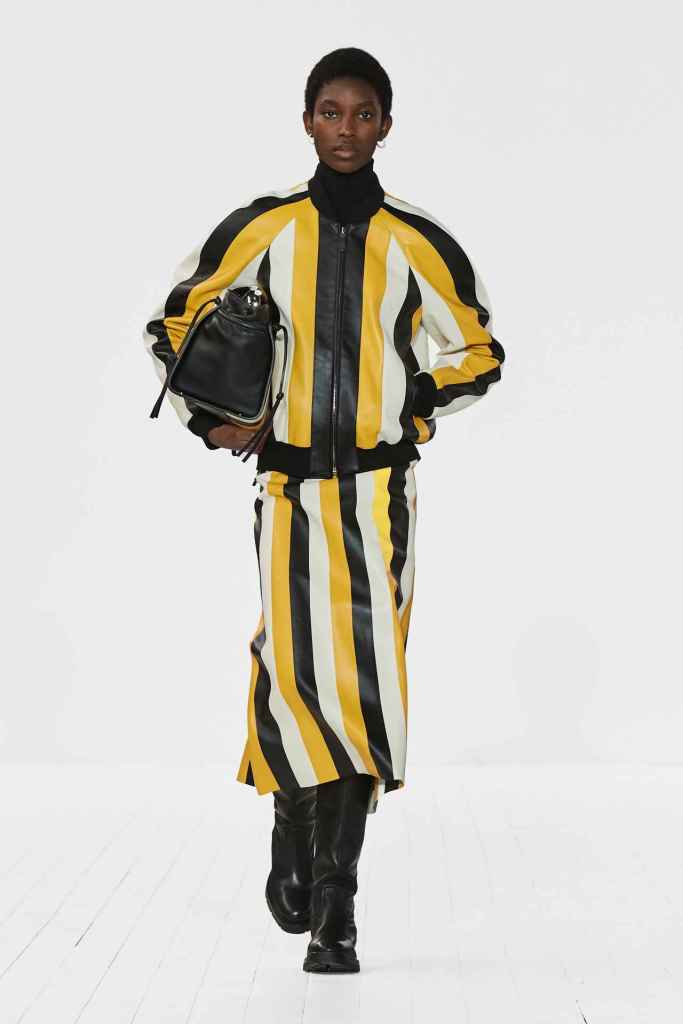
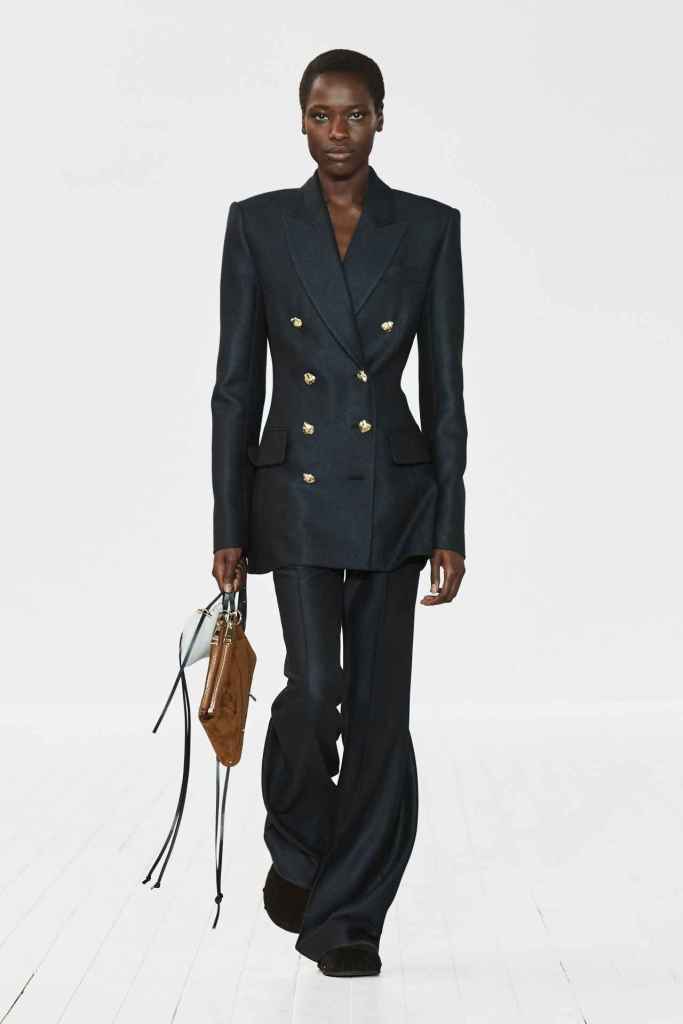
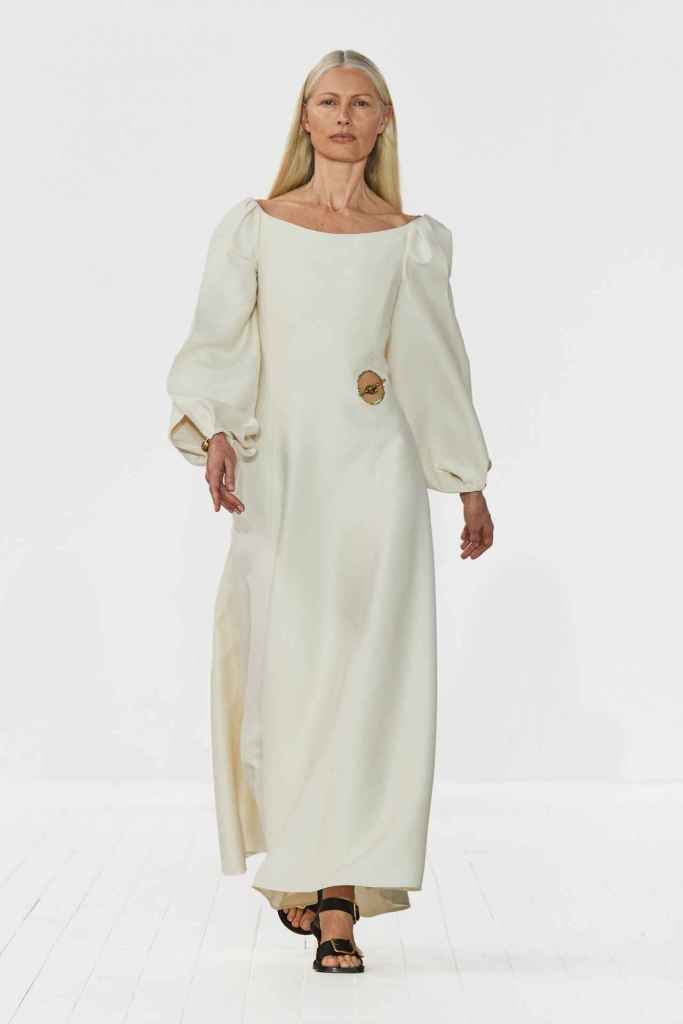
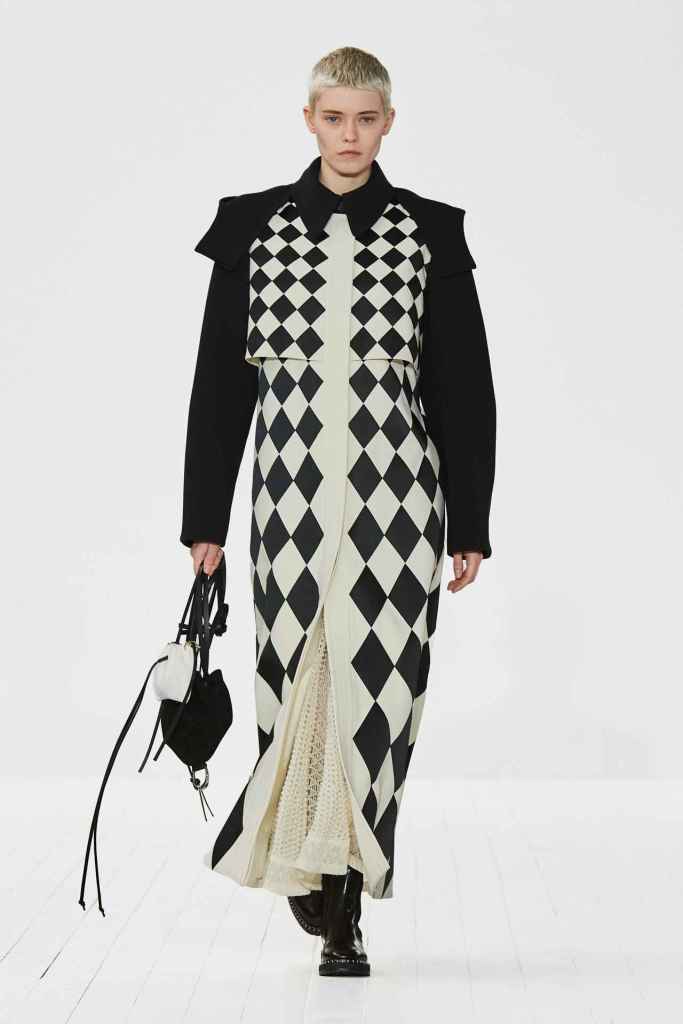
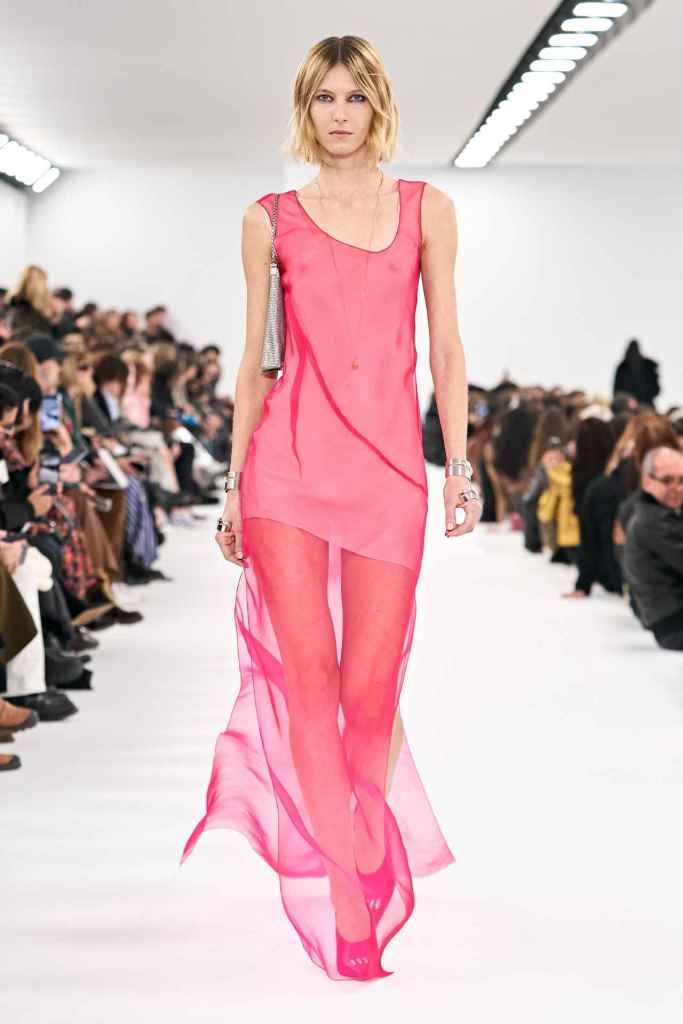
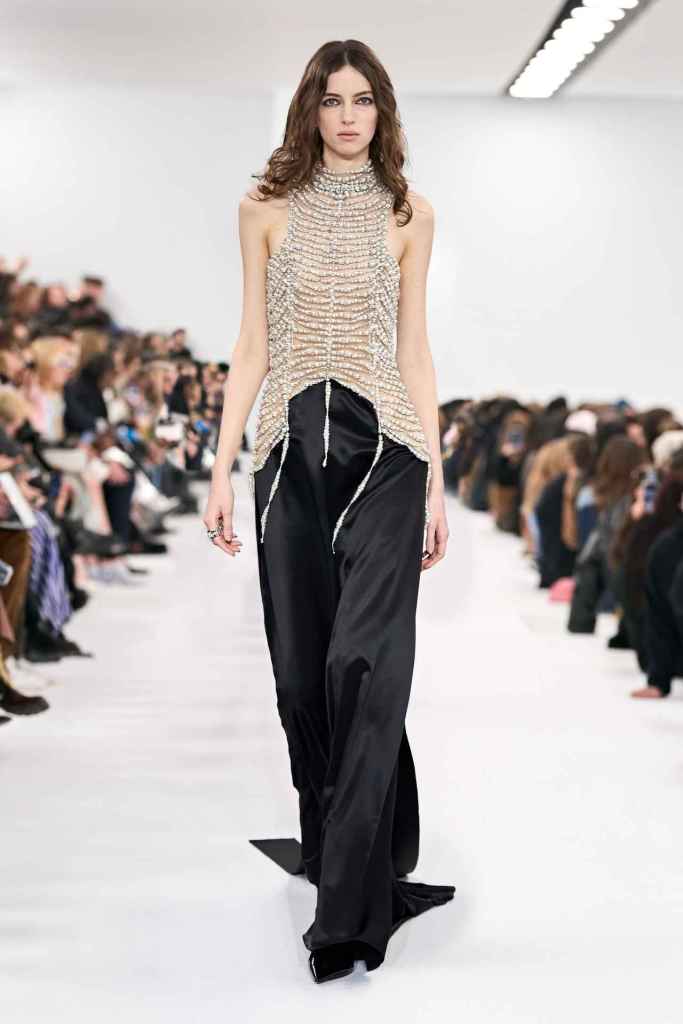
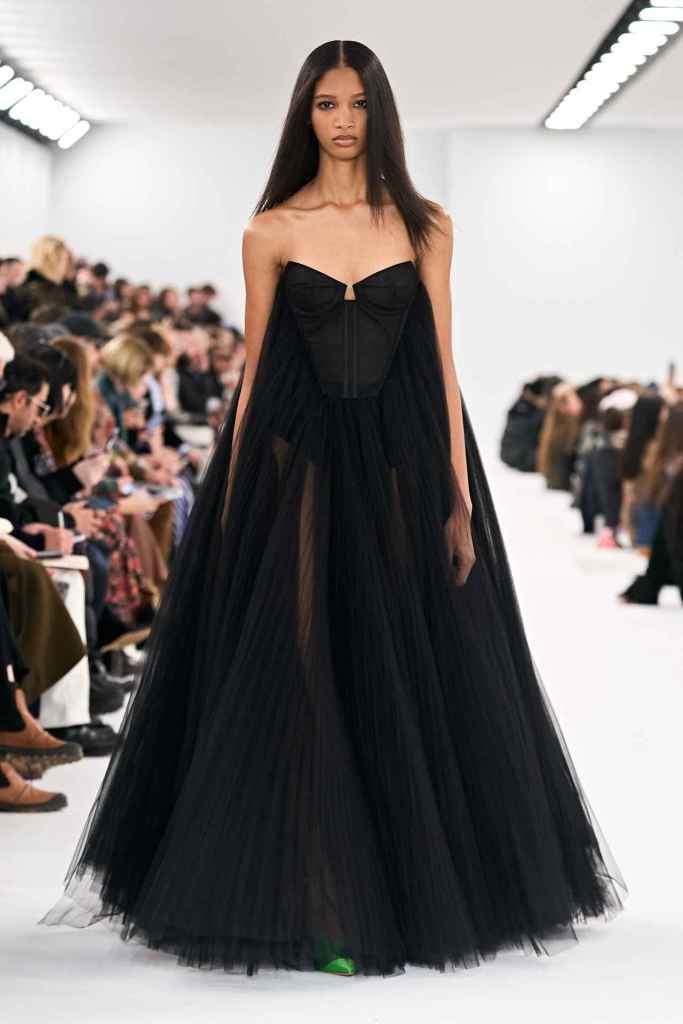
Givenchy: Matthew M. Williams looked to Givenchy’s history for inspiration in creating the latest collection, which he described as an interpretation of “new elegance”. While incorporating Hubert de Givenchy’s classic and refined silhouettes, Williams gave them a contemporary touch to strike a balance between tradition and innovation. The standout outfits capture a noticeable carefree attitude that is accomplished by expertly dismantling powerful feminine tailoring to create a sense of comfort. A blend of luxurious and technical textures come together in sharp blacks and whites along with occasional pops of color. The clothes showcase the elements that appeal to a contemporary wardrobe perspective, featuring a proposition characterized by ease and elegance. This is my favorite collection by Williams, feels nice to not hate on a Givenchy collection after ages.
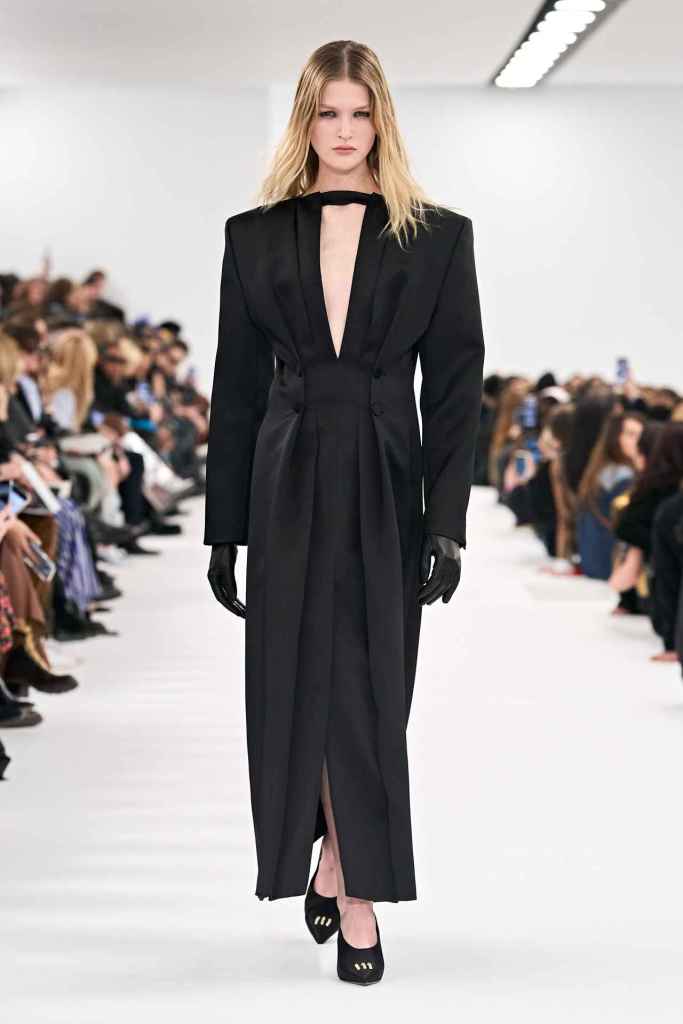
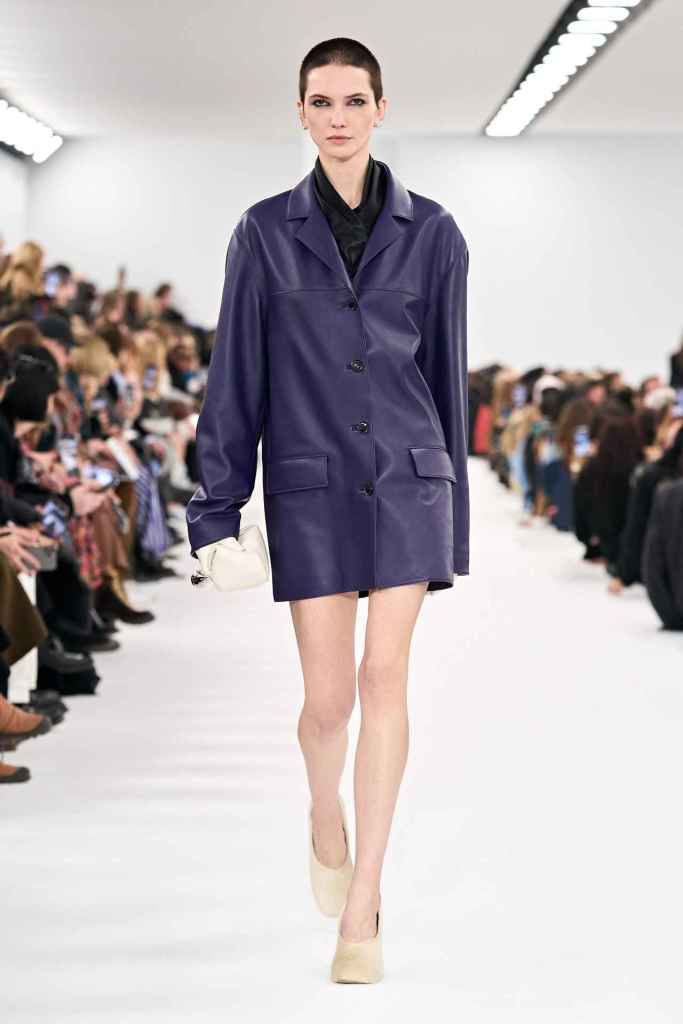
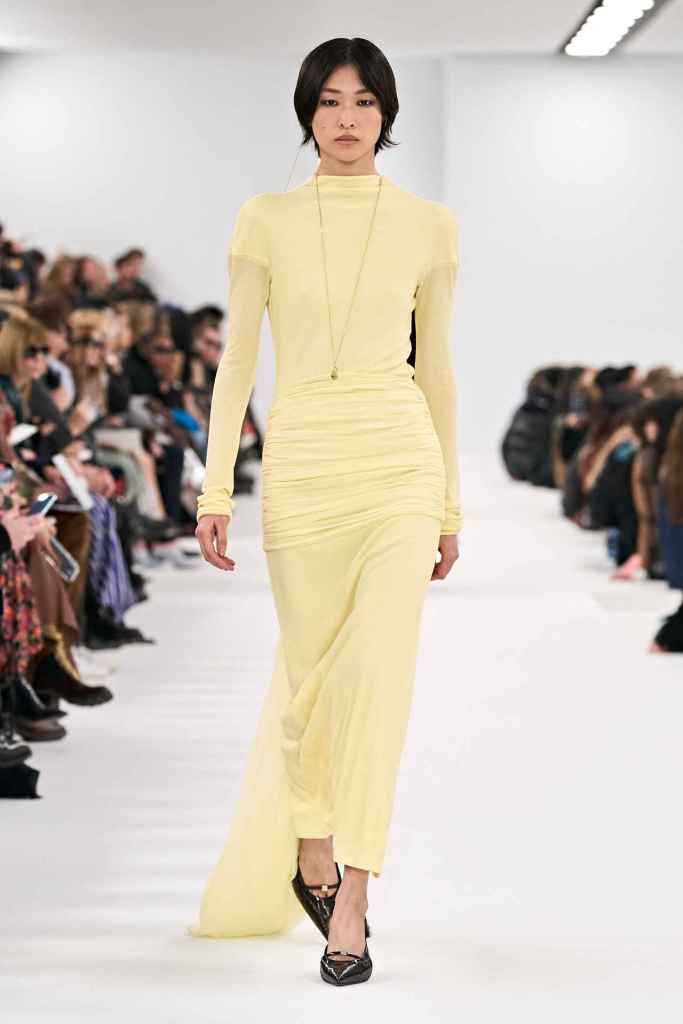
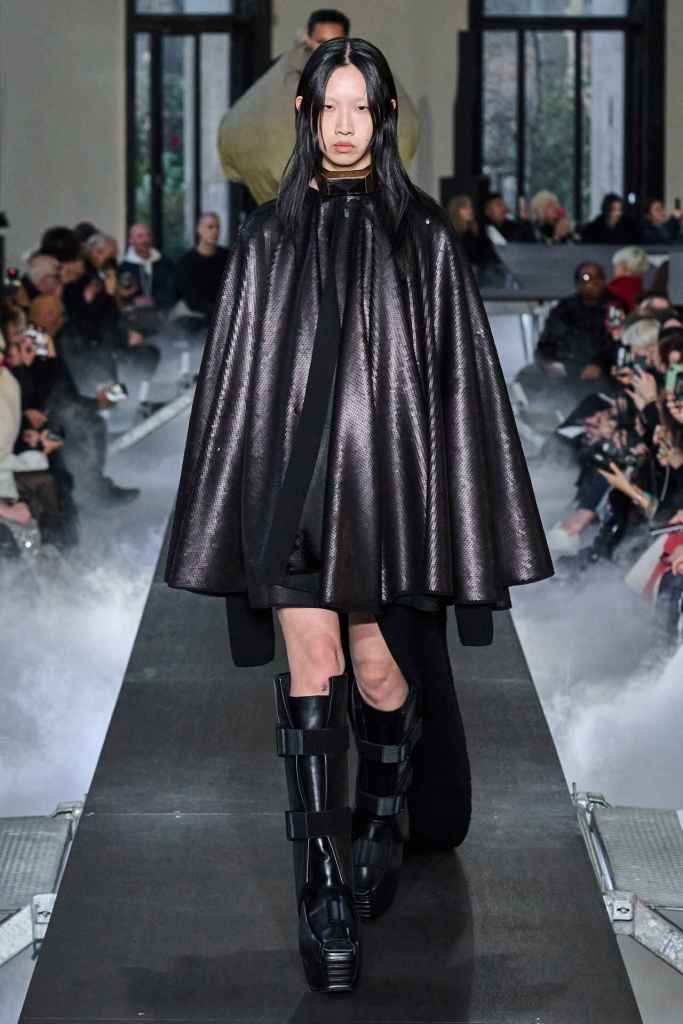
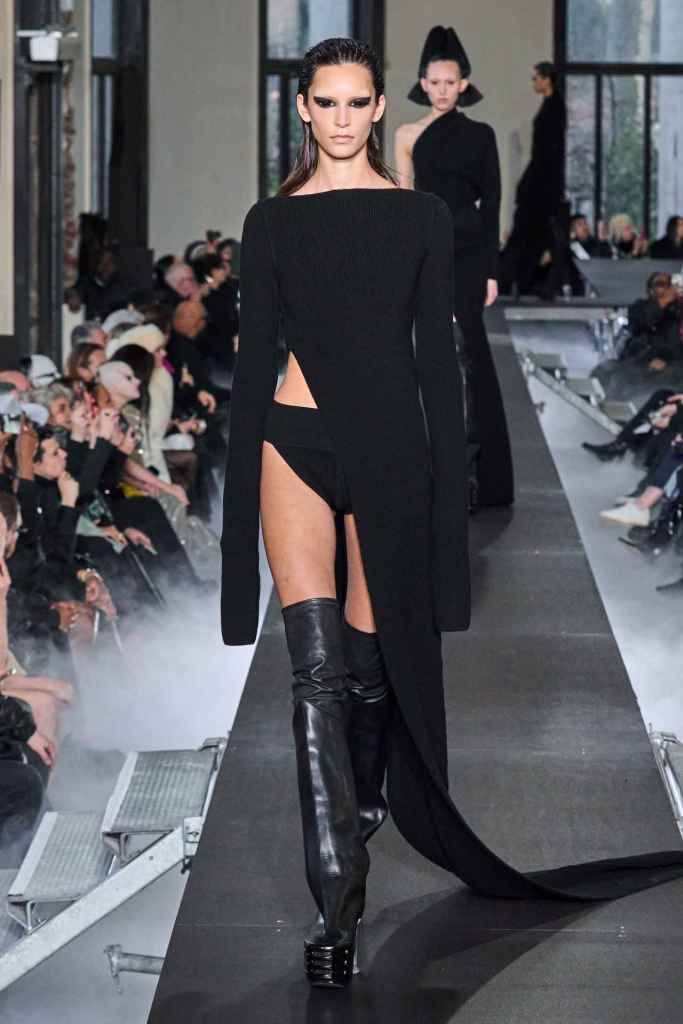
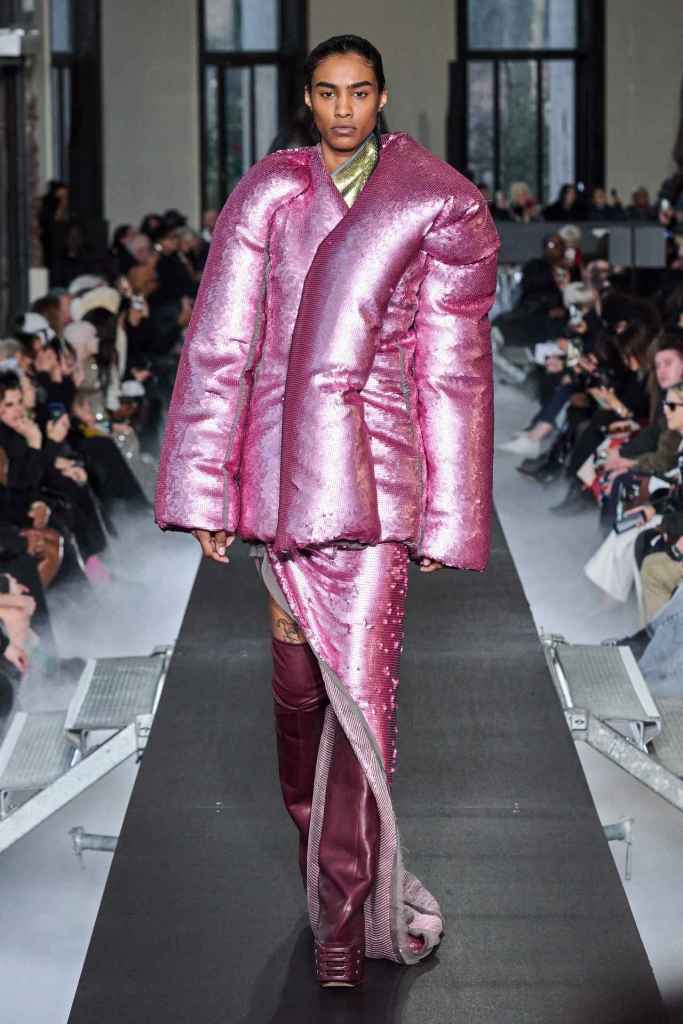
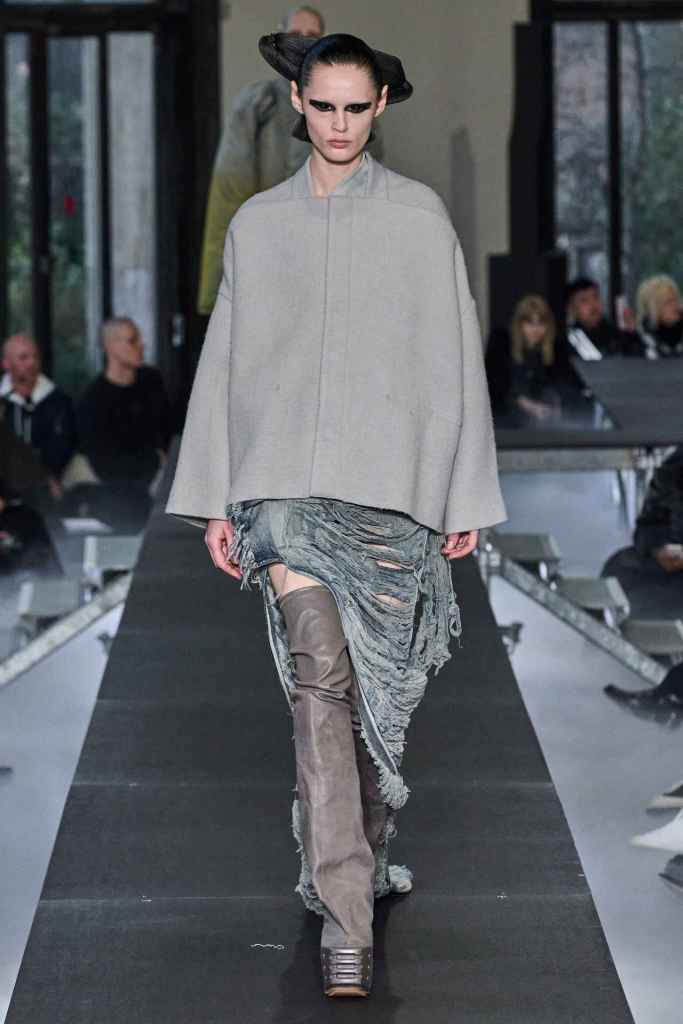
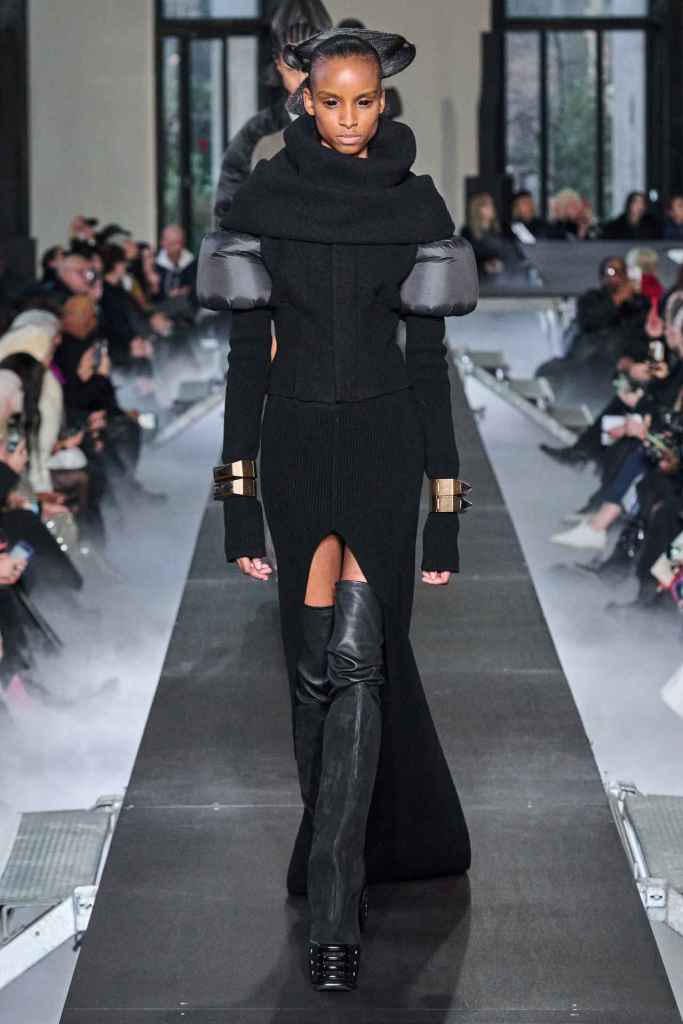
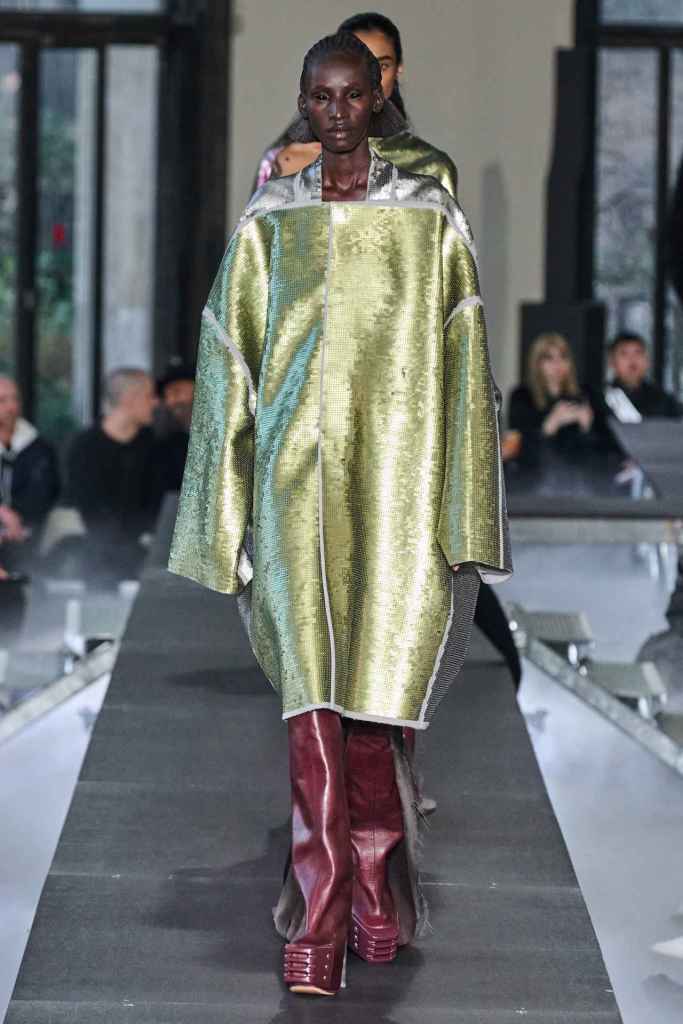
Rick Owens: Once again, Rick Owens takes center stage in the fashion world with a collection of dramatic, lavish, and unconventional masterpieces. The designer oscillates between the beauty and darkness of our world, reflecting his vision and fusion of opposing elements in his designs. Owens aimed for his collection to be comparable to the work of photographer Richard Avedon, and he succeeded. The clothes featured voluminous silhouettes and exaggerated shoulders, which were previously only seen in dark colors, but this season they were incorporated into brighter hues such as silver, lime green, and pink sequins. Owens possesses the ability to revolutionize our ideas about clothing. His vision distinguishes outstanding fashion designers from those who simply sew garments. Simply Splendid!
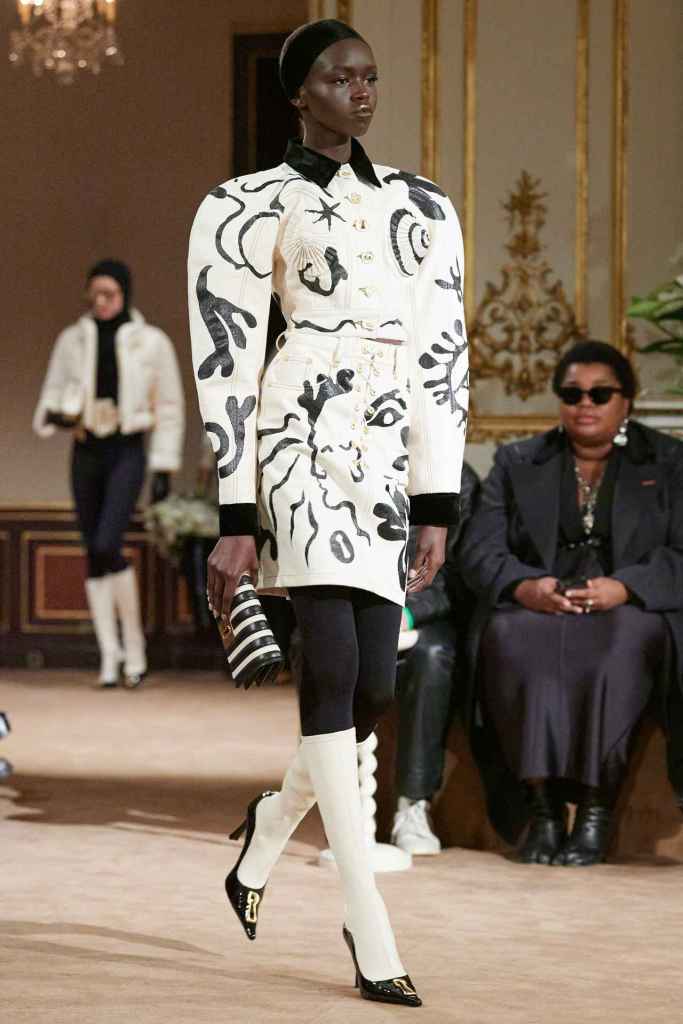
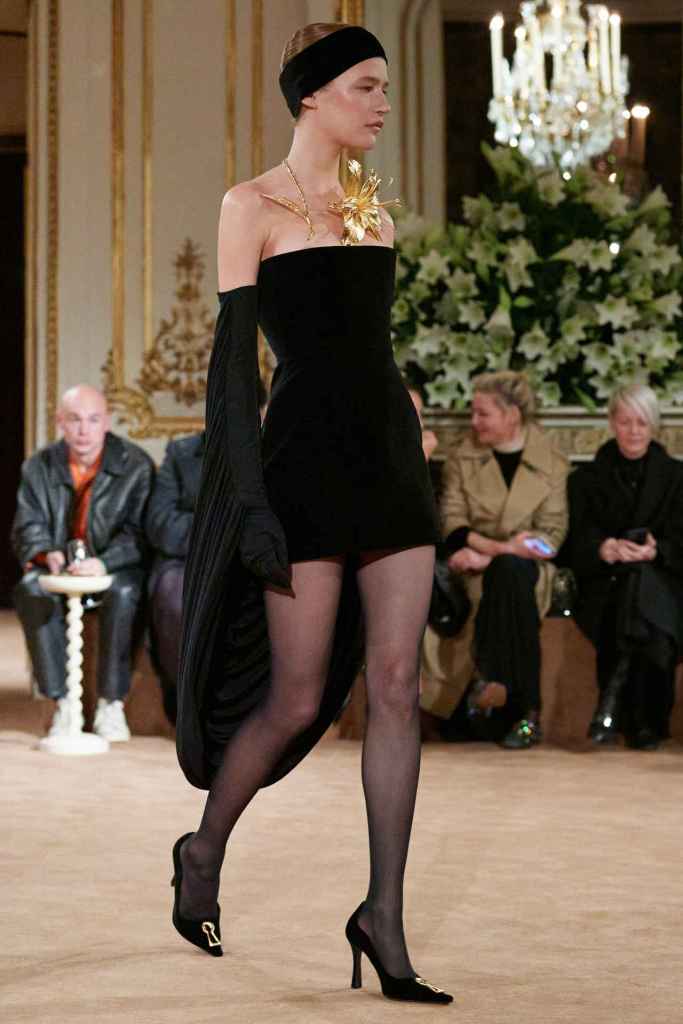
Schiaparelli: Daniel Roseberry showcased elevated casual wear at Schiaparelli’s first runway Redy-To-Wear show, taking inspiration from Elsa Schiaparelli’s style. The collection featured a range of clothing items, from classic white poplin shirts to short velvet cocktail dresses, infused with Schiaparelli’s trademark humor, irreverence, and drama. Roseberry aimed to demonstrate that you can add statement elements to everyday wear without sacrificing wearability. The entire collection was adorned with gold details – Now a Schiaparelli signature. At a time when brands are vying for attention through shock tactics or viral marketing, Schiaparelli stands out by staying true to its roots and self-assurance. The ideal approach is to simplify everything to the maximum extent, but without making it plain – Roseberry nailed this here.
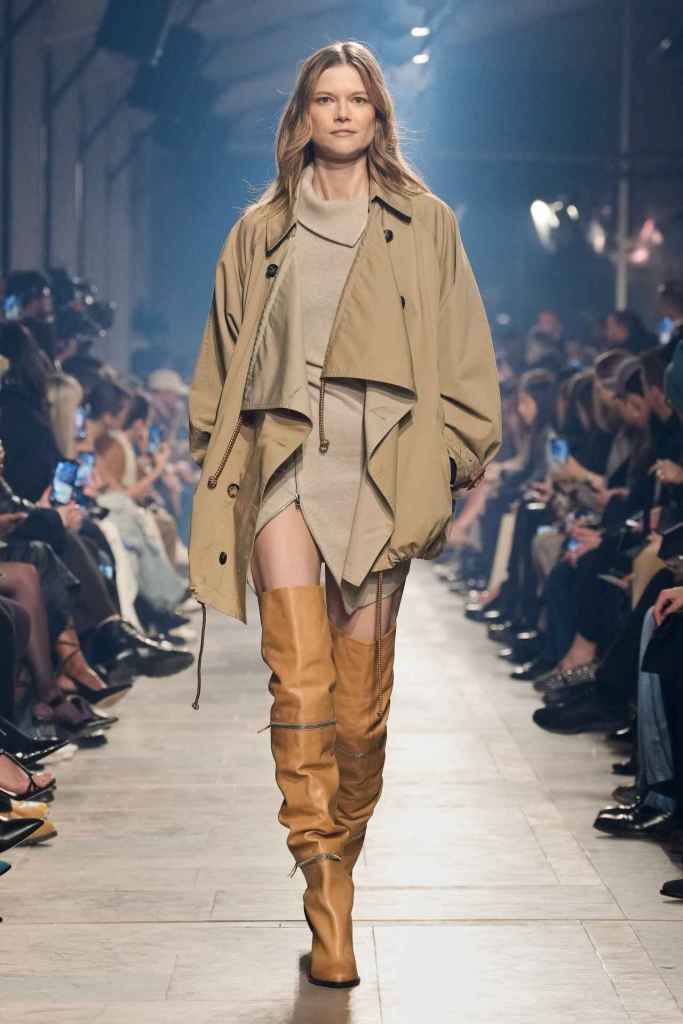
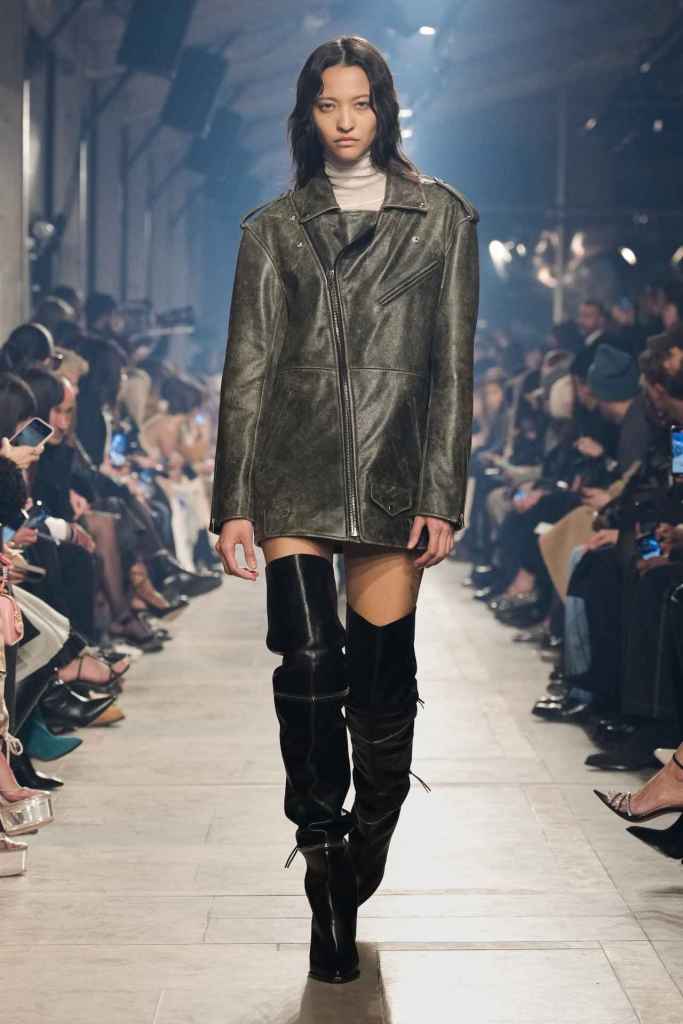
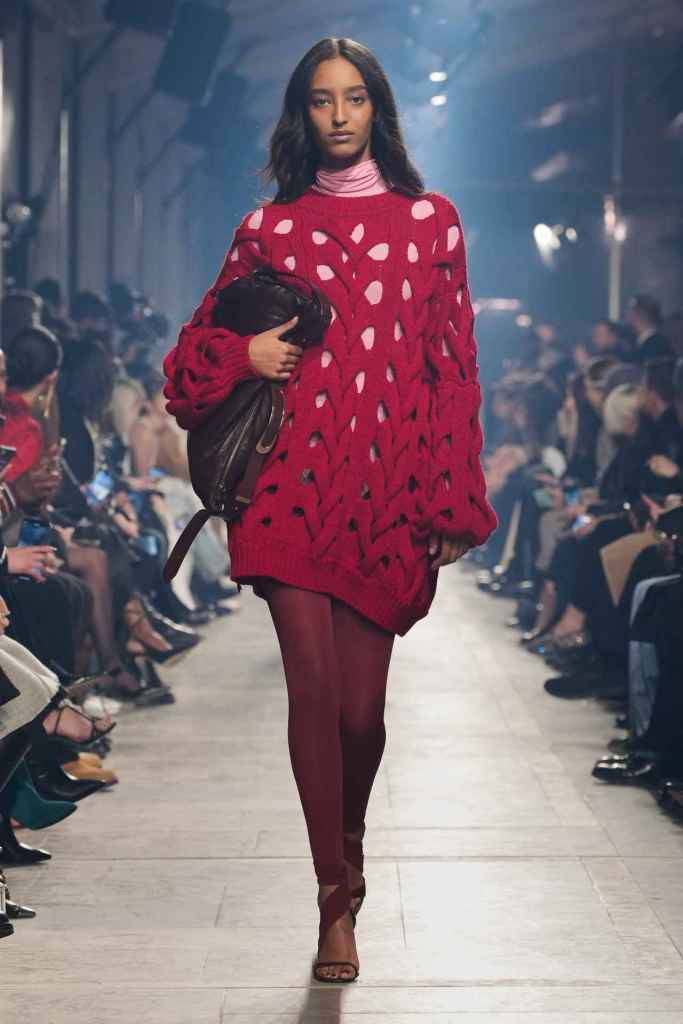
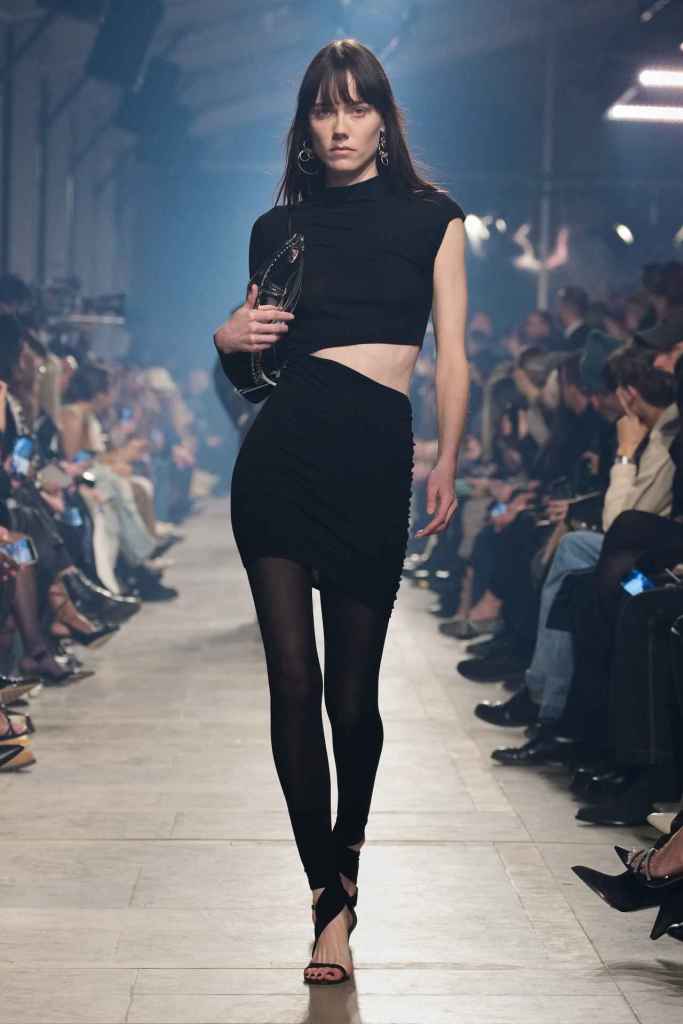
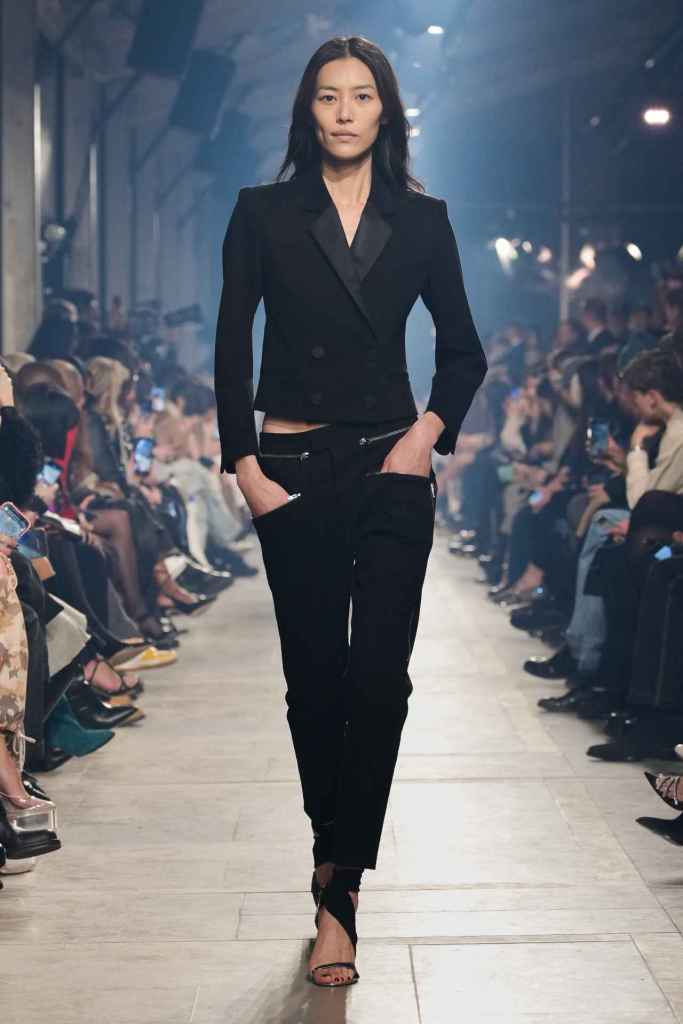
Isabel Marant: This Isabel Marant collection was presented amidst a live musical performance, where an enthusiastic crowd sang along and enjoyed the show. The collection offers chic and wearable clothes, which have been a cornerstone of the designer’s offering. What makes the collection stand out are the intricate details, adding a touch of drama and glamour to the outfits. Marant’s “going-out wardrobe” focuses on versatile separates that can be styled in different ways, catering to her customers’ needs and preferences. The collection cleverly contrasts supple, delicate materials with heavier textures. Initially, the color scheme is focused on natural and subdued shades, but ventures into brighter hues of yellow and magenta before closing with black. The designer remains faithful to her brand’s vision and is dedicated to delivering what her clientele desires the most: fashion that exudes joy. Isabel Marant just casually doing her thing, effortlessly emanating that “je ne sais quoi” that’s unmistakably French.
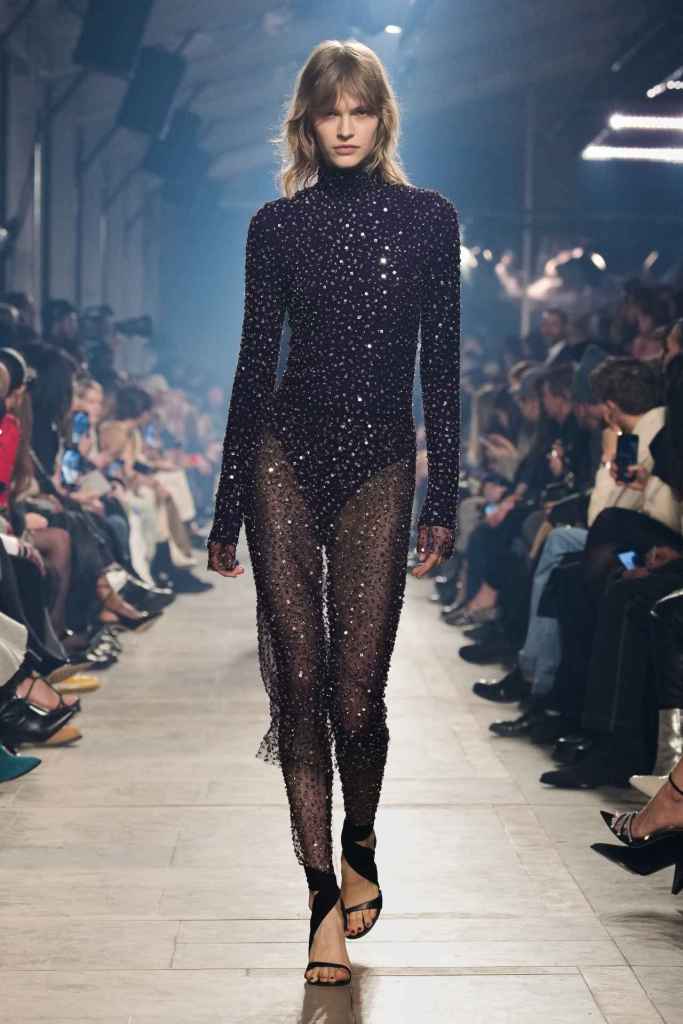
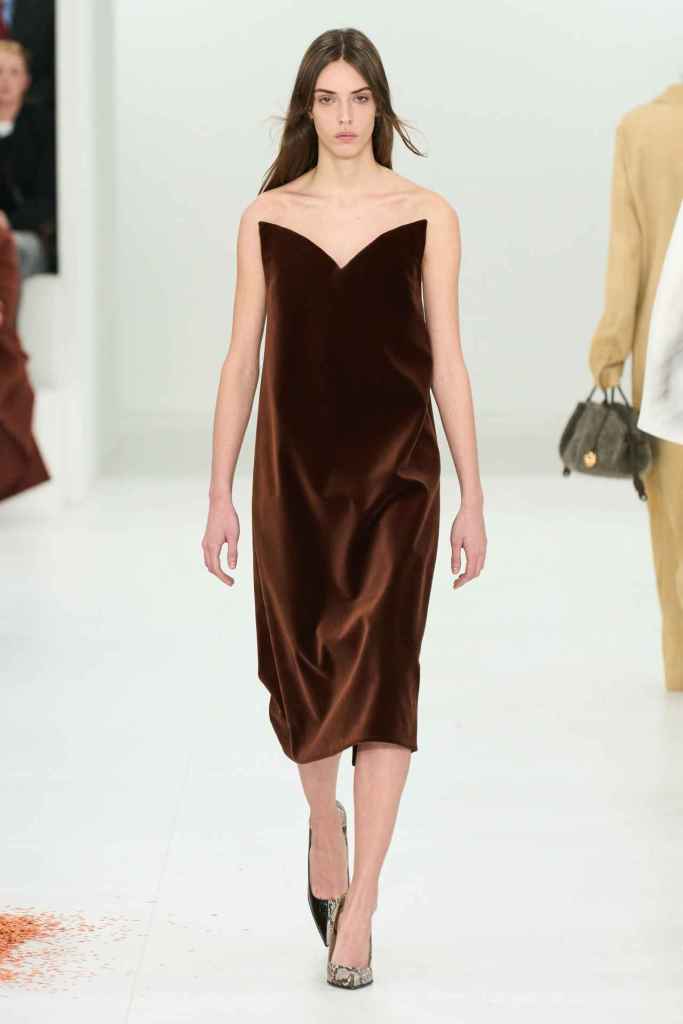
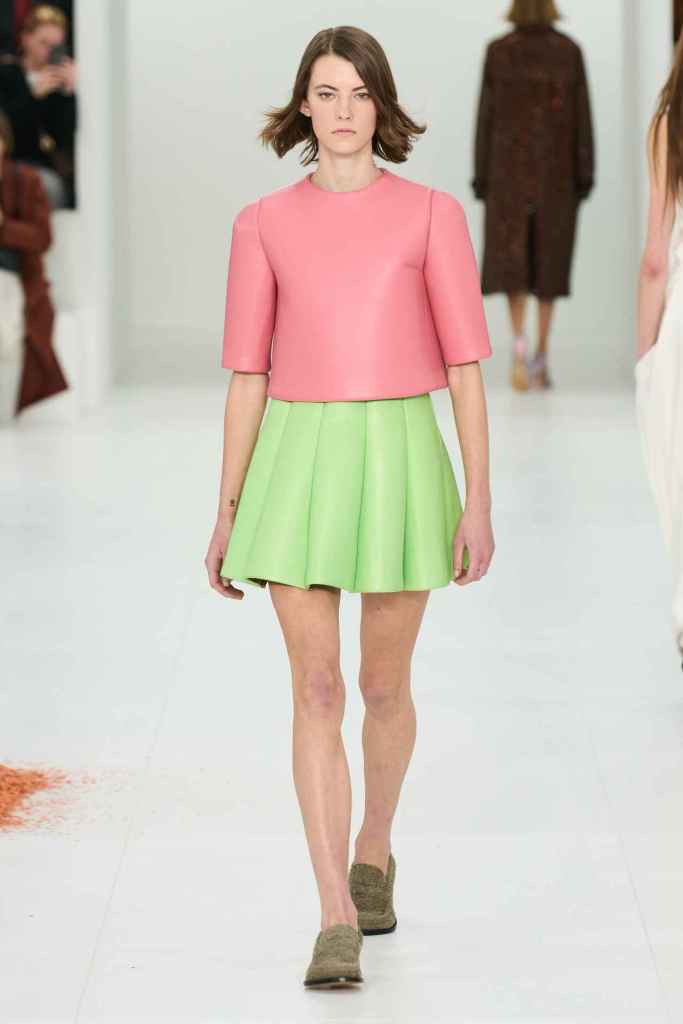
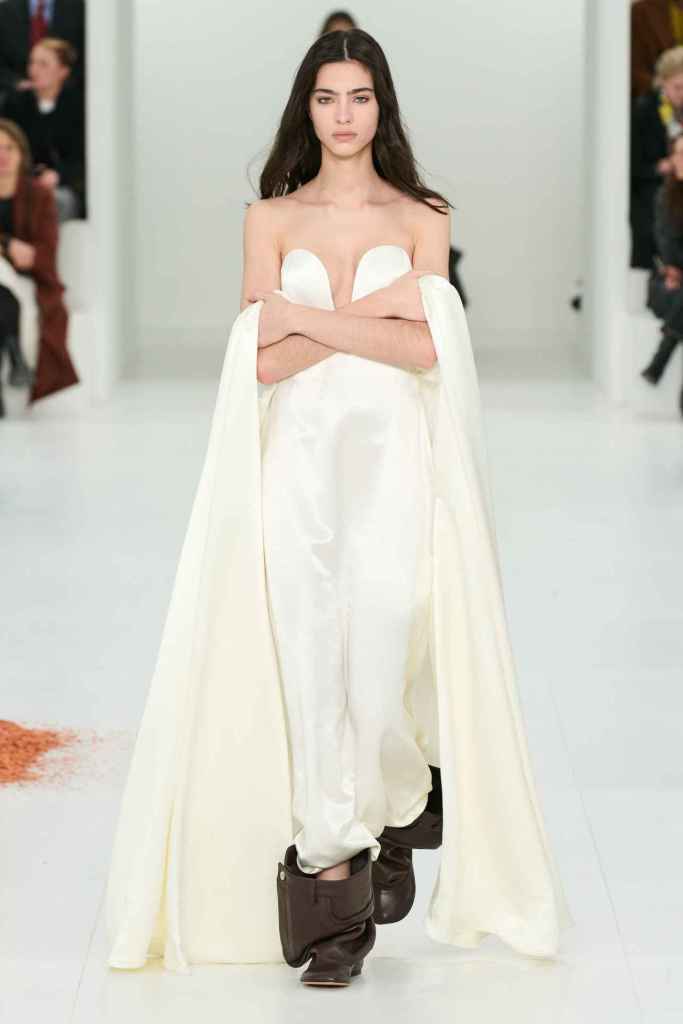
Loewe: In this Loewe collection, Jonathan Anderson explores the art of trompe-l’œil, using hyperrealist, three-dimensional objects to create stunning optical illusions. The collection encourages viewers to question the very essence of clothing, blurring the lines between form and function. Despite the avant-garde nature of the collection, Anderson has included some wardrobe staples and standout pieces that showcase his incredible vision. Anderson is a master of reinvention, having experimented with surrealism and oversized shapes in previous collections. However, this time, he has taken a different approach, infusing everyday objects with vibrancy and precision to create something entirely unexpected. The collection is a true visual feast; It has a subtle, introverted vibe that speaks to the viewer. The details are on point, and every piece is straight-up mesmerizing.
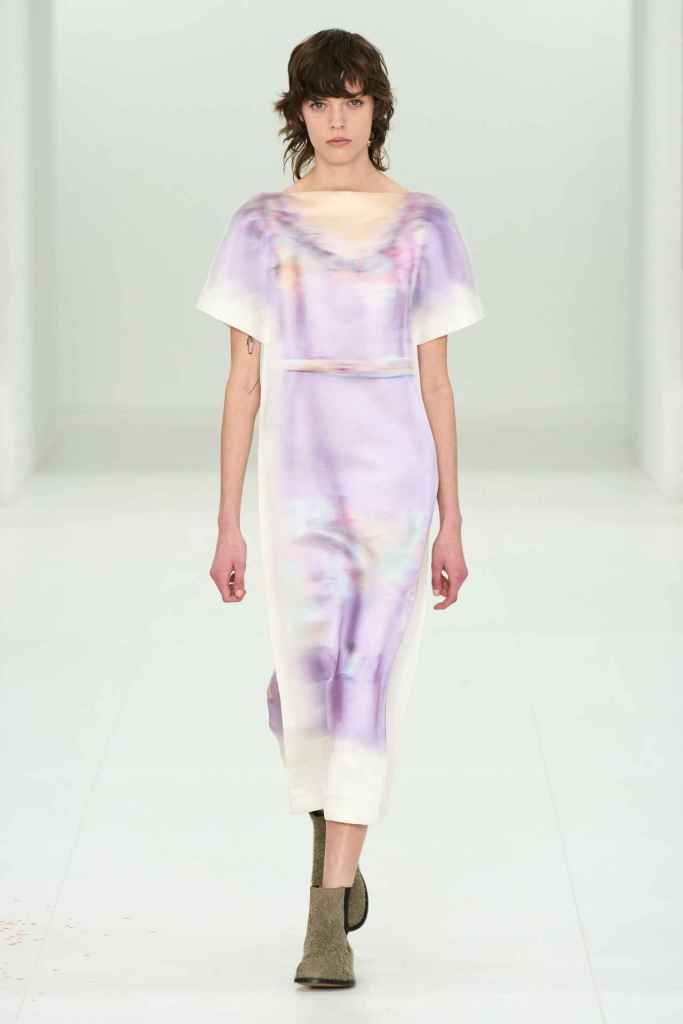
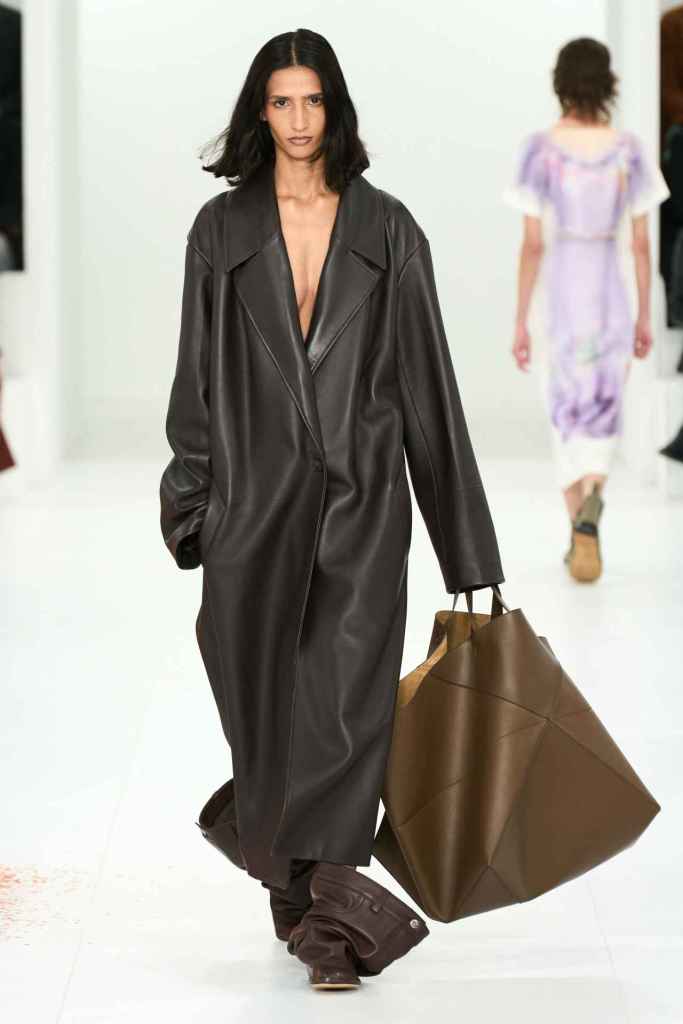
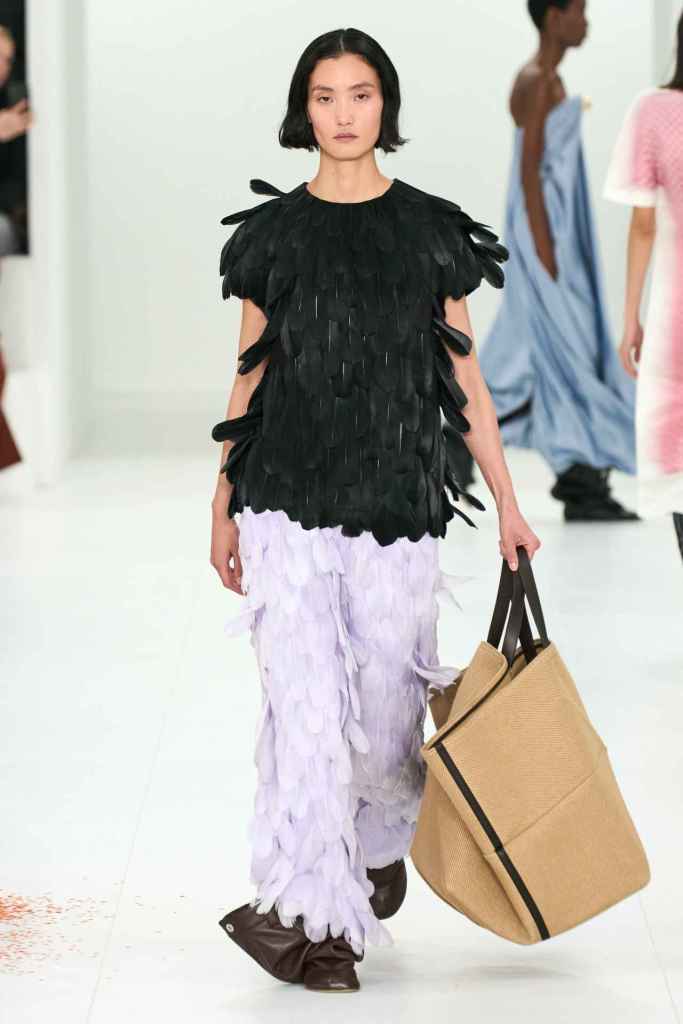
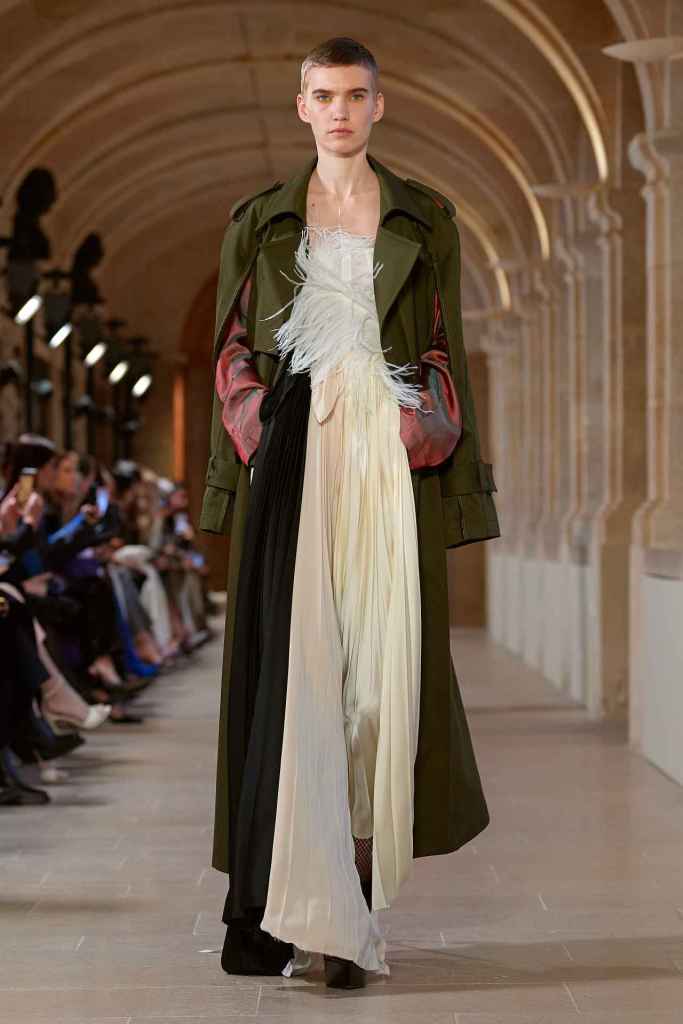
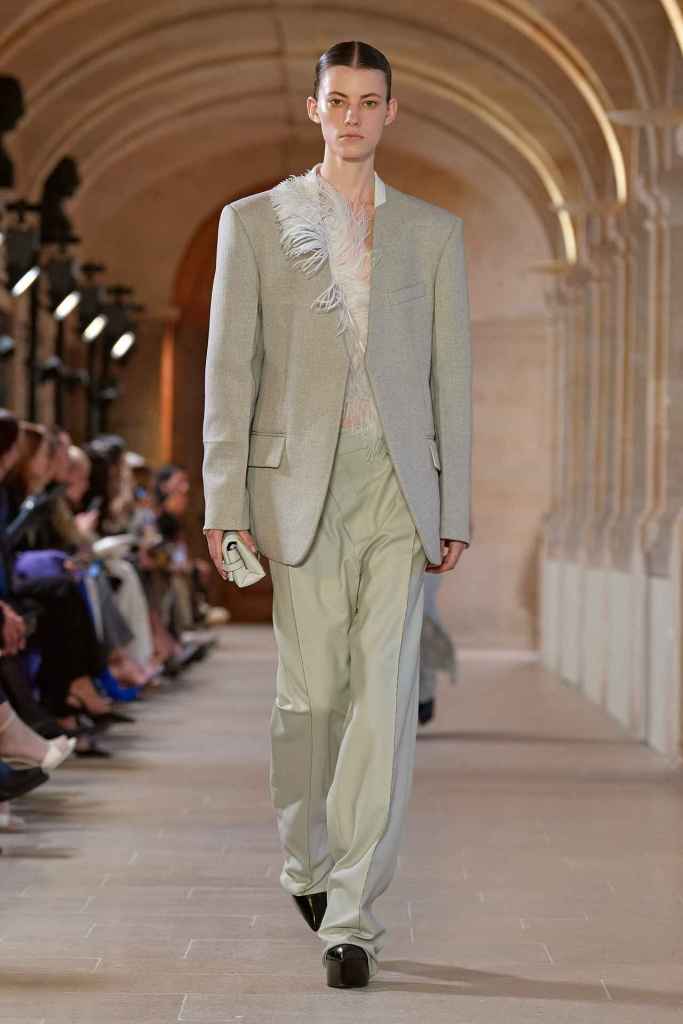
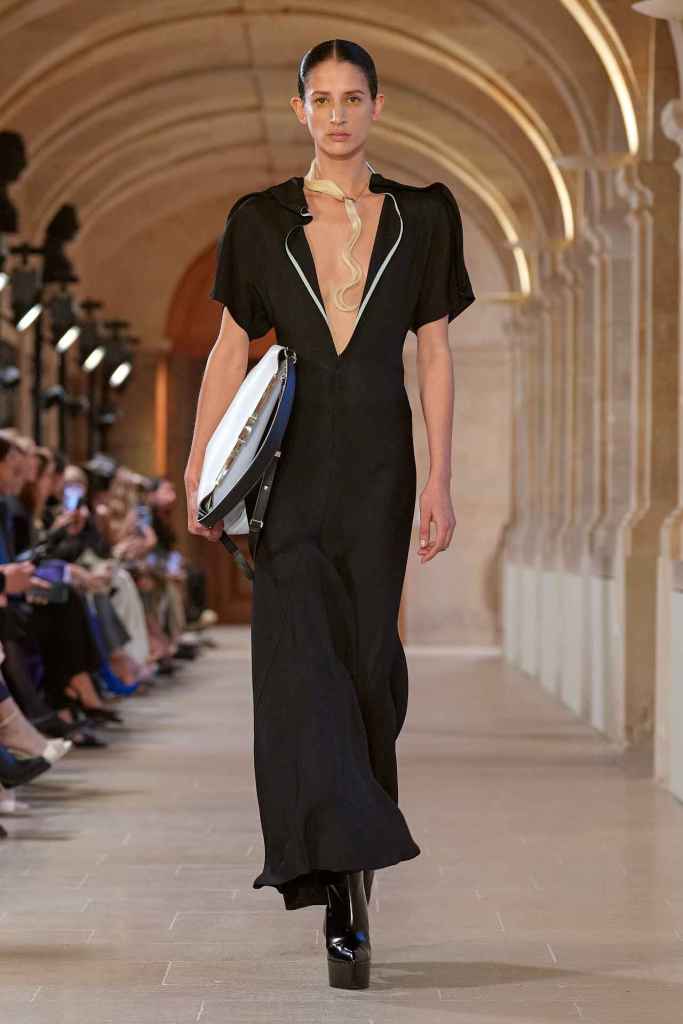
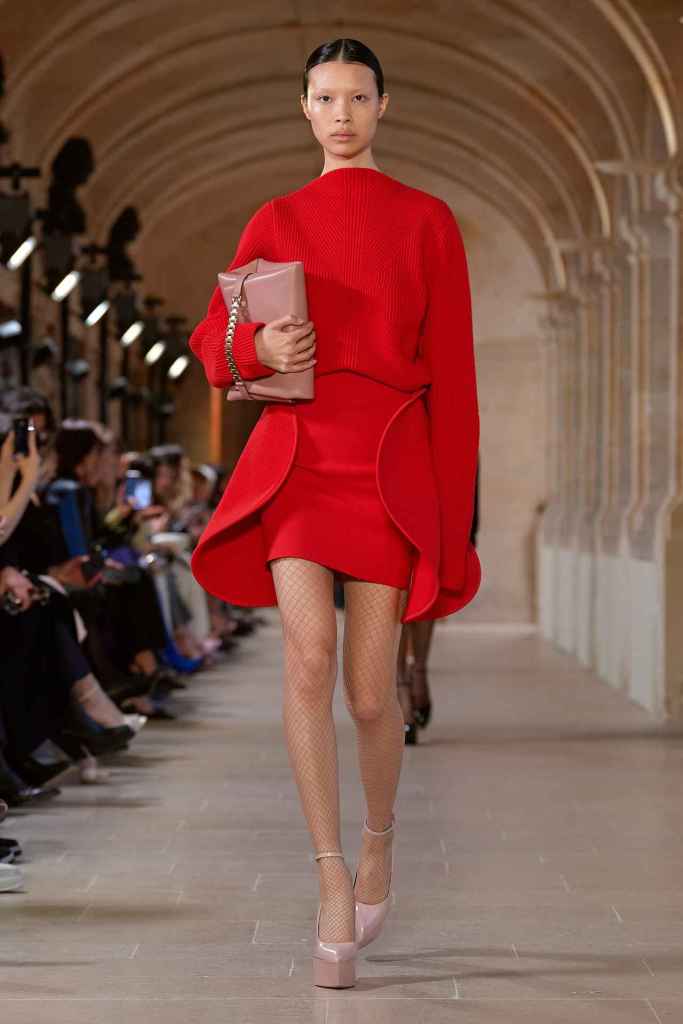
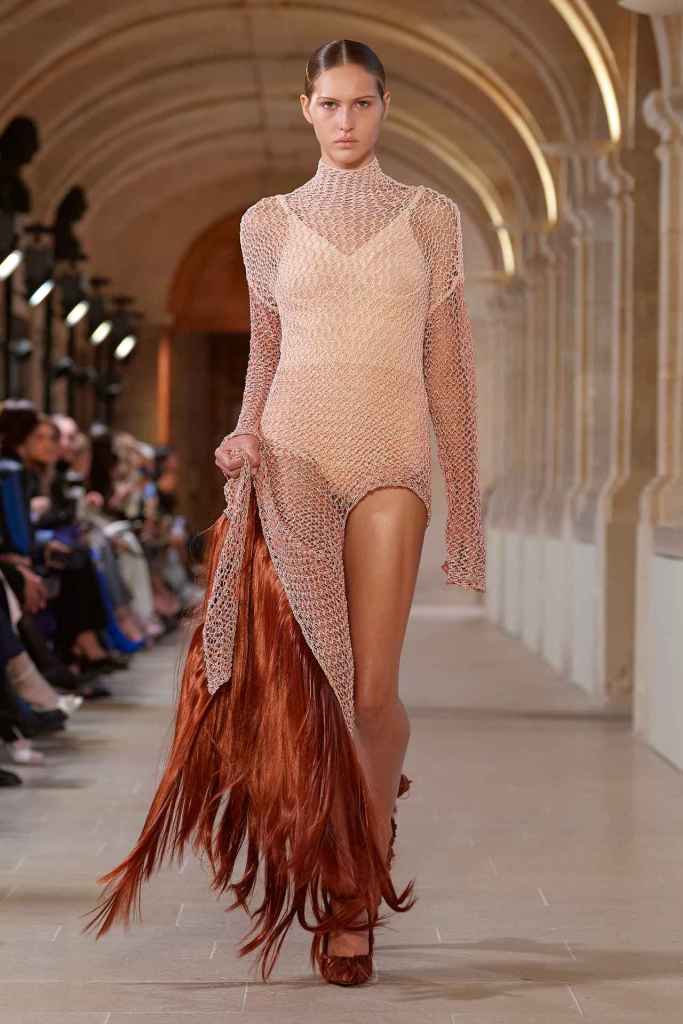
Victoria Beckham: Victoria Beckham’s second Paris runway show established her mastery of combining imaginative clothes with practical wardrobe essentials, signaling a newfound confidence in her design sensibilities. It introduces a fresh and diverse range of styles, bringing versatility to her brand. The collection includes relaxed and inclusive shapes which is a departure from her previous aesthetic. Clothes feature more daring designs while showcasing a distinct design identity through consistency. Luxurios knits, feather adornments, relaxed suiting, blazer dresses and ruched bodycons dresses. Finally, VB is shining!
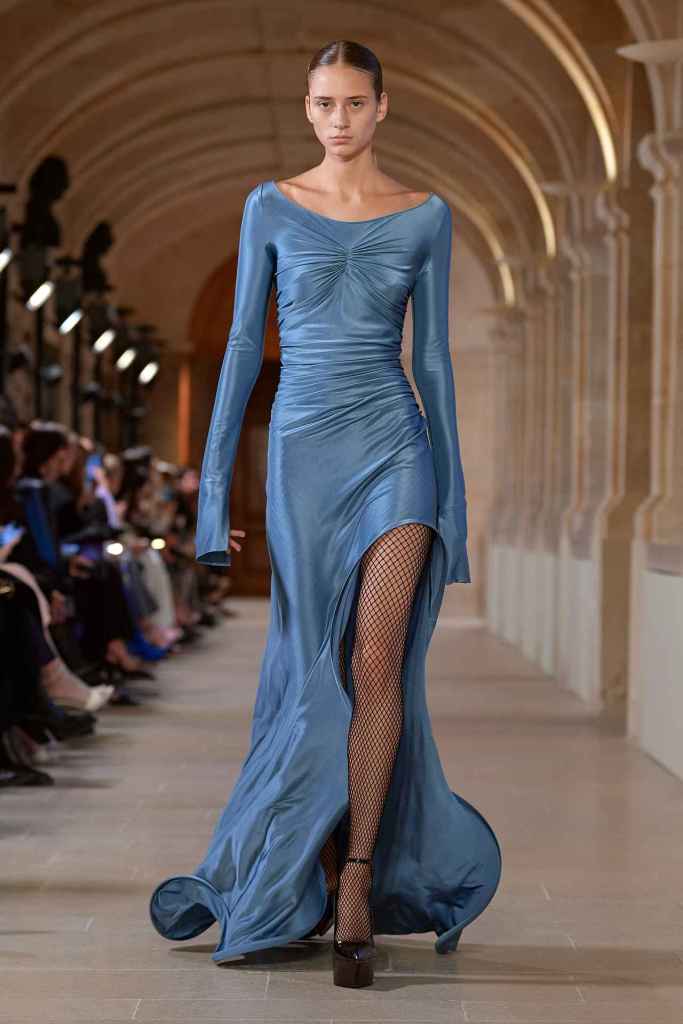
Coperni: Coperni focused on merging technology and fashion by featuring robo-dogs by Boston Dynamics in their collection. The inspiration for this collection is Jean de la Fontaine’s fable, The Wolf and the Lamb, which explores power imbalances in society. Coperni’s interpretation envisions a positive future where humans and technology work together in a symbiotic relationship. The runway showcased a mix of classic French staples with reflective fabrics, mixed materials, and deconstructed denim. The collection also delved into power dynamics between humans and technology, exploring themes of fragility, danger, purity, and naivety. It was nothing compared to Bella Hadid’s spray dress moment; it was a palate cleaner a best.
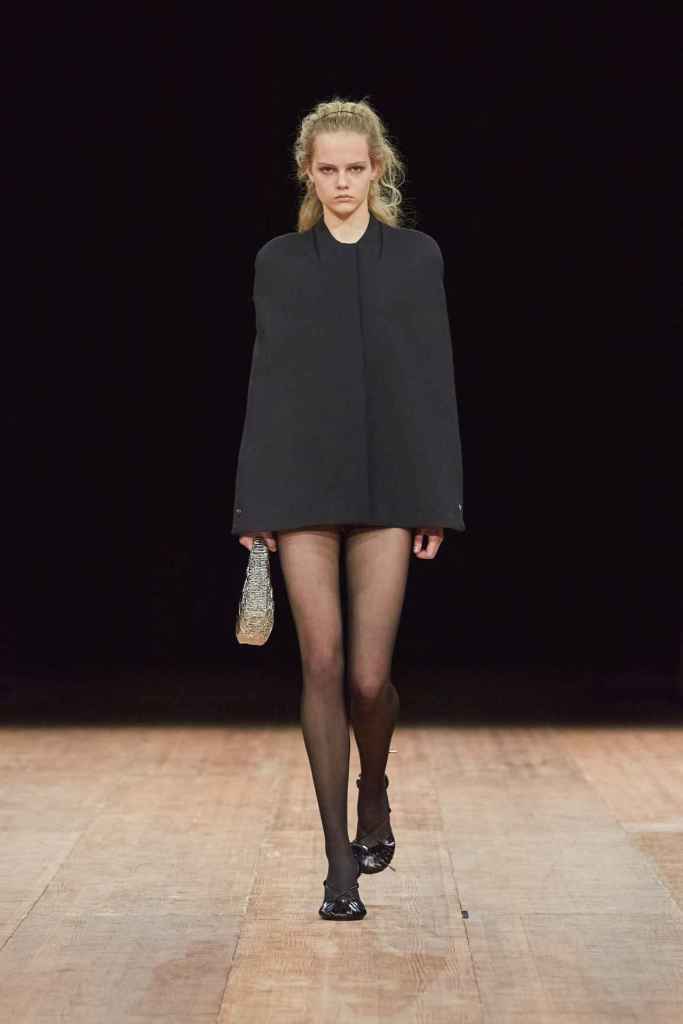
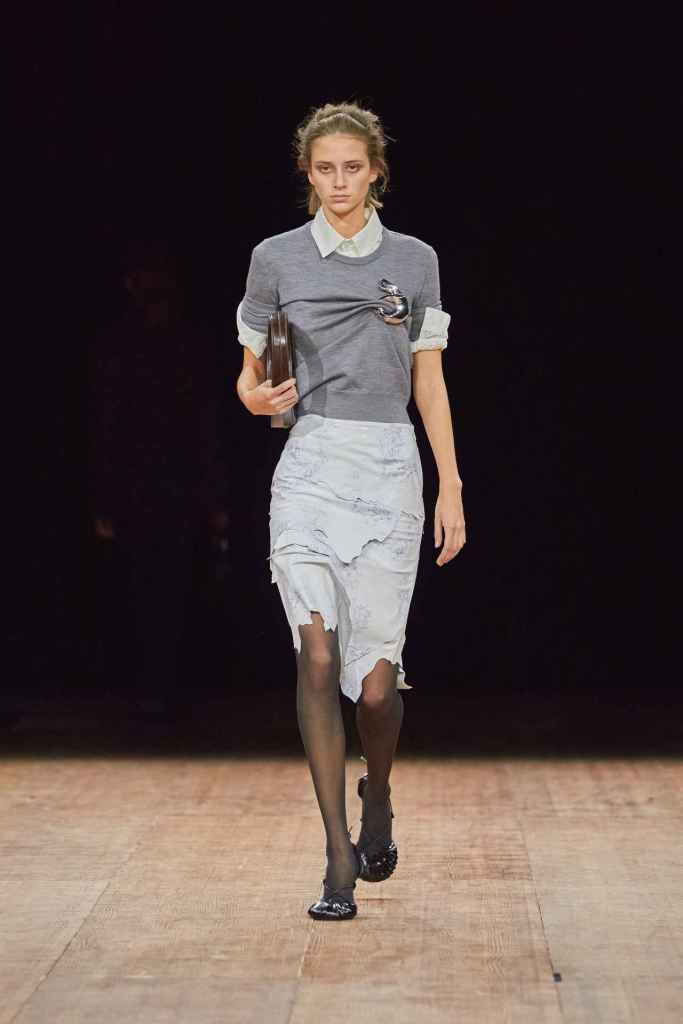
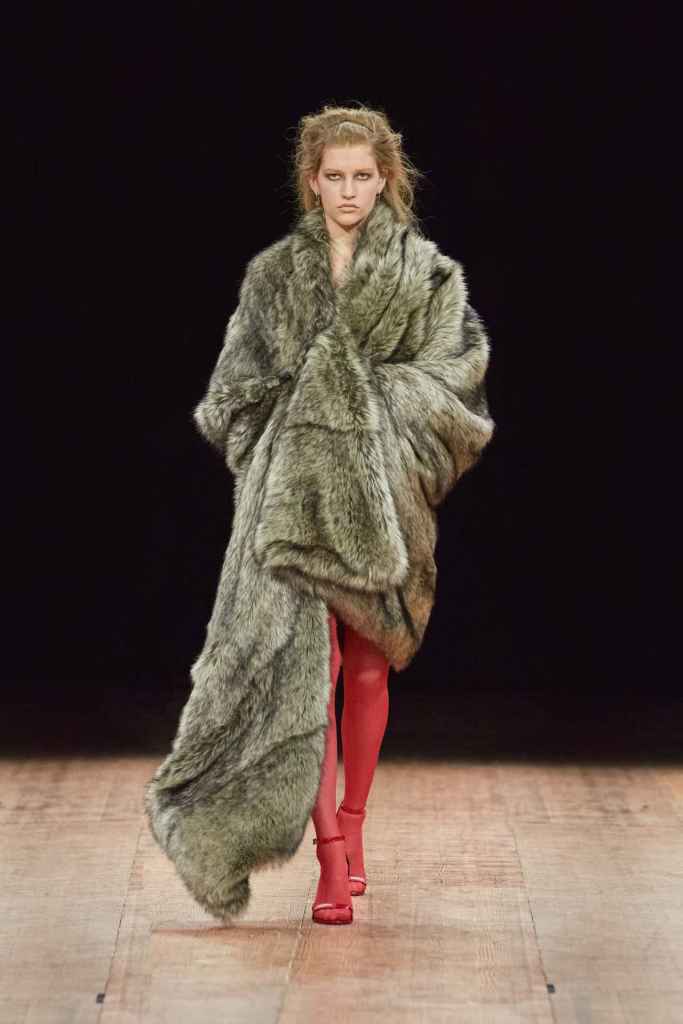

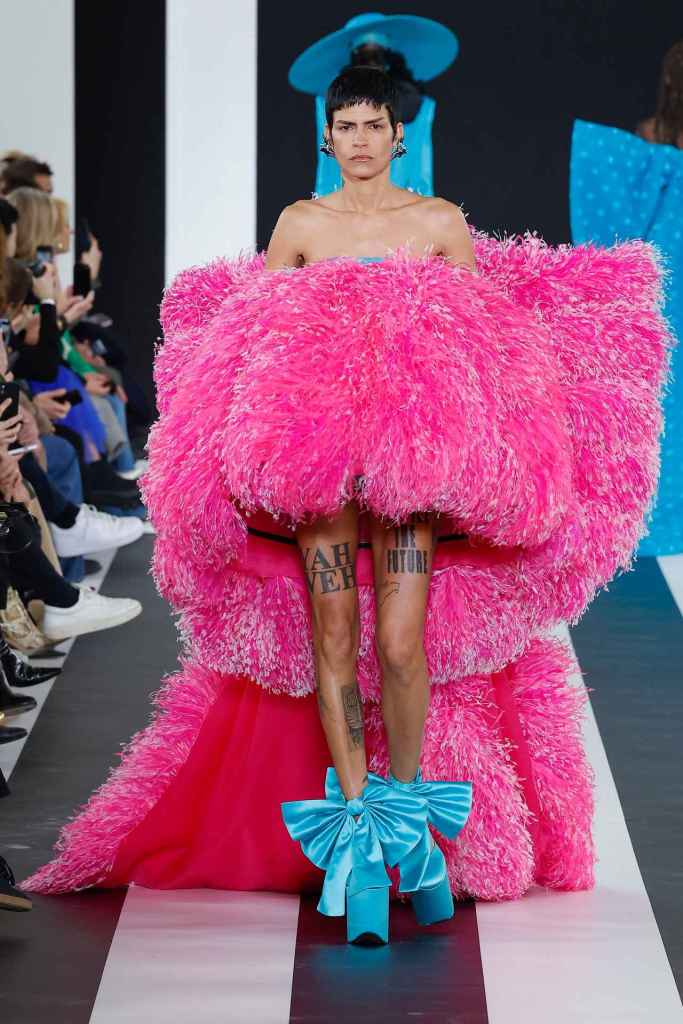
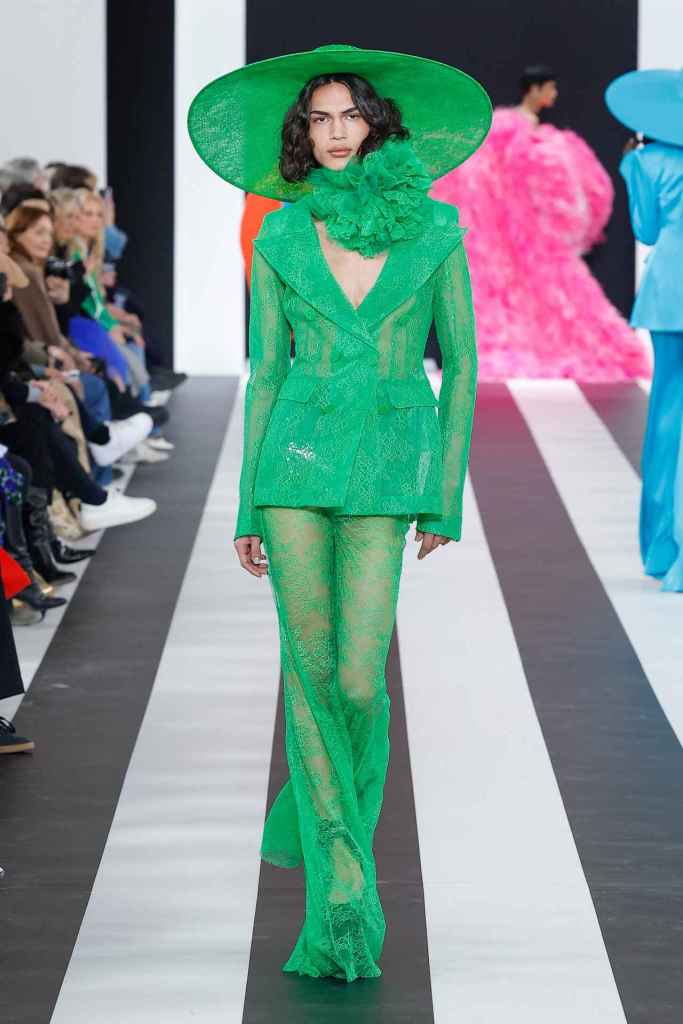
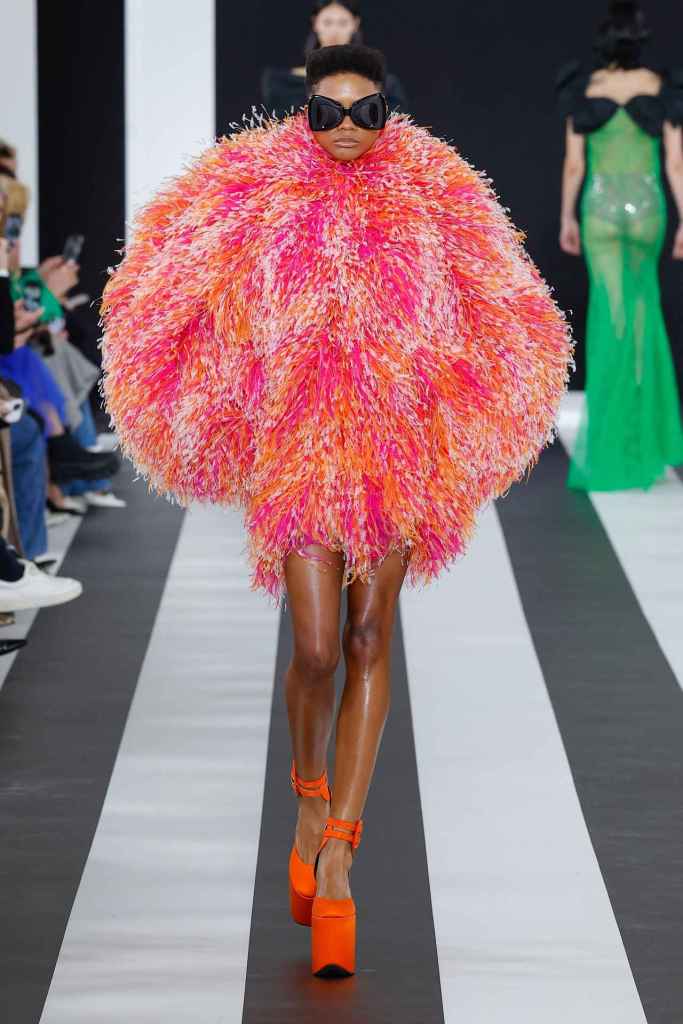
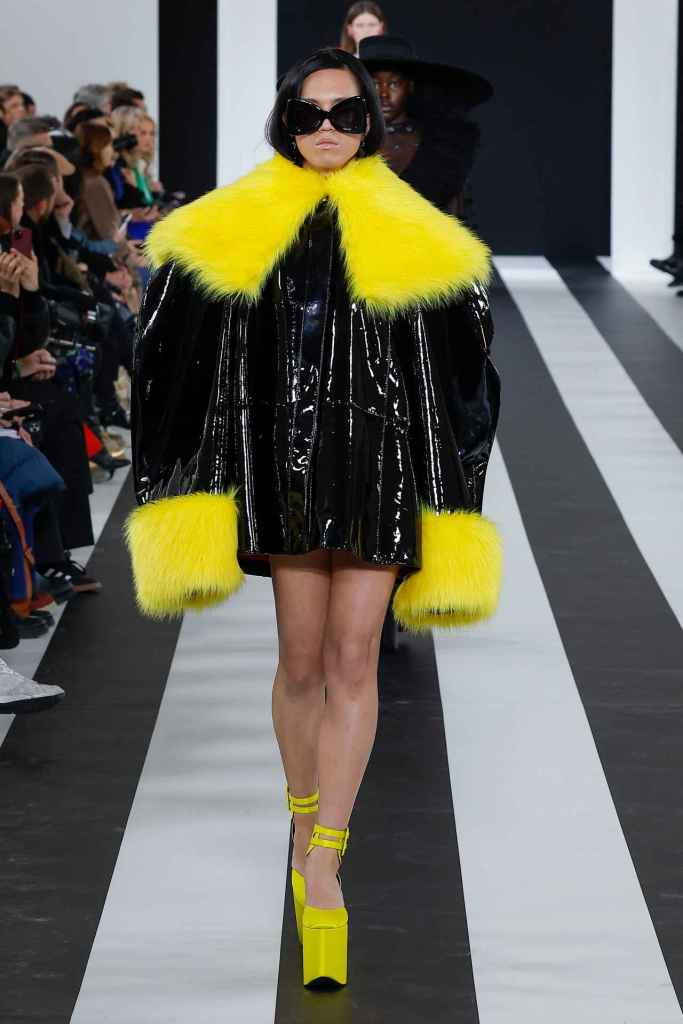
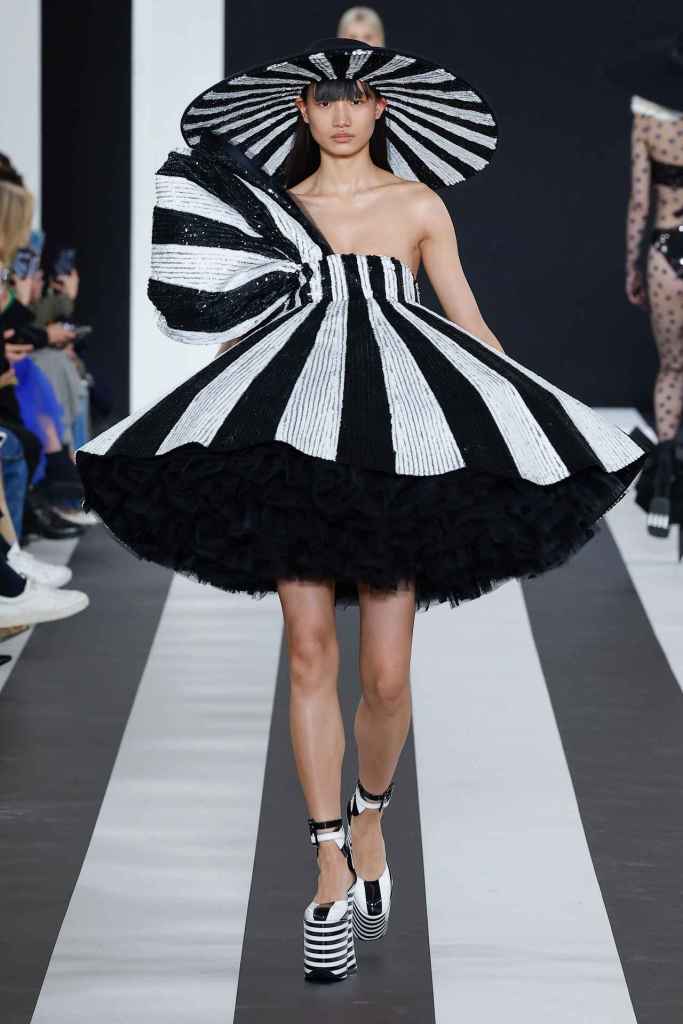
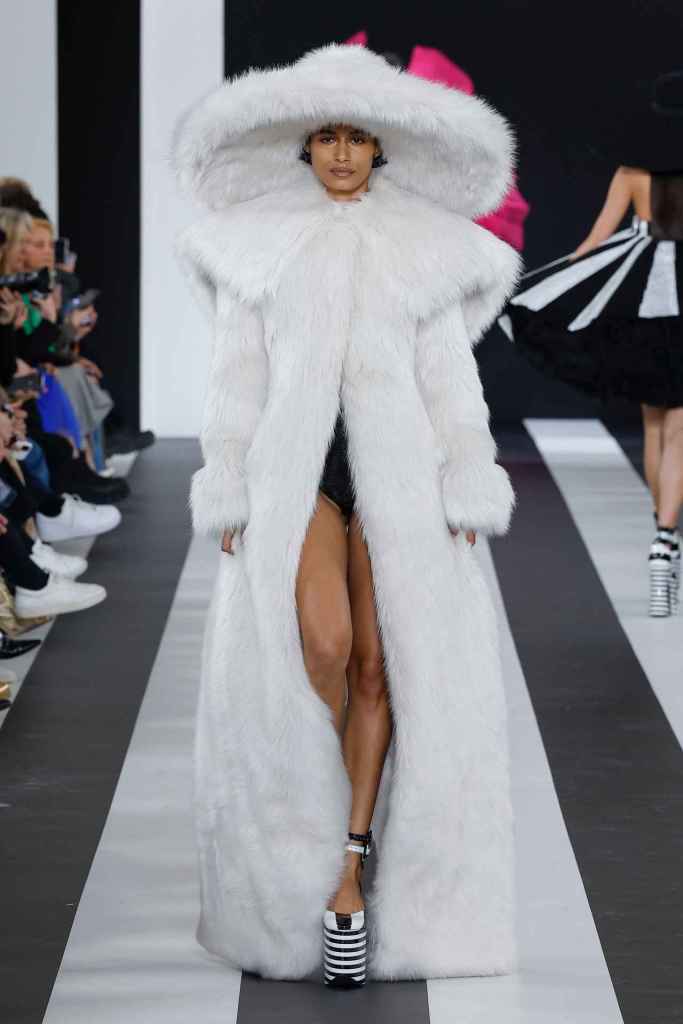
Nina Ricci: Harris Reed, the daring demi-couture designer, took the reins as creative director of Nina Ricci and delivered a contemporary and playful take on the brand’s archives. With a nod to the romantic drama of the 80s and 90s couture shows, the collection boasts playful silhouettes, bright colors, and a youthful energy that celebrates individualism and inclusivity across age, size, gender, and ethnic background. This didn’t feel like Reed’s work, there was a sense of unfinished immaturity. in the clothes. It felt like Christian Siriano – too loud, too gaudy. While there were hints of Reed’s signature bold style but it was lost in the messiness of it all. There was elegant tailoring, bold loungewear, lavish outerwear, and fun gowns shining through. While his first attempt was underwhelming, Heed has the talent to truly honor Nina Ricci’s legacy while making his own.
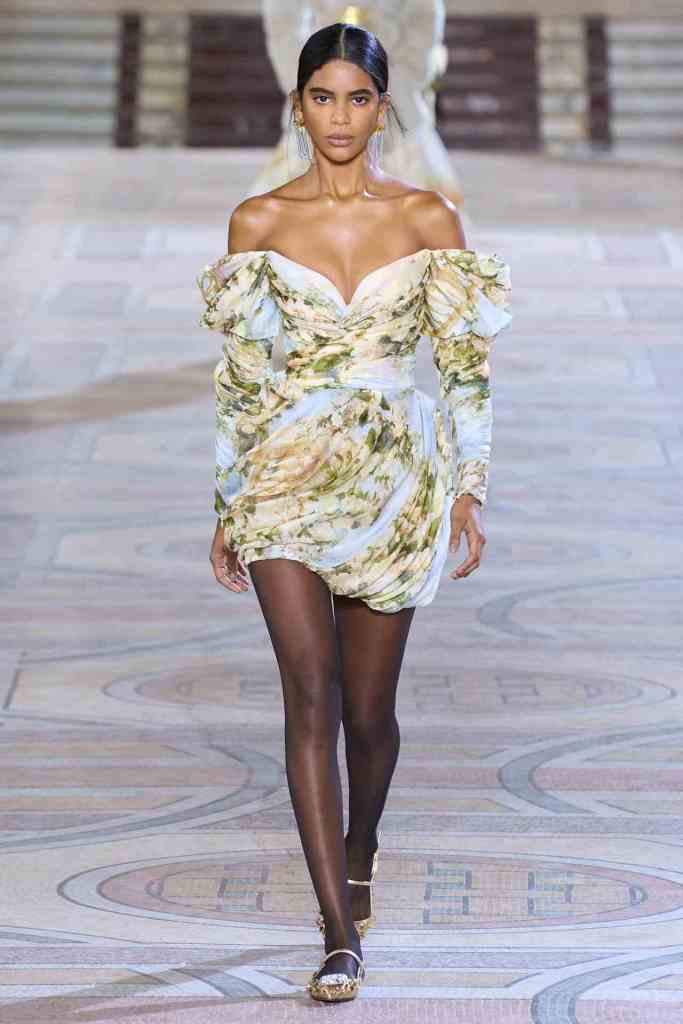
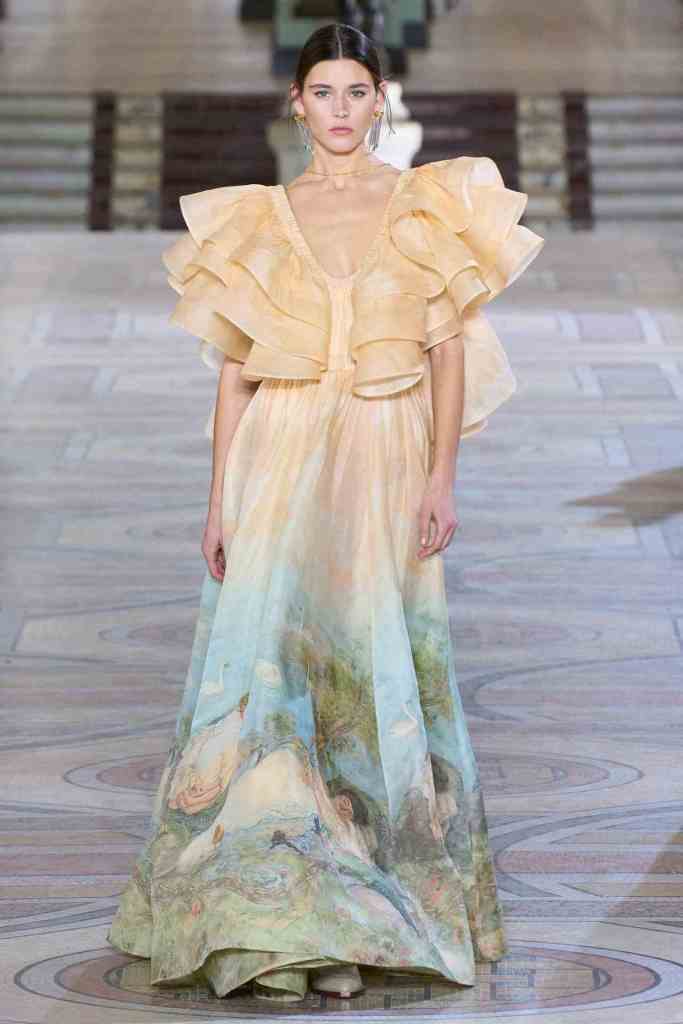
Zimmermann: Taking inspiration from the artworks of Australian painter Rupert Bunny, Nicky Zimmermann incorporated them into her designs this season. This collection exhibits her deliberate effort to blend fresh designs with established favorites. Zimmermann’s signature designs get a relaxed update with tweed, leather, and wool layers. Delicate dresses are paired with blue jeans peeking out from beneath the sheer layers to create a standout fusion look. The collection’s laid-back vibe and denim focus make it an easy choice for effortless dressing this season. The collection represents the merging of art and fashion, demonstrating Zimmermann’s talent for designing garments that strike a balance between being unpretentious and luxurious. If this is a glimpse of what’s to come, then I can’t wait for future Zimmermann.
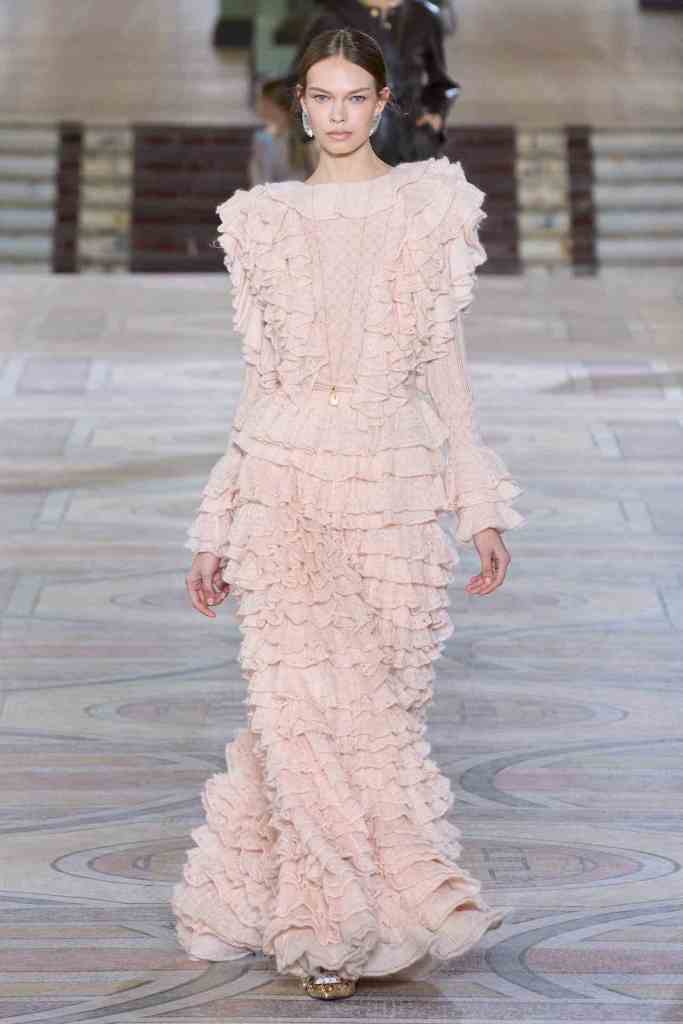
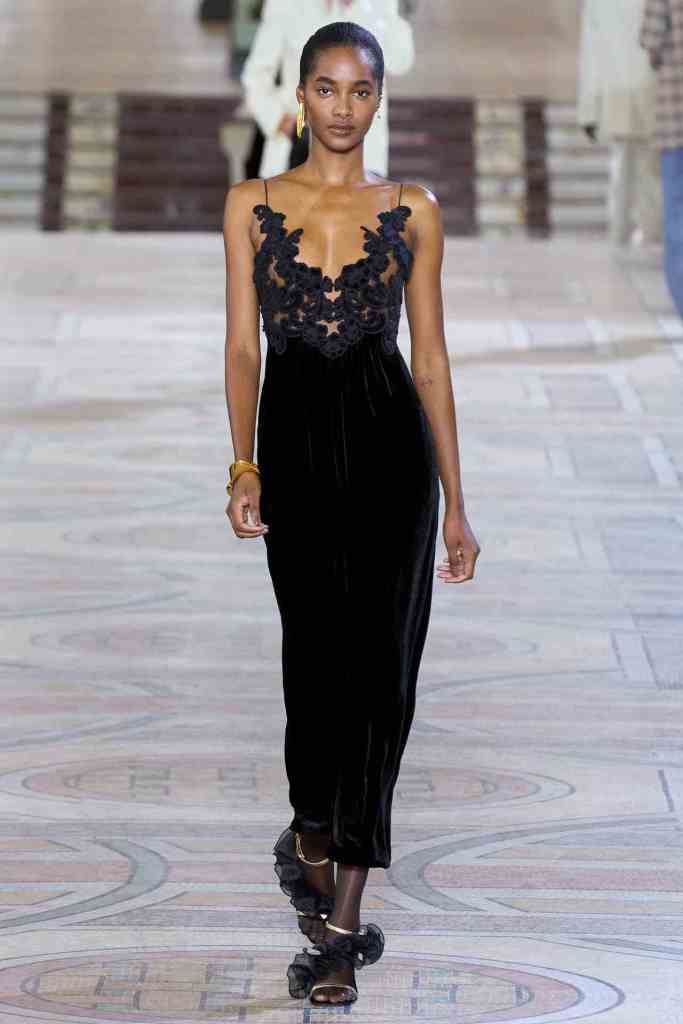
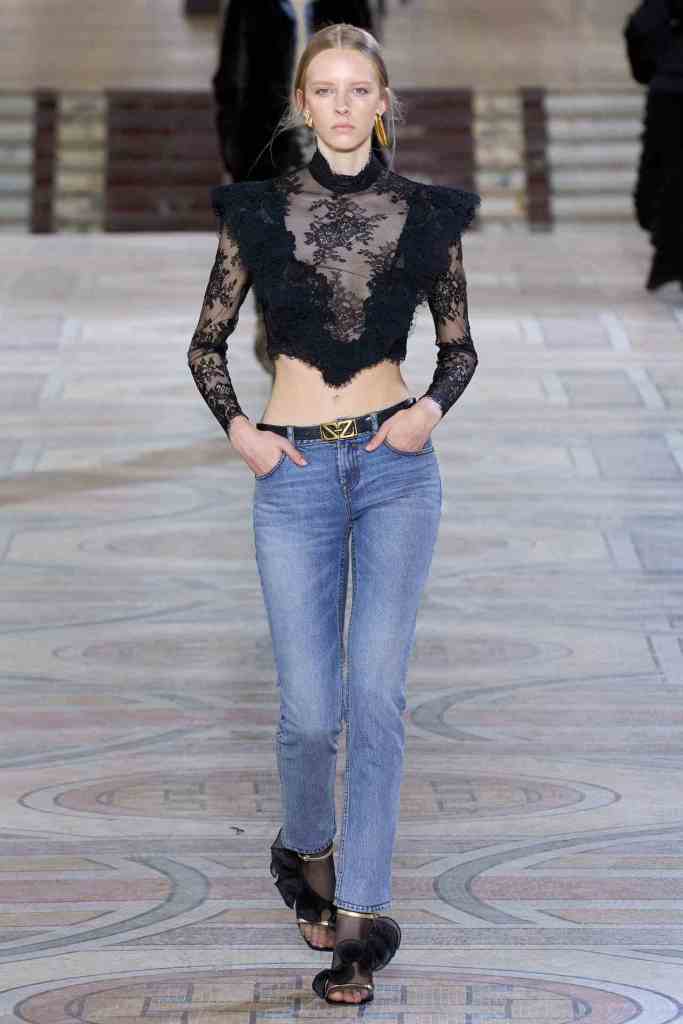
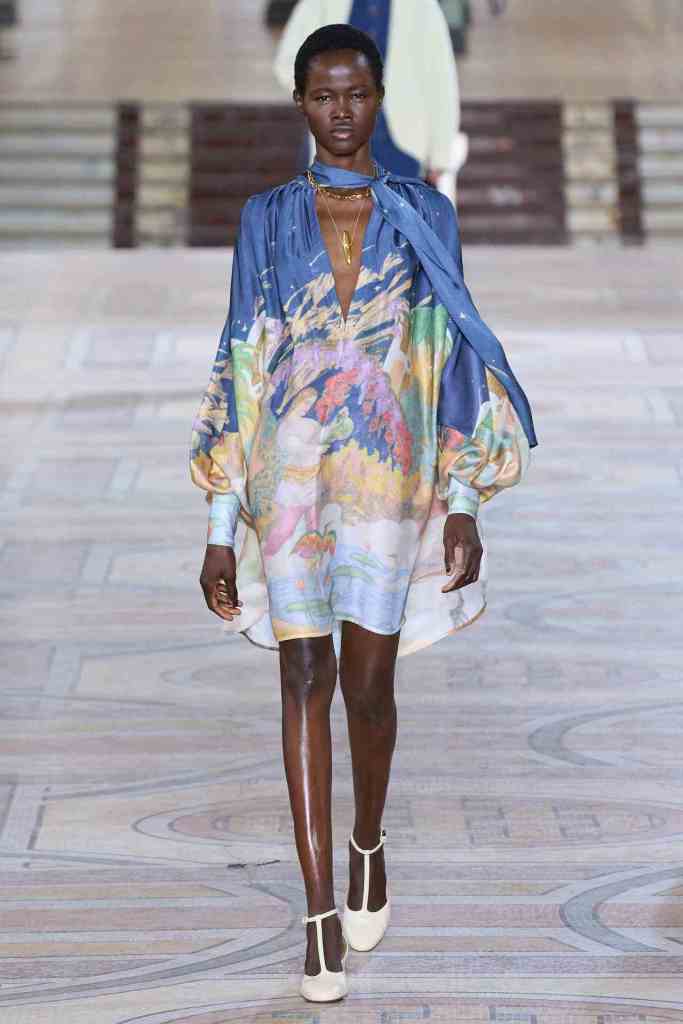
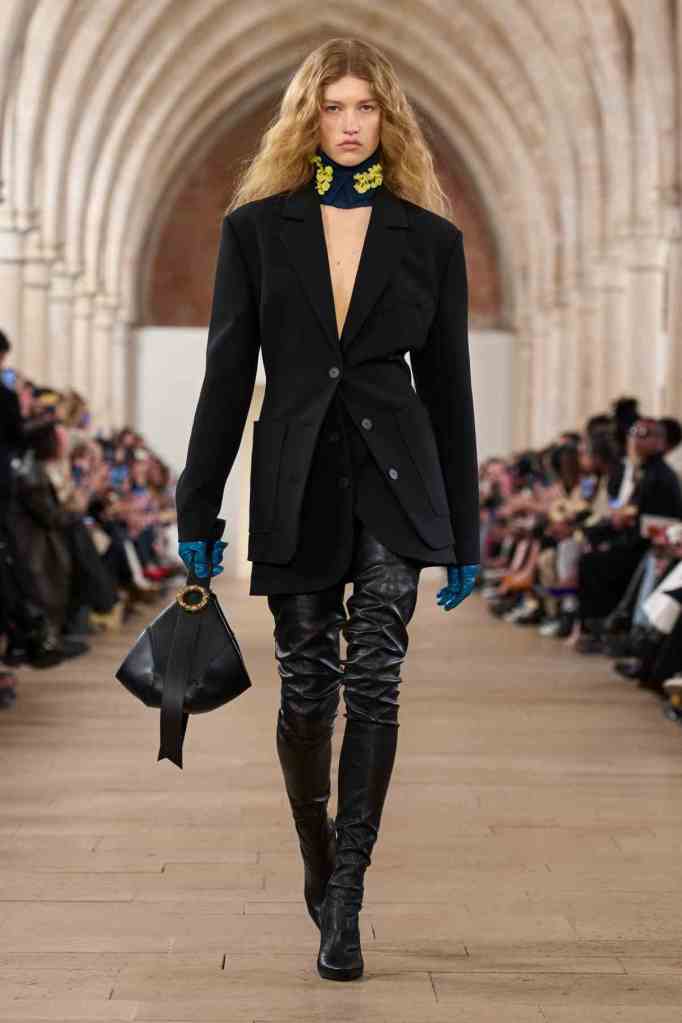
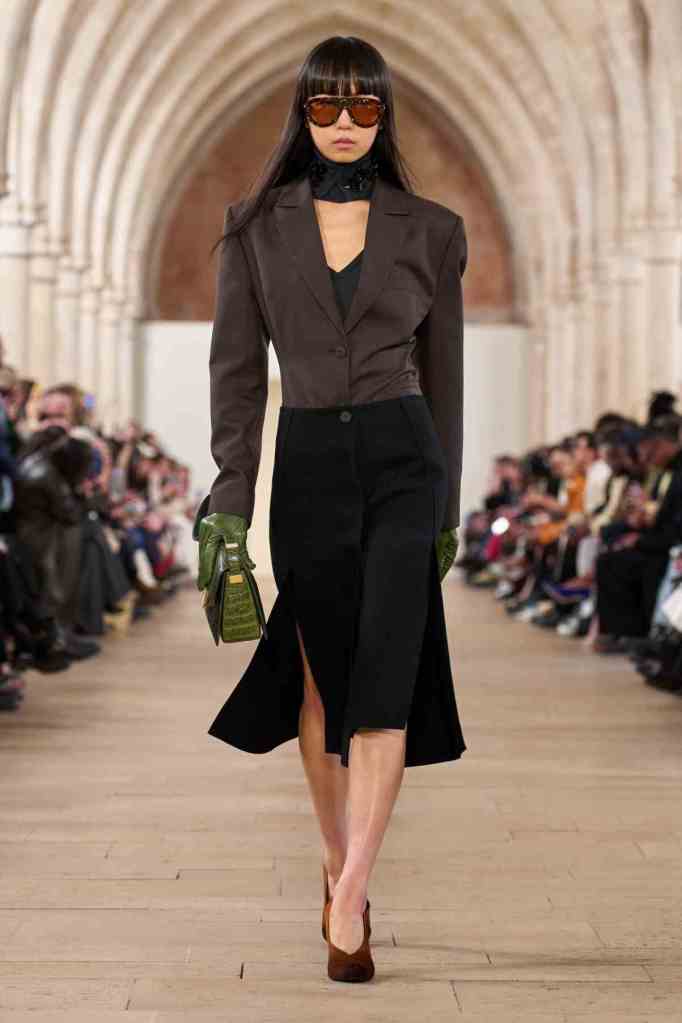
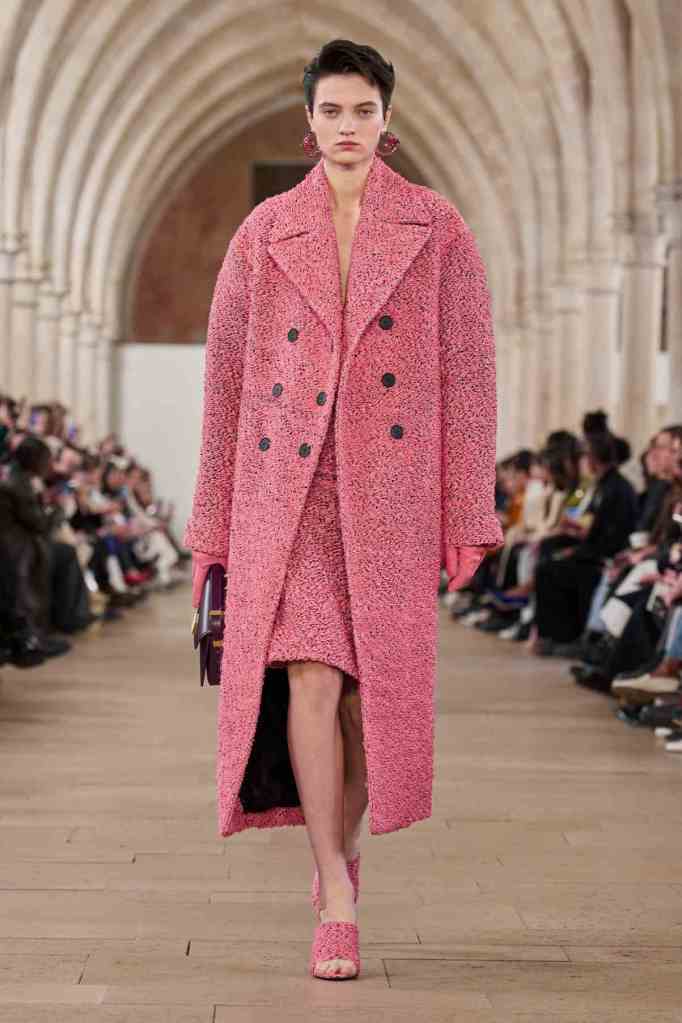
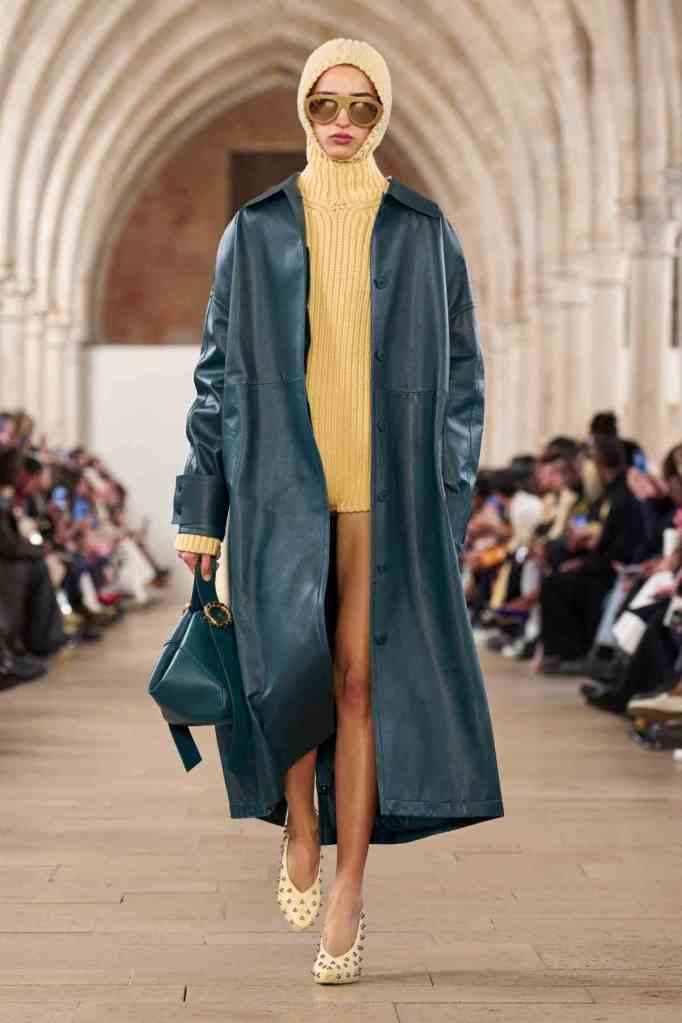
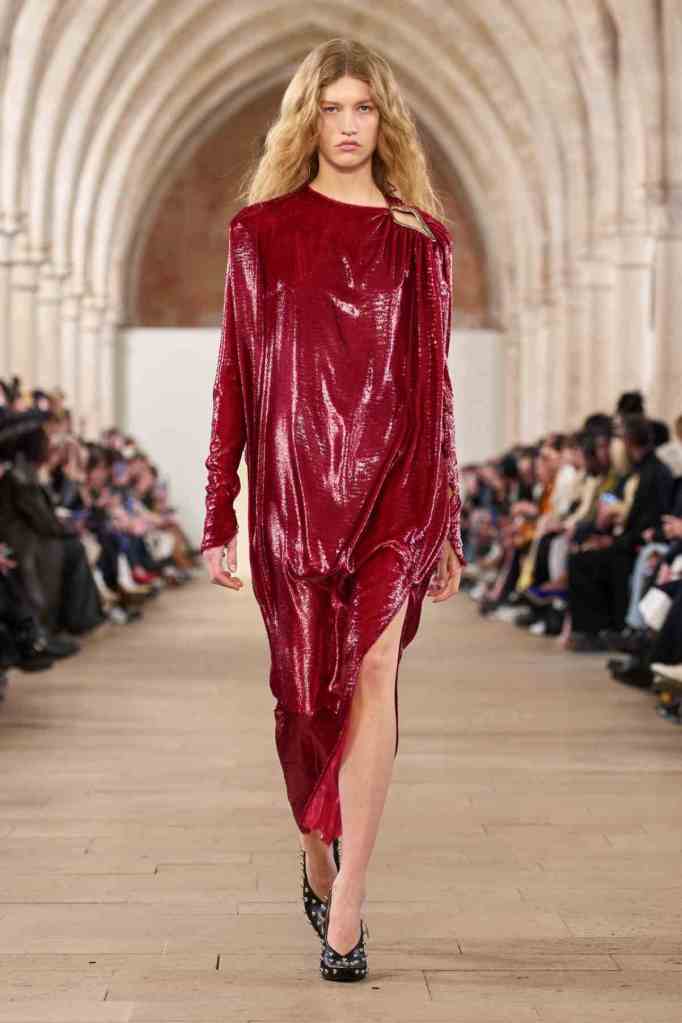
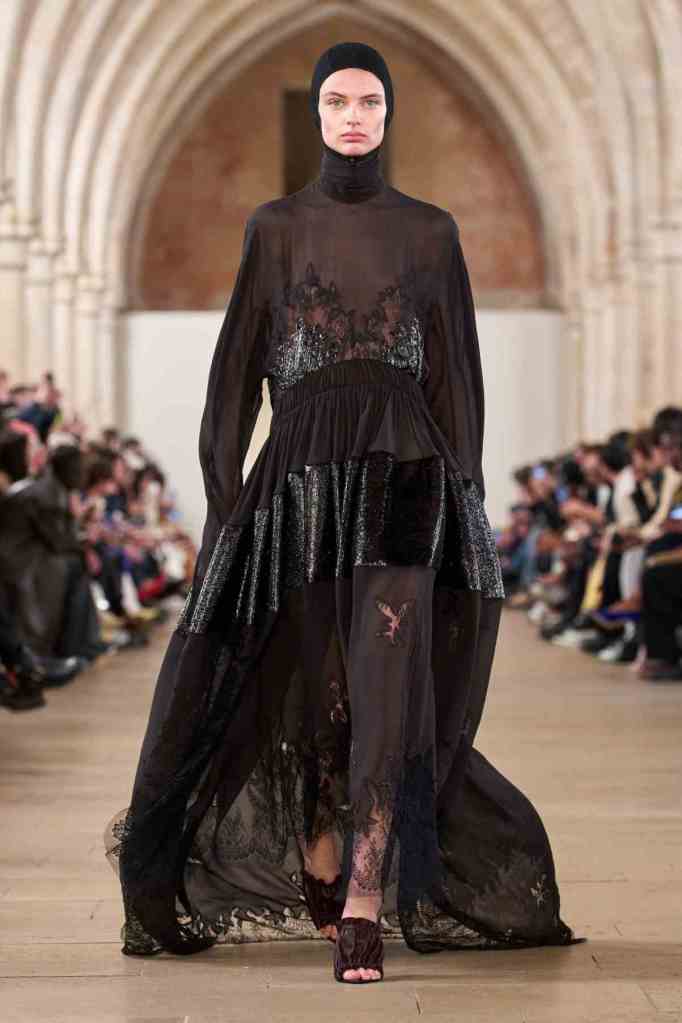
Lanvin: In this collection, creative director Bruno Sialelli aimed to infuse the brand with a quieter and more elevated everyday aesthetic, showcasing a mix of tailored pieces, chemise dresses, and subtle nods to the house’s 1920s era. Sialelli’s approach reframed fashion as a pure expression of imagination against the dramatic gothic backdrop of Collège des Bernardins. Maintaining the legacy of a fashion house is no easy task, but Sialelli’s strong collection this season demonstrated a fresh perspective on the brand’s codes through the use of real clothes with genuine intrigue. The collection featured evocations of the 1940s, 1980s, and even earlier from the Renaissance to the Medieval. Most clothes in this collection are chic, wearable and timeless – probably just like how the designer has intended. It’s time to make Lanvin relatable again.
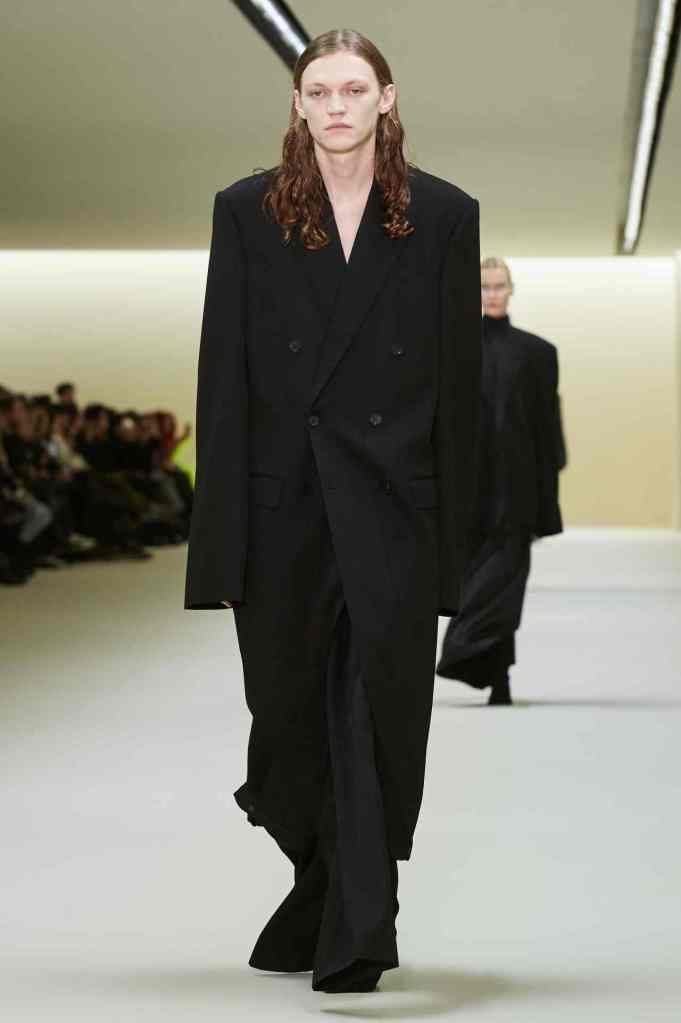
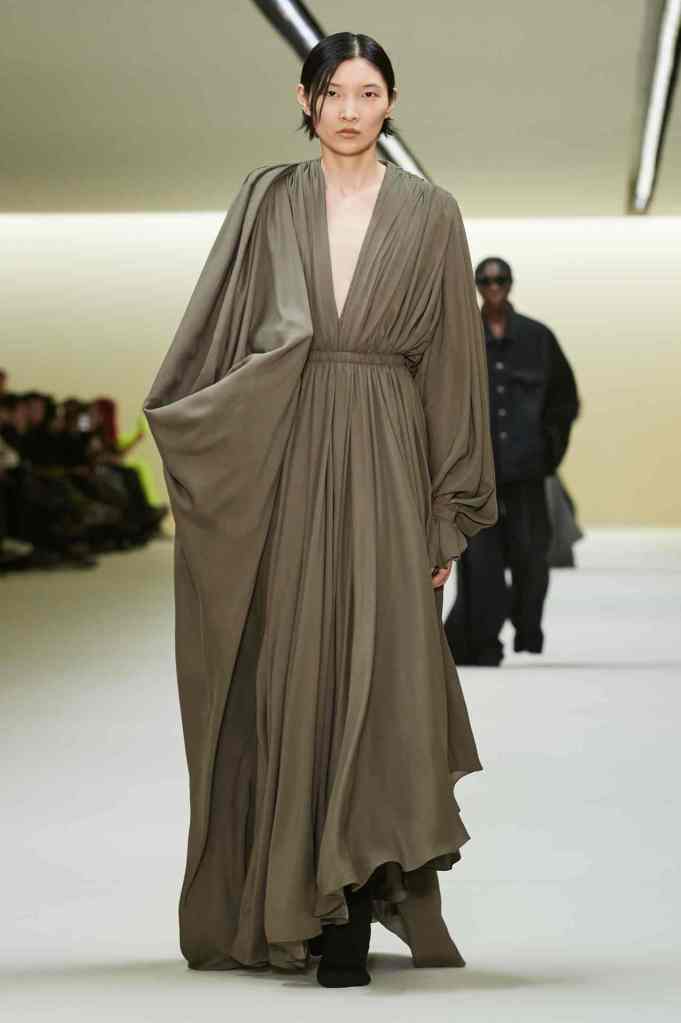
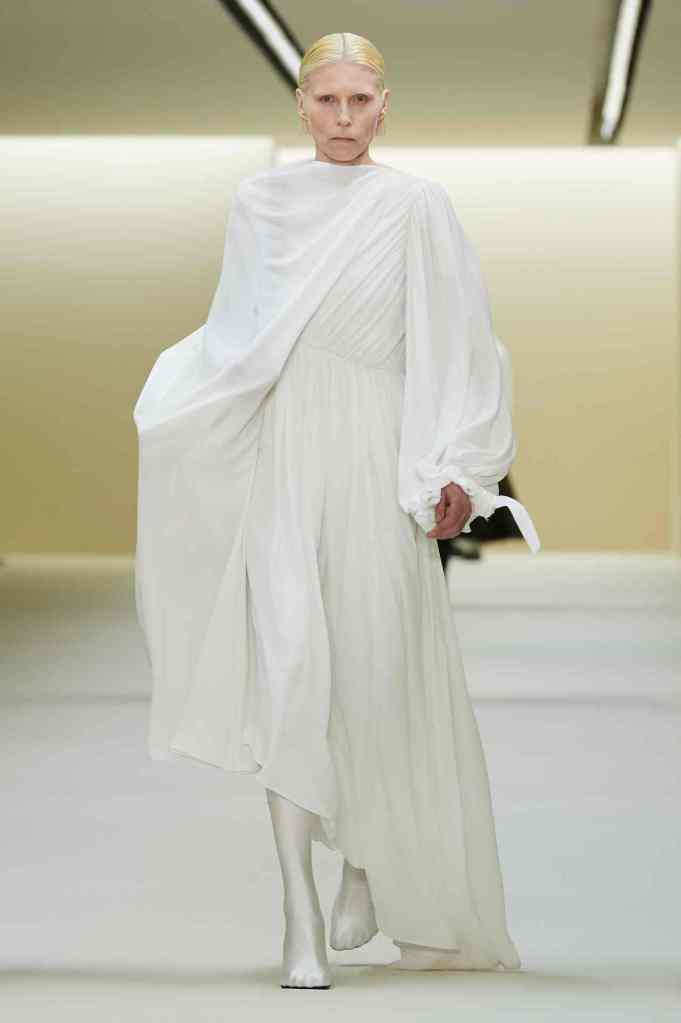
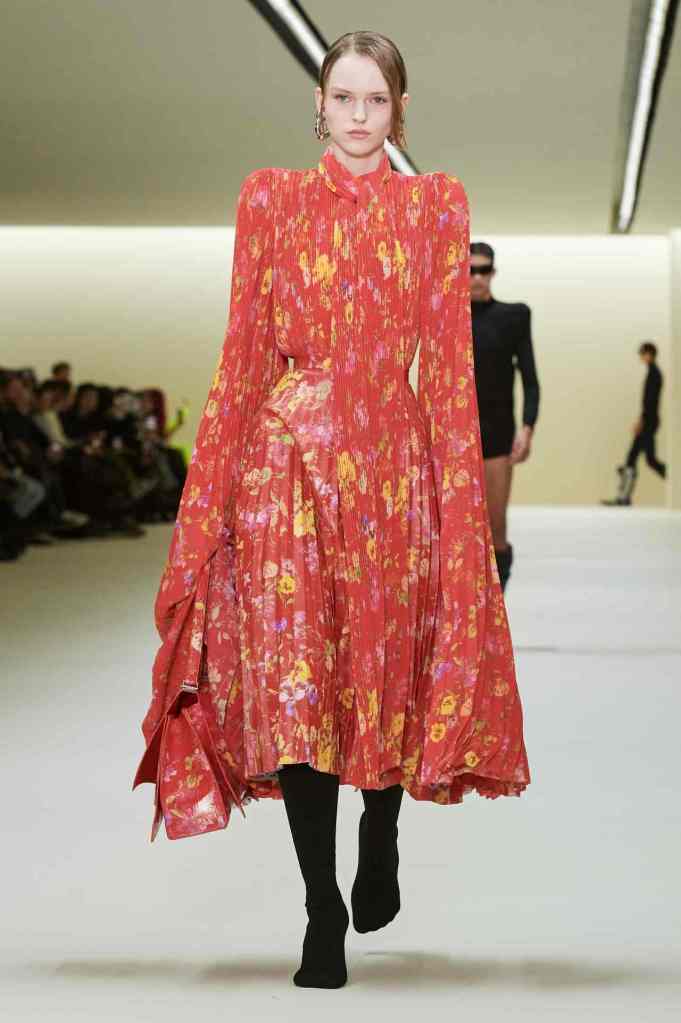
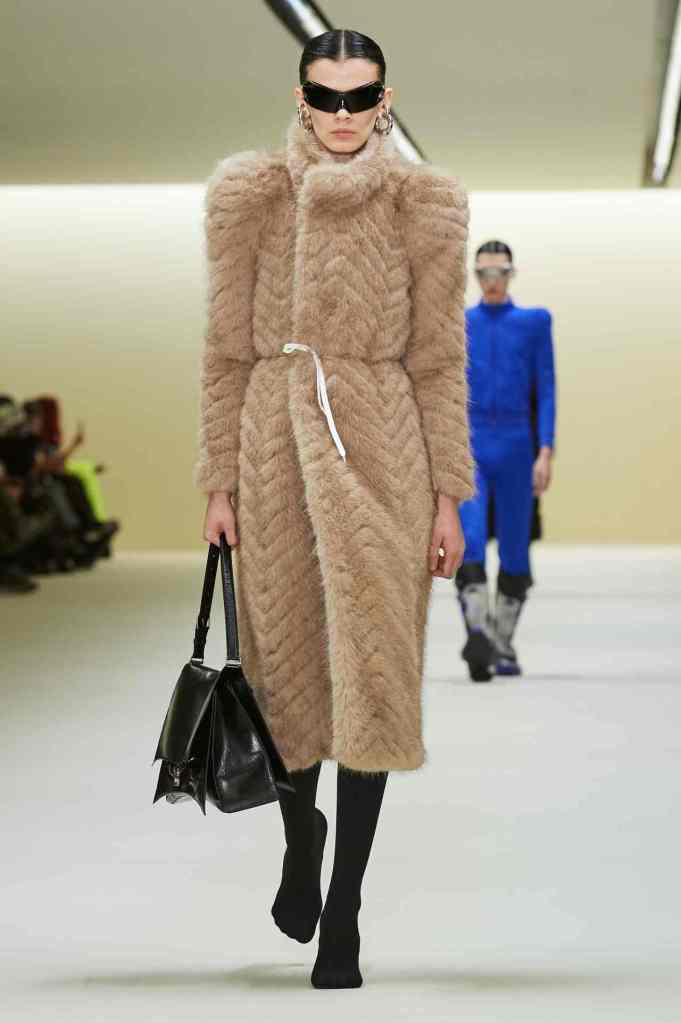
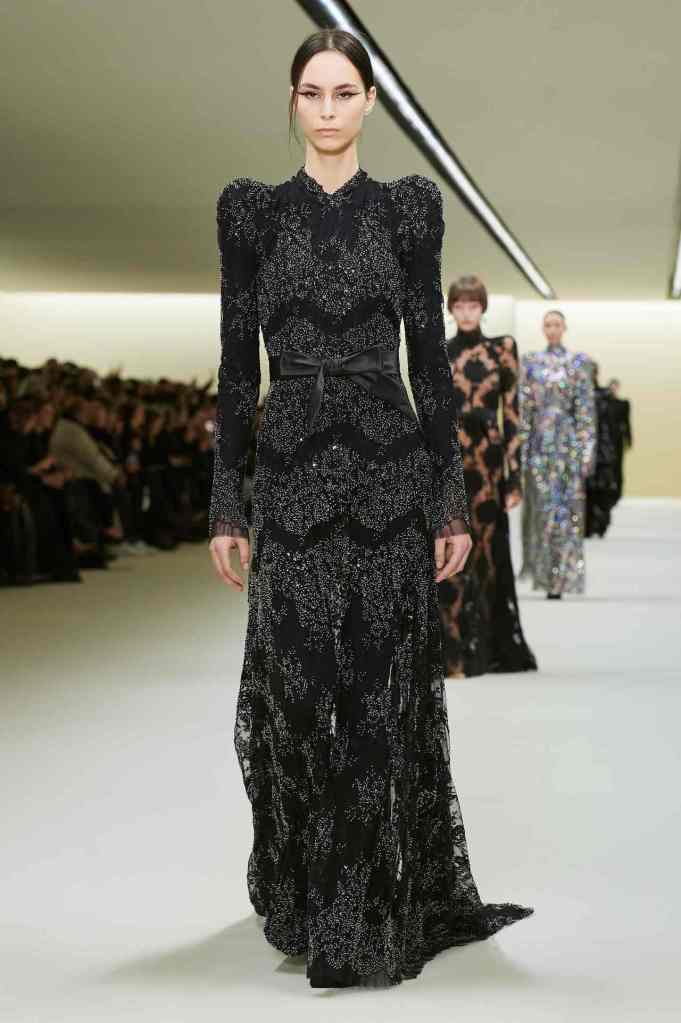
Balenciaga: Balenciaga made a comeback after a publicized advertising scandal with this collection, and the creative director, Demna, wanted to refocus on the art of making clothes. The show featured incredible shapes and innovative tailoring, with classic Balenciaga signatures such as high-necked sequin gowns and big-shouldered blazers. It was notably devoid of the brand’s controversial gimmicks. Overall, the show represented a return to the brand’s origins, with a somber tone. One could even be confused between this collection and his earlier Balenciaga work. Coming to the clothes – sharply tailored, big silhouettes and restrained colors (with some lively floral dresses of course). The clothes indeed were well made; just like the designer intended. But maybe it’s too soon to like Balenciaga again. I am still not over some of the wildly unnecessary antics; takes more than one collection to truly believe.
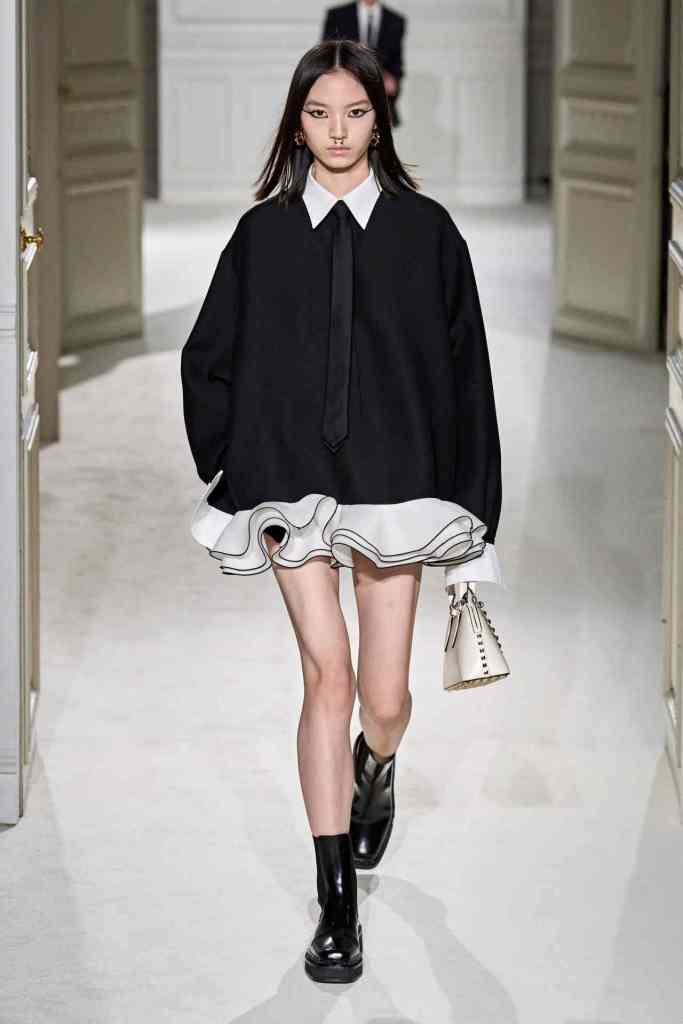
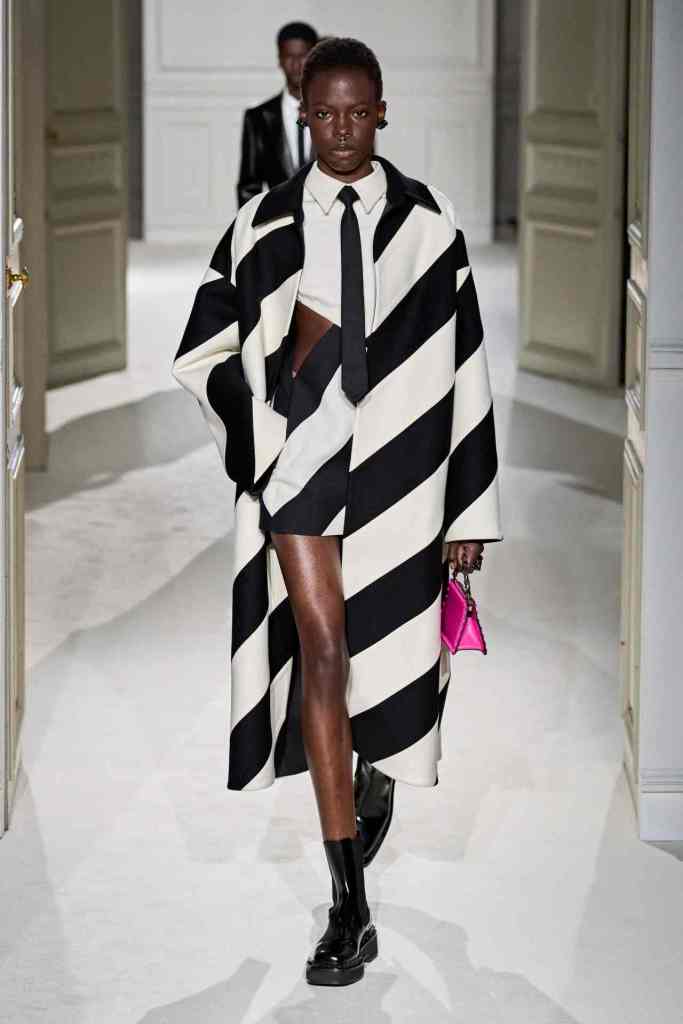
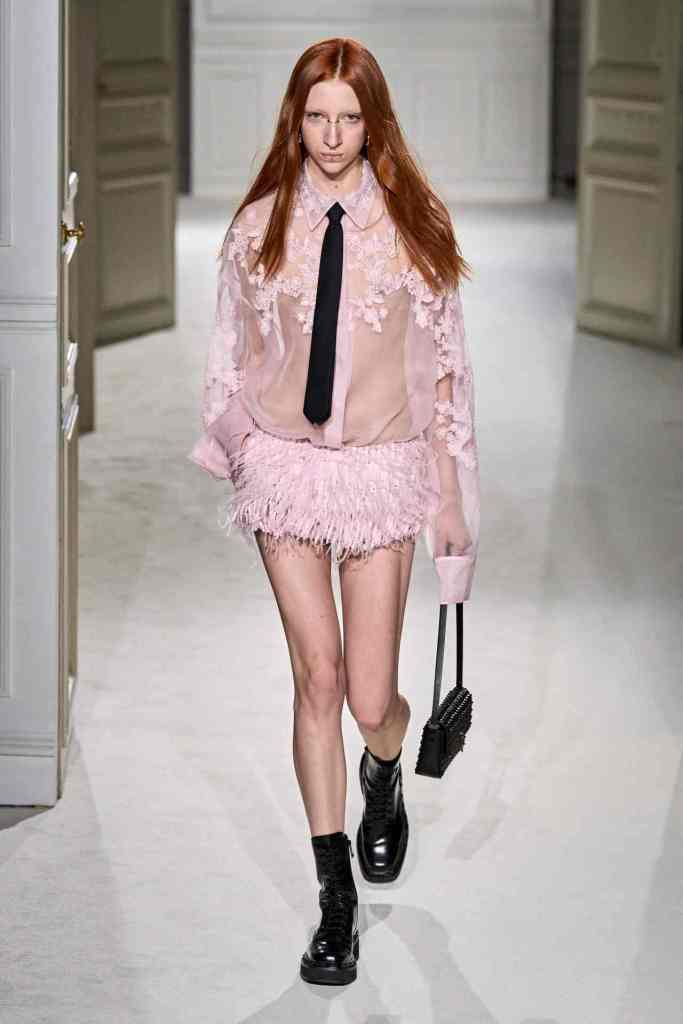
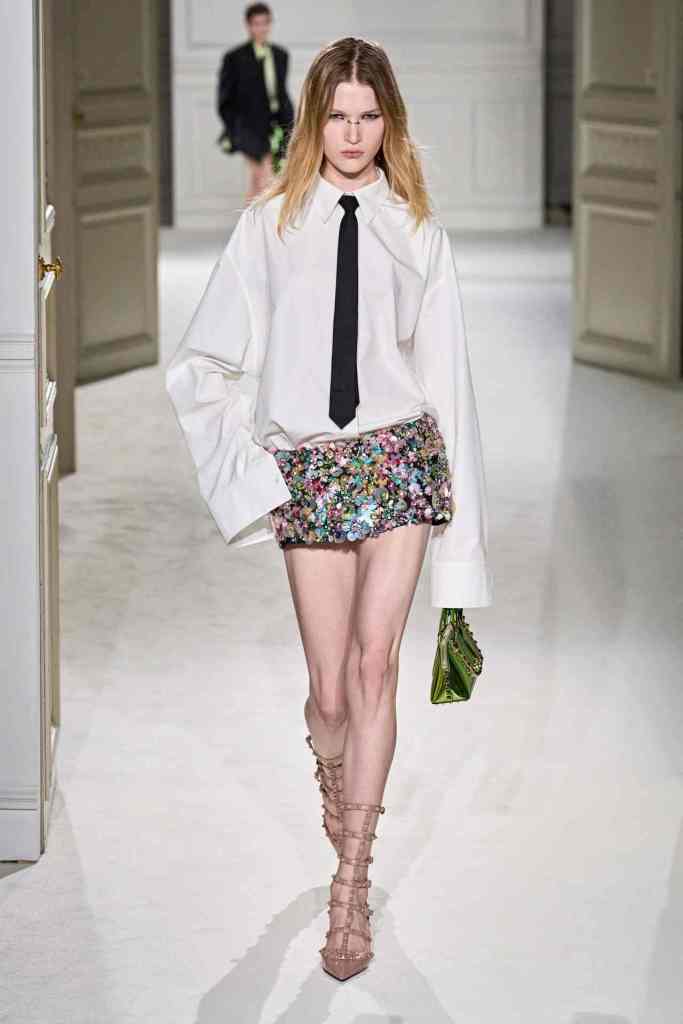
Valentino: The collection redefines modern black tie with 73 looks that reinvent classic formal staples such as the little black dress, tuxedo suit, and white button-down. Piccioli’s talent lies in transforming these timeless pieces into new and desirable items that feel relevant. The collection emphasizes tailoring, practical daywear, and a minimal color palette, balancing the Maison Valentino’s heritage with a dynamic aesthetic. This is perfectly exemplified by how Piccioli took the necktie, typically seen as a representation of conformity and redundancy, and reimagined it as a symbol of individuality and self-expression in countless ways. The show notes said “Black Tie. Here, a literal description, a codification, not a code.” This collection truly captures the energy of Valentino. This is why we love Piccioli


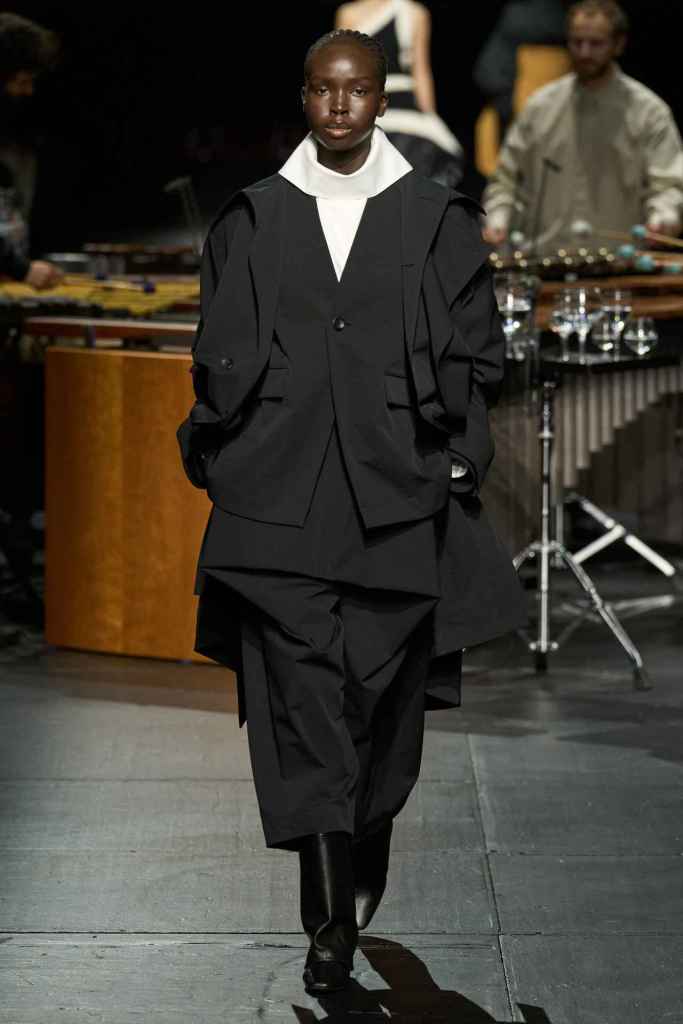
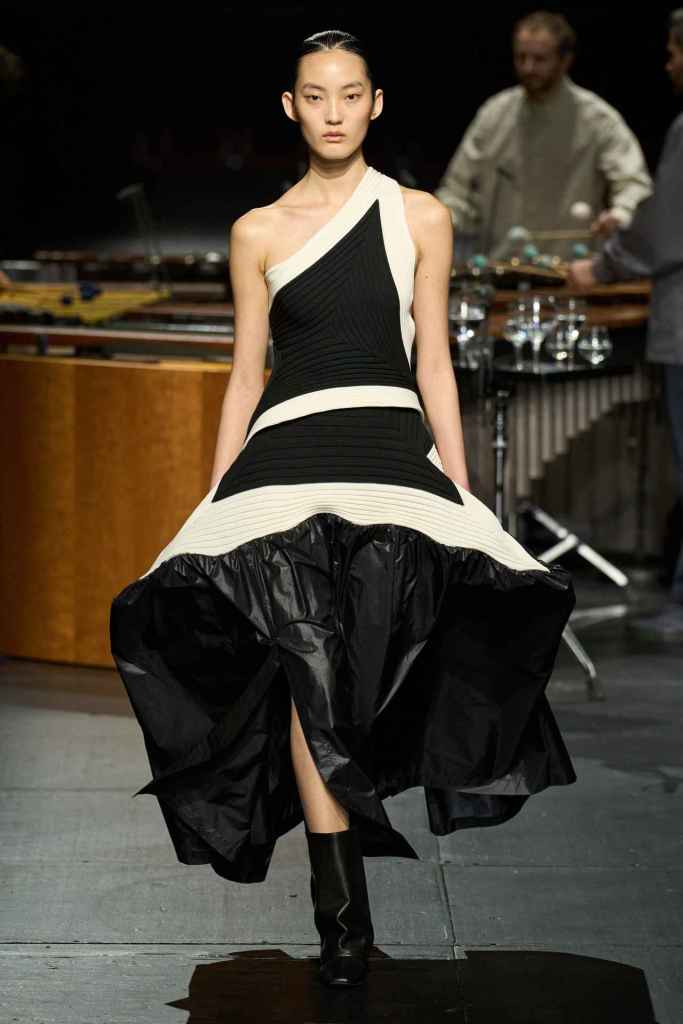
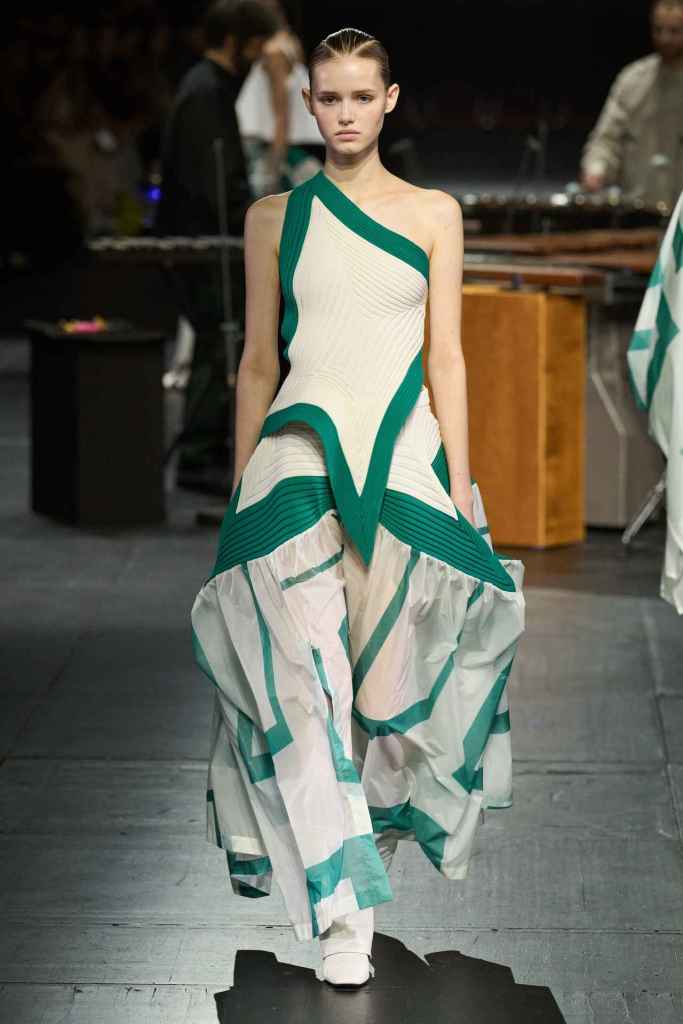
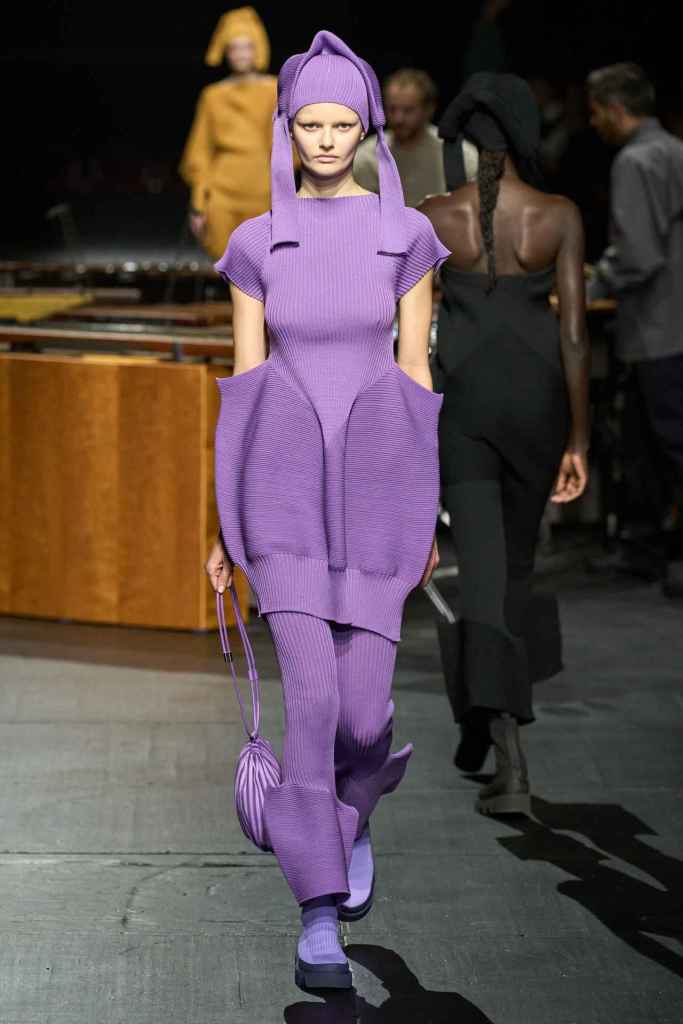
Issey Miyake: Titled “The Square and Beyond” this collection was a celebration of symmetrical and rational geometry. The clothes took the form of multiple proportions and shapes in bold colors paired with basics. We embarked on a mind-blowing journey of creativity and innovation with this collection, led by Satoshi Kondo. This collection defies conventional shapes and explores new realms by incorporating cutting-edge ideas and technologies, resulting in garments that are nothing short of mesmerizing. With an unconventional aesthetic that relies on a fresh interpretation of ma – the unfilled space between the clothing and the wearer. This collection is boldly pushing boundaries in terms of how to thoughtfully envision and guide a collection, and how to put your intellect into clothes.
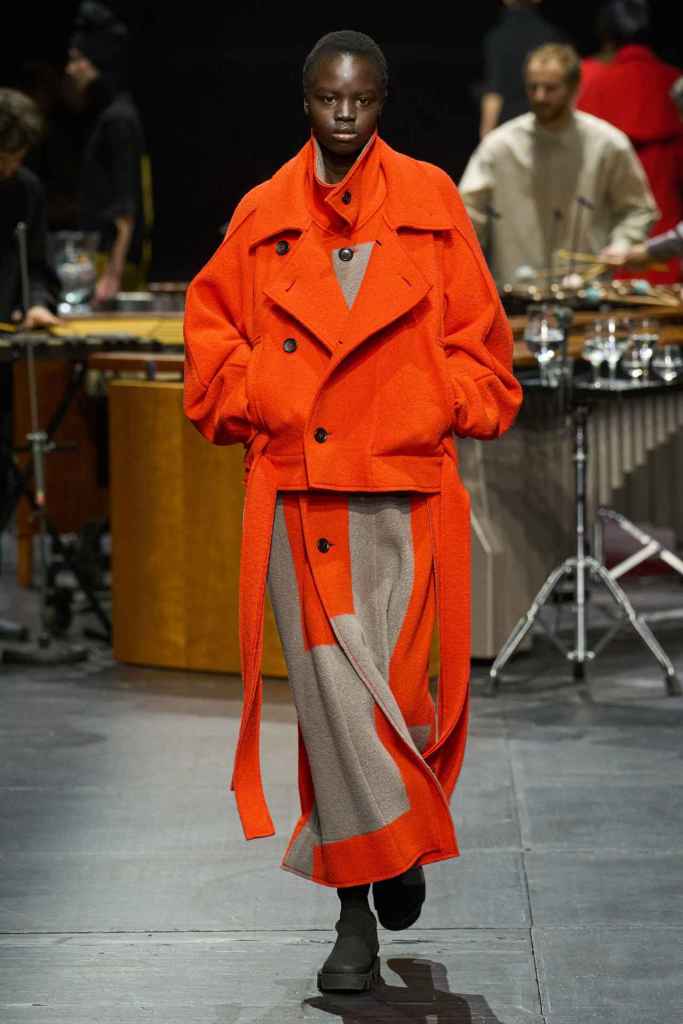
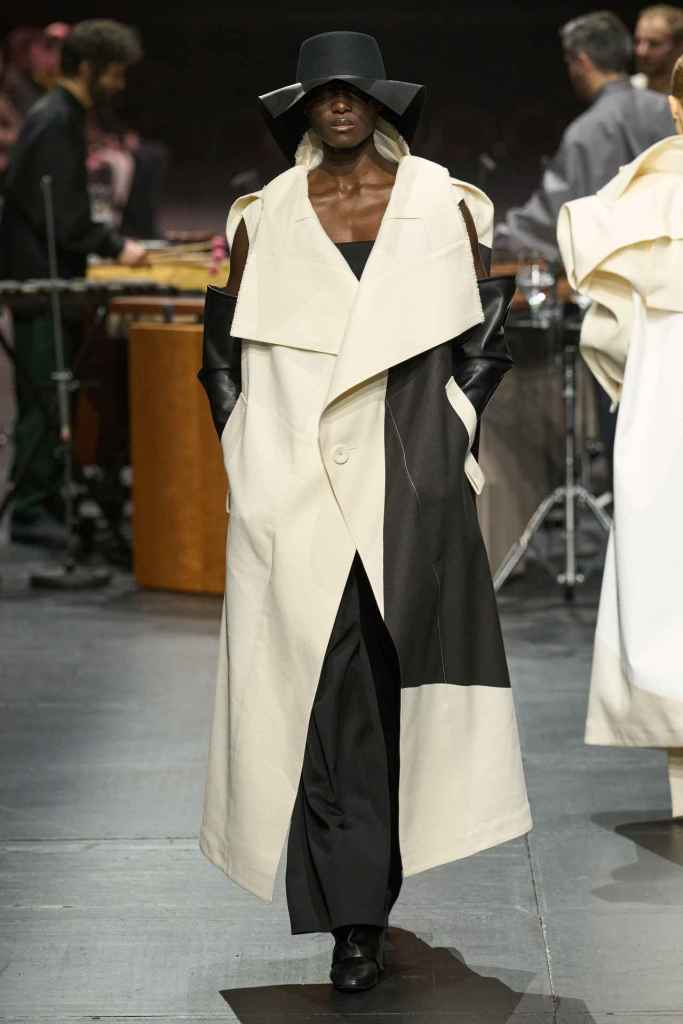
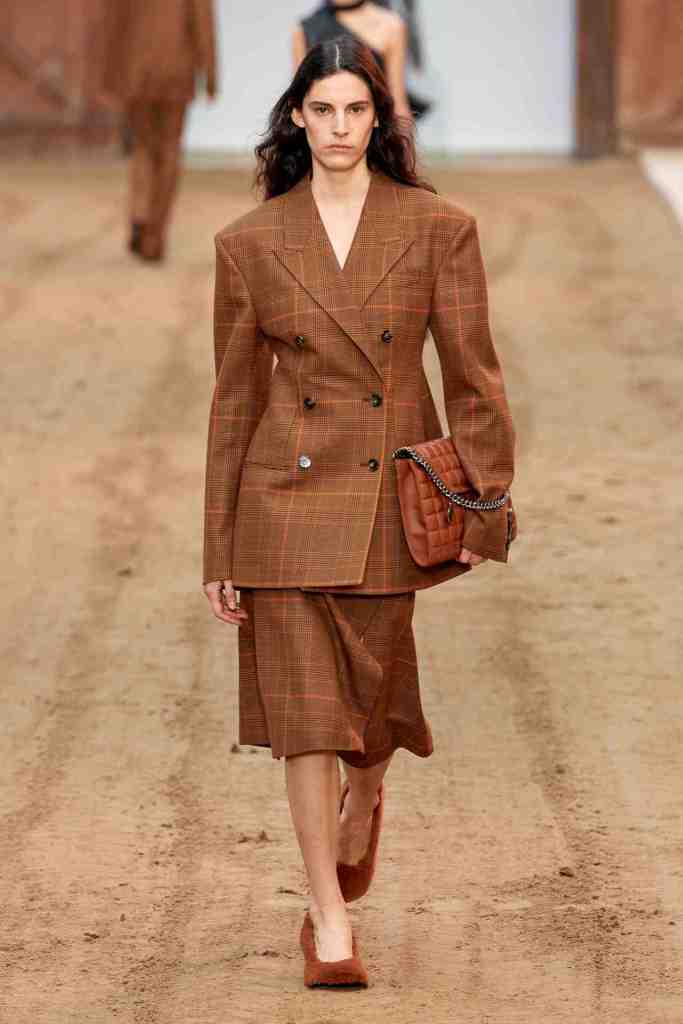
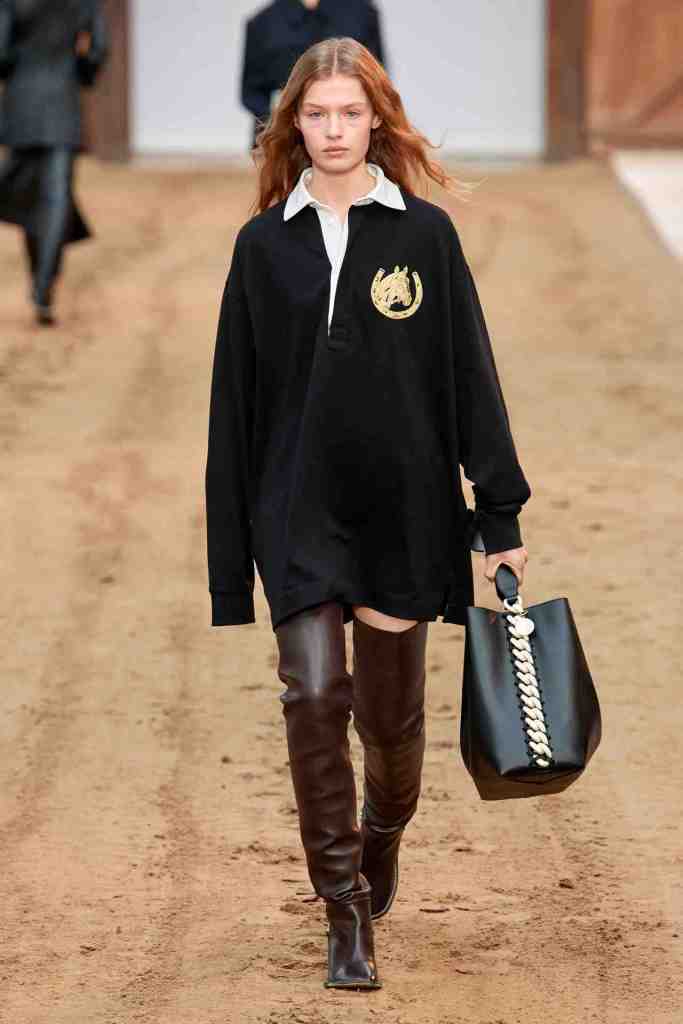
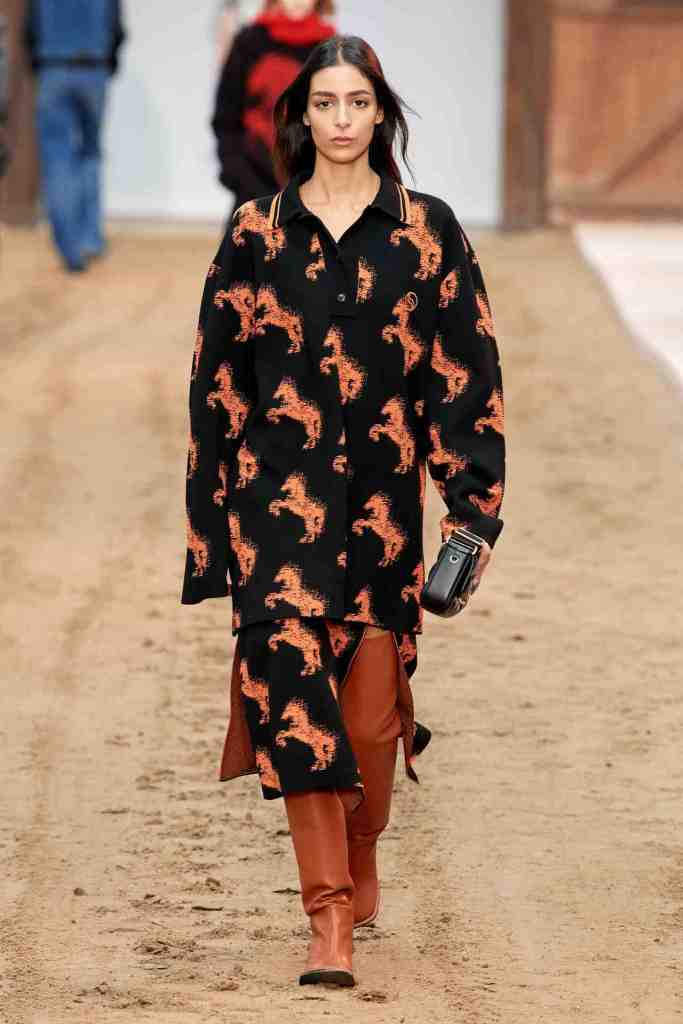
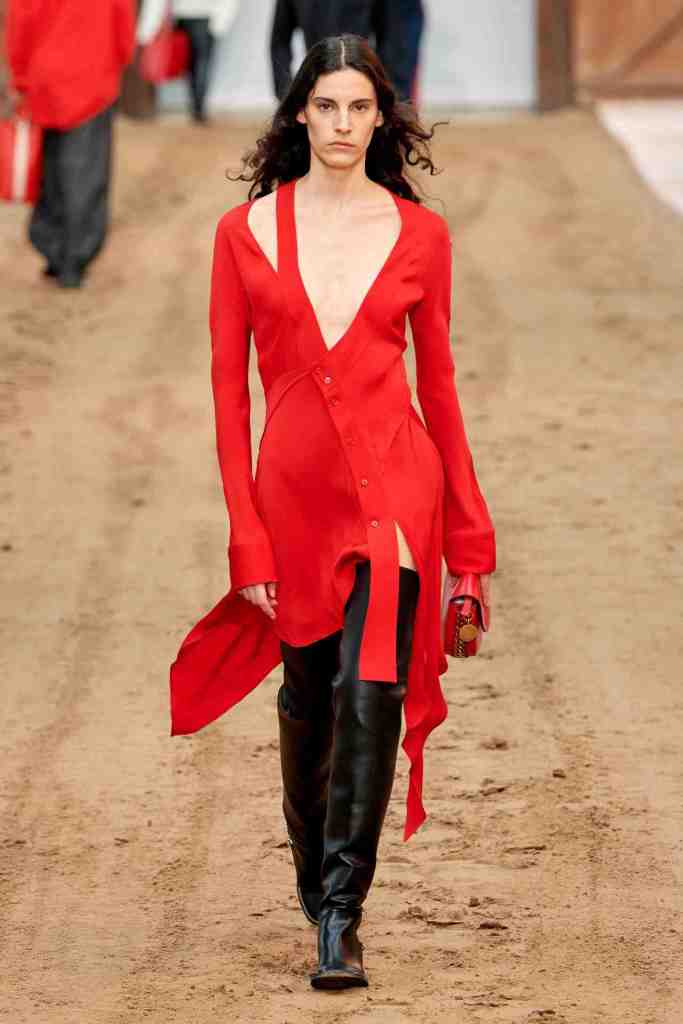
Stella McCartney: Titled “Horse Power’, Stella McCartney organized a horse show at the oldest riding school in France, featuring a captivating performance by wild horses. The clothes collection features a predominantly earthy color scheme. The designer emphasizes classic silhouettes such as two-piece suits and midi skirts, thigh-high boots paired with mini-skirt and dress slits and a lot of bedazzled chains adorning various pieces. Soft yet powerful tailoring elevated the looks with a touch of sophistication and sincerity with a much-needed fun touch of Y2K. McCartney has remained steadfast in her commitment to the brand’s sustainability values. This collection, made from 89 percent responsibly-sourced materials, reflects this dedication. All in all; Sublime Clothes that I’d die to wear!
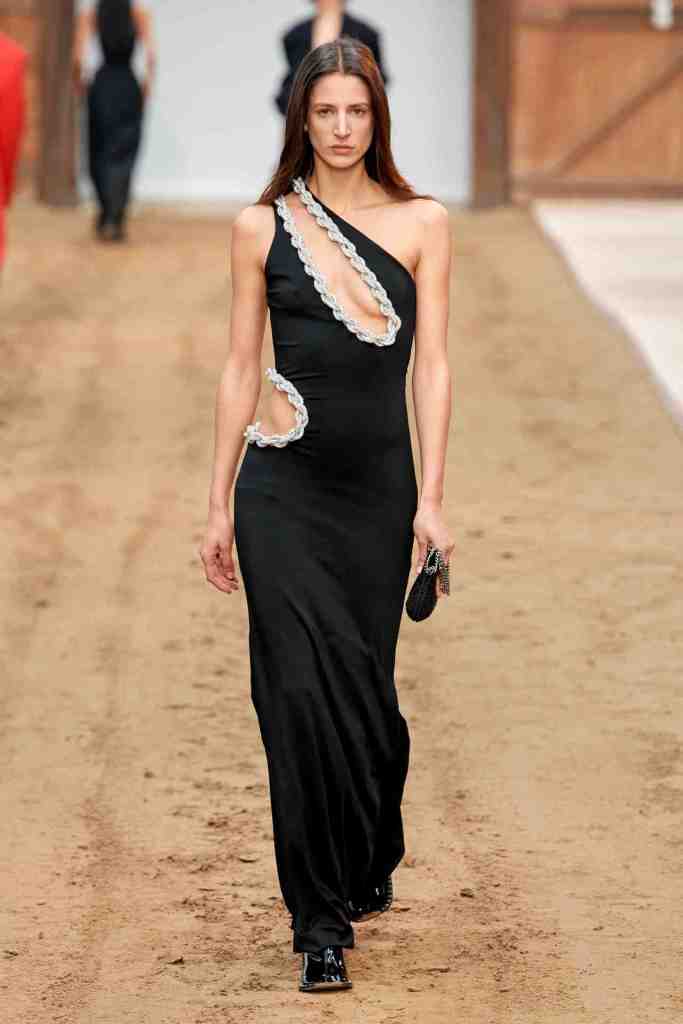
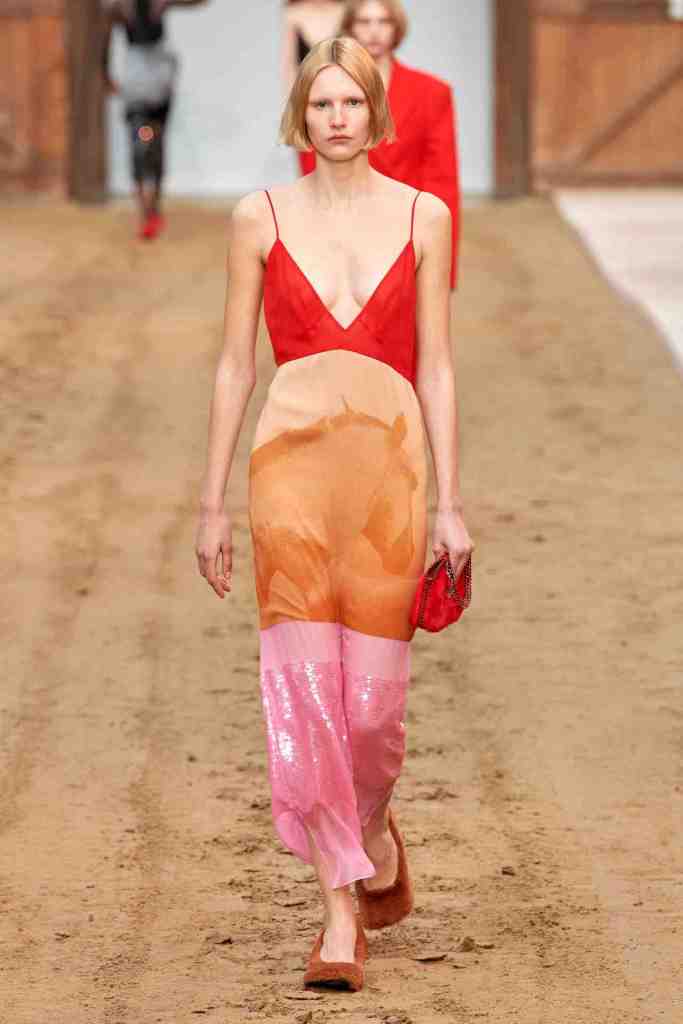
Louis Vuitton: This Collection explores the allure of French style, blending refinement and nonchalance to create a captivating aesthetic. It is inspired by traditional French elements and leans towards understated maximalist luxury. Ghesquière blends the brand’s signature codes with his style to create a cohesive collection of classic tailoring with a unique twist. Monochromatic looks dominate along with contrasting fabrics and playful silhouettes. Ghesquière liberates traditional silhouettes with playful shapes and contrasting fabrics, resulting in a contemporary collection perfect for today’s experimental generation. The emblematic handbags and accessories subtly incorporate the French flag’s tricolor. Nicolas Ghesquière presents a new French signature with a focus on movement and flexibility. Even LV pulled a decent collection this season!
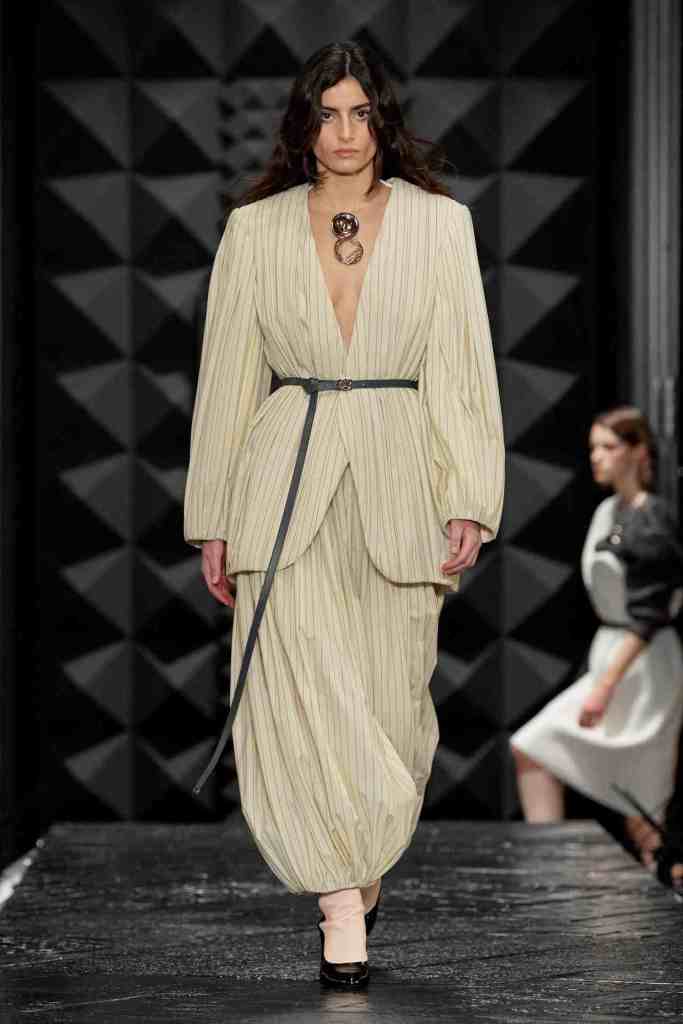
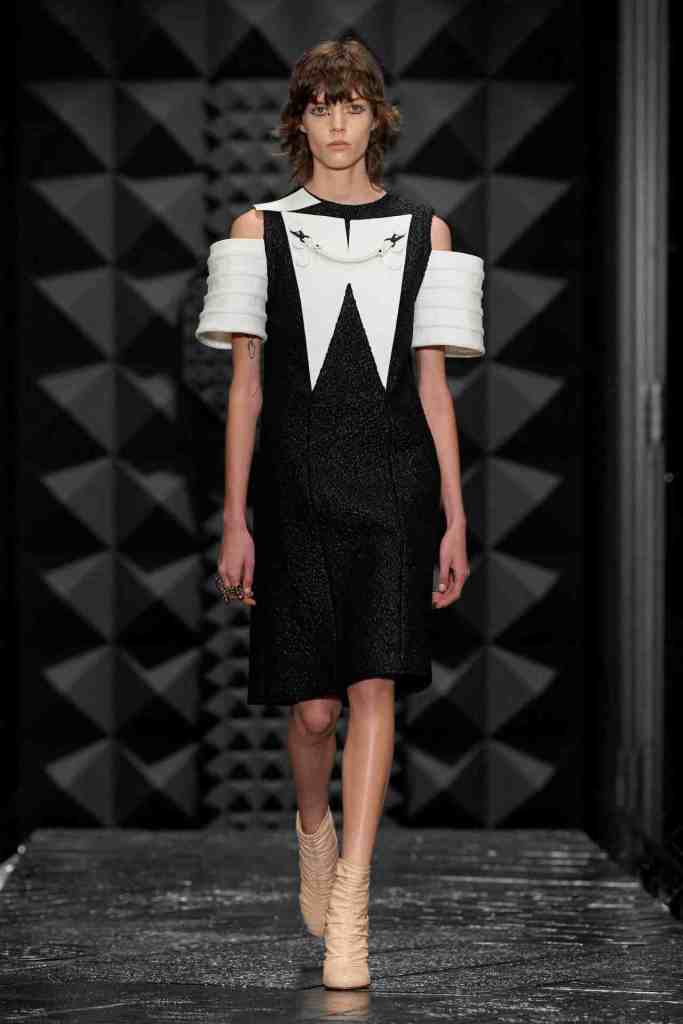
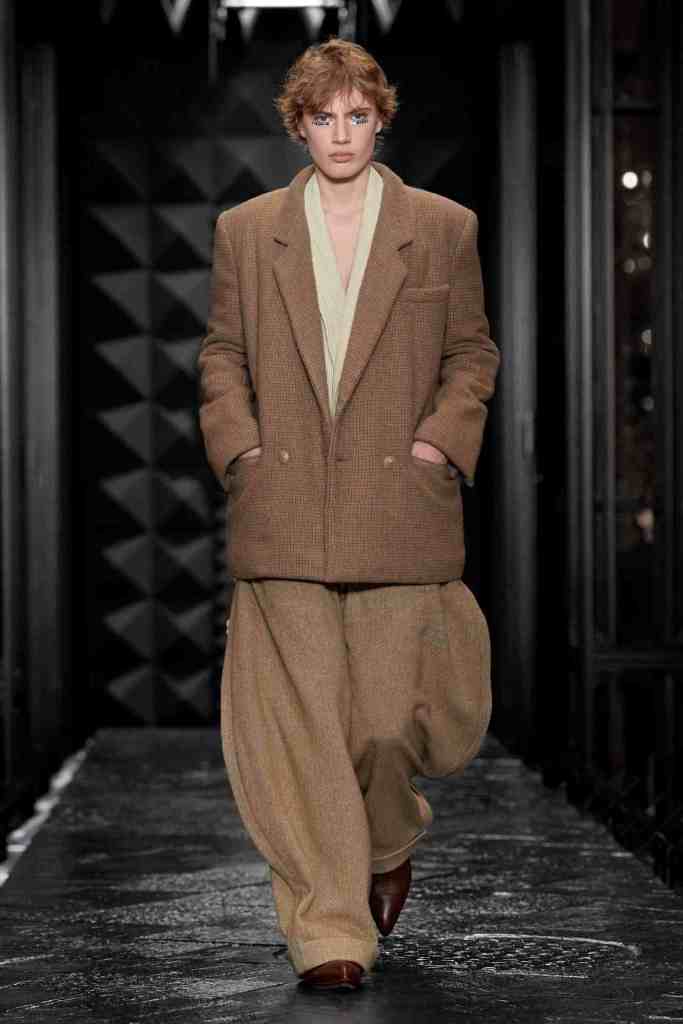
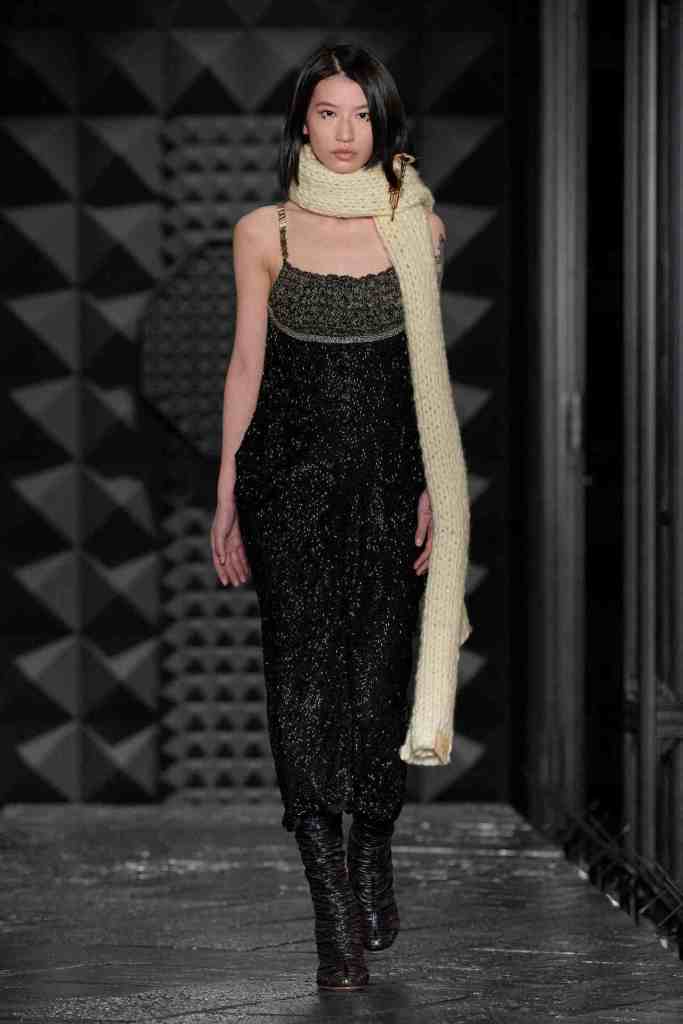
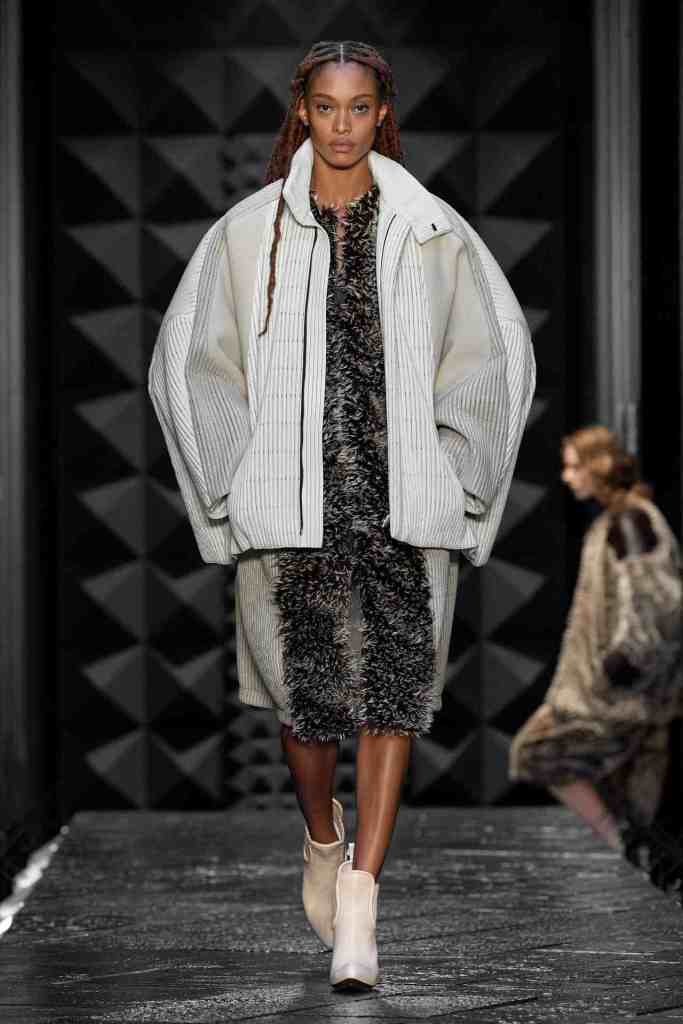
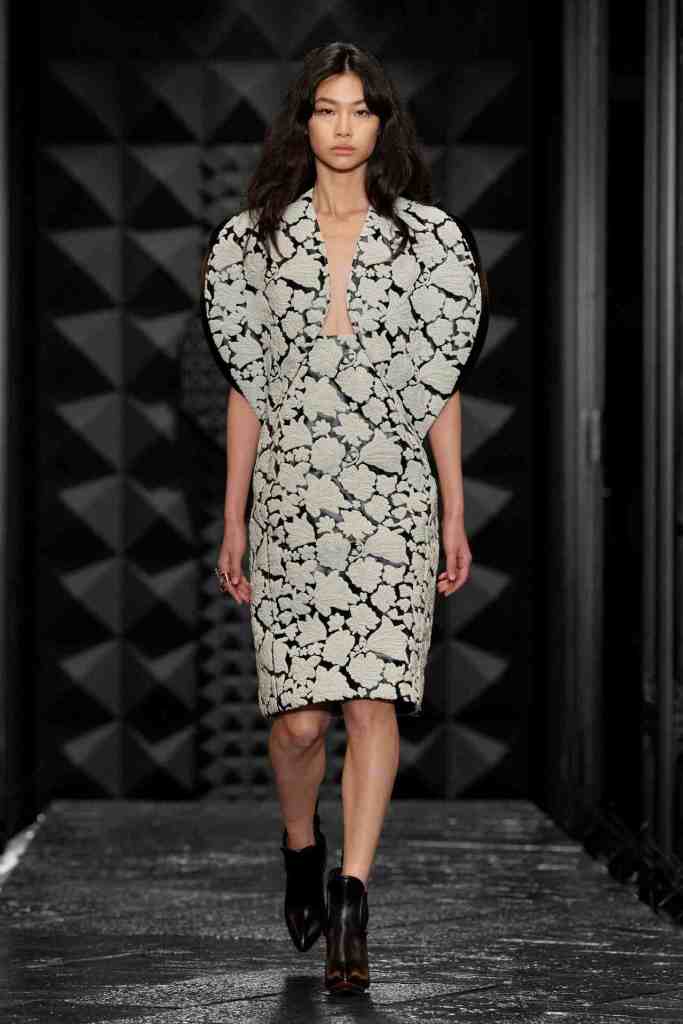
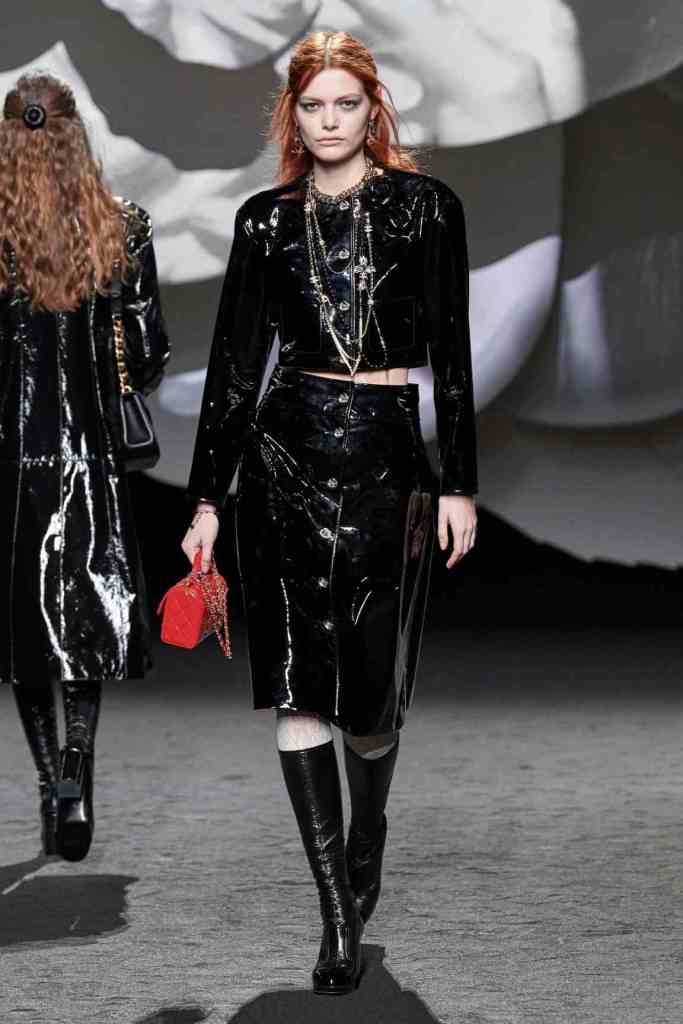
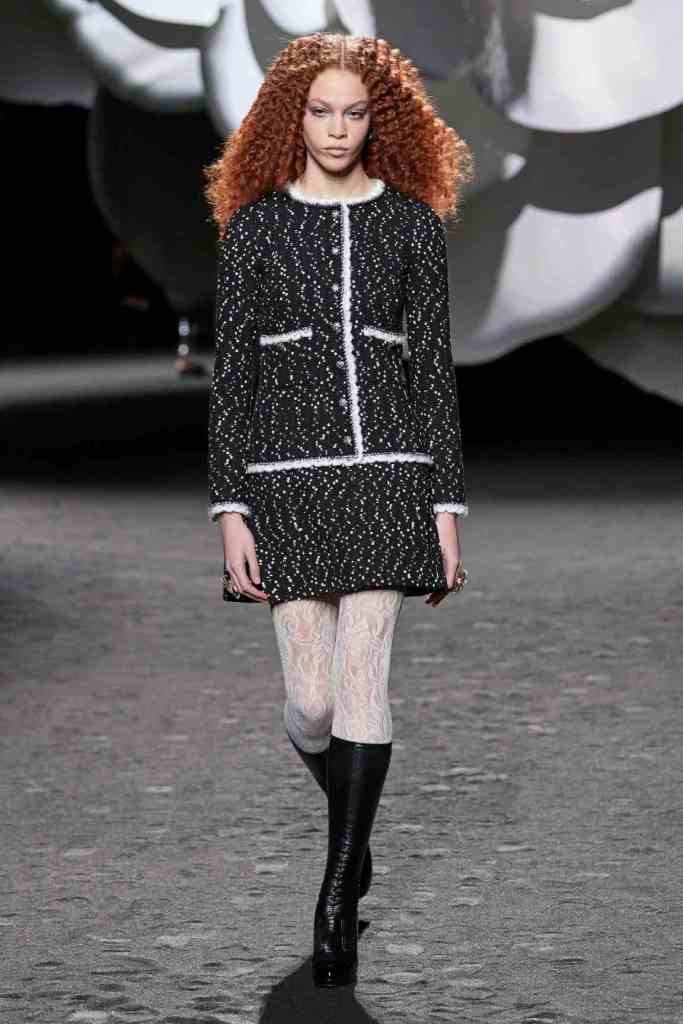
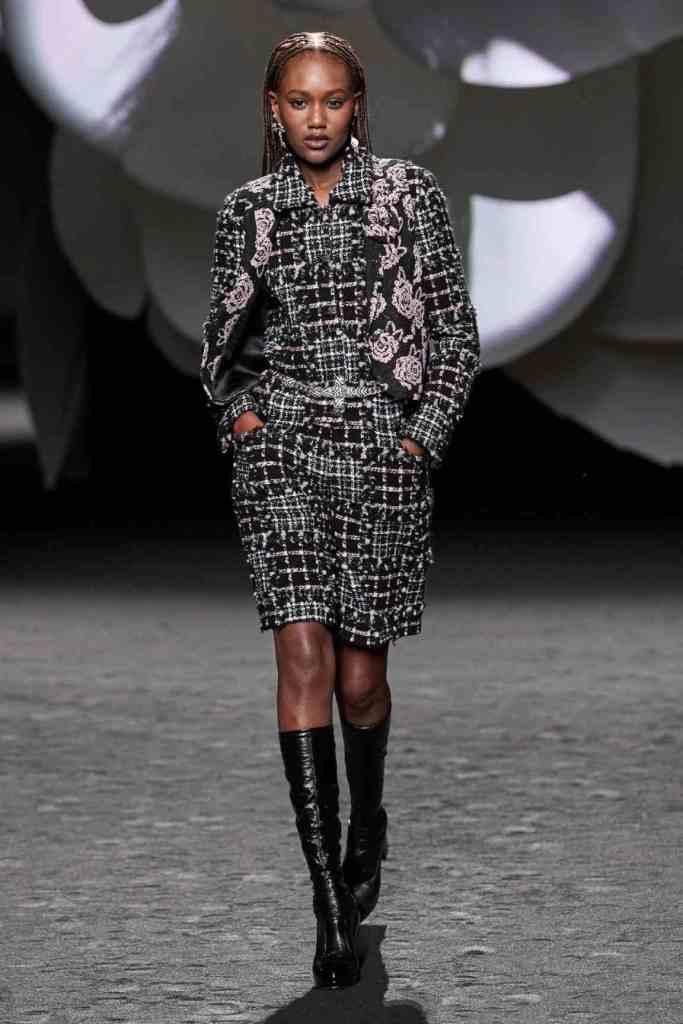
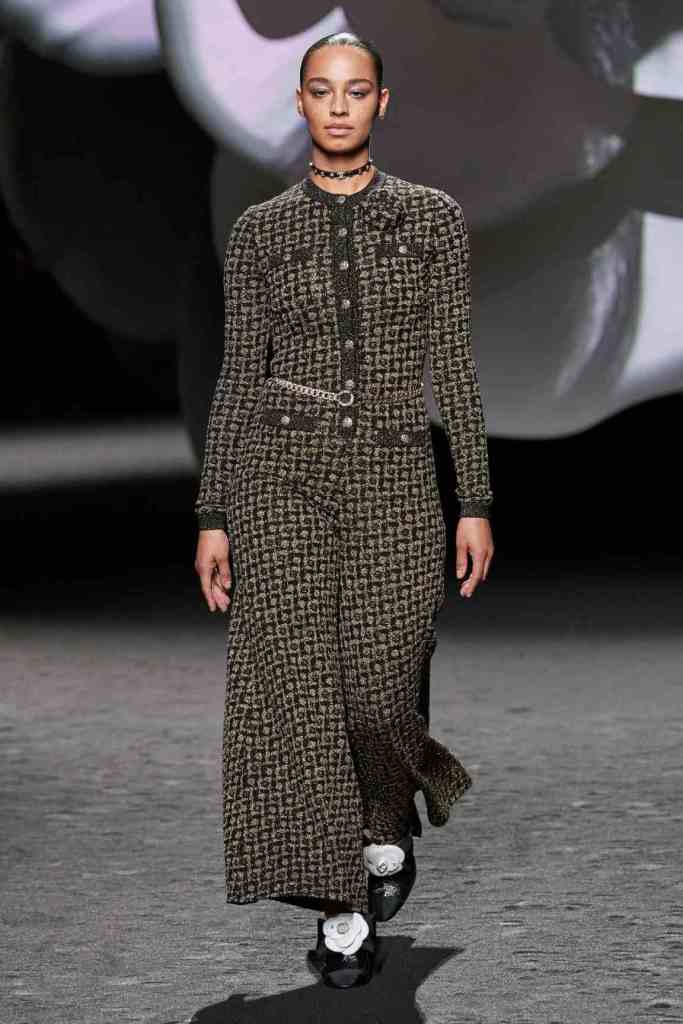
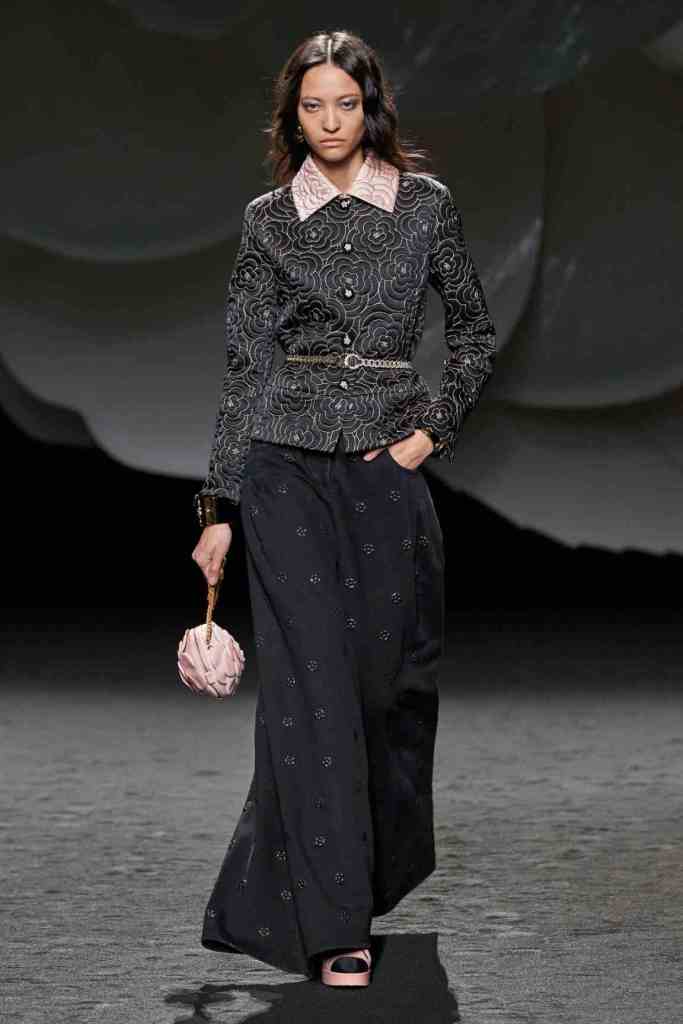
Chanel: The collection by Virginie Viard paid tribute to Chanel’s iconic camellia flower. The designer aimed to create garments that conveyed a sense of delicacy and movement. Viard incorporated the traditional Chanel elements of prints, lace patterns, and sequin jackets, but the camellia was clearly the main focus of the collection. A large white camellia was placed at the center of the black stadium inside the Grand Palais Éphémère. Viard did not prioritize evening wear, but instead aimed to capture the essence of Parisian style as worn by everyday women on the street. Drab colors and unflattering silhouettes – this collection had all the Viard signatures. While I would never want Chanel to go back to Karl Lagerfeld’s chic but unfriendly clothes towards women. have stopped caring too much about Viard’s Chanel, this collection proves that decision right. This is simply too underwhelming.

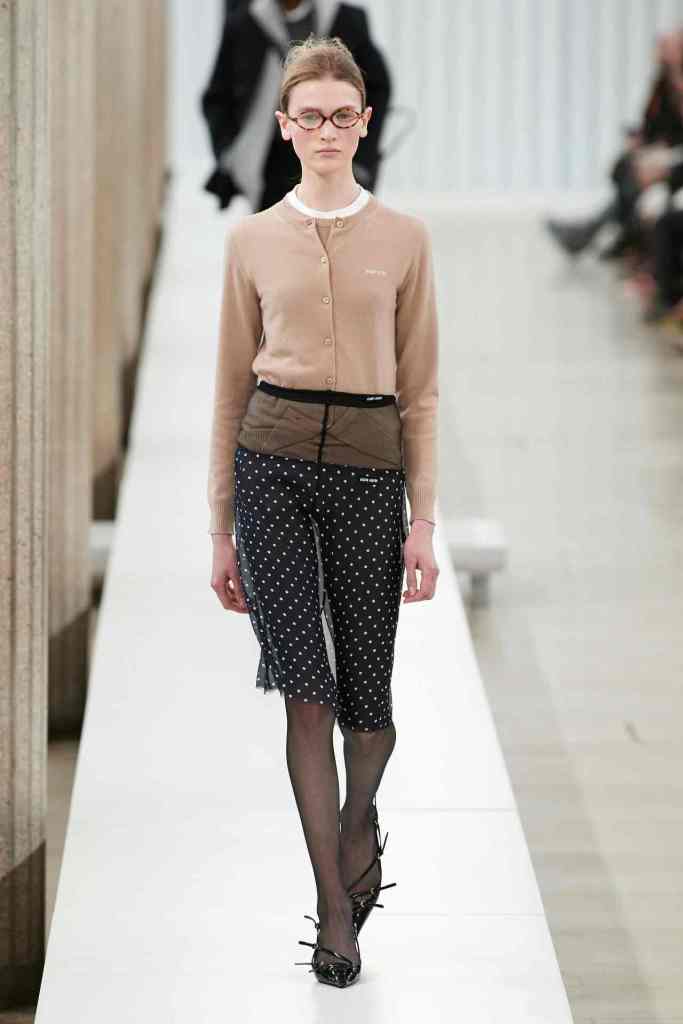
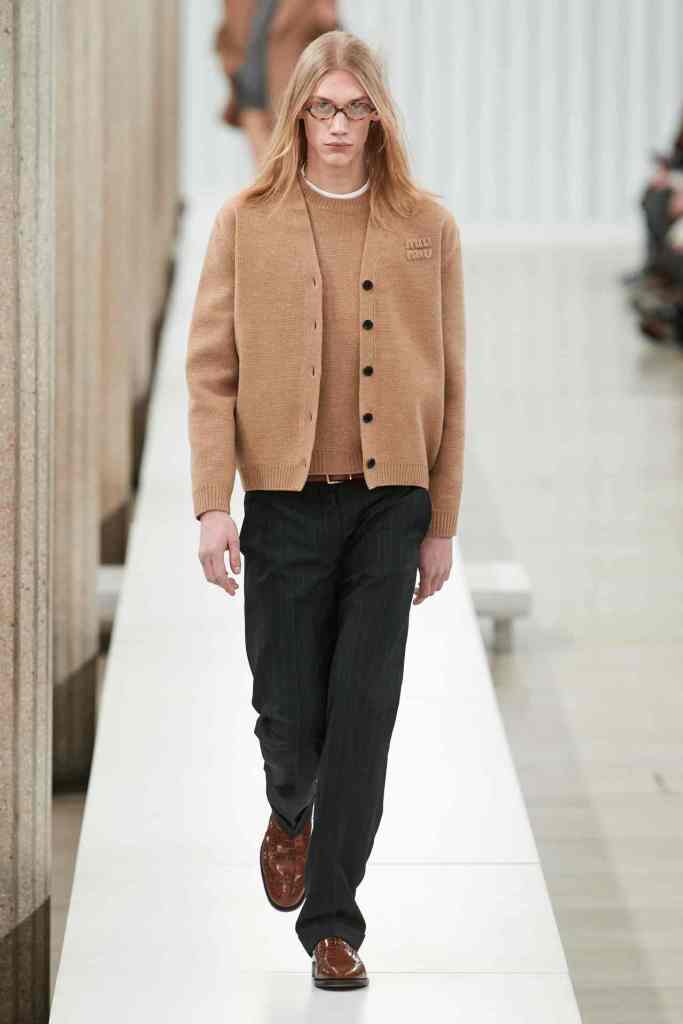
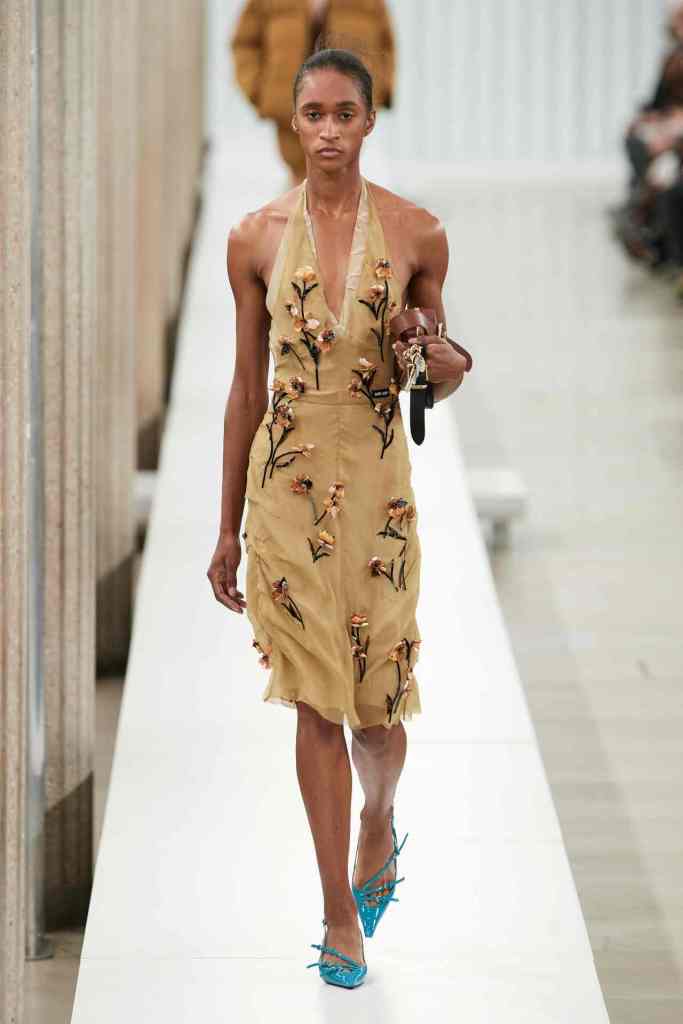
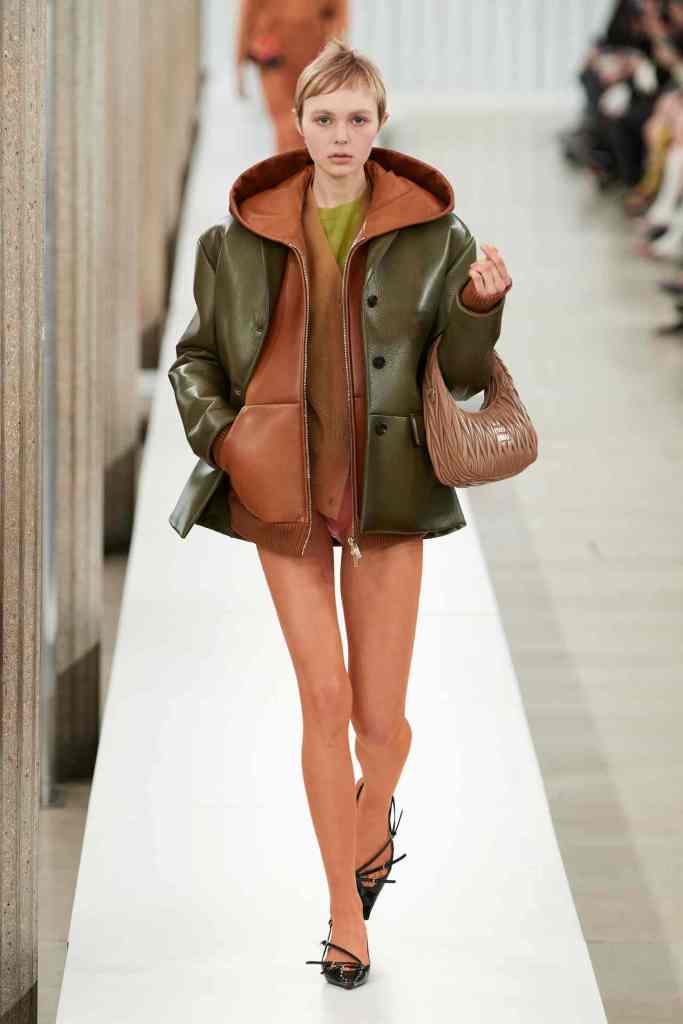
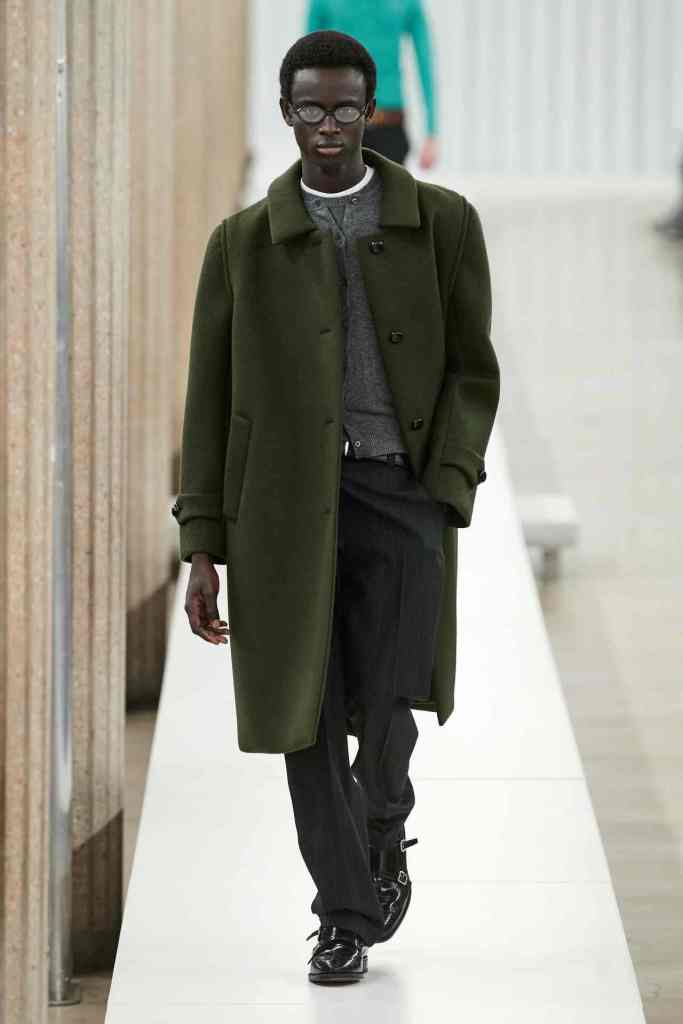
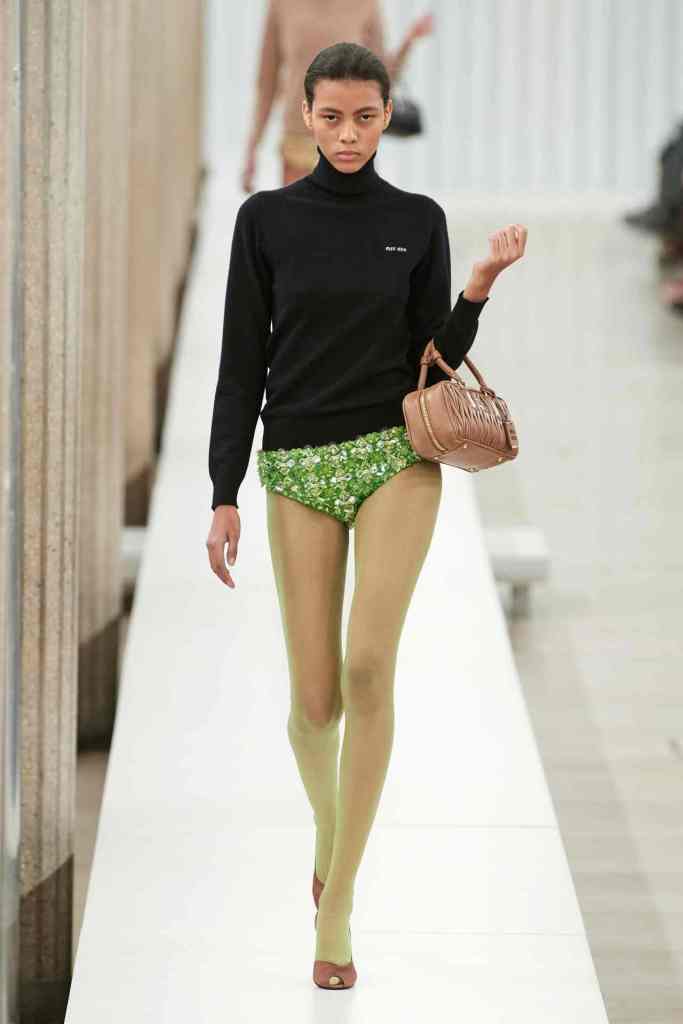
Miu Miu: The concept of observation impacts ideas of what is concealed and what is explored. Sheer chiffon fabric provides glimpses of typically hidden clothing items which necessitates a more attentive examination. The collection revolved around themes of autonomy, self-awareness, and dignity. Miuccia Prada is not afraid to poke fun at the fashion industry’s obsession with looking good, forgetting that clothes are also supposed to be functional and empowering. She’s sticking with her signature ugly-but-cool aesthetic, no matter what. While this collection was barely close to Prada’s past seasons at Miu Miu, the clothes were ultra-sensual and carried an aura of youth. These were items you would want in your closet – add some fun, add some statement.
Pictures courtesy of Vogue Runway
We do not own the rights to any of these images and they have been used in good faith. Every effort has been made to ensure that all images are used with proper credits. If you are the rightful owner of any image used on our site and wish to have it removed, please contact us at ayerhsmagazine@gmail.com and we will promptly remove it. We are a non-commercial, passion-driven, independent fashion blog and do not intend to infringe any copyright. Thank you for your understanding.
 Ayerhs Magazine