
Starting a fashion business with no experience or formal education requires discipline but can be done by any ambitious person.
The fashion industry is fast-paced and oversaturated, yet old-fashioned. Fashion houses like Prada and Gucci are slow to adopt new technologies. They don’t need to embrace modern technology; they are able to rely on brand recognition and novelty to be successful. However, for new businesses to stand a chance, they must embrace the current times. Businesses need to incorporate data driven products and center around sustainability in order to be worthwhile.
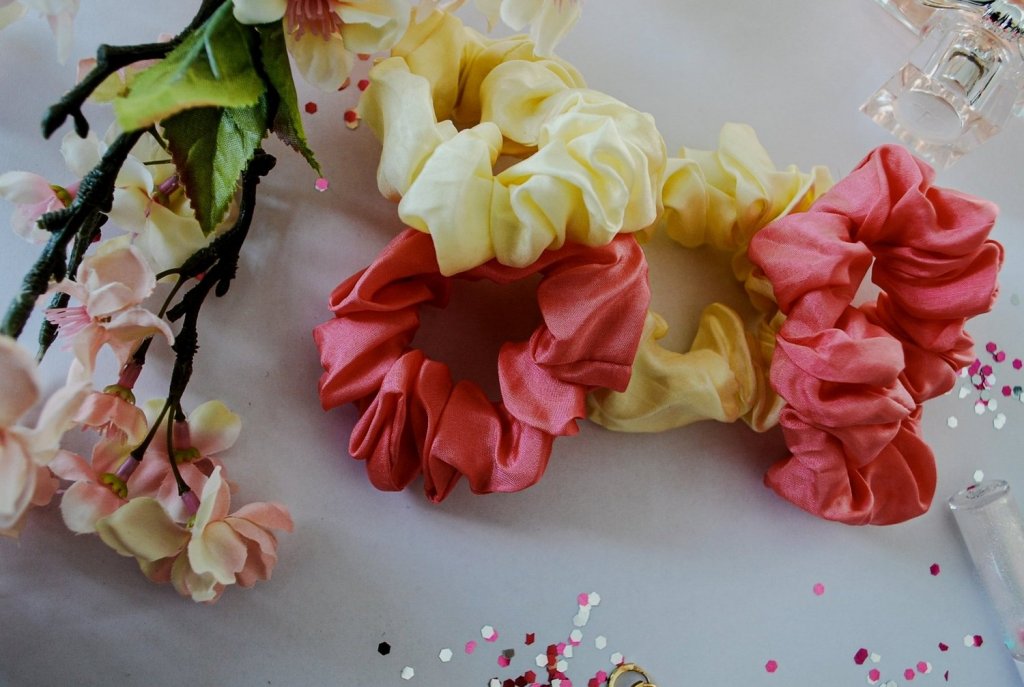
I was able to create my own business Anikascrunchie.com with these two key ingredients: sustainable products and utilization of consumer data. As a data science student at UC Berkeley, I noticed a connection between what I was learning and improving my business. I started out the entire model by applying the data science lifecycle. The data science life cycle is the process of observing an issue, asking a question, collecting data, understanding the data, and applying this to the world. I observed that current clothing was unsustainable and unaffordable. I asked the question, “Can I make an environmentally friendly product that anyone could buy?” Then, I narrowed down my focus to scrunchies and created prototypes so I could use them to collect data. I distributed my product to my peers and took thorough notes on their feedback. And understanding that data I concluded that people care primarily about quality and performance and sustainability is a “nice-to-have.” I applied this to the world by iterating on my product and restarting the data science cycle.
Furthermore, I led a research project to understand where the disconnect in university students and buying sustainable fashion. We interviewed students, created a survey, and plotted our results. Our findings suggested that students’ concerns were around pricing and quality. Sustainability was a second thought. I realized through user interviews and digging deeper into the data that people still felt bad about the way they shopped. Fast fashion, though seemingly affordable, was costing them their happiness. Most university students are major advocates for a green lifestyle but they simply cannot afford to entertain that way of living. With this in mind, I did another round of beta testing to ensure that the quality of the project was up to par and reduced costs from $15 to $5 a piece. We did this by sourcing from fewer locations to address the pricing issues without compromising quality and sustainability.
With sustainability and data at the forefront of my scrunchie business model, I felt confident to keep growing. The next hurdles involve marketing and expanding the team. I utilized LinkedIn’s expansive recruiting features to take on a marketing intern which eventually became a team. But there was a learning curve to my goal. Simple iPhone photos weren’t cutting it. I had to learn how to create aesthetic photos. This required getting into the right headspace with moodboards, using a digital camera, and learning about using the lighting through YouTube videos. Using items I had laying around, I ended up with professional-worthy photos. I then created a website using Squarespace. My housemate helped me workshop my descriptions and my friends critiqued my products further. I am now leading my marketing team towards our second launch.
What I have taken away from this process is that there are many factors in getting a successful business off the ground. Trial and error, teaching myself new skills, and using my data science studies to my advantage all played a part. I also found out that asking for help is not a weakness; it spread the word about my product and gave me new perspectives to consider about my business.
University students support fashion becoming sustainable and incorporating data aids this process. When one understands their customers’ perspective, the product becomes something they are happy about buying, removing the guilt associated with expensive and unsustainable fashion.
With all of these factors in mind, I have 4 main tips for starting a business:
- Test out your product as much as possible! The more data you can gather on how much people like your product, the more chances of success you will have.
- Seek help from people who are good at the parts you are not good at. Got a friend who’s great at writing? Have them help you write product descriptions.
- Keep the future and longevity of your business in mind and plan to either have a sustainable model or start introducing environmentally friendly aspects as you go.
- Don’t give up! It’s way easier said than done, but persistence is half the battle.
We do not own the rights to any of these images and they have been used in good faith. Every effort has been made to ensure that all images are used with proper credits. If you are the rightful owner of any image used on our site and wish to have it removed, please contact us at ayerhsmagazine@gmail.com and we will promptly remove it. We are a non-commercial, passion-driven, independent fashion blog and do not intend to infringe any copyright. Thank you for your understanding.
 Ayerhs Magazine